- E-mail: [email protected]
- WhatsApp: +86 18533346372
Home > Products > Monel bar > Monel 401/UNS N04401/Alloy 401 bar
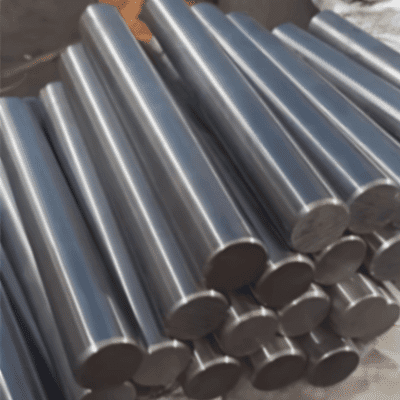
Monel 401 bar, designated as UNS N04401 and commonly known as Alloy 401, is a nickel-copper alloy specifically designed for its excellent electrical c…
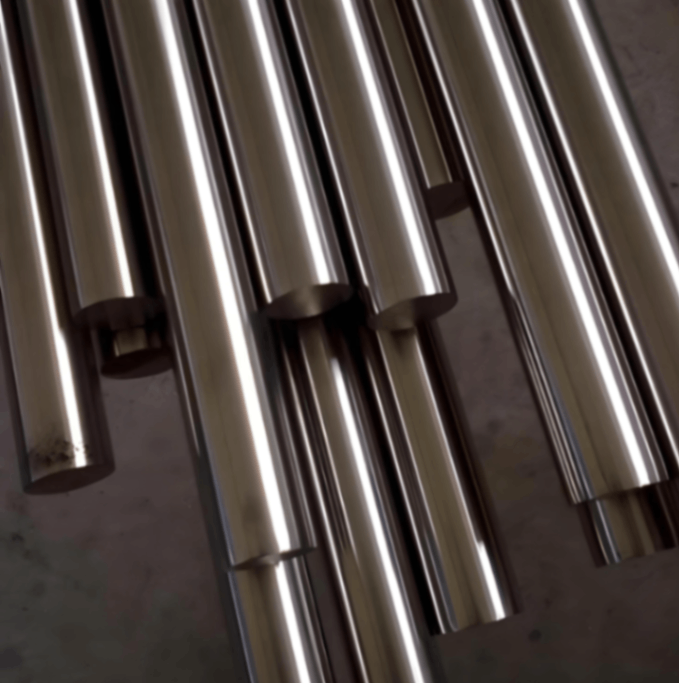
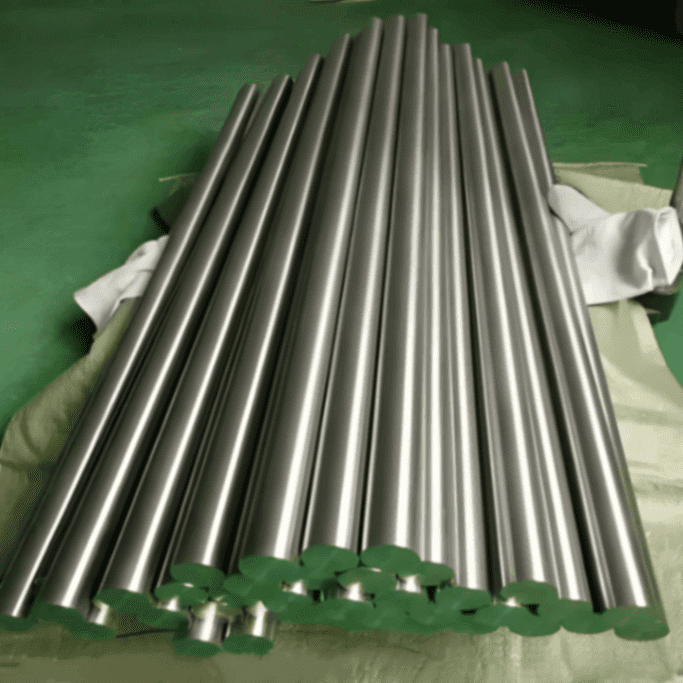
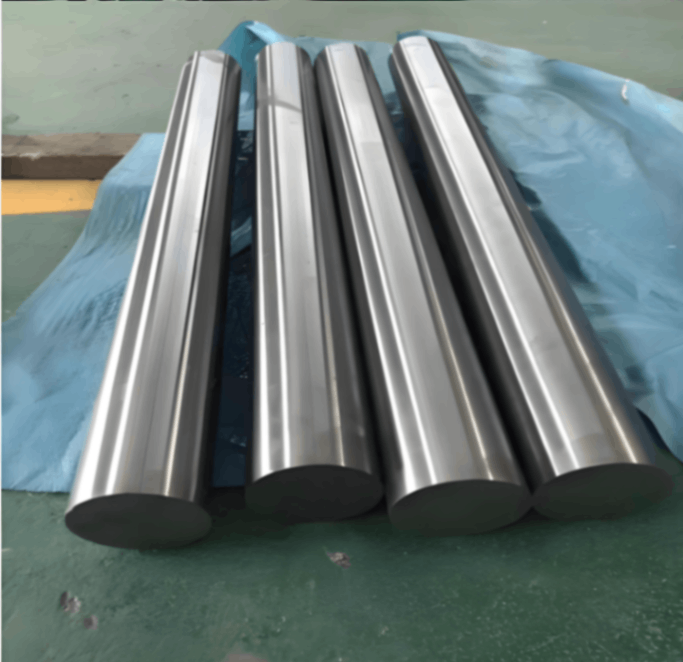
Monel 401 bar, designated as UNS N04401 and commonly known as Alloy 401, is a nickel-copper alloy specifically designed for its excellent electrical conductivity, low-temperature coefficient of electrical resistance, and good corrosion resistance. This bar stock form is a specialized material primarily used in electrical and electronic applications, such as for manufacturing resistance windings, precision resistors, thermocouple components, and lead wires, where stable electrical properties over a range of temperatures are paramount.
Monel 401 is a binary nickel-copper alloy engineered to provide a nearly constant electrical resistivity across a wide temperature span. Unlike other Monel alloys which are valued for mechanical strength and corrosion resistance, Alloy 401 is optimized for its electrical characteristics. It exhibits a low temperature coefficient of resistance, meaning its electrical resistance changes very little with temperature fluctuations. The bar stock is essential for precision electrical components and instruments requiring reliable performance under varying thermal conditions.
The unique electrical properties of Monel 401 bar are a direct result of its simple and precisely controlled nickel-copper composition. Supplied by Shanghai NC Metal Materials Co., Ltd., the bar stock is produced to meet specifications that ensure consistent electrical performance.
| Element | Percentage (%) – Typical Range | Primary Function in the Alloy |
|---|---|---|
| Nickel (Ni) | 40.0 – 45.0 | Primary base element; forms the solid-solution matrix with copper to achieve the desired electrical properties. |
| Copper (Cu) | Balance (approx. 53-58%) | Co-base element; the specific Ni-Cu ratio is critical for minimizing the temperature coefficient of electrical resistance. |
| Iron (Fe) | 0.50 max | Residual element; kept very low as it can adversely affect the target electrical properties. |
| Manganese (Mn) | 1.0 max | Residual element, deoxidizer. |
| Carbon (C) | 0.15 max | Residual element. |
| Silicon (Si) | 0.25 max | Residual element. |
| Sulfur (S) | 0.015 max | Impurity control; kept low for good hot workability. |
The primary value of Monel 401 bar lies in its electrical properties. Its mechanical properties are adequate for its intended applications in electrical components.
| Property | Typical Value / Characteristic | Condition / Notes |
|---|---|---|
| Electrical Resistivity at 20°C | 49.0 microhm-cm (490 nΩ·m) | Approximately 3 times the resistivity of pure copper. |
| Temperature Coefficient of Resistance (TCR) | ± 0.00002 /°C | Over the range 0°C to 100°C. This extremely low value is the alloy’s defining characteristic. |
| Tensile Strength | 380 – 480 MPa (55 – 70 ksi) | Annealed condition |
| Yield Strength (0.2% Offset) | 140 – 240 MPa (20 – 35 ksi) | Annealed condition |
| Elongation | ≥ 35% | Annealed condition |
| Modulus of Elasticity | ≈ 160 GPa (23.2 x 10^6 psi) | – |
| Density | 8.91 g/cm³ (0.322 lb/in³) | – |
| Melting Range | 1300 – 1350°C (2370 – 2460°F) | – |
| Thermal Conductivity | 21.8 W/m·K (151 BTU·in/hr·ft²·°F) | At 100°C |
| Mean Coefficient of Thermal Expansion | 13.9 μm/m·°C (7.7 μin/in·°F) | 20-100°C |
Shanghai NC Metal Materials Co., Ltd. supplies Monel 401 bar primarily in forms suitable for electrical component manufacturing, such as rod for redrawing into wire.
| Product Form | Standard Size Range | Key Standard Specifications | Common Supply Conditions |
|---|---|---|---|
| Round Bar / Rod (Hot Rolled/Cold Drawn) | 3mm (0.125″) to 50mm (2″) Diameter | ASTM F96 (UNS N04401), AMS 7233, Proprietary electrical alloy specifications | Annealed, Cold Drawn, Hot Rolled |
| Square Bar | 5mm to 25mm Width | Customer specifications for specific components | Annealed |
| Wire Rod (for redrawing) | 5mm to 12mm Diameter | Primary form for producing fine resistance wire | Hot Rolled, Pickled |
Monel 401 bar is used almost exclusively in electrical and electronic applications that demand stable resistance: Precision Resistors: Wire-wound resistors and precision resistor elements where a constant resistance value across operating temperatures is required. Electrical Instruments: Internal windings and components in meters, bridges, and other sensitive electrical measurement equipment. Thermocouple Wires: As a component in certain specialized thermocouple pairs. Lead Wires & Connectors: For applications where low thermal EMF and stable conductivity are needed. Temperature-Compensating Devices: Components in circuits designed to compensate for temperature-induced changes in other materials.
Monel 401 offers moderate corrosion resistance, similar to but generally lower than other nickel-copper alloys like Monel 400, due to its different composition. It resists corrosion in freshwater, seawater, and many alkaline solutions. However, it is not recommended for service in oxidizing acids, sulfur-bearing environments, or high-temperature oxidizing conditions. Its primary selection criterion is electrical performance, not corrosion resistance. For applications requiring both stable electrical properties and high corrosion resistance, other materials or plating/cladding solutions are considered.
Monel 401 bar has fair machinability, similar to other nickel-copper alloys. It is gummy and tends to work-harden. Recommendations for machining include: using sharp, positive-rake carbide tools; moderate cutting speeds; consistent, positive feed rates; and ample coolant to control heat and clear chips. For the finest wires used in resistors, the bar/rod is extensively cold drawn through a series of dies with intermediate anneals to achieve the desired diameter and mechanical properties.
Monel 401 can be welded using common processes such as Gas Tungsten Arc Welding (GTAW/TIG) and Resistance Welding. However, welding can locally alter the precise Ni-Cu ratio and microstructure, potentially affecting the critical electrical properties in the heat-affected zone. Therefore, welding is generally avoided for components where the electrical characteristics are paramount. For electrical connections, soldering or brazing with appropriate filler metals is the preferred method.
The price of Monel 401 bar from Shanghai NC Metal Materials Co., Ltd. is influenced by its nickel content and its status as a specialized, low-volume electrical alloy.
| Pricing Factor | Impact on Reference Price | Procurement Guidance |
|---|---|---|
| Nickel Content and Market | The ~42% nickel content ties the base price to nickel market fluctuations. As a lower-volume specialty alloy, it may carry a premium over more common nickel alloys. | This alloy is purchased for its unique electrical performance, not cost. Its price is justified by the value it adds in precision electrical devices. |
| Form and Dimensional Tolerance | Precision cold-drawn rod to tight diameter tolerances for wire drawing is a standard product. Special shapes or very small diameters increase cost. | Specify the exact diameter tolerance required. For resistor wire manufacturing, the rod is a precursor; the final wire drawing and annealing process will be performed by the wire producer. |
| Electrical Property Certification | Requiring certified test reports for electrical resistivity and temperature coefficient of resistance (TCR) adds to quality assurance costs. | For critical applications, it is essential to specify and receive certification of the electrical properties (per ASTM B84 or similar) to ensure the material meets the design requirements. |
| Volume and Minimum Order | As a niche material, minimum order quantities (MOQ) may apply, and small orders can have a higher unit cost. | Consolidate requirements or plan procurement in advance to meet potential MOQs and achieve better pricing. |
We are factory wholesale price, and the prices are lower than 95% of suppliers. Our professional quotation will help you with your project. Expecting our long-term cooperation. )
 English English
  Korean
 Arabic
 Spanish
 German
 Portuguese
 French
 Russian
 Italian
 Vietnamese