Hastelloy X bar is internationally recognized as a heat-resistant nickel alloy used in both industrial and aerospace-related applications. At Shanghai NC Metal Materials Co., Ltd., the material is supplied in line with commonly referenced standards such as ASTM B572, ASTM B435, and ASTM B366, depending on the product form, customer requirement, and downstream fabrication route. In practical purchasing, buyers often mention only the alloy name, but standard alignment is equally important because it affects inspection, dimensional tolerance, documentation, and acceptance criteria.
The unified material designation for Hastelloy X is UNS N06002. This UNS number is one of the most important identifiers in international trade because it reduces confusion between commercial names, legacy specifications, and local market terminology. In the German system, the corresponding grade is 2.4665. For customers serving European end users, this equivalent grade reference is often necessary during technical approval and export documentation review.
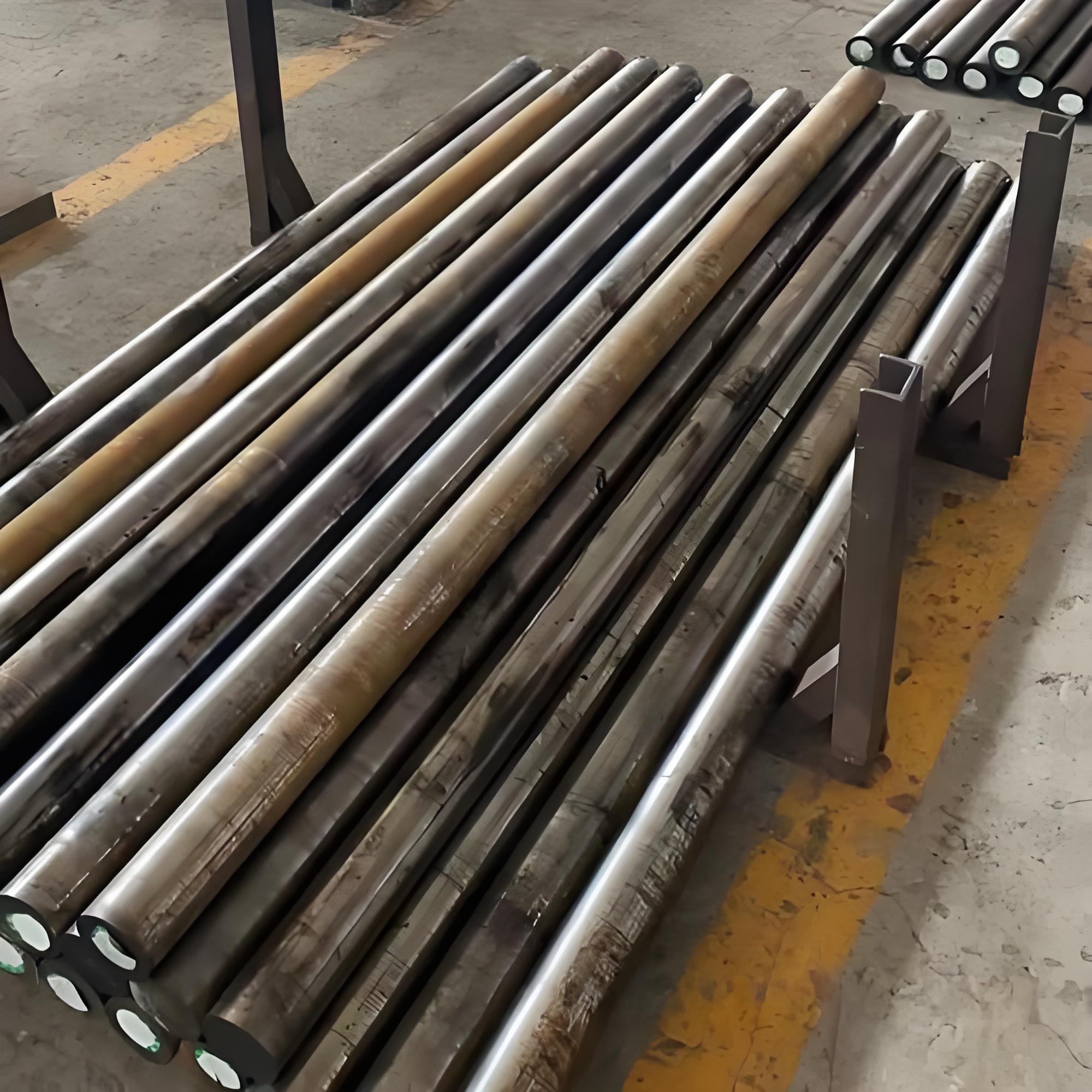
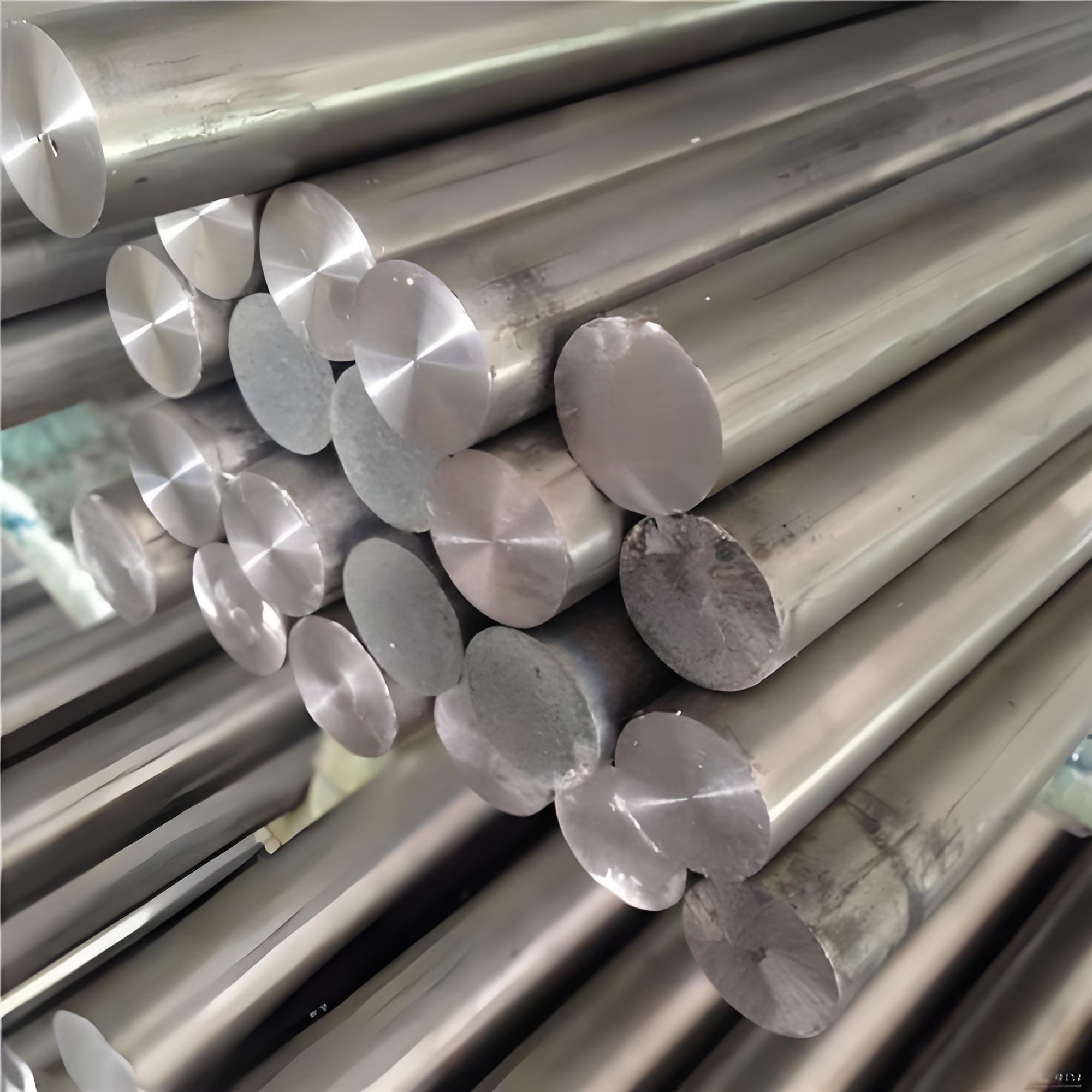
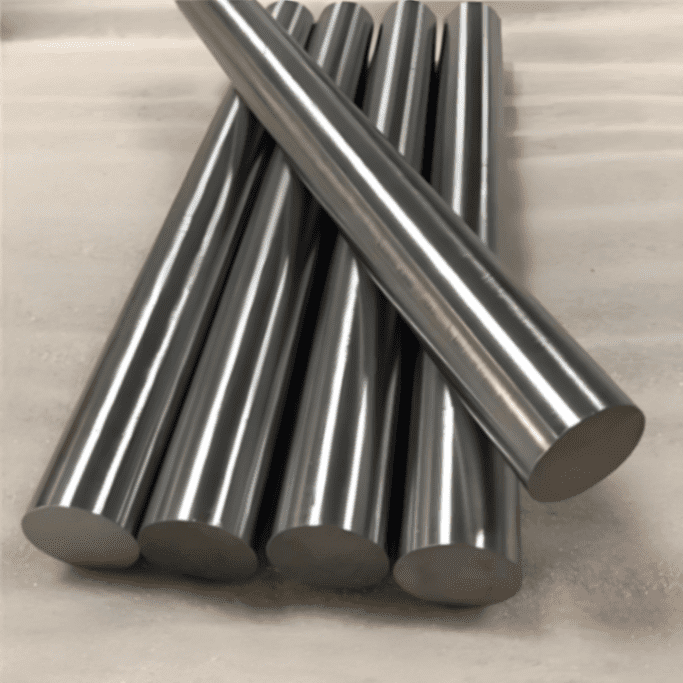
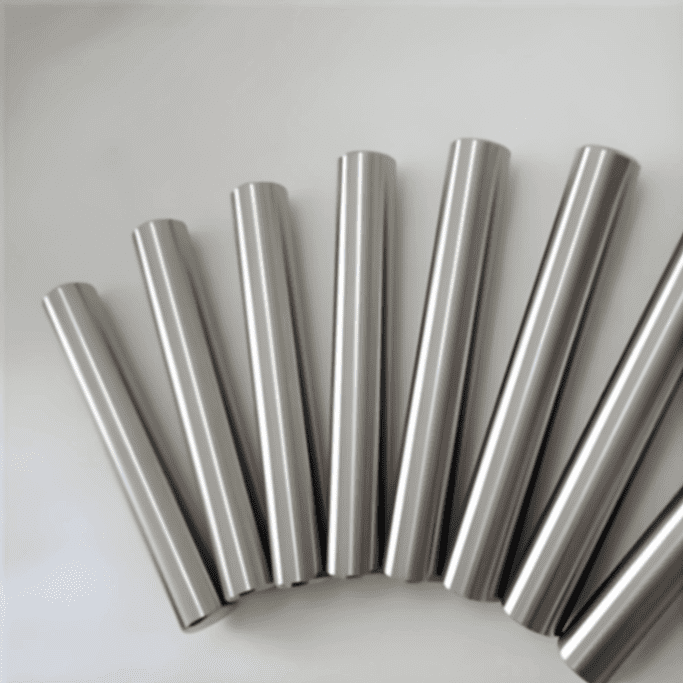
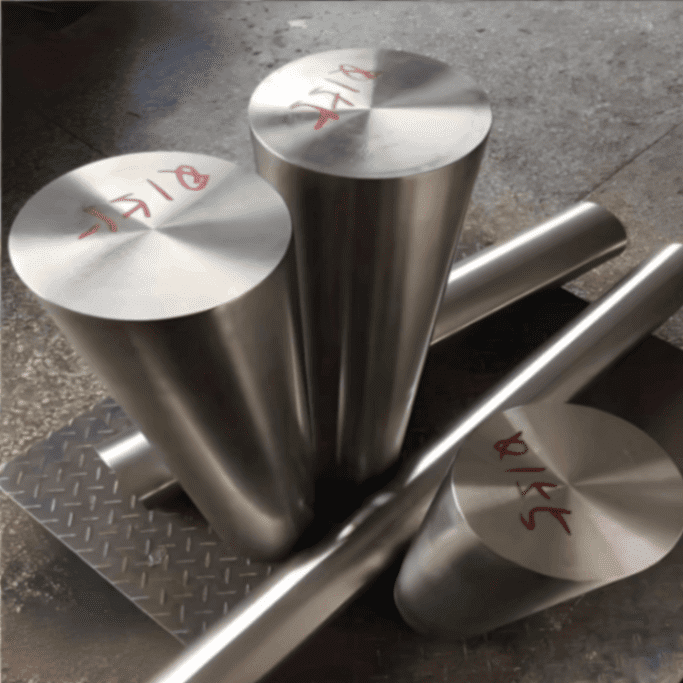
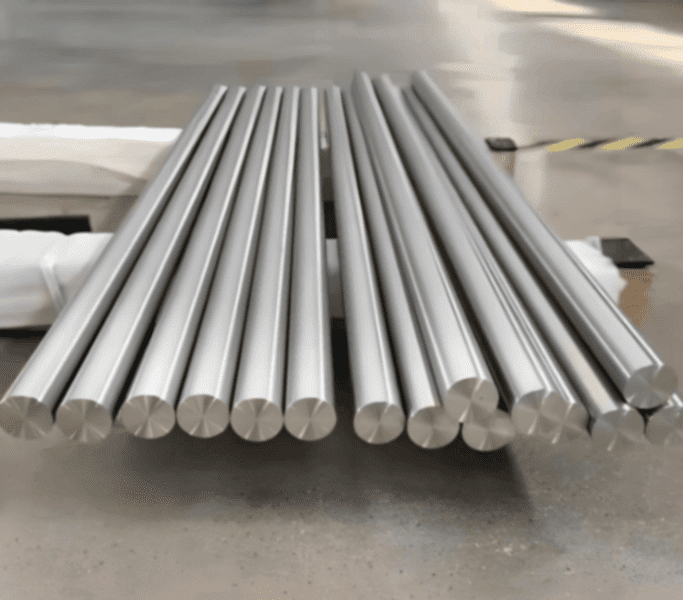
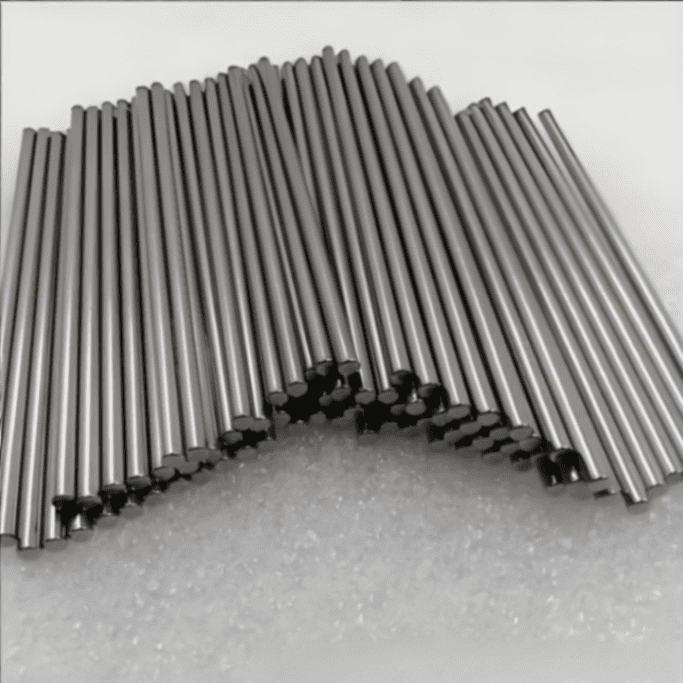
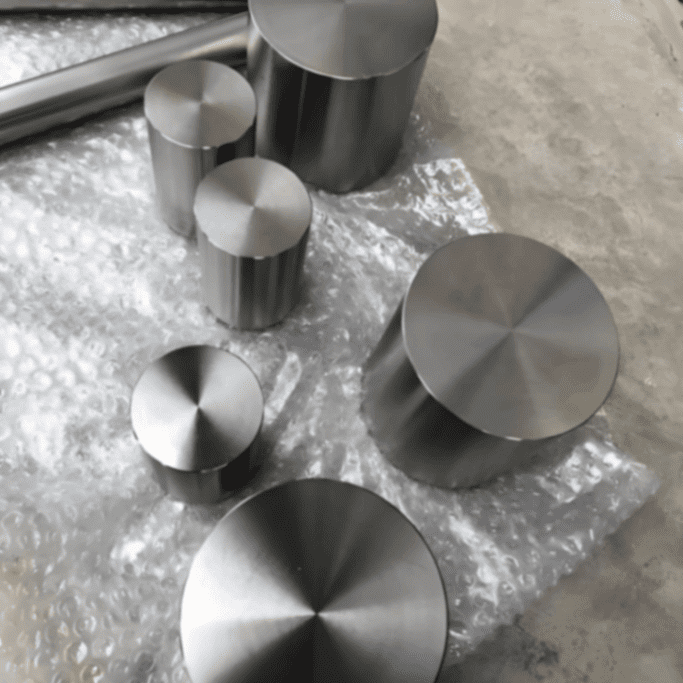
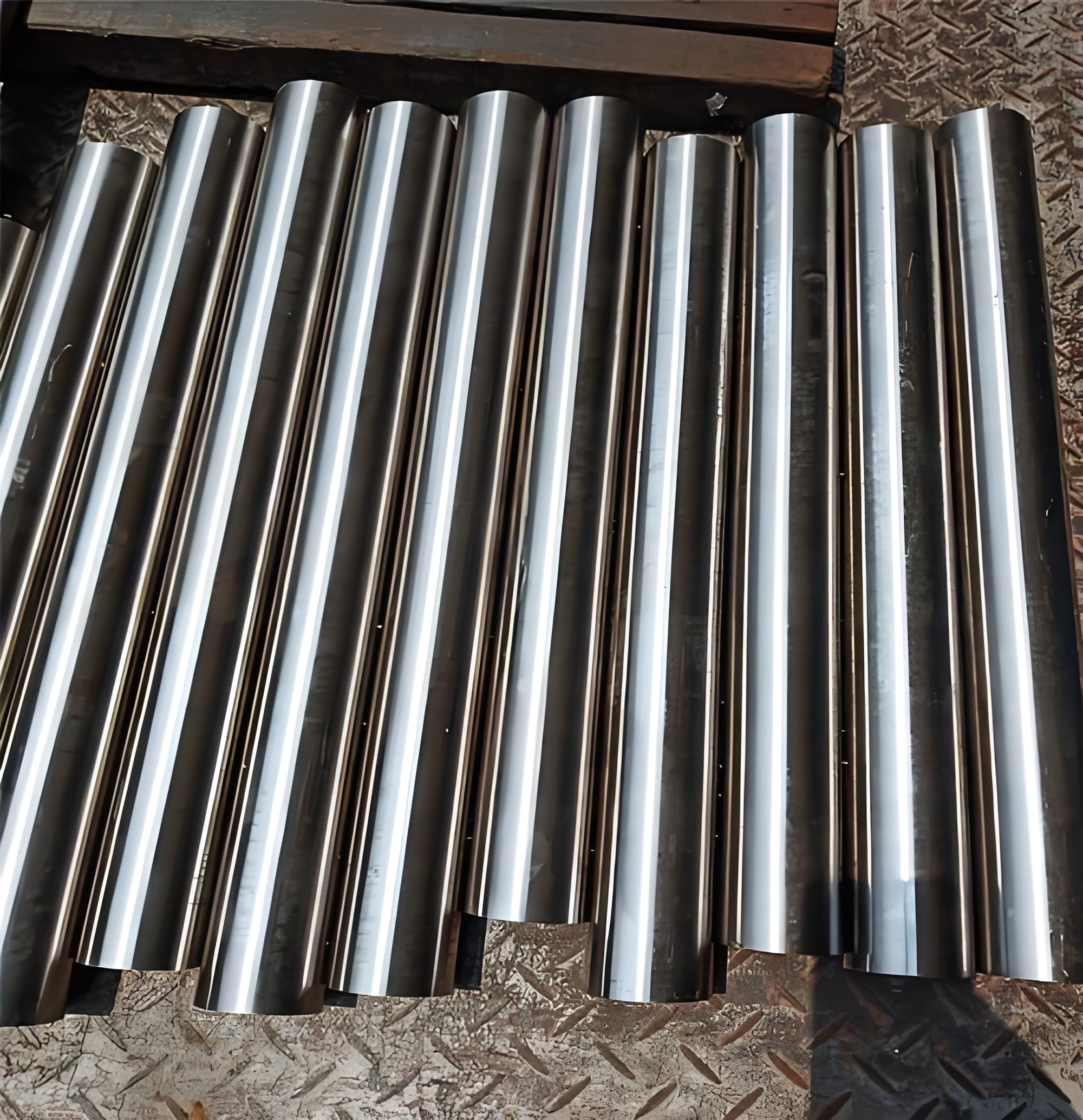
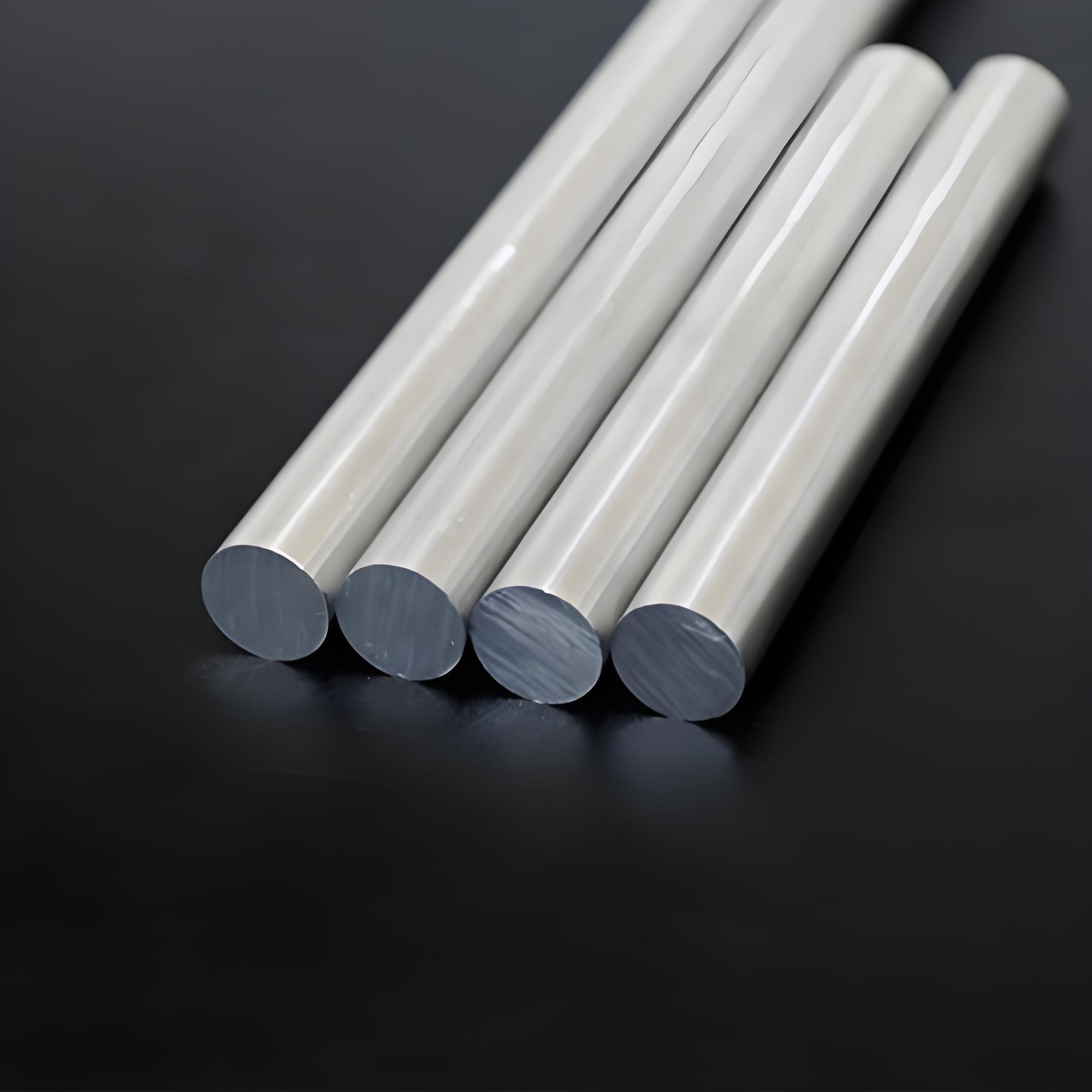
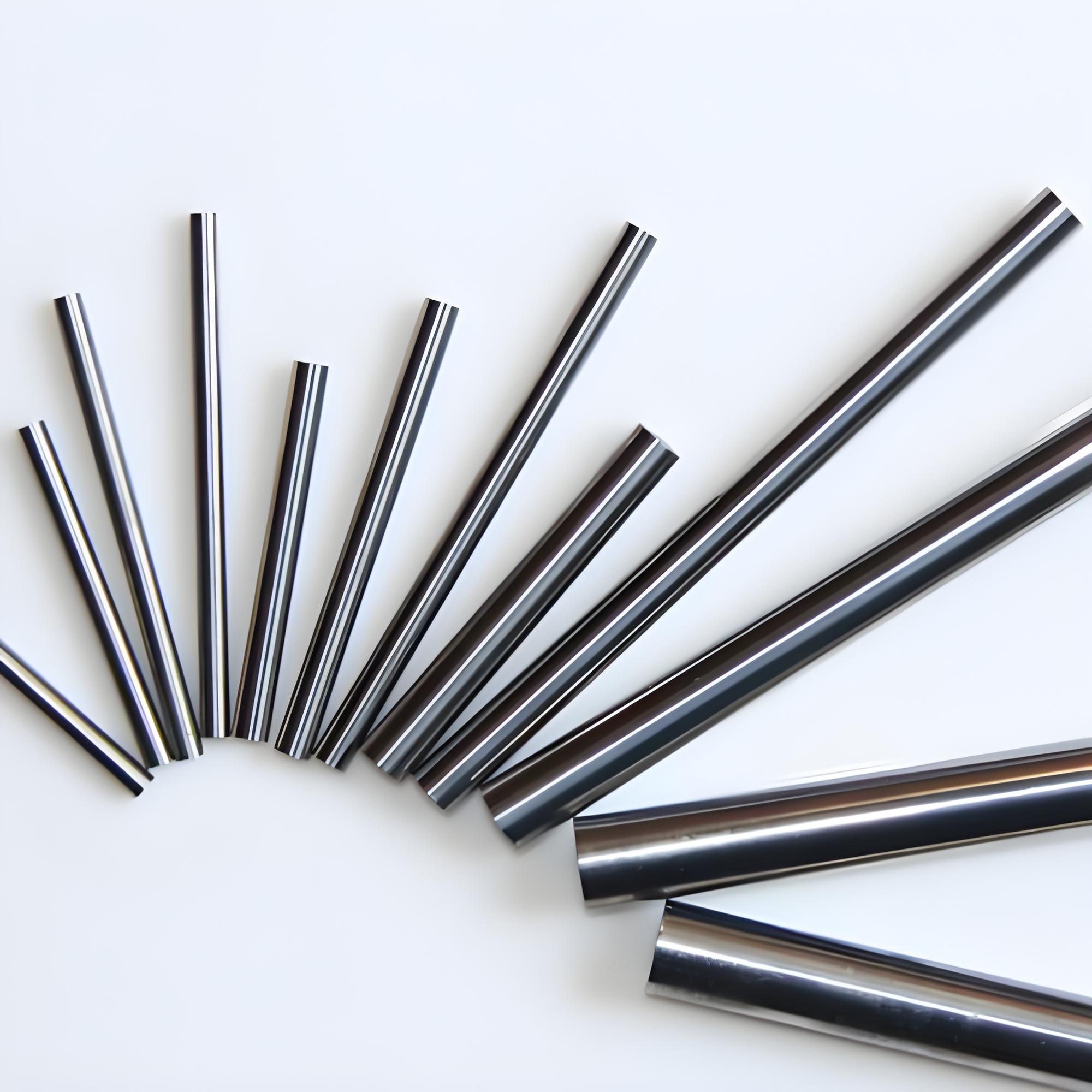
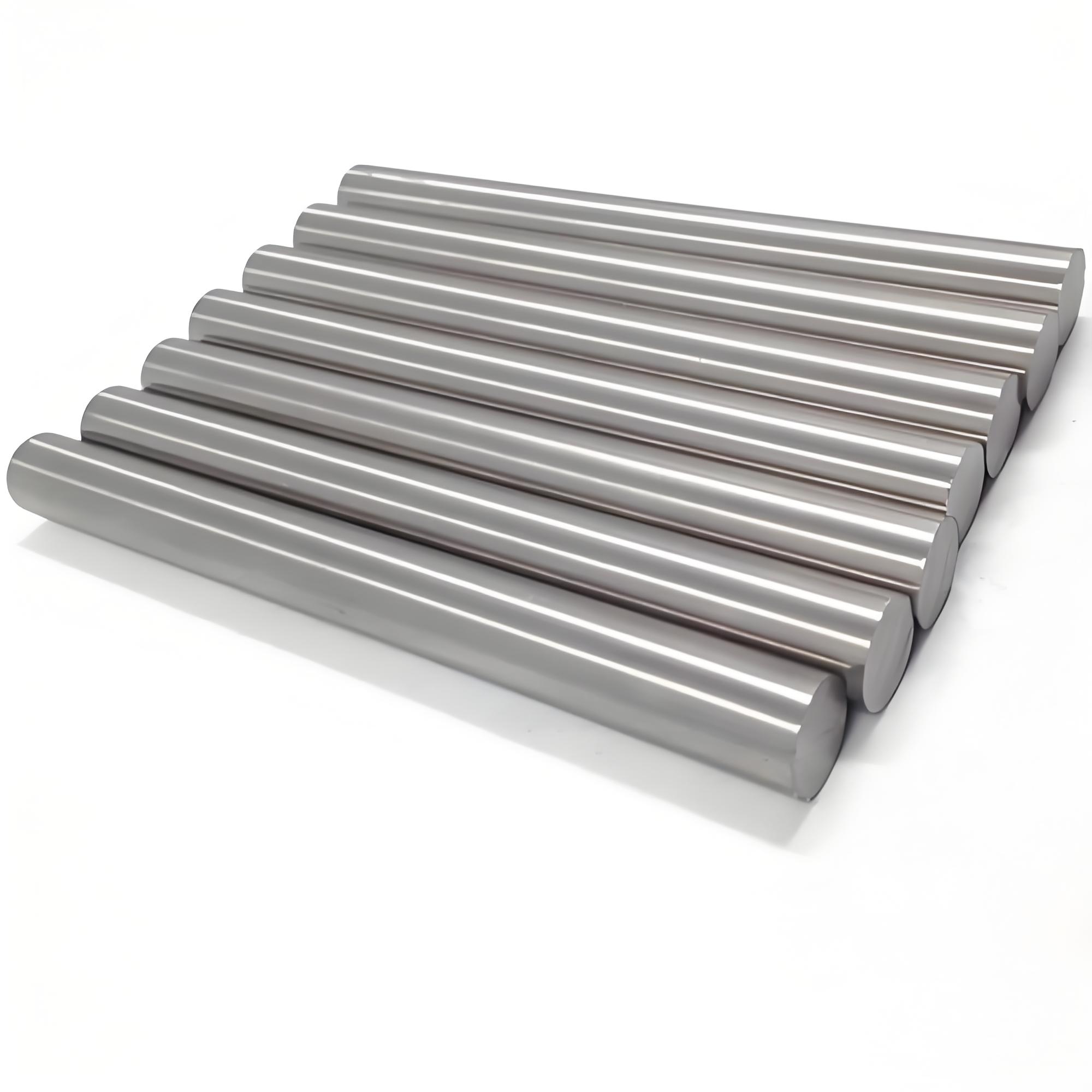
Shanghai NC Metal Materials Co., Ltd. can supply Hastelloy X bar in several common forms, including hot rolled bar, forged bar, and bright bar. Hot rolled bar is generally selected for further machining or industrial structural use where economy and larger section availability are important. Forged bar is often chosen when customers need improved structure, larger diameters, or more demanding hot-section applications. Bright bar is preferred for precision machining, better surface condition, and tighter dimensional expectations.
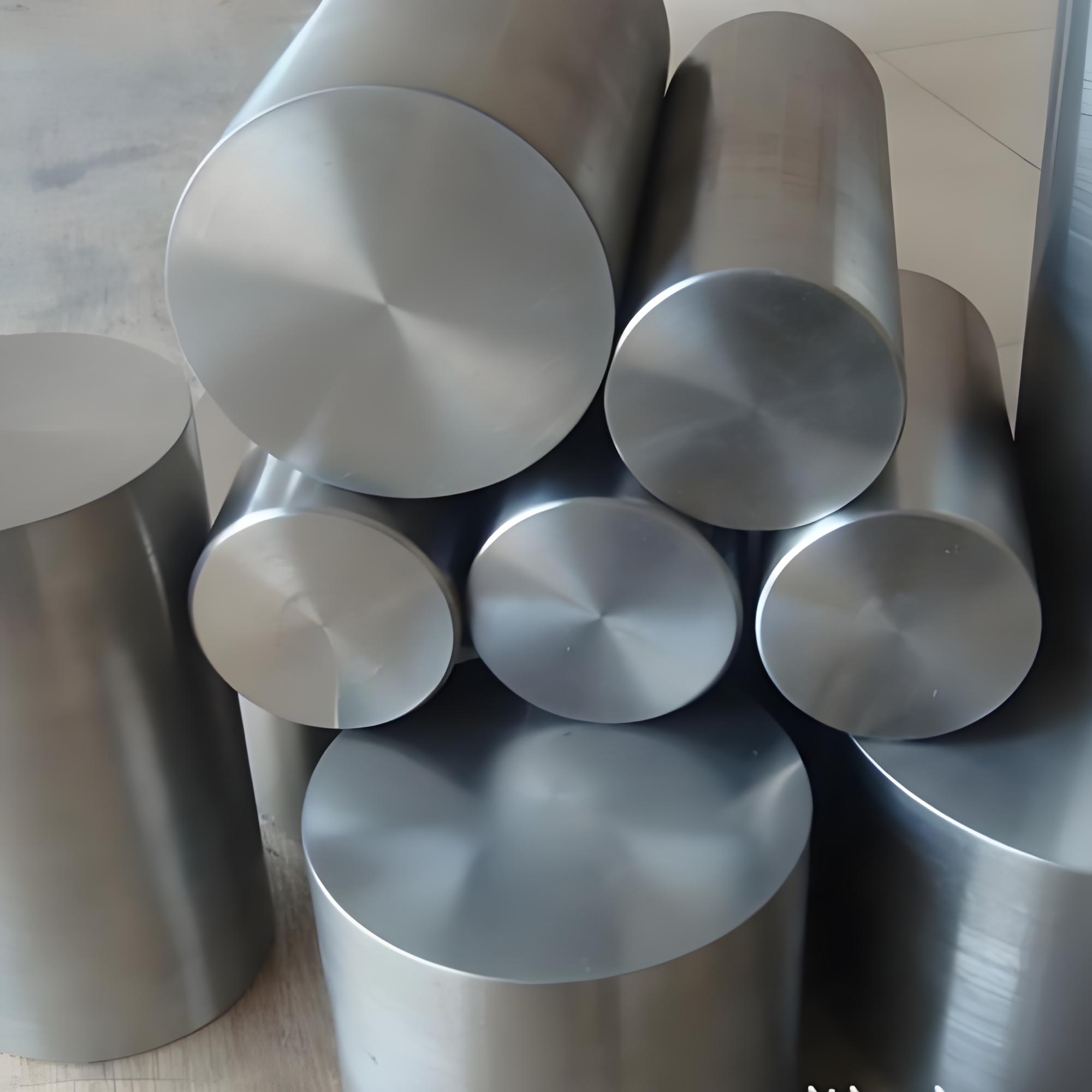
These supply forms are not interchangeable in every project. For example, a customer machining turbine-related components may prefer peeled or bright-finished stock for better surface consistency, while a furnace equipment manufacturer may prioritize forged or hot rolled bar with machining allowance. That is why correct grade identification should always include standard, UNS number, form, and delivery condition.
Core Chemical Composition of Hastelloy X Bar
The core chemistry of Hastelloy X is the foundation of its high-temperature performance. It is essentially a nickel-chromium-iron-molybdenum alloy, with controlled additions of cobalt and tungsten for strengthening and thermal stability. At Shanghai NC Metal Materials Co., Ltd., the measured production range is controlled to support stable oxidation resistance, heat strength, and fabrication behavior.
Nickel is the base element and remains at balance, typically not less than 47%. In practical terms, nickel forms the matrix of the alloy and provides the toughness, thermal stability, and corrosion support expected from a high-grade heat-resistant material. Chromium is usually controlled in the range of 20.5–23.0%, and this is one of the most critical elements for oxidation resistance. At elevated temperatures, chromium helps build a protective oxide film, which is why Hastelloy X performs well in hot oxidizing atmospheres.
Iron is commonly maintained at 17.0–20.0%. It helps stabilize the structure and also supports cost balance without removing the alloy from its high-performance nickel-base category. Molybdenum at 8.0–10.0% contributes strong solid-solution strengthening and improves resistance in reducing environments to a certain extent. Cobalt, generally 0.5–2.5%, supports high-temperature strength retention. Tungsten, typically 0.2–1.0%, provides additional strengthening effect, especially under elevated thermal load.
| Elemento |
Gamma tipica |
Funzione principale |
| Ni |
Balance, ≥47% |
Elemento matrice |
| Cr / Fe / Mo |
20.5–23.0 / 17.0–20.0 / 8.0–10.0% |
Oxidation resistance / structure balance / strengthening |
This chemistry balance is one reason Hastelloy X is often selected for combustor parts, furnace components, and heat-resistant structural bars. It is not designed as the strongest room-temperature alloy in the nickel family, but it is highly valued because it maintains useful strength together with oxidation resistance and fabrication flexibility across a broad operating range.
Oligoelementi e limiti di impurità
In addition to the main alloying elements, Hastelloy X bar depends heavily on control of trace elements and impurity limits. These values may look small on paper, but they can strongly influence weldability, hot workability, oxidation behavior, and long-term thermal stability.
Carbon is generally controlled in the range of 0.05–0.15%. Carbon contributes to carbide formation and can help with certain high-temperature strength characteristics, but if not properly managed it may also affect ductility and welding response. Silicon and manganese are each usually limited to 1.00% maximum. These elements support deoxidation and processing, but excess levels are not desirable in premium heat-resistant alloy control.
Phosphorus and sulfur are tightly restricted, typically to 0.030% and 0.015% maximum respectively. This is important because excessive phosphorus or sulfur can damage hot workability and increase brittleness risk. Boron is usually limited to 0.008% maximum, and copper to 0.50% maximum. Such controls help preserve stable high-temperature properties and minimize unwanted metallurgical variation.
From a buyer’s perspective, impurity control is one of the reasons there can be a clear difference between qualified Hastelloy X bar and lower-quality material offered only by nominal grade name. A reliable supplier should provide full chemistry documentation, not only the major alloying elements.
| Gruppo di elementi |
Limite tipico |
Importance |
| C / Si / Mn |
0.05–0.15 / ≤1.00 / ≤1.00% |
Strength and processing balance |
| P / S / B / Cu |
≤0.030 / ≤0.015 / ≤0.008 / ≤0.50% |
Purity and hot-work stability |
Proprietà meccaniche a temperatura ambiente
Although Hastelloy X is chosen mainly for elevated-temperature service, its room-temperature mechanical properties still matter because they affect machining, forming, handling, and inspection acceptance. At Shanghai NC Metal Materials Co., Ltd., typical tested room-temperature tensile strength falls in the range of 690–860 MPa according to ASTM E8. This indicates a material that is structurally reliable while still retaining useful ductility.
The 0.2% yield strength is typically 310–450 MPa. This level is sufficient for many fabricated and machined high-temperature components, especially when design engineers understand that the alloy’s main value lies in hot service performance rather than maximizing ambient yield strength. Elongation is generally 30–45%, showing that the alloy maintains good ductility for forming and fabrication. Reduction of area is typically 35–55%, which also reflects balanced toughness and deformability.
Hardness usually falls in the range of 180–240 HB under ASTM E10 testing. This hardness level supports practical machinability while confirming the alloy is not excessively hard in the solution-treated condition. For factories machining complex parts from round bar, this is an important processing advantage.
For procurement teams, these values show that Hastelloy X bar is not only a heat-resistant alloy but also a workable engineering material. It can be cut, machined, welded, and fabricated without the extreme difficulties that may be seen in some more specialized superalloys.
Elevated-Temperature Mechanical Properties in the Solution-Annealed Condition
The elevated-temperature behavior of Hastelloy X is where the alloy becomes especially attractive for furnace, turbine, and combustion-related applications. Shanghai NC Metal Materials Co., Ltd. uses solution-annealed condition data as a practical reference for customers evaluating service performance.
At 540°C, typical tensile strength is around 620 MPa, with yield strength near 280 MPa and elongation around 38%. At 650°C, tensile strength remains about 540 MPa and yield strength about 260 MPa, while elongation increases to roughly 42%. These values indicate the alloy still retains useful strength while preserving ductility at elevated temperature.
At 760°C, tensile strength is approximately 380 MPa and yield strength around 230 MPa, with elongation near 48%. By 870°C, tensile strength declines to about 220 MPa and yield strength to 150 MPa, but ductility rises further, often reaching about 55%. At 980°C, a typical tensile value around 120 MPa and yield strength near 85 MPa remain possible, with elongation up to 65%.
| Temperatura |
Resistenza alla trazione |
Resistenza allo snervamento / Allungamento |
| 540–650°C |
620–540 MPa |
280–260 MPa / 38–42% |
| 760–980°C |
380–120 MPa |
230–85 MPa / 48–65% |
These data help explain why Hastelloy X is used in high-heat structural service. Even as strength decreases with temperature, the alloy maintains useful integrity and very good ductility. This is valuable in components exposed to thermal stress, vibration, and repeated heat cycles. Buyers comparing materials should always examine both room-temperature and elevated-temperature performance rather than only one condition.
Proprietà fisiche di riferimento per la progettazione
Physical properties are essential for engineering design, especially where thermal expansion, weight, conductivity, and stiffness affect assembly behavior and operating reliability. Hastelloy X has a density of about 8.22 g/cm³. This places it within the expected range for nickel-based high-temperature alloys and should be considered in weight-sensitive applications such as aerospace supports or rotating equipment hardware.
The melting range is approximately 1260–1355°C. This does not represent recommended service temperature, but it gives an important reference for hot working and extreme-temperature design evaluation. Specific heat at 20°C is around 372 J/kg·K, and thermal conductivity at 20°C is about 10.8 W/m·K. As with many nickel alloys, thermal conductivity is relatively modest, which means heat dissipation is not especially fast.
The electrical resistivity is about 1.18 µΩ·m, while the elastic modulus at room temperature is approximately 203 GPa. This gives the alloy a good level of stiffness for structural bar applications. The coefficient of thermal expansion from 20°C to 1000°C is about 15.5 ×10⁻⁶ /K, a figure that designers must consider when matching Hastelloy X with dissimilar materials in high-temperature assemblies.
These physical values are especially useful for customers designing furnace rollers, radiant tube supports, nozzles, hot-zone shafts, or combustion components where thermal movement and expansion stress can become major design factors.
Key Performance Features Summarized by Our Technical Team
One of the most important advantages of Hastelloy X bar is its excellent high-temperature oxidation resistance. In many practical applications, it performs very well below 1200°C and is often regarded as superior to many common nickel-based alloys in oxidation-focused service. This is why it appears so frequently in gas turbine combustor components and furnace internals.
Its high-temperature strength is also strong, especially below about 900°C where creep-related resistance remains attractive for structural hot-zone parts. While it is not the highest-strength superalloy in every elevated-temperature comparison, it offers a useful engineering balance between strength, ductility, and thermal stability.
Hastelloy X also shows good resistance to carburization and nitriding. This makes it valuable in furnace and petrochemical conditions where carbon and nitrogen activity can damage less suitable alloys. However, its general corrosion resistance in strong reducing acids is only moderate compared with some alloys designed specifically for aggressive wet corrosion environments. Buyers should not confuse heat resistance with universal chemical corrosion resistance.
Its processing behavior is another major advantage. The alloy has good hot workability and can also be cold formed to a useful extent. Weldability is widely considered excellent, and in many cases post-weld heat treatment is not required. For fabricators and machining shops, this is a major practical benefit because it lowers production complexity and reduces the risk of weld-related cracking problems.
Comparison with Other High-Temperature Alloys for Customer Selection
When customers compare Hastelloy X with Inconel 617 and Haynes 230, the decision is usually based on the balance between maximum temperature, oxidation resistance, hot strength, and price. All three alloys may be used around 1150°C as a broad service ceiling depending on actual conditions, but their performance emphasis is different.
Hastelloy X offers an oxidation resistance upper reference around 1200°C in favorable conditions, which is one reason it is popular in hot gas environments. Inconel 617 is also a strong high-temperature alloy and is often chosen in very high-heat chemical and energy systems. Haynes 230 is highly regarded for premium hot-section service such as aerospace combustor environments, but its market price is usually noticeably higher.
At room temperature, Hastelloy X commonly shows tensile strength around 760 MPa, which is very competitive. At 980°C, its tensile strength around 120 MPa is somewhat lower than some premium alternatives such as Inconel 617 or Haynes 230. This means customers needing the best possible elevated-temperature strength retention near the upper limit may prefer those more expensive grades.
| Lega |
Main Positioning |
General Price Level |
| Hastelloy X |
Balanced oxidation resistance and fabrication |
Medio |
| Inconel 617 / Haynes 230 |
Higher-end extreme temperature service |
High / Very high |
In practical procurement, Hastelloy X is often the preferred middle-ground solution. It is not the cheapest option, but compared with some premium high-temperature alloys, it offers a very attractive balance of performance and cost. As a broad market reference, Hastelloy X bar may often be discussed in a range of about $35 to $75 per kilogram depending on diameter, mill route, quantity, documentation level, and market nickel fluctuation.
Quality Control and Inspection at Our Factory
At Shanghai NC Metal Materials Co., Ltd., quality control for Hastelloy X bar begins with chemical verification. Each heat batch can be supplied with an optical emission spectroscopy report showing the actual content of the key alloying elements and controlled impurities. This is one of the most important documents for industrial buyers because chemistry directly determines oxidation resistance, strength consistency, and compliance with grade requirements.
Mechanical testing is also a major control point. Each batch may include room-temperature tensile testing, and high-temperature tensile testing can be arranged at customer-specified temperature when required. This is especially useful for customers working in gas turbine, heat treatment, or petrochemical projects where standard ambient data alone is not enough.
For buyers with stricter metallurgical requirements, grain size testing can also be provided according to ASTM E112, with a target of ASTM grain size 5 or finer where specified. Material certification is typically available in EN 10204 3.1 as the standard option, while 3.2 or third-party witness documentation can be arranged for more regulated projects.
These controls are not just paperwork items. In high-temperature alloy procurement, they are often the difference between a bar that only looks correct on a purchase order and a bar that actually performs correctly in service.
Typical Application Scenarios from Our Customer Base
One important application for Hastelloy X bar is gas turbine combustor hardware. Customers use the material where hot gas erosion, oxidation resistance, and long-term thermal stability are all required. In such service, temperatures may approach very high levels, and well-processed Hastelloy X components can deliver service life beyond five years under suitable operating conditions.
In heat treatment furnaces, the alloy is widely used for rollers, radiant tubes, supports, and other hot-zone components. Compared with stainless grades such as 310S, Hastelloy X usually offers better oxidation resistance, stronger hot stability, and better resistance to thermal shock in severe service. This is one reason many furnace upgrades move from heat-resistant stainless steel to nickel-based alloy bars.
In petrochemical cracking furnace bundles and related structures, Hastelloy X is valued for carburization resistance and creep support. In aerospace applications, it may be used in tailpipe and nozzle-related parts where short-duration exposure to extremely high temperature occurs. Industrial furnace muffles, agitators, and heat-resistant mixing hardware are also common customer applications handled by Shanghai NC Metal Materials Co., Ltd.
Gamma di dimensioni della fornitura e tempi di consegna
Shanghai NC Metal Materials Co., Ltd. fornisce Barra di Hastelloy X in a diameter range of approximately φ6–300 mm. Surface conditions can include black surface, turned finish, and polished or bright finish depending on customer processing needs. This range supports everything from small machined components to larger forged structural parts.
Standard length may be random length around 2–4 meters or fixed length up to 6 meters, depending on diameter, processing method, and shipping requirement. Buyers should specify not only diameter and length, but also straightness expectation and whether the bar will be used for direct machining or further forging.
Lead time depends heavily on whether the requested size is a common stock item or a custom production item. Frequently used sizes may be available from stock in around 1–3 days. Customized production may require roughly 5 days to 4 weeks depending on diameter, quantity, testing scope, and finishing route. For routine demand, stock is commonly maintained in the φ20–150 mm range, with about 30 tons as a practical inventory reference.
This supply flexibility is important for buyers who need to balance urgent replacement demand against project planning and cost control. Stock sizes generally offer better delivery speed and lower processing cost than fully custom dimensions.
How to Get a Quotation and Technical Data
For accurate quotation of Hastelloy X bar, the customer should provide the main purchasing details clearly. The most important items include diameter, required length, quantity, surface condition, and certificate requirement. If the material will be used in a high-temperature or certified end-use project, it is also helpful to state the operating temperature and whether additional high-temperature test data is needed.
Shanghai NC Metal Materials Co., Ltd. can provide supporting technical information such as sample MTC formats, elevated-temperature property data sheets, and in some bulk-order situations, free sample support for evaluation. This helps customers compare the material not only by price, but also by real technical suitability.
For larger-volume users, price locking can often be discussed through quarterly or annual agreements. This can reduce purchasing risk in a market where nickel alloy pricing may fluctuate. For long-term users such as furnace manufacturers, machining workshops, and energy equipment producers, agreement-based supply can improve both cost predictability and lead-time stability.
Domande correlate
What is the chemical composition of Hastelloy X bar?
Hastelloy X bar is a nickel-based alloy with nickel as the balance element, typically at or above 47%, plus chromium around 20.5–23.0%, iron 17.0–20.0%, molybdenum 8.0–10.0%, cobalt 0.5–2.5%, and tungsten 0.2–1.0%, with controlled limits on carbon, silicon, manganese, phosphorus, sulfur, boron, and copper.
What are the main properties of Hastelloy X round bar?
The main properties include excellent oxidation resistance at high temperature, good elevated-temperature strength, strong weldability, good carburization and nitriding resistance, and practical fabrication performance. Typical room-temperature tensile strength is about 690–860 MPa, and the alloy remains useful in high-heat environments where many stainless steels lose stability.
What is the price of Hastelloy X bar?
As a general reference in the international market, Hastelloy X bar is often quoted around $35 to $75 per kilogram, depending on diameter, quantity, surface finish, certification level, and current nickel alloy market conditions. Stock sizes are usually more economical than non-standard custom specifications.

 English
  Korean
  Arabic
  Spanish
  German
  Portuguese
  French
  Russian
  Italian
  Vietnamese