- E-mail: [email protected]
- WhatsApp: +86 18533346372
Home > Products > Hastelloy bar > Hastelloy B-3/UNS N10675/W. Nr. 2.4600/Alloy B-3 bar
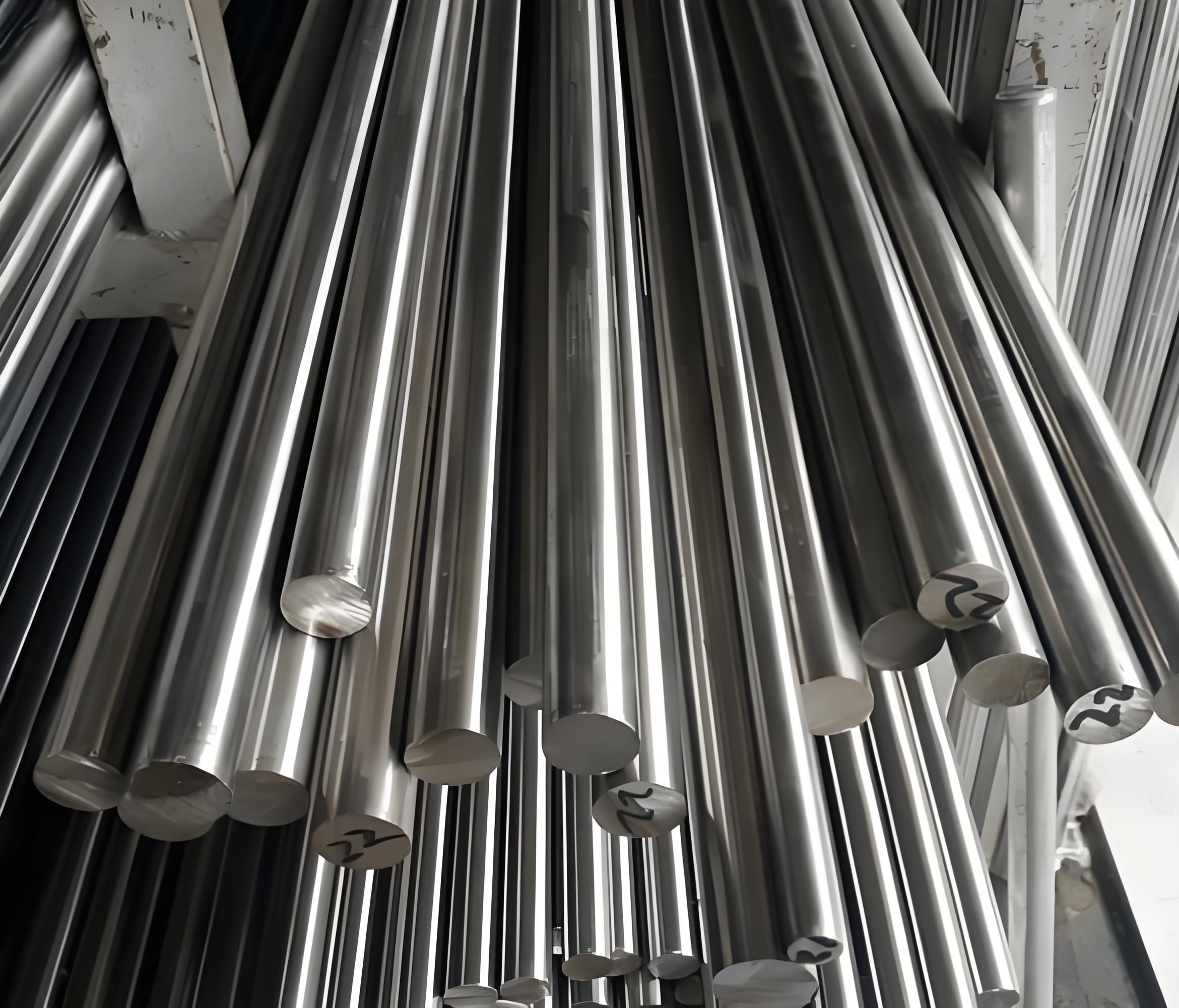
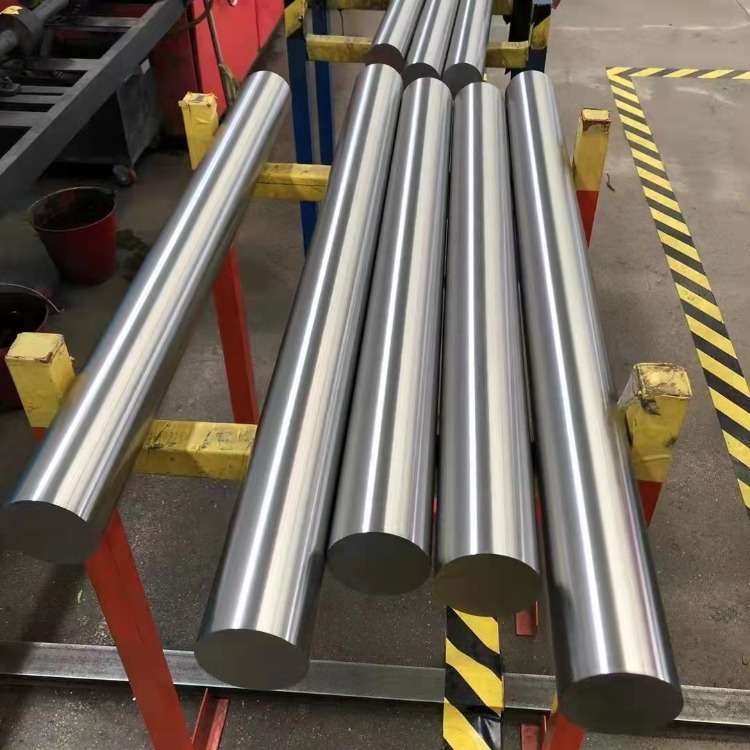
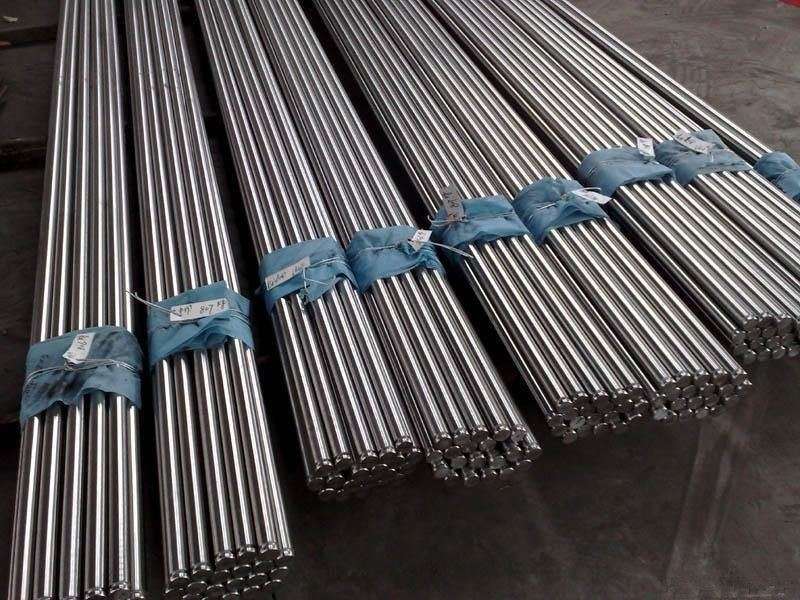
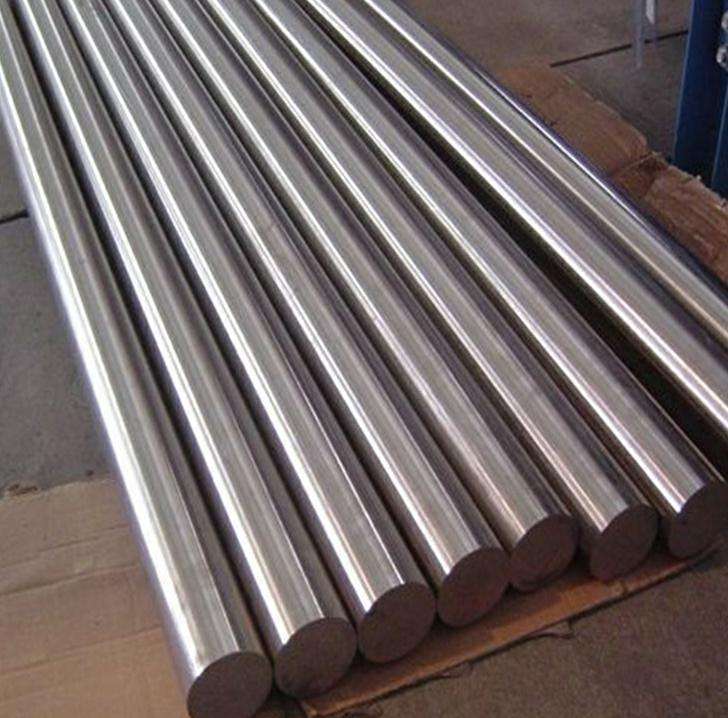
Hastelloy B-3 bar, designated as UNS N10675, material number W.Nr. 2.4600, and commonly known as Alloy B-3, is a nickel-molybdenum alloy specifically …
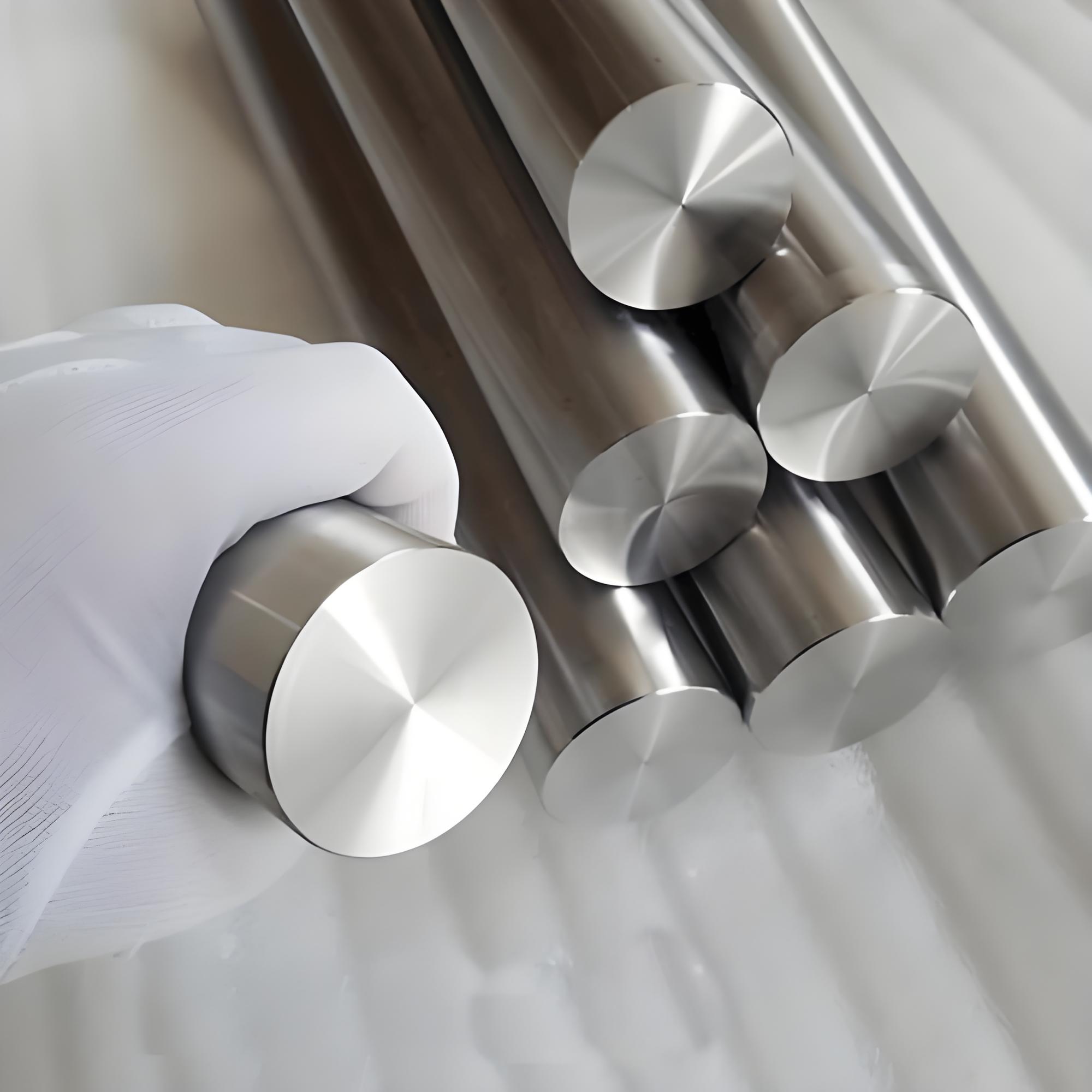
Hastelloy B-3 bar, designated as UNS N10675, material number W.Nr. 2.4600, and commonly known as Alloy B-3, is a nickel-molybdenum alloy specifically engineered for exceptional resistance to the most severe reducing corrosive environments, particularly hot hydrochloric acid and other non-oxidizing acids. This bar stock form represents an advanced generation of nickel-molybdenum alloys, offering significantly improved thermal stability, fabricability, and resistance to intergranular corrosion compared to its predecessors, making it a critical material for machining components like pump shafts, valve internals, and reactor parts in demanding chemical and pharmaceutical processes.
Hastelloy B-3 was developed to address the thermal instability and weldability challenges associated with earlier B-type alloys. Through precise control of iron, chromium, and other minor elements, B-3 exhibits much greater resistance to the formation of detrimental intermetallic phases during thermal exposure, such as welding or high-temperature service. This results in maintained ductility and corrosion resistance in the heat-affected zones. The bar stock is the premier choice for components that must withstand concentrated, hot hydrochloric acid and other aggressive reducing media without failing due to fabrication-related embrittlement.
The superior thermal stability and corrosion resistance of Hastelloy B-3 bar are achieved through its highly controlled, low-impurity chemistry. Supplied by Shanghai NC Metal Materials Co., Ltd., the bar stock meets exacting specifications that ensure its optimized performance in the most challenging reducing environments.
| Element | Percentage (%) – Typical Range | Primary Function in the Alloy |
|---|---|---|
| Nickel (Ni) | Balance (≥ 65.0) | Base element; forms the stable austenitic matrix, providing the fundamental structure and resistance to stress corrosion cracking. |
| Molybdenum (Mo) | 27.0 – 32.0 | Primary alloying element; imparts outstanding resistance to reducing acids like hydrochloric, sulfuric, and phosphoric acids. Provides solid-solution strength. |
| Iron (Fe) | 1.0 – 3.0 | Carefully controlled at a low level. This precise range is crucial for minimizing the formation of embrittling Ni-Mo-Fe intermetallic phases during thermal exposure, which is a key improvement over earlier alloys. |
| Chromium (Cr) | 1.0 – 3.0 | Added in a small, controlled amount to improve resistance to mildly oxidizing conditions that can occasionally occur in reducing environments, and to enhance thermal stability. |
| Cobalt (Co) | 3.0 max | Residual element. |
| Carbon (C) | 0.01 max | Kept extremely low to prevent carbide precipitation and associated intergranular corrosion, especially in weld zones. |
| Manganese (Mn) | 3.0 max | Residual element, deoxidizer. |
| Silicon (Si) | 0.10 max | Kept very low to prevent the formation of detrimental grain boundary silicides that cause embrittlement. |
| Aluminum (Al) | 0.50 max | Residual element. |
| Tungsten (W) | 3.0 max | May be present as a residual; can contribute slightly to strength. |
Hastelloy B-3 bar provides high strength and excellent ductility in the annealed condition, which is retained even after thermal exposure—a key advancement. It is supplied in the solution-annealed condition.
| Mechanical Property | Typical Value at Room Temperature (Annealed) | ASTM B335 (UNS N10675) Minimum Requirement | Key Characteristic |
|---|---|---|---|
| Tensile Strength | ≥ 827 MPa (120 ksi) | ≥ 758 MPa (110 ksi) | Very high tensile strength for demanding structural applications. |
| Yield Strength (0.2% Offset) | ≥ 380 MPa (55 ksi) | ≥ 345 MPa (50 ksi) | – |
| Elongation in 2 inches (50mm) | ≥ 40% | ≥ 40% | Excellent ductility that is maintained after welding or high-temperature exposure, preventing fabrication embrittlement. |
| Hardness (Rockwell B) | 95 – 110 HRB | – | – |
The physical properties of Alloy B-3 bar are similar to other high-molybdenum nickel alloys, with a characteristically high density.
Notes / Condition
| Physical Property | Value at Room Temperature (20°C / 68°F) | |
|---|---|---|
| Density | 9.22 g/cm³ (0.333 lb/in³) | High density due to the high molybdenum content. |
| Melting Range | 1330 – 1380°C (2425 – 2515°F) | – |
| Specific Heat | ≈ 380 J/kg·°C (0.091 BTU/lb·°F) | At 100°C |
| Thermal Conductivity | 10.8 W/m·K (74.9 BTU·in/hr·ft²·°F) | At 100°C |
| Mean Coefficient of Thermal Expansion | 10.3 μm/m·°C (5.7 μin/in·°F) | 20-100°C (68-212°F) |
| Electrical Resistivity | 1.35 μΩ·m (53.1 μΩ·in) | At 20°C |
| Modulus of Elasticity (Tensile) | 218 GPa (31.6 x 10^6 psi) | At 20°C |
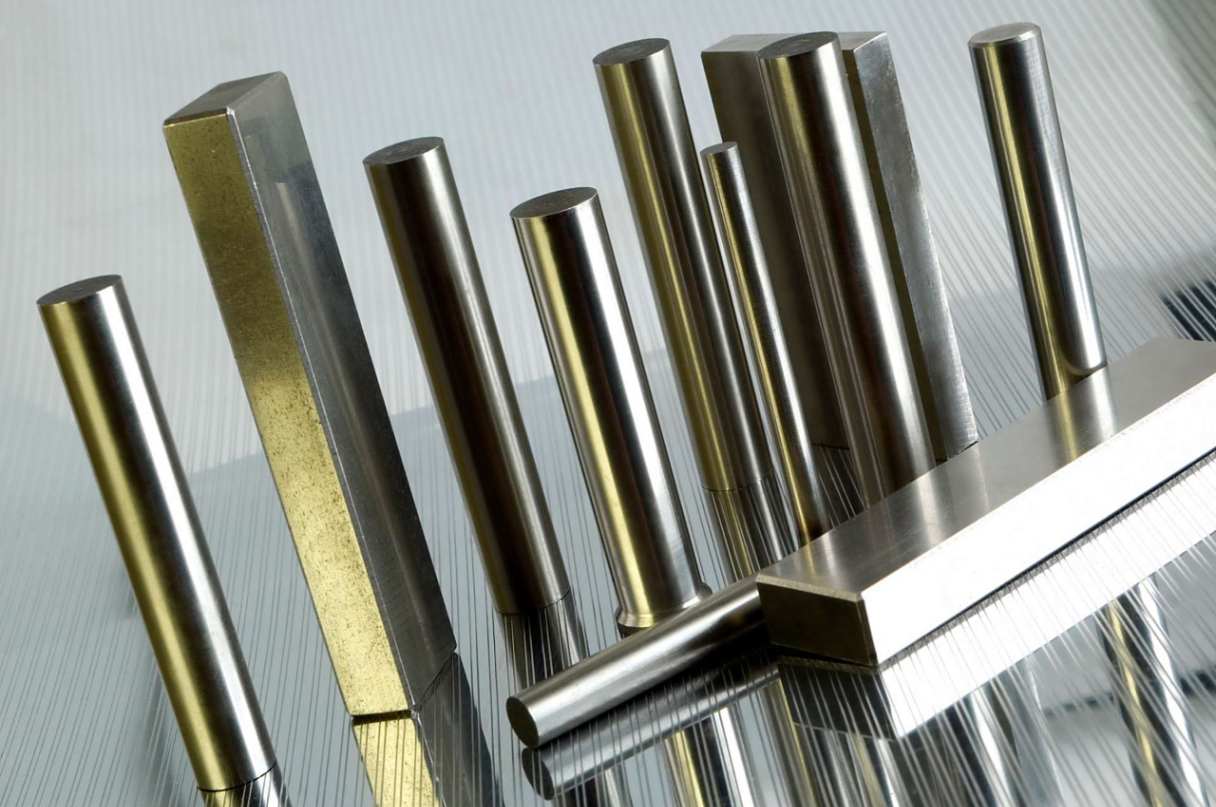
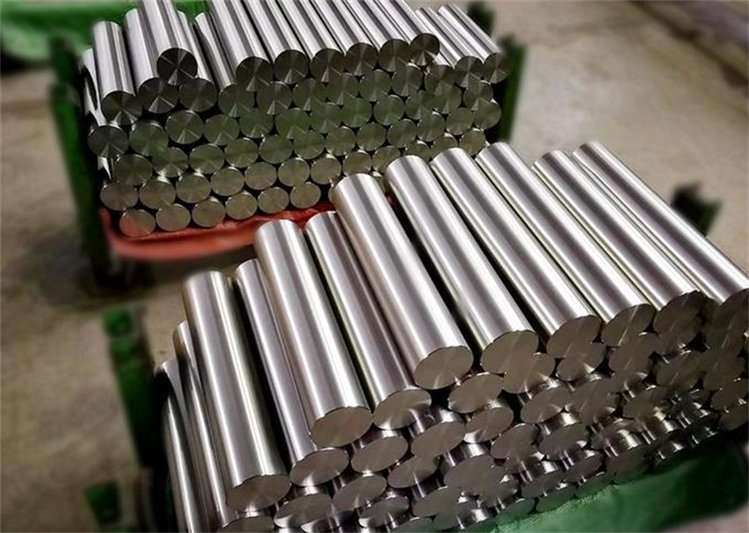
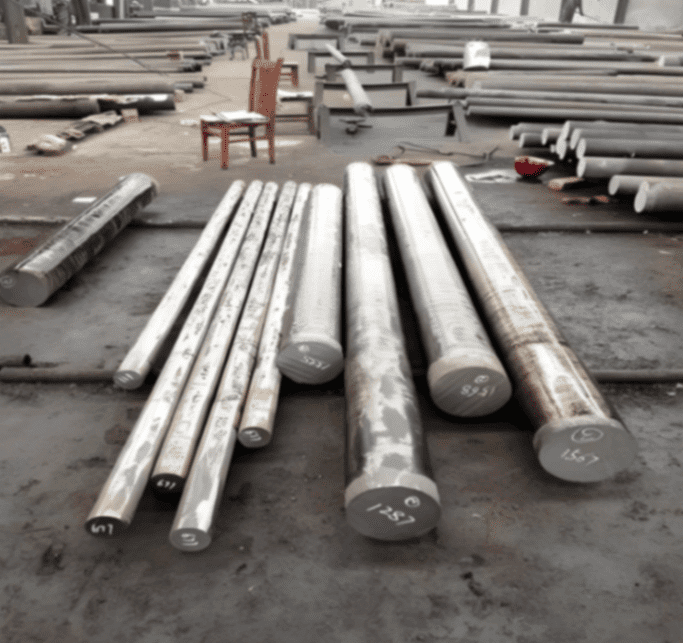
Shanghai NC Metal Materials Co., Ltd. supplies Hastelloy B-3 bar in forms suitable for machining high-integrity components for severe acid service.
| Product Form | Standard Size Range | Key Standard Specifications | Common Supply Conditions |
|---|---|---|---|
| Round Bar (Hot Rolled/Forged) | 10mm (0.4″) to 250mm (10″) Diameter | ASTM B335 (UNS N10675), ASME SB-335, DIN 17744 (W.Nr. 2.4600) | Solution Annealed (typically 1065-1120°C water quench) |
| Hexagonal Bar | 10mm to 80mm Across Flats | ASTM B335, DIN 17744 | Solution Annealed |
| Square Bar | 10mm to 80mm Width | ASTM B335 | Solution Annealed |
| Cold Finished Bar (Drawn/Ground) | 5mm to 100mm Diameter | ASTM B335 (cold drawn) | Solution Annealed, Cold Drawn & Stress-Relieved |
| Forging Billet | 150mm to 350mm Diameter | ASTM B564 (Forgings), Customer forging specs | As-Forged, Solution Annealed |
Machined components from Hastelloy B-3 bar are used in the most severe reducing acid services: Chemical Processing: Reactors, distillation columns, heat exchanger tubesheets, pump shafts, and valves for the production and handling of pure, hot hydrochloric acid at all concentrations. Acetic Acid and Anhydride Production: Critical equipment where resistance to reducing organic acids and halide catalysts is required. Sulfuric Acid Service: Components handling concentrated, oxygen-free sulfuric acid under strongly reducing conditions. Pharmaceutical and Fine Chemical Synthesis: Reaction vessels, agitators, and piping for processes involving aggressive reducing media and halogenated compounds.
Hastelloy B-3 offers exceptional resistance to non-oxidizing hydrochloric acid at all concentrations and temperatures, including the boiling point. It also provides excellent resistance to sulfuric, phosphoric, and acetic acids under strictly reducing conditions. Its key advancement is maintaining this resistance even after exposure to temperatures in the sensitization range (e.g., during welding). The primary limitation remains its poor resistance to oxidizing environments. The presence of oxidants like ferric ions, cupric ions, dissolved oxygen, or nitric acid in hydrochloric acid can cause significantly increased corrosion rates. It is not suitable for oxidizing acids like nitric acid.
Hastelloy B-3 bar is machinable using techniques for high-strength, work-hardening nickel-molybdenum alloys. Its high hardness and abrasiveness require: rigid, powerful machine tools; sharp carbide tools with positive rake angles; low to moderate cutting speeds; consistent, positive feed rates to minimize work hardening; and high-pressure coolant for heat dissipation and chip control. Tool wear can be higher than when machining stainless steels, so premium-grade inserts are recommended.
Hastelloy B-3 was specifically designed for excellent weldability and thermal stability, a major improvement over B-2. It can be welded using Gas Tungsten Arc Welding (GTAW/TIG), Shielded Metal Arc Welding (SMAW/Stick), and Gas Metal Arc Welding (GMAW/MIG) with low heat input. Matching filler metals (e.g., ERNiMo-10) are used. Its controlled composition dramatically reduces the tendency to form embrittling intermetallic phases in the weld heat-affected zone, allowing it to maintain good ductility and corrosion resistance after welding without requiring extremely rapid cooling. Post-weld heat treatment is still not recommended.
The price of Hastelloy B-3 bar from Shanghai NC Metal Materials Co., Ltd. is predominantly driven by its very high molybdenum content and the advanced metallurgical control required for its production.
| Pricing Factor | Impact on Reference Price | Procurement Guidance |
|---|---|---|
| Extremely High Molybdenum Content | With approximately 28-30% molybdenum, the cost of this strategic metal is the dominant factor in the price of B-3 bar. Market fluctuations in molybdenum have a direct and significant impact. | Alloy B-3 is a premium material justified for severe, specific reducing acid applications where its thermal stability and fabricability are required. It is typically more expensive than B-2 due to its advanced composition. |
| Precise Compositional Control | The tight control of iron (1-3%) and chromium (1-3%), along with ultra-low carbon and silicon, requires sophisticated melting and analytical techniques, adding to manufacturing cost. | Ensure the mill test report confirms compliance with the narrow ranges for Fe and Cr, as these are critical for the alloy’s improved thermal stability over earlier B-type alloys. |
| Form and Size | As with other high-performance alloys, large forging billets and small precision bars command a premium over standard hot-rolled round bar. | For most machining applications, standard hot-rolled round bar provides the best value. Its high density also makes weight a significant cost factor for large parts. |
| Certification and Testing | Requirements for weldability testing (e.g., testing of welded coupons for ductility and corrosion resistance) or specialized corrosion testing in specific acid conditions can add cost. | For standard applications, certification to ASTM B335 is sufficient. The alloy’s well-known performance in hydrochloric acid often reduces the need for extensive new corrosion tests. |
We are factory wholesale price, and the prices are lower than 95% of suppliers. Our professional quotation will help you with your project. Expecting our long-term cooperation. )
 English English
  Korean
 Arabic
 Spanish
 German
 Portuguese
 French
 Russian
 Italian
 Vietnamese