- E-mail: [email protected]
- WhatsApp: +86 18533346372
Home > Products > Hastelloy bar > Hastelloy C-276/UNSN10276/W.Nr. 2.4819/Alloy C-276 bar
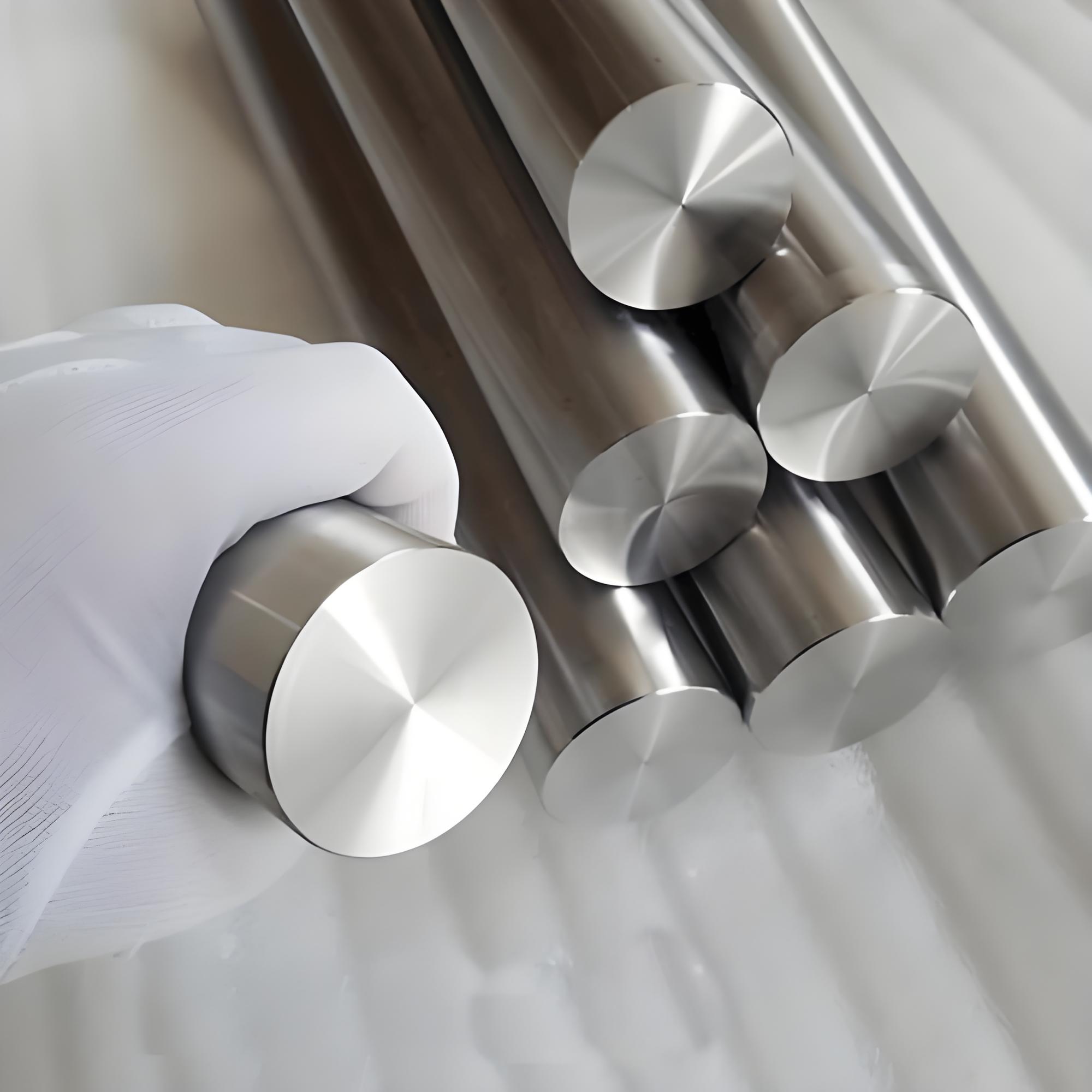
Hastelloy C-276 bar, designated as UNS N10276, material number W.Nr. 2.4819, and commonly known as Alloy C-276, is a nickel-chromium-molybdenum-tungst…
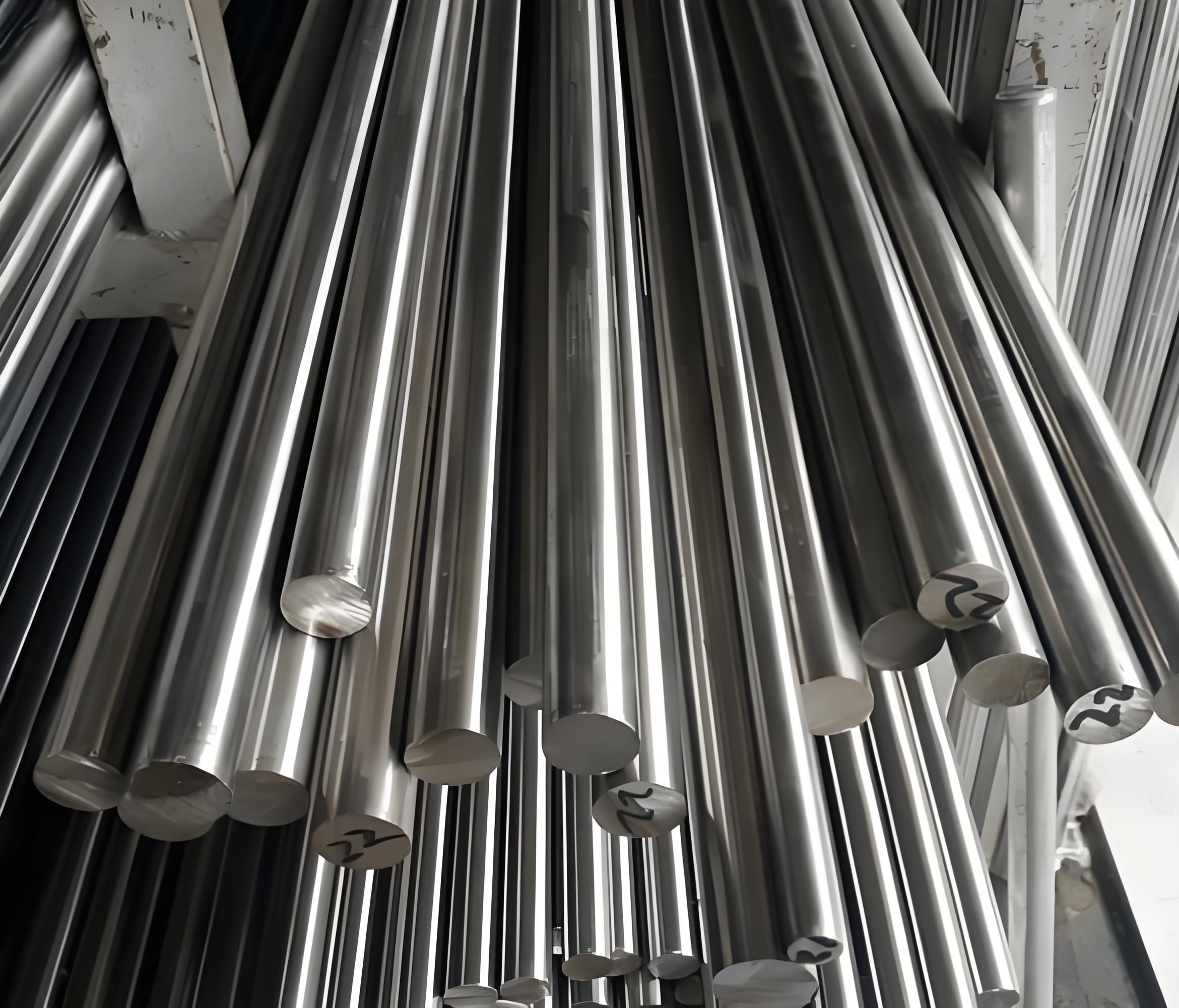
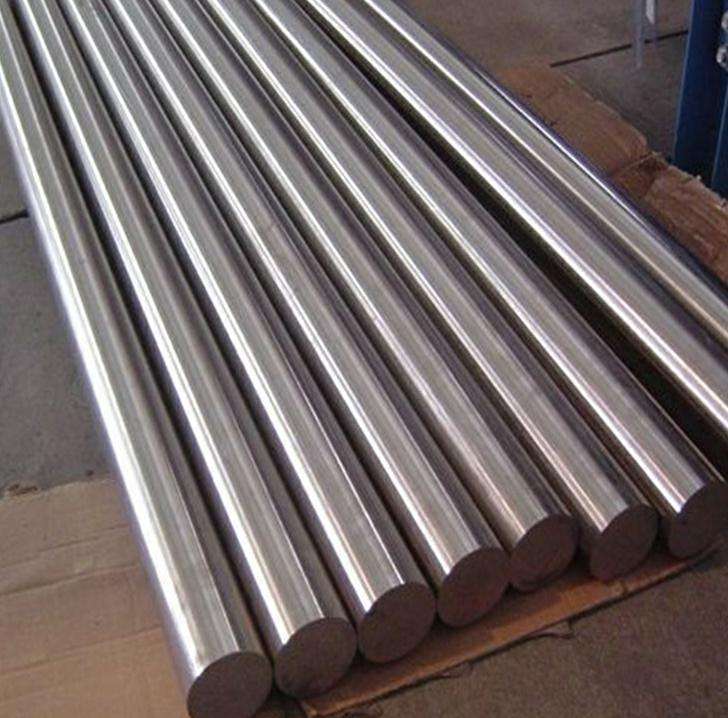
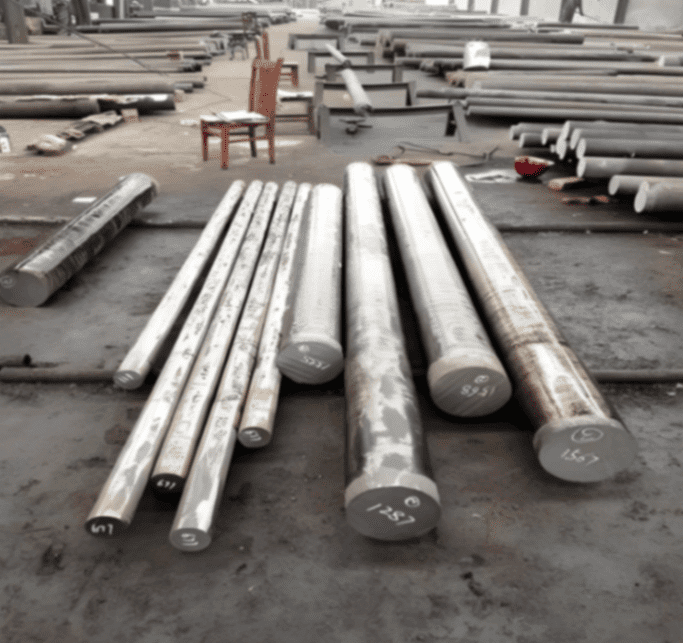
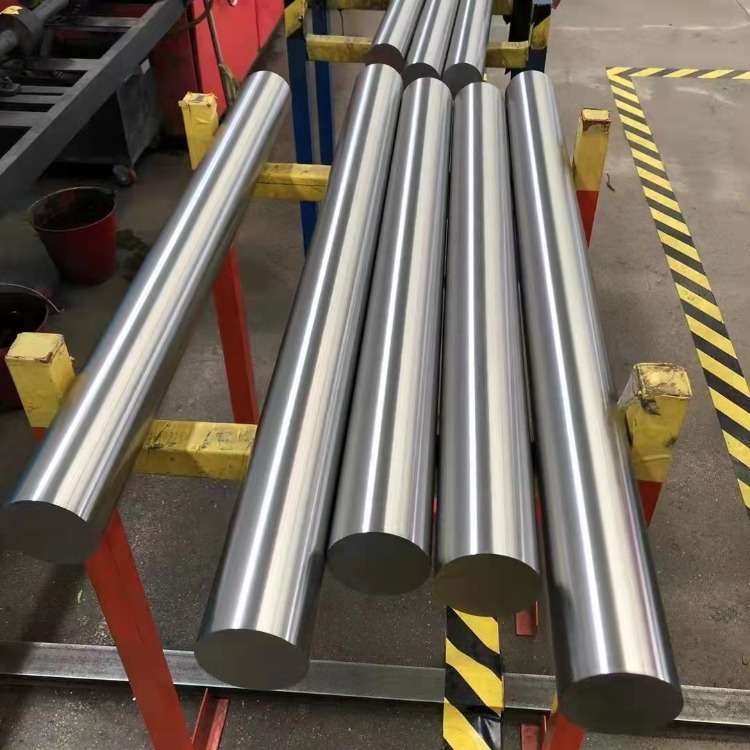
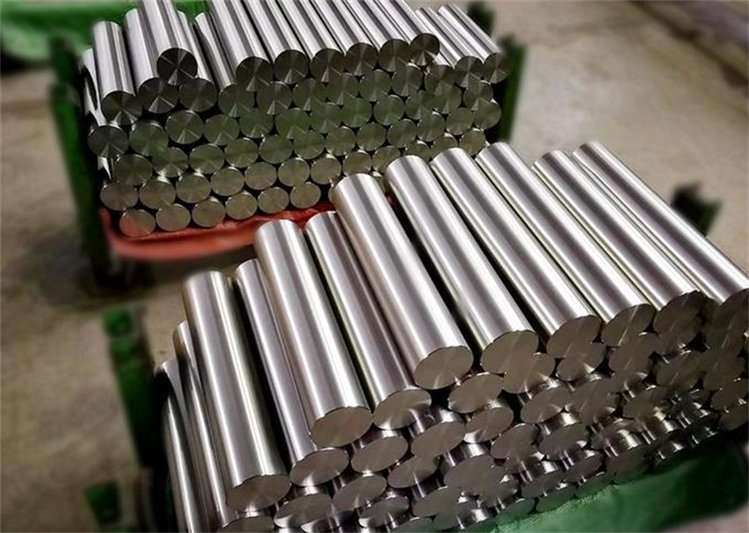
Hastelloy C-276 bar, designated as UNS N10276, material number W.Nr. 2.4819, and commonly known as Alloy C-276, is a nickel-chromium-molybdenum-tungsten superalloy renowned for its exceptional corrosion resistance in a wide range of severe chemical environments, including oxidizing and reducing media, as well as resistance to pitting, crevice corrosion, and stress corrosion cracking. This bar stock form is a workhorse material for machining critical components such as pump shafts, valve stems, reactor internals, and fasteners in chemical processing, pollution control, and waste treatment industries where reliability under aggressive conditions is non-negotiable.
Hastelloy C-276 is a versatile, wrought nickel-based alloy known for its outstanding versatility and proven performance in the most demanding corrosive services. Its low carbon and silicon content minimize carbide precipitation and sensitization during welding, ensuring the heat-affected zone retains corrosion resistance. The bar stock is extensively used for fabricating equipment that handles mixed acids, chlorides, and other harsh chemicals, often serving as the benchmark against which other corrosion-resistant alloys are compared.
The broad-spectrum corrosion resistance of Hastelloy C-276 bar stems from its carefully balanced chemistry with controlled impurity levels. Supplied by Shanghai NC Metal Materials Co., Ltd., the bar stock conforms to stringent international standards to guarantee consistent quality and performance.
| Element | Percentage (%) – Typical Range | Primary Function in the Alloy |
|---|---|---|
| Nickel (Ni) | Balance (≥ 57.0) | Base element; provides the austenitic matrix and fundamental resistance to stress corrosion cracking and a wide array of corrosive environments. |
| Chromium (Cr) | 14.5 – 16.5 | Provides resistance to oxidizing media such as nitric acid, ferric and cupric ions, and hypochlorite solutions. |
| Molybdenum (Mo) | 15.0 – 17.0 | Confers outstanding resistance to reducing acids (e.g., hydrochloric, sulfuric) and is critical for preventing pitting and crevice corrosion in chloride-containing solutions. |
| Tungsten (W) | 3.0 – 4.5 | Enhances resistance to reducing acids and complements molybdenum in providing localized corrosion resistance and solid-solution strength. |
| Iron (Fe) | 4.0 – 7.0 | Controlled addition; contributes to solid-solution strengthening and cost structure. |
| Cobalt (Co) | 2.5 max | Residual/controlled element. |
| Vanadium (V) | 0.35 max | Residual element. |
| Carbon (C) | 0.01 max | Kept extremely low to prevent carbide precipitation and sensitization during welding, preserving corrosion resistance in the heat-affected zone. |
| Manganese (Mn) | 1.0 max | Residual element, deoxidizer. |
| Silicon (Si) | 0.08 max | Kept very low to prevent the formation of detrimental grain boundary phases and maintain fabricability. |
Hastelloy C-276 bar offers a strong combination of tensile strength and ductility, making it suitable for highly stressed components in corrosive service. It is supplied in the solution-annealed condition.
| Mechanical Property | Typical Value at Room Temperature (Annealed) | ASTM B574 (UNS N10276) Minimum Requirement | Key Characteristic |
|---|---|---|---|
| Tensile Strength | 690 – 827 MPa (100 – 120 ksi) | ≥ 690 MPa (100 ksi) | High strength for pressure-containing parts and rotating equipment. |
| Yield Strength (0.2% Offset) | 283 – 414 MPa (41 – 60 ksi) | ≥ 283 MPa (41 ksi) | – |
| Elongation in 2 inches (50mm) | ≥ 40% | ≥ 40% | Excellent ductility, ensuring good formability and toughness for fabricated structures. |
| Hardness (Rockwell B) | 85 – 100 HRB | – | – |
The physical properties of Alloy C-276 bar are consistent with other nickel-chromium-molybdenum alloys and are used in the design of process equipment.
| Physical Property | Value at Room Temperature (20°C / 68°F) | Notes / Condition |
|---|---|---|
| Density | 8.89 g/cm³ (0.321 lb/in³) | – |
| Melting Range | 1325 – 1370°C (2415 – 2500°F) | – |
| Specific Heat | ≈ 410 J/kg·°C (0.098 BTU/lb·°F) | At 100°C |
| Thermal Conductivity | 10.2 W/m·K (70.7 BTU·in/hr·ft²·°F) | At 100°C |
| Mean Coefficient of Thermal Expansion | 11.2 μm/m·°C (6.2 μin/in·°F) | 20-100°C (68-212°F) |
| Electrical Resistivity | 1.30 μΩ·m (51.2 μΩ·in) | At 20°C |
| Modulus of Elasticity (Tensile) | 205 GPa (29.7 x 10^6 psi) | At 20°C |
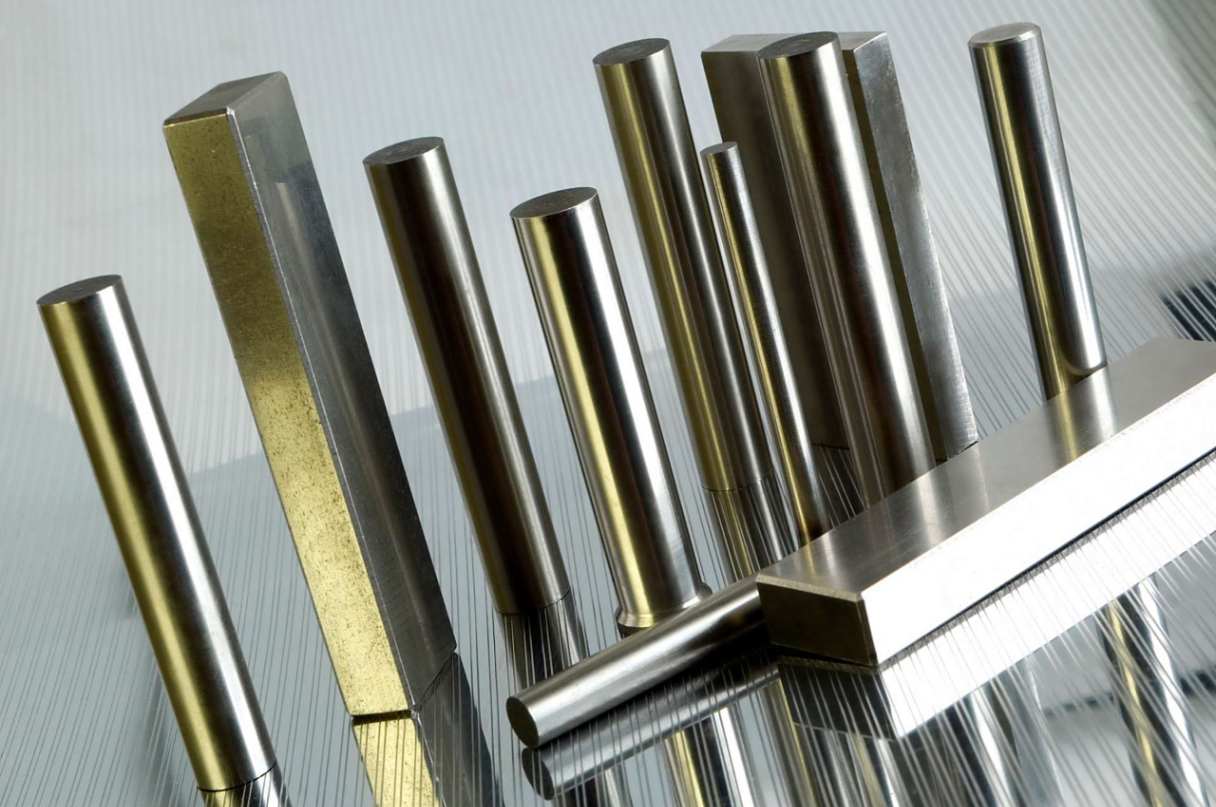
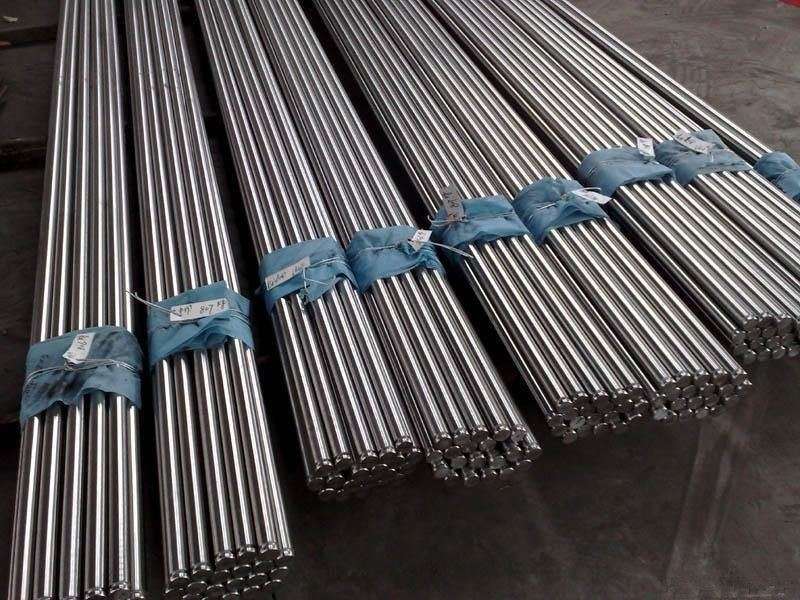
Shanghai NC Metal Materials Co., Ltd. supplies Hastelloy C-276 bar in a comprehensive range of forms and sizes to meet diverse fabrication needs across multiple industries.
| Product Form | Standard Size Range | Key Standard Specifications | Common Supply Conditions |
|---|---|---|---|
| Round Bar (Hot Rolled/Forged) | 10mm (0.4″) to 350mm (14″) Diameter | ASTM B574 (UNS N10276), ASME SB-574, NACE MR0175/ISO 15156, DIN 17744 (W.Nr. 2.4819) | Solution Annealed (typically 1120-1170°C water quench) |
| Hexagonal Bar | 10mm to 80mm Across Flats | ASTM B574, DIN 17744 | Solution Annealed |
| Square Bar | 10mm to 80mm Width | ASTM B574 | Solution Annealed |
| Cold Finished Bar (Drawn/Ground) | 5mm to 150mm Diameter | ASTM B574 (cold drawn) | Solution Annealed, Cold Drawn & Stress-Relieved |
| Forging Billet | 150mm to 500mm Diameter | ASTM B564 (Forgings), Customer forging specs | As-Forged, Solution Annealed |
Machined components from Hastelloy C-276 bar are indispensable in severe corrosive service: Chemical Processing: Reactors, columns, heat exchangers, pumps, and valves for production of acids (sulfuric, hydrochloric, phosphoric), chlorinated organics, and pharmaceuticals. Flue Gas Desulfurization (FGD): Absorber towers, ducting, fan components, and reheaters in power plant scrubbers. Pulp and Paper Industry: Digesters, bleach washers, and piping in kraft and sulfite mills. Waste Incineration and Treatment: Heat exchangers, reactor vessels, and piping in hazardous waste treatment facilities. Oil and Gas: Downhole and surface equipment for sour service (H2S/chlorides).
Hastelloy C-276 is celebrated for its excellent resistance to a wide variety of chemical process environments, including strong oxidizers and strong reducers. It offers superior performance in sulfuric, hydrochloric, and phosphoric acids, mixed acids (like sulfuric/nitric), and acidic chlorides. Its high molybdenum and tungsten content provide exceptional resistance to pitting and crevice corrosion in chloride solutions. It also resists stress corrosion cracking in chloride-bearing environments. Its low carbon content makes it highly resistant to sensitization and subsequent intergranular attack during welding or high-temperature service.
Hastelloy C-276 bar is machinable but requires techniques suitable for high-strength, work-hardening nickel alloys. Recommendations include: using rigid machine tools with ample power; sharp carbide or ceramic cutting tools with positive rake angles; moderate cutting speeds; steady, positive feed rates to minimize work hardening; and high-pressure coolant to control heat and chip evacuation. Its work-hardening tendency is significant, so tool paths should be planned to avoid re-cutting work-hardened surfaces.
Alloy C-276 exhibits good to excellent weldability, a key feature enabled by its low carbon and silicon content. It can be welded using Gas Tungsten Arc Welding (GTAW/TIG), Shielded Metal Arc Welding (SMAW/Stick), and Gas Metal Arc Welding (GMAW/MIG). Matching filler metals (e.g., ERNiCrMo-4) are standard. Due to its composition, it is highly resistant to the formation of grain boundary carbides in the weld heat-affected zone, making it suitable for as-welded construction in most corrosive services without requiring post-weld heat treatment.
The price of Hastelloy C-276 bar from Shanghai NC Metal Materials Co., Ltd. is influenced by its high nickel, molybdenum, and tungsten content, as well as its status as an industry-standard, high-performance corrosion-resistant alloy.
| Pricing Factor | Impact on Reference Price | Procurement Guidance |
|---|---|---|
| Alloying Element Costs | High nickel, molybdenum (~16%), and tungsten (~4%) content are major cost drivers. Market prices for these metals directly affect the base price of C-276 bar. | As a widely used benchmark alloy, its pricing is relatively transparent but remains at a premium due to its performance. It is often the default choice for severe service, justifying its cost. |
| Volume and Market Demand | Being one of the most commonly specified nickel alloys for severe corrosion service, large-volume production can sometimes offer economies of scale, but demand keeps prices firm. | Consolidating requirements into larger orders can sometimes yield better pricing from suppliers like Shanghai NC Metal Materials Co., Ltd. |
| Form, Size, and Tolerance | Large diameter forged billets and small diameter precision ground bars command higher prices. Standard hot-rolled round bar is the most cost-effective form for general component machining. | For pump shafts and valve stems, cold-finished (ground) bar may be worth the premium for reduced machining time and better surface finish. |
| Certification and Testing | Requirements for NACE MR0175 certification for sour service, ASME nuclear certification, or extensive corrosion test reports (e.g., ASTM G28 Method A) add to the cost. | Clearly specify the required certifications. For many chemical plant applications, standard ASTM B574 certification is adequate. The alloy’s well-documented performance often reduces the need for extensive new testing. |
We are factory wholesale price, and the prices are lower than 95% of suppliers. Our professional quotation will help you with your project. Expecting our long-term cooperation. )
 English English
  Korean
 Arabic
 Spanish
 German
 Portuguese
 French
 Russian
 Italian
 Vietnamese