- E-mail: [email protected]
- WhatsApp: +86 18533346372
Home > Products > Hastelloy bar > Hastelloy C-4/UNS N06455/W. Nr. 2.4610/Alloy C-4 bar
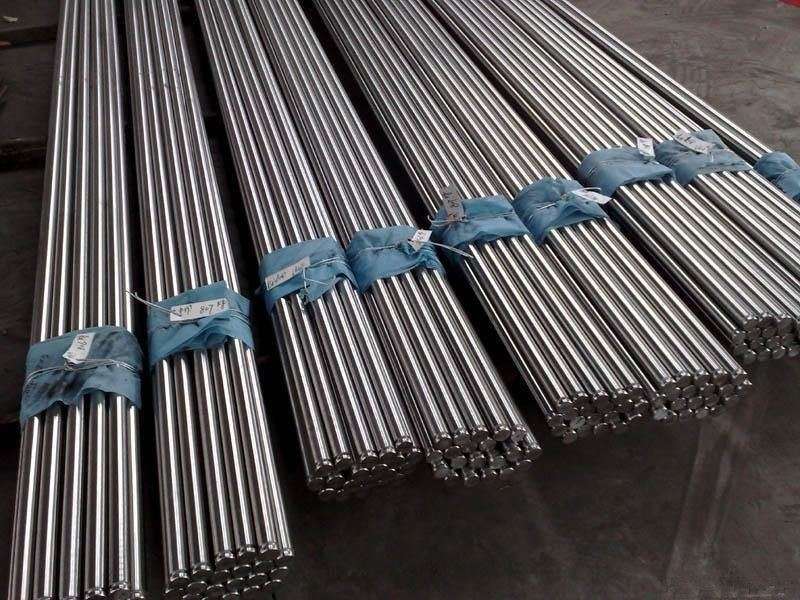
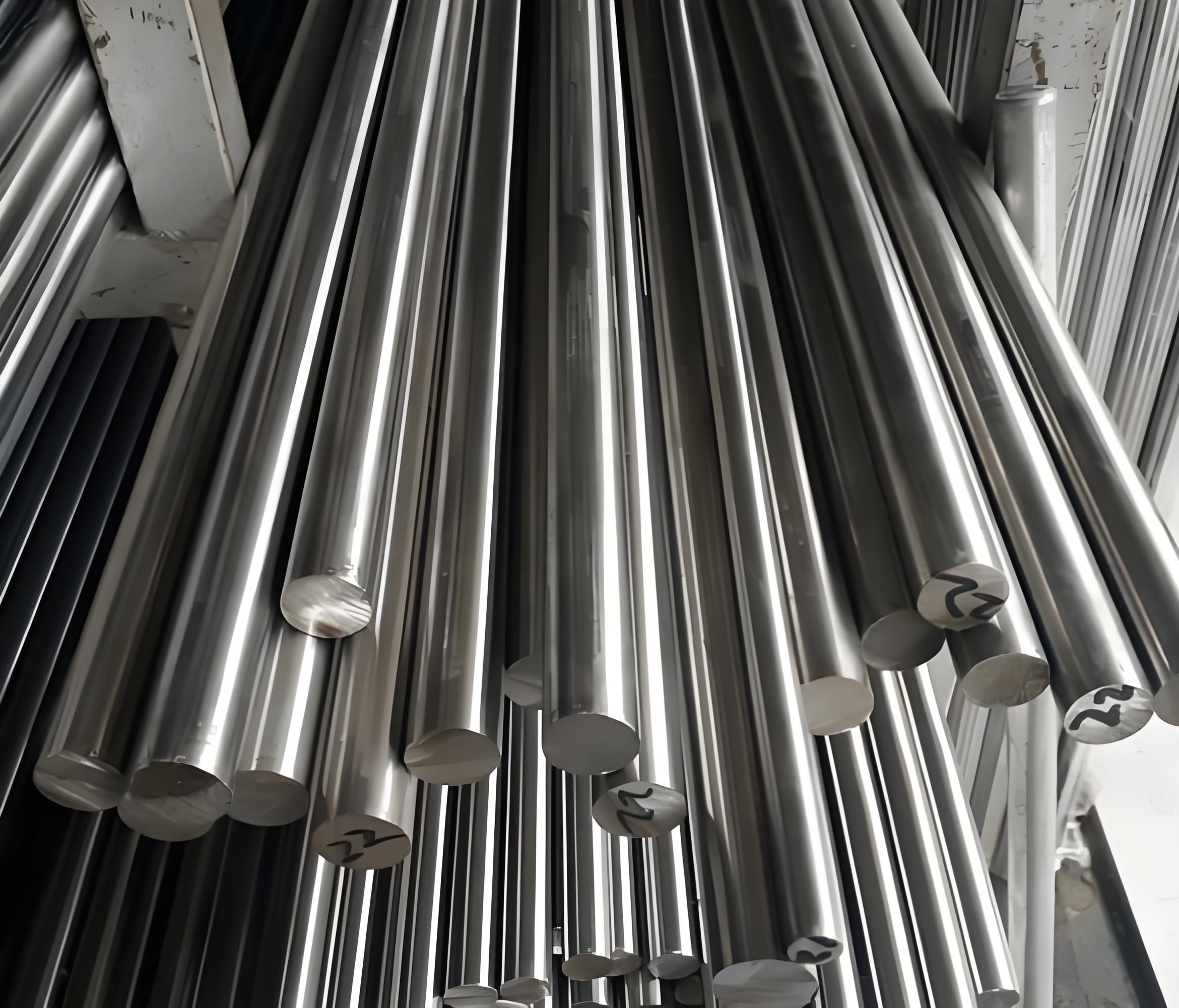
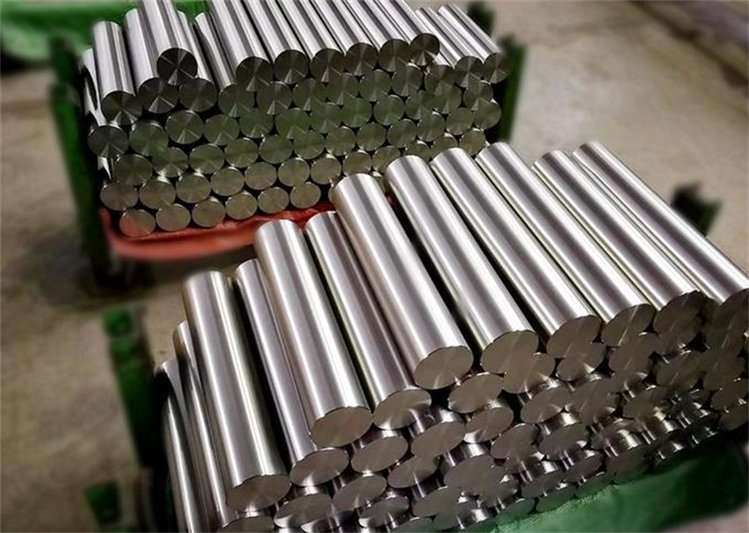
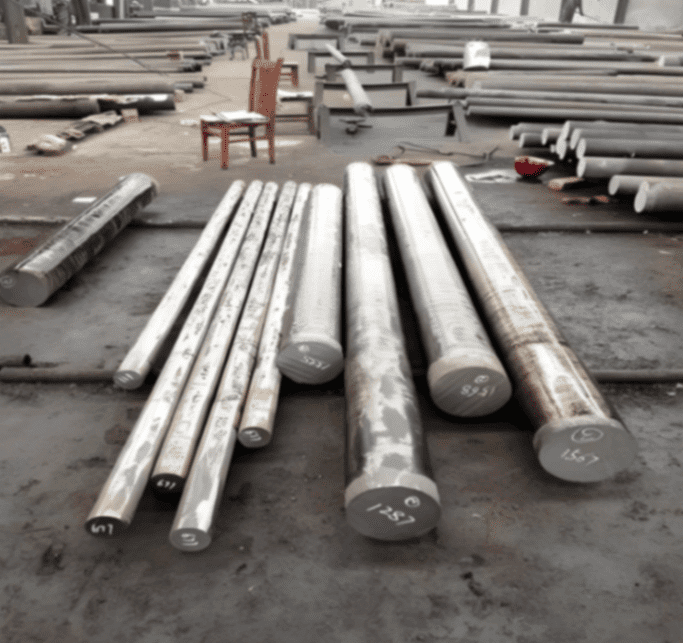
Hastelloy C-4 bar, designated as UNS N06455, material number W.Nr. 2.4610, and commonly known as Alloy C-4, is a nickel-chromium-molybdenum alloy spec…
Hastelloy C-4 bar, designated as UNS N06455, material number W.Nr. 2.4610, and commonly known as Alloy C-4, is a nickel-chromium-molybdenum alloy specifically engineered for exceptional thermal stability and corrosion resistance in high-temperature, aggressive chemical environments. This bar stock form is particularly valued for its superior resistance to stress-corrosion cracking and its ability to maintain ductility and corrosion resistance after exposure to temperatures in the range of 650°C to 1050°C (1200°F to 1920°F), making it ideal for components in chemical processing and pollution control equipment.
Hastelloy C-4 was developed as a low-carbon, low-silicon, and stabilized version of earlier C-type alloys to overcome sensitization issues during welding or high-temperature service. Its composition is balanced to minimize the formation of detrimental secondary phases, ensuring excellent structural stability and corrosion resistance even after prolonged thermal exposure. The bar stock is a key material for machining heat exchanger parts, reactor internals, and furnace components that must withstand both corrosive media and high temperatures.
The corrosion resistance and thermal stability of Hastelloy C-4 bar are a direct result of its carefully controlled, low-impurity chemistry. Supplied by Shanghai NC Metal Materials Co., Ltd., the bar stock adheres to stringent international standards to guarantee performance in demanding applications.
| Element | Percentage (%) – Typical Range | Primary Function in the Alloy |
|---|---|---|
| Nickel (Ni) | Balance (≥ 65.0) | Base element; provides the austenitic matrix and fundamental resistance to a wide range of corrosive environments, particularly reducing acids and alkalis. |
| Chromium (Cr) | 14.0 – 18.0 | Imparts resistance to oxidizing media, such as nitric acid, and provides high-temperature oxidation resistance. |
| Molybdenum (Mo) | 14.0 – 17.0 | Primary element for resistance to reducing acids (e.g., hydrochloric, sulfuric) and pitting/crevice corrosion in chloride-containing solutions. |
| Iron (Fe) | 3.0 max | Kept low to optimize corrosion resistance and thermal stability. |
| Cobalt (Co) | 2.0 max | Residual element; controlled to minimize for nuclear applications. |
| Carbon (C) | 0.015 max | Kept extremely low to virtually eliminate carbide precipitation and sensitization during welding or thermal exposure. |
| Silicon (Si) | 0.08 max | Kept very low to prevent the formation of detrimental silicides and to maintain thermal stability. |
| Manganese (Mn) | 1.0 max | Residual element, deoxidizer. |
| Titanium (Ti) | 0.70 max | Added as a stabilizer to tie up carbon and further prevent sensitization. |
| Aluminum (Al) | 0.40 max | Residual element. |
| Phosphorus (P) | 0.040 max | Impurity control. |
| Sulfur (S) | 0.030 max | Impurity control for hot workability and corrosion resistance. |
Hastelloy C-4 bar provides a good combination of strength and ductility, particularly notable for its retention of toughness after high-temperature aging. It is typically supplied in the solution-annealed condition.
| Mechanical Property | Typical Value at Room Temperature (Annealed) | ASTM B574 (UNS N06455) Minimum Requirement | Key Characteristic |
|---|---|---|---|
| Tensile Strength | 690 – 860 MPa (100 – 125 ksi) | ≥ 690 MPa (100 ksi) | High strength for structural components. |
| Yield Strength (0.2% Offset) | 310 – 415 MPa (45 – 60 ksi) | ≥ 310 MPa (45 ksi) | – |
| Elongation in 2 inches (50mm) | ≥ 45% | ≥ 40% | Excellent ductility, which is retained even after thermal exposure. |
| Hardness (Rockwell B) | 85 – 100 HRB | – | – |
The physical properties of Alloy C-4 bar are important for design calculations in thermal and chemical processing systems.
| Physical Property | Value at Room Temperature (20°C / 68°F) | Notes / Condition |
|---|---|---|
| Density | 8.64 g/cm³ (0.312 lb/in³) | – |
| Melting Range | 1350 – 1400°C (2460 – 2550°F) | – |
| Specific Heat | ≈ 410 J/kg·°C (0.098 BTU/lb·°F) | At 100°C |
| Thermal Conductivity | 10.3 W/m·K (71.4 BTU·in/hr·ft²·°F) | At 100°C |
| Mean Coefficient of Thermal Expansion | 11.2 μm/m·°C (6.2 μin/in·°F) | 20-100°C (68-212°F) |
| Electrical Resistivity | 1.30 μΩ·m (51.2 μΩ·in) | At 20°C |
| Modulus of Elasticity (Tensile) | 217 GPa (31.5 x 10^6 psi) | At 20°C |
Shanghai NC Metal Materials Co., Ltd. supplies Hastelloy C-4 bar in forms suitable for machining components for the chemical process and nuclear industries.
| Product Form | Standard Size Range | Key Standard Specifications | Common Supply Conditions |
|---|---|---|---|
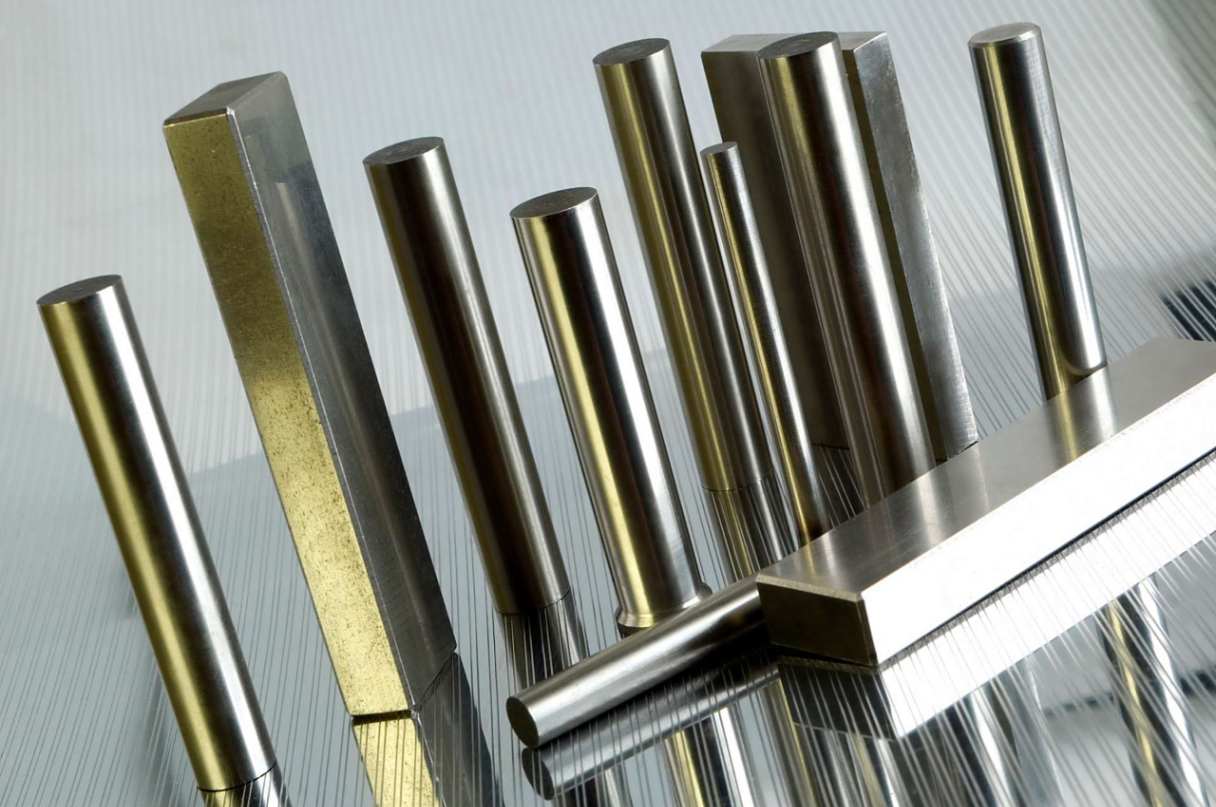
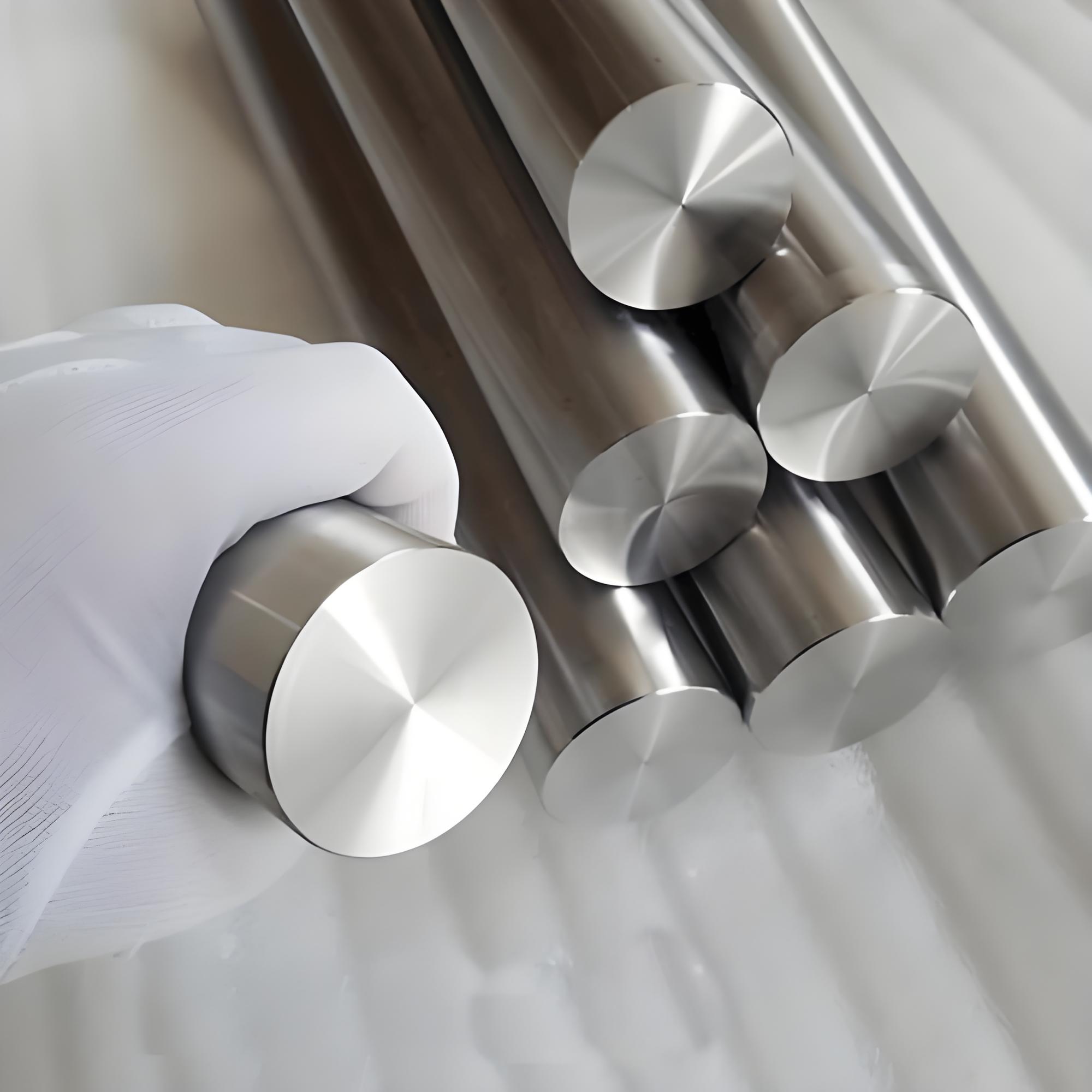
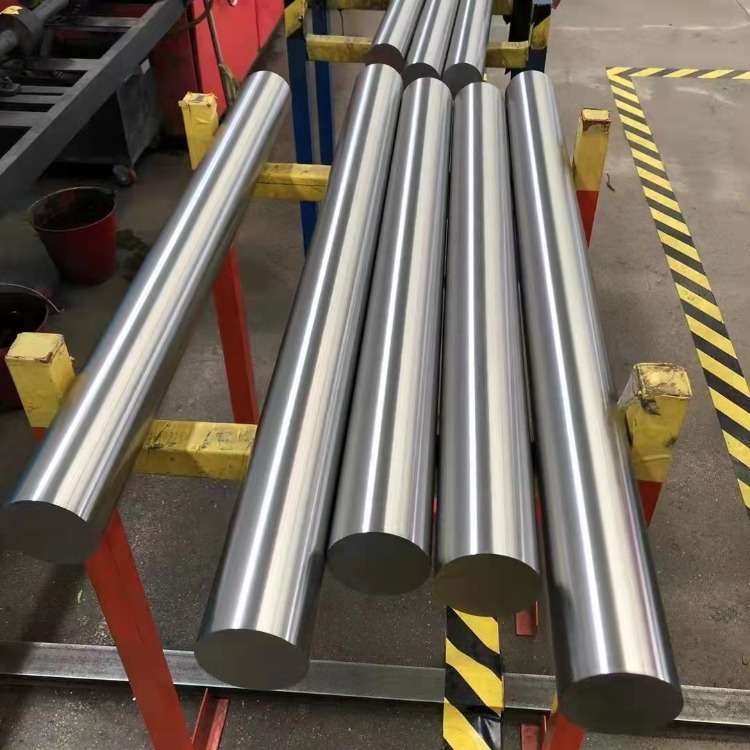
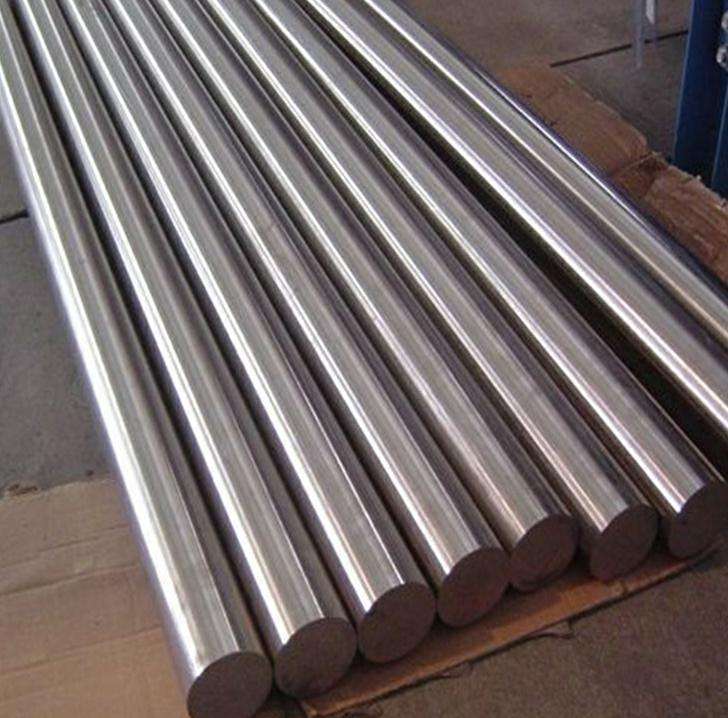
| Round Bar (Hot Rolled/Forged) | 10mm (0.4″) to 250mm (10″) Diameter | ASTM B574 (UNS N06455), ASME SB-574, DIN 17744 (W.Nr. 2.4610) | Solution Annealed (typically 1120-1170°C water quench) |
| Hexagonal Bar | 10mm to 80mm Across Flats | ASTM B574, DIN 17744 | Solution Annealed |
| Square Bar | 10mm to 80mm Width | ASTM B574 | Solution Annealed |
| Cold Finished Bar (Drawn/Ground) | 5mm to 100mm Diameter | ASTM B574 (cold drawn) | Solution Annealed, Cold Drawn & Stress-Relieved |
| Forging Billet | 150mm to 350mm Diameter | ASTM B564 (Forgings), Customer forging specs | As-Forged, Solution Annealed |
Machined components from Hastelloy C-4 bar are used in severe service conditions: Chemical Processing: Reactor internals, distillation column components, heat exchanger tubesheets, and pump shafts handling hydrochloric acid, sulfuric acid, and chlorine-containing environments. Pollution Control: Scrubber components, ducting, and fasteners in flue gas desulfurization (FGD) systems. Nuclear Fuel Reprocessing: Components exposed to hot nitric acid and other aggressive media, where its low cobalt content and thermal stability are critical. Waste Incineration: Heat exchanger and boiler parts in waste-to-energy plants.
Hastelloy C-4 offers outstanding resistance to a wide range of corrosive media. It excels in both oxidizing and reducing acids, including sulfuric, hydrochloric, and phosphoric acids. Its high molybdenum content provides excellent resistance to pitting and crevice corrosion in chloride solutions. A defining characteristic is its exceptional thermal stability; it resists the formation of intermetallic phases and carbides during prolonged exposure in the 650-1050°C range, thereby maintaining its ductility and corrosion resistance where other alloys may embrittle.
Hastelloy C-4 bar is machinable using standard techniques for nickel-molybdenum alloys, though its work-hardening tendency requires attention. Recommendations include: using rigid, powerful machine tools; sharp carbide tools with positive rake angles; moderate cutting speeds; consistent, positive feed rates to minimize work hardening; and high-pressure coolant for heat dissipation and chip control. Its relatively high hardness in the annealed condition compared to other nickel alloys can result in higher tool wear.
Alloy C-4 is designed for excellent weldability with minimal risk of sensitization. It can be welded using Gas Tungsten Arc Welding (GTAW/TIG), Shielded Metal Arc Welding (SMAW/Stick), and Gas Metal Arc Welding (GMAW/MIG). Matching filler metals (e.g., ERNiCrMo-7) are recommended. Due to its extremely low carbon and silicon content and titanium stabilization, the alloy is highly resistant to the formation of grain boundary carbides and harmful phases in the weld heat-affected zone (HAZ), making post-weld heat treatment often unnecessary for corrosion resistance.
The price of Hastelloy C-4 bar from Shanghai NC Metal Materials Co., Ltd. is influenced by its high nickel and molybdenum content, the cost of stringent impurity control (low C, Si), and its specialized application field.
| Pricing Factor | Impact on Reference Price | Procurement Guidance |
|---|---|---|
| Alloying Element Costs | High nickel and high molybdenum content are significant cost drivers. The expense of producing ultra-low carbon and silicon melts also contributes to the base price. | This is a premium alloy selected for specific thermal stability and corrosion resistance needs that justify its cost over standard stainless steels or other nickel alloys. |
| Quality and Impurity Control | The requirement for extremely low carbon (<0.015%) and silicon (<0.08%) levels necessitates specialized melting practices (e.g., VIM/AOD), adding to manufacturing cost. | Ensure the supplier’s standard MTR confirms these low levels if they are critical for your application, particularly for high-temperature service. |
| Bar Form and Size | Large diameter forging billets and small diameter precision cold-drawn bars command higher prices per kilogram than standard hot-rolled round bar. | For most machining applications, standard hot-rolled round bar is the most cost-effective starting form. |
| Certification and Special Testing | Requirements for thermal stability testing (e.g., aging followed by ductility measurement), intergranular corrosion testing per ASTM G28, or nuclear-grade certification (RCC-M) add significant cost and lead time. | Specify only the tests required by the governing code or customer specification. For many chemical process applications, standard ASTM B574 certification is sufficient. |
We are factory wholesale price, and the prices are lower than 95% of suppliers. Our professional quotation will help you with your project. Expecting our long-term cooperation. )
 English English
  Korean
 Arabic
 Spanish
 German
 Portuguese
 French
 Russian
 Italian
 Vietnamese