- E-mail: [email protected]
- WhatsApp: +86 18533346372
Home > Products > Hastelloy bar > Hastelloy B-2/UNS N010665/W. Nr. 2.4617/Alloy B-2 bar
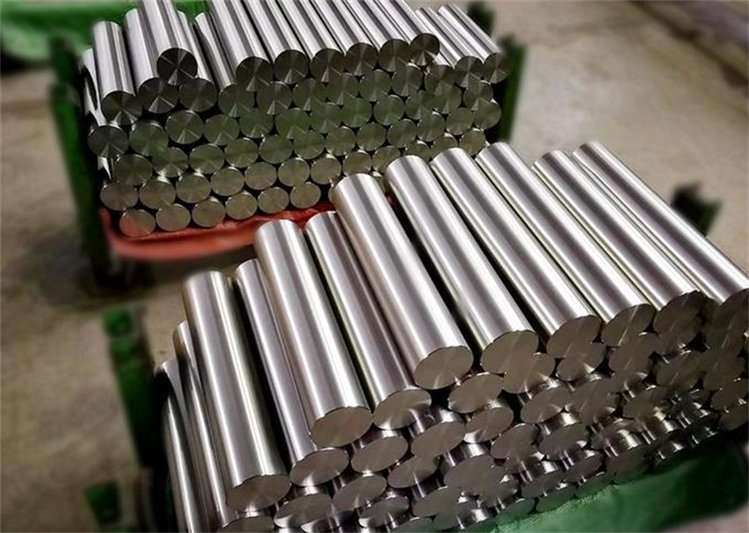
Hastelloy B-2 bar, designated as UNS N10665, material number W.Nr. 2.4617, and commonly known as Alloy B-2, is a nickel-molybdenum alloy specifically …
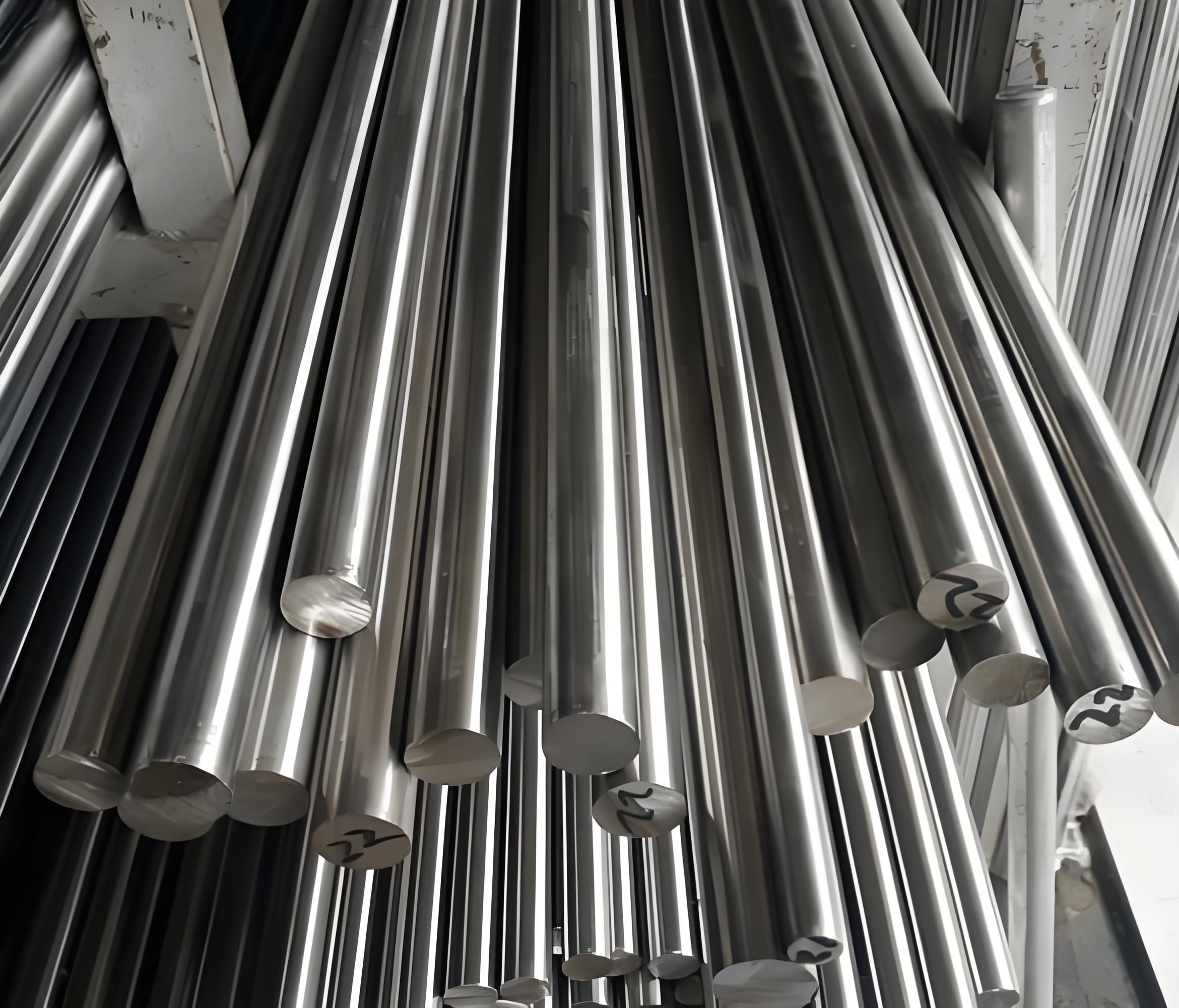
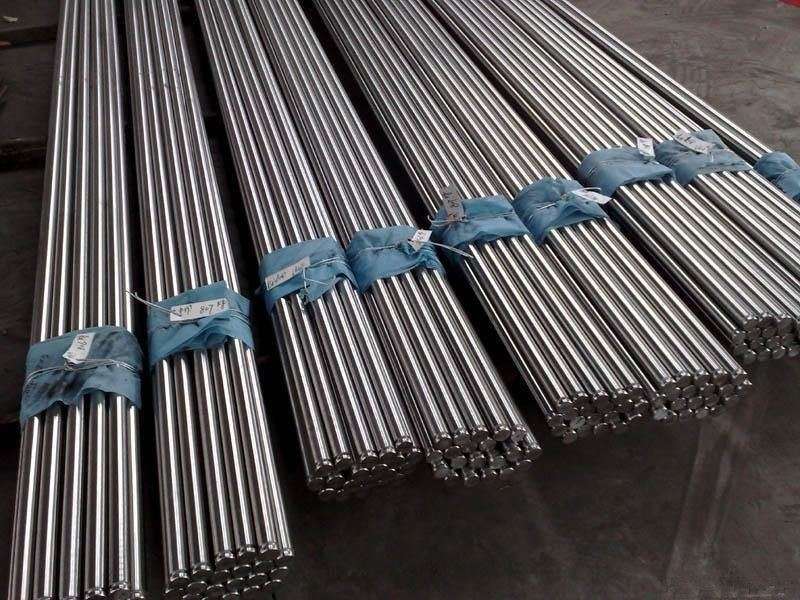
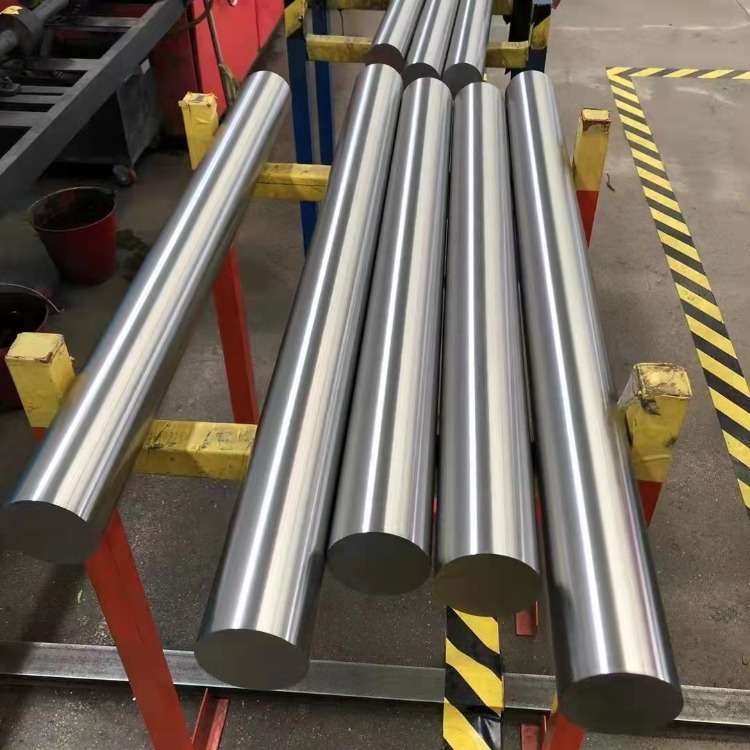
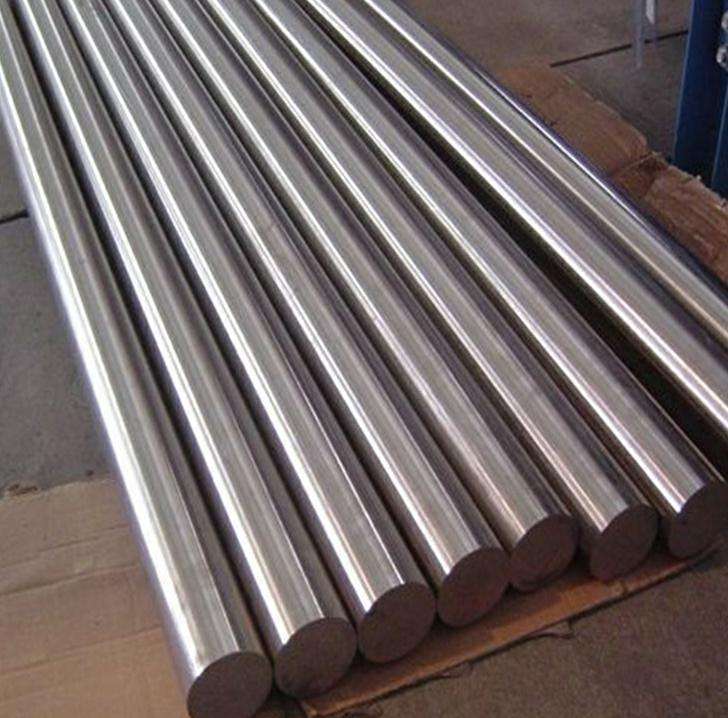
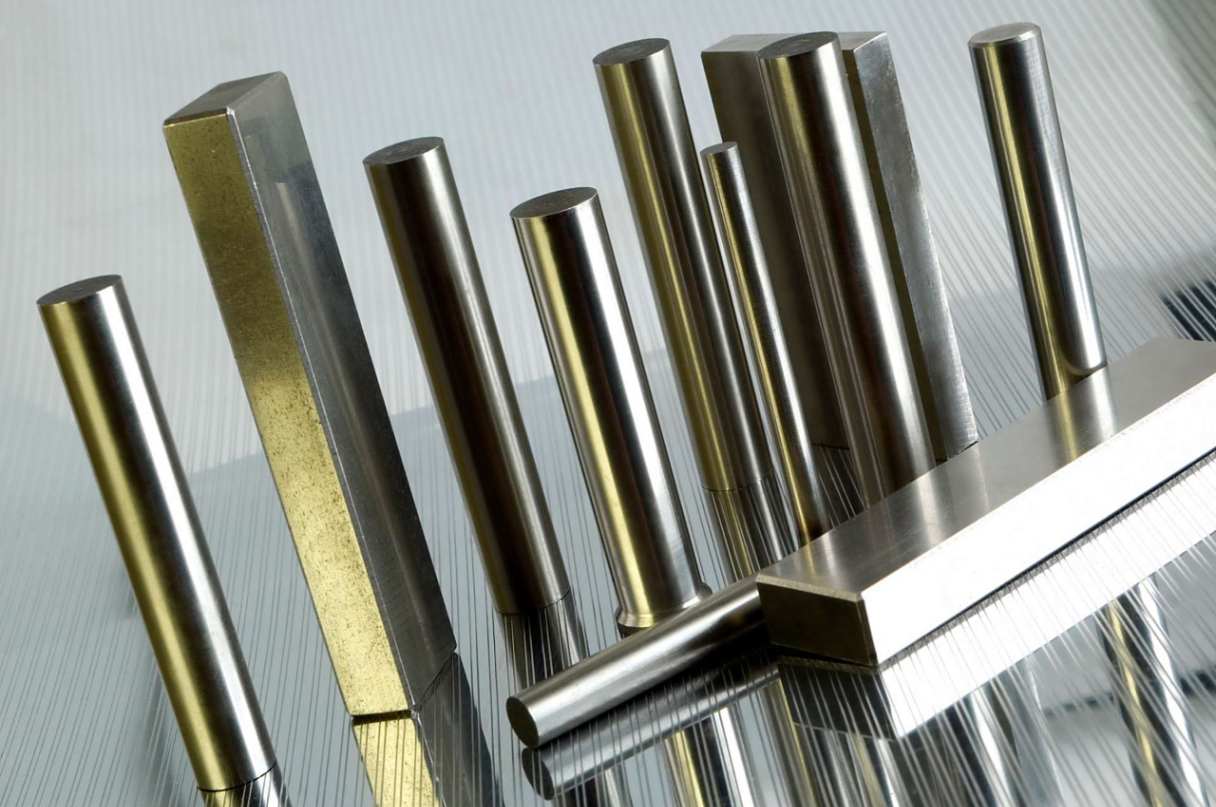
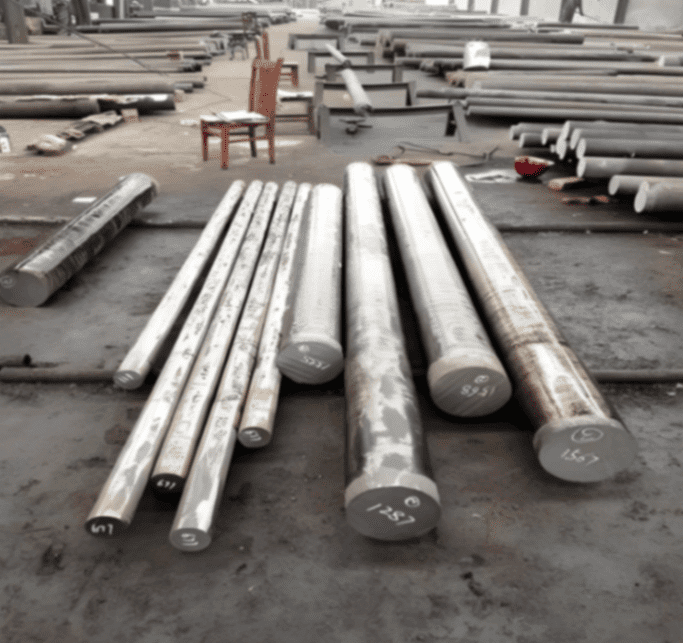
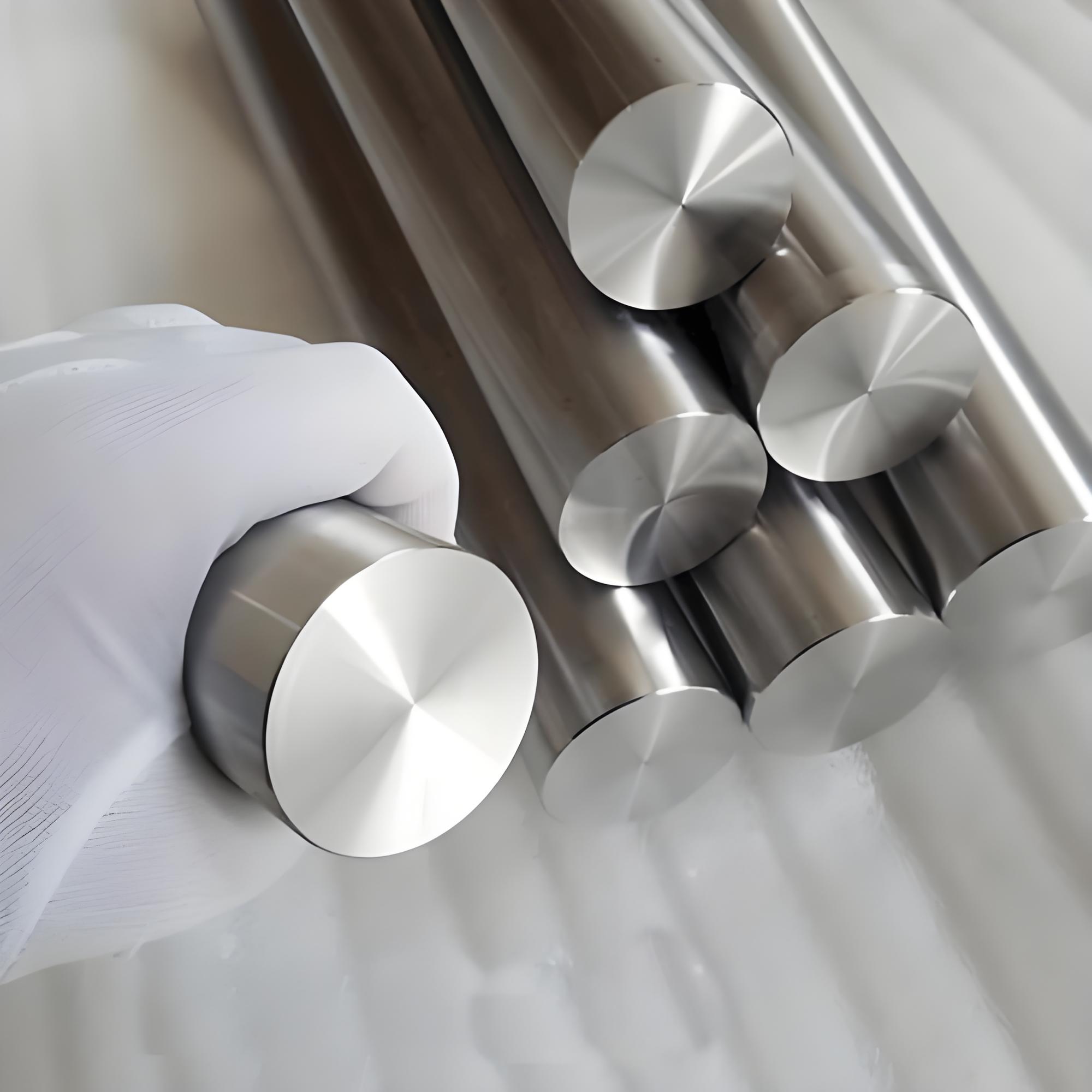
Hastelloy B-2 bar, designated as UNS N10665, material number W.Nr. 2.4617, and commonly known as Alloy B-2, is a nickel-molybdenum alloy specifically engineered for exceptional resistance to reducing corrosive environments, particularly non-oxidizing acids like hydrochloric acid across all concentrations and temperatures. This bar stock form is a critical material for machining components such as pump shafts, valve internals, and reactor parts used in the chemical processing, pharmaceutical, and acid production industries where handling aggressive reducing media is paramount.
Hastelloy B-2 is a low-carbon, low-iron, and low-silicon version of the original Hastelloy B alloy. This refined composition was developed to overcome intergranular corrosion issues in the weld heat-affected zone, providing significantly improved thermal stability and weldability. The alloy derives its corrosion resistance almost entirely from its high molybdenum content (approx. 28%) in a nickel matrix, making the bar stock uniquely suited for service in environments containing hydrochloric, sulfuric, phosphoric, and acetic acids under reducing conditions.
The exceptional resistance of Hastelloy B-2 bar to reducing acids is a direct result of its high-purity, nickel-molybdenum chemistry with controlled minor elements. Supplied by Shanghai NC Metal Materials Co., Ltd., the bar stock adheres to strict specifications ensuring low levels of carbon, iron, and silicon for optimal performance.
| Element | Percentage (%) – Typical Range | Primary Function in the Alloy |
|---|---|---|
| Nickel (Ni) | Balance (≥ 65.0) | Base element; provides the stable austenitic matrix and fundamental metallurgical structure. |
| Molybdenum (Mo) | 26.0 – 30.0 | Primary alloying element; imparts exceptional resistance to reducing acids like hydrochloric and sulfuric acid. Also provides solid-solution strength. |
| Iron (Fe) | 2.0 max | Kept very low to prevent the formation of detrimental Ni-Mo-Fe intermetallic phases that can severely reduce corrosion resistance and ductility after thermal exposure. |
| Chromium (Cr) | 1.0 max | Residual element; kept low as chromium is detrimental in the strong reducing environments for which B-2 is designed. |
| Cobalt (Co) | 1.0 max | Residual element. |
| Carbon (C) | 0.02 max | Kept extremely low to prevent carbide precipitation and associated intergranular corrosion in weld zones. |
| Manganese (Mn) | 1.0 max | Residual element, deoxidizer. |
| Silicon (Si) | 0.10 max | Kept very low to prevent the formation of detrimental grain boundary silicides, which can cause embrittlement. |
| Phosphorus (P) | 0.040 max | Impurity control. |
| Sulfur (S) | 0.030 max | Impurity control for hot workability. |
Hastelloy B-2 bar provides good strength and ductility in the annealed condition, which is essential for fabricating complex components. Its properties are optimized for corrosion resistance rather than high-temperature strength.
| Mechanical Property | Typical Value at Room Temperature (Annealed) | ASTM B335 (UNS N10665) Minimum Requirement | Key Characteristic |
|---|---|---|---|
| Tensile Strength | 760 – 965 MPa (110 – 140 ksi) | ≥ 690 MPa (100 ksi) | High tensile strength for structural components in corrosive service. |
| Yield Strength (0.2% Offset) | 345 – 485 MPa (50 – 70 ksi) | ≥ 310 MPa (45 ksi) | – |
| Elongation in 2 inches (50mm) | ≥ 40% | ≥ 40% | Excellent ductility, which is crucial for this alloy to maintain after welding or thermal exposure. |
| Hardness (Rockwell B) | 90 – 110 HRB | – | – |
The physical properties of Alloy B-2 bar are important for design in chemical processing equipment, though its use is generally limited to lower temperature corrosive service.
Notes / Condition
| Physical Property | Value at Room Temperature (20°C / 68°F) | |
|---|---|---|
| Density | 9.22 g/cm³ (0.333 lb/in³) | Relatively high density due to high molybdenum content. |
| Melting Range | 1330 – 1380°C (2425 – 2515°F) | – |
| Specific Heat | ≈ 380 J/kg·°C (0.091 BTU/lb·°F) | At 100°C |
| Thermal Conductivity | 10.8 W/m·K (75 BTU·in/hr·ft²·°F) | At 100°C |
| Mean Coefficient of Thermal Expansion | 10.3 μm/m·°C (5.7 μin/in·°F) | 20-100°C (68-212°F) |
| Electrical Resistivity | 1.35 μΩ·m (53.1 μΩ·in) | At 20°C |
| Modulus of Elasticity (Tensile) | 218 GPa (31.6 x 10^6 psi) | At 20°C |
Shanghai NC Metal Materials Co., Ltd. supplies Hastelloy B-2 bar in forms suitable for machining critical components for the chemical process industry.
| Product Form | Standard Size Range | Key Standard Specifications | Common Supply Conditions |
|---|---|---|---|
| Round Bar (Hot Rolled/Forged) | 10mm (0.4″) to 250mm (10″) Diameter | ASTM B335 (UNS N10665), ASME SB-335, DIN 17744 (W.Nr. 2.4617) | Solution Annealed (typically 1065-1120°C water quench) |
| Hexagonal Bar | 10mm to 80mm Across Flats | ASTM B335, DIN 17744 | Solution Annealed |
| Square Bar | 10mm to 80mm Width | ASTM B335 | Solution Annealed |
| Cold Finished Bar (Drawn/Ground) | 5mm to 100mm Diameter | ASTM B335 (cold drawn) | Solution Annealed, Cold Drawn & Stress-Relieved |
| Forging Billet | 150mm to 350mm Diameter | ASTM B564 (Forgings), Customer forging specs | As-Forged, Solution Annealed |
Machined components from Hastelloy B-2 bar are essential in severe reducing acid service: Chemical Processing: Reactors, distillation columns, heat exchangers, pump shafts, and valve components for the production and handling of hydrochloric acid at all concentrations and temperatures. Acetic Acid and Anhydride Production: Critical equipment where resistance to reducing organic acids is required. Sulfuric Acid Service: Components handling concentrated, oxygen-free sulfuric acid under reducing conditions. Pharmaceutical Industry: Reaction vessels and piping for processes involving halogen catalysts or hydrochloric acid.
Hastelloy B-2 offers outstanding resistance to non-oxidizing hydrochloric acid at all concentrations and temperatures up to the boiling point. It also resists hydrogen chloride gas, sulfuric, phosphoric, and acetic acids under reducing conditions. Its key limitation is very poor resistance to oxidizing environments. Even small amounts of oxidizing agents (like ferric Fe³⁺ or cupric Cu²⁺ ions, dissolved oxygen, or nitric acid) in hydrochloric acid can dramatically increase corrosion rates. It is also susceptible to rapid attack in oxidizing acids like nitric acid. Proper application requires the environment to be thoroughly reducing and free of oxidants.
Hastelloy B-2 bar is machinable but presents challenges due to its high strength, work-hardening rate, and abrasiveness from molybdenum carbides. Recommendations include: using rigid, high-power machine tools; sharp carbide tools with positive rake angles; low to moderate cutting speeds; consistent, positive feed rates; and high-pressure coolant to manage heat and control chips. Tool wear can be significant, so using premium-grade inserts is advised.
The weldability of Hastelloy B-2 is good when proper procedures are followed, a key improvement over the original B alloy. However, it is highly sensitive to thermal exposure. Slow cooling through the temperature range of 550°C to 1050°C (1020°F to 1920°F) can cause precipitation of intermetallic Ni-Mo phases, leading to severe embrittlement and loss of corrosion resistance in the heat-affected zone. Therefore, welding must be performed with low heat input, and the component must be cooled rapidly after welding. Post-weld heat treatment is not recommended. Matching filler metals (e.g., ERNiMo-7) are used.
The price of Hastelloy B-2 bar from Shanghai NC Metal Materials Co., Ltd. is heavily influenced by its very high molybdenum content, which is a costly strategic metal, as well as the stringent controls on iron, carbon, and silicon.
| Pricing Factor | Impact on Reference Price | Procurement Guidance |
|---|---|---|
| High Molybdenum Content | With approximately 28% molybdenum, the cost of this metal is the single largest driver of the alloy’s price. Volatility in the molybdenum market directly impacts the cost of B-2 bar. | This is a specialty alloy with a high material cost justified only for specific, severe reducing acid applications where no other economical material performs adequately. |
| Stringent Impurity Control | The requirement for very low iron (<2%), carbon (<0.02%), and silicon (<0.10%) necessitates specialized melting and handling, adding to manufacturing cost. | Verify that the mill test report confirms these low levels, as they are critical for the alloy’s weldability and corrosion performance, especially after thermal exposure. |
| Form and Size | Large diameter billets and small diameter precision bars carry a premium. Standard hot-rolled round bar is the most common and cost-effective form for machining. | Design components to utilize standard bar sizes to minimize material cost. The high density of the alloy also means cost per piece can be significant for large parts. |
| Testing and Certification | Requirements for specialized corrosion testing in hydrochloric acid or for verification of thermal stability (resistance to embrittlement) can add cost. | For most applications, standard ASTM B335 certification is sufficient. Special testing should only be specified if required by a specific customer or process guarantee. |
We are factory wholesale price, and the prices are lower than 95% of suppliers. Our professional quotation will help you with your project. Expecting our long-term cooperation. )
 English English
  Korean
 Arabic
 Spanish
 German
 Portuguese
 French
 Russian
 Italian
 Vietnamese