
Incoloy 825 Bar Price | UNS N08825 Supplier
Incoloy 825 bar price depends on the nickel-based alloy composition, bar dimensions, manufacturing route, heat-treatment condition, surface finish, in...
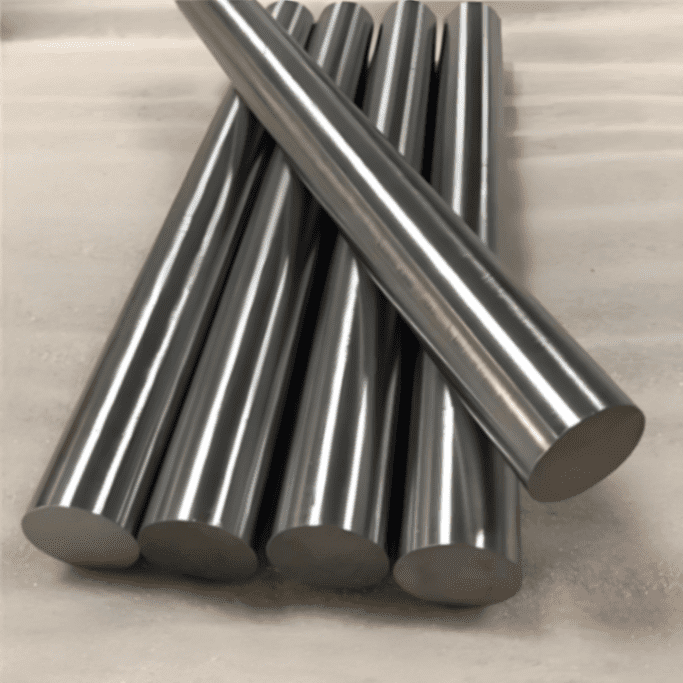
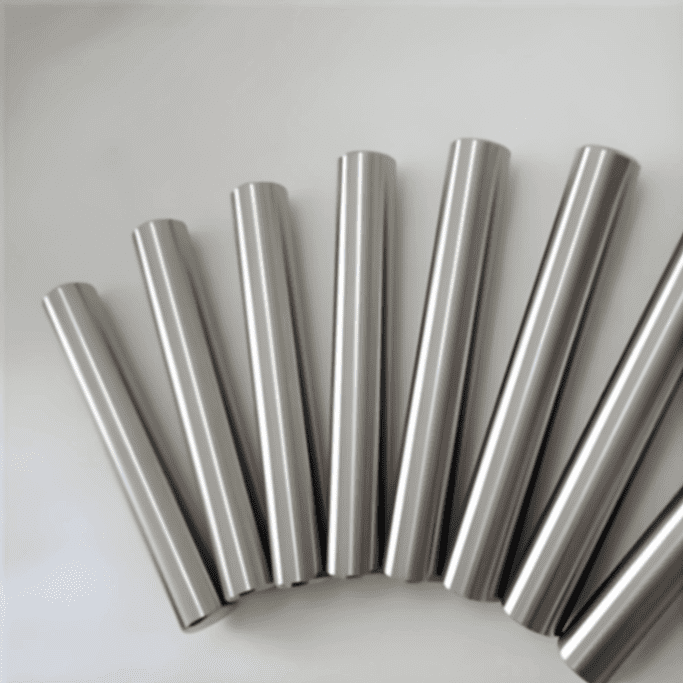
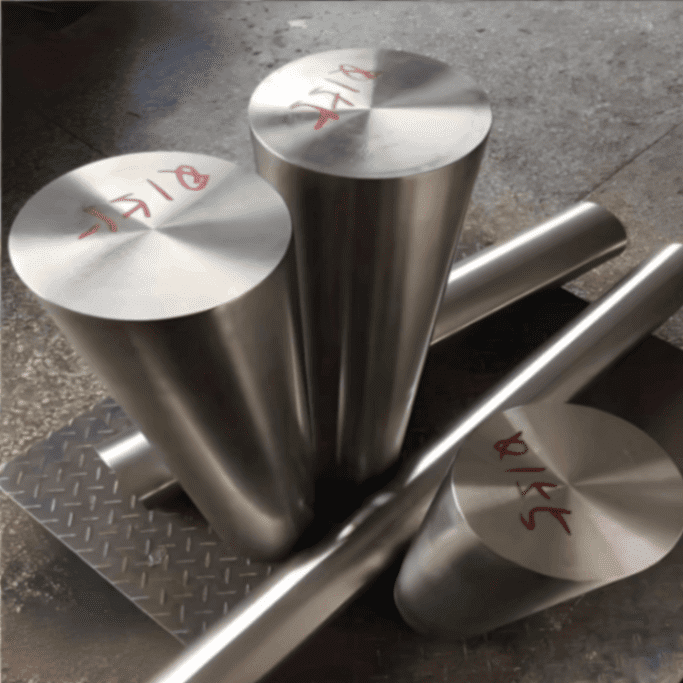
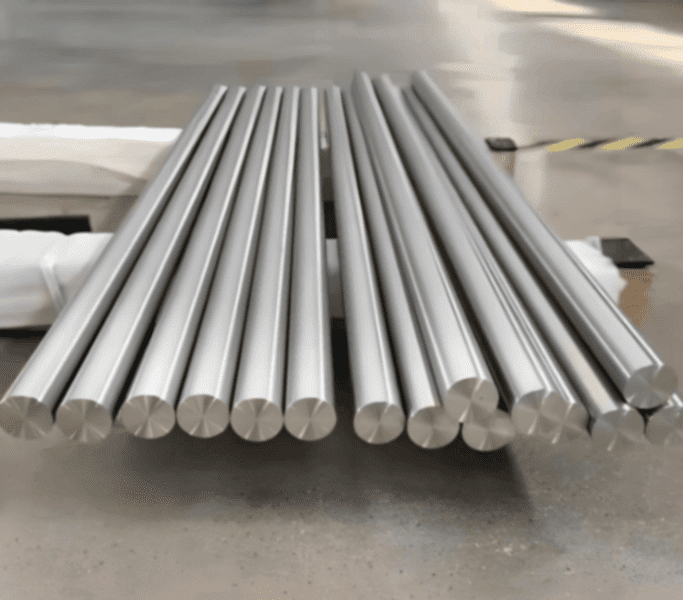
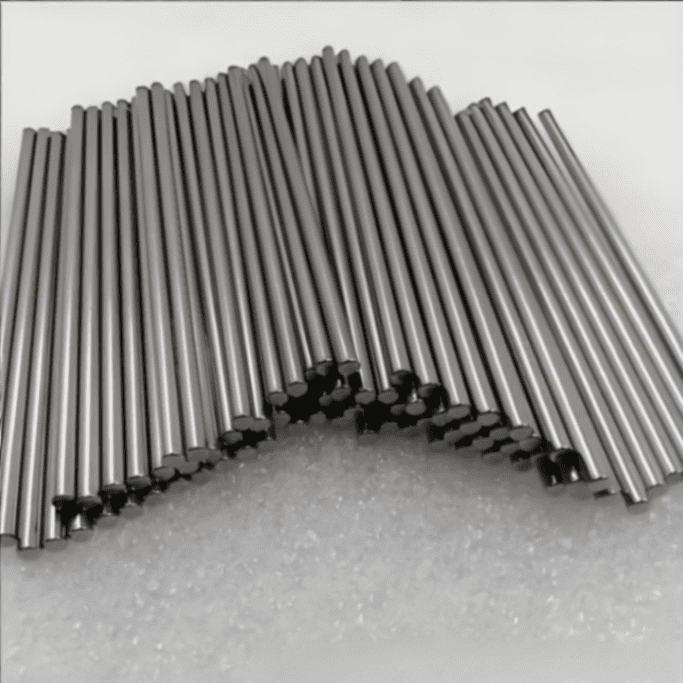
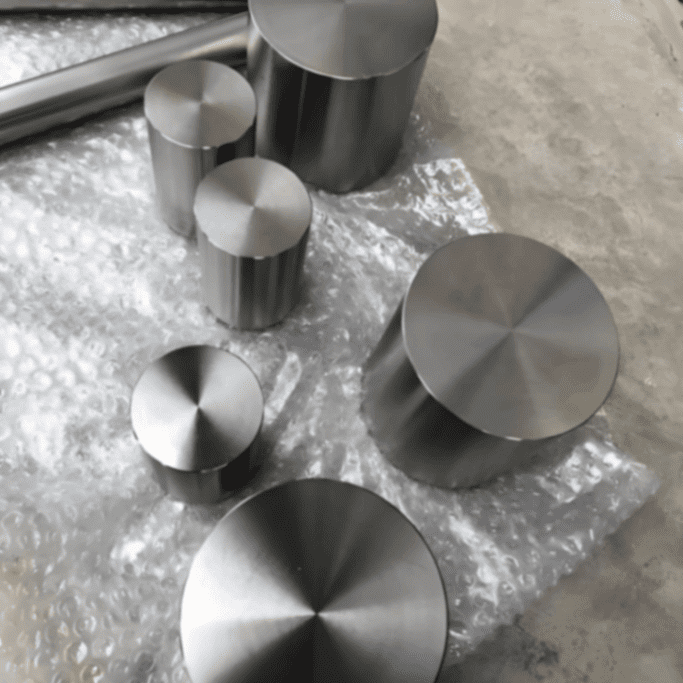
Hastelloy C2000 and Hastelloy C276 round bars are both nickel-chromium-molybdenum alloy bars used in severe corrosion environments, but they are not the same material. The main difference is that Hastelloy C2000 is designed to provide wider corrosion resistance in both oxidizing and reducing media because of its copper addition, while Hastelloy C276 is a long-established alloy known for excellent resistance to reducing acids, chloride stress corrosion, pitting, crevice corrosion, and many chemical processing environments. For buyers, engineers, and fabricators, choosing between C2000 and C276 round bars usually depends on the working chemical medium, temperature, fabrication method, availability, and total project cost.
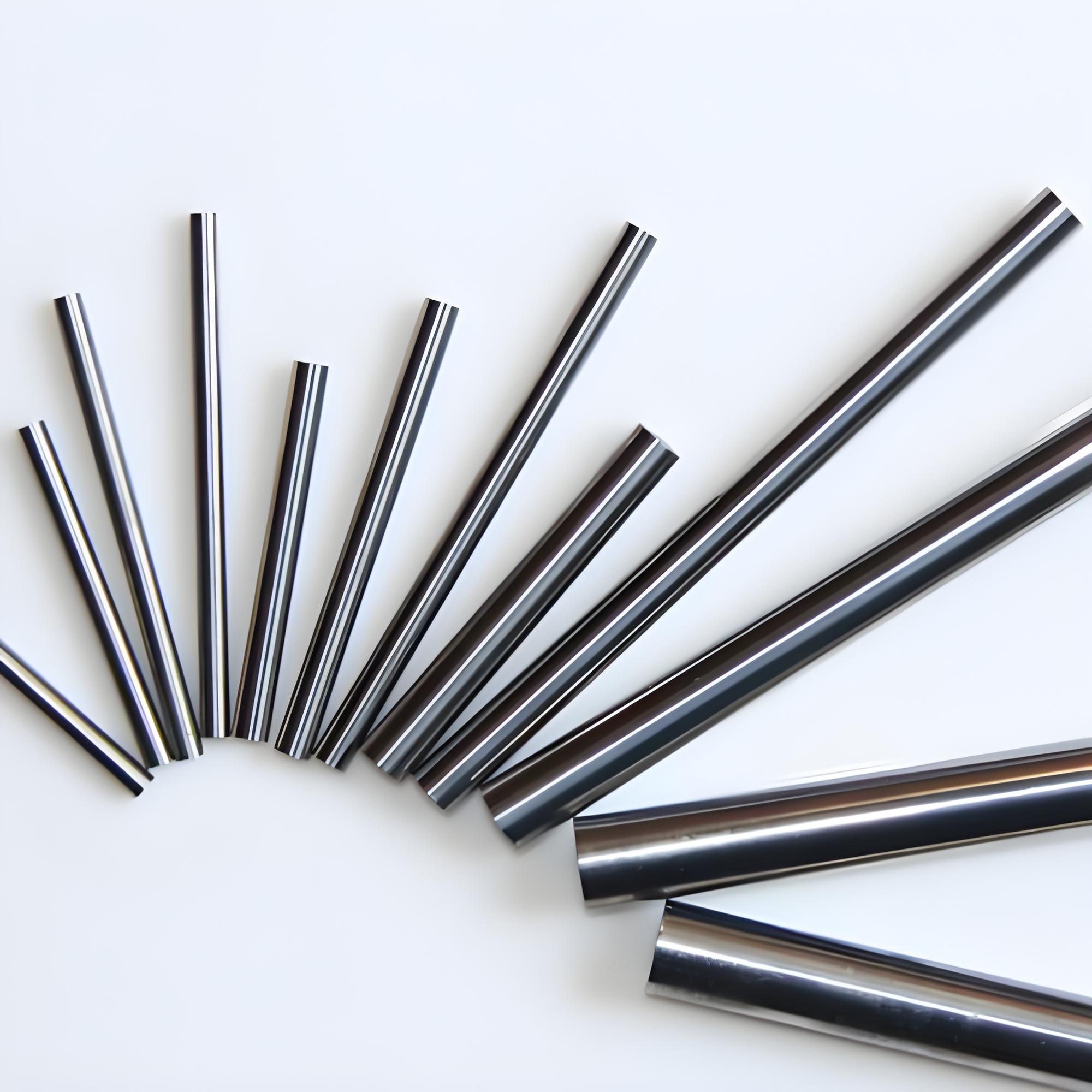
Hastelloy round bars are commonly used for shafts, fasteners, valve parts, pump components, agitator parts, fittings, flanges, and machined corrosion-resistant components. Both Hastelloy C2000 and Hastelloy C276 belong to the family of nickel-based corrosion-resistant alloys, and both are suitable for demanding industries such as chemical processing, marine engineering, pollution control, pharmaceutical production, pulp and paper, acid production, and waste treatment.
Although both alloys look similar in bar form, their chemical design gives them different strengths. Hastelloy C276 is one of the most widely used corrosion-resistant nickel alloys because it performs well in many reducing and chloride-containing environments. Hastelloy C2000 was developed later with the goal of expanding resistance into a broader range of oxidizing and reducing conditions. This makes C2000 attractive when the process stream changes, when mixed acids are present, or when both oxidizing and reducing chemicals may appear in the same system.
In practical purchasing terms, Hastelloy C276 round bar is usually easier to source in many sizes and specifications because it has been used for decades across global industries. Hastelloy C2000 round bar may offer a technical advantage in selected environments, but availability, lead time, and price should be checked carefully before final material selection.
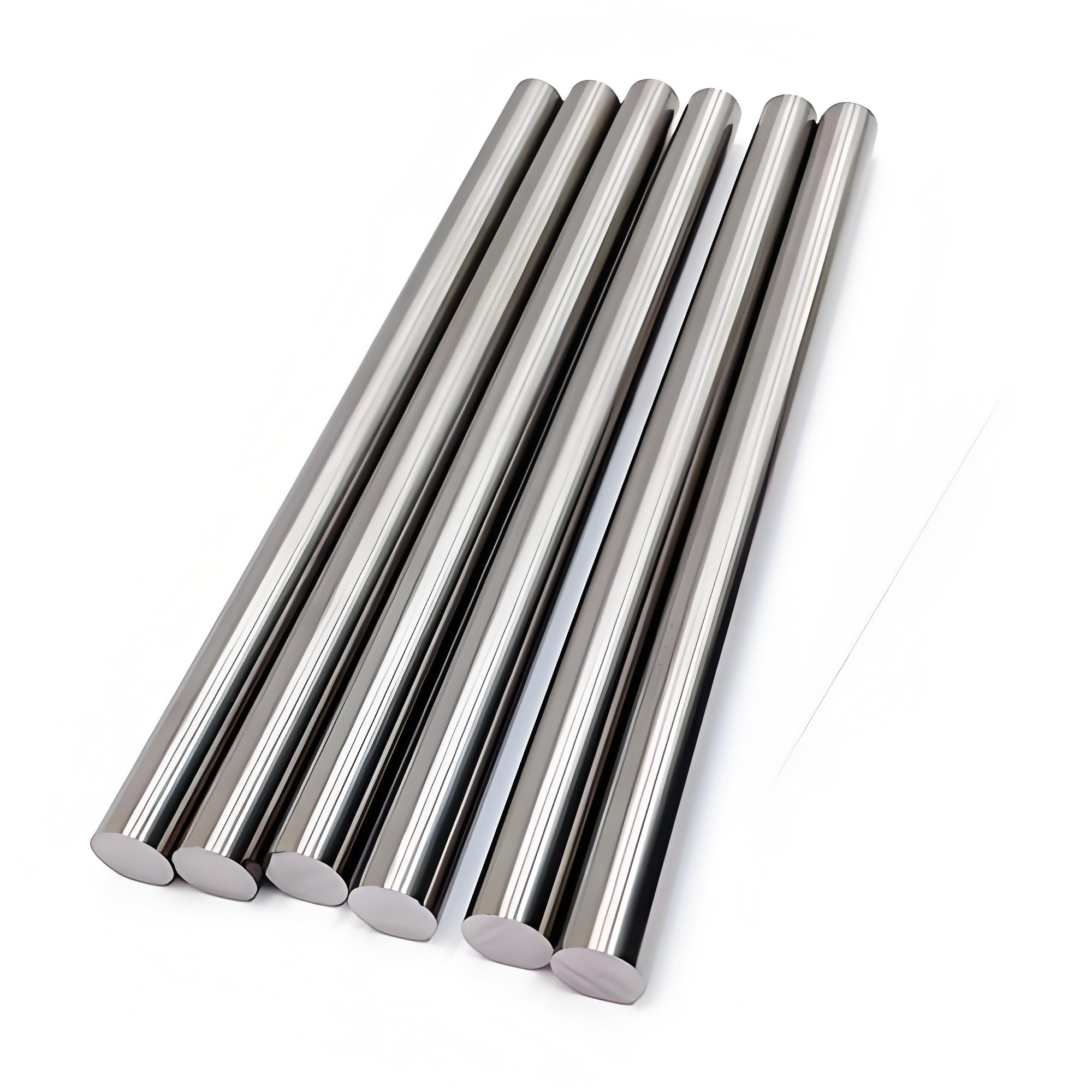
The chemical composition is the first place to look when comparing Hastelloy C2000 and C276 round bars. Both alloys are nickel-based and contain high levels of chromium and molybdenum, but C2000 contains a deliberate copper addition. This copper content is one of the most important differences because it improves resistance to certain reducing acids, especially sulfuric acid environments.
Hastelloy C276 contains nickel as the balance, with high molybdenum, chromium, and tungsten. The combination of molybdenum and tungsten gives C276 excellent resistance to localized corrosion, pitting, and crevice corrosion. Its low carbon content also helps reduce carbide precipitation during welding, which is one reason it is widely used for fabricated equipment.
Hastelloy C2000 contains nickel as the balance, with chromium, molybdenum, and copper. Compared with C276, C2000 generally has higher chromium and includes copper, while C276 contains tungsten and does not rely on copper as a major alloying element. This difference changes how each alloy behaves in oxidizing acids, reducing acids, and mixed chemical conditions.
| Item | Hastelloy C2000 Round Bar | Hastelloy C276 Round Bar |
|---|---|---|
| Alloy Type | Nickel-chromium-molybdenum-copper alloy | Nickel-molybdenum-chromium-tungsten alloy |
| Key Design Feature | Copper addition for wider acid resistance | Tungsten and molybdenum for strong localized corrosion resistance |
| Typical Strength | Broad resistance in oxidizing and reducing environments | Proven performance in reducing acids and chloride-containing media |
| Market Availability | More specialized, may require checking stock | Widely available in many bar sizes |
Both Hastelloy C2000 and Hastelloy C276 round bars are selected mainly because of corrosion resistance. They are not chosen simply for ordinary strength; they are chosen when stainless steel, duplex stainless steel, or lower nickel alloys cannot provide enough service life.
Hastelloy C276 is highly resistant to many aggressive chemical environments, including wet chlorine, hypochlorite, chlorine dioxide, ferric chloride, cupric chloride, formic acid, acetic acid, seawater, brine, and many acidic chloride solutions. It is also well known for resisting stress corrosion cracking caused by chlorides.
Hastelloy C2000 offers excellent resistance across a wider range of acids because it combines high chromium, molybdenum, and copper. Chromium helps in oxidizing environments, molybdenum supports resistance in reducing environments and chloride-containing media, and copper improves behavior in sulfuric acid and other reducing acid conditions. This makes C2000 especially useful when the exact chemical condition is difficult to control or when process conditions shift between oxidizing and reducing states.
In simple terms, C276 is a reliable and widely proven choice for many severe chemical applications, while C2000 is often considered when the application requires broader resistance and when copper-enhanced acid resistance is valuable.
The difference between oxidizing and reducing environments is important for alloy selection. Some alloys perform well in oxidizing acids but poorly in reducing acids. Others resist reducing acids but may not perform as well in oxidizing media. Chemical plants often face mixed conditions, and this is where the difference between C2000 and C276 becomes important.
Hastelloy C2000 was developed to handle both oxidizing and reducing conditions more evenly. Its chromium content helps it resist oxidizing chemicals, while molybdenum and copper improve resistance to reducing environments. This balanced design makes C2000 a strong candidate for chemical systems where acids, chlorides, and oxidizing contaminants may appear together.
For example, in a process line where sulfuric acid is present and the concentration or contamination level changes, C2000 round bar may provide a longer service life than alloys designed mainly for one type of environment. It can also be useful in plants where shutdowns, cleaning cycles, or feedstock changes alter the corrosion behavior.
Hastelloy C276 performs very well in many reducing media and chloride-bearing environments. It has a long field history in chemical processing equipment, scrubbers, marine systems, evaporators, and acid handling components. Its resistance to chloride stress corrosion cracking is one of the reasons engineers frequently choose it when austenitic stainless steels are not reliable enough.
However, in some strongly oxidizing conditions, C276 may not be the first choice compared with alloys specifically designed for stronger oxidizing acid resistance. This does not mean C276 is weak; it means the service medium must be matched carefully with the alloy chemistry.
Pitting and crevice corrosion are common reasons for early failure in chloride-containing environments. Round bars used for shafts, bolts, pump parts, and machined components often have surfaces, threads, contact areas, or tight gaps where stagnant liquid can collect. These areas can become highly corrosive even when the general environment looks manageable.
Hastelloy C276 has excellent resistance to pitting and crevice corrosion because of its high molybdenum and tungsten content. It is frequently selected for seawater exposure, chloride-containing acids, and chemical systems where stainless steel may pit quickly.
Hastelloy C2000 also has strong pitting and crevice corrosion resistance, supported by its molybdenum and chromium content. In many mixed chemical environments, C2000 can match or exceed the corrosion performance expected from traditional nickel alloys. Its broader chemistry can be useful when localized corrosion and general acid attack are both concerns.
| Corrosion Condition | Better Choice in Many Cases | Reason |
|---|---|---|
| Reducing acids with chlorides | C276 or C2000 depending on acid type | Both alloys have strong molybdenum-based resistance |
| Sulfuric acid service | C2000 often has an advantage | Copper addition improves resistance in many sulfuric acid conditions |
| General chloride pitting risk | C276 is very widely proven | High molybdenum and tungsten improve localized corrosion resistance |
| Mixed oxidizing and reducing media | C2000 often has an advantage | Designed for broader corrosion coverage |
For most round bar applications, both Hastelloy C2000 and C276 provide good mechanical strength, toughness, and stability. They can be supplied in solution annealed condition and machined into parts for demanding industrial service. The mechanical properties may vary depending on diameter, production route, heat treatment, specification, and testing standard.
In general, both alloys offer good tensile strength and yield strength compared with common stainless steels. They are not usually selected only for mechanical strength, but their strength is more than sufficient for many corrosion-resistant components such as shafts, valve stems, fasteners, pressure parts, pump components, and support parts.
When comparing mechanical performance, C276 is often easier for engineers to specify because it is more common and has broad historical data. C2000 also provides reliable mechanical properties, but project documentation, available test certificates, and applicable standards should be confirmed with the supplier.
| Property | Hastelloy C2000 Round Bar | Hastelloy C276 Round Bar |
|---|---|---|
| Strength | High strength nickel alloy suitable for machined components | High strength nickel alloy with extensive engineering use |
| Toughness | Good toughness in corrosive service | Excellent toughness and proven field performance |
| Form Stability | Suitable for precision machined corrosion-resistant parts | Suitable for shafts, stems, fasteners, and pressure-related parts |
| Specification Familiarity | More specialized | More commonly specified by engineering companies |
Both C2000 and C276 can be used in elevated temperature environments, but high-temperature performance must be considered together with corrosion conditions. Temperature often makes corrosion more aggressive. A material that works at room temperature may fail faster at higher temperature because acid concentration, chloride activity, oxidation, and diffusion effects become stronger.
Hastelloy C276 has a strong history in high-temperature chemical and pollution control systems. It is commonly used in flue gas desulfurization equipment, scrubbers, heat exchangers, evaporators, and chemical reactors where hot corrosive gases or liquids are present.
Hastelloy C2000 also performs well in elevated temperature corrosive service, especially where both oxidizing and reducing chemicals may appear. However, if the application involves prolonged high-temperature exposure, thermal stability, phase formation, and the exact service temperature should be reviewed carefully. For pressure equipment, the selected material must also comply with the required design code and allowable stress values.
Weldability is important even for round bars because bars are often welded into assemblies, used as stems or pins, or machined into parts that are attached to other components. Both Hastelloy C2000 and Hastelloy C276 can be welded using common nickel alloy welding methods, but proper procedure control is necessary.
Hastelloy C276 is known for good weldability. Its low carbon content helps reduce the risk of carbide precipitation in the heat-affected zone. In many cases, C276 can be used in the as-welded condition, which is one reason it is popular for chemical equipment fabrication.
Hastelloy C2000 is also weldable, but filler metal selection and welding procedure should match the service environment. Because C2000 is often selected for broad corrosion resistance, using an unsuitable filler metal can reduce the benefit of the base material. For critical chemical service, welding procedure qualification, corrosion testing, and supplier recommendations should be considered.
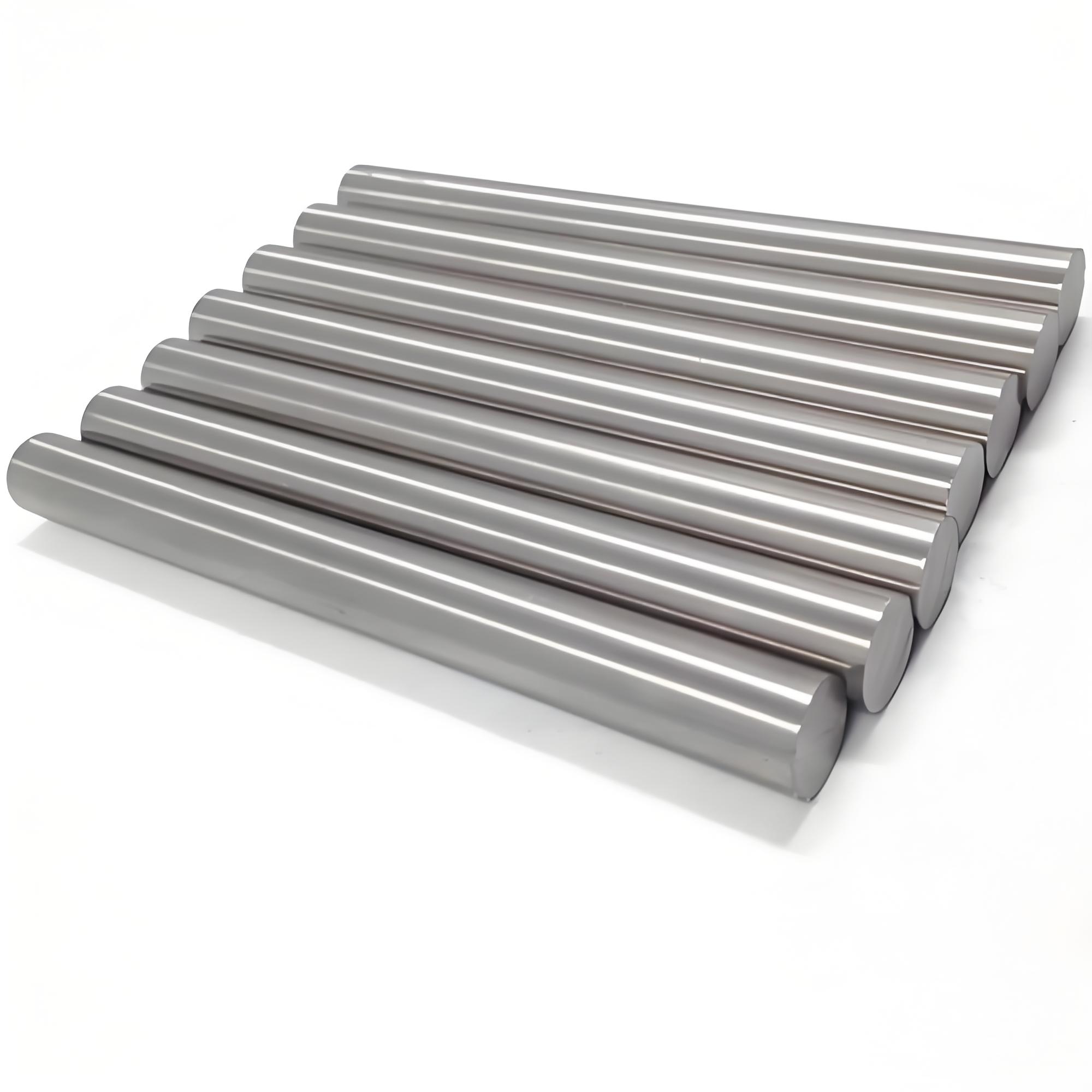
Cleanliness is very important when fabricating nickel alloy round bars. Surface contamination from carbon steel tools, grinding dust, oil, or sulfur-bearing materials can reduce corrosion performance. Dedicated tools, clean work areas, and proper pickling or surface treatment after fabrication can help maintain corrosion resistance.
Heat input should be controlled during welding. Excessive heat input can affect microstructure and corrosion behavior. For thick bars or heavy machined parts, pre-production welding trials may be useful to confirm distortion control and final part quality.
Nickel alloy round bars are generally more difficult to machine than carbon steel and many stainless steels. Both Hastelloy C2000 and C276 work-harden quickly, generate high cutting forces, and require careful tool selection. Machining speed, feed, coolant, tool geometry, and rigidity all matter.
Hastelloy C276 is commonly machined by experienced workshops, so practical machining knowledge is easier to find. It requires sharp tools, rigid setups, positive feeds, and proper cooling. Light rubbing cuts should be avoided because they can harden the surface and make the next pass more difficult.
Hastelloy C2000 has similar machining challenges. Because it is a nickel alloy with high corrosion-resistant alloy content, it should be machined with carbide tools or suitable high-performance tooling. Shops should plan for slower cutting speeds compared with ordinary stainless steel and should avoid poor chip control or interrupted cutting where possible.
| Machining Factor | Recommendation |
|---|---|
| Tooling | Use sharp carbide tools or tools designed for nickel alloys |
| Cutting Speed | Use moderate to low speeds compared with common stainless steels |
| Feed | Maintain positive feed to avoid work hardening |
| Coolant | Use sufficient coolant to control heat and improve tool life |
| Setup | Keep the machine, tool holder, and workpiece rigid |
Hastelloy C2000 and C276 round bars are used in industries where corrosion failure can cause shutdowns, leakage, contamination, safety risks, or high replacement costs. They are often machined into custom parts rather than used as simple structural bars.
Hastelloy C2000 round bars are suitable for chemical processing equipment, sulfuric acid systems, mixed acid service, pharmaceutical production parts, heat exchanger components, valve parts, pump shafts, reactor internals, acid transfer systems, and components exposed to changing chemical conditions. Its broad resistance makes it useful when the process is not limited to one stable chemical environment.
Hastelloy C276 round bars are widely used for pump shafts, valve stems, fasteners, agitator shafts, marine components, scrubber parts, pollution control equipment, flue gas desulfurization systems, chlorinated chemical equipment, acid production parts, pulp and paper equipment, and components exposed to wet chlorine or chloride solutions.
The main advantage of Hastelloy C2000 round bar is its broad corrosion resistance. It was designed to close the gap between alloys that perform well in oxidizing media and alloys that perform well in reducing media. Because of its copper addition, it can offer better performance in certain sulfuric acid and reducing acid environments compared with some traditional nickel-chromium-molybdenum alloys.
C2000 is a good choice when the application involves mixed acids, process variation, or chemical uncertainty. It may reduce the need to use different alloys in different sections of the same system. For plants that handle complex chemical streams, this can simplify material selection and improve equipment reliability.
Another advantage is its usefulness in environments where both general corrosion and localized corrosion must be controlled. C2000 round bars can be machined into high-value parts that need long service life in aggressive media, especially when replacement is difficult or downtime is expensive.
The biggest advantage of Hastelloy C276 round bar is its proven record. It has been used globally for many years and is accepted in a wide range of industries. Engineers, fabricators, and buyers are familiar with it, and many stockists carry C276 round bars in different diameters.
C276 has excellent resistance to chloride-induced pitting, crevice corrosion, and stress corrosion cracking. It is also highly resistant to many reducing chemicals and contaminated acids. For severe chemical processing environments, it is often one of the first alloys considered when stainless steel is not enough.
Availability is another practical advantage. Because C276 is more common, it may be easier to buy in urgent projects, small quantities, or non-standard lengths. This can make C276 more attractive when the project schedule is tight.
Choosing between Hastelloy C2000 and C276 round bars should start with the service environment. The chemical medium, concentration, temperature, pressure, oxygen content, chloride content, impurities, flow rate, and cleaning process can all affect corrosion performance. A material that performs well in one acid concentration may not perform the same way in another concentration or temperature.
If the application includes mixed oxidizing and reducing chemicals, sulfuric acid conditions, or changing process chemistry, Hastelloy C2000 may be the better choice. Its copper addition and balanced alloy design can provide a wider corrosion resistance range.
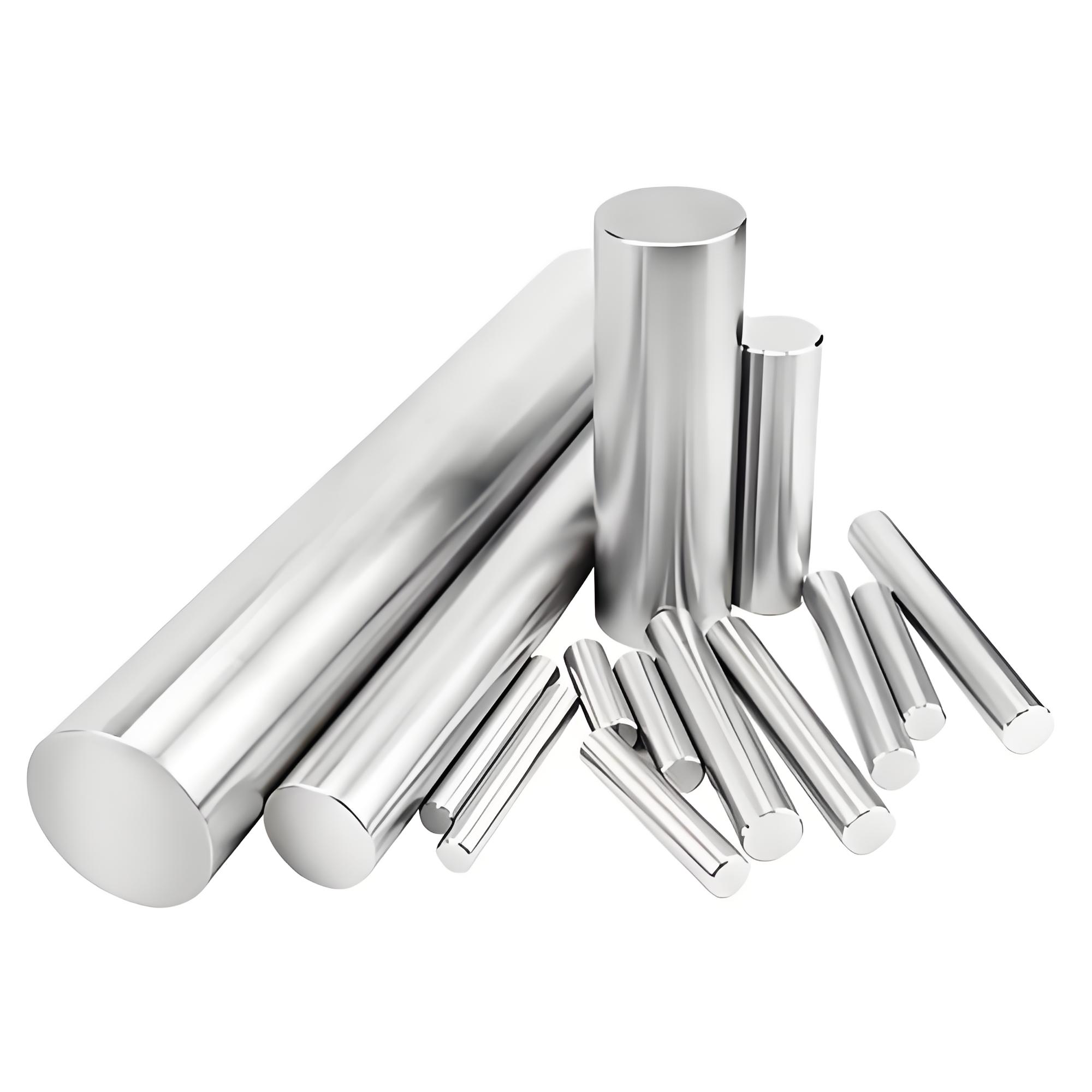
If the application is a proven C276 service environment, such as chloride-containing chemical systems, wet chlorine service, scrubbers, marine chemical exposure, or reducing acid conditions where C276 has already performed well, Hastelloy C276 may be the more practical choice. It is widely specified, easier to source, and often supported by more field experience.
| Selection Question | Recommended Direction |
|---|---|
| Is the environment mainly chloride-rich and already proven with C276? | Choose Hastelloy C276 round bar |
| Does the system contain sulfuric acid or mixed acid conditions? | Consider Hastelloy C2000 round bar |
| Is quick delivery more important? | C276 may be easier to source |
| Is the process chemistry variable or difficult to control? | C2000 may provide broader protection |
| Is the part used in a standard design already approved for C276? | C276 may reduce engineering approval time |
Price is always important, but it should not be the only factor when buying Hastelloy round bars. The cost of premature corrosion failure is usually much higher than the price difference between two nickel alloys. Replacement labor, plant shutdown, leakage risk, production loss, and safety issues must all be considered.
Hastelloy C276 round bar is usually more available in the market. Many suppliers keep C276 bars in stock because demand is steady across chemical, marine, and industrial sectors. This can help reduce lead time and make it easier to purchase small or urgent quantities.
Hastelloy C2000 round bar may require more planning. Some sizes may be available from stock, but special diameters, large bars, or project-specific specifications may need production lead time. For this reason, buyers should confirm diameter, length, condition, standard, origin, test certificate, and delivery schedule before finalizing an order.
When requesting a quotation, it is helpful to provide the full material grade, bar diameter, length, quantity, surface condition, standard, testing requirements, and destination. If the part will be machined, it is also useful to confirm whether peeled, ground, polished, or black surface bar is required.
Is Hastelloy C2000 better than C276?
Hastelloy C2000 is better than C276 in some mixed oxidizing and reducing environments, especially where sulfuric acid or variable acid conditions are present. However, Hastelloy C276 may be the better choice when the application is already proven with C276, when chloride corrosion resistance is the main concern, or when faster material availability is required.
What is Hastelloy C276 round bar used for?
Hastelloy C276 round bar is used for pump shafts, valve stems, fasteners, agitator shafts, marine parts, scrubber components, chemical processing parts, flue gas desulfurization equipment, and acid handling components. It is selected when stainless steel cannot resist chloride corrosion, reducing acids, wet chlorine, or other aggressive chemical media.
How do I choose Hastelloy round bar?
To choose the right Hastelloy round bar, check the chemical medium, concentration, temperature, chloride content, oxidizing or reducing condition, mechanical requirements, welding needs, machining plan, and delivery schedule. C2000 is often preferred for broader mixed acid resistance, while C276 is preferred for widely proven chloride and chemical processing applications.
More from this category
Incoloy 825 bar price depends on the nickel-based alloy composition, bar dimensions, manufacturing route, heat-treatment condition, surface finish, in...
Incoloy 800HT bar price is shaped by nickel, chromium, titanium, and aluminum raw-material costs, together with bar dimensions, heat-treatment conditi...
Incoloy 20 round bar price per kg depends on the alloy composition, bar size, manufacturing method, surface finish, tolerance, certificates, inspectio...
Hastelloy G-30 N06030 bar factory price is determined by the alloy’s high nickel, chromium, iron, molybdenum, copper, and tungsten content, together...
 English English
  Korean
 Arabic
 Spanish
 German
 Portuguese
 French
 Russian
 Italian
 Vietnamese