
Incoloy 825 Bar Price | UNS N08825 Supplier
Incoloy 825 bar price depends on the nickel-based alloy composition, bar dimensions, manufacturing route, heat-treatment condition, surface finish, in...
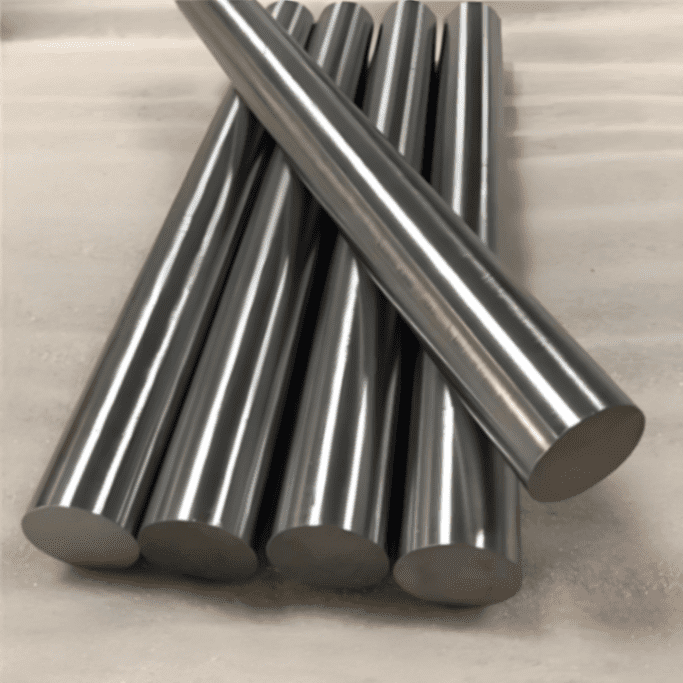
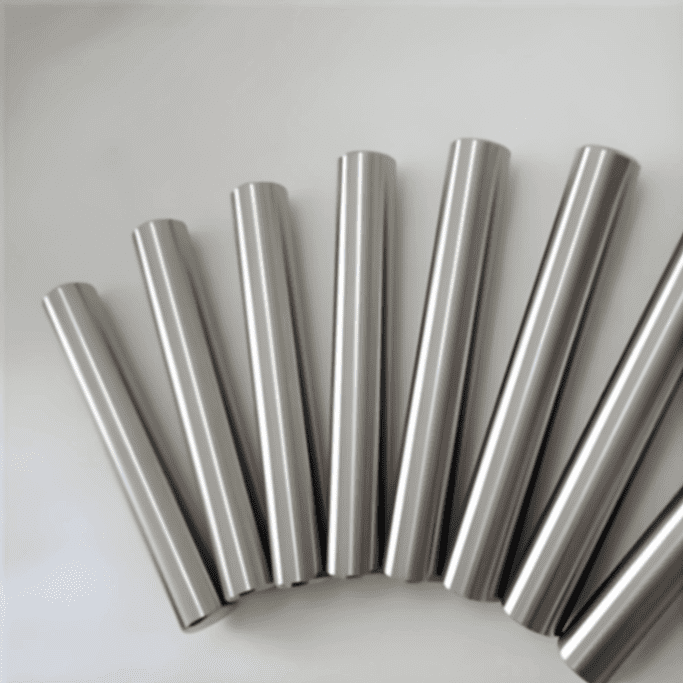
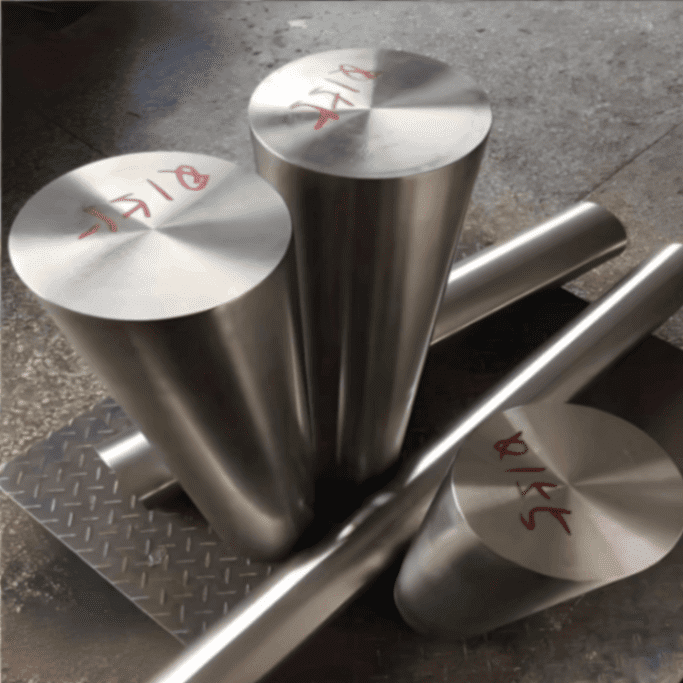
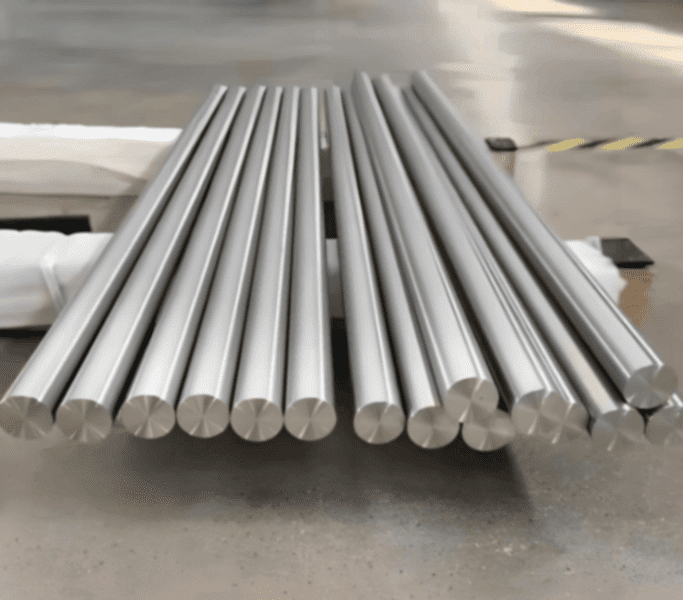
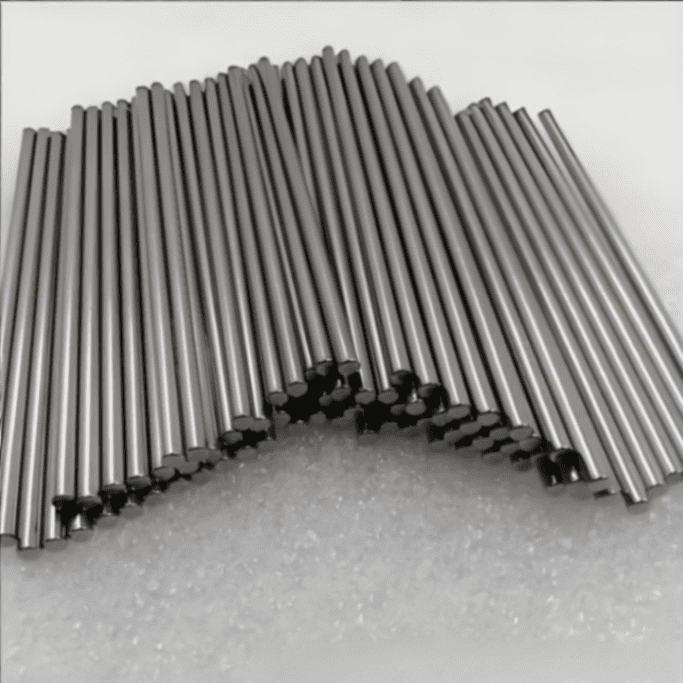
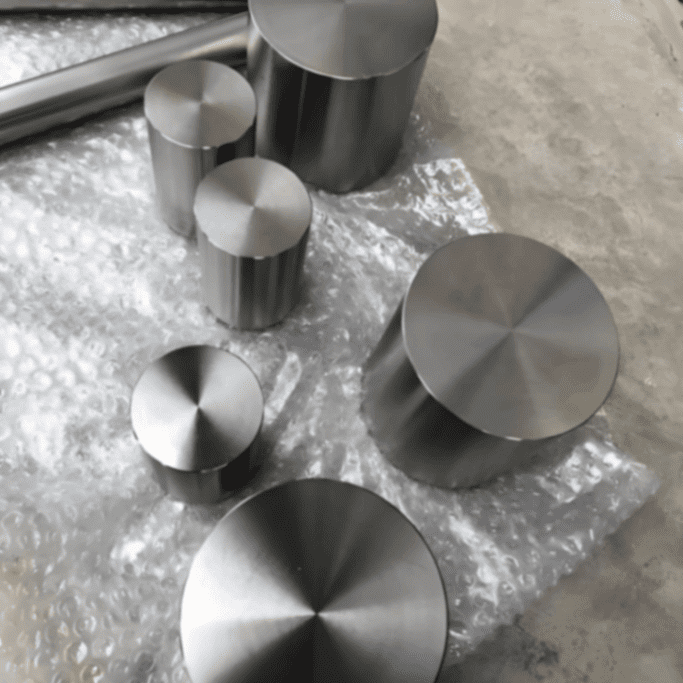
Hastelloy B2 round bar is a nickel-molybdenum alloy bar used in strong reducing chemical environments, especially hydrochloric acid service. In 2026, the quotation of Hastelloy B2 round bars is closely related to nickel content, molybdenum cost, bar diameter, production route, testing requirements, and the global nickel market. Because Hastelloy B2 contains nickel as the balance element and about 26% to 30% molybdenum, its price is usually higher than ordinary stainless steel and many standard nickel alloys. For buyers, understanding nickel content and the 2026 price trend can help make a more accurate purchasing plan.
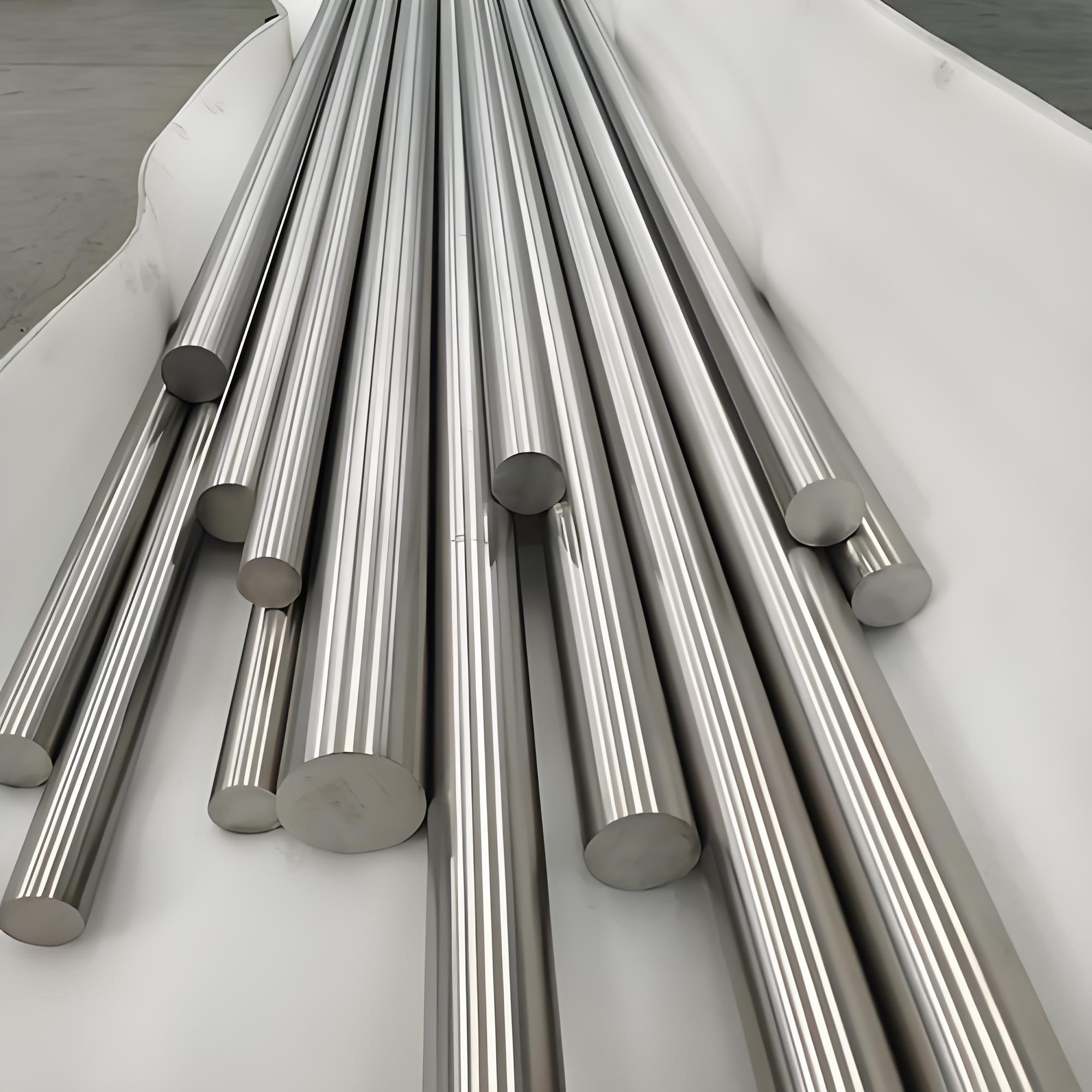
Hastelloy B2 round bar, also known as Alloy B2 round bar or UNS N10665 round bar, is a corrosion-resistant nickel alloy product supplied in round section. It is commonly used for machined components, shafts, valve parts, fasteners, pump parts, chemical equipment parts, and acid-resistant fittings.
The main feature of Hastelloy B2 is its excellent resistance to hydrochloric acid across a wide range of concentrations and temperatures. It also performs well in many reducing acids, hydrogen chloride gas, sulfuric acid under certain conditions, acetic acid, phosphoric acid, and other non-oxidizing chemical media.
Compared with stainless steel, Hastelloy B2 has a much higher nickel and molybdenum content. Compared with many nickel-chromium-molybdenum alloys such as C276 or C22, B2 has very low chromium. This chemical design gives B2 strong performance in reducing environments, but it also means the alloy should not be used carelessly in oxidizing media or environments containing oxidizing salts.
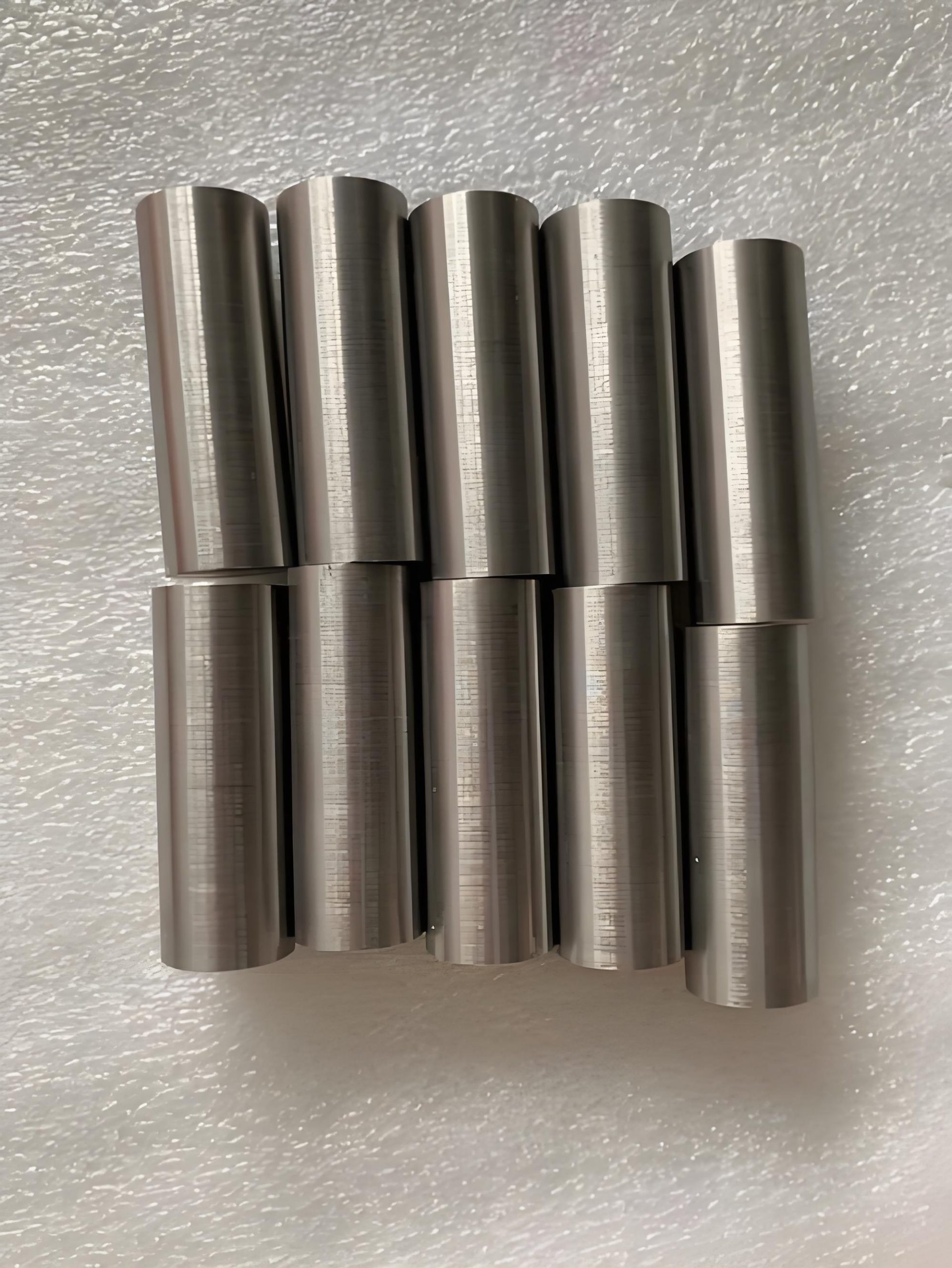
The nickel content of Hastelloy B2 is normally expressed as balance, because nickel makes up the remaining percentage after molybdenum and other controlled elements are counted. In most commercial material data, the nickel content of Hastelloy B2 is usually around 65% by weight, but the exact value can vary slightly depending on the heat analysis.
This high nickel content is one of the main reasons Hastelloy B2 round bar has strong corrosion resistance in reducing chemical environments. Nickel provides the base structure of the alloy and supports resistance against many acids that would quickly attack ordinary steel or stainless steel.
For quotation, nickel content matters because nickel is a major raw material cost. When LME nickel prices rise, the alloy surcharge and raw material cost for Hastelloy B2 round bars may also increase. However, nickel is not the only cost driver. Molybdenum is also a very important price factor because Hastelloy B2 contains a high molybdenum level.
Hastelloy B2 is a nickel-molybdenum alloy. Its composition is designed for reducing acid resistance, not for general oxidizing acid service. The following table shows a common composition range for Hastelloy B2 round bars. Final values should always be checked against the mill test certificate and the required purchasing standard.
| Element | Typical Range or Limit | Main Function |
|---|---|---|
| Nickel | Balance, usually around 65% | Base element, corrosion resistance, ductility |
| Molybdenum | About 26% to 30% | Strong resistance to reducing acids |
| Iron | Controlled low level | Affects structure and corrosion behavior |
| Chromium | Very low level | Kept low for reducing acid performance |
| Cobalt | Controlled limit | Residual or controlled element |
| Carbon | Low level | Helps reduce carbide-related problems |
| Manganese, Silicon, Phosphorus, Sulfur | Small controlled limits | Controlled for quality, workability, and cleanliness |
Nickel content affects both performance and price. In Hastelloy B2 round bars, nickel is not a small alloying addition; it is the base of the material. This means the market movement of nickel can directly influence the purchasing cost of the bar.
From the performance side, nickel gives the alloy good toughness, good resistance to many reducing chemicals, and stable behavior in difficult process conditions. It also helps the material maintain useful mechanical properties after hot working, solution annealing, and machining.
From the cost side, a high nickel percentage means the quotation is sensitive to nickel price changes. When nickel prices move up, suppliers may adjust quotations quickly, especially for fresh production orders. When nickel prices soften, buyers may see more competitive offers, but the final price may not fall at the same speed because molybdenum, processing cost, freight, testing, and inventory cost are also included.
Hastelloy B2 round bar is selected mainly for corrosion resistance, but it also has useful mechanical and fabrication properties. It can be machined into precision parts and used in equipment where corrosion failure would cause leakage, shutdown, or safety risk.
| Property | Hastelloy B2 Round Bar Performance |
|---|---|
| Corrosion Resistance | Excellent in hydrochloric acid and many reducing acid environments |
| Nickel Content | High nickel base, normally around 65% depending on heat analysis |
| Molybdenum Content | High molybdenum level, normally about 26% to 30% |
| Mechanical Strength | Good strength and toughness for machined industrial parts |
| Weldability | Weldable with proper procedure and suitable filler selection |
| Machinability | More difficult than stainless steel; requires rigid setup and sharp tools |
Hastelloy B2 round bars are widely used in chemical processing systems where reducing acid corrosion is severe. They are usually purchased for machining rather than simple structural use.
Common applications include hydrochloric acid equipment parts, acid pump shafts, valve stems, valve seats, fasteners, reactor components, agitator shafts, nozzles, fittings, bushings, sealing parts, and components used in chemical plants, pharmaceutical plants, acid production units, pickling systems, and specialty chemical equipment.
Because B2 is sensitive to oxidizing contaminants, the service environment should be reviewed carefully before purchase. If the medium contains ferric ions, cupric ions, dissolved oxygen, wet chlorine, nitric acid, or other oxidizing agents, another Hastelloy grade such as C276, C22, or C2000 may be more suitable.
In 2026, the nickel market continues to have a direct influence on Hastelloy B2 round bar pricing. Nickel is traded globally, and LME nickel is commonly used as an important reference for physical nickel transactions and alloy surcharge calculation. Even though finished Hastelloy B2 bars are specialty products, suppliers still watch nickel market movement when preparing quotations.
The 2026 nickel market is affected by several forces. Indonesia remains a major supply center for nickel, and any change in Indonesian mining quotas, ore policy, refining output, or export control can influence market sentiment. At the same time, stainless steel demand, electric vehicle battery demand, energy transition projects, and global manufacturing activity all affect nickel consumption.
For Hastelloy B2, nickel price is important, but buyers should also remember that molybdenum content is very high. A quotation may rise even when nickel is stable if molybdenum cost, melting cost, processing cost, or delivery cost increases.
The 2026 price trend for Hastelloy B2 round bars can be described as cautiously firm with periods of volatility. Nickel prices have been influenced by supply controls, Indonesian production policy, and demand uncertainty. When nickel prices rebound, Hastelloy B2 round bar offers usually become firmer, especially for non-stock sizes and new mill production.
For stock material, the price may not change every day, but suppliers often adjust offers according to replacement cost. If a warehouse purchased B2 bar at a higher raw material cost, the selling price may remain firm even when nickel drops for a short time. If suppliers hold low-cost inventory, buyers may receive more competitive pricing, especially for standard diameters.
For project purchasing in 2026, buyers should not treat Hastelloy B2 round bar price as a fixed catalog price. It is better to request a fresh quotation based on current nickel and molybdenum costs, real stock condition, required diameter, quantity, testing requirements, and delivery destination.
| 2026 Market Factor | Possible Effect on Hastelloy B2 Round Bar Price |
|---|---|
| Nickel price increase | Higher raw material cost and firmer quotation |
| Nickel price decrease | Possible lower offer, depending on inventory and replacement cost |
| Molybdenum price increase | Strong impact because B2 contains about 26% to 30% molybdenum |
| Large diameter requirement | Higher unit price due to forging, rolling, heat treatment, and lower availability |
| Urgent delivery | May increase cost if only limited stock is available |
| Special testing | Additional cost for ultrasonic testing, PMI, mechanical testing, or third-party inspection |
A proper Hastelloy B2 round bar quotation is not based only on weight. The supplier must consider raw material cost, production cost, specification, surface condition, testing, packaging, and logistics.
Nickel and molybdenum are the two most important alloy cost factors. Since Hastelloy B2 contains high nickel and high molybdenum, changes in either market can affect the quotation. For fresh production, mills often calculate price based on current raw material cost and alloy surcharge.
If the required size is available from stock, the buyer may receive a faster delivery time and a more stable quotation. If the size needs new production, the price may depend more heavily on current raw material cost, minimum order quantity, and mill schedule.
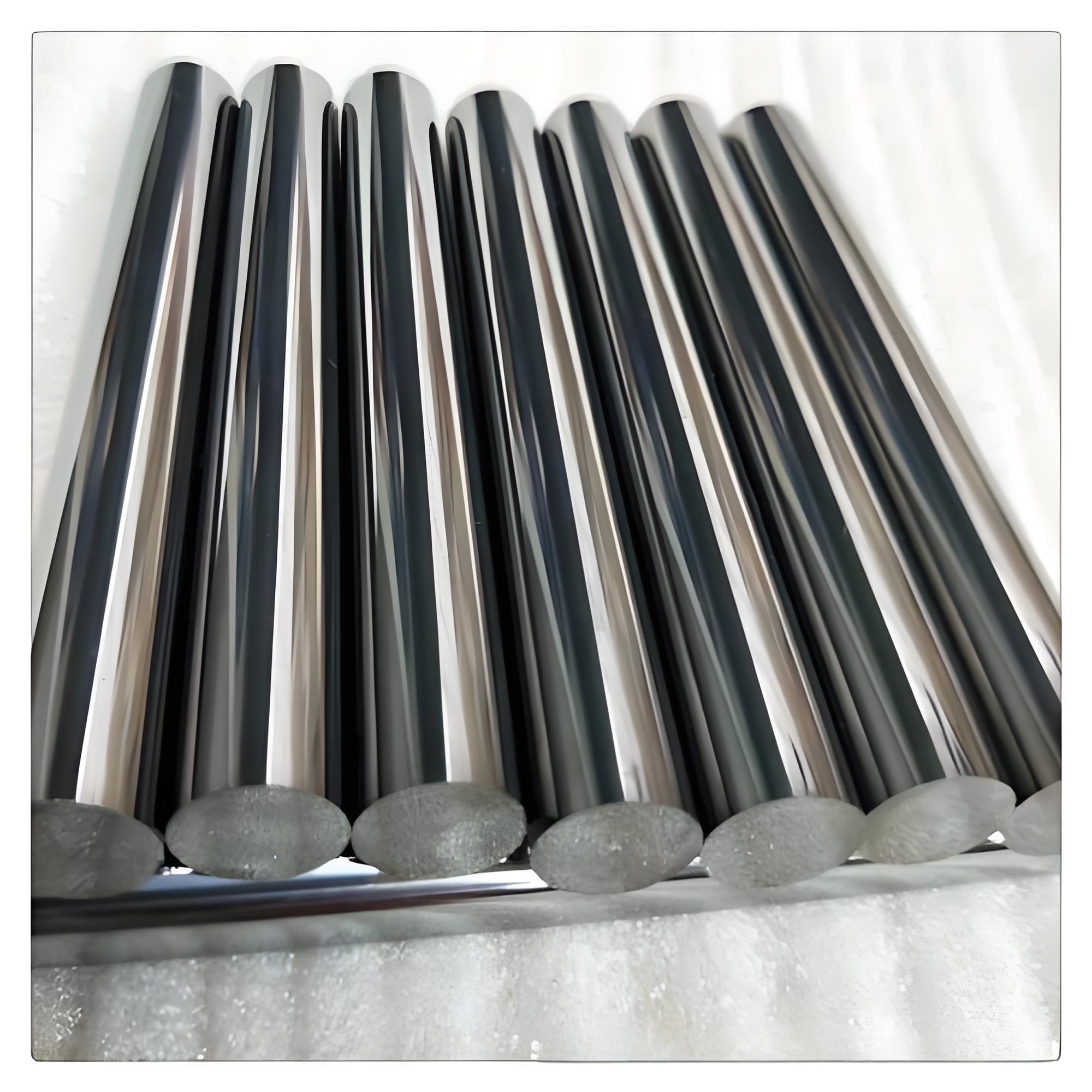
Material with complete mill test certificate, heat number traceability, chemical analysis, mechanical properties, and inspection documents may cost more than ordinary commercial stock. For pressure equipment or chemical plant projects, full traceability is often necessary.
Black bar, peeled bar, ground bar, polished bar, and precision turned bar can have different prices. If the buyer needs tight diameter tolerance, smooth surface, or machining allowance control, the cost will be higher than standard hot finished bar.
Diameter has a clear effect on Hastelloy B2 round bar price. Small and common diameters are often easier to source, while large diameters may require forging, longer production time, and more inspection. The unit price per kilogram can also change because yield loss and processing difficulty are different.
Length also matters. Standard random length may be cheaper and easier to arrange. Fixed length cutting, short pieces, or exact machining blanks can increase cutting cost and material loss. For expensive nickel alloy bars, cutting plan is important because even small waste can add cost.
| Size Requirement | Price Impact | Buyer Suggestion |
|---|---|---|
| Common small diameter | Usually more competitive | Check stock first for faster delivery |
| Large diameter bar | Higher cost and longer lead time | Confirm production route and inspection requirements |
| Fixed length | May increase cutting loss | Provide tolerance and cutting plan clearly |
| Ground or polished surface | Higher processing cost | Use only when surface tolerance is required |
| Small trial quantity | Higher unit price possible | Ask whether stock pieces are available |
Hastelloy B2 round bars are commonly identified by UNS N10665 and may be supplied according to project-specific ASTM, ASME, EN, or internal industry requirements. The exact standard should be confirmed before ordering because different product forms may use different specifications.
For round bars, buyers should clearly state whether they require ASTM or ASME material certification, solution annealed condition, mechanical testing, chemical analysis, ultrasonic testing, PMI testing, or third-party inspection. If the bar will be used for pressure equipment, valves, pumps, or critical chemical service, the purchasing document should match the engineering drawing and project code.
Common industry references for Hastelloy B2 products may include UNS N10665, Werkstoff 2.4617, NiMo28, ASTM or ASME specifications for nickel-molybdenum alloy products, and customer-specific standards. Because standards can differ by bar, plate, pipe, forging, and fitting, buyers should not rely only on the alloy name.
Hastelloy B2 is not always the best choice for every corrosive environment. It is excellent for many reducing acid conditions, especially hydrochloric acid, but it is not designed for strong oxidizing media. Comparing it with other nickel alloy round bars helps buyers avoid wrong material selection.
| Alloy Round Bar | Main Alloy Type | Typical Advantage | When to Consider |
|---|---|---|---|
| Hastelloy B2 | Nickel-molybdenum | Excellent reducing acid resistance | Hydrochloric acid and non-oxidizing chemical service |
| Hastelloy B3 | Nickel-molybdenum | Improved thermal stability compared with B2 | Reducing acid service with better fabrication stability |
| Hastelloy C276 | Nickel-chromium-molybdenum-tungsten | Strong all-round corrosion resistance | Chlorides, wet chlorine, mixed chemical environments |
| Hastelloy C22 | Nickel-chromium-molybdenum | Good oxidizing and chloride resistance | Oxidizing acids, chloride pitting, crevice corrosion risk |
| Inconel 625 | Nickel-chromium-molybdenum-niobium | Good strength, seawater resistance, weldability | Marine, offshore, heat, and general corrosion service |
To receive an accurate Hastelloy B2 round bar quotation, the buyer should provide complete technical and commercial details. A short inquiry such as “price for B2 bar” is usually not enough, because the supplier still needs to know size, quantity, standard, surface, delivery time, and inspection requirements.
A good inquiry should include material grade, UNS number, diameter, length, quantity, required standard, heat treatment condition, surface condition, tolerance, test certificate requirement, destination port or address, and whether cutting service is needed.
| Quotation Information | Example |
|---|---|
| Material Grade | Hastelloy B2, UNS N10665 |
| Product Form | Round bar |
| Diameter | 25 mm, 50 mm, 80 mm, or custom size |
| Length | Random length, fixed length, or cut pieces |
| Quantity | Total pieces or total weight |
| Surface | Black, peeled, ground, polished, or turned |
| Documents | MTC, PMI report, UT report, third-party inspection if required |
| Delivery Requirement | Stock delivery, urgent shipment, or mill production |
A reliable Hastelloy B2 round bar supplier should provide more than a low price. For nickel alloy materials, quality traceability and correct grade supply are extremely important. Wrong material can cause corrosion failure, production loss, and serious safety risk.
Buyers should check whether the supplier can provide original mill test certificate, heat number traceability, chemical composition, mechanical properties, size inspection, and proper marking. If the material is for a critical project, PMI testing and third-party inspection may be requested before shipment.
It is also important to choose a supplier familiar with nickel alloy machining and export packaging. Hastelloy B2 round bars should be protected from surface damage, mixed material storage, and wrong marking. For international orders, wooden case packaging, anti-rust protection, clear labels, and complete shipping documents can reduce problems after arrival.
What is the nickel content of Hastelloy B2?
The nickel content of Hastelloy B2 is the balance of the alloy and is usually around 65% by weight, depending on the exact heat analysis. The alloy also contains about 26% to 30% molybdenum, which is another major reason for its high corrosion resistance and higher material cost.
How much is Hastelloy B2 round bar in 2026?
The price of Hastelloy B2 round bar in 2026 depends on nickel price, molybdenum price, diameter, length, stock availability, surface condition, testing requirements, and order quantity. For an accurate quotation, buyers should provide grade, UNS N10665, bar size, quantity, standard, certificate requirement, and delivery address.
What is Hastelloy B2 round bar used for?
Hastelloy B2 round bar is used for hydrochloric acid equipment, chemical pump shafts, valve stems, fasteners, reactor parts, acid-resistant fittings, agitator parts, and machined components in reducing chemical environments. It is suitable for many non-oxidizing acid services but should be carefully checked before use in oxidizing media.
More from this category
Incoloy 825 bar price depends on the nickel-based alloy composition, bar dimensions, manufacturing route, heat-treatment condition, surface finish, in...
Incoloy 800HT bar price is shaped by nickel, chromium, titanium, and aluminum raw-material costs, together with bar dimensions, heat-treatment conditi...
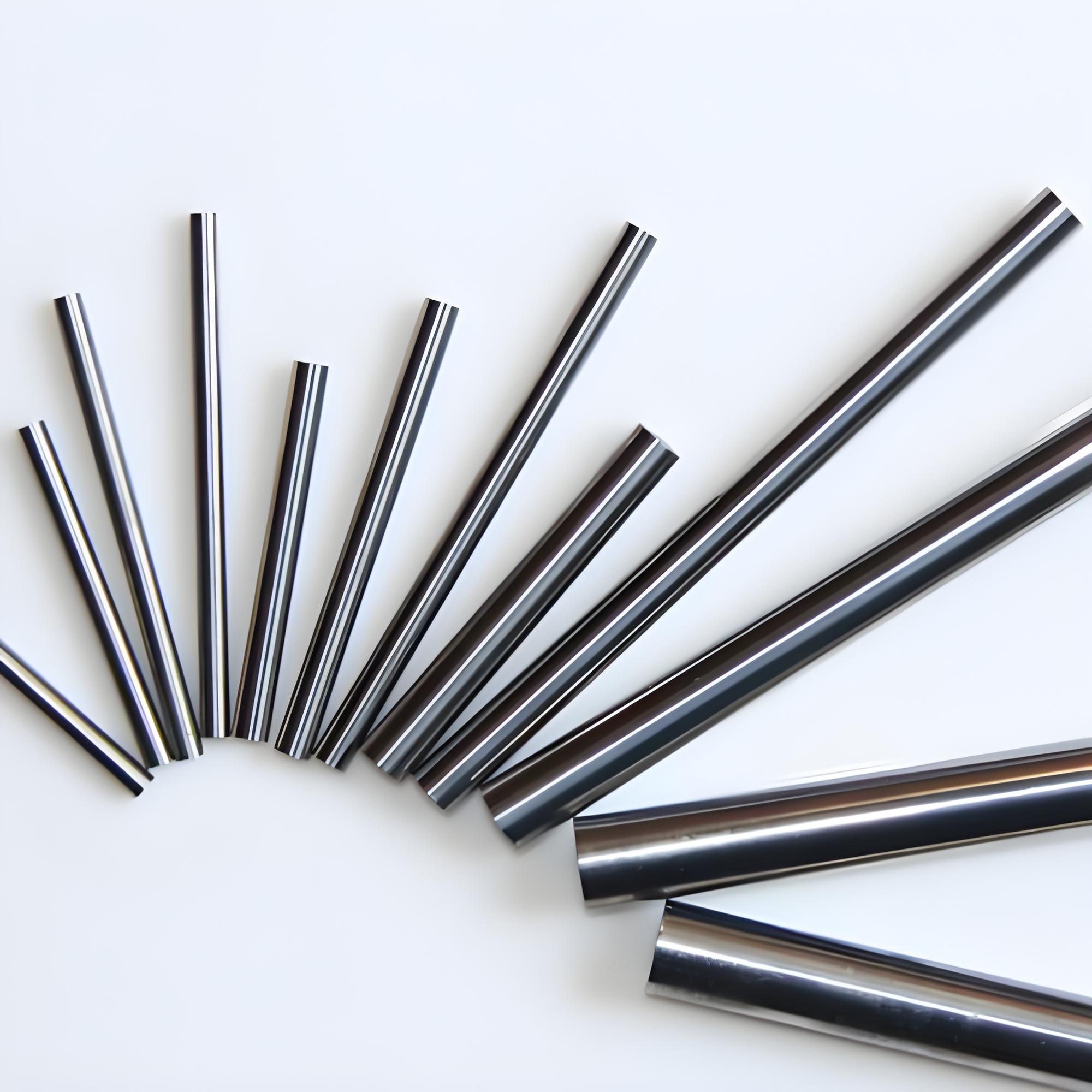
Incoloy 20 round bar price per kg depends on the alloy composition, bar size, manufacturing method, surface finish, tolerance, certificates, inspectio...
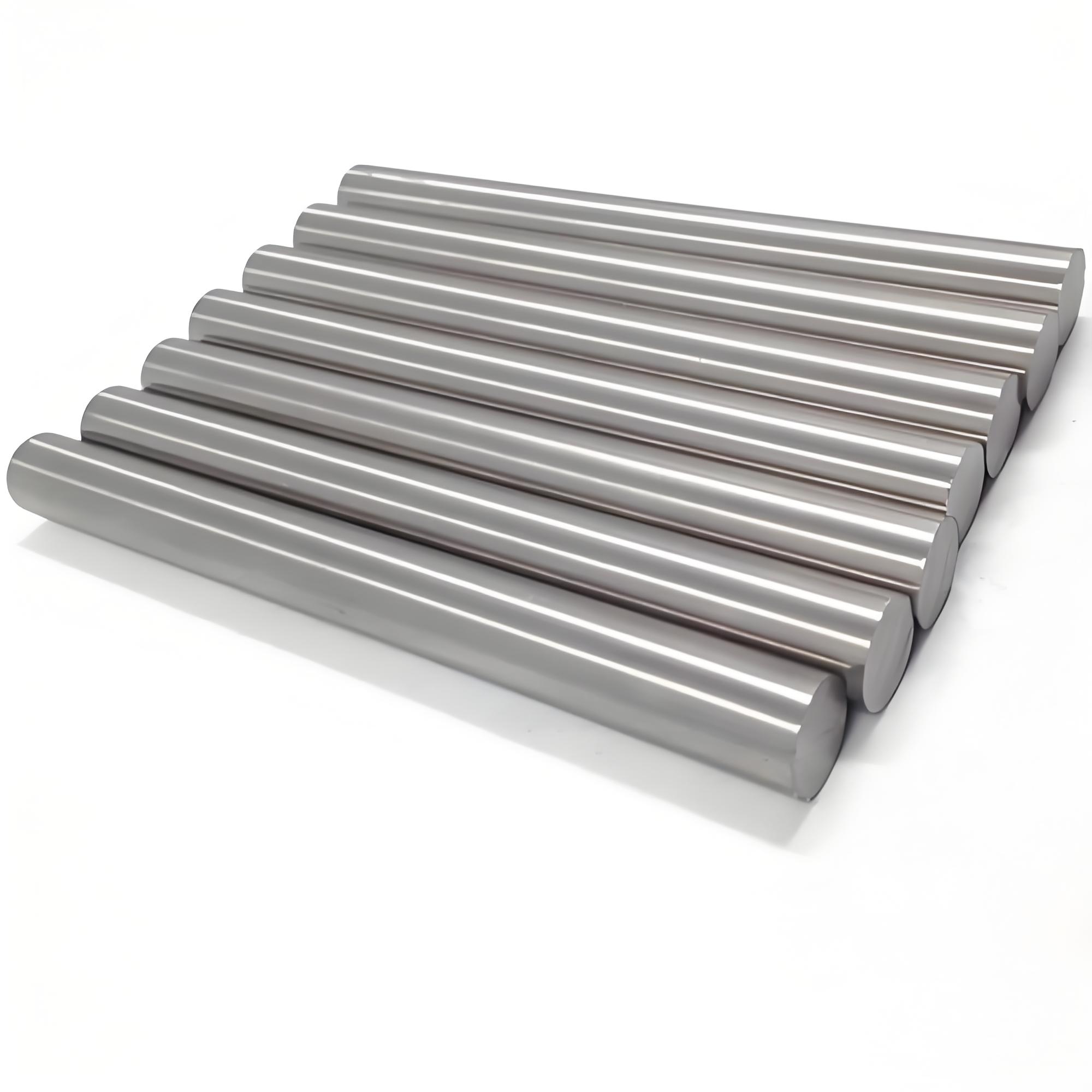
Hastelloy G-30 N06030 bar factory price is determined by the alloy’s high nickel, chromium, iron, molybdenum, copper, and tungsten content, together...
 English English
  Korean
 Arabic
 Spanish
 German
 Portuguese
 French
 Russian
 Italian
 Vietnamese