
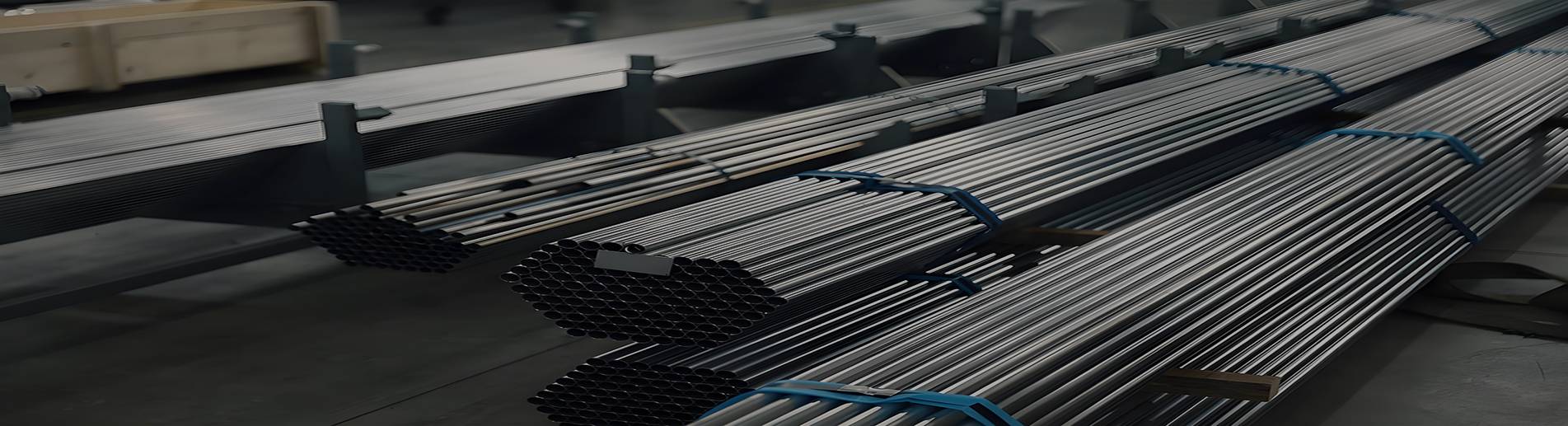
Incoloy 800HT Bar Price | Factory Supply
Incoloy 800HT bar price is shaped by nickel, chromium, titanium, and aluminum raw-material costs, together with bar dimensions, heat-treatment conditi...
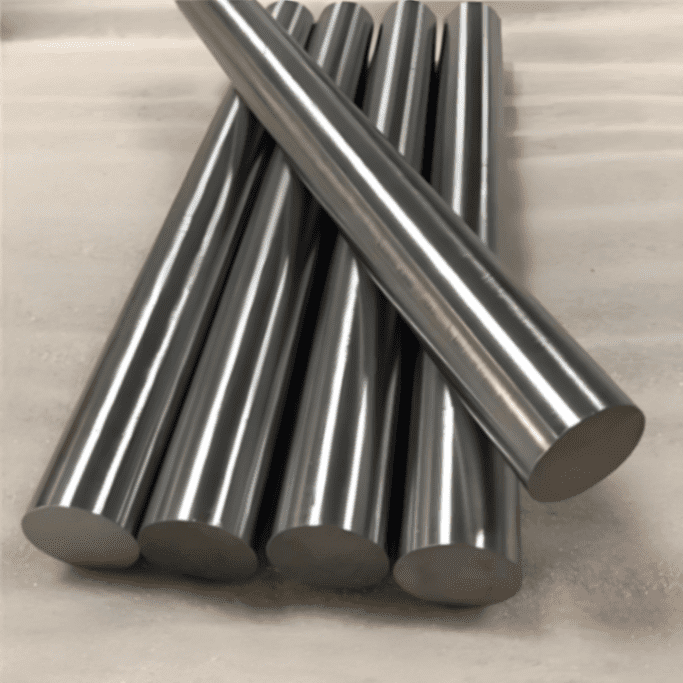
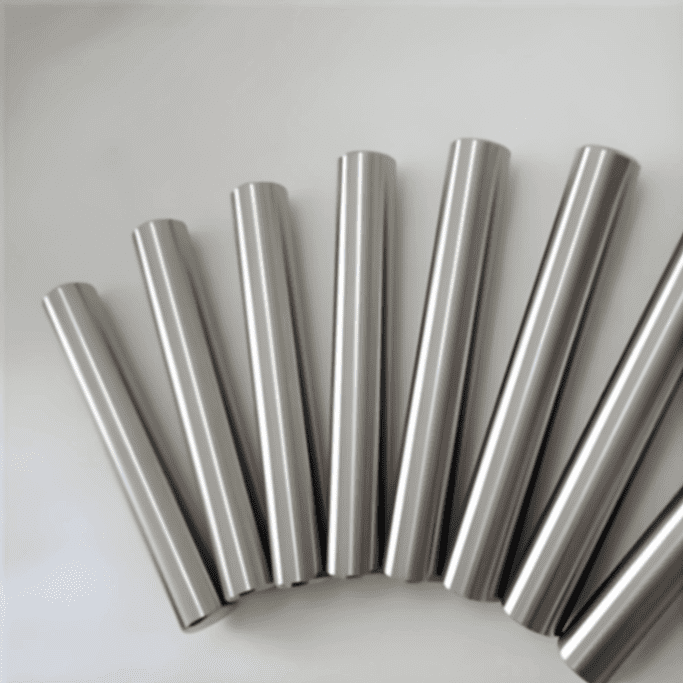
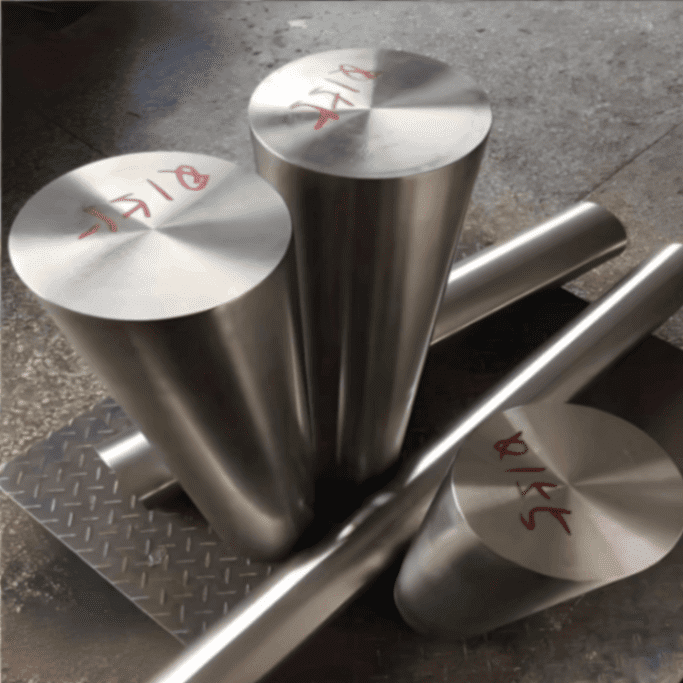
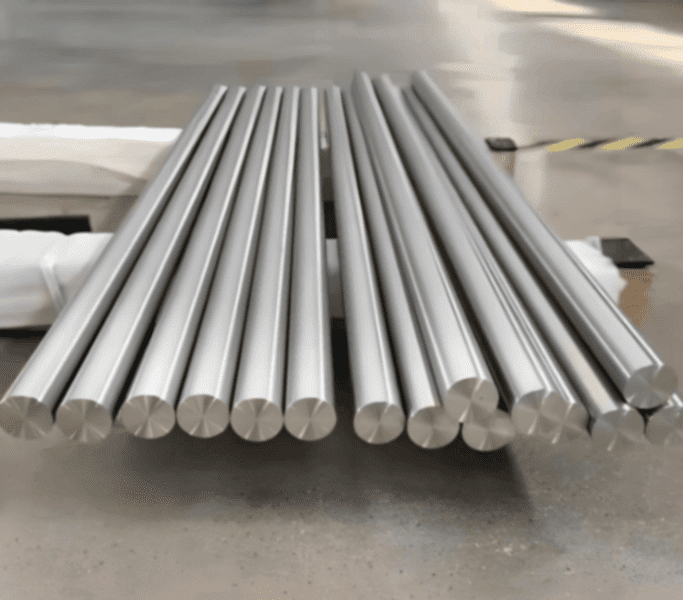
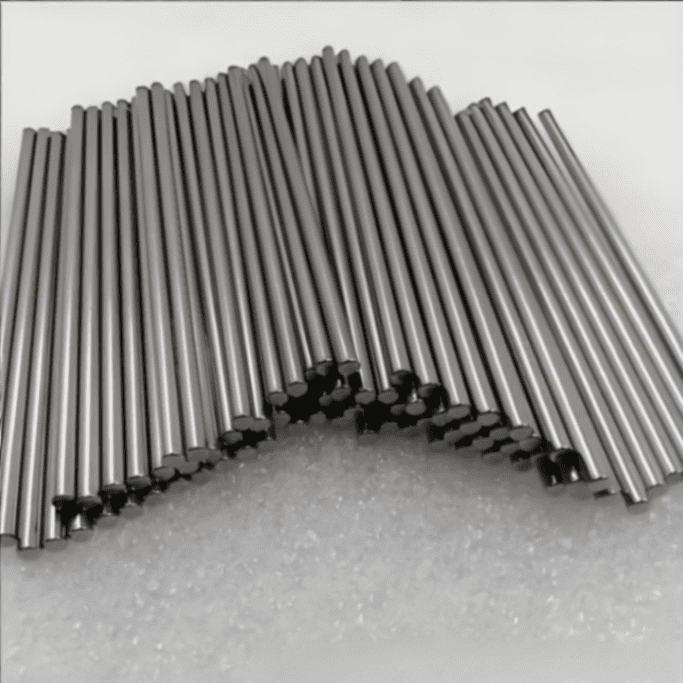
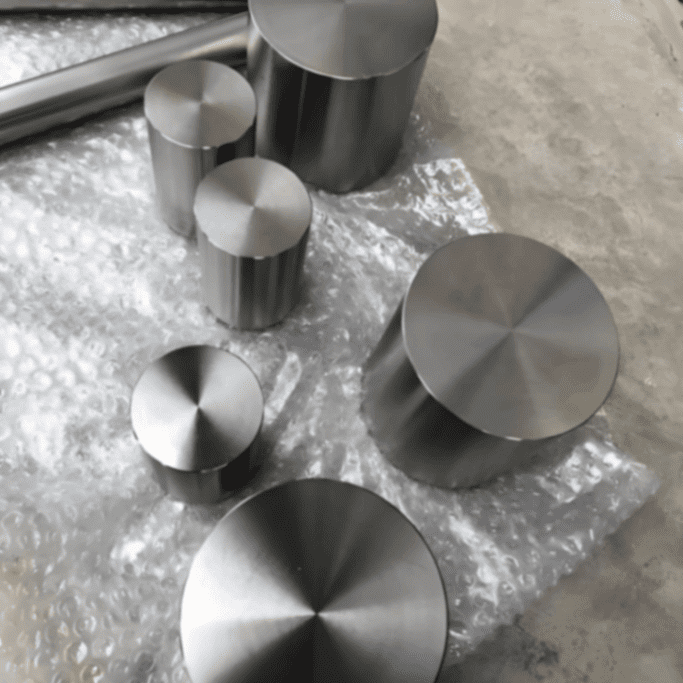
Incoloy 825 bar price depends on the nickel-based alloy composition, bar dimensions, manufacturing route, heat-treatment condition, surface finish, inspection requirements, quantity, and delivery terms. UNS N08825 is widely used for acid service, chloride-containing environments, oil and gas equipment, chemical processing, pollution control, and marine-related applications. A reliable supplier should quote against a complete technical specification, because a basic hot-rolled bar and a precision-ground, solution-annealed bar with project documentation are not the same product and should not be compared by kilogram price alone.
Incoloy 825 bar is a corrosion-resistant nickel-iron-chromium alloy bar containing molybdenum, copper, and titanium. It is often selected when stainless steel does not provide enough resistance to sulfuric acid, phosphoric acid, chloride stress corrosion cracking, reducing acids, oxidizing acids, or mixed chemical environments. Typical machined products include pump shafts, valve stems, fasteners, couplings, fittings, marine components, oilfield equipment parts, heat-exchanger components, and custom corrosion-resistant mechanical parts.
When purchasing Incoloy 825 bar, buyers may receive quotations from factories, stockholders, traders, and distributors. Each source can be suitable depending on quantity, urgency, required size, documentation, and destination. The practical task is to compare offers on the same basis: alloy grade, standard, bar form, dimensions, tolerance, condition, certificates, testing, packing, lead time, and Incoterm.
INCOLOY is a registered trademark. To avoid ambiguity in purchasing documents, the material should also be described as UNS N08825, commonly associated with the European material number 2.4858. This is more precise than using only a commercial alloy name.
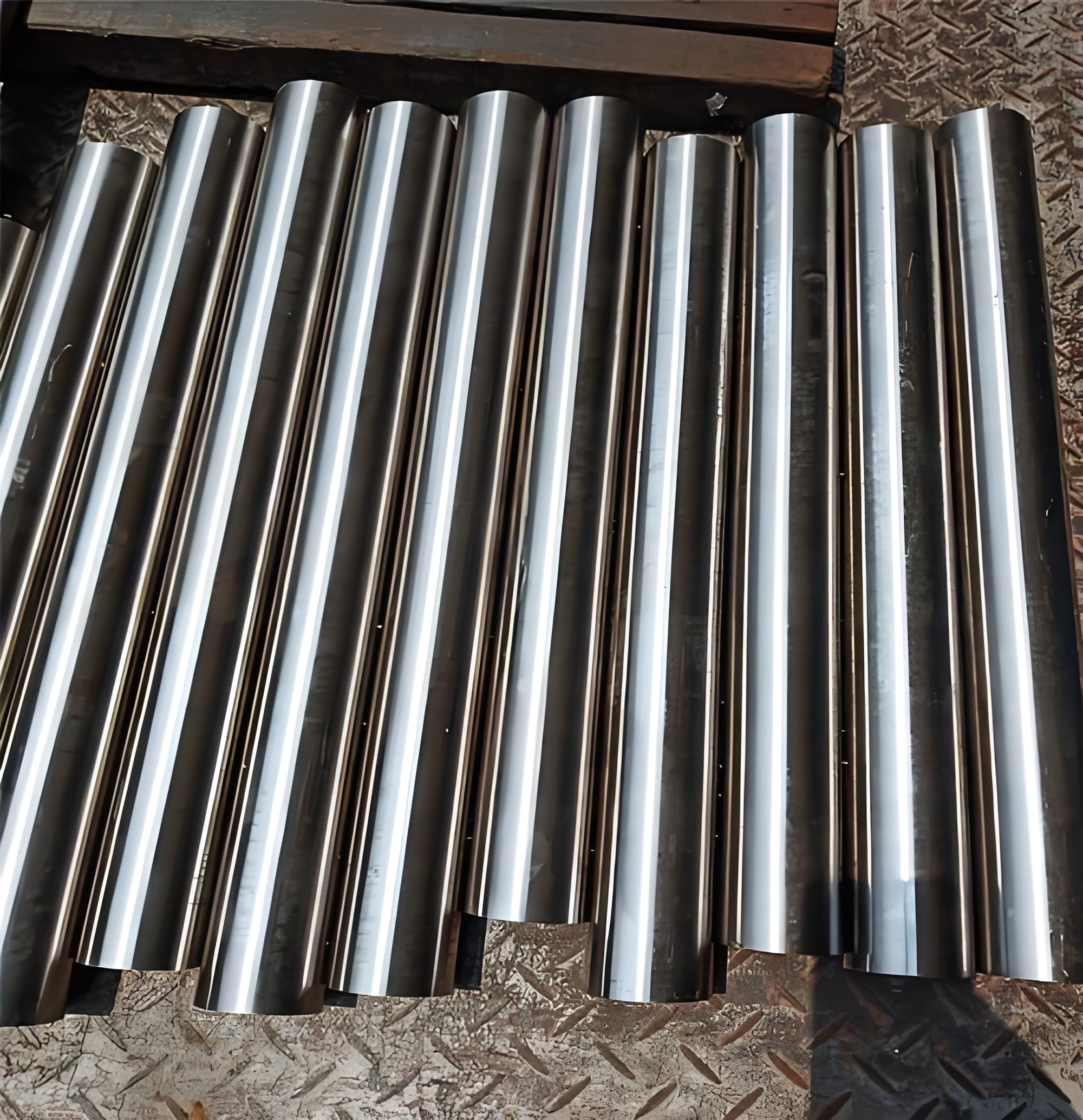
Incoloy 825 is an austenitic nickel-iron-chromium alloy designed for corrosion resistance in a broad range of acidic and chloride-bearing environments. Nickel gives the alloy strong resistance to chloride-ion stress corrosion cracking, chromium helps resist oxidizing media, molybdenum improves resistance to localized corrosion and reducing acids, and copper improves resistance in sulfuric acid service.
The alloy is commonly used in applications where process conditions are too aggressive for 304, 316L, or many duplex stainless steels. It is not selected simply because it contains more nickel; its value comes from the balanced chemistry that allows it to handle specific chemical environments more reliably. Final material selection should always consider temperature, concentration, contaminants, pressure, flow rate, deposit formation, and whether the component experiences mechanical stress.
| Item | Typical Description |
|---|---|
| Alloy name | Incoloy 825, Alloy 825 |
| UNS designation | N08825 |
| European material number | 2.4858 |
| Material family | Nickel-iron-chromium-molybdenum-copper corrosion-resistant alloy |
| Common rod and bar standard | ASTM B425 / ASME SB425 |
| Typical bar forms | Round, square, hexagonal, rectangular, forged, hot-finished, and cold-drawn bar |
The corrosion resistance of Incoloy 825 comes from its controlled chemical composition. Nickel provides the alloy’s corrosion-resistant base and supports resistance to chloride stress corrosion cracking. Chromium improves resistance in oxidizing conditions, molybdenum improves resistance in reducing and chloride-bearing environments, copper supports sulfuric acid resistance, and titanium helps stabilize the alloy against harmful carbide precipitation.
The precise chemistry of each bar heat must be confirmed by the mill test certificate and the applicable specification. The composition table below is intended as a useful reference for purchasing communication, not as a substitute for the agreed material standard.
| Element | Typical Range or Limit, wt.% | Main Function |
|---|---|---|
| Nickel | 38.0-46.0% | Provides the corrosion-resistant alloy base and chloride SCC resistance. |
| Chromium | 19.5-23.5% | Improves resistance in oxidizing chemical environments. |
| Iron | Balance, typically 22.0% minimum | Forms part of the austenitic nickel-iron-chromium matrix. |
| Molybdenum | 2.5-3.5% | Supports resistance to reducing acids, pitting, and crevice corrosion. |
| Copper | 1.5-3.0% | Improves resistance to sulfuric acid and selected reducing acids. |
| Titanium | 0.6-1.2% | Helps stabilize the alloy during fabrication and thermal exposure. |
| Manganese | 1.0% maximum | Controlled processing and deoxidizing element. |
| Silicon | 0.5% maximum | Restricted as part of chemistry control. |
| Carbon | 0.05% maximum | Low carbon supports corrosion-resistant fabrication performance. |
| Aluminum | 0.2% maximum | Controlled residual and alloying element. |
Incoloy 825 bar is generally supplied in annealed or solution-annealed condition depending on the product specification and customer requirement. Buyers should state any required mechanical properties, hardness range, corrosion test, dimensional tolerance, or heat-treatment condition at the quotation stage. This is particularly important when the bar will be machined into pressure-equipment parts, rotating components, load-bearing fasteners, or oil and gas service hardware.
Chloride stress corrosion cracking can cause unexpected failure in stressed stainless-steel parts exposed to chloride-containing liquid or vapor environments. Incoloy 825 has a nickel level that provides much better resistance to chloride-ion stress corrosion cracking than many conventional austenitic stainless steels. This is one reason it is used for shafts, valves, fasteners, tubing components, and chemical-process equipment parts.
The copper addition in Alloy 825 supports its performance in sulfuric acid environments. It is often considered for sulfuric acid transfer, acid-processing equipment, pickling systems, heat exchangers, pumps, valves, and fittings. The actual suitability depends on acid concentration, operating temperature, aeration, impurities, flow conditions, and the presence of chlorides or oxidizing contaminants.
Incoloy 825 offers useful resistance across a range of reducing and oxidizing acid environments. Nickel and copper support resistance in reducing acids, while chromium supports performance in oxidizing conditions. This balance makes the alloy useful for equipment exposed to chemical streams that are not chemically simple or stable throughout the production cycle.
Pitting and crevice corrosion are localized attack mechanisms that can occur beneath deposits, under gaskets, in threads, around seals, and in stagnant process zones. Molybdenum, chromium, and nickel improve the alloy’s resistance to these mechanisms compared with many standard stainless steels. However, very severe chloride conditions may require a higher-molybdenum alloy, so the actual service environment should always be reviewed.
| Corrosion Challenge | Why Incoloy 825 May Be Selected |
|---|---|
| Chloride stress corrosion cracking | High nickel content supports strong resistance compared with many stainless steels. |
| Sulfuric acid handling | Copper addition improves performance in suitable sulfuric acid conditions. |
| Reducing acids | Nickel, molybdenum, and copper support corrosion resistance. |
| Oxidizing acids | Chromium helps resist oxidizing chemical environments. |
| Chloride-bearing streams | Helps reduce the risk of pitting and crevice corrosion in appropriate conditions. |
| Mixed chemical process media | Offers a balanced corrosion-resistance profile for complex environments. |
Incoloy 825 is widely used where acid resistance and chloride resistance are required at the same time. Chemical plants often process media that contains more than one corrosive factor. A sulfuric acid stream may contain chlorides or metal salts. A phosphoric acid system may include fluoride impurities. An oilfield component may be exposed to chlorides, acidic fluids, and mechanical stress. In these situations, a standard stainless-steel grade may not offer enough margin for reliable operation.
Alloy 825 can be considered for sulfuric acid, phosphoric acid, nitric acid, organic acids, chloride-bearing streams, seawater-related equipment, oil and gas systems, pollution-control equipment, pickling systems, and chemical-process components. The alloy is not a universal solution for every corrosion problem. Its performance should be evaluated against real operating conditions, including acid concentration, temperature, flow velocity, pressure, contaminants, oxygen content, cleaning cycles, and whether deposits can form on the component surface.
For critical service, the buyer should provide full process information during the material-selection stage. This allows engineers to compare Incoloy 825 with alternatives such as Alloy 20, Alloy 28, Hastelloy C-276, Hastelloy C-22, duplex stainless steel, or super duplex stainless steel where appropriate. Selecting the right alloy at the start can reduce replacement cost, unplanned downtime, contamination risk, and maintenance work.
Incoloy 825 bar can be supplied in round, square, hexagonal, and rectangular forms. Round bar is frequently used for shafts, pins, fasteners, valve stems, couplings, nozzles, and turned parts. Square and hexagonal bars are commonly used for bolts, nuts, fittings, connectors, blocks, and custom-machined components.
| Bar Form | Typical Application | Commercial Consideration |
|---|---|---|
| Hot-finished round bar | General machining, shafts, fittings, larger components | Often economical for standard diameters and normal tolerances. |
| Forged round bar | Large shafts, heavy sections, critical machined parts | May require more conversion time and a higher production cost. |
| Cold-drawn round bar | Precision shafts, pins, fasteners, instrument parts | Added drawing and straightening increase the price per kg. |
| Peeled or turned bar | Machined parts requiring improved surface condition | Includes extra processing and material removal. |
| Ground and polished bar | Close-tolerance components and high-finish surfaces | Usually carries a premium for precision processing. |
| Square, hex, or rectangular bar | Fasteners, fittings, brackets, blocks, and custom parts | May have more limited stock availability than round bar. |
A proper request for quotation should state the nominal diameter or section size, required length, diameter tolerance, length tolerance, straightness, surface finish, delivery condition, total quantity, and required standard. A request for “Incoloy 825 bar” without technical details can result in quotes for different product conditions.
The manufacturing process affects both the quality and price of Incoloy 825 bar. Nickel alloy bar production typically includes controlled melting, chemical analysis, billet conversion, hot working, annealing, surface processing, inspection, marking, and packing. The exact route depends on the requested size, tolerance, material condition, quantity, and end-use requirement.
Production begins with controlled alloying of nickel, chromium, iron, molybdenum, copper, titanium, and other specified elements. The heat chemistry must be tested to confirm that the bar complies with UNS N08825 requirements. Heat-number traceability should be maintained throughout processing so the final mill certificate can be matched to the material delivered.
The alloy billet may be forged or hot worked into bar. Large diameters often require a forging route, while standard bar sizes may be hot rolled. Temperature control, reduction ratio, cooling practice, and subsequent annealing affect the bar’s microstructure, mechanical properties, surface condition, and suitability for machining.
After hot working, the bar may be annealed or solution annealed according to the agreed delivery condition. It can then be supplied with a black mill surface, peeled finish, turned finish, bright drawn finish, ground finish, or polished finish. Each finishing step adds labor, equipment time, inspection work, and cost.
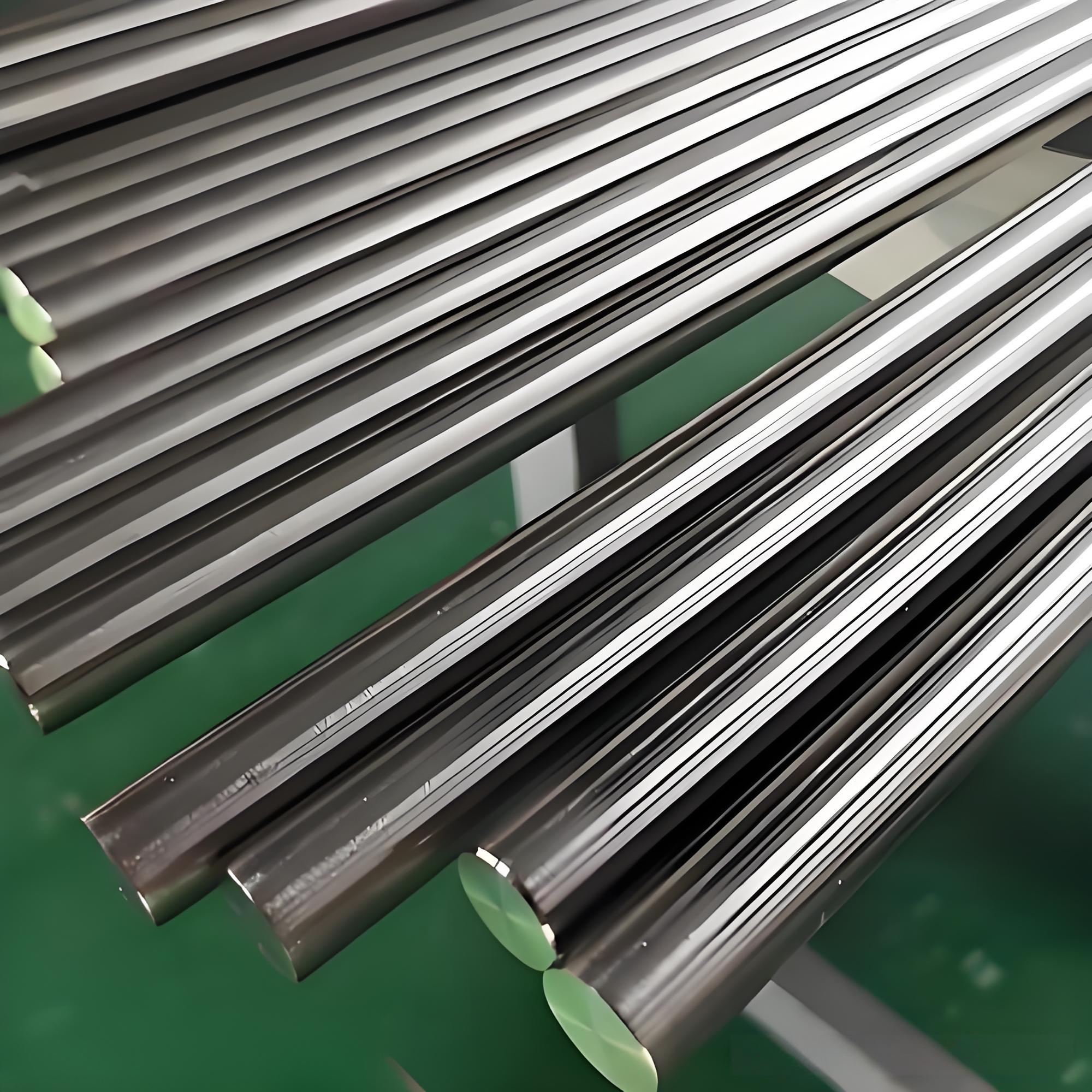
Final inspection may include chemical analysis, tensile testing, hardness testing, dimensional inspection, visual inspection, positive material identification, ultrasonic testing, liquid penetrant testing, and third-party inspection. The bar should be tagged or marked with a heat number for traceability. Export packing may include wrapped bundles, steel strapping, moisture protection, pallets, and plywood cases according to the shipping method and destination.
Incoloy 825 bar price is calculated from raw-material costs, melting, forging or rolling, annealing, finishing, testing, packing, and logistics. Two suppliers may quote different rates for what appears to be the same bar because one quote may include a closer tolerance, a more refined surface, more testing, or a different delivery term.
| Pricing Factor | Effect on Factory Quotation |
|---|---|
| Nickel market movement | Influences the main raw-material cost of the alloy. |
| Chromium, molybdenum, and copper cost | Affects alloy surcharge and controlled melting cost. |
| Bar diameter and shape | Determines whether hot finishing, forging, drawing, or grinding is required. |
| Length requirement | Fixed lengths can add cutting, handling, and yield-loss cost. |
| Surface finish | Bright, peeled, turned, and ground bars cost more than black bars. |
| Tolerance and straightness | Close dimensions require additional processing and measurement. |
| Testing and certificates | PMI, UT, third-party inspection, and special reports add cost and lead time. |
| Order quantity | Larger orders can improve production efficiency and reduce unit cost. |
| Delivery term | EXW, FOB, CIF, DAP, and DDP quotations include different logistics scopes. |
Nickel is the main market reference for Incoloy 825 because it represents a major part of the alloy composition. Chromium, molybdenum, copper, titanium, energy, freight, exchange rates, scrap availability, and manufacturing capacity also influence the finished bar price. New production quotations can change when raw-material costs move, while stock material may reflect the supplier’s earlier purchase cost and inventory strategy.
For significant project orders, buyers should ask whether the quote is fixed for a stated validity period or linked to a metal surcharge formula. This is important for long production lead times, staged deliveries, framework agreements, and projects where approval may delay the final purchase order.
The London Metal Exchange nickel price is a useful market indicator, but it should not be treated as the delivered price of finished Incoloy 825 bar. The finished price includes alloy additions, melting, forging or rolling, heat treatment, machining allowance, inspection, certificates, packing, financing, and transport. The supplier quotation should state currency, price validity, weight basis, and included commercial scope.
Hot-finished Incoloy 825 round bar is generally selected for standard dimensions and general machining applications. It is often suitable for larger components, fittings, shafts, and parts where a normal machining allowance is acceptable. The material is commonly supplied with a black or mill-finish surface and commercial dimensional tolerance.
Cold-drawn Incoloy 825 bar is processed to achieve improved diameter control, surface quality, straightness, and roundness. It is commonly selected for precision shafts, pins, valve components, fasteners, and instrument parts. Because cold drawing and straightening require additional work, cold-drawn bar normally has a higher price per kilogram than a comparable hot-finished bar.
| Item | Hot-Finished Incoloy 825 Bar | Cold-Drawn or Bright Incoloy 825 Bar |
|---|---|---|
| Surface condition | Black or mill finish | Bright, peeled, turned, or improved finish |
| Dimensional tolerance | Normal commercial tolerance | Closer diameter and straightness control |
| Machining allowance | Usually higher | Usually lower |
| Typical use | General machining and larger components | Precision and close-tolerance parts |
| Relative price per kg | Usually lower for comparable weight | Usually higher due to additional processing |
Diameter has a strong effect on Incoloy 825 bar cost. Small precision bars may require multiple drawing passes, close dimensional inspection, and straightening. Large diameters may require forging, extended heat-treatment cycles, special handling, and additional internal-quality checks. Standard stocked dimensions are generally more economical than unusual diameters or special cross-sections.
Length also affects pricing. Random mill length is often less expensive than fixed cut length because it avoids additional cutting, handling, and yield loss. Short pieces, narrow length tolerance, chamfered ends, individual marking, and custom packing should be included in the initial inquiry because they add processing cost.
| Requirement | Potential Price Effect |
|---|---|
| Small diameter with close tolerance | May require cold drawing, straightening, and more detailed inspection. |
| Large forged diameter | May require special forging capacity and longer heat treatment. |
| Random mill length | Usually more economical than multiple special cut lengths. |
| Fixed cut length | Adds cutting, handling, inspection, and potential material yield loss. |
| High straightness requirement | May require additional straightening and final dimensional verification. |
| Ground or polished surface | Requires extra surface processing and increases the unit cost. |
Order quantity affects the unit price of Incoloy 825 bar. Small quantities are often supplied from factory or distributor stock, which may provide faster shipment but a higher price per kg. Large orders can justify new production and allow the manufacturer to optimize billet size, rolling or forging schedule, heat treatment, inspection, and packing.
There is no universal minimum order quantity for UNS N08825 bar. The practical MOQ depends on bar diameter, product form, stock availability, required tests, documentation, and whether the supplier can combine the order with another production schedule. Buyers with recurring demand should provide an estimated annual or project quantity because this can help the factory offer a more competitive supply plan.
| Order Type | Typical Supply Method | Price and Lead-Time Consideration |
|---|---|---|
| Small urgent order | Distributor or factory stock | Faster delivery may be possible, but the unit price can be higher. |
| Standard medium order | Stock or scheduled production | Depends on size, condition, testing, and certificate requirement. |
| Large project order | Factory production | Can provide better unit economics when the scope is finalized early. |
| Special dimension or inspection order | Custom production | May require a longer lead time and higher minimum quantity. |
Factory-direct supply is often suitable for large quantity orders, special sizes, project-controlled documentation, custom finishes, close tolerances, and repeat demand. Direct communication can help the buyer confirm whether the material will be hot finished, forged, cold drawn, peeled, or ground, and whether the requested testing and certificates can be provided.
Suppliers and distributors are often useful for urgent orders, small quantities, and common stock sizes. A distributor may have ready material available for immediate cutting and dispatch, while a factory may need to schedule new production. Buyers should confirm actual inventory, original mill source, heat number, certificate availability, storage condition, and all cut-length or inspection charges before placing an order.
| Supply Route | Best Suited For | Key Points to Review |
|---|---|---|
| Factory direct | Large quantity, special size, custom condition, project orders | MOQ, production lead time, inspection plan, packing, and export terms. |
| Supplier or distributor | Urgent demand, small quantity, common stock sizes | Actual inventory, heat number, certificate, condition, and cutting cost. |
| Trader or stockholder | Mixed-material procurement and small project requirements | Material origin, documentation, traceability, and delivery responsibility. |
A reliable UNS N08825 bar supplier should provide clear technical information, traceable documents, and a quotation that matches the actual material requirement. The supplier should be transparent about whether it is the original producer, a processor, a stockholder, or a trading company. This helps the buyer understand the production route, lead time, inspection capability, and material traceability.
Request a sample mill test certificate or a redacted example of previous documentation. The certificate should show the heat number, chemical composition, mechanical test results where applicable, specification reference, and material condition. The heat number on the document should correspond to the material marking or bundle tag delivered with the bar.
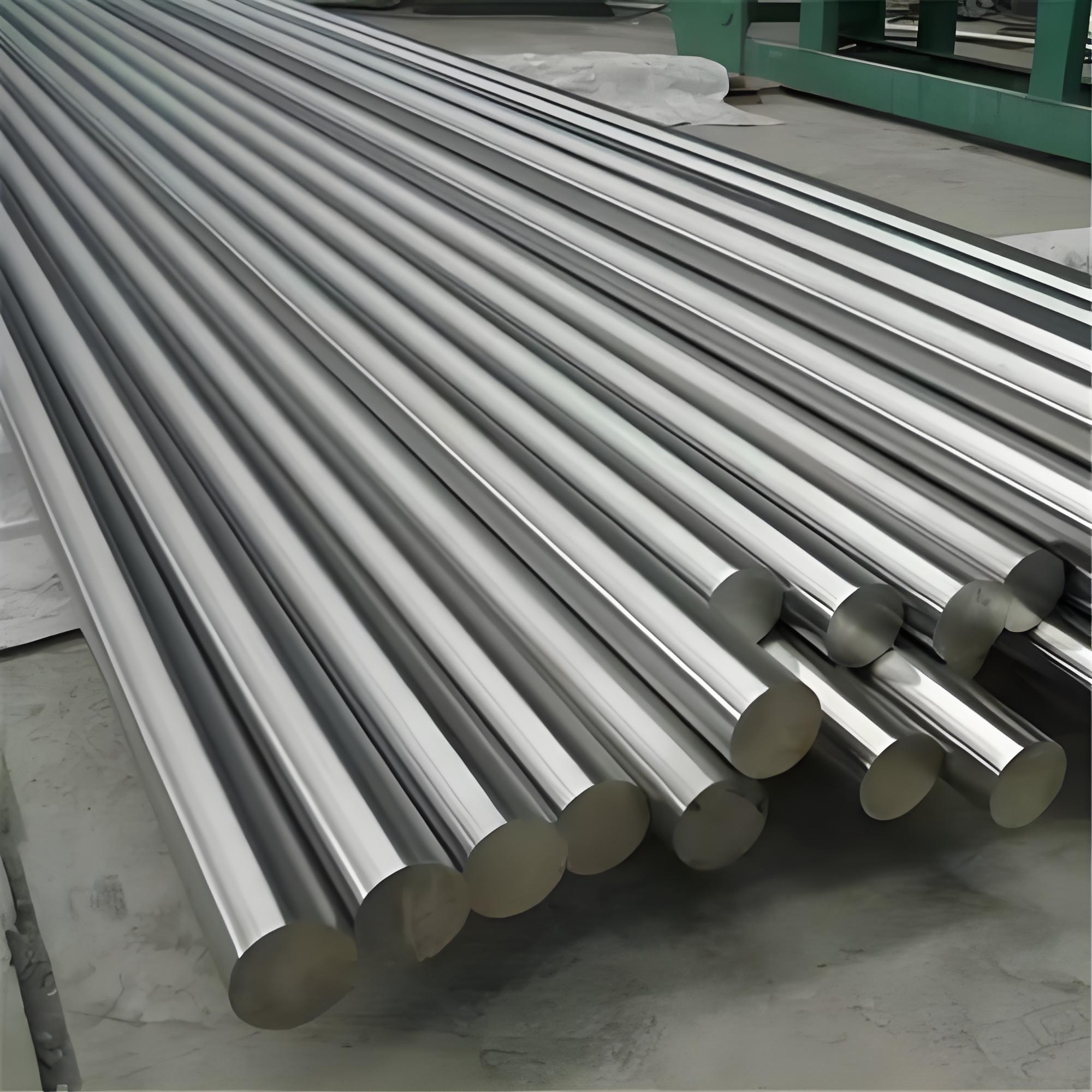
The supplier should be able to confirm whether the requested Incoloy 825 bar is available from stock or requires new production. For non-standard diameters, special lengths, close tolerance, or precision surface finish, ask whether the material will be forged, hot finished, cold drawn, turned, peeled, or ground.
Before choosing a supplier, compare every offer against the same technical list: UNS N08825 alloy, ASTM B425 or ASME SB425 requirement, bar shape, dimension, tolerance, heat-treatment condition, test scope, certificate type, quantity, packing, delivery term, and lead time. A low price that excludes important requirements may create a higher final procurement cost.
The quote should state its currency, validity period, payment term, production lead time, delivery location, and Incoterm. For international orders, clarify whether the price is EXW, FCA, FOB, CFR, CIF, DAP, or DDP. This prevents confusion between a factory gate price and a delivered destination price.
What is Incoloy 825 bar used for?
Incoloy 825 bar is used to machine corrosion-resistant parts for chemical processing, sulfuric acid systems, phosphoric acid equipment, oil and gas service, pollution-control equipment, marine-related components, heat exchangers, pumps, valves, shafts, fittings, fasteners, and acid-handling machinery. It is particularly useful where chloride stress corrosion cracking or mixed chemical exposure is a concern.
What is the UNS number for Incoloy 825?
The UNS designation for Incoloy 825 is N08825. It is also commonly associated with the European material number 2.4858. A purchase order should state UNS N08825 together with the bar form, standard, dimensions, condition, tolerance, testing requirements, and certificate type.
What standard applies to Incoloy 825 round bar?
Incoloy 825 round bar is commonly supplied to ASTM B425 or ASME SB425. This specification covers nickel-iron-chromium-molybdenum-copper alloy rod and bar, including UNS N08825, in hot-finished and cold-drawn rounds, squares, hexagons, and rectangles. Buyers should confirm the required specification revision and any project-specific inspection requirements before production.
More from this category
Incoloy 800HT bar price is shaped by nickel, chromium, titanium, and aluminum raw-material costs, together with bar dimensions, heat-treatment conditi...
Incoloy 20 round bar price per kg depends on the alloy composition, bar size, manufacturing method, surface finish, tolerance, certificates, inspectio...
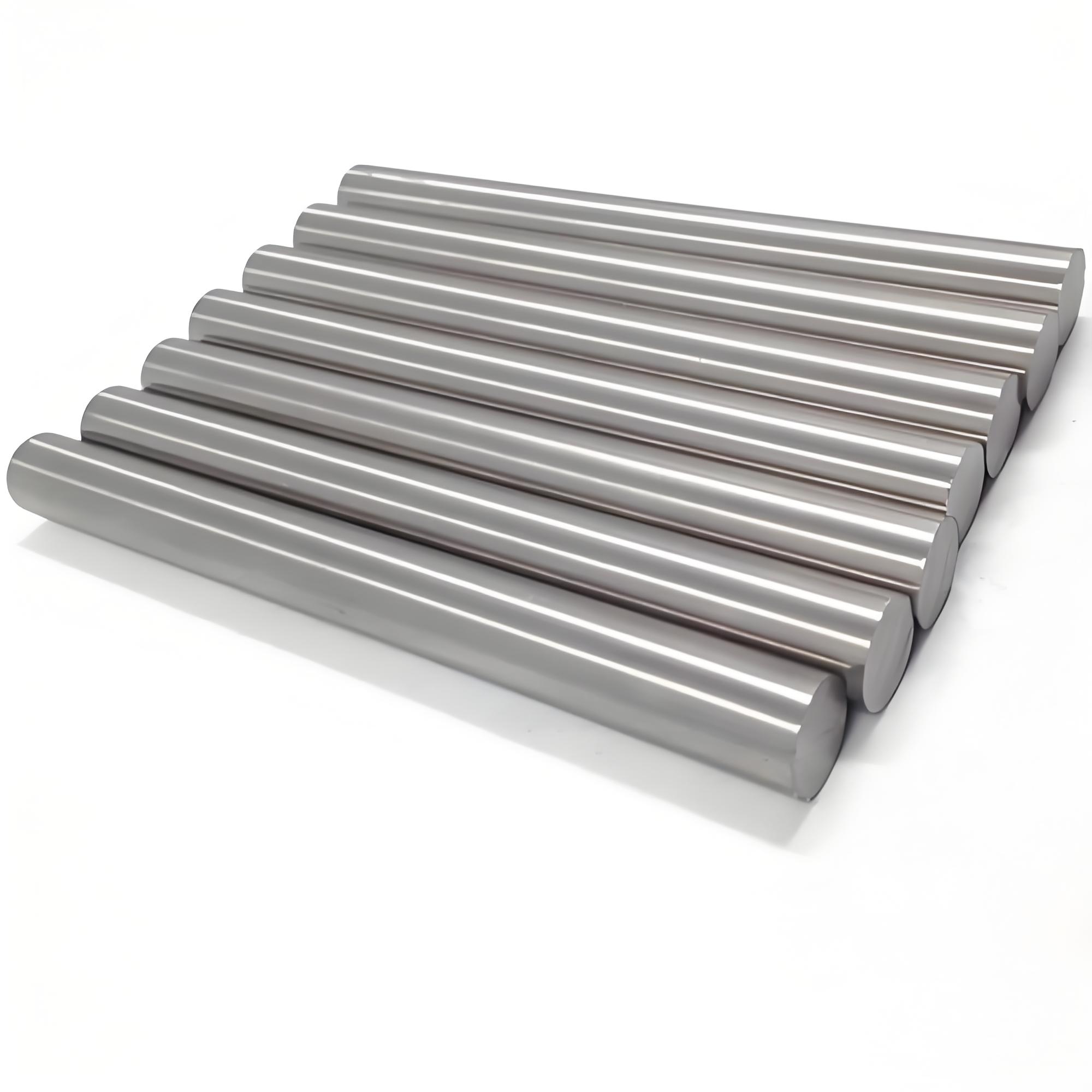
Hastelloy G-30 N06030 bar factory price is determined by the alloy’s high nickel, chromium, iron, molybdenum, copper, and tungsten content, together...
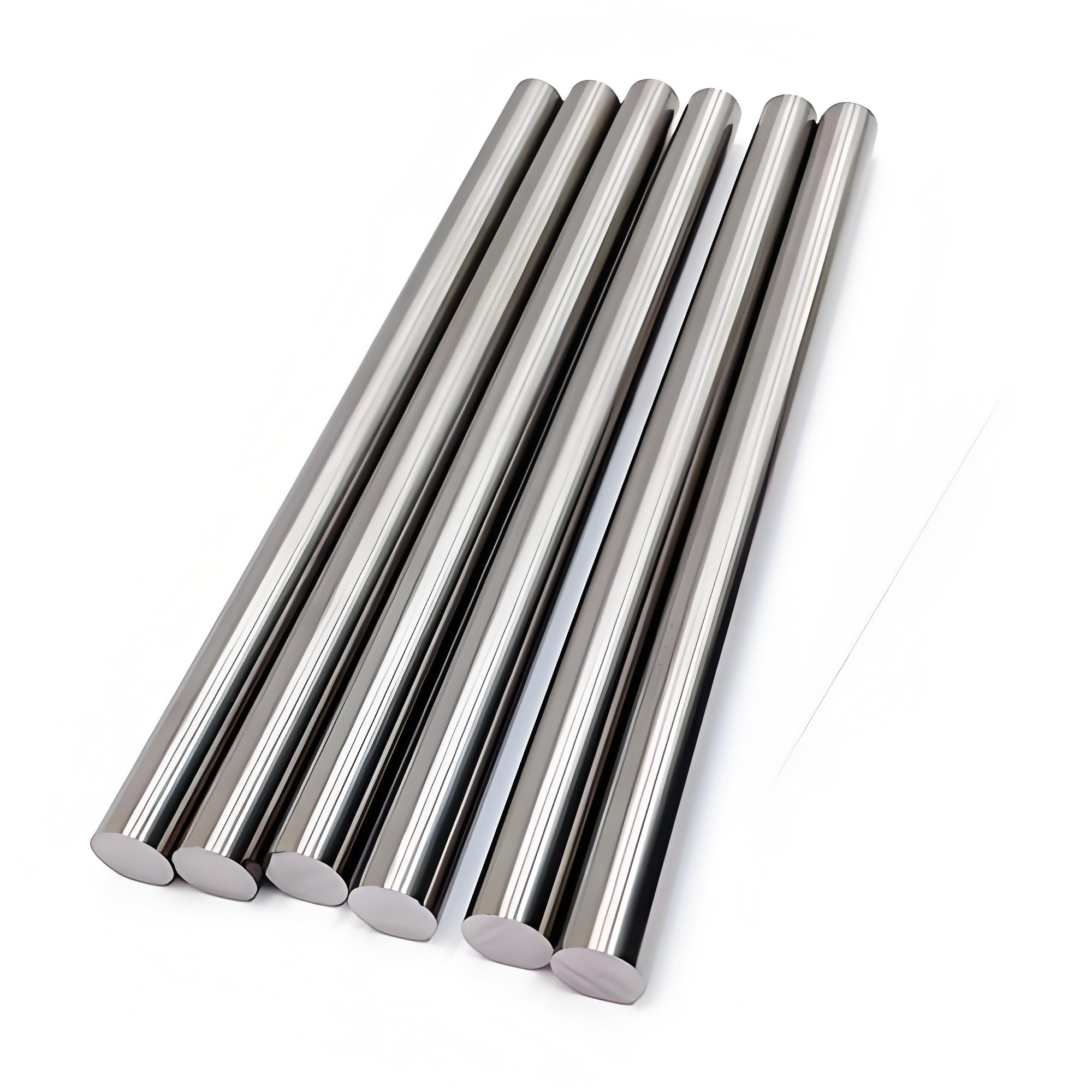
Hastelloy X bar stock price per kilogram is influenced by alloy composition, bar size, manufacturing route, surface finish, quality documentation, ord...
 English English
  Korean
 Arabic
 Spanish
 German
 Portuguese
 French
 Russian
 Italian
 Vietnamese