- E-mail: [email protected]
- WhatsApp: +86 18533346372
Home > Products > Nimonic bar > Nimonic 263/UNS N07263/W. Nr. 2.4650/Alloy 263 bar
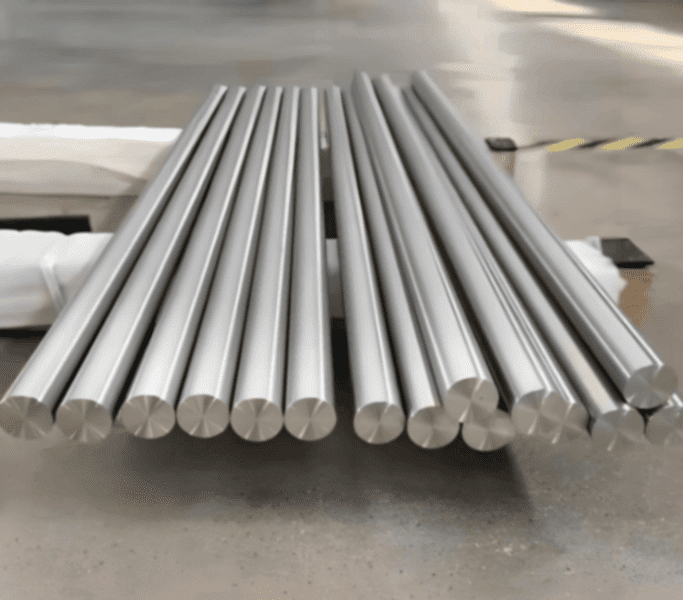
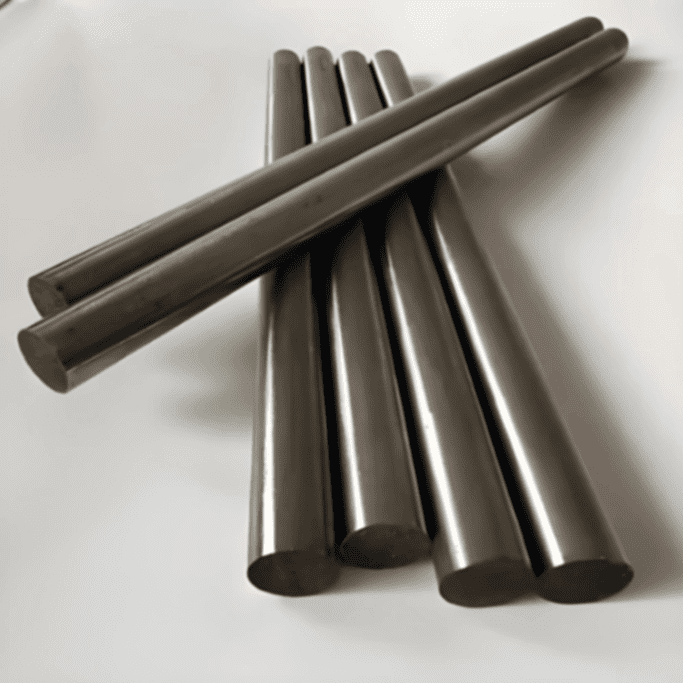
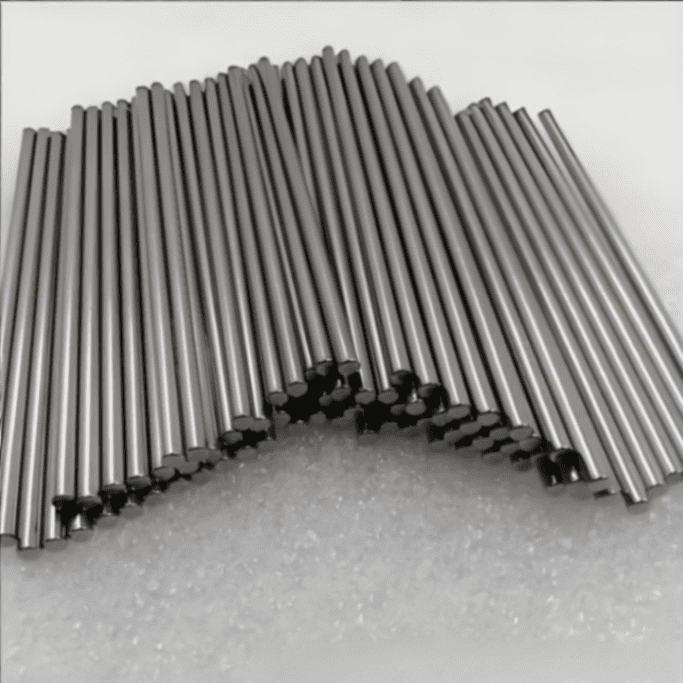
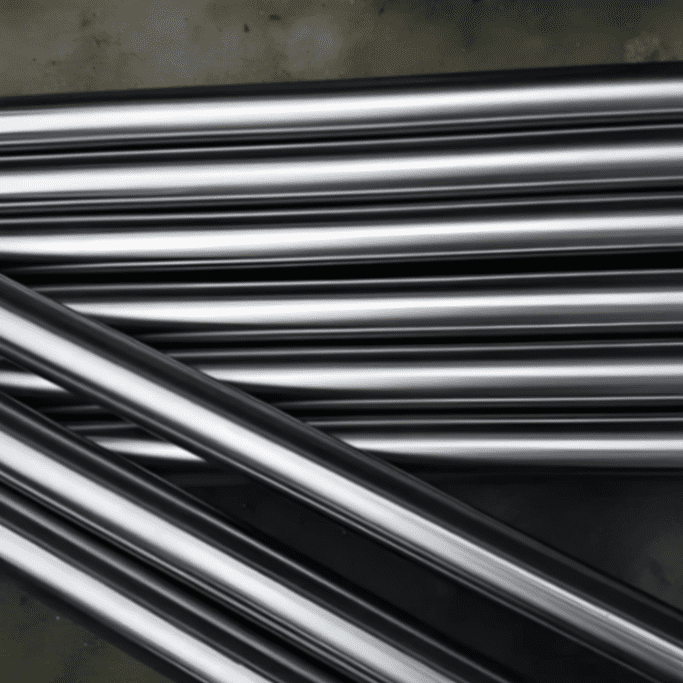
Nimonic 263 bar, designated as UNS N07263 and material number W.Nr. 2.4650, is a nickel-chromium-cobalt-molybdenum superalloy strengthened by precipit…
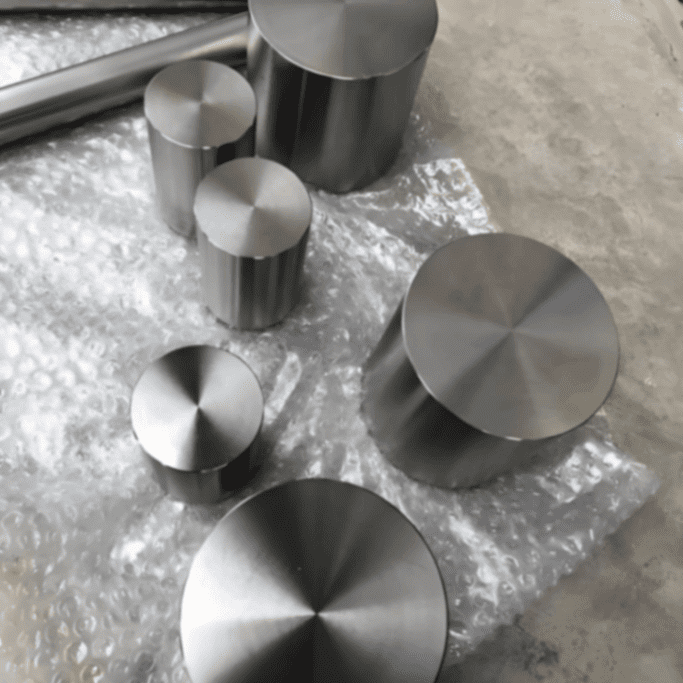
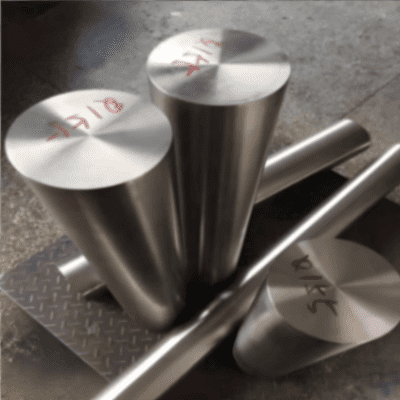
Nimonic 263 bar, designated as UNS N07263 and material number W.Nr. 2.4650, is a nickel-chromium-cobalt-molybdenum superalloy strengthened by precipitation hardening with titanium and aluminum. It is specifically engineered for excellent fabricability, weldability, and high-temperature strength, particularly in sheet metal and fabricated assemblies for gas turbine engines. This bar stock form provides the necessary material for machining components such as combustion chambers, casings, afterburner liners, and high-temperature ducting where a combination of good creep strength and ease of welding is required at temperatures up to approximately 850°C (1560°F).
Nimonic 263 was developed to address the need for a readily fabricable, weldable sheet and bar alloy with properties superior to older alloys like Nimonic 75 but without the severe fabrication challenges of some higher-strength grades. Its balanced composition provides a good compromise between strength, ductility, and oxidation resistance, making it particularly suitable for complex fabricated structures in the aerospace and power generation industries. The bar stock is often used for machining rings, flanges, and supports that are subsequently welded into larger assemblies.
The properties of Nimonic 263 bar are derived from a composition optimized for weldability and stable high-temperature performance. Supplied by Shanghai NC Metal Materials Co., Ltd., the bar stock meets aerospace specifications that emphasize these characteristics.
| Element | Percentage (%) – Typical Range | Primary Function in the Alloy |
|---|---|---|
| Nickel (Ni) | Balance (≥ 47.0) | Base element; provides the austenitic matrix, oxidation resistance, and supports precipitation hardening. |
| Chromium (Cr) | 19.0 – 21.0 | Provides resistance to oxidation and hot corrosion. |
| Cobalt (Co) | 19.0 – 21.0 | Provides significant solid-solution strengthening and enhances high-temperature stability and creep resistance. |
| Molybdenum (Mo) | 5.6 – 6.3 | Strong solid-solution strengthener; significantly improves high-temperature strength and creep resistance. |
| Titanium (Ti) | 1.9 – 2.4 | Primary hardening element; forms the strengthening gamma prime (γ’) phase Ni3(Al,Ti) during aging. |
| Aluminum (Al) | 0.3 – 0.6 | Secondary hardening element; contributes to γ’ formation. Kept lower than in some alloys to improve weldability. |
| Carbon (C) | 0.04 – 0.08 | Controlled to form carbides; kept relatively low to enhance weldability and minimize sensitization. |
| Manganese (Mn) | 0.6 max | Residual element. |
| Silicon (Si) | 0.4 max | Residual element; kept low to improve weldability. |
| Iron (Fe) | 0.7 max | Impurity; kept very low. |
| Boron (B) | 0.005 max | Trace addition for grain boundary strength. |
| Copper (Cu) | 0.2 max | Impurity. |
Nimonic 263 bar is used in the precipitation-hardened condition. Its strength is developed through a two-stage heat treatment process.
Typical Value (Aged Condition)
| Mechanical Property | Typical Value (Solution Annealed) | Relevant Specification (e.g., AMS) | |
|---|---|---|---|
| Tensile Strength | ≥ 690 MPa (100 ksi) | ≥ 900 MPa (130 ksi) | AMS 5872 (Sheet/Strip/Plate), AMS 5798 (Forgings/Bar) |
| Yield Strength (0.2% Offset) | ≥ 275 MPa (40 ksi) | ≥ 550 MPa (80 ksi) | – |
| Elongation in 2 inches (50mm) | ≥ 30% | ≥ 20% | – |
| Hardness (Rockwell) | ≤ 100 HRB | 25 – 35 HRC | – |
| Creep Rupture Strength (1000h) | N/A | ≈ 140 MPa (20 ksi) at 850°C (1560°F) | – |
The physical properties of Alloy 263 are important for the design of thermally cycled components.
Notes / Condition
| Physical Property | Value at Room Temperature (20°C / 68°F) | |
|---|---|---|
| Density | 8.36 g/cm³ (0.302 lb/in³) | – |
| Melting Range | 1300 – 1360°C (2370 – 2480°F) | – |
| Specific Heat | ≈ 460 J/kg·°C (0.110 BTU/lb·°F) | At 100°C |
| Thermal Conductivity | 11.7 W/m·K (81.1 BTU·in/hr·ft²·°F) | At 100°C |
| Mean Coefficient of Thermal Expansion | 12.6 μm/m·°C (7.0 μin/in·°F) | 20-100°C (68-212°F) |
| Electrical Resistivity | 1.25 μΩ·m (49.2 μΩ·in) | At 20°C |
| Modulus of Elasticity (Tensile) | 206 GPa (29.9 x 10^6 psi) | At 20°C |
Shanghai NC Metal Materials Co., Ltd. supplies Nimonic 263 bar primarily for aerospace fabrication, often as a complement to sheet and plate products.
| Product Form | Standard Size Range | Key Standard Specifications | Common Supply Conditions |
|---|---|---|---|
| Round Bar / Forging Stock | 20mm (0.8″) to 250mm (10″) Diameter | AMS 5798 (Bar & Forgings, UNS N07263), BS HR 509, DIN 17752 (W.Nr. 2.4650) | Solution Treated (Condition A), Solution Treated & Aged |
| Square Bar | 20mm to 100mm Width | For machining of stiffeners and supports | Solution Treated |
| Rectangular Bar | Custom sizes | For specific fabrication needs | Solution Treated |
Machined components from Nimonic 263 bar are typically integrated into larger welded structures for high-temperature service: Aerospace Gas Turbines: Combustion chamber casings, afterburner liners, transition ducts, exhaust assemblies, and support rings. These are often fabricated from sheet with bar stock used for machined flanges and attachments. Industrial Gas Turbines: Combustor cans, transition pieces, and hot gas path ducting. Rocket Engine Components: Combustion chambers and nozzles where weldability is key. High-Temperature Fabrications: Any complex welded assembly requiring good strength and oxidation resistance up to 850°C.
Nimonic 263 utilizes a specific two-stage heat treatment for optimal properties: Solution Treatment: Typically at 1150°C (2100°F), followed by rapid cooling (air quench). This dissolves the γ’ phase. Aging Treatment: A two-step aging process is standard: first at 800°C (1470°F) for 8 hours, air cool, then at 700°C (1290°F) for 8 hours, air cool. This carefully controlled precipitation develops a stable microstructure with a good balance of strength and ductility, which is crucial for weldability and thermal fatigue resistance in fabricated structures.
Machining Nimonic 263 bar is performed in the solution-annealed condition. It is a tough, work-hardening alloy but is generally more machinable than higher-strength rotor-grade superalloys. Standard practices for nickel alloys apply: rigid setups, sharp positive-rake carbide tools, moderate speeds and feeds, and good coolant. Its excellent formability in the annealed condition allows for cold bending and shaping of bar into rings or other forms before aging. This fabricability is a key design feature.
Nimonic 263 is renowned for its excellent weldability among precipitation-hardened superalloys. This is due to its controlled aluminum content and carbon level, which minimize susceptibility to strain-age cracking and liquation cracking. It can be welded using Gas Tungsten Arc Welding (GTAW/TIG), Plasma Arc Welding (PAW), and Electron Beam Welding (EBW) without preheat. Matching filler metals (e.g., ERNiCrCoMo-1) are used. A full post-weld heat treatment (solution treat + age) is recommended for optimal properties, but for many sheet metal fabrications, a simple post-weld aging treatment can be sufficient, which is a significant fabrication advantage.
The price of Nimonic 263 bar from Shanghai NC Metal Materials Co., Ltd. is influenced by its cobalt and molybdenum content and its position as a premium fabricable sheet/bar alloy.
| Pricing Factor | Impact on Reference Price | Procurement Guidance |
|---|---|---|
| Cobalt and Molybdenum Content | High cobalt (~20%) and molybdenum (~6%) content are significant cost drivers. Cobalt market volatility directly affects price. | Nimonic 263 is selected specifically for applications requiring its unique combination of weldability and high-temperature strength in fabricated structures. The cost is justified by reduced fabrication complexity and risk. |
| Aerospace Fabrication Grade | Material supplied to AMS 5798 for bar or AMS 5872 for sheet is produced for high-integrity aerospace fabrications, with associated quality and testing costs. | Specify the exact AMS standard required. This alloy is often purchased alongside sheet and plate for integrated component manufacturing. |
| Form and Condition | Bar supplied in the solution-treated condition is standard for fabrication shops that will perform forming, welding, and final aging. Pre-aged bar for direct machining is also available at a higher cost. | For shops doing fabrication, order in Condition A (solution treated). For shops only doing machining, inquire about availability of pre-aged bar to simplify processing. |
| Quantity and Integration | Purchases are often part of a larger material package including sheet and plate. Volume discounts may apply for larger project-based orders. | Engage with Shanghai NC Metal Materials Co., Ltd. for comprehensive quoting if procuring multiple forms (bar, sheet, plate) for a fabrication project. |
We are factory wholesale price, and the prices are lower than 95% of suppliers. Our professional quotation will help you with your project. Expecting our long-term cooperation. )
 English English
  Korean
 Arabic
 Spanish
 German
 Portuguese
 French
 Russian
 Italian
 Vietnamese