
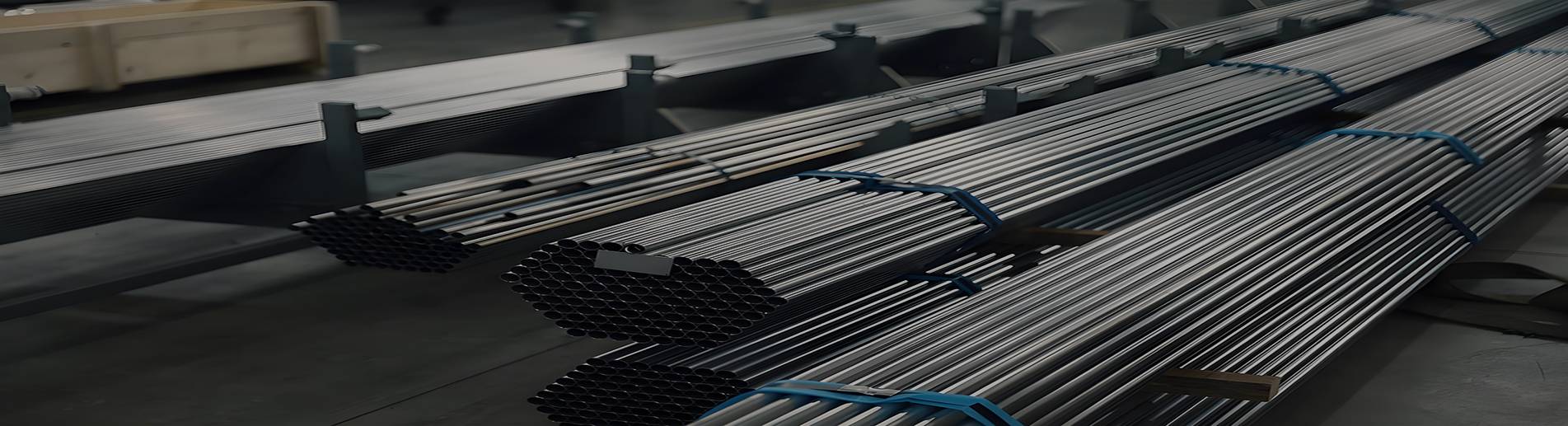
Incoloy 825 Bar Price | UNS N08825 Supplier
Incoloy 825 bar price depends on the nickel-based alloy composition, bar dimensions, manufacturing route, heat-treatment condition, surface finish, in...
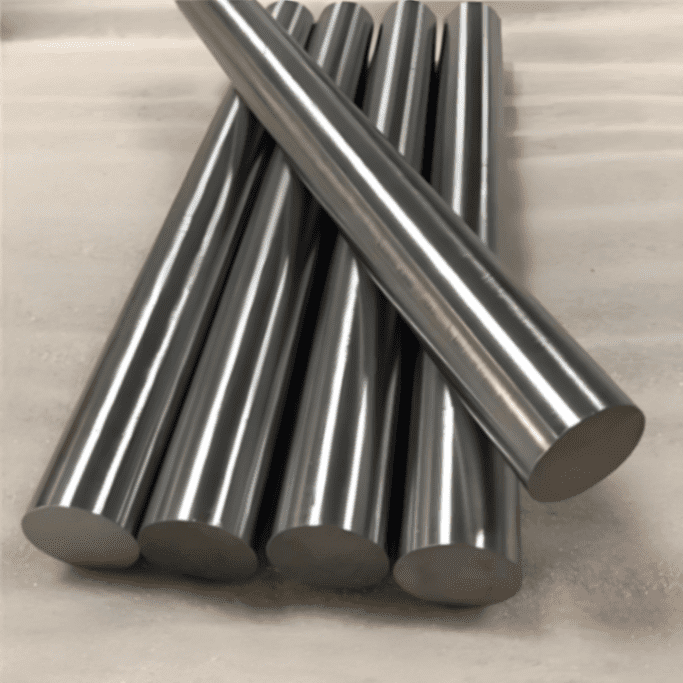
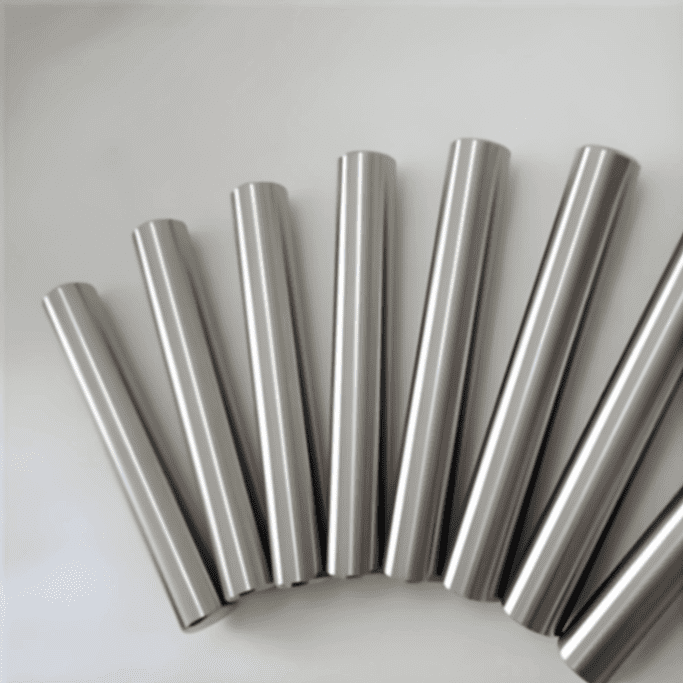
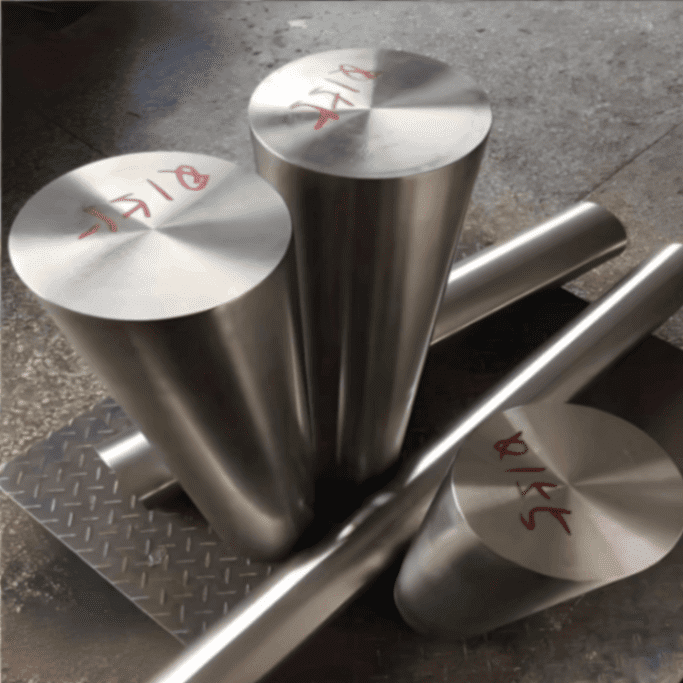
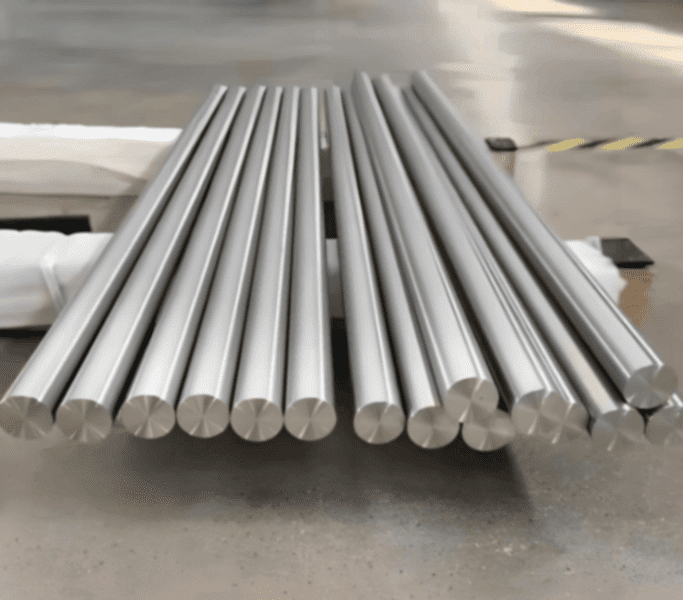
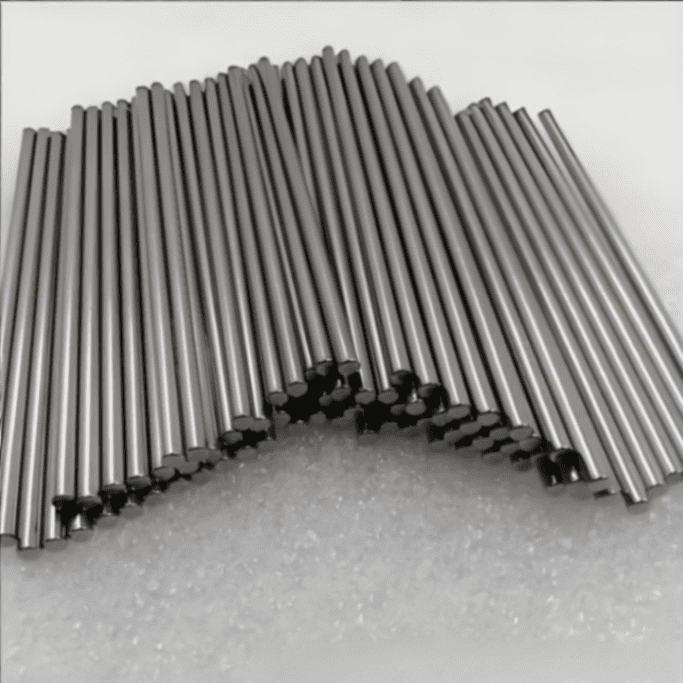
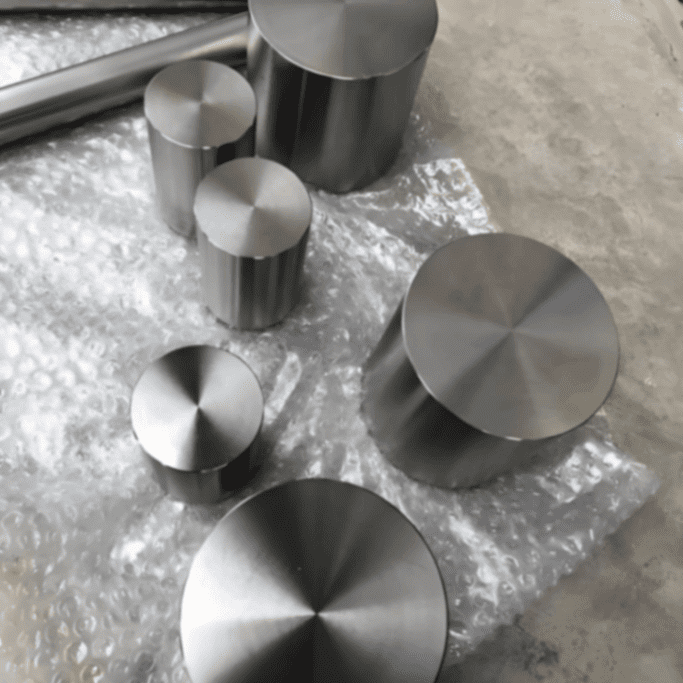
Hastelloy X bar stock price per kilogram is influenced by alloy composition, bar size, manufacturing route, surface finish, quality documentation, order quantity, and delivery terms. Because Hastelloy X is a nickel-based high-temperature alloy containing significant chromium, iron, molybdenum, and cobalt, its price cannot be compared directly with carbon steel, stainless steel, or standard nickel alloy bar. For an accurate purchasing decision, buyers should request a quote based on the exact UNS grade, diameter, length, tolerance, condition, testing scope, quantity, and Incoterm rather than relying on a general online price indication.
Hastelloy X bar stock is widely used for components that must retain oxidation resistance, strength, and fabricability at elevated temperatures. It is often selected for aerospace, industrial furnace, gas turbine, thermal processing, combustion, petrochemical, and high-temperature equipment applications. These demanding service conditions make material quality, heat treatment, traceability, and dimensional control important parts of the purchasing process.
When buyers search for Hastelloy X bar price per kg, they may find large differences between supplier offers. This does not always mean that one supplier is overpriced or another is offering the same material at a better rate. One quote may cover hot-rolled black bar from stock, while another may include solution annealing, cold drawing, close tolerance, bright finish, ultrasonic testing, positive material identification, third-party inspection, export packing, and freight. A meaningful price comparison begins by putting all offers on the same technical and commercial basis.
Hastelloy is a registered trademark. For technical procurement, the material should also be identified as UNS N06002. The UNS number, relevant ASTM or ASME standard, delivery condition, and inspection requirements should appear in the purchase inquiry and purchase order.
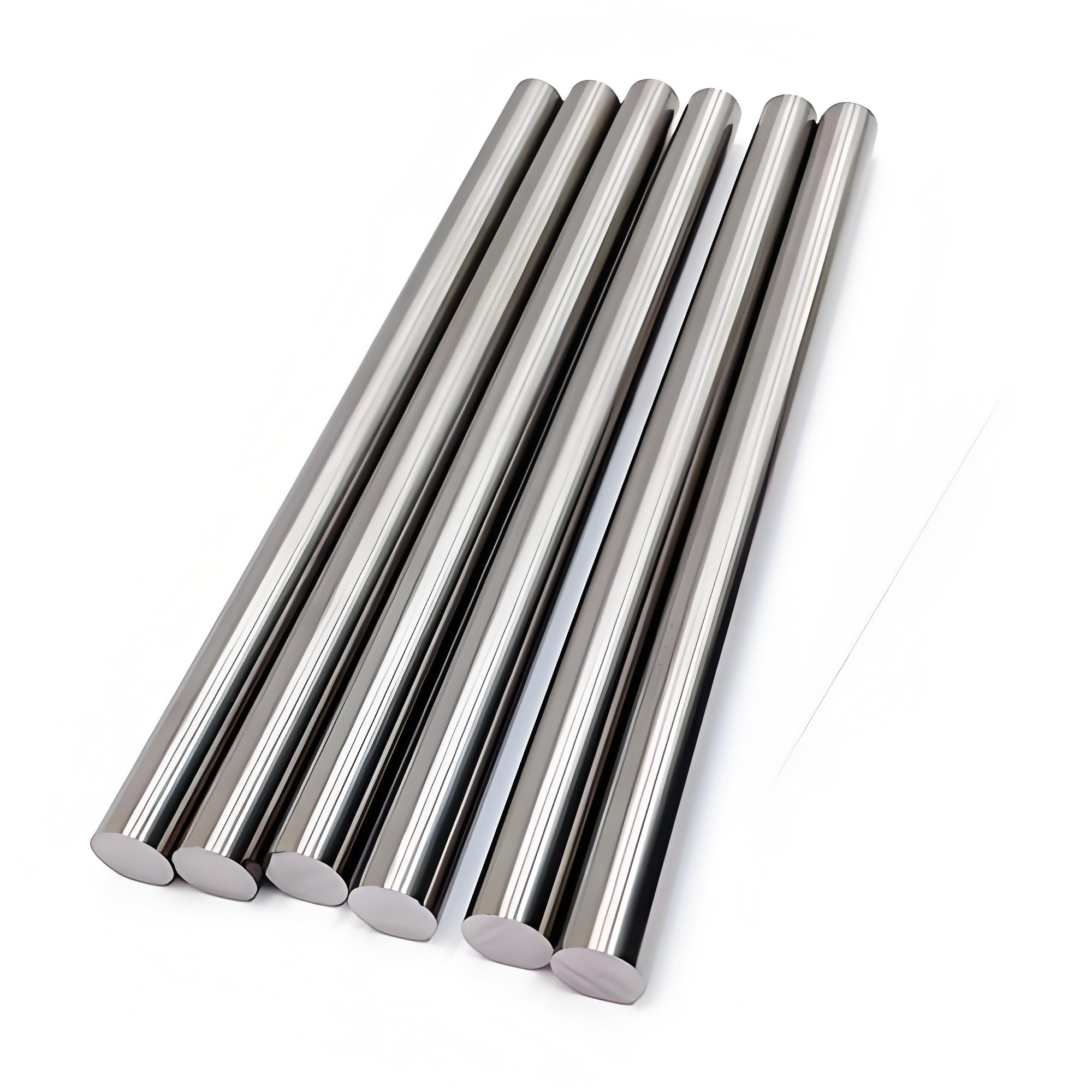
Hastelloy X is a nickel-chromium-iron-molybdenum alloy developed primarily for high-temperature service. It is a solid-solution-strengthened alloy known for good oxidation resistance, useful high-temperature strength, and good fabrication characteristics. Unlike corrosion-resistant nickel alloys selected mainly for acid or chloride handling, Hastelloy X is commonly specified where heat, oxidation, thermal cycling, and hot-gas exposure are central concerns.
Hastelloy X bar stock is produced in several forms, including round bar, rod, forged bar, hot-rolled bar, cold-drawn bar, bright bar, square bar, flat bar, and hex bar. The bar may be used directly as machining stock or further processed into shafts, fasteners, combustion hardware, furnace fixtures, brackets, nozzles, manifolds, valve components, gas turbine parts, and custom high-temperature equipment components.
| Item | Typical Description |
|---|---|
| Alloy name | Hastelloy X alloy |
| UNS designation | N06002 |
| European material number | 2.4665 |
| Alloy family | Nickel-chromium-iron-molybdenum high-temperature alloy |
| Common bar standard | ASTM B572 / ASME SB572, subject to the applicable product requirements |
| Typical supply forms | Round bar, rod, forged bar, flat bar, square bar, hex bar, bright bar |
The chemical balance of Hastelloy X is designed for elevated-temperature performance. Nickel provides the alloy base and supports high-temperature stability. Chromium contributes to oxidation resistance, while molybdenum improves high-temperature strength and resistance in certain corrosive environments. Iron is a significant component of the alloy, and cobalt is controlled within the specified composition range.
The following table provides a general composition overview for procurement communication. The final acceptance chemistry must always be confirmed against the applicable standard, agreed specification, and the mill test certificate for the supplied heat.
| Element | Typical Range or Limit, wt.% | Main Function |
|---|---|---|
| Nickel | Balance | Forms the high-temperature alloy base structure. |
| Chromium | 20.5-23.0% | Improves oxidation resistance and hot-corrosion resistance. |
| Iron | 17.0-20.0% | Contributes to the specified alloy balance and strength characteristics. |
| Molybdenum | 8.0-10.0% | Supports high-temperature strength and corrosion resistance. |
| Cobalt | 0.5-2.5% | Contributes to elevated-temperature alloy performance. |
| Tungsten | Up to approximately 1.0% | Controlled alloying element that supports high-temperature behavior. |
| Manganese | 1.0% maximum | Controlled processing and deoxidizing element. |
| Silicon | 1.0% maximum | Controlled for alloy quality and processing. |
| Carbon | 0.05-0.15% | Contributes to high-temperature strength. |
Hastelloy X is commonly supplied in annealed or solution-treated condition depending on the product form and specification. Mechanical properties, hardness, grain structure, and machining response can vary with bar diameter, hot-working history, heat treatment, and further cold-working operations. For critical parts, the purchaser should specify the required delivery condition instead of using only the alloy name.
The main reason for selecting Hastelloy X is its ability to perform in high-temperature environments where oxidation, thermal cycling, hot gases, and mechanical loading can damage ordinary materials. Chromium helps form a protective oxide scale, while the nickel-based matrix provides strength and stability at temperatures beyond the practical range of common stainless steels.
In high-temperature equipment, oxidation resistance alone is not enough. The component may also need to withstand thermal expansion, repeated heating and cooling, vibration, hot-gas erosion, mechanical stress, and local temperature variation. Hastelloy X is often chosen because it offers a useful balance of heat resistance, fabrication capability, weldability, and machinability for these complex conditions.
Hastelloy X is known for excellent oxidation resistance in high-temperature air and hot-gas environments. Its chromium-rich composition helps form a protective surface scale when used within suitable temperature and atmosphere limits. Actual service performance depends on operating temperature, gas composition, oxygen content, sulfur-bearing compounds, carbon activity, thermal cycles, part geometry, and time at temperature.
Hastelloy X maintains useful strength at elevated temperatures and is often selected for furnace parts, combustion equipment, gas turbine components, and aerospace hardware. Designers should use approved high-temperature material data for the actual service temperature, stress level, design life, and governing code. Room-temperature tensile data alone should not be used to qualify a bar for long-term high-temperature operation.
Many high-temperature components require welding, bending, machining, drilling, or assembly after bar stock is purchased. Hastelloy X can be fabricated using procedures suitable for nickel alloys. This gives manufacturers flexibility when producing custom brackets, fixtures, shafts, fasteners, burner parts, retainers, and other engineered components.
| Performance Area | Why Hastelloy X Is Considered |
|---|---|
| High-temperature oxidation | Chromium-rich chemistry supports oxidation resistance in suitable hot-gas environments. |
| Thermal cycling | Useful for components repeatedly heated and cooled in service. |
| Hot strength | Maintains useful strength beyond the temperature range of many standard steels. |
| Fabrication | Can be welded and machined using nickel-alloy procedures. |
| Component reliability | Helps reduce premature material failure in severe thermal service. |
Hastelloy X bar stock is available in multiple product forms. The required form should match the customer’s machining process, dimensional requirement, and service application. Round bar is the most common form for shafts, fasteners, valve parts, pins, and turned components. Flat, square, and hex bar may be selected for fittings, blocks, brackets, bolts, nuts, and custom machined parts.
| Bar Form | Typical Application | Price Consideration |
|---|---|---|
| Hot-rolled round bar | General machining, larger parts, standard stock sizes | Usually economical for standard diameters and normal tolerances. |
| Forged round bar | Large sections and critical machined components | May involve higher conversion cost and longer production time. |
| Cold-drawn bar | Precision shafts, pins, and smaller components | Added drawing and straightening commonly increase the price per kg. |
| Peeled or turned bar | Parts requiring improved surface quality | Includes additional metal removal and processing cost. |
| Ground and polished bar | Close-tolerance and high-finish components | Typically carries a premium for precision work. |
| Flat, square, or hex bar | Fasteners, fittings, brackets, custom parts | Availability can be more limited than standard round bar. |
Some suppliers may use commercial terms such as “Alloy X,” “Hastelloy X,” “UNS N06002,” or “2.4665.” The buyer should verify that these designations refer to the required chemistry, standard, and product form. A material label alone is not enough; the order should include the bar dimensions, tolerance, condition, certificate requirements, and any customer drawing references.
The manufacturing process has a direct influence on Hastelloy X round bar price, quality, and lead time. High-temperature nickel alloy bars require controlled melting, chemical analysis, hot working, heat treatment, surface finishing, inspection, and traceability. The process route varies according to diameter, quantity, tolerance, and end-use requirements.
Production begins with carefully selected raw materials and controlled melting. Nickel, chromium, molybdenum, iron, cobalt, and other elements must be maintained within specification. Chemistry control is essential because relatively small variations can affect the alloy’s high-temperature behavior, workability, and compliance with the required standard.
After melting, the alloy is cast into ingot or billet form and converted into bar through forging, rolling, or other hot-working methods. Large-diameter bar may require a forged route, while standard sizes may be hot rolled. The producer must control heating temperature, reduction ratio, cooling practice, and subsequent annealing to achieve a suitable microstructure and mechanical condition.
Small diameter and close-tolerance Hastelloy X bars may be further cold drawn, turned, peeled, centerless ground, polished, or straightened. These operations improve diameter accuracy, surface finish, roundness, and straightness, but they also increase conversion cost. Buyers should only request precision finishing when it offers a real benefit for the finished component.
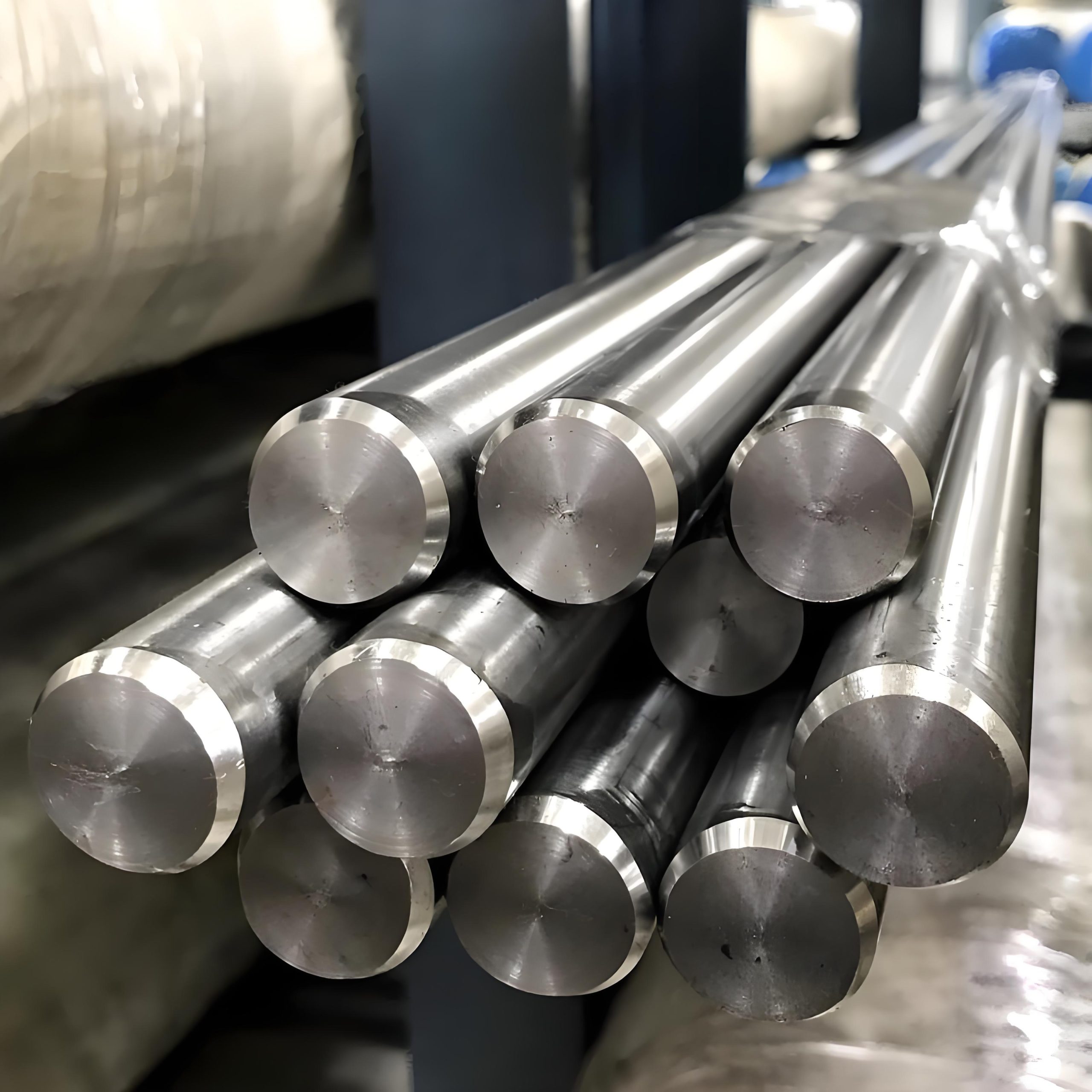
Final inspection can include chemical analysis, tensile testing, hardness testing, dimensional measurement, visual inspection, ultrasonic testing, positive material identification, and surface testing where specified. Each bundle or bar should be marked or tagged for traceability. For export orders, the material may require moisture protection, wrapped bundles, steel strapping, plywood cases, or customized packing according to destination and transport method.
Hastelloy X bar stock price per kilogram is normally built from the cost of alloy raw materials plus melting, conversion, finishing, quality assurance, packing, and logistics. The same nominal bar size may be quoted at different rates if the delivery condition or inspection scope changes.
| Price Factor | Effect on Quotation |
|---|---|
| Nickel market movement | Directly affects the cost base because nickel is the alloy’s main constituent. |
| Chromium and molybdenum cost | Contributes to alloy surcharge and raw-material cost changes. |
| Bar diameter | Influences manufacturing route, yield, handling, and finishing requirements. |
| Bar length and cut lengths | Special lengths require cutting, handling, inspection, and may create yield loss. |
| Surface condition | Bright, peeled, turned, or ground bars cost more than basic mill-finish bars. |
| Tolerance and straightness | Close tolerances typically require extra processing and measurement. |
| Order quantity | Larger orders may distribute setup and production costs more efficiently. |
| Testing and certification | UT, PMI, third-party inspection, and special reports add cost and lead time. |
| Delivery term | EXW, FOB, CIF, DAP, and DDP prices include different logistics responsibilities. |
Nickel is the most visible raw-material reference for Hastelloy X pricing, but it is not the only variable. Chromium, molybdenum, cobalt, energy, scrap availability, exchange rates, freight, and the producer’s alloy surcharge policy can also affect the finished bar price. A movement in nickel price may influence new production quotations quickly, while existing inventory may be priced according to the supplier’s earlier purchase cost and stock strategy.
For long-term projects, buyers should ask whether the Hastelloy X bar price is fixed for a defined validity period or whether it is subject to a metal-index adjustment. This is especially important for large orders, framework agreements, staged deliveries, and projects with extended engineering approval cycles.
The London Metal Exchange nickel price is useful as a broad market reference, but it should not be treated as the price of finished Hastelloy X bar. Finished material includes alloy additions, melting, hot working, heat treatment, dimensional processing, testing, packaging, financing, and logistics. A proper quotation should state its validity date, currency, and commercial basis.
Hot-rolled Hastelloy X round bar is commonly selected for standard dimensions, larger machining allowances, and general high-temperature components. It is often the most economical bar form when the customer will perform substantial machining and does not need close tolerance or a bright surface.
Cold-drawn bar is processed to improve dimensional control, surface quality, and straightness. It is useful for precision shafts, pins, fasteners, instrument components, and parts where reduced machining allowance can save machining time. Because cold drawing, straightening, and final inspection require additional operations, cold-drawn Hastelloy X bar is usually more expensive per kilogram than comparable hot-rolled bar.
| Item | Hot-Rolled Bar | Cold-Drawn or Bright Bar |
|---|---|---|
| Surface condition | Black or mill finish | Bright, peeled, turned, or improved finish |
| Dimensional tolerance | Standard commercial tolerance | Closer diameter and straightness control |
| Machining allowance | Usually higher | Usually lower |
| Typical use | General machining and larger components | Precision shafts, pins, and close-tolerance parts |
| Relative price per kg | Generally lower for comparable quantity | Generally higher due to added processing |
Diameter, length, and tolerance can change Hastelloy X bar price per kilogram even when the alloy grade is identical. Small-diameter precision bar may require multiple drawing operations, straightening, and close inspection. Large-diameter bar may require forging, longer heat-treatment cycles, increased handling, and additional internal-quality checks.
Random mill lengths are often more economical than fixed cut lengths. When a buyer requests many short pieces, chamfered ends, narrow length tolerance, individual marking, and special packing, the factory must include cutting, handling, yield loss, and inspection in the quotation. These services may be valuable, but they should be requested only where they reduce the buyer’s total manufacturing cost.
| Requirement | Possible Cost Effect |
|---|---|
| Small diameter with tight tolerance | Additional cold drawing, straightening, and measurement may increase price. |
| Large forged diameter | Higher conversion cost due to forging capacity and heat-treatment requirements. |
| Random length | Usually more economical than multiple special cut lengths. |
| Fixed length with close tolerance | Additional cutting, inspection, and yield loss may apply. |
| Low ovality requirement | May require drawing, turning, or grinding. |
| High straightness requirement | May require extra straightening and final inspection. |
Order quantity has a major effect on the unit price of Hastelloy X bar stock. Small orders may be supplied from distributor or factory inventory, which can offer short lead time but may include stockholding and cut-length charges. Large orders may justify new production, where the supplier can optimize billet size, hot-working schedule, heat treatment, and packing for the project requirement.
There is no universal minimum order quantity for Hastelloy X bar. The practical MOQ depends on diameter, product form, mill capability, available stock, requested documents, and whether the supplier can combine the order with an existing production campaign. A buyer should provide the total expected demand, even if delivery is needed in batches, because this can help the manufacturer offer a more competitive production plan.
| Order Type | Typical Supply Route | Price and Lead-Time Consideration |
|---|---|---|
| Small urgent quantity | Distributor or factory stock | Fast delivery may be available, but price per kg can be higher. |
| Standard medium-size order | Stock or scheduled production | Depends on diameter availability and requested material condition. |
| Large project quantity | Mill or manufacturer production | Can offer better unit economics when specifications are finalized early. |
| Special size or special inspection | Custom production | May require longer lead time and a higher minimum quantity. |
For high-temperature alloy bar, certificates and inspection records are part of the product value. A standard mill test certificate should identify the heat number, chemical analysis, applicable specification, dimensions, and relevant mechanical properties. The certificate should be traceable to the markings or tags on the delivered bar or bundle.
Project orders may require additional inspection, such as positive material identification, ultrasonic testing, liquid penetrant testing, hardness verification, tensile testing, dimensional reports, third-party inspection, or customer witness inspection. These requirements can increase cost and lead time, but they are often necessary for aerospace, power generation, furnace, chemical, or critical rotating-equipment applications.
| Certificate or Test | Purpose | Common Price Effect |
|---|---|---|
| EN 10204 3.1 mill test certificate | Provides traceable material test information. | Often included or quoted as standard for industrial orders. |
| Positive material identification | Verifies alloy chemistry on the supplied material. | Adds testing and reporting cost. |
| Ultrasonic testing | Checks for internal discontinuities where specified. | May add inspection cost, especially for larger diameters. |
| Liquid penetrant testing | Checks for surface-breaking defects. | Adds surface preparation and inspection cost. |
| Third-party inspection | Provides independent verification. | Includes inspector fees, scheduling, and possible waiting time. |
| Dimensional inspection report | Confirms tolerance, straightness, and length. | Important for precision orders and may require extra measurement. |
Factory direct pricing is often attractive for large quantities, special dimensions, custom finishes, technical documentation, and repeat demand. Direct communication with the producer can make it easier to confirm manufacturing route, heat treatment, quality plan, and delivery schedule. However, new production may require a longer lead time than local stock.
Distributor pricing can be suitable for urgent requirements, small quantities, mixed-material orders, and common bar sizes. A distributor may carry ready stock and provide local cutting or fast delivery. Buyers should verify the stock origin, heat number, material certificate, current condition, and whether the material has been stored, cut, or repacked after original mill supply.
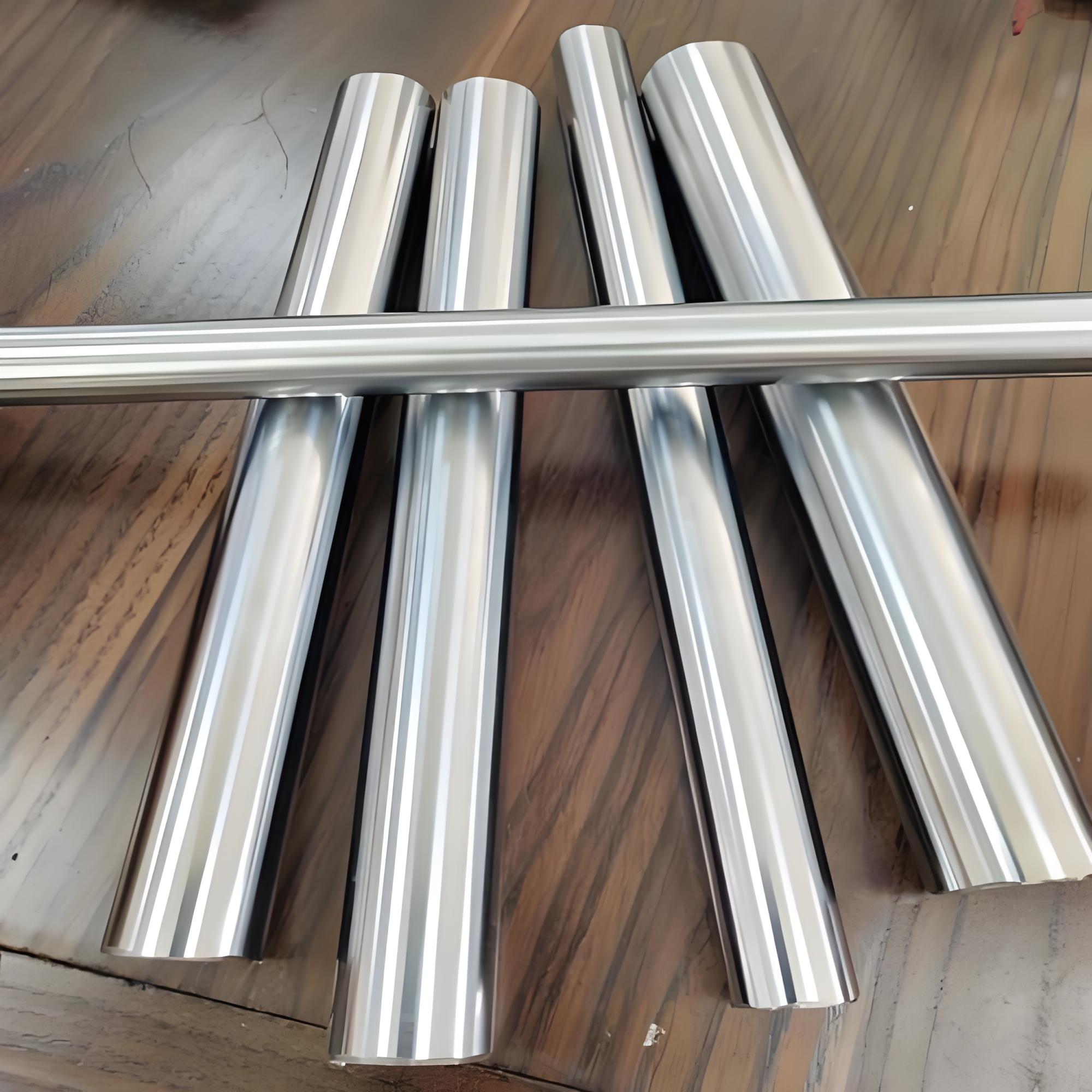
An export quotation must define the Incoterm clearly. EXW price covers collection at the supplier’s works. FOB price normally covers export handling and delivery to the named port. CIF price includes ocean freight and insurance to the named destination port. DAP and DDP may include further delivery responsibilities. Comparing an EXW factory rate with a delivered import price without adjusting for freight, insurance, customs, taxes, and local transport can create an inaccurate purchasing comparison.
| Quotation Type | Best Suited For | What to Verify |
|---|---|---|
| Factory direct price | Large quantity, project orders, custom requirements | MOQ, production lead time, specification, inspection scope, packing. |
| Distributor price | Small or urgent stock orders | Actual stock, heat number, certificate, stock condition, cut charges. |
| EXW export quotation | Buyers arranging their own logistics | Collection point, packing, loading responsibility, export documents. |
| FOB, CFR, or CIF quotation | International sea freight orders | Named port, shipment schedule, freight inclusion, insurance scope. |
| DAP or DDP quotation | Buyers seeking delivered pricing | Destination address, customs clearance responsibility, taxes, duties. |
The fastest way to receive an accurate Hastelloy X bar quote is to provide a complete requirement at the first inquiry. A manufacturer can quote more quickly and accurately when technical and commercial details are clear. This also reduces the risk of receiving material that is technically correct in alloy name but unsuitable in condition, tolerance, or documentation.
| Information to Provide | Example of a Clear Requirement |
|---|---|
| Alloy designation | Hastelloy X / UNS N06002 / 2.4665 |
| Applicable standard | ASTM B572 or ASME SB572, with required revision if applicable |
| Product form | Hot-rolled round bar, forged round bar, cold-drawn bright bar, or flat bar |
| Dimension | Diameter or width and thickness, fixed length or random length |
| Tolerance | Diameter tolerance, length tolerance, ovality, and straightness requirement |
| Delivery condition | Solution annealed, hot rolled, cold drawn, peeled, turned, or ground |
| Quantity | Pieces, total length, net weight, and planned repeat quantity |
| Testing and documents | EN 10204 3.1 MTC, PMI, UT, third-party inspection, or special reports |
| Commercial term | Currency, destination, required Incoterm, requested delivery date, and packing |
A complete inquiry might read: “Please quote Hastelloy X UNS N06002 round bar, ASTM B572, solution annealed, diameter 50 mm, random length, standard tolerance, quantity 1,500 kg, EN 10204 3.1 certificate required, export seaworthy packing, FOB Shanghai price and lead time.” This gives the supplier the information needed to calculate a practical and comparable offer.
How much does Hastelloy X bar cost per kg?
Hastelloy X bar does not have one fixed global price per kilogram. The actual rate depends on nickel and alloying-element costs, bar diameter, length, manufacturing route, surface finish, tolerance, testing, certificates, order quantity, stock availability, and delivery term. For an accurate price, provide the alloy designation, standard, size, condition, quantity, and destination to the supplier.
What is Hastelloy X bar used for?
Hastelloy X bar is used for high-temperature components in aerospace, gas turbines, industrial furnaces, combustion systems, thermal processing equipment, petrochemical equipment, and other applications exposed to heat, oxidation, and thermal cycling. Typical machined products include shafts, fasteners, furnace fixtures, burner components, brackets, manifolds, nozzles, and custom engineered parts.
What standard applies to Hastelloy X round bar?
Hastelloy X round bar is commonly supplied to ASTM B572 or ASME SB572 for UNS N06002 high-temperature alloy bar and rod. The buyer should also confirm the required material condition, dimensions, tolerances, mechanical requirements, inspection scope, and certificate type because these requirements can differ by project and final application.
More from this category
Incoloy 825 bar price depends on the nickel-based alloy composition, bar dimensions, manufacturing route, heat-treatment condition, surface finish, in...
Incoloy 800HT bar price is shaped by nickel, chromium, titanium, and aluminum raw-material costs, together with bar dimensions, heat-treatment conditi...
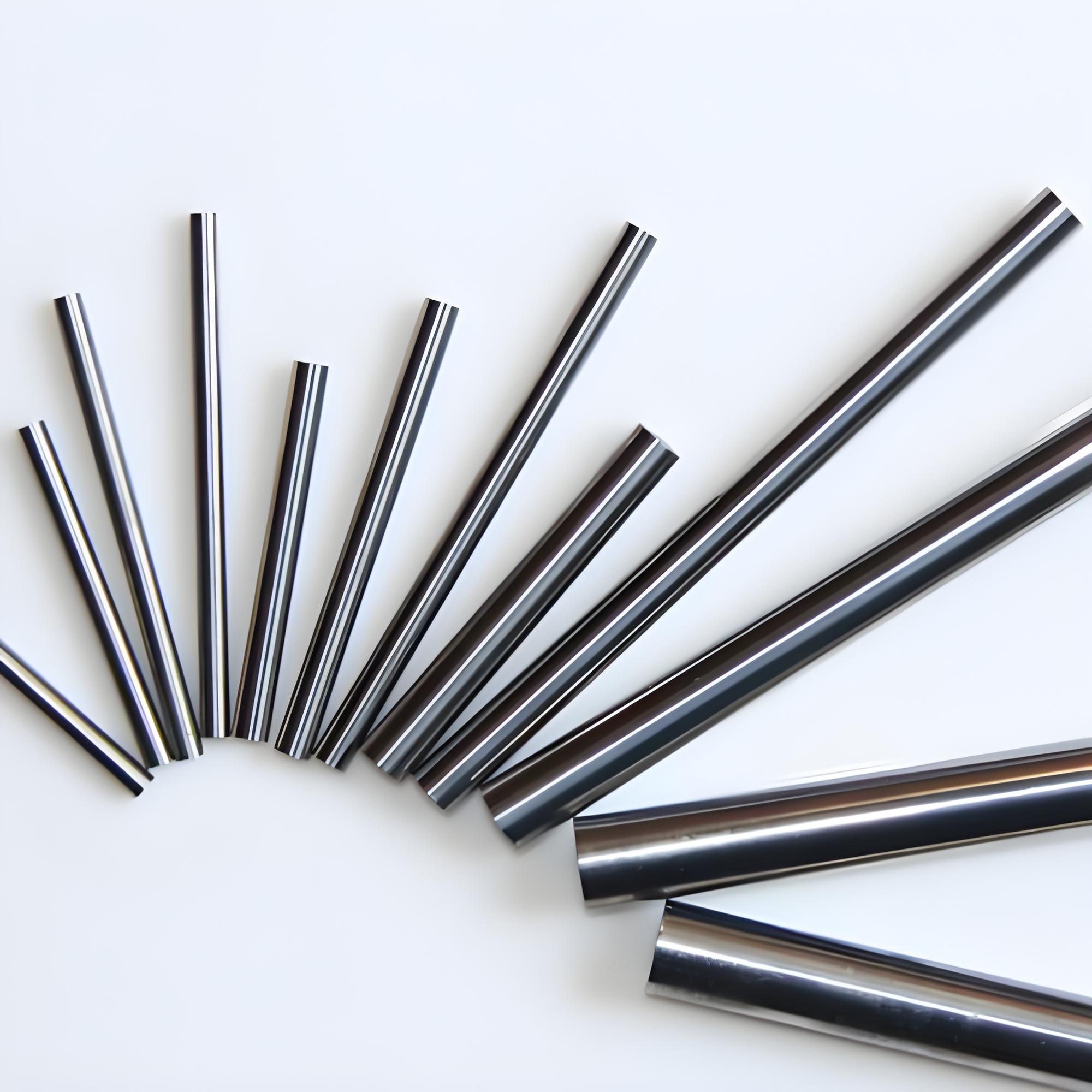
Incoloy 20 round bar price per kg depends on the alloy composition, bar size, manufacturing method, surface finish, tolerance, certificates, inspectio...
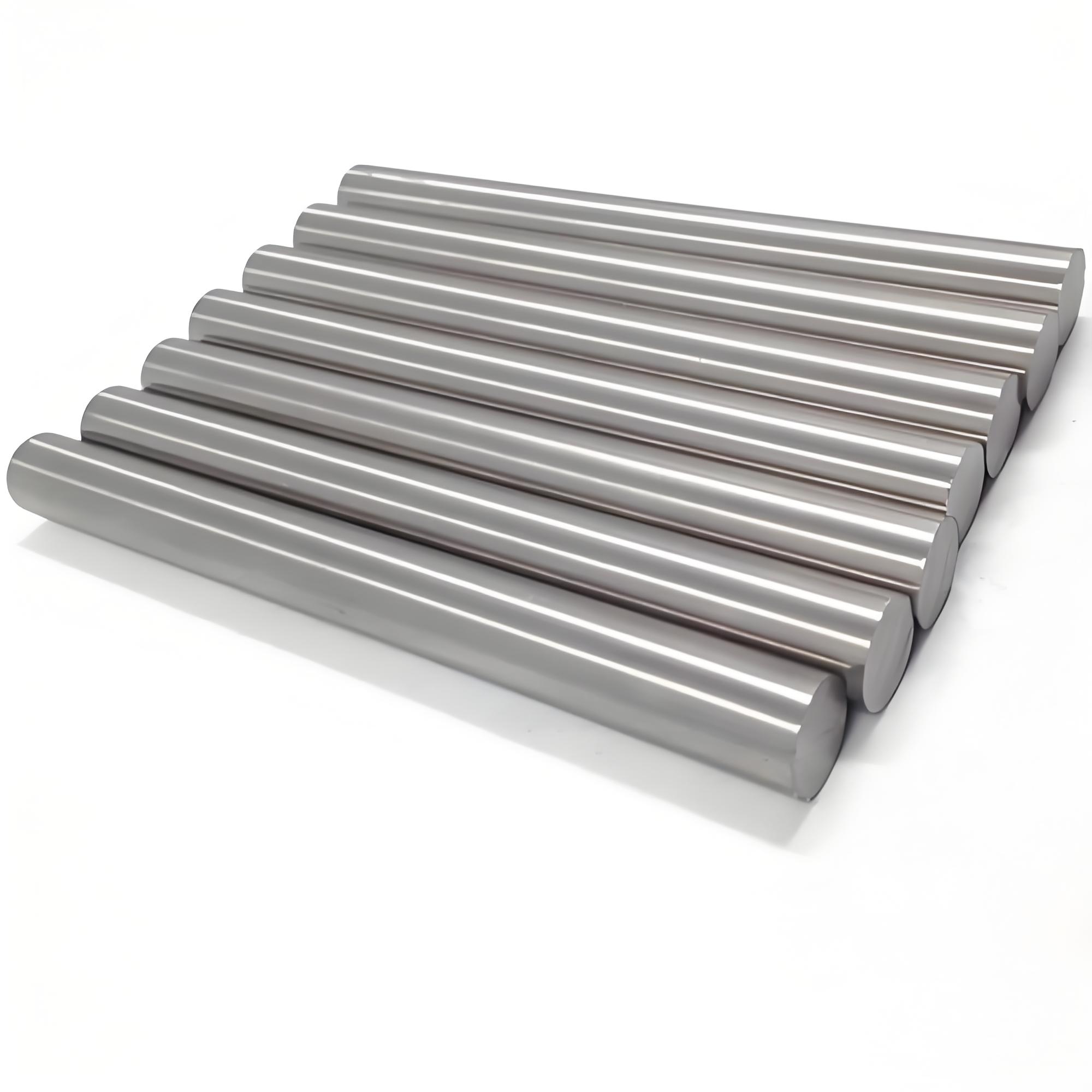
Hastelloy G-30 N06030 bar factory price is determined by the alloy’s high nickel, chromium, iron, molybdenum, copper, and tungsten content, together...
 English English
  Korean
 Arabic
 Spanish
 German
 Portuguese
 French
 Russian
 Italian
 Vietnamese