
Incoloy 825 Bar Price | UNS N08825 Supplier
Incoloy 825 bar price depends on the nickel-based alloy composition, bar dimensions, manufacturing route, heat-treatment condition, surface finish, in...
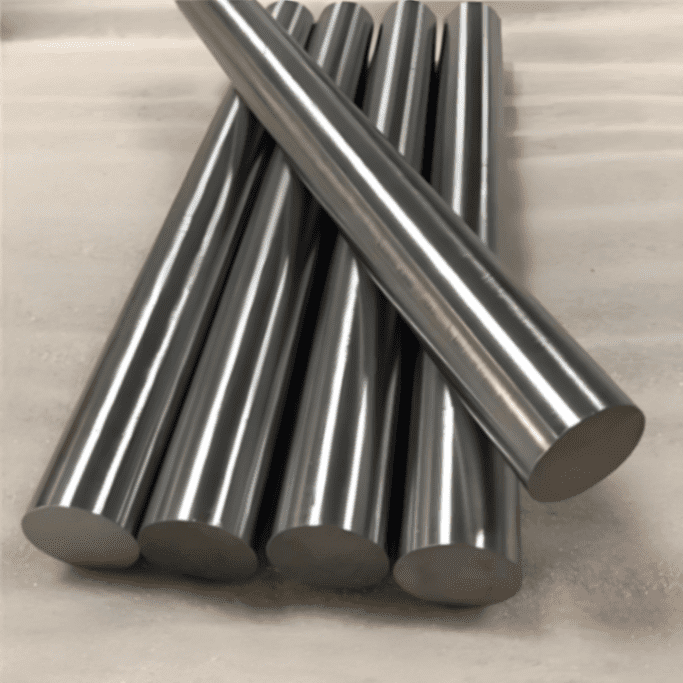
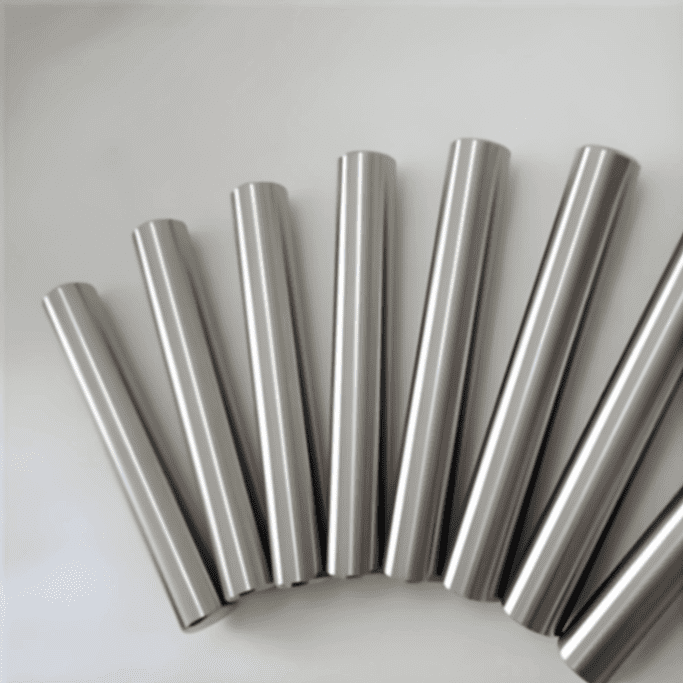
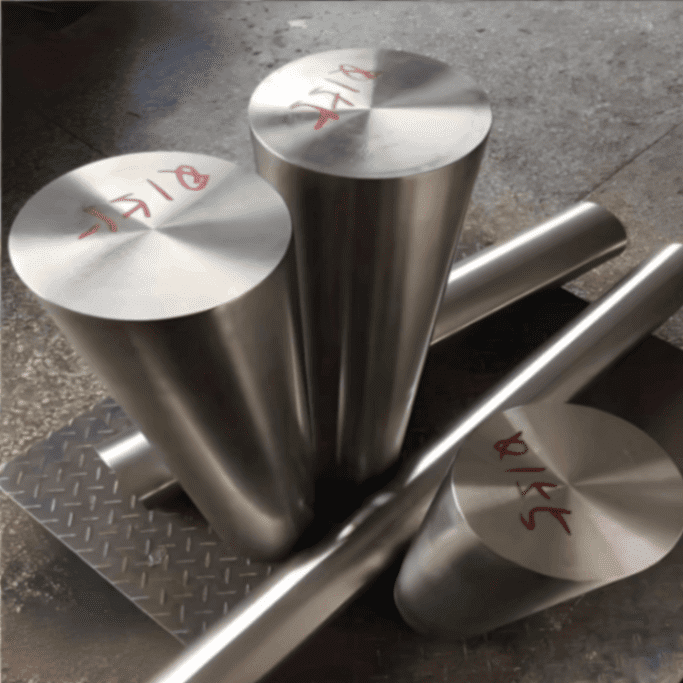
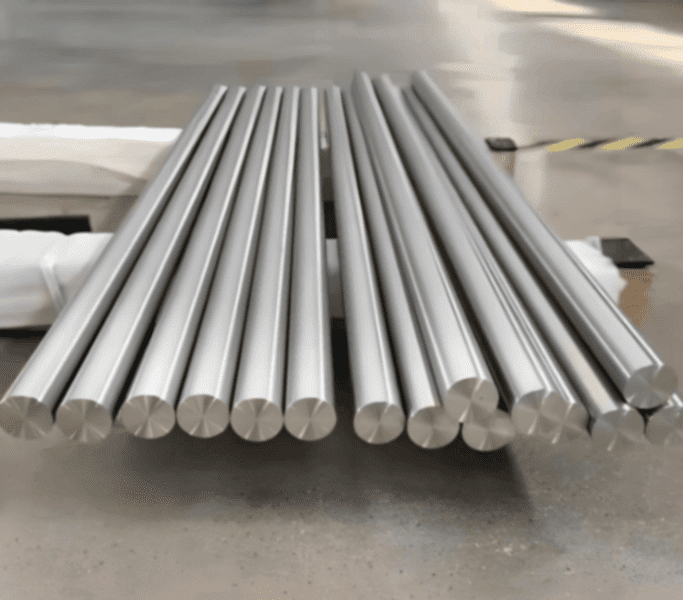
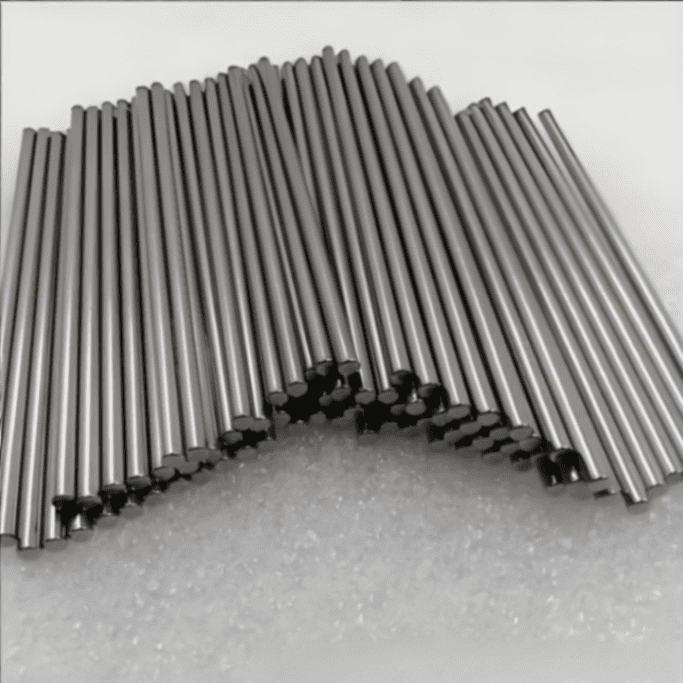
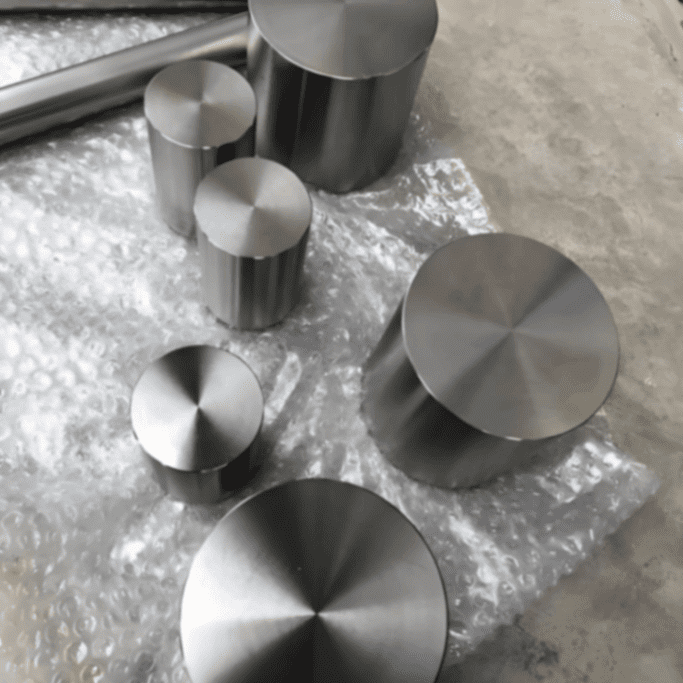
Hastelloy C-4 bar factory price depends on far more than the daily nickel market. This nickel-chromium-molybdenum alloy is normally supplied for demanding corrosion-service components, where chemistry control, melting route, heat treatment, dimensions, surface condition, testing, documentation, packing, and delivery terms all influence the final quotation. For buyers comparing Hastelloy C-4 bar manufacturers, the useful question is not simply “what is the price per kg?” but “what exact material condition, standard, size, and inspection scope are included in that price?” A clear technical specification allows the factory to provide a realistic and comparable quotation.
Hastelloy C-4 bar is a high-performance nickel alloy bar used where conventional stainless steel, duplex stainless steel, or lower-alloy nickel materials may not provide adequate corrosion resistance. It is particularly valued for chemical processing environments involving acids, chlorides, oxidizing media, and reducing media. Its excellent thermal stability after welding or high-temperature exposure also makes it suitable for fabricated equipment and machined parts that must retain corrosion resistance in service.
When purchasing directly from a Hastelloy C-4 bar factory, buyers may request round bars, forged bars, hot-rolled bars, cold-drawn bars, bright bars, peeled bars, flat bars, square bars, hex bars, or cut-to-length blanks. These are not interchangeable products from a cost perspective. A black hot-rolled bar in a standard diameter is generally quoted differently from a precision-ground bar with tight diameter tolerance, ultrasonic testing, third-party inspection, and short delivery requirements.
Hastelloy is a registered trademark. In technical purchasing documents, the UNS designation N06455 should also be stated. Using the UNS number, applicable ASTM or ASME standard, required product form, and delivery condition helps ensure that quotations are based on the same alloy rather than on a loosely described “C-4 equivalent” material.
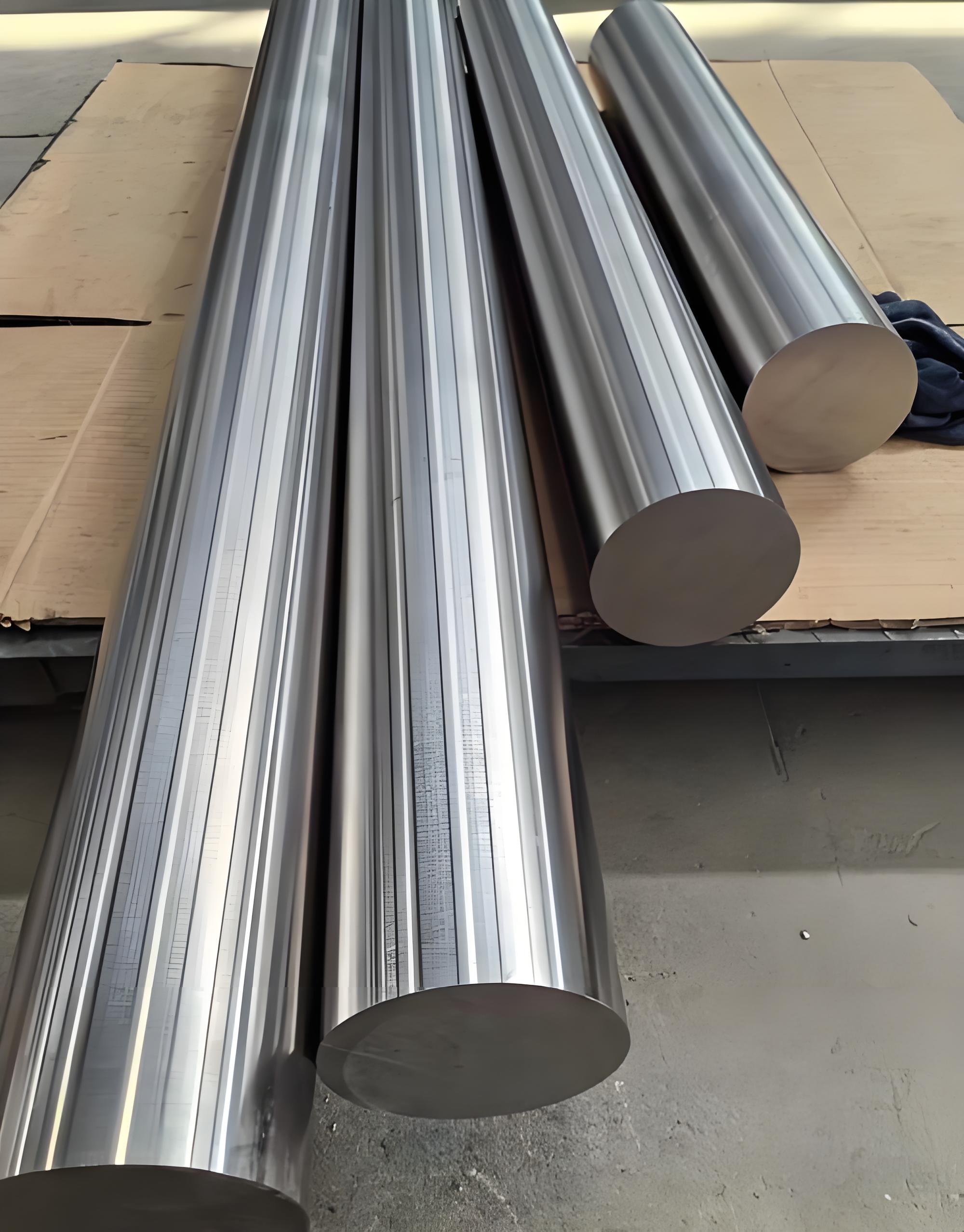
Hastelloy C-4 is a nickel-molybdenum-chromium alloy with titanium added for metallurgical stability. It belongs to the nickel alloy family developed for severe corrosive environments. Its composition is designed to provide resistance to a wide range of aggressive chemicals while maintaining stability in the heat-affected zone of welded equipment.
C-4 bars are commonly machined into valve stems, pump shafts, fasteners, agitator components, fittings, instrumentation parts, reactor internals, nozzles, support parts, shafts, connectors, and custom corrosion-resistant components. The selected bar form should suit the final manufacturing route. For example, a cold-drawn bright round bar may reduce machining allowance for precision shafts, while a forged or hot-rolled bar may be more economical for larger machined parts.
| Item | Typical Description |
|---|---|
| Alloy name | Hastelloy C-4 alloy |
| UNS designation | N06455 |
| European material number | 2.4610 |
| Material family | Nickel-chromium-molybdenum corrosion-resistant alloy |
| Common supply forms | Round bar, rod, flat bar, square bar, hex bar, forged bar, bright bar |
| Common bar standard | ASTM B574 / ASME SB574, subject to the required product form and revision |
The corrosion performance of Hastelloy C-4 begins with its chemical composition. Nickel forms the base of the alloy and provides resistance in many reducing environments. Chromium improves resistance to oxidizing media, while molybdenum supports resistance to reducing acids and localized chloride attack. Titanium contributes to microstructural stability, an important feature for fabricated equipment and components exposed to elevated temperatures.
The exact chemistry must be verified against the applicable material specification and the mill test certificate for each heat number. The following table is a practical composition overview for purchasing communication, not a replacement for a controlled standard or inspection certificate.
| Element | Typical Specification Range or Limit, wt.% | Role in the Alloy |
|---|---|---|
| Nickel | Balance, typically 65% minimum | Provides the corrosion-resistant base structure. |
| Chromium | 14.0-18.0% | Improves resistance to oxidizing chemicals and chloride-containing media. |
| Molybdenum | 14.0-17.0% | Supports resistance to reducing acids, pitting, and crevice corrosion. |
| Iron | 3.0% maximum | Controlled to maintain alloy characteristics. |
| Cobalt | 2.0% maximum | Restricted as part of composition control. |
| Titanium | Up to approximately 0.70% | Improves metallurgical stability. |
| Manganese | 1.0% maximum | Controlled deoxidizing and processing element. |
| Silicon | 0.08% maximum | Low silicon supports corrosion and fabrication performance. |
| Carbon | 0.015% maximum | Low carbon helps reduce the risk of harmful precipitation. |
In addition to composition, buyers should identify the required delivery condition. Annealed Hastelloy C-4 bar is common for corrosion-service applications because annealing restores the alloy after hot working or cold drawing and helps achieve the specified mechanical and metallurgical condition. If a buyer requires a particular hardness range, grain size, tensile property, or solution-annealed condition, it should be stated in the request for quotation.
Hastelloy C-4 is intended for severe corrosion service rather than for ordinary structural use. Its nickel, chromium, and molybdenum balance gives it broad usefulness in acid handling and chloride-containing process streams. This makes it a practical bar material for equipment parts exposed to environments that can cause rapid attack, localized corrosion, or premature failure in common stainless steels.
A key advantage of C-4 is its resistance to the formation of detrimental grain-boundary precipitates during exposure to elevated temperatures. In fabricated equipment, this characteristic helps preserve corrosion resistance in and around welded areas when the correct fabrication procedure is used. It is one reason C-4 is often specified for complex chemical-process components rather than only simple machined parts.
In chloride-bearing service, general corrosion rate alone is not enough to evaluate material suitability. Pitting and crevice corrosion can produce highly localized damage, especially beneath deposits, gaskets, deposits, stagnant process liquid, or poorly drained areas. The molybdenum-rich chemistry of C-4 contributes to resistance against these localized forms of corrosion.
Hastelloy C-4 can be hot worked, cold worked, welded, and machined using procedures appropriate for nickel alloys. It is tougher and work-hardens more readily than carbon steel, so production planning matters. A capable manufacturer will control heating, deformation, annealing, straightening, surface treatment, and final inspection to deliver bar stock suitable for subsequent machining or fabrication.
| Property | Why It Matters to the Buyer |
|---|---|
| Nickel-based composition | Supports use in corrosive reducing and mixed chemical environments. |
| Chromium and molybdenum content | Helps resist oxidizing chemicals, acids, chlorides, and localized corrosion. |
| Low carbon content | Supports stable corrosion performance after proper fabrication and heat treatment. |
| Titanium addition | Contributes to microstructural stability at elevated temperature. |
| Good weldability | Useful for components that will be fabricated, repaired, or joined after machining. |
| High work-hardening tendency | Requires suitable machining tools, feeds, speeds, and process planning. |
A Hastelloy C-4 bar quotation should identify the shape, nominal dimension, tolerance, length, surface condition, and delivery condition. The word “bar” can describe many product forms, and leaving these details open can result in price differences or unsuitable material for the final component.
| Bar Type | Typical Use | Commercial Consideration |
|---|---|---|
| Hot-rolled round bar | General machining, larger components, stock supply | Usually economical for standard diameters and larger machining allowances. |
| Forged round bar | Heavy sections, critical machined components | May involve higher conversion cost and extended production time. |
| Cold-drawn round bar | Shafts, pins, precision components | Higher dimensional accuracy and surface quality can increase price. |
| Peeled or turned bar | Machined parts requiring improved surface condition | Includes additional processing and metal removal. |
| Ground and polished bar | Close-tolerance shafts and high-finish components | Normally carries a premium because of precision processing. |
| Flat, square, or hex bar | Fasteners, fittings, custom machined parts | Availability may be more limited than common round bar sizes. |
Common round-bar diameters can range from small cold-drawn sizes for fasteners and instrument parts to large forged diameters for pump, valve, and pressure-equipment components. A manufacturer should confirm the actual production range rather than relying on a general catalog statement. Large diameter C-4 bar may require a forged route, while a small bright bar may require a cold-drawn route and additional straightness control.
The manufacturing route has a direct effect on the factory price and the reliability of the finished bar. A professional producer normally begins with controlled melting of the alloy, followed by remelting or refining where required by the producer’s quality system and the customer’s specification. The material is then cast into an ingot or billet and converted through forging, rolling, or other deformation processes.
Nickel alloy production requires close control of alloying elements and residual impurities. The chemistry of each heat should be confirmed by testing, and the heat number should remain traceable through processing, cutting, inspection, and dispatch. This traceability is especially important for refinery, chemical, offshore, pollution-control, pharmaceutical, and pressure-equipment projects.
After melting, the alloy billet is hot worked into bar stock through forging or rolling. The temperature range, reduction schedule, and subsequent annealing process affect grain structure, mechanical properties, surface condition, and machinability. A buyer requesting solution-annealed bar should ensure that the required condition is clearly stated in the purchase order.
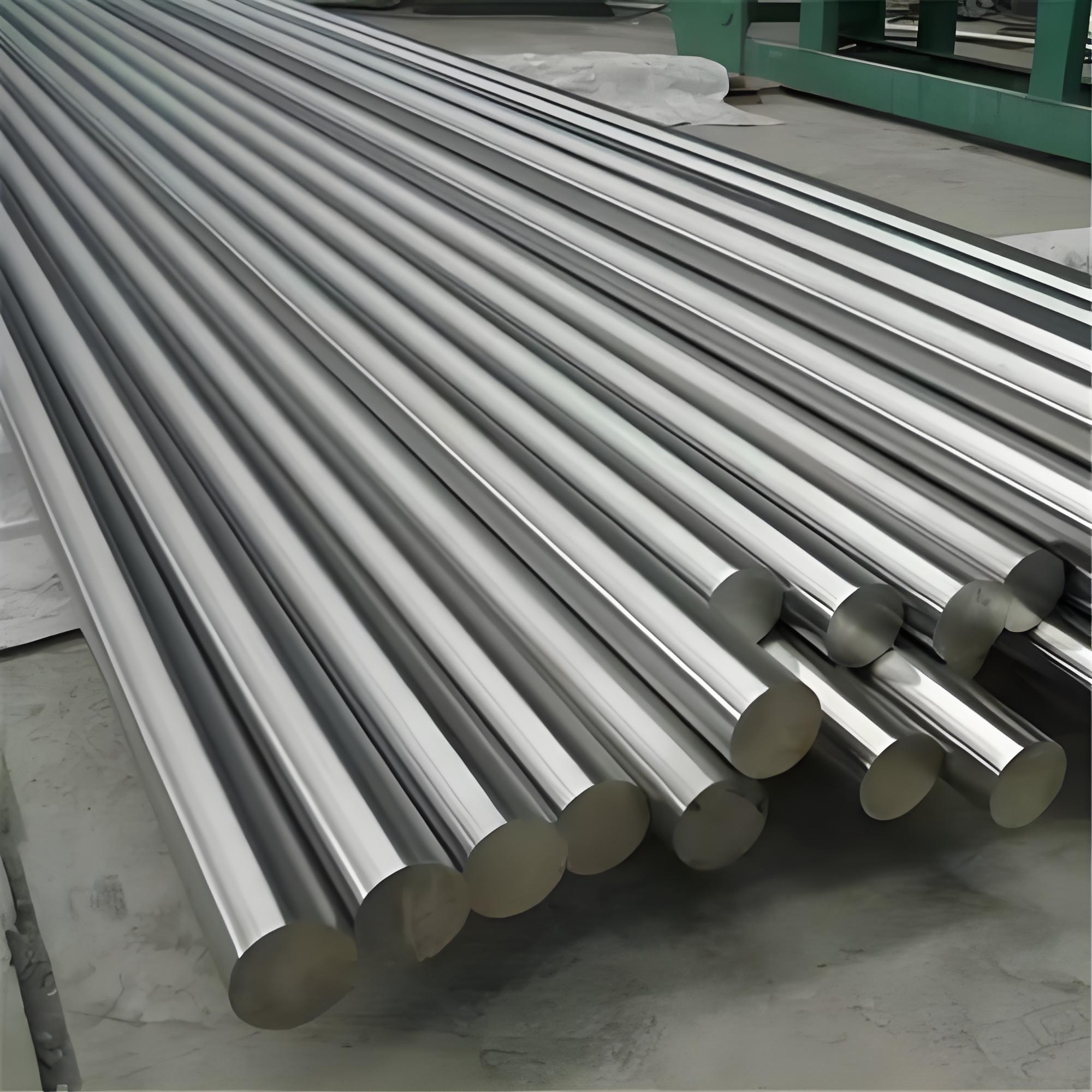
For smaller sizes or tighter tolerances, hot-rolled bar may be further processed by cold drawing, peeling, turning, grinding, polishing, or straightening. These operations add labor, equipment time, tooling cost, yield loss, and inspection requirements. They also create value when the customer needs better roundness, lower machining allowance, closer straightness, or a specified surface roughness.
Before shipment, the bar can be checked for chemistry, dimensions, length, straightness, surface defects, mechanical properties, hardness, and non-destructive testing requirements. Standard commercial orders may only require a mill test certificate, while project orders may request ultrasonic testing, positive material identification, liquid penetrant testing, third-party inspection, or additional documentation.
There is no single universal Hastelloy C-4 bar factory price. The final rate per kilogram or per piece is built from raw-material cost, conversion cost, finishing cost, quality controls, order volume, packaging, and logistics. Two suppliers may quote different prices for material that appears similar in a brief description because their actual scope of supply is different.
| Pricing Factor | Effect on Factory Quotation |
|---|---|
| Nickel, molybdenum, chromium, and titanium cost | Changes the alloy surcharge and raw-material cost base. |
| Bar diameter and unit weight | Influences production route, yield, handling, and machining allowance. |
| Required bar type | Hot-rolled, forged, cold-drawn, peeled, and ground bars have different conversion costs. |
| Tolerance and straightness | Tighter requirements normally require additional processing and inspection. |
| Surface finish | Bright, polished, turned, or ground surfaces are priced above black hot-rolled surfaces. |
| Testing and certificates | UT, PMI, third-party inspection, and special reports add cost and lead time. |
| Order quantity | Production-scale orders can distribute setup costs more efficiently than small lots. |
| Stock availability | In-stock material can shorten delivery; non-stock sizes may require a new production schedule. |
| Incoterm and destination | EXW, FCA, FOB, CFR, CIF, DAP, and DDP quotations include different logistics responsibilities. |
Nickel is the principal constituent of Hastelloy C-4, so nickel market movement is a meaningful reference for alloy-bar pricing. Molybdenum, chromium, titanium, energy, scrap availability, exchange rates, freight, and the producer’s alloy surcharge policy can also change the final raw-material cost. The London Metal Exchange nickel price is widely used as a market reference, but it is not the same as the delivered price of finished Hastelloy C-4 bar.
For a practical purchasing decision, buyers should ask the manufacturer whether the quotation is fixed for a stated validity period or whether it is linked to a nickel surcharge mechanism. This becomes particularly important for long lead-time orders, large tonnage requirements, framework agreements, and projects where the purchase order may be released in batches.
A responsible manufacturer should be able to explain whether the quote is based on current raw-material pricing, existing inventory, a fixed production batch, or a market-index adjustment. A very low quotation that does not state validity, alloy origin, heat number traceability, or material condition can create a larger commercial risk than a slightly higher but clearly documented quote.
Hot-rolled and cold-drawn C-4 bars serve different manufacturing needs. Hot-rolled bar is generally selected where a standard diameter, normal tolerance, and machining allowance are acceptable. It can be an efficient choice for large valve components, flanges, pump parts, and general machining blanks.
Cold-drawn bar is processed after hot working to improve size control, straightness, and surface condition. It is often preferred for precision shafts, smaller pins, fasteners, instrumentation components, and parts where reduced machining allowance is valuable. The additional processing generally results in a higher factory price per kilogram compared with a basic hot-rolled bar.
| Item | Hot-Rolled C-4 Bar | Cold-Drawn or Bright C-4 Bar |
|---|---|---|
| Typical size range | Common for medium and large diameters | Common for smaller and precision sizes |
| Surface condition | Black or mill finish | Bright, peeled, turned, or improved finish |
| Dimensional tolerance | Normal commercial tolerance | Closer diameter and straightness control |
| Machining allowance | Usually higher | Usually lower |
| Relative price level | Generally lower for comparable weight | Generally higher because of added processing |
Dimension is one of the most important parts of a Hastelloy C-4 bar quotation. Price is commonly calculated by actual net weight, but the production and handling cost behind each kilogram varies significantly by diameter and length. Small-diameter precision bar can require more drawing passes, straightening, and inspection. Very large-diameter bar can require forging equipment, longer heat treatment, increased machining allowance, and stricter internal-quality control.
Short cut lengths may cost more per kilogram than random-length bar because they require cutting, end finishing, identification, and handling. If the customer can accept standard mill lengths and perform cutting locally, the factory may be able to offer a more competitive rate. Conversely, a project requiring fixed lengths, chamfered ends, bundle identification, and export-ready wooden cases should include those requirements at the quotation stage.
| Requirement | Potential Price Impact |
|---|---|
| Small diameter with close tolerance | Higher processing cost due to cold drawing, straightening, and measuring. |
| Large forged diameter | Higher conversion cost because of forging capacity and heat-treatment cycle. |
| Random mill length | Usually more economical than many special cut lengths. |
| Fixed length with narrow tolerance | Additional cutting, yield loss, and inspection may apply. |
| High straightness requirement | May require extra straightening and final verification. |
| Low ovality or precision roundness | Often requires drawing, turning, or grinding operations. |
Buyers often search for “Hastelloy C-4 bar price per kg,” but an accurate answer requires a complete specification. A price per kilogram without a stated diameter, standard, delivery condition, surface finish, quantity, tolerance, test scope, currency, and Incoterm is only an informal indication. It should not be used to compare suppliers or calculate a project budget without clarification.
A factory quotation should state whether weight is based on actual shipping weight, theoretical weight, or piece weight. It should also state whether the quoted price is EXW, FCA, FOB, CFR, CIF, DAP, or DDP. Freight can materially change the delivered cost of small high-value bar orders, particularly when air freight, express delivery, special wooden cases, or destination-country customs procedures are involved.
| Quotation Item | Information to Confirm |
|---|---|
| Material designation | Hastelloy C-4 / UNS N06455 / 2.4610, as required. |
| Product form | Round, flat, square, hex, forged, hot-rolled, cold-drawn, or ground bar. |
| Size | Diameter or width and thickness, length, tolerance, straightness, and quantity. |
| Standard | ASTM B574, ASME SB574, customer drawing, or project specification. |
| Delivery condition | Solution annealed, hot rolled, cold drawn, peeled, polished, or machined. |
| Inspection | MTC, PMI, UT, tensile test, hardness, third-party inspection, or special testing. |
| Commercial basis | Currency, price validity, payment term, packing, delivery time, and Incoterm. |
Factory-direct purchasing can be attractive for larger quantities, custom dimensions, special tolerances, project documentation, and repeat demand. The buyer can communicate technical requirements directly with the production side and may obtain better control over production planning, traceability, packaging, and inspection.
A distributor can still be the better commercial choice when the order is small, urgent, or limited to common stock sizes. Distributors may hold inventory that can ship immediately, while a mill or manufacturer may need to schedule a production lot. The lower unit price is not always the lower total procurement cost if it creates unnecessary lead time, excess inventory, or additional inspection risk.
| Supply Route | Best Suited For | Points to Review |
|---|---|---|
| Factory direct | Large quantity, special size, custom finish, project orders | MOQ, production lead time, technical communication, export terms. |
| Authorized distributor | Urgent demand and common stock sizes | Inventory origin, certificate traceability, stock condition, cut-length charges. |
| Trader or stockholder | Small quantity or mixed-material purchase | Actual stock verification, heat number, document authenticity, material identity. |
For corrosion-resistant alloy bar, the material certificate is part of the product. Buyers should request a mill test certificate showing the heat number, chemical analysis, mechanical results where applicable, dimensions, material condition, and reference standard. The certificate should be traceable to the physical marking on the bar or bundle.
ASTM B574 is widely referenced for low-carbon nickel-chromium-molybdenum alloy rod and bar, including UNS N06455. Project requirements may also call for ASME SB574, EN documentation, NACE-related requirements, pressure-equipment documentation, or customer-specific inspection plans. The applicable revision and supplementary requirements should be agreed before production begins.
| Document or Test | Purpose | When It Is Commonly Requested |
|---|---|---|
| EN 10204 3.1 mill test certificate | Confirms traceable material test information. | Standard industrial and export orders. |
| Positive material identification | Confirms alloy chemistry on the supplied product. | Critical maintenance, refinery, and mixed-material projects. |
| Ultrasonic testing | Checks for internal discontinuities where specified. | Large diameters and critical rotating or pressure components. |
| Liquid penetrant testing | Checks for surface-breaking defects. | Machined, forged, or high-integrity components. |
| Third-party inspection | Provides independent witness or verification. | Major project orders and client-controlled procurement. |
| Dimensional inspection report | Confirms diameter, length, straightness, and tolerance. | Precision bars, shafts, and drawing-controlled components. |
A reliable Hastelloy C-4 bar manufacturer should be able to provide more than a low price. The supplier should understand the difference between chemical composition, product standard, delivery condition, and service suitability. It should also be able to identify whether a requested bar is available from stock, requires a new rolling or forging schedule, or needs special processing.
Ask for a sample mill test certificate or a redacted example of previous documentation. The certificate should show clear heat-number traceability, chemistry, specification reference, and responsible testing information. The heat number on the certificate should match the marking on the material delivered.
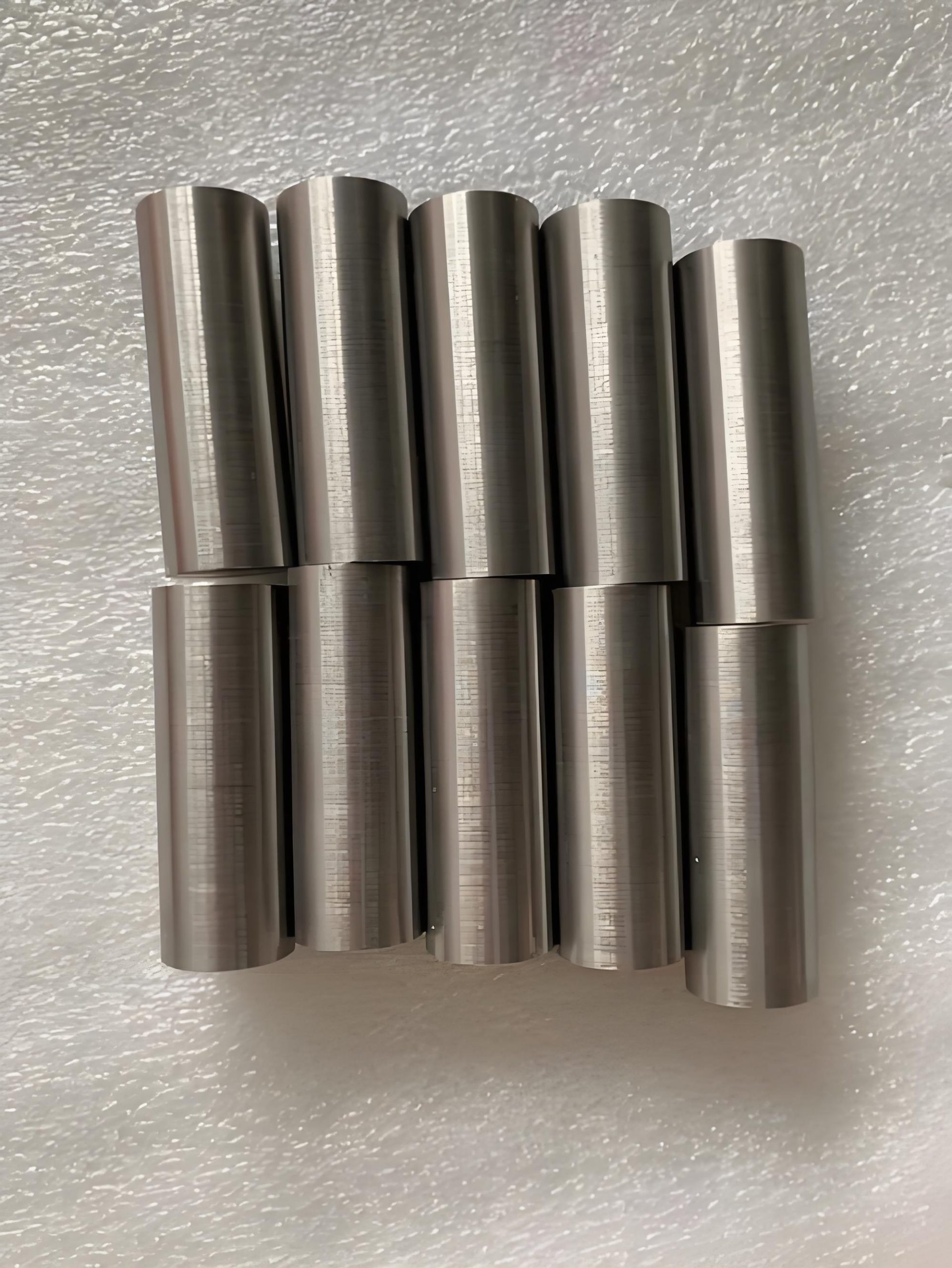
A supplier should clearly state whether it is the original producer, a processor, a stockholder, or a trading company. There is nothing inherently wrong with any supply route, but the role should be transparent. For special sizes, ask whether the bar will be hot rolled, forged, cold drawn, peeled, or ground, and whether the facility controls heat treatment and final inspection.
When comparing quotations, place every offer on the same technical basis. Check alloy designation, standard, bar condition, tolerance, test scope, certificate type, unit weight basis, packing, delivery term, and lead time. A lower quote that excludes heat treatment, UT, third-party inspection, special packing, or machining allowance may not be less expensive after the scope is aligned.
For project orders, confirm whether the promised lead time starts from order date, receipt of deposit, technical approval, raw-material availability, or completion of third-party inspection. This small detail prevents confusion when production slots are limited or the customer requires special documentation.
What is Hastelloy C-4 bar used for?
Hastelloy C-4 bar is used to manufacture corrosion-resistant parts for chemical processing, acid handling, pollution-control equipment, pumps, valves, reactors, heat-exchanger components, fasteners, shafts, instrumentation parts, and process equipment exposed to aggressive chemicals or chloride-containing media. The final application should be reviewed against the actual fluid composition, temperature, pressure, concentration, and corrosion mechanism.
What standard is Hastelloy C-4 round bar supplied to?
Hastelloy C-4 round bar is commonly supplied to ASTM B574 or ASME SB574, with UNS N06455 stated on the purchase order. The required standard, revision, dimensions, tolerance, delivery condition, testing, and certificate type should be confirmed before production, because these details determine whether the supplied bar is suitable for the intended application.
Why is Hastelloy C-4 bar more expensive than stainless steel?
Hastelloy C-4 contains a high percentage of nickel together with significant molybdenum and chromium content, and it requires controlled melting, hot working, heat treatment, and inspection. These alloying elements and production steps cost more than standard stainless-steel manufacturing. Its higher purchase price is often justified where corrosion failure, downtime, contamination, or replacement cost would be much more expensive than selecting a suitable nickel alloy at the beginning.
More from this category
Incoloy 825 bar price depends on the nickel-based alloy composition, bar dimensions, manufacturing route, heat-treatment condition, surface finish, in...
Incoloy 800HT bar price is shaped by nickel, chromium, titanium, and aluminum raw-material costs, together with bar dimensions, heat-treatment conditi...
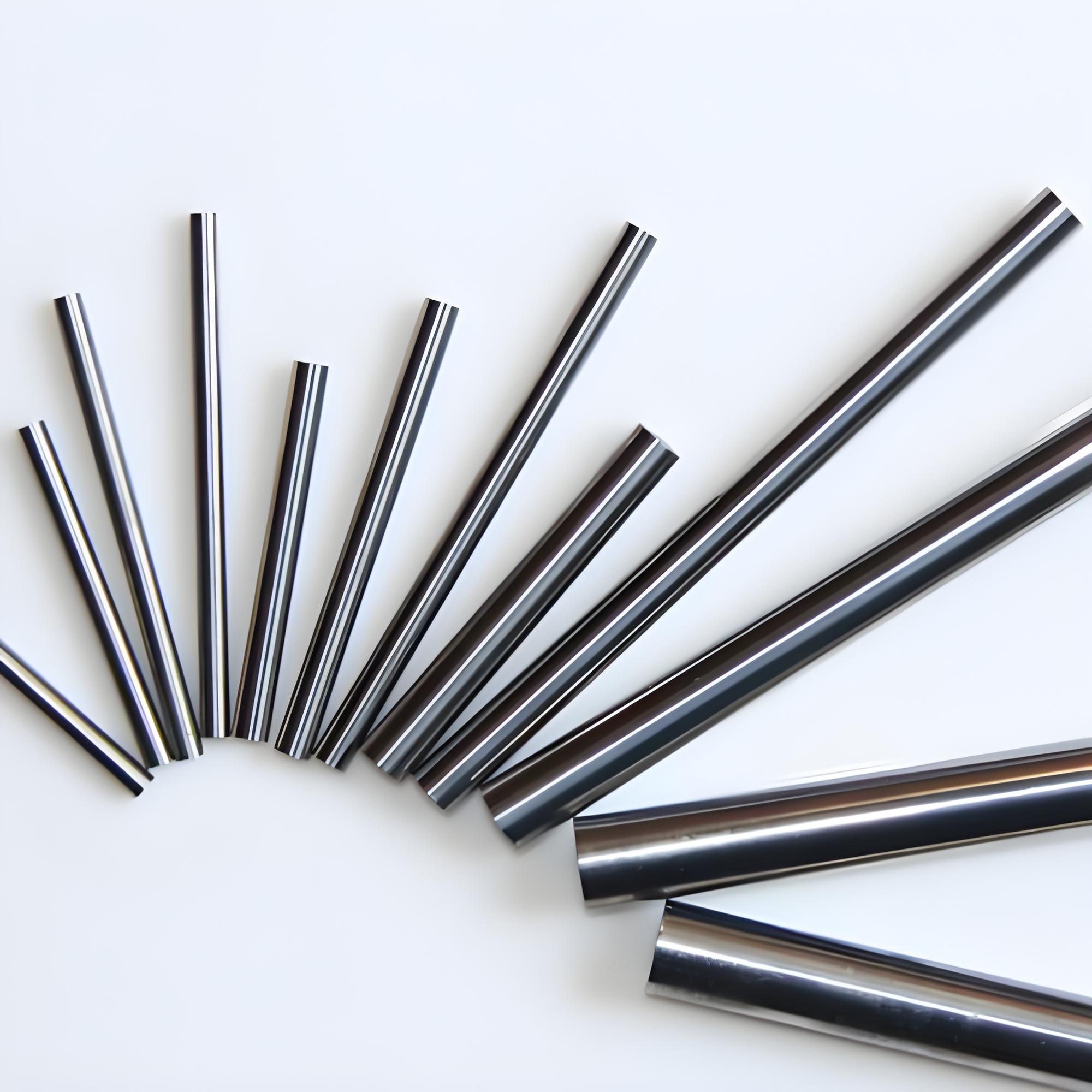
Incoloy 20 round bar price per kg depends on the alloy composition, bar size, manufacturing method, surface finish, tolerance, certificates, inspectio...
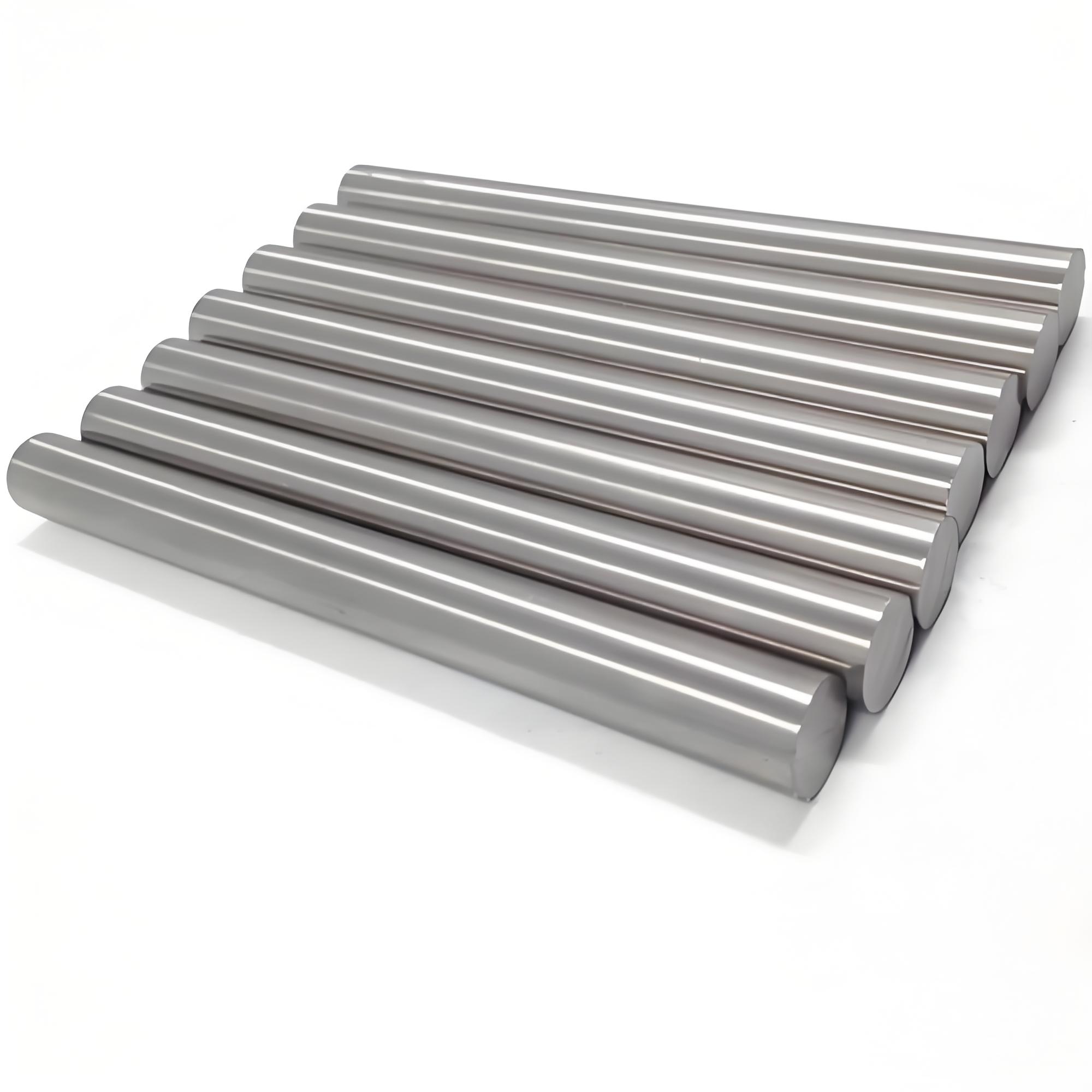
Hastelloy G-30 N06030 bar factory price is determined by the alloy’s high nickel, chromium, iron, molybdenum, copper, and tungsten content, together...
 English English
  Korean
 Arabic
 Spanish
 German
 Portuguese
 French
 Russian
 Italian
 Vietnamese