
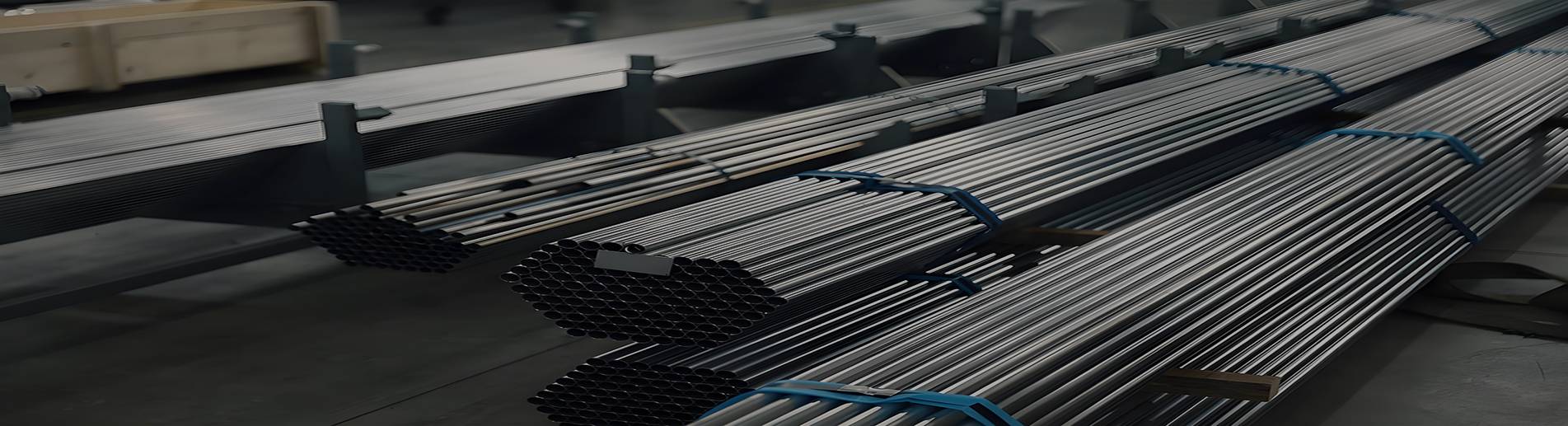
Inconel 617 alloy round bar price per kilogram
Inconel 617 alloy round bar price per kilogram is commonly about USD 45 to 90 per kg for standard industrial stock sizes. Large forged bars, small pre...
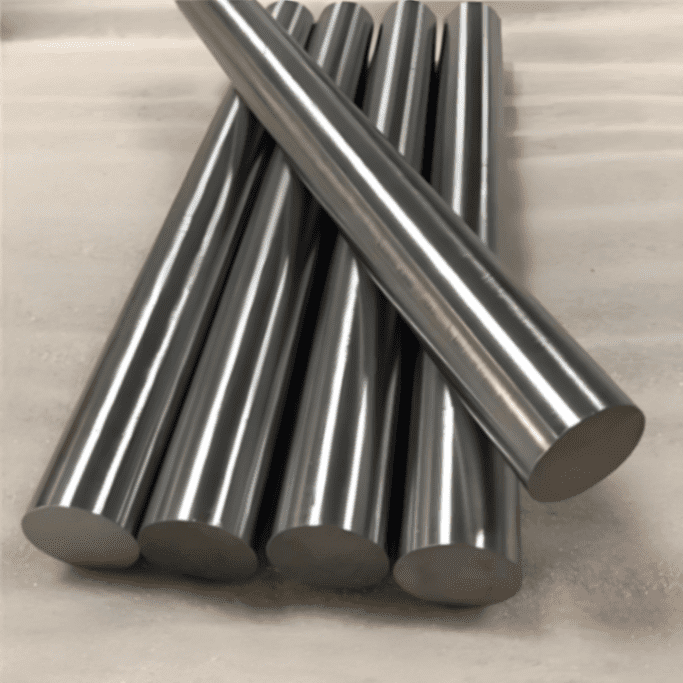
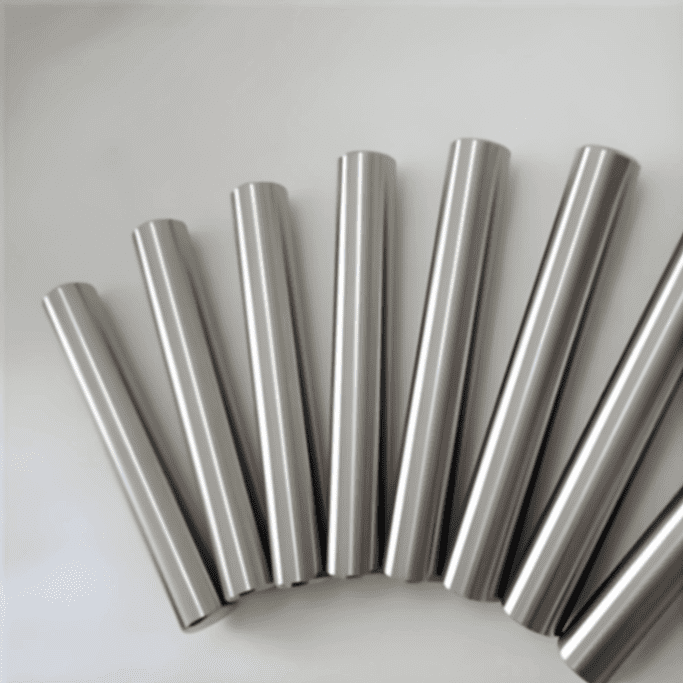
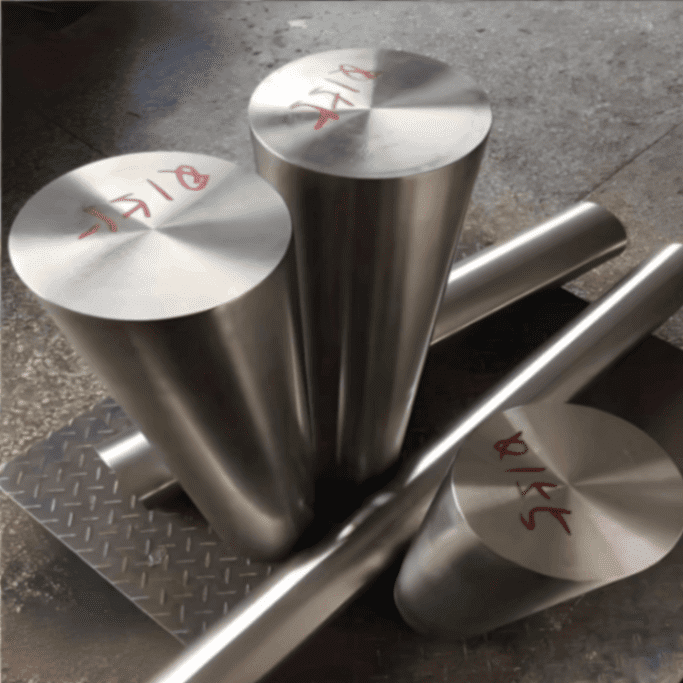
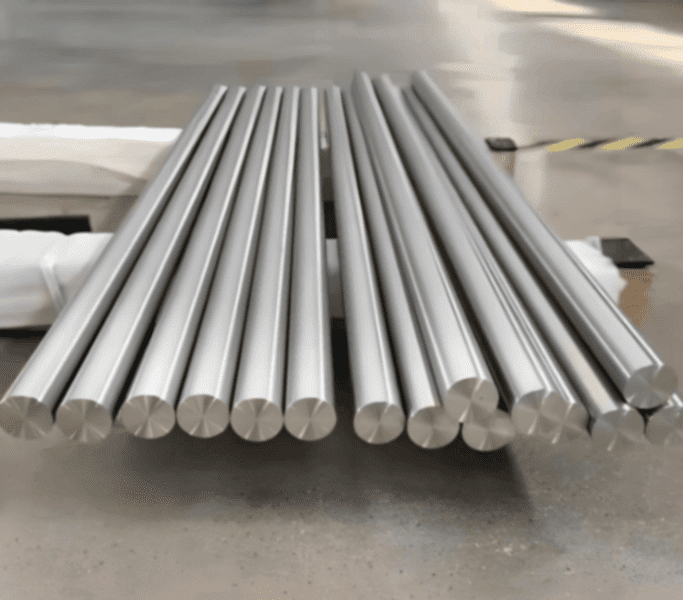
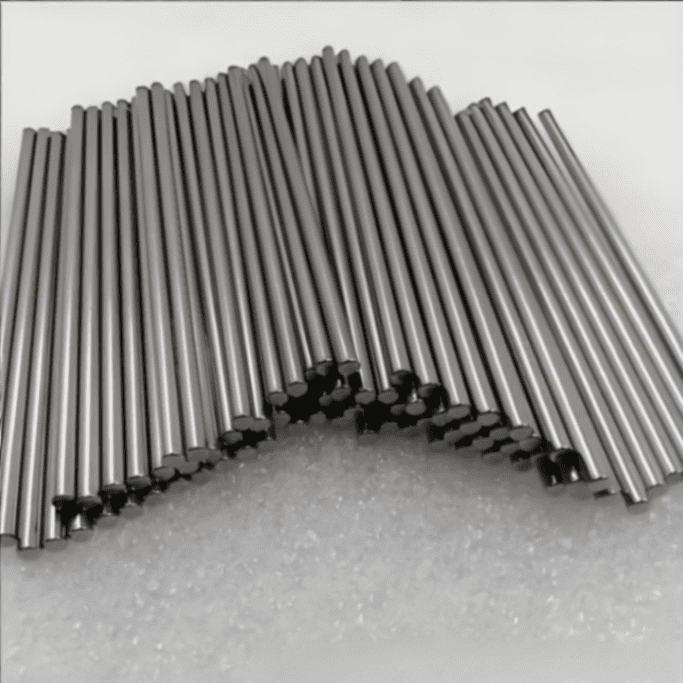
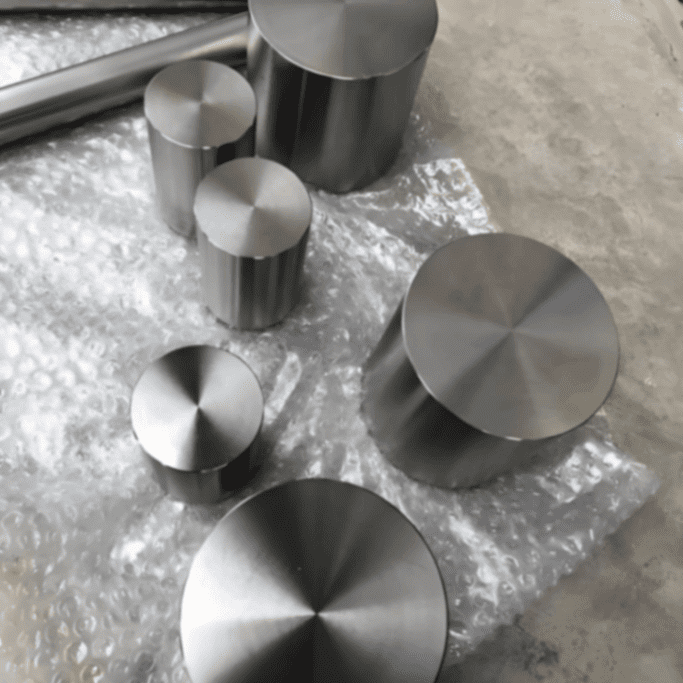
Inconel 625 alloy rod, a nickel-chromium-molybdenum superalloy, is renowned for its exceptional strength, outstanding corrosion resistance, and high-temperature performance. For procurement specialists and engineers, understanding the cost dynamics of this material is crucial for budgeting and project planning. The price of Inconel 625 rods is not static; it fluctuates based on a complex interplay of factors including raw material costs (nickel, chromium, molybdenum), manufacturing processes, and global market demand. This article provides a detailed breakdown of the factors influencing the price per kilogram, with a focus on dimensional specifications and reference pricing to aid in your purchasing decisions. We will explore how different forms, sizes, and quantities impact the final cost, always keeping in mind the quality standards upheld by leading suppliers like Shanghai NC Metal Materials Co., Ltd.
The foundation of Inconel 625’s price lies in its chemical composition. The alloy’s high nickel content, combined with significant amounts of chromium and molybdenum, makes it inherently expensive. These elements provide the alloy’s signature resistance to pitting, crevice corrosion, and oxidation, but their market prices are volatile. Fluctuations on the London Metal Exchange (LME), particularly for nickel, directly impact the raw material surcharges applied by manufacturers. When you inquire about the price per kilogram, a significant portion of that cost is tied to these global commodity prices, which can change weekly.
The physical dimensions of the rod are a primary factor in its price. Inconel 625 rods are typically available in various forms, such as round bars, flat bars, and square bars, with round bars being the most common. The diameter and length significantly influence the manufacturing complexity and, consequently, the cost per kilogram. Smaller diameters often require more precise drawing processes, while very large diameters might involve heavier forging, both potentially adding to the cost.
| Rod Diameter (mm) | Typical Length (mm) | Manufacturing Process | Reference Price (USD/kg) |
|---|---|---|---|
| 5.0 – 20.0 | 1000 – 4000 | Cold Drawing / Centerless Grinding | $55 – $70 |
| 20.1 – 50.0 | 1000 – 6000 | Hot Rolled / Forged & Machined | $50 – $65 |
| 50.1 – 100.0 | 1000 – 6000 | Hot Forged & Rough Turned | $48 – $62 |
| 100.1 – 250.0 | 500 – 4000 | Open Die Forged & Peeled | $52 – $68 |
Note: The prices above are estimates and can vary based on order volume and market conditions. Suppliers like Shanghai NC Metal Materials Co., Ltd. can provide precise quotations based on specific diameter and length requirements.
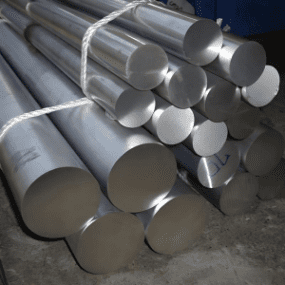
The surface finish and dimensional tolerances required for the rod also play a crucial role in pricing. A standard hot-rolled finish will be less expensive than a precision-ground or centerless ground finish, which requires additional machining steps. Tighter tolerances, often necessary for aerospace or medical applications, demand more careful quality control and processing, thereby increasing the cost per kilogram. For instance, a rod specified with a h9 tolerance will command a higher price than one with a h11 tolerance.
| Surface Condition | Typical Application | Dimensional Tolerance | Price Premium vs. Black Finish |
|---|---|---|---|
| Black (Hot Rolled) | General fabrication, further machining | ISO h11 / h12 | Baseline (0%) |
| Peeled / Rough Turned | Removes scale, for machining stock | ISO h10 / h11 | +5% to +10% |
| Centerless Ground | Shafts, precision components, valve stems | ISO h7 / h8 / h9 | +15% to +25% |
| Polished | Marine shafts, food processing, aesthetic parts | ISO h8 / h9 | +20% to +30% |
Volume is a powerful lever in negotiating the price of Inconel 625 rods. Purchasing in bulk typically results in a lower per-kilogram price due to economies of scale in manufacturing, handling, and logistics. Small quantity purchases, such as single rods for prototype work, will incur a higher unit cost due to processing fees and minimum order quantity (MOQ) considerations. It is common for distributors to have tiered pricing based on total order weight. Shanghai NC Metal Materials Co., Ltd., for example, structures its pricing to be competitive for both small-batch sampling and large-scale production runs.
| Order Quantity (kg) | Typical Buyer Profile | Estimated Price Adjustment |
|---|---|---|
| < 50 kg | R&D labs, prototype shops, small repair jobs | Premium (+15% to +25% on base) |
| 50 – 500 kg | Small to medium manufacturers, maintenance depots | Standard Base Price |
| 500 – 2000 kg | Large OEMs, contract manufacturers | Discount (-5% to -10% on base) |
| > 2000 kg | Large-scale industrial projects, stockists | Volume Discount (-12% to -18% on base) |
Compliance with international standards and the provision of material certifications also affect the price. Standard commercial-grade rods meeting ASTM B446 are generally more affordable than those requiring additional certifications like NACE MR0175 for sour service in oil and gas, or specific AMS specifications for aerospace. The cost of third-party testing, documentation, and traceability for these specialized requirements is factored into the final price per kilogram. A supplier like Shanghai NC Metal Materials Co., Ltd. typically offers a range of certified materials to meet diverse industry needs.
| Specification / Standard | Industry | Key Requirement | Impact on Price |
|---|---|---|---|
| ASTM B446 (Standard) | General Engineering | Chemistry, Tensile properties | Baseline |
| AMS 5666 | Aerospace | Tighter controls, traceability | +10% to +15% |
| NACE MR0175/ISO 15156 | Oil & Gas (Sour Service) | Sulfide stress cracking resistance testing | +5% to +12% |
| With EN 10204 3.1 Certificate | Pressure Equipment, EU | Inspection certificate by manufacturer | +2% to +5% |
The price of Inconel 625 is highly sensitive to the nickel market. Nickel is a major component of the alloy and its price on the LME is subject to daily changes. Most long-term contracts and large quotations from mills include a raw material surcharge mechanism. This means the final invoice price might be adjusted based on the average nickel price during the production or delivery period. When discussing prices with a supplier like Shanghai NC Metal Materials Co., Ltd., it is important to clarify whether the quoted price is fixed or subject to surcharge adjustments, especially for large orders with extended lead times.
To provide a final practical overview, here is a summary table of reference prices for common Inconel 625 rod forms. These are broad estimates to give a general idea of the cost spectrum.
| Product Form | Typical Size Range (mm) | Reference Price Range (USD/kg) |
|---|---|---|
| Round Bar (Cold Finished) | 5 – 50 | $52 – $72 |
| Round Bar (Hot Rolled/Forged) | 50 – 250 | $48 – $65 |
| Flat Bar | Thickness 3-50, Width 10-200 | $55 – $75 |
| Precision Ground Bar | 5 – 100 | $65 – $85 |
What is the typical price range for Inconel 625 rods?
The price for Inconel 625 alloy rods can vary widely, but a general reference range is between $48 and $85 per kilogram. This broad range is influenced by the factors detailed above, such as diameter, surface finish, quantity, and required certifications. For instance, a large order of standard hot-rolled bars will be at the lower end, while small quantities of precision-ground bars with aerospace certification will be at the higher end.
Why is Inconel 625 so expensive?
The high cost of Inconel 625 is primarily due to its complex chemical composition. It contains a high percentage of nickel, along with significant amounts of chromium and molybdenum, all of which are expensive alloying elements. The price of nickel, in particular, is volatile and directly impacts the raw material cost. Furthermore, the manufacturing process for this superalloy, including melting, forging, and heat treatment, is energy-intensive and requires specialized equipment, adding to the overall expense. Its exceptional properties, such as resistance to extreme temperatures and corrosion, justify its price for critical applications.
Does the diameter of the Inconel 625 rod affect its price per kg?
Yes, the diameter significantly affects the price per kilogram. As shown in the first table, smaller diameters (e.g., under 20mm) often require more processing steps like cold drawing or centerless grinding to achieve the final size and surface finish, which can increase the cost. Very large diameters (e.g., over 100mm) might require heavy open-die forging, which can also command a premium due to the specialized equipment and lower processing speeds. Mid-range diameters produced by standard hot rolling or forging are typically the most cost-effective in terms of price per kilogram.
More from this category
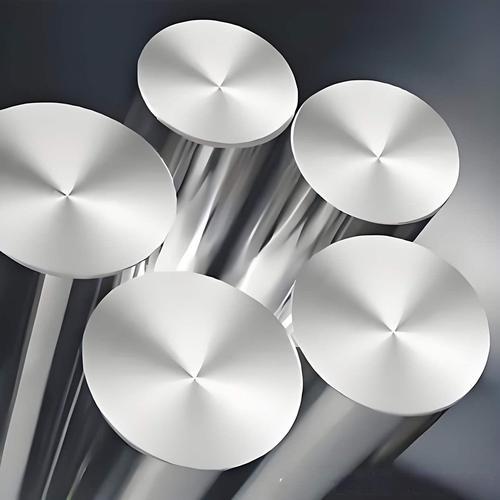
Inconel 617 alloy round bar price per kilogram is commonly about USD 45 to 90 per kg for standard industrial stock sizes. Large forged bars, small pre...
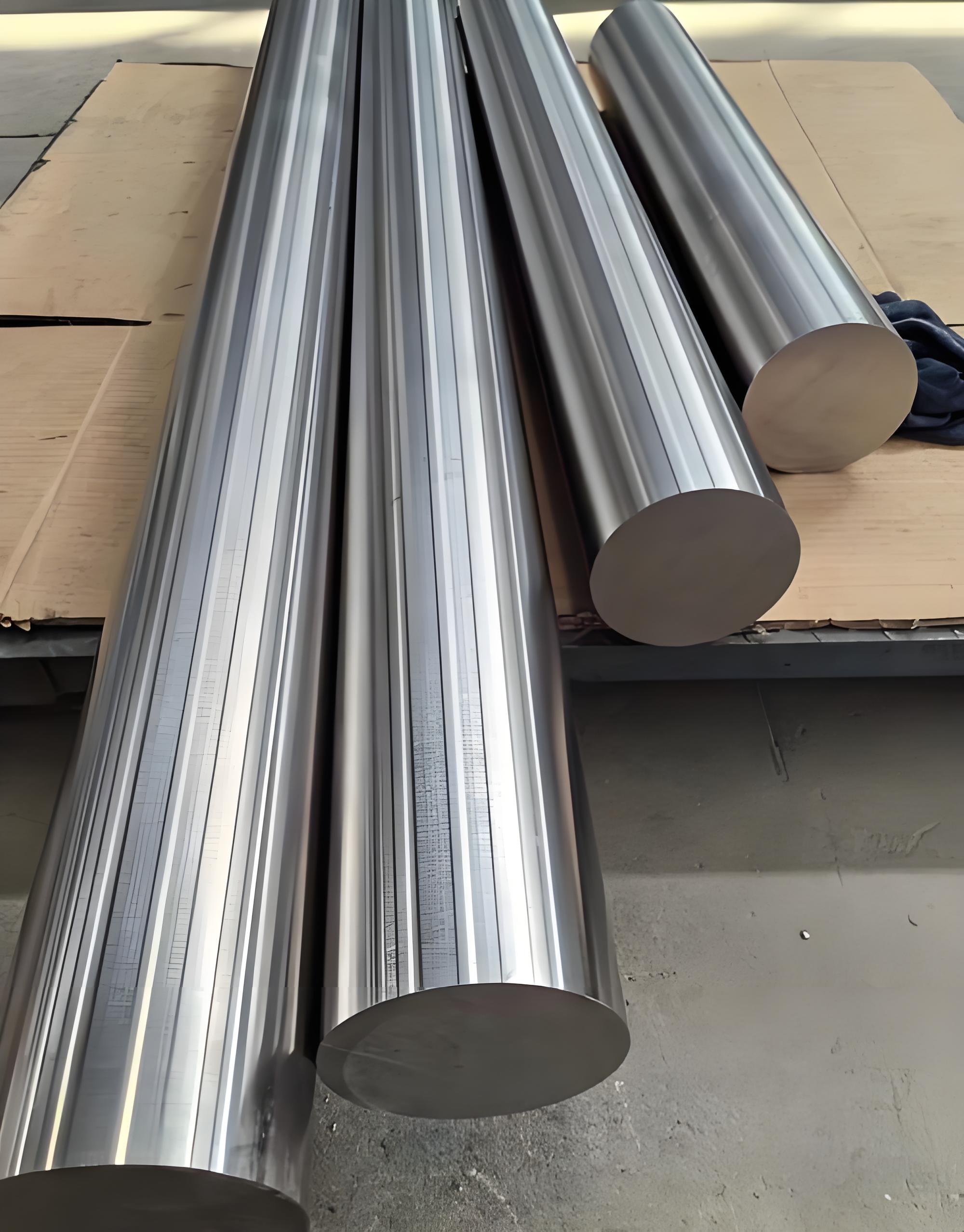
The latest Inconel 625 alloy bar price per kg depends on nickel, molybdenum, niobium, and chromium raw material costs, as well as bar diameter, manufa...
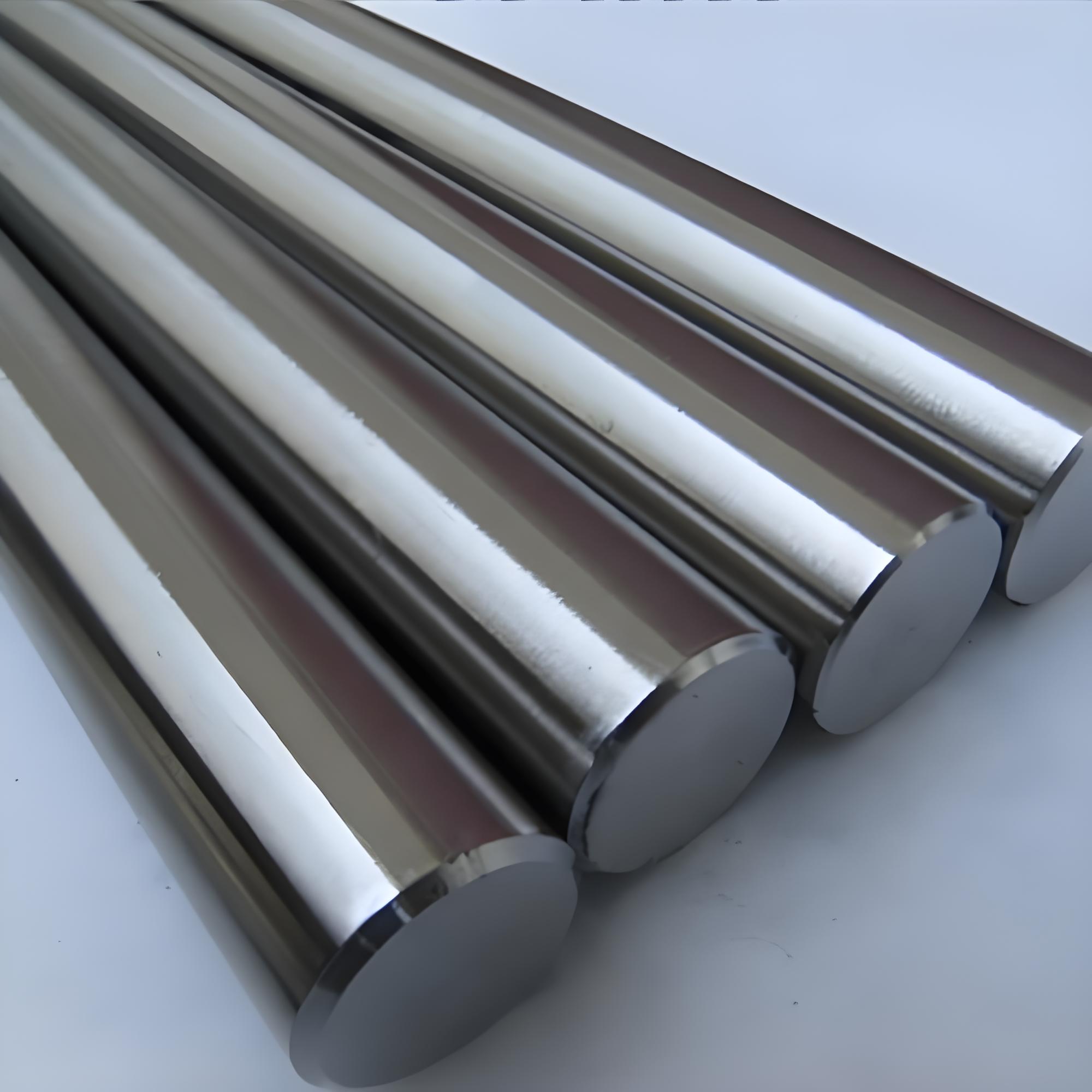
Inconel X-750 alloy bar price depends on nickel raw material cost, bar diameter, product condition, heat treatment, specification, surface finish, dim...
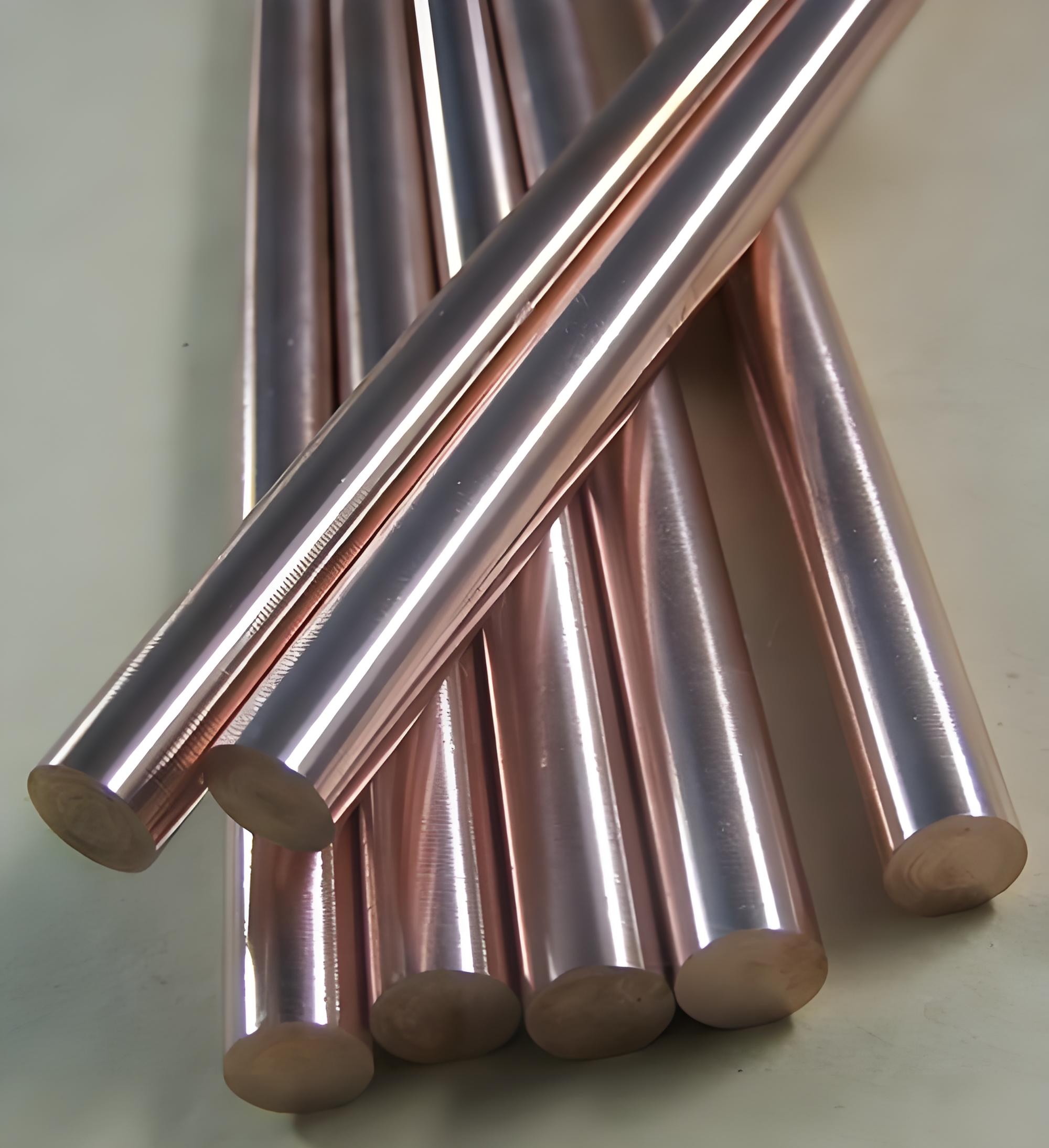
Inconel 602CA alloy bar price per kg is usually higher than common Inconel 600 and Inconel 601 bars because Alloy 602CA is a premium high-temperature ...
 English English
  Korean
 Arabic
 Spanish
 German
 Portuguese
 French
 Russian
 Italian
 Vietnamese