
Latest Inconel 625 Alloy Bar Price List per Kg
The latest Inconel 625 alloy bar price per kg depends on nickel, molybdenum, niobium, and chromium raw material costs, as well as bar diameter, manufa...
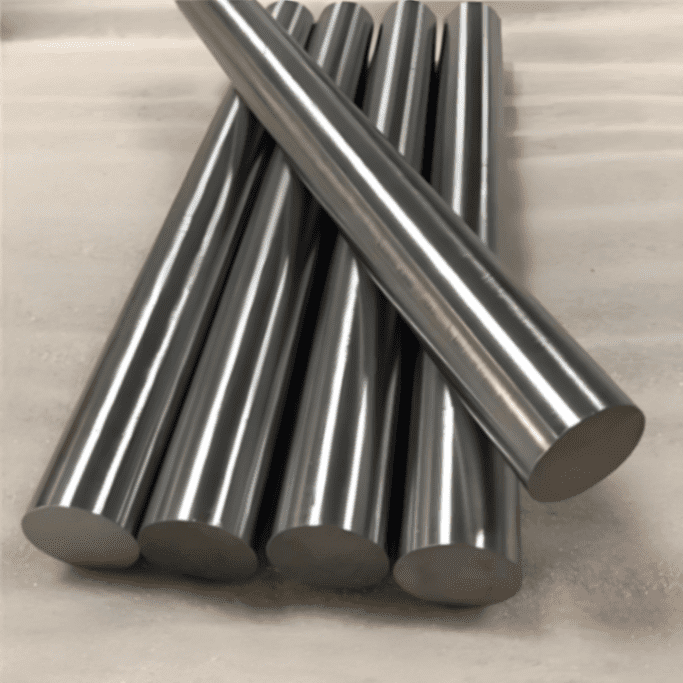
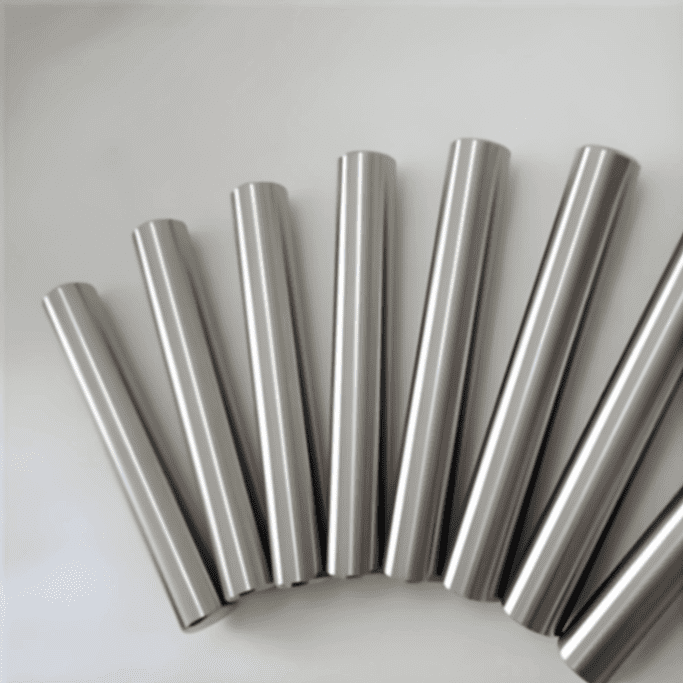
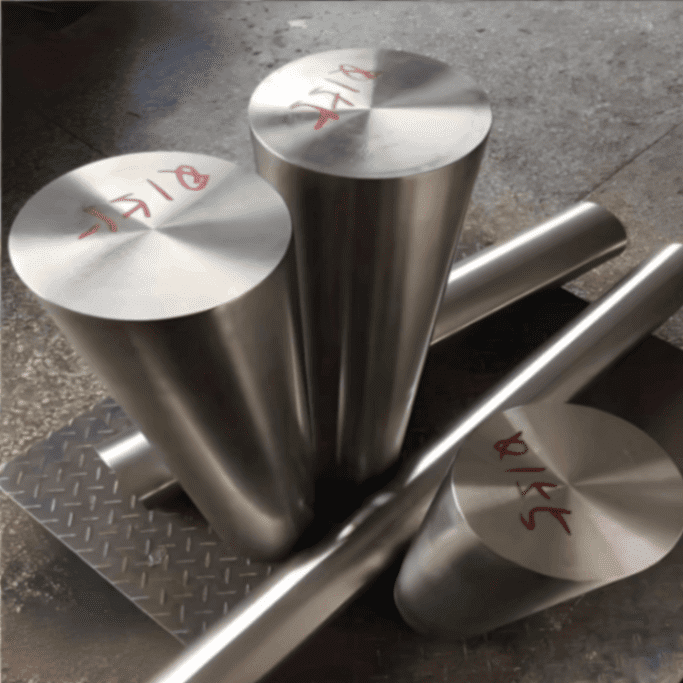
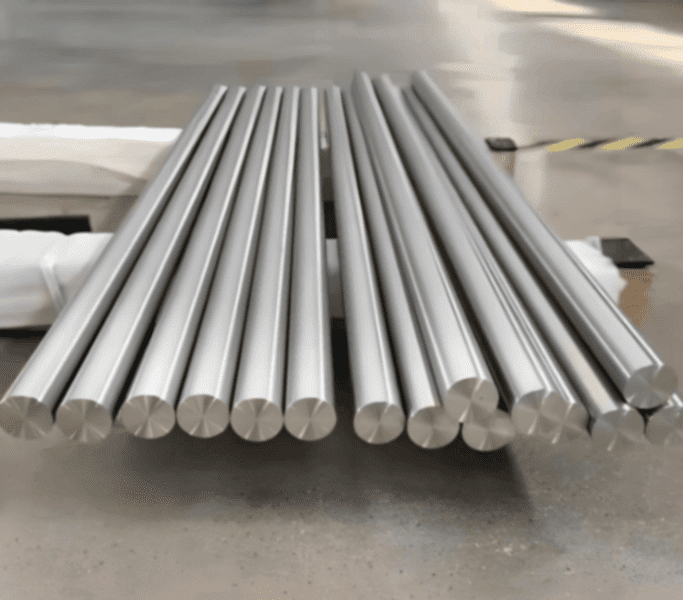
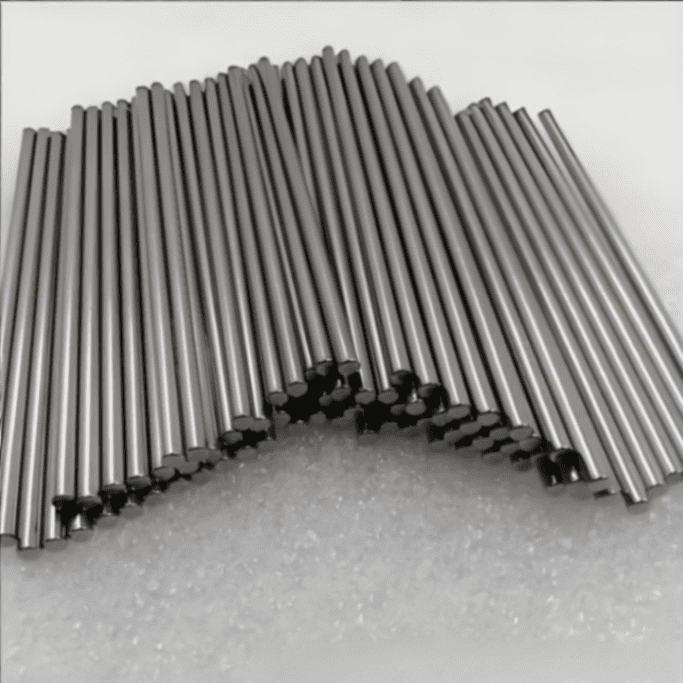
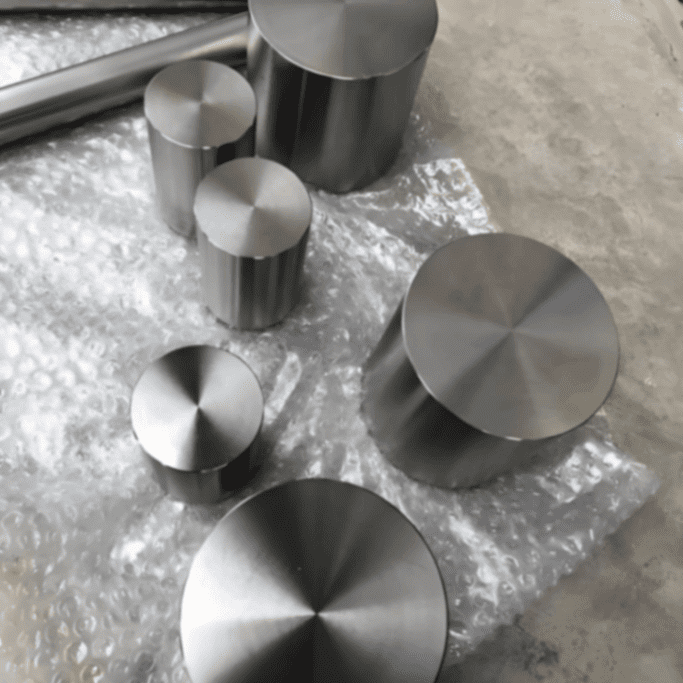
Inconel 617 alloy round bar price per kilogram is commonly about USD 45 to 90 per kg for standard industrial stock sizes. Large forged bars, small precision rods, tight-tolerance ground bars, special inspection orders, and custom production may cost approximately USD 65 to 145 per kg or more. Inconel 617, also known as Alloy 617 and UNS N06617, is a nickel-chromium-cobalt-molybdenum alloy developed for high-temperature strength, oxidation resistance, carburization resistance, creep performance, and long-term metallurgical stability. Its relatively high cobalt, nickel, chromium, and molybdenum contents make it more expensive than many conventional nickel alloy bars. The final Inconel 617 round bar price depends on diameter, length, quantity, specification, solution-annealed condition, surface finish, dimensional tolerance, cutting, machining, testing, stock availability, lead time, and delivery destination.
Inconel 617 round bar is a specialized high-temperature alloy product used for machining furnace parts, gas turbine components, combustion hardware, heat-treatment fixtures, petrochemical equipment, high-temperature fasteners, valve parts, shafts, supports, and power-generation components. It is not normally selected as a low-cost general corrosion-resistant bar. Its commercial value comes from its ability to retain useful strength and resist oxidation and carburization under prolonged high-temperature exposure.
The price per kilogram includes much more than the cost of nickel. Alloy production may involve controlled melting, billet preparation, forging or rolling, solution annealing, straightening, peeling, grinding, mechanical testing, ultrasonic inspection, certification, stock financing, cutting, packing, and international logistics.
Inconel 617 is also less commonly stocked than Inconel 600 or Inconel 625. A standard diameter available from existing inventory may therefore be priced much lower than a non-standard diameter requiring new mill production.
| Inconel 617 Round Bar Type | Reference Price per Kilogram | Typical Purchasing Situation |
|---|---|---|
| Standard hot-rolled round bar | USD 45–75/kg | Common industrial machining blank with standard mill tolerance |
| Solution-annealed and peeled bar | USD 50–90/kg | Cleaner surface and confirmed high-temperature delivery condition |
| Forged round bar | USD 55–105/kg | Large diameters, heavy sections, and custom machining blanks |
| Cold-drawn small-diameter bar | USD 65–115/kg | Small rods requiring better tolerance and surface condition |
| Precision-ground round bar | USD 75–145/kg | Close-tolerance shafts, rods, pins, and precision components |
| Specially tested or project-certified bar | Project quotation | UT, elevated-temperature testing, third-party inspection, or special traceability |
These prices are budgetary material references. They do not automatically include freight, insurance, import duties, taxes, anti-dumping duties, destination charges, or customer-specific third-party inspection.
The direct answer is that Inconel 617 round bar commonly costs approximately USD 45 to 90 per kg for standard industrial orders. Medium-diameter stock bars in a solution-annealed or hot-finished condition are normally within this range.
Prices can increase to approximately USD 65 to 145 per kg when the order involves a large forged diameter, a very small cold-drawn rod, precision grinding, tight straightness, small purchase quantity, special heat treatment, ultrasonic testing, elevated-temperature mechanical testing, or urgent production.
| Supply Description | Budgetary Price | Price Position |
|---|---|---|
| Stock bar, standard diameter | USD 45–80/kg | Usually the most economical supply option |
| Stock bar cut into fixed lengths | USD 48–88/kg | Includes saw cutting, kerf loss, marking, and repacking |
| Large custom-forged bar | USD 60–115/kg | Higher forging, heat-treatment, and inspection cost |
| Ground bar with tight diameter tolerance | USD 75–145/kg | Includes peeling, straightening, grinding, and dimensional inspection |
| Small sample or prototype quantity | Supplier-specific premium | Minimum processing and documentation charges raise the unit price |
An online price may apply only to one diameter, one surface condition, one origin, or one minimum quantity. It may exclude heat treatment, certificates, cutting, inspection, and freight. Some advertised prices also refer to old stock, offcuts, or material without the project-specific specification required by the buyer.
For a meaningful comparison, buyers should confirm whether each quotation covers the same UNS grade, standard, diameter, length, condition, surface finish, testing scope, certificate type, packing, and delivery term.
Inconel 617 is generally identified as UNS N06617. Its common European material number is W.Nr. 2.4663, while some older technical literature may show 2.4663a. It may also be described as Alloy 617, NiCr23Co12Mo, NiCr22Co12Mo9, or Nicrofer 5520 Co.
The UNS number should appear on the purchase order, quotation, material test certificate, bar marking, packing label, and inspection report. A generic description such as “Inconel round bar” is not sufficient because Inconel 600, 601, 617, 625, 718, and X-750 have different compositions and properties.
| Designation | Meaning | Purchasing Note |
|---|---|---|
| Inconel 617 | Common trademark-style material name | Frequently used in commercial RFQs and product descriptions |
| Alloy 617 | Generic alloy description | Commonly used by manufacturers and stockholders |
| UNS N06617 | Unified Numbering System designation | Most important international grade identifier |
| W.Nr. 2.4663 | European material number | Frequently shown on European drawings and certificates |
| NiCr23Co12Mo | Composition-based European designation | Highlights chromium, cobalt, and molybdenum content |
| Nicrofer 5520 Co | Alternative commercial designation | May appear in mill data sheets and older specifications |
| Specification | General Coverage | Buyer Consideration |
|---|---|---|
| ASTM B166 | Nickel-chromium alloy rod, bar, and wire | Common industrial specification for Alloy 617 round bar |
| ASME SB166 | ASME-adopted rod, bar, and wire specification | Frequently required for pressure or code-related projects |
| AMS 5887 | Aerospace material specification for Alloy 617 bar and related forms | May require stricter processing and traceability |
| DIN 17752 | Nickel and nickel alloy rod and bar | May appear on German or European purchase documents |
| VdTÜV 485 | High-temperature pressure-material approval reference | Relevant to selected European pressure applications |
Inconel 617 is a nickel-chromium-cobalt-molybdenum alloy with aluminum and controlled carbon additions. Nickel provides the stable austenitic base. Chromium and aluminum provide high-temperature oxidation resistance. Cobalt and molybdenum provide solid-solution strengthening. Controlled carbon contributes carbide strengthening and supports creep performance.
| Element | Specified Range or Limit | Main Function |
|---|---|---|
| Nickel | 44.5% minimum | Provides the nickel-base matrix, ductility, corrosion resistance, and thermal stability |
| Chromium | 20.0–24.0% | Improves oxidation resistance and high-temperature corrosion resistance |
| Cobalt | 10.0–15.0% | Supports solid-solution strength and long-term high-temperature stability |
| Molybdenum | 8.0–10.0% | Provides solid-solution strengthening and supports creep performance |
| Aluminum | 0.8–1.5% | Works with chromium to improve protective oxide-scale formation |
| Carbon | 0.05–0.15% | Supports carbide formation and high-temperature creep strength |
| Iron | 3.0% maximum | Controlled constituent of the alloy balance |
| Manganese | 1.0% maximum | Controlled minor element |
| Silicon | 1.0% maximum | Controlled residual and processing-related element |
| Titanium | 0.6% maximum | Controlled minor element |
| Copper | 0.5% maximum | Controlled residual element |
| Sulfur | 0.015% maximum | Kept low to support hot workability and material quality |
| Boron | 0.006% maximum | Controlled trace element affecting grain-boundary behavior |
The supplier should provide an MTC showing the actual chemical analysis of the supplied heat. The values should comply with the requested ASTM, ASME, AMS, or project specification. Heat-number identity should be maintained after a full bar is cut into smaller pieces.
Nickel, chromium, cobalt, and molybdenum account for most of the raw material value of Inconel 617. Cobalt is one of the most important reasons the alloy normally costs more than Inconel 600 and often more than Inconel 625.
Nickel forms the principal alloy base. Changes in global nickel prices affect new mill production, alloy surcharges, supplier replacement costs, and quotation validity. However, finished round bar costs substantially more than raw nickel because of alloying, melting, conversion, heat treatment, testing, and inventory costs.
Chromium represents approximately 20% to 24% of the alloy. It supports oxidation resistance and resistance to hot corrosive atmospheres. Although chromium is normally less expensive than cobalt or molybdenum, its high percentage gives it a meaningful influence on total alloy cost.
Inconel 617 contains approximately 10% to 15% cobalt. Cobalt is a relatively high-cost and price-sensitive raw material. This significant cobalt addition differentiates Alloy 617 from Inconel 600 and Inconel 625 and is a major reason for its higher selling price.
Molybdenum content is approximately 8% to 10%. Molybdenum contributes solid-solution strengthening and high-temperature creep performance. Its market price and conversion cost can materially affect Alloy 617 mill surcharges.
| Element | Typical Content | Relative Price Influence | Main Performance Contribution |
|---|---|---|---|
| Nickel | 44.5% minimum | Very high | Base matrix, thermal stability, ductility, and corrosion resistance |
| Chromium | 20–24% | Medium to high | Oxidation and high-temperature corrosion resistance |
| Cobalt | 10–15% | Very high | Solid-solution strength and high-temperature stability |
| Molybdenum | 8–10% | High | Solid-solution strengthening and creep performance |
Diameter has a strong influence on Inconel 617 round bar price. Medium stock diameters usually offer the most economical price per kilogram. Small rods may require cold drawing or precision grinding. Large bars often require custom forging, solution treatment, rough turning, ultrasonic inspection, and special handling.
| Diameter Range | Reference Price per Kilogram | Typical Supply Route |
|---|---|---|
| 3–10 mm | USD 80–145/kg | Cold drawn, straightened, polished, or precision ground |
| 12–20 mm | USD 65–120/kg | Cold drawn, peeled, ground, or small hot-finished bar |
| 22–80 mm | USD 45–88/kg | Common hot-rolled, forged, or peeled stock bar |
| 85–150 mm | USD 52–100/kg | Hot-rolled or forged bar with solution treatment |
| 160–250 mm | USD 60–120/kg | Custom-forged, rough-turned, and frequently UT-tested bar |
| Above 250 mm | Custom quotation | Project-specific forging, heat treatment, machining, and inspection |
Even when two diameters have a similar price per kilogram, the larger bar has a much higher total order value. Round bar weight increases with the square of its diameter. Buyers should therefore evaluate both the quoted price per kg and the calculated total weight.
| Diameter | Approximate Weight per Meter | Commercial Effect |
|---|---|---|
| 20 mm | About 2.6 kg/m | Low total weight, but small-size processing may increase unit price |
| 50 mm | About 16.4 kg/m | Common machining size with relatively stable price |
| 100 mm | About 65.7 kg/m | High total order value and heavier cutting requirements |
| 200 mm | About 263 kg/m | Usually forged and may require special lifting, UT, and packing |
The weights above are approximate and based on a nominal density of about 8.36 to 8.4 g/cm³. Actual invoiced weight should be calculated from the supplied dimensions or verified by weighing.
A smaller bar does not necessarily have a lower price per kilogram. A small precision rod may cost more per kg than a 50 mm stock bar because more processing is required for every kilogram of finished material.
Small Inconel 617 rods may require multiple drawing passes, intermediate annealing, descaling, straightening, polishing, grinding, and frequent dimensional inspection. Production yield can also be lower when strict surface and straightness requirements are applied.
| Small-Bar Cost Factor | Effect on Price |
|---|---|
| Cold-drawing passes | Add equipment time, tooling, lubrication, and process control |
| Intermediate annealing | Add furnace time and handling between reductions |
| Straightness control | Requires additional straightening and inspection |
| Precision grinding | Adds finishing time and reduces material yield |
| Small order quantity | Spreads setup, testing, and documentation costs over fewer kilograms |
Large Inconel 617 bars normally require a forging route. Large ingots or billets must be reheated and forged with enough reduction to refine the structure. Subsequent solution annealing, slow handling, rough turning, UT, and mechanical testing add further cost.
| Large-Bar Cost Factor | Effect on Price |
|---|---|
| Large billet or ingot requirement | Raises raw material commitment and production MOQ |
| Multiple forging heats | Add furnace energy, press time, and labor |
| Long solution-treatment cycle | Requires substantial furnace capacity and controlled cooling |
| Rough turning | Removes scale and surface defects but reduces finished yield |
| Ultrasonic testing | Adds inspection cost and possible rejection risk |
The processing condition is one of the clearest price differences between Inconel 617 quotations. A black hot-rolled bar is generally the least expensive. A precision-ground bar with tight straightness and diameter tolerance is generally the most expensive.
Hot-rolled bar is suitable for general machining blanks where significant surface material will be removed. It normally has standard mill tolerance, surface scale, and greater diameter variation than peeled or ground material.
The lower purchase price should be compared with the machining allowance required to remove surface scale and reach the finished dimension.
Forged bar is used for large diameters and heavily loaded high-temperature components. Its price depends on billet size, forging ratio, number of reheats, heat treatment, rough machining, UT acceptance, mechanical tests, and final dimensions.
Cold-drawn bar offers better dimensional control and surface quality for small diameters. Cold working can increase strength and hardness, but the final properties must still conform to the required specification and delivery condition.
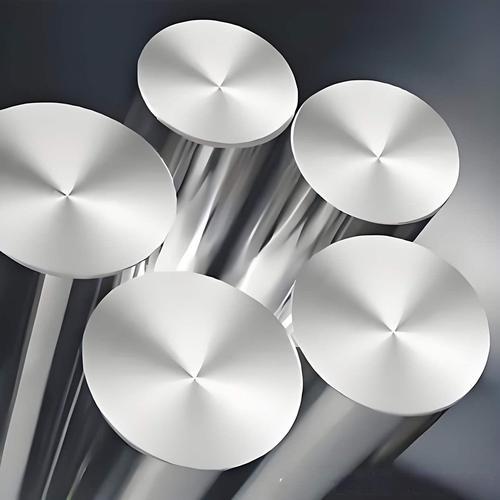
Precision grinding provides tight diameter tolerance, controlled roundness, improved straightness, and smooth surface finish. It is used for shafts, pins, valve components, rods, fastener blanks, and other close-tolerance parts.
| Bar Condition | Reference Price | Main Advantage | Main Cost Addition |
|---|---|---|---|
| Hot rolled | USD 45–75/kg | Economical general machining blank | Limited finishing and standard tolerance |
| Forged | USD 55–105/kg | Large diameters and heavy-section capability | Forging, reheating, heat treatment, and UT |
| Cold drawn | USD 65–115/kg | Improved diameter tolerance and surface | Drawing passes, annealing, and straightening |
| Peeled or rough turned | USD 50–90/kg | Cleaner surface and reduced machining allowance | Surface removal and dimensional control |
| Precision ground | USD 75–145/kg | Tight tolerance and smooth surface finish | Grinding, inspection, straightening, and protective packing |
Inconel 617 is a solid-solution-strengthened and carbide-strengthened alloy. It is not a conventional age-hardenable alloy like Inconel 718 or Inconel X-750. Round bar is generally supplied in a solution-annealed condition when optimum high-temperature properties are required.
Solution annealing dissolves unwanted phases, establishes the required austenitic structure, and prepares the material for high-temperature service. The exact temperature and cooling method should follow the applicable mill procedure, material specification, and product size.
Large bars require longer furnace cycles than small bars because the complete section must reach the required temperature. Controlled furnace loading and cooling are important to limit distortion and obtain consistent properties.
Some fabricated or welded Alloy 617 components may require a stabilizing heat treatment before service within certain intermediate-temperature ranges. This requirement is related to the final component and welding procedure rather than every standard round bar order, but it can add substantial furnace and inspection cost when specified.
Customer drawings may request stress relief, post-weld heat treatment, or a specific thermal cycle. A non-standard cycle should be reviewed carefully because it may change carbide distribution, grain-boundary behavior, mechanical properties, and dimensional stability.
| Heat Treatment Requirement | Purpose | Typical Price Effect |
|---|---|---|
| Standard solution annealing | Provides the normal high-temperature delivery condition | Normally included in compliant mill production |
| Re-solution treatment after processing | Restores the required structure after significant cold work or fabrication | Adds furnace, handling, and testing cost |
| Stabilizing treatment | Reduces specific cracking risks in selected welded applications | Medium to high, depending on component size and furnace time |
| Customer-specific thermal cycle | Meets project or engineering requirements | Project-specific and may require qualification testing |
The MTC should identify the delivery condition or applicable heat-treatment requirement. If a buyer needs furnace charts, time-temperature records, hardness results, or post-treatment mechanical testing, these items should be stated before quotation.
Stock size is normally the most economical purchasing option. Inconel 617 is a specialized alloy, so stock availability may be limited to selected diameters and lengths. Choosing a slightly larger available diameter can be more economical than producing an exact custom size.
Stock material can reduce MOQ, production lead time, mill setup cost, and raw material price exposure. A stockholder may also sell one full bar or several cut pieces, while a mill may require a complete production batch.
Custom production may require a new melting or billet allocation, forging, rolling, heat treatment, rough turning, testing, and certification. The quantity required for production may be substantially larger than the buyer’s finished net weight because of end discard, scale removal, machining allowance, samples, and process losses.
| Comparison Item | Stock Size Bar | Custom Size Bar |
|---|---|---|
| Price per kg | Normally lower | Normally higher |
| MOQ | May allow one bar or cut pieces | May require a full forging or mill batch |
| Lead time | Short after document approval | Longer because of production and inspection |
| Dimension flexibility | Limited to inventory | Can be produced closer to the drawing size |
| Specification | Limited to the original stock certificate | Can be planned for a specific standard or project |
| Risk | Possible extra machining allowance | Higher commitment, longer schedule, and production risk |
A stock bar manufactured to ASTM B166 cannot automatically be certified to AMS 5887 after production. The original melting method, manufacturing route, heat treatment, test samples, acceptance results, and documentation must satisfy the requested specification.
Surface finish and dimensional requirements can change the final cost significantly. Buyers should not compare a black hot-rolled bar with a peeled or ground bar as if they were the same product.
Common surface conditions include hot-rolled black surface, descaled, pickled, peeled, rough turned, polished, and centerless ground. Each additional operation removes material and adds processing time.
Standard mill tolerance is the least expensive. Tight diameter tolerance may require turning, peeling, cold drawing, or grinding. The price normally rises as tolerance becomes tighter because processing time and rejection risk increase.
Long shafts may require a maximum straightness deviation per meter. Precision bars may also require roundness, ovality, and surface-roughness limits. These requirements should be stated numerically in the RFQ.
Saw cutting includes machine time, blade wear, kerf loss, end identification, length inspection, and repacking. Many short pieces normally have a higher unit cost than one full-length bar.
Inconel 617 has high strength, low thermal conductivity relative to many steels, and a tendency to work harden. Machining therefore requires rigid equipment, appropriate carbide tooling, stable feed, controlled cutting speed, and effective cooling.
| Requirement | Lower-Cost Option | Higher-Cost Option |
|---|---|---|
| Surface | Hot rolled or descaled | Peeled, polished, or precision ground |
| Diameter tolerance | Standard mill tolerance | h9, h8, h7, or customer-specific ground tolerance |
| Straightness | Standard commercial straightness | Precision straightness with inspection report |
| Length | Random or full mill length | Multiple fixed lengths with tight tolerance |
| Ends | Standard saw cut | Faced, chamfered, deburred, or machined ends |
| Machining | Raw bar supply | Rough turning, drilling, threading, or finished-part machining |
Order quantity and MOQ influence both the price per kilogram and the practical ability to purchase Inconel 617. A stock supplier may sell a short cut piece, but a producing mill may require a complete billet, forging batch, or minimum production quantity.
Larger regular orders generally have lower handling, cutting, inspection, and documentation costs per kilogram. However, if the required quantity exceeds available stock, part of the order may need new production at a different raw material cost.
MOQ depends on the product condition. A stock hot-rolled bar may be sold by the piece. A custom-forged 280 mm bar may require several hundred kilograms or more because of billet size, forging loss, testing, and end discard.
Ready stock offers the shortest lead time. New production requires material scheduling, forging or rolling, solution annealing, rough machining, inspection, certification, and transport. Urgent delivery may require priority processing or air freight.
Nickel, cobalt, molybdenum, and chromium prices affect the replacement value of Alloy 617. Suppliers may therefore limit quotation validity. A longer fixed-price period may include a risk premium, especially when cobalt or nickel prices are volatile.
| Commercial Factor | More Economical Situation | Higher-Cost Situation |
|---|---|---|
| Quantity | Full bars or regular batch orders | Samples, prototypes, or very small cut pieces |
| MOQ | Suitable inventory already exists | Custom mill or forging production is required |
| Lead time | Standard schedule and sea freight | Priority processing and air shipment |
| Raw material market | Stable nickel, cobalt, and molybdenum prices | Rapidly rising or volatile alloying-element prices |
| Price validity | Short validity based on existing stock | Long fixed validity requiring supplier risk coverage |
Inconel 617 round bar is normally more expensive than Inconel 600 and frequently more expensive than Inconel 625. The main reason is its substantial cobalt and molybdenum content, specialized high-temperature use, and lower stock availability.
| Alloy | Budgetary Round Bar Price | Main Cost Reason | Main Performance Direction |
|---|---|---|---|
| Inconel 600 | About USD 25–50/kg | Simpler Ni-Cr-Fe composition without major Co or Mo additions | General oxidation, heat, caustic, and corrosion resistance |
| Inconel 625 | About USD 30–65/kg | High nickel, chromium, molybdenum, and niobium contents | Marine, chloride, offshore, chemical, and corrosion-resistant service |
| Inconel 617 | About USD 45–90/kg | High nickel, chromium, cobalt, and molybdenum plus specialized supply | Very high-temperature creep, oxidation, carburization, and thermal stability |
Inconel 600 normally costs less because it does not contain major cobalt or molybdenum additions. It is suitable for many general heat-resistant and corrosion-resistant applications. However, it does not provide the same very high-temperature creep strength and long-term stability as Alloy 617.
Inconel 625 is often less expensive and more readily available. It is normally the stronger choice for seawater, chlorides, offshore, wet chemical processing, and pitting or crevice-corrosion resistance.
Inconel 617 justifies its higher cost when the dominant requirements are very high-temperature strength, creep resistance, oxidation resistance, carburization resistance, and prolonged thermal exposure.
Using Alloy 617 for a seawater shaft may add cost without providing the main performance benefit. Using Inconel 625 or 600 for a highly stressed component exposed near 1000°C may save initial material cost but increase the risk of creep deformation, oxidation damage, or early replacement.
An accurate quotation requires complete technical and commercial information. An inquiry stating only “Inconel 617 round bar price per kg” can receive only a broad budgetary range.
| RFQ Item | Example | Why It Matters |
|---|---|---|
| Grade | Inconel 617 / UNS N06617 / W.Nr. 2.4663 | Confirms the correct alloy |
| Specification | ASTM B166, ASME SB166, AMS 5887, or customer specification | Defines manufacturing, testing, and certification requirements |
| Diameter | 40 mm, 100 mm, or drawing dimensions | Determines stock availability and production route |
| Length | 3000 mm full bars or 250 mm cut blanks | Determines cutting, loss, packing, and freight |
| Quantity | Pieces, meters, kilograms, or full bars | Affects MOQ and price per kilogram |
| Delivery condition | Hot rolled, forged, solution annealed, peeled, or ground | Affects properties, machining allowance, and cost |
| Tolerance | Mill tolerance, h11, h9, or drawing tolerance | Determines finishing and inspection requirements |
| Testing | MTC, PMI, UT, tensile, hardness, or elevated-temperature test | Affects quality-control scope and price |
| Delivery term | EXW, FOB, CIF, DAP, or DDP | Clarifies which logistics and import costs are included |
A clear inquiry can be written as: Inconel 617 round bar, UNS N06617, ASTM B166, diameter 60 mm, length 3000 mm, quantity 600 kg, solution-annealed and peeled condition, with EN 10204 3.1 MTC and heat-number traceability. Please quote stock and new-production options separately, including price per kilogram, available quantity, cutting charge, lead time, packing, and FOB terms.
For high-temperature service, the buyer should provide operating temperature, applied stress, exposure duration, atmosphere, thermal cycling, and whether creep or stress-rupture data are required. A component operating continuously at 1000°C should not be specified in the same way as a part exposed intermittently to 700°C.
Large or critical bars may require ultrasonic testing, macrostructure testing, grain-size examination, room-temperature tensile testing, elevated-temperature tensile testing, creep testing, or third-party inspection. These requirements must be included before the supplier reserves stock or begins production.
How much is Inconel 617 round bar per kilogram?
Standard industrial Inconel 617 round bar commonly costs approximately USD 45 to 90 per kg. Large forged bars, small cold-drawn rods, precision-ground bars, tight-tolerance products, specially tested material, and small custom orders may cost approximately USD 65 to 145 per kg or more. The final price depends on diameter, length, quantity, specification, heat treatment, surface finish, tolerance, testing, stock availability, and delivery terms.
Why is Inconel 617 round bar more expensive than Inconel 625?
Inconel 617 contains approximately 10% to 15% cobalt in addition to high nickel, chromium, and molybdenum. Cobalt is an expensive alloying element, and Alloy 617 is produced and stocked in lower volumes than Inconel 625. Its specialized high-temperature forging, solution treatment, inspection, and certification requirements can further increase the price. Inconel 625 is generally more widely available and is focused more on marine and chemical corrosion resistance.
What information is needed to obtain an accurate Inconel 617 bar price?
The buyer should provide Inconel 617 / UNS N06617 grade identification, applicable ASTM, ASME, AMS, or customer specification, diameter, length, quantity, delivery condition, heat-treatment requirement, surface finish, tolerance, cutting requirement, inspection scope, certificate type, destination, and Incoterm. Without these details, a supplier can provide only a broad reference price per kilogram.
More from this category
The latest Inconel 625 alloy bar price per kg depends on nickel, molybdenum, niobium, and chromium raw material costs, as well as bar diameter, manufa...
Inconel X-750 alloy bar price depends on nickel raw material cost, bar diameter, product condition, heat treatment, specification, surface finish, dim...
Inconel 602CA alloy bar price per kg is usually higher than common Inconel 600 and Inconel 601 bars because Alloy 602CA is a premium high-temperature ...
Nickel 200 bar price depends mainly on nickel raw material cost, bar shape, diameter, length, tolerance, surface finish, delivery condition, stock ava...
 English English
  Korean
 Arabic
 Spanish
 German
 Portuguese
 French
 Russian
 Italian
 Vietnamese