
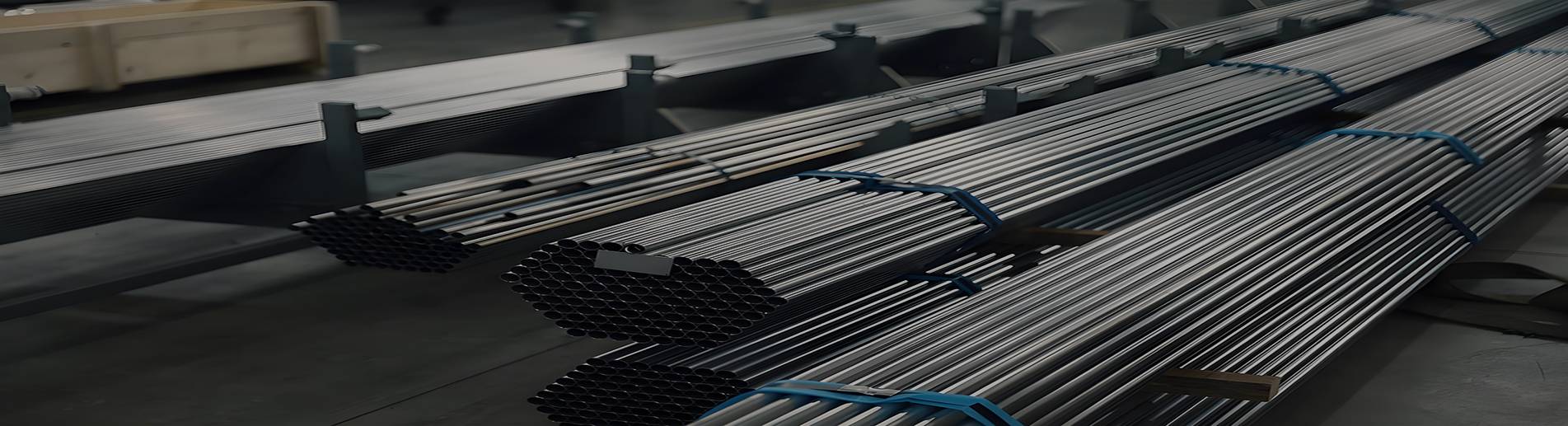
Latest Inconel 625 Alloy Bar Price List per Kg
The latest Inconel 625 alloy bar price per kg depends on nickel, molybdenum, niobium, and chromium raw material costs, as well as bar diameter, manufa...
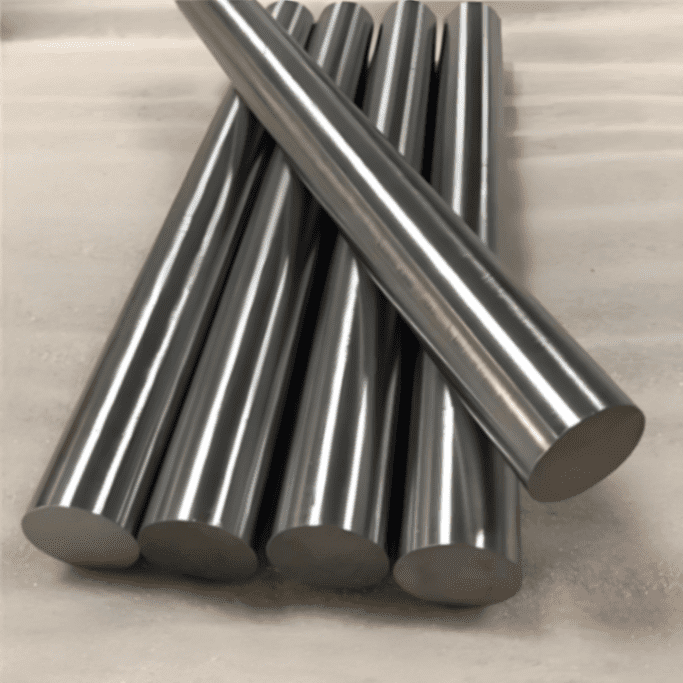
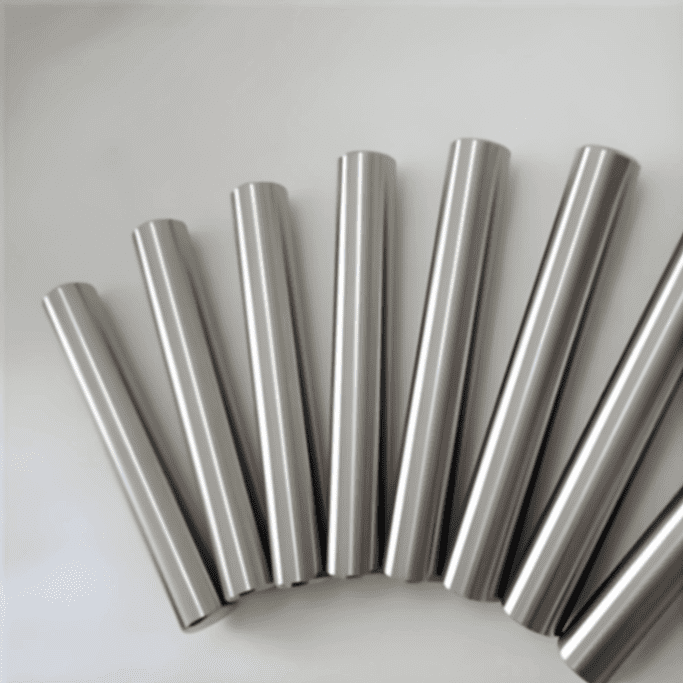
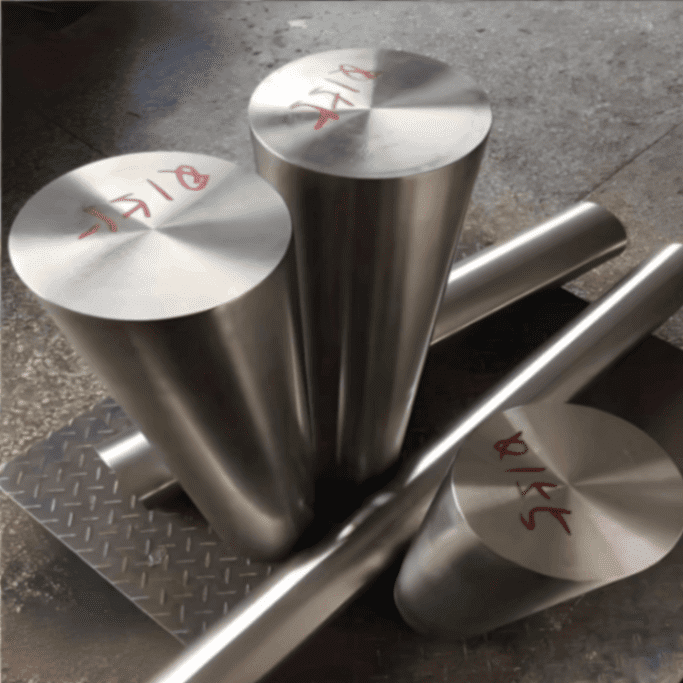
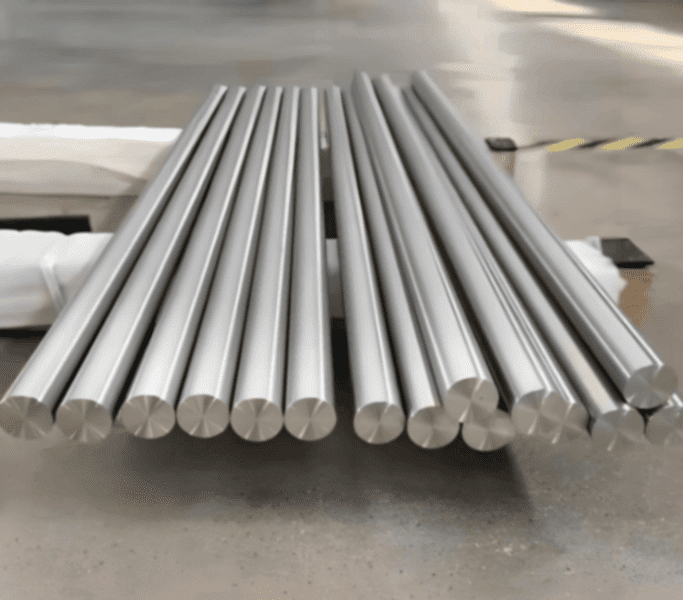
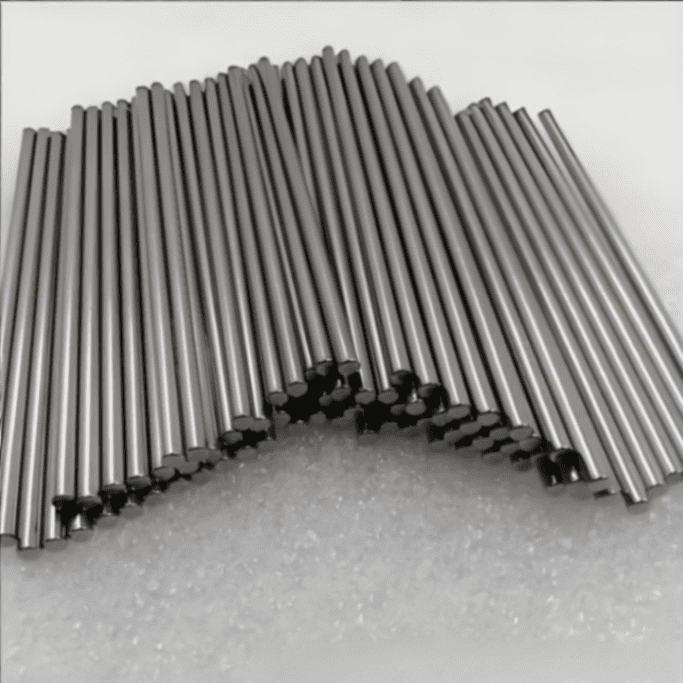
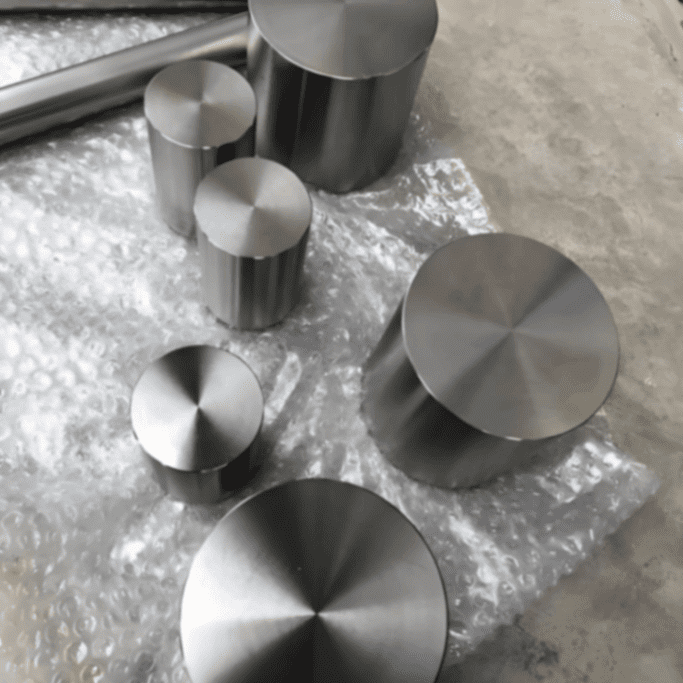
Inconel X-750 alloy bar price depends on nickel raw material cost, bar diameter, product condition, heat treatment, specification, surface finish, dimensional tolerance, inspection level, stock availability, order quantity, and delivery time. Inconel X-750, also known as Alloy X-750, UNS N07750, and W.Nr. 2.4669, is a precipitation-hardenable nickel-chromium alloy used for high-temperature springs, bolts, turbine components, rocket-engine parts, nuclear equipment, pressure vessel hardware, forming tools, and other components requiring high strength, oxidation resistance, corrosion resistance, and resistance to stress relaxation. As a practical purchasing reference, standard industrial Inconel X-750 round bar may cost approximately USD 38 to 75 per kg, while AMS-certified, age-hardened, forged, cold drawn, precision ground, or small-quantity custom bars may cost approximately USD 65 to 135 per kg or more. Buyers should compare grade, specification, heat treatment, MTC, dimensions, testing, and delivery condition rather than comparing price per kilogram alone.
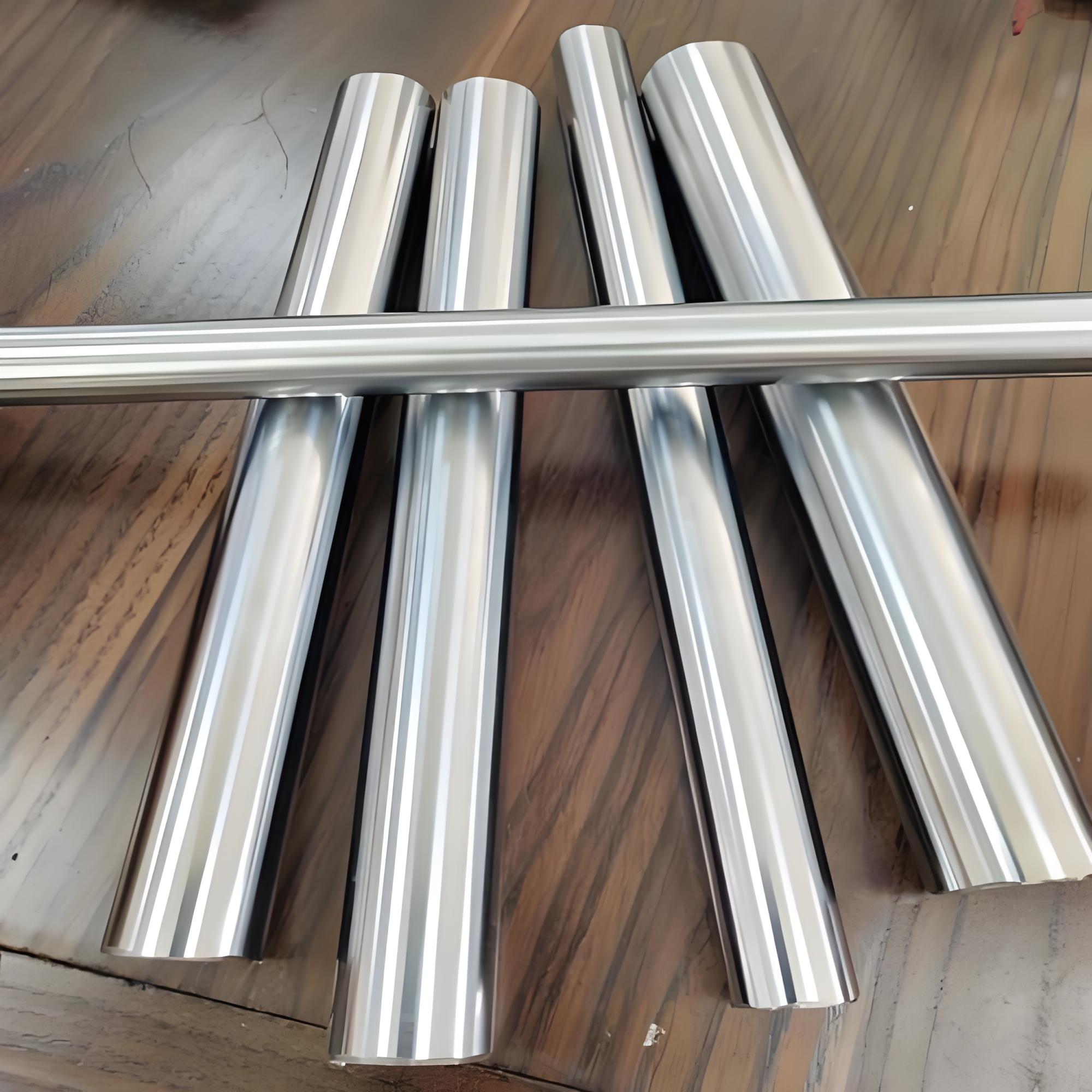
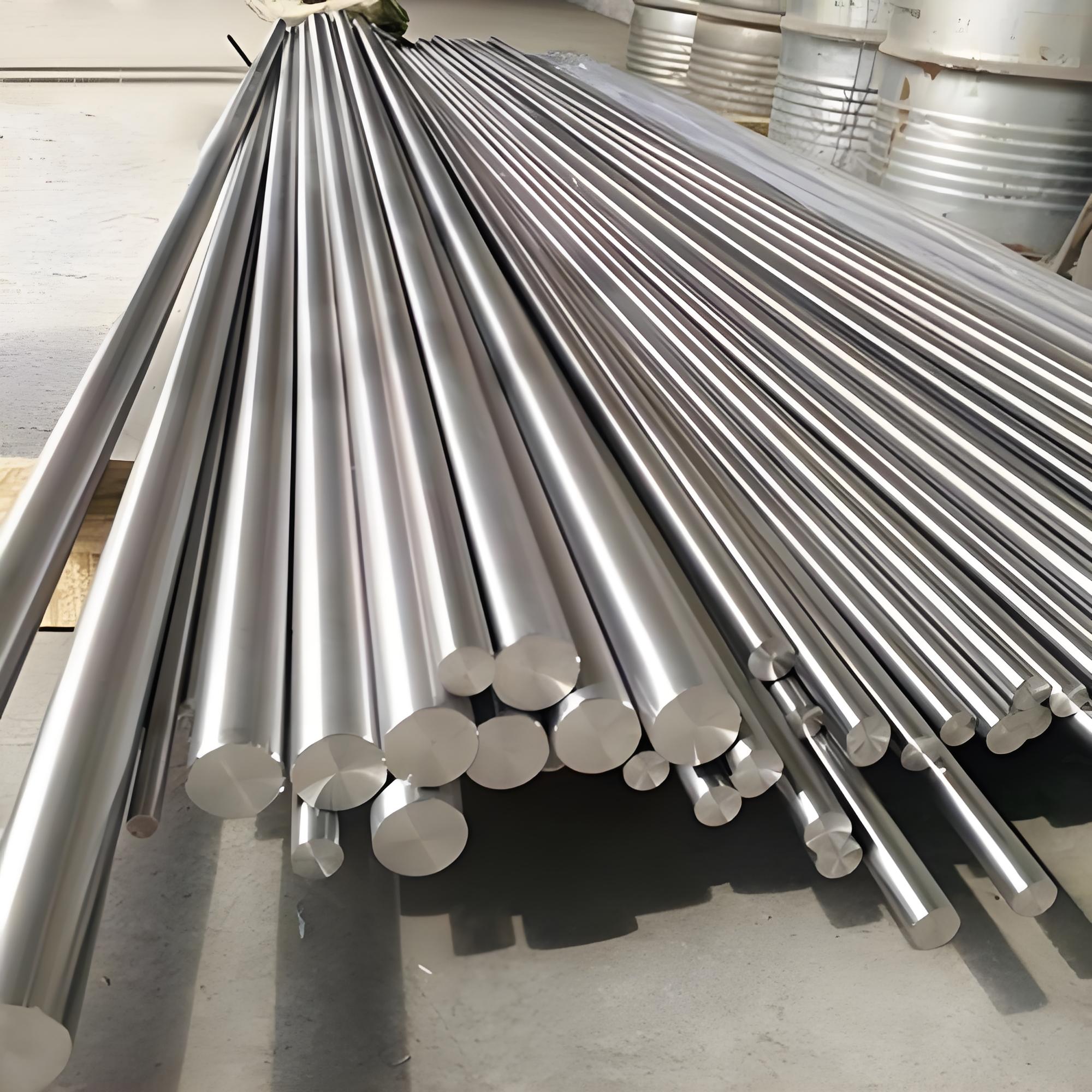
Inconel X-750 alloy bar is a specialized nickel alloy product supplied by nickel alloy manufacturers, forging mills, rolling mills, stockholders, distributors, and precision bar processors. It is available as round bar, flat bar, hexagonal bar, forging stock, cold drawn rod, peeled bar, and precision ground bar.
The commercial value of Inconel X-750 is closely connected to its heat-treatment response. Unlike a simple solid-solution-strengthened nickel alloy, X-750 develops high strength through controlled precipitation of the gamma-prime phase. The heat treatment selected for a spring, fastener, turbine part, or pressure component can therefore have as much influence on the final price as the bar diameter itself.
A quotation for untreated hot-finished X-750 bar cannot be compared directly with a quotation for AMS-certified, fully age-hardened bar. The second quotation may include solution treatment, stabilization, precipitation aging, mechanical testing, hardness verification, additional traceability, and stricter dimensional inspection.
| Quotation Item | Required Information | Why It Matters |
|---|---|---|
| Material grade | Inconel X-750 / UNS N07750 / W.Nr. 2.4669 | Prevents substitution with Inconel 600, 718, 625, or another alloy |
| Specification | ASTM B637, ASME SB637, AMS specification, EN 10269, or drawing requirement | Controls chemistry, condition, testing, and acceptance requirements |
| Bar dimensions | Diameter, length, quantity, and tolerance | Determines weight, availability, and processing cost |
| Delivery condition | Hot rolled, forged, solution treated, annealed, aged, cold drawn, or ground | Strongly affects strength, machinability, and price |
| Documents | MTC, heat number, PMI, UT, inspection report, or third-party certificate | Confirms material quality and traceability |
| Commercial terms | Price validity, lead time, packing, freight, and Incoterm | Determines the real delivered purchasing cost |
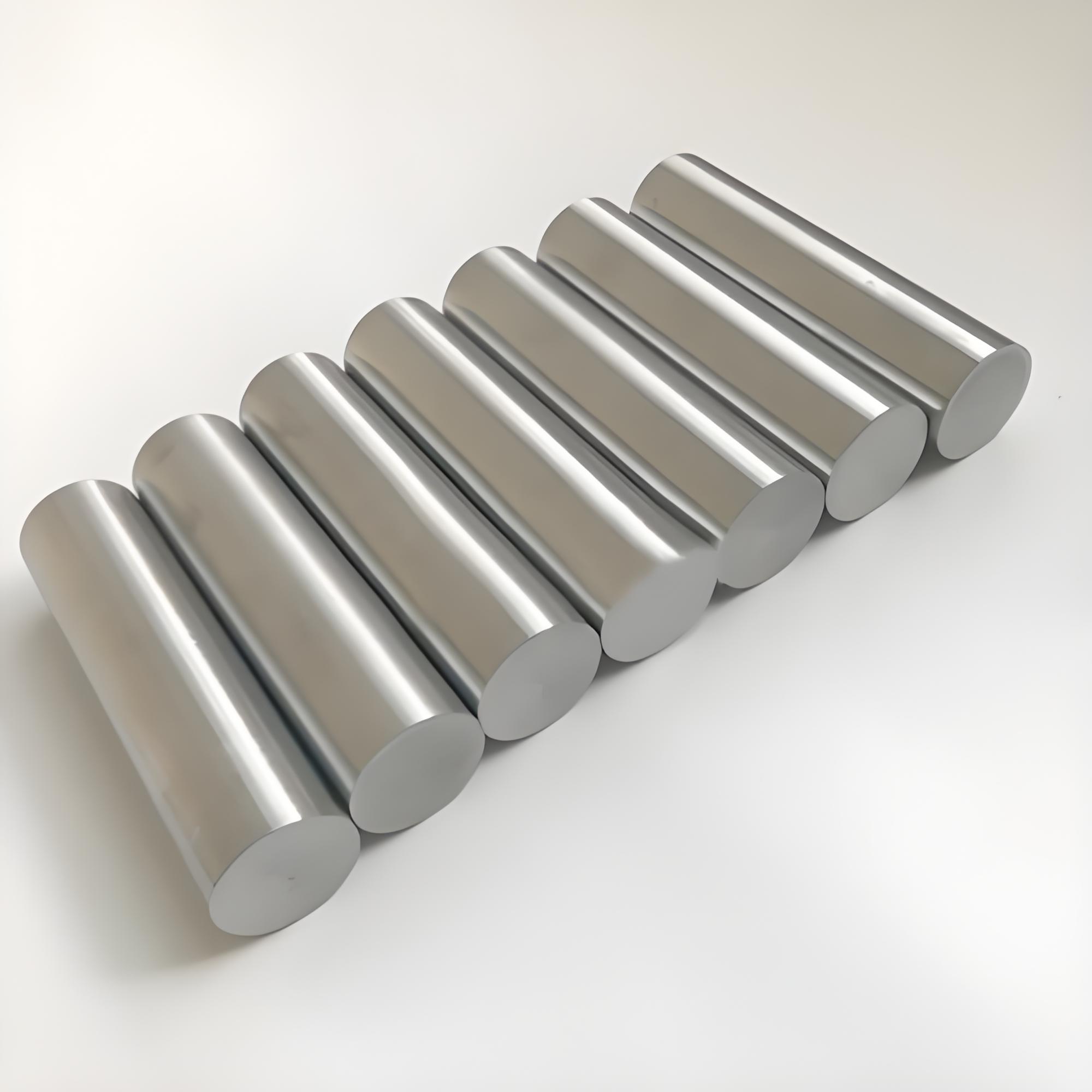
The practical reference price of Inconel X-750 alloy bar is generally about USD 38 to 75 per kg for standard industrial hot-rolled, forged, or annealed bar requirements. Bars supplied with an AMS specification, controlled age-hardening treatment, tight tolerance, precision grinding, ultrasonic testing, or small-quantity cutting may cost approximately USD 65 to 135 per kg or more.
These ranges are normally interpreted as budgetary ex-works material prices. They do not automatically include international freight, insurance, import duty, taxes, anti-dumping duty, third-party inspection, or special project documentation. Market prices can also change with nickel cost and available mill capacity.
| Bar Type or Condition | Reference Price | Typical Purchasing Situation |
|---|---|---|
| Hot rolled or hot-finished bar | USD 38–65/kg | General machining blanks with standard mill tolerance |
| Solution-treated industrial bar | USD 42–75/kg | Material prepared for further machining or aging |
| Forged round bar | USD 48–88/kg | Large diameters, heavy-section components, or custom forging |
| Cold drawn bar | USD 52–92/kg | Small diameters requiring improved tolerance and surface quality |
| Precision ground bar | USD 65–125/kg | Close-tolerance rods, shafts, fastener blanks, and precision parts |
| Age-hardened or AMS-certified bar | USD 65–135/kg | Aerospace, turbine, spring, nuclear, or critical fastener applications |
| Small custom cut pieces | Project quotation | Higher unit cost because of cutting, handling, testing, and minimum charges |
Two suppliers may quote the same diameter of Inconel X-750 at very different prices because the supplied conditions are not the same. One quotation may cover hot-rolled material in a solution-treated condition with standard MTC. Another may cover AMS-certified bar that has undergone controlled heat treatment, grinding, mechanical testing, hardness testing, ultrasonic inspection, and full aerospace traceability.
Before comparing prices, buyers should confirm whether the quotations have the same specification, heat-treatment condition, mechanical-property requirements, tolerance, surface finish, certificate type, and delivery length.
Inconel X-750 is commonly identified as UNS N07750 and W.Nr. 2.4669. It is a precipitation-hardenable nickel-chromium alloy containing titanium, aluminum, and niobium plus tantalum. These additions allow the alloy to develop high strength after age-hardening heat treatment.
Grade identification is particularly important because X-750 is sometimes confused with Inconel 600, Inconel 625, Inconel 718, Nimonic 80A, or other nickel alloys. These grades can have overlapping applications, but their chemical compositions, strengthening mechanisms, heat-treatment requirements, temperature limits, and mechanical properties are different.
| Designation | Meaning | Purchasing Note |
|---|---|---|
| Inconel X-750 | Common trademark-style alloy name | Frequently used on drawings, inquiries, and product pages |
| Alloy X-750 | Generic commercial description | Common in supplier quotations and stock lists |
| UNS N07750 | Unified Numbering System designation | Should appear on the MTC and purchase order |
| W.Nr. 2.4669 | European material number | Often used in European drawings and certificates |
| NiCr15Fe7TiAl | Composition-based European designation | Describes the main alloying system |
Both X-750 and Inconel 718 are precipitation-hardenable nickel alloys, but they are not direct substitutes. Inconel 718 generally develops higher strength in many aerospace applications and uses a different niobium-rich strengthening system. X-750 is widely selected for springs, bolts, turbine hardware, nuclear components, and applications requiring oxidation resistance and stress-relaxation resistance over a broad temperature range.
The chemical composition of Inconel X-750 determines its age-hardening response, corrosion resistance, oxidation resistance, and elevated-temperature strength. Nickel and cobalt form the main alloy base. Chromium contributes oxidation and corrosion resistance. Titanium and aluminum form the gamma-prime strengthening phase during heat treatment. Niobium plus tantalum also support strengthening and high-temperature performance.
| Element | Specified Range or Limit | Main Function |
|---|---|---|
| Nickel plus Cobalt | 70.00% minimum | Provides the nickel-base matrix, corrosion resistance, and thermal stability |
| Chromium | 14.00–17.00% | Improves oxidation and high-temperature corrosion resistance |
| Iron | 5.00–9.00% | Controlled constituent of the alloy matrix |
| Titanium | 2.25–2.75% | Combines with nickel and aluminum to form gamma-prime precipitates |
| Aluminum | 0.40–1.00% | Supports precipitation hardening and oxidation performance |
| Niobium plus Tantalum | 0.70–1.20% | Contributes to strengthening and elevated-temperature performance |
| Manganese | 1.00% maximum | Controlled minor element |
| Silicon | 0.50% maximum | Controlled residual and processing-related element |
| Copper | 0.50% maximum | Controlled residual element |
| Carbon | 0.08% maximum | Affects carbide formation and high-temperature microstructure |
| Sulfur | 0.010% maximum | Kept low to support hot workability and material quality |
| Cobalt | 1.00% maximum | Controlled within the nickel-plus-cobalt requirement |
Nickel is the main raw material cost component because X-750 contains at least 70% nickel plus cobalt. Titanium, aluminum, niobium, and tantalum also influence alloy cost and production complexity. However, the commercial price is not calculated from chemistry alone. Vacuum melting, remelting route, forging reduction, heat treatment, testing, yield loss, surface processing, and certification can add considerable cost.
Inconel X-750 bar is selected because it combines precipitation-hardened strength with corrosion and oxidation resistance. Properly heat-treated material maintains high strength at temperatures up to approximately 704°C in many applications. Although the precipitation-hardening effect decreases above this range, the alloy retains useful strength at substantially higher temperatures in suitable low-stress applications.
The practical service limit depends on applied stress, exposure duration, atmosphere, component geometry, heat treatment, and acceptance standard. A short-time furnace fixture and a continuously loaded turbine fastener cannot use the same temperature limit without engineering review.
| Property | Typical Value or Performance | Practical Significance |
|---|---|---|
| Density | Approximately 8.28 g/cm³ | Used for bar weight and quotation calculations |
| Melting range | Approximately 1393–1427°C | Relevant to hot working and thermal-processing control |
| Strengthening method | Precipitation hardening by gamma-prime formation | Allows high tensile, yield, creep, and relaxation strength |
| Oxidation resistance | Good at elevated temperature | Useful for turbine, furnace, exhaust, and hot-air components |
| Stress-relaxation resistance | Excellent in suitable aged conditions | Important for high-temperature springs, bolts, and clamps |
| Cryogenic performance | Retains useful properties at very low temperatures | Allows use across a wide temperature range |
During controlled aging, nickel combines with aluminum and titanium to form finely dispersed Ni3(Al,Ti) gamma-prime particles. These particles resist dislocation movement and increase tensile strength, yield strength, creep resistance, and stress-rupture performance.
The size, distribution, and stability of gamma-prime precipitates depend on the complete heat-treatment cycle. This is why an X-750 quotation must identify whether the material is merely solution treated or is supplied in a final precipitation-hardened condition.
Inconel X-750 bar may be supplied according to industrial, pressure-equipment, aerospace, or European specifications. The selected specification influences heat treatment, mechanical-property limits, testing, dimensions, certification, and price.
| Specification | General Product Coverage | Purchasing Consideration |
|---|---|---|
| ASTM B637 | Precipitation-hardening nickel alloy bar, forging, and forging stock | Common industrial specification for X-750 bar and forgings |
| ASME SB637 | ASME-adopted specification for bar, forging, and forging stock | Often requested for pressure-related applications |
| SAE AMS 5667–5671 | X-750 bar, forging, and ring products in defined processing conditions | Exact AMS number and revision must match the drawing |
| SAE AMS 5747 | Special aerospace material condition for X-750 products | May require strict processing, testing, and traceability |
| ISO 9723–9725 | International standards for nickel and nickel alloy bar and forging products | Used in some international procurement specifications |
| EN 10269 | Steel and nickel alloy products for fasteners with elevated- or low-temperature properties | Relevant to European fastener and pressure applications |
AMS material normally requires controlled melting practice, processing history, heat treatment, mechanical testing, traceability, and certification. Aerospace buyers may also require approved mill sources, original mill certificates, lot control, grain-size data, ultrasonic inspection, or additional test reports.
A bar that meets general ASTM B637 requirements may not automatically meet a specific AMS condition. Buyers should state the exact AMS specification and revision instead of asking only for “aerospace-grade X-750.”
ASTM B637 and ASME SB637 are technically related, but the required document should match the project code and purchase specification. For pressure equipment, an ASME designation may be requested. For general industrial components, ASTM B637 may be sufficient. The buyer should not assume that changing the designation after production will be accepted without document review.
Inconel X-750 round bar may be supplied from small precision rod sizes to large forged diameters. Actual availability varies considerably because X-750 is less widely stocked than Inconel 625 or Inconel 718 in some markets.
| Diameter Category | Typical Diameter Range | Common Applications |
|---|---|---|
| Small rod | 3–20 mm | Spring components, pins, small fasteners, and precision parts |
| Medium round bar | 22–80 mm | Bolts, shafts, studs, valve parts, and turbine hardware |
| Large round bar | 90–200 mm | Heavy fasteners, forged parts, tooling, and pressure components |
| Extra-large forged bar | Above 200 mm | Custom turbine, nuclear, pressure, or high-temperature components |
Bars may be supplied in random mill lengths, fixed lengths, full bars, or cut-to-size blanks. Typical commercial lengths can include 1,000 mm, 2,000 mm, 3,000 mm, 4,000 mm, or longer, depending on diameter, production route, stock condition, and transport limitations.
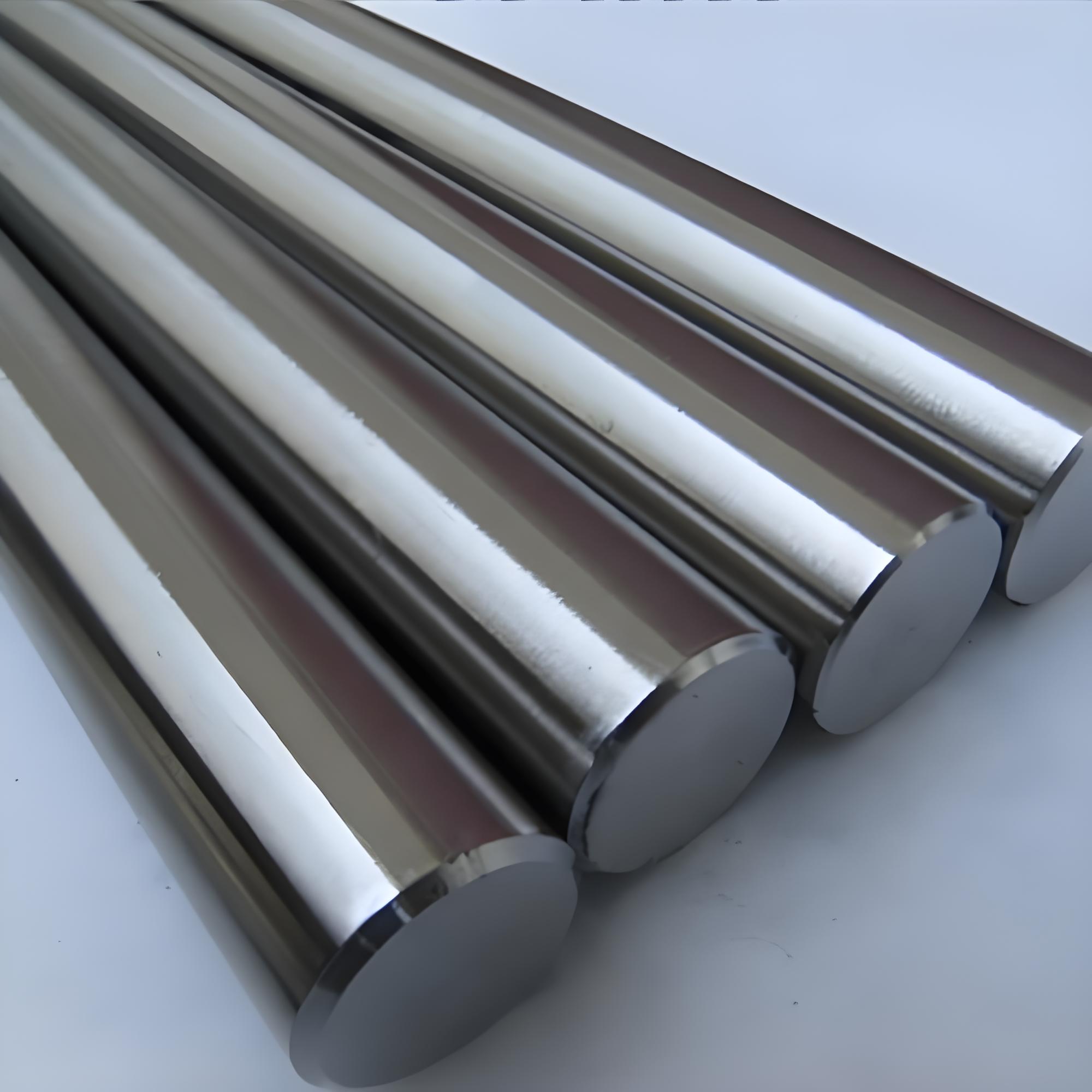
Many short cut pieces normally have a higher unit cost than a full-length bar. The supplier must account for saw-cutting time, kerf loss, identification, individual marking, dimensional inspection, and packing.
| Bar Condition | Typical Tolerance Level | Recommended Use |
|---|---|---|
| Hot rolled | Standard mill tolerance | Parts requiring substantial machining allowance |
| Forged | Forging or rough-machined tolerance | Large components and heavy machining blanks |
| Peeled or turned | Improved diameter and surface control | Shafts, bolts, and machined components |
| Cold drawn | Closer tolerance for small diameters | Rods, pins, spring stock, and precision blanks |
| Centerless ground | Tight diameter, roundness, and straightness control | Precision shafts, fastener blanks, and instrument parts |
The manufacturing route directly affects the cost of Inconel X-750 bar. Hot-rolled material generally has the lowest processing cost, while precision ground material has the highest finishing cost. Forged bar can be expensive because large sections require significant forging force, multiple reheats, controlled reduction, heat treatment, and inspection.
Hot-rolled X-750 bar is suitable for general machining and components that require substantial material removal. It normally has standard mill tolerance and a rougher surface. The lower initial price can be attractive, but buyers should include machining loss in the total cost comparison.
Forged X-750 bar is commonly used for large diameters and critical heavy-section components. The quotation may include forging stock preparation, forging reduction, solution heat treatment, straightening, rough turning, ultrasonic testing, and additional mechanical testing.
Cold-drawn bar offers better dimensional accuracy and surface condition, particularly for small diameters. Cold working can also increase strength and hardness. The final heat-treatment route must be selected carefully because cold work affects precipitation-hardening response and dimensional stability.
Precision ground bar is used for close-tolerance shafts, spring rods, fastener blanks, valve components, and aerospace parts. Grinding cost depends on the starting diameter, final tolerance, roundness, straightness, surface roughness, inspection frequency, and total quantity.
| Supply Condition | Relative Price | Main Cost Driver |
|---|---|---|
| Hot rolled | Lower | Limited finishing and standard tolerance |
| Forged | Medium to high | Forging, reheating, heat treatment, and inspection |
| Cold drawn | Medium to high | Multiple reductions, intermediate annealing, and straightening |
| Peeled or turned | Medium | Surface removal and dimensional control |
| Precision ground | High | Grinding, straightness control, inspection, and surface protection |
Heat treatment is one of the most important price factors for Inconel X-750 bar. Different applications require different combinations of solution treatment, equalizing, stabilization, precipitation aging, furnace cooling, or direct aging after hot or cold working.
A quotation that states only “heat treated” is not sufficiently clear. The purchase order should identify the required specification, heat-treatment cycle, final mechanical properties, hardness range, and whether the supplier or buyer will perform the final aging treatment.
| Heat-Treatment Direction | General Purpose | Price Effect |
|---|---|---|
| Solution treated | Prepares the microstructure for later precipitation hardening | Additional furnace and testing cost |
| Solution treated plus aged | Develops high tensile and yield strength | Higher cost because multiple furnace cycles may be required |
| Triple heat treated | Improves long-time creep and stress-rupture performance for hot service | High cost because of long solution, stabilization, and aging cycles |
| Direct aged after hot or cold work | Develops properties for selected lower-temperature applications | Depends on prior working condition and specification |
| Furnace-cooled treatment | Develops particular combinations of strength and relaxation resistance | Long furnace occupancy can increase processing cost |
Fully age-hardened X-750 has high strength and hardness, which increases cutting-tool wear and machining time. Rough machining is therefore often completed before final precipitation treatment, followed by finish machining after aging.
Heat treatment can produce slight contraction or distortion. Precision component suppliers must allow machining stock, control furnace loading, inspect dimensions after treatment, and sometimes straighten or regrind the bar. These extra operations increase the price of finished or semi-finished bar products.
Annealed or solution-treated bar may be easier to machine and may have a lower purchase price. However, the buyer must then pay for final heat treatment, hardness testing, mechanical testing, possible dimensional correction, and reinspection. The apparently cheaper material may not have the lowest finished-component cost.
Stock availability has a strong influence on Inconel X-750 price. Common industrial diameters may be available from stock, while AMS-specific conditions, large forged sizes, unusual diameters, and precision ground bars may require custom production.
Ready-stock X-750 bar normally offers shorter lead time, lower minimum quantity, and lower setup cost. A buyer may reduce the price by selecting the next larger stock diameter and machining it to the required final dimension.
Custom production may involve new melting, billet preparation, forging, rolling, solution treatment, aging, straightening, peeling, grinding, testing, and inspection. Production minimums can be significantly higher than the buyer’s finished-part requirement because mills must account for process yield and end losses.
| Comparison Item | Stock Size | Custom Size |
|---|---|---|
| Unit price | Usually lower | Usually higher |
| Minimum order | May allow one bar or cut pieces | May require mill or forging MOQ |
| Lead time | Short if documents and condition are acceptable | Longer because of production and testing |
| Dimension flexibility | Limited to available inventory | Can be made closer to drawing dimensions |
| Specification availability | Limited to the original stock specification | Can be planned for a specific ASTM, AMS, or project requirement |
An available diameter is not automatically suitable. The stock heat may have been produced to a different AMS specification, heat-treatment condition, or mechanical-property requirement. A stock bar cannot always be recertified to a different specification after production.
Nickel price is a major component of Inconel X-750 bar cost because nickel plus cobalt represents at least 70% of the alloy composition. Supplier quotations may use a limited price-validity period, particularly when nickel markets are volatile.
The LME nickel price provides a market reference, but finished X-750 bar costs much more than raw nickel. The finished price also includes chromium, titanium, aluminum, niobium, melting, remelting, mill conversion, heat treatment, testing, yield loss, financing, stockholding, cutting, packing, and supplier service.
Larger regular orders generally have a lower processing and handling cost per kilogram. Small orders may have a high unit price because documentation, MTC review, cutting, inspection, export packing, and administrative work are required even for a small quantity.
MOQ depends on whether the material is available from stock or requires new production. A stockholder may sell one cut piece, while a mill may require a full billet, full bar, forging batch, or minimum production tonnage.
Normal lead time is usually less expensive than urgent supply. An urgent custom order may require priority production, subcontracted grinding, expedited testing, overtime work, or air freight. These costs can exceed the difference between two material suppliers.
| Commercial Factor | Lower-Cost Situation | Higher-Cost Situation |
|---|---|---|
| Nickel market | Stable or declining nickel price | Rapidly rising or volatile nickel price |
| Quantity | Regular production batch or full bars | Small pieces or prototype quantities |
| MOQ | Material available from stock | New mill or forging production required |
| Lead time | Standard production and sea freight | Priority processing and air shipment |
| Specification | Standard industrial material | AMS, nuclear, aerospace, or customer-specific qualification |
Manufacturers and suppliers can provide different levels of service. A mill may focus on full-length bar production, while a stock supplier may provide short pieces, mixed diameters, cutting, rough machining, peeling, grinding, and export packing.
The supplier should confirm the actual diameter, length, heat number, specification, condition, available quantity, and original MTC before accepting an order. A catalog size range does not prove that material is currently available.
Saw cutting can provide fixed-length blanks for bolts, shafts, rings, spring components, or test specimens. The inquiry should state finished cut length, positive machining allowance, quantity, length tolerance, and whether end facing or deburring is required.
Large forged bars may be supplied rough turned to remove scale and reveal surface defects. Rough machining can also reduce export weight and shorten the buyer’s machining time. However, enough allowance must remain for heat-treatment movement and final finishing.
Centerless grinding can achieve tighter diameter tolerance, improved straightness, controlled roundness, and smoother surface finish. Buyers should specify the final diameter tolerance, straightness per meter, surface roughness, chamfer requirement, and acceptable surface-defect standard.
X-750 bar and rod may be processed into bolt blanks, threaded-rod blanks, spring wire stock, pins, and precision shafts. Processing should be coordinated with the heat-treatment sequence because threading or machining before and after aging can affect tool life, fatigue strength, and dimensional accuracy.
| Processing Service | Information Required | Price Impact |
|---|---|---|
| Saw cutting | Length, tolerance, quantity, and machining allowance | Low to medium |
| Rough turning | Starting diameter, finished diameter, allowance, and surface requirement | Medium |
| Peeling | Final diameter and surface-defect allowance | Medium |
| Centerless grinding | Tolerance, straightness, roundness, and surface roughness | Medium to high |
| Heat treatment | Cycle, specification, hardness, and mechanical-property requirements | Medium to high |
| Custom machining | Drawing, inspection plan, and finished-part requirements | Project-specific |
Quality documentation is essential for Inconel X-750 because the alloy is commonly used in safety-critical, high-temperature, aerospace, nuclear, turbine, and pressure-related applications. The required inspection scope should be agreed before production or stock reservation.
The MTC should identify the grade, UNS number, specification, heat number, chemical composition, product dimensions, delivery condition, heat treatment, and mechanical test results required by the purchase specification. An EN 10204 3.1 inspection certificate may be requested for many industrial orders.
The heat number on the bar, product label, packing list, inspection report, and MTC should match. Cut pieces should be transferred or re-marked so that traceability is not lost after the original full bar is divided.
PMI can verify major alloying elements and help distinguish X-750 from other nickel alloys. However, handheld PMI does not replace a full laboratory chemical analysis or original mill certificate, particularly for carbon, sulfur, and other light or trace elements.
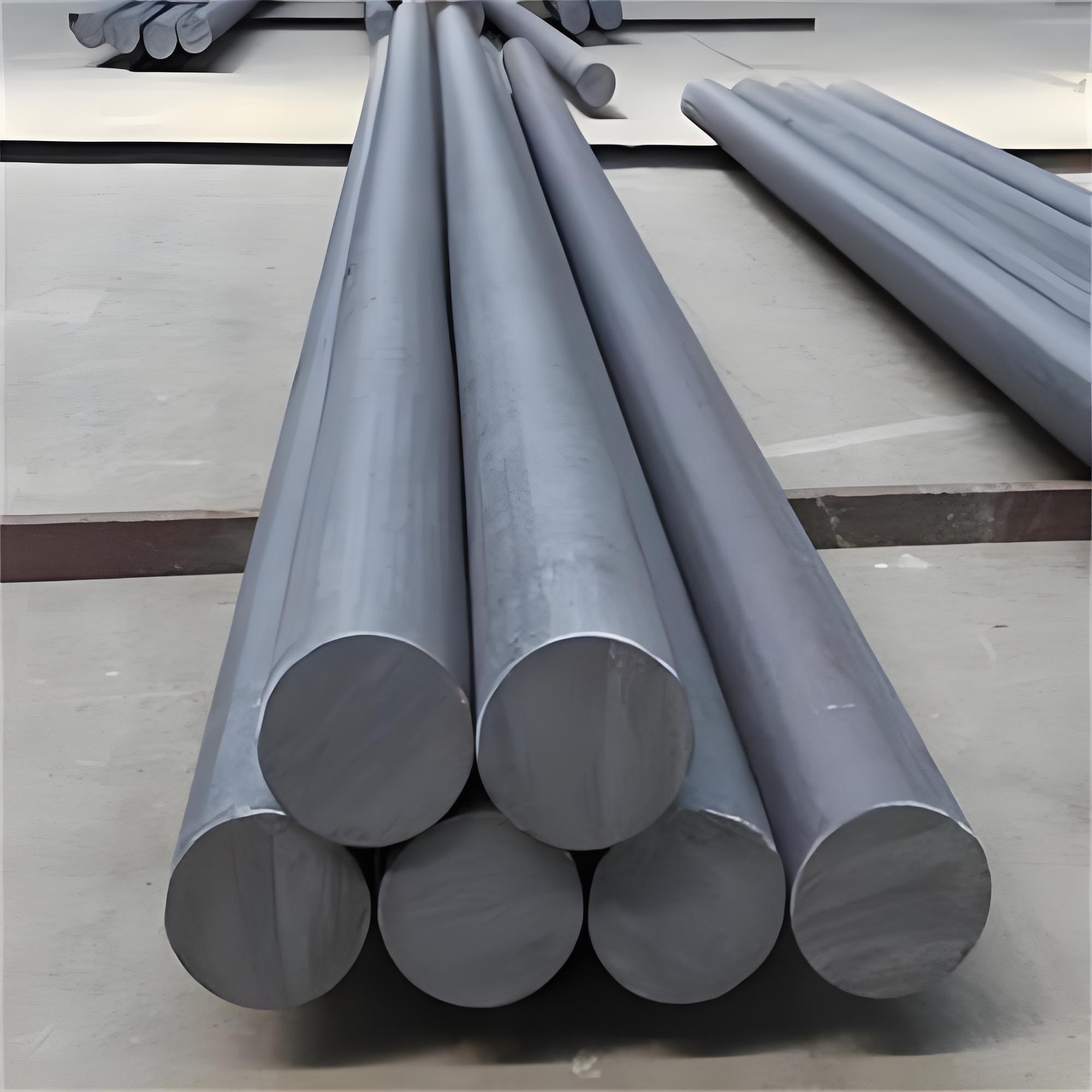
UT may be required for large forged bars, turbine components, nuclear parts, or other critical applications. The order should state the inspection method, acceptance level, scan coverage, reference standard, reporting requirement, and whether third-party witnessing is required.
Because X-750 properties depend heavily on heat treatment, buyers may require tensile strength, yield strength, elongation, reduction of area, hardness, stress-rupture, creep, or relaxation data. Not every test is included in a standard commercial quotation.
| Inspection Item | What Should Be Confirmed | Reason |
|---|---|---|
| Grade identification | UNS N07750 / W.Nr. 2.4669 | Prevents alloy mix-up |
| Chemical composition | Ni+Co, Cr, Fe, Ti, Al, Nb+Ta, C, and controlled residuals | Confirms alloy and aging capability |
| Heat treatment | Solution, stabilization, aging, or specified AMS condition | Directly controls final mechanical properties |
| Mechanical properties | Tensile, yield, elongation, hardness, and other specified tests | Confirms performance for the application |
| PMI | Major alloying-element verification | Reduces material identification risk |
| UT | Internal soundness and acceptance level | Important for large or critical bars |
| Dimensional inspection | Diameter, length, straightness, ovality, and surface finish | Controls machining and assembly performance |
A reliable Inconel X-750 manufacturer or supplier should understand both material supply and heat-treatment requirements. A supplier that quotes only by diameter and weight without confirming condition or specification may not be suitable for a critical X-750 project.
The supplier should clearly distinguish UNS N07750 from Inconel 600, 625, 718, and other nickel alloys. It should also understand that ASTM B637, ASME SB637, AMS 5667–5671, AMS 5747, and EN 10269 may require different conditions and acceptance criteria.
The supplier should identify whether heat treatment is performed by the original mill or by a qualified subcontractor. Furnace calibration, temperature uniformity, cycle records, cooling method, hardness verification, and mechanical testing may be important for critical orders.
Reliable suppliers confirm actual diameter, length, heat number, condition, specification, quantity, and certificate before quoting a short lead time. A general product catalog should not be treated as proof of current inventory.
The original mill MTC should correspond to the supplied heat and product condition. Buyers should be cautious if the certificate does not identify the heat-treatment condition, specification, heat number, or actual product form.
The lowest price may exclude cutting, heat treatment, UT, PMI, export packing, documentation, or freight. A technically complete quotation with reliable delivery may have a lower total project cost than a cheaper but incomplete quotation.
| Supplier Evaluation Item | Reliable Practice | Potential Risk |
|---|---|---|
| Material identity | Clearly states UNS N07750 and applicable specification | Wrong or commercially similar alloy may be supplied |
| Heat-treatment information | Provides exact condition and treatment records when required | Final strength may not meet the drawing |
| Stock confirmation | Confirms heat, size, condition, quantity, and MTC | Unexpected delay or substitution |
| Testing capability | Supports PMI, UT, hardness, tensile, and third-party inspection | Material may fail project acceptance |
| Processing capability | Supports cutting, turning, peeling, grinding, and heat treatment | Buyer may receive an unsuitable machining blank |
| Traceability | Maintains heat-number identity on all cut pieces | Material traceability may be lost |
Shanghai NC Metal Materials Co., Ltd. can support Inconel X-750 alloy bar inquiries by checking stock and mill-production options, reviewing ASTM or AMS requirements, arranging cutting and precision processing, confirming heat-treatment condition, and coordinating MTC, PMI, UT, and export packing according to the purchase specification.
A clear inquiry can be written as: Inconel X-750 round bar, UNS N07750, ASTM B637 or AMS 5667 as applicable, diameter 35 mm, length 3000 mm, quantity 300 kg, required heat-treatment condition stated on the drawing, peeled or ground surface, with original MTC and heat-number traceability. Please quote stock and new-production options separately, including price per kg, MOQ, lead time, cutting cost, testing scope, and packing.
How much is Inconel X-750 alloy bar per kg?
Standard industrial Inconel X-750 bar commonly costs approximately USD 38 to 75 per kg. Forged, cold drawn, precision ground, age-hardened, AMS-certified, small-quantity, or specially tested bars may cost approximately USD 65 to 135 per kg or more. The final price depends on diameter, length, quantity, specification, heat treatment, surface finish, tolerance, testing, stock availability, and delivery time.
Why does the heat-treatment condition affect Inconel X-750 bar price?
Inconel X-750 develops high strength through precipitation hardening. Solution treatment, stabilization, aging, furnace cooling, hardness testing, and mechanical-property verification require additional furnace time and quality control. Fully age-hardened material is also harder to machine and may require dimensional correction after heat treatment, so it usually costs more than untreated or solution-treated bar.
How do I choose an Inconel X-750 bar manufacturer or supplier?
Choose a manufacturer or supplier that can confirm UNS N07750 material identity, supply the required ASTM B637, ASME SB637, AMS, or EN specification, document the exact heat-treatment condition, provide original MTC and heat-number traceability, and support PMI, UT, mechanical testing, cutting, grinding, and export packing when required. Price should be compared only after the specification, condition, tolerance, inspection scope, and delivery terms are confirmed.
More from this category
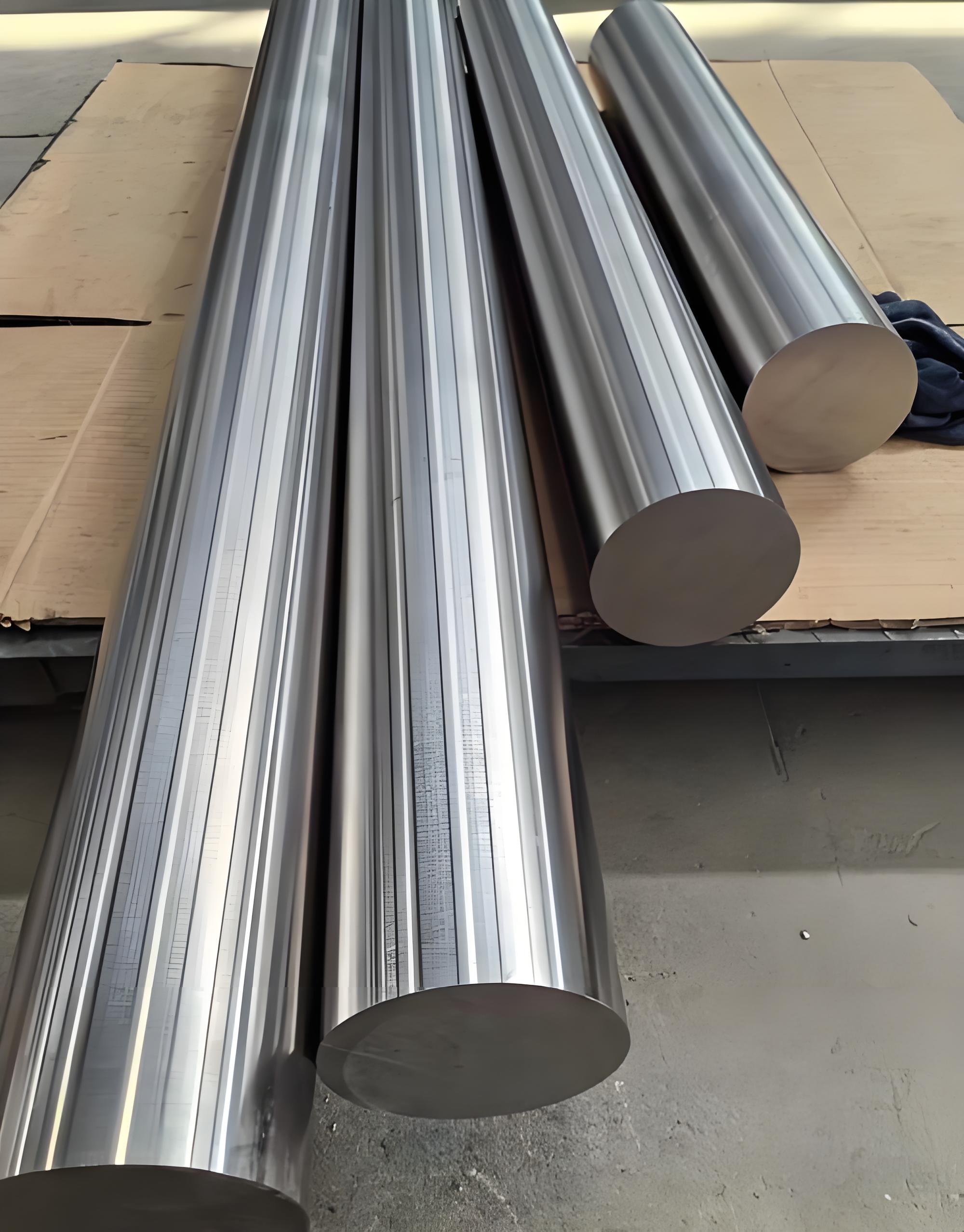
The latest Inconel 625 alloy bar price per kg depends on nickel, molybdenum, niobium, and chromium raw material costs, as well as bar diameter, manufa...
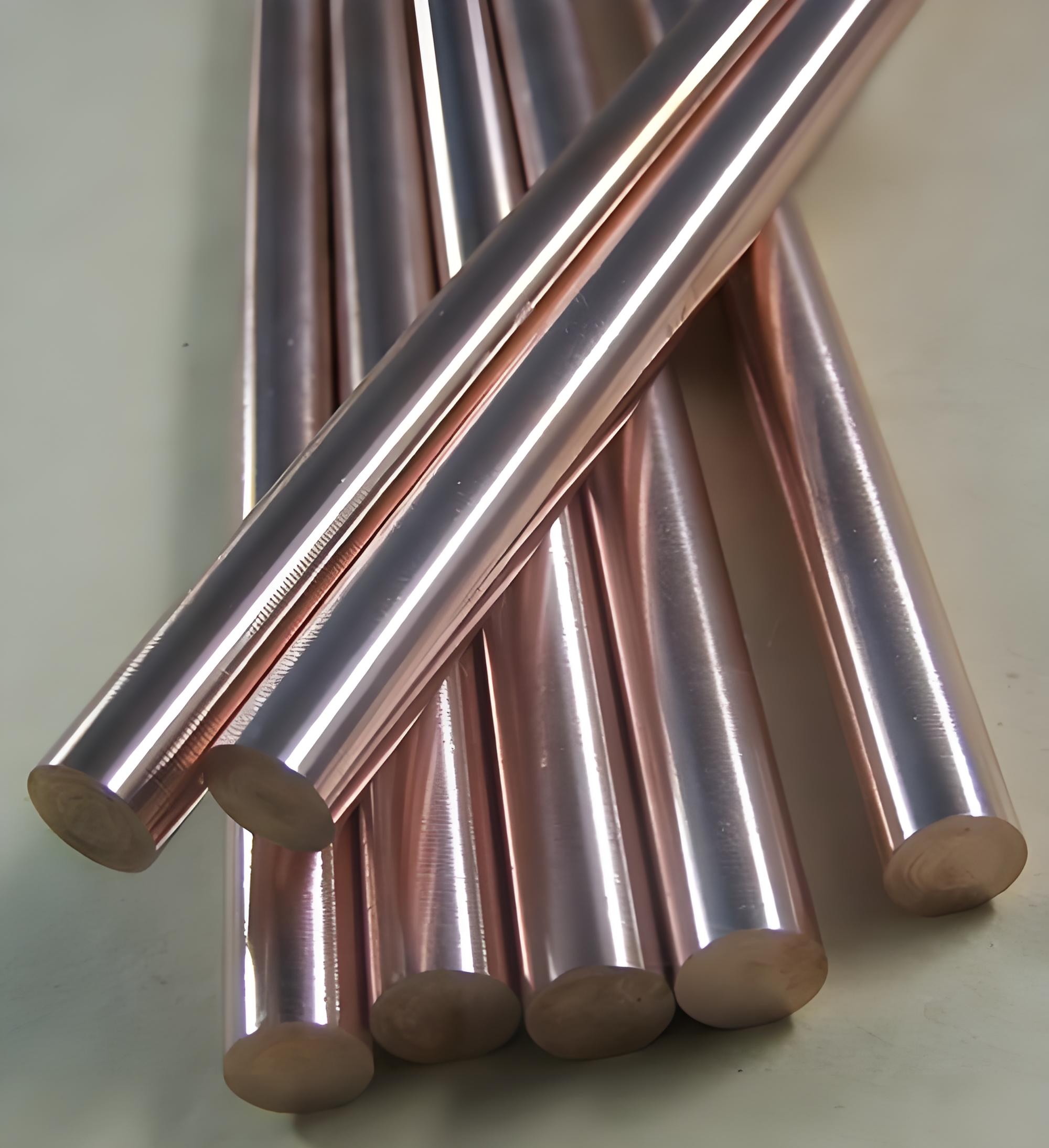
Inconel 602CA alloy bar price per kg is usually higher than common Inconel 600 and Inconel 601 bars because Alloy 602CA is a premium high-temperature ...
Nickel 200 bar price depends mainly on nickel raw material cost, bar shape, diameter, length, tolerance, surface finish, delivery condition, stock ava...
Nickel 200 bar manufacturers and suppliers provide commercially pure nickel bar stock for chemical processing, caustic alkali handling, food processin...
 English English
  Korean
 Arabic
 Spanish
 German
 Portuguese
 French
 Russian
 Italian
 Vietnamese