
Inconel 617 alloy round bar price per kilogram
Inconel 617 alloy round bar price per kilogram is commonly about USD 45 to 90 per kg for standard industrial stock sizes. Large forged bars, small pre...
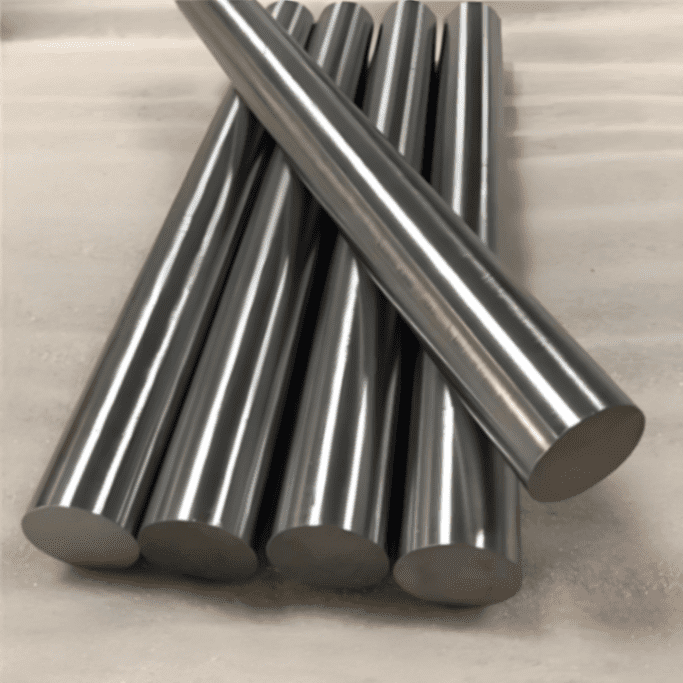
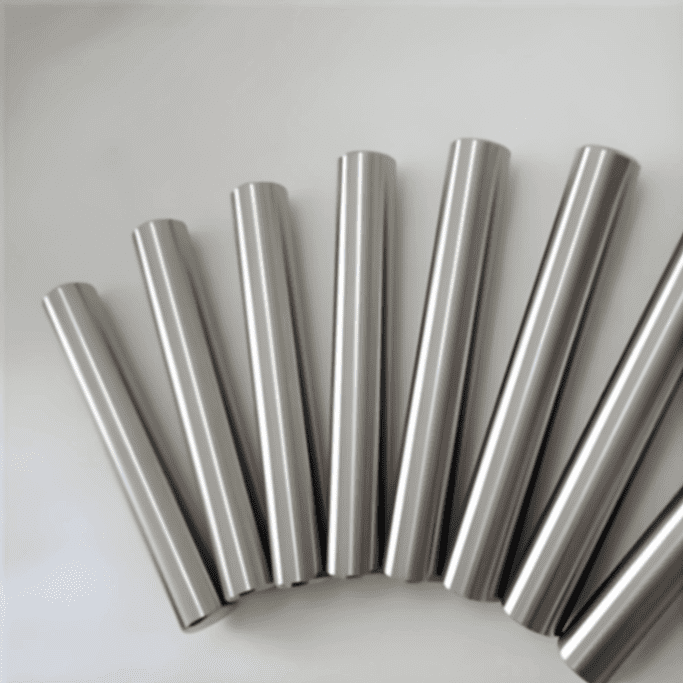
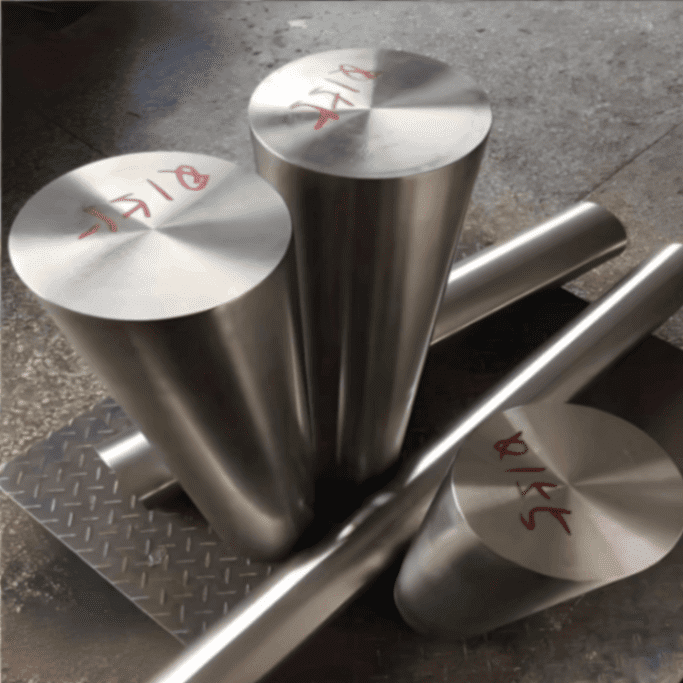
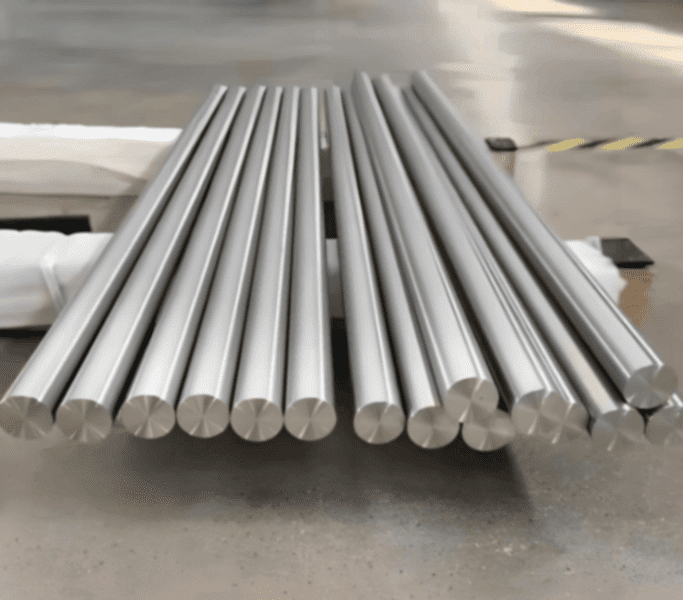
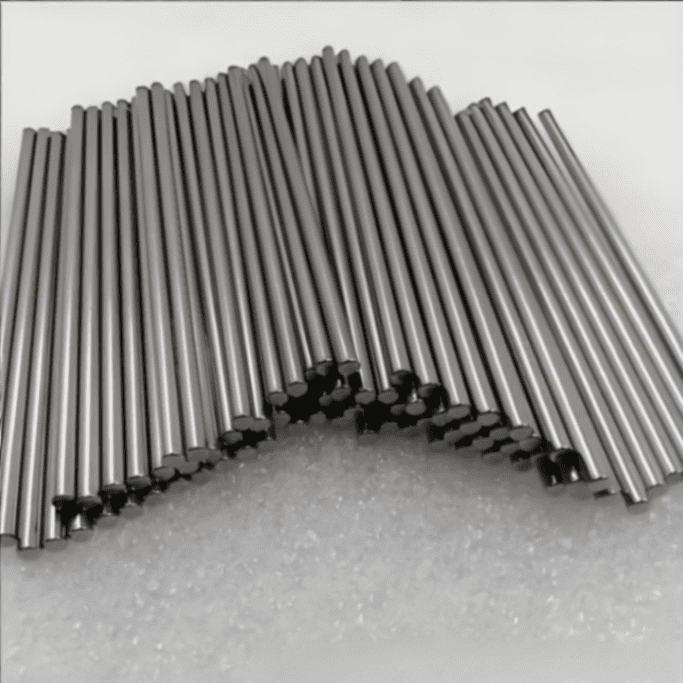
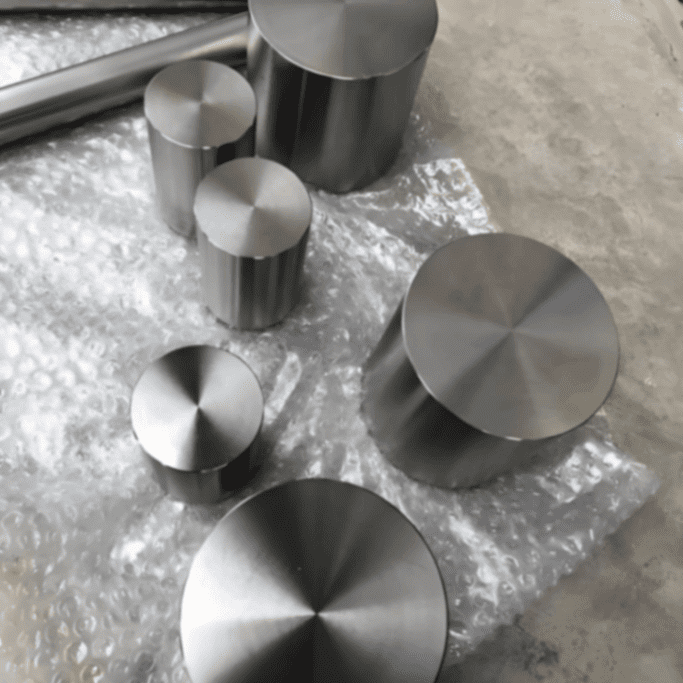
When sourcing high-performance materials for extreme environments, understanding the cost structure of specific alloys is crucial for budgeting and project planning. Inconel X-750, a precipitation-hardenable nickel-chromium alloy, is renowned for its high tensile and creep-rupture properties at temperatures up to 1300°F (700°C). If you are asking, “How much is Inconel X-750 nickel alloy bar per kilogram?”, it is important to know that the price is not a fixed number. It fluctuates based on a variety of factors, including raw material costs, manufacturing processes, and global market demand. This article provides a detailed breakdown of the pricing landscape for Inconel X-750 bars, focusing on reference prices and the key elements that influence the final cost.
The foundation of any alloy’s price is the cost of its constituent elements. Inconel X-750 has a complex chemistry, primarily composed of Nickel, Chromium, and Iron, with significant additions of Niobium, Titanium, and Aluminum. The volatility of the London Metal Exchange (LME), especially for Nickel, directly drives the base price of the alloy. When the cost of these raw materials increases, the price per kilogram of the finished bar inevitably follows.
The manufacturing standard and the grade of the material significantly affect the cost. Material produced for aerospace applications (like AMS 5667 or AMS 5668) often commands a premium due to stricter testing and certification requirements compared to standard commercial grades.
| Specification/Grade | Typical Application | Reference Price Range (USD/Kg) |
|---|---|---|
| Commercial Grade (Uns ATS 554) | General industrial components, springs, and bolts | $45 – $65 |
| Aerospace Grade (AMS 5667) | Gas turbine parts, rocket engine components | $70 – $95 |
| Aerospace Grade (AMS 5668) | High-strength fasteners, shafts | $80 – $110 |
Shanghai NC Metal Materials Co., Ltd. is a leading supplier capable of providing Inconel X-750 bars across these various specifications, ensuring that the material meets the required industry standards for your specific application. The price per kilogram will vary depending on whether you require standard commercial documentation or full aerospace traceability.
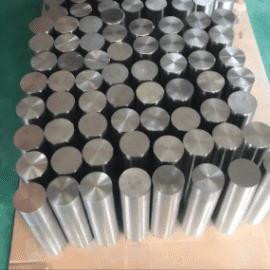
The diameter and shape of the bar are primary cost determinants. Smaller diameter bars often require more processing steps (more rolling or drawing passes) and result in more scrap, which can increase the price per kilogram compared to larger diameters. Furthermore, the form—whether round, flat, or square—can also influence the price due to the specific tooling and processes required.
| Bar Form | Size Range (Diameter/Thickness) | Typical Manufacturing Process | Reference Price Range (USD/Kg) |
|---|---|---|---|
| Round Bar | 6.35 mm – 50.8 mm (0.25″ – 2″) | Cold Finished / Centerless Ground | $60 – $85 |
| Round Bar | 50.8 mm – 203.2 mm (2″ – 8″) | Hot Rolled / Forged | $50 – $75 |
| Round Bar | > 203.2 mm ( > 8″) | Rotary Forged | $75 – $100+ |
| Flat / Square Bar | Varies by cross-section | Rolled or Forged | $55 – $80 |
The complexity of achieving precise dimensional tolerances, especially in smaller diameters or custom shapes, adds to the machining and finishing costs. Suppliers like Shanghai NC Metal Materials Co., Ltd. typically price these value-added processing steps into the final cost per kilogram.
The condition in which you receive the bar significantly impacts the price. “As-rolled” or “black” finish bars are generally the most economical. However, if you require a “bright” finish, centerless grinding, or peeling to remove surface imperfections, the additional labor and machining time will increase the price per kilogram. Similarly, Inconel X-750 is often used in the solution-annealed condition. If you require the bar to be precipitation hardened (aged) to achieve its full strength, this adds an extra step to the manufacturing process.
| Condition / Finish | Description | Impact on Price (USD/Kg) |
|---|---|---|
| Hot Rolled (Black) | As-rolled surface with scale | Baseline (Reference) |
| Pickled | Scale removed via chemical process | + $5 – $10 |
| Centerless Ground / Turned | Precise diameter with a machined finish | + $15 – $30 |
| Solution Annealed | Heat treated for optimal forming properties | + $3 – $8 |
| Precipitation Hardened (Aged) | Full heat treatment for maximum mechanical properties | + $10 – $20 |
It is essential to specify your exact requirements to suppliers like Shanghai NC Metal Materials Co., Ltd. to get an accurate quote, as each additional processing step adds value and cost to the base material.
Economies of scale play a major role in the final price per kilogram. Purchasing a full mill heat (several tons) will yield a significantly lower price per kilogram than buying a single 3-meter bar for a prototype. Furthermore, global supply chain dynamics, such as tariffs, energy costs, and the overall demand from the aerospace and energy sectors, cause prices to fluctuate. While the reference prices provided in this article offer a general guideline, securing a current quote from a reputable supplier is the only way to determine the exact market price.
1. What is the typical price range for Inconel X-750 bar?
The price for Inconel X-750 nickel alloy bar typically ranges from $45 to over $110 per kilogram. This wide range depends on factors like the bar’s diameter, the specification (e.g., commercial vs. AMS 5668), the surface finish, and the heat treatment condition. For example, a small-diameter, precision-ground bar with full aerospace certification will be at the higher end of the scale compared to a large-diameter, hot-rolled commercial bar.
2. Why does the price of Inconel X-750 vary so much between suppliers?
Price variation is primarily due to differences in sourcing, inventory costs, and value-added services. A supplier like Shanghai NC Metal Materials Co., Ltd. might offer competitive pricing due to efficient supply chains, while another supplier might charge more because they provide extensive in-house testing, shorter lead times, or specialized cutting and finishing services. Additionally, the origin of the material (domestic vs. imported) and the volume of the purchase heavily influence the quoted price per kilogram.
3. Does the size of the Inconel X-750 bar affect its price per kilogram?
Yes, absolutely. The size and form are major price determinants. Smaller diameter bars, especially those under 2 inches, often require more cold working and finishing passes, which increases manufacturing costs and, consequently, the price per kilogram. Very large diameter bars, over 8 inches, may require specialized forging equipment, also leading to a higher price. Mid-range diameters that are standard stock sizes are usually the most cost-effective option per kilogram.
More from this category
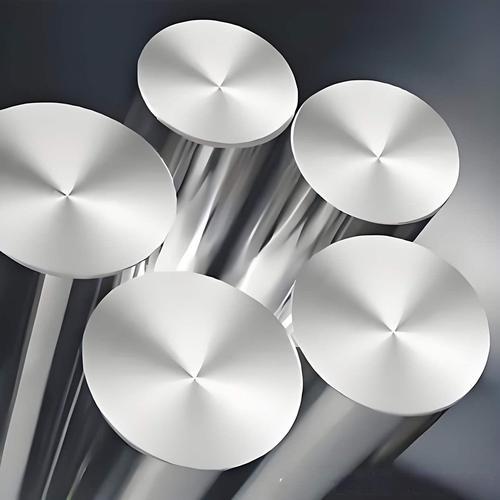
Inconel 617 alloy round bar price per kilogram is commonly about USD 45 to 90 per kg for standard industrial stock sizes. Large forged bars, small pre...
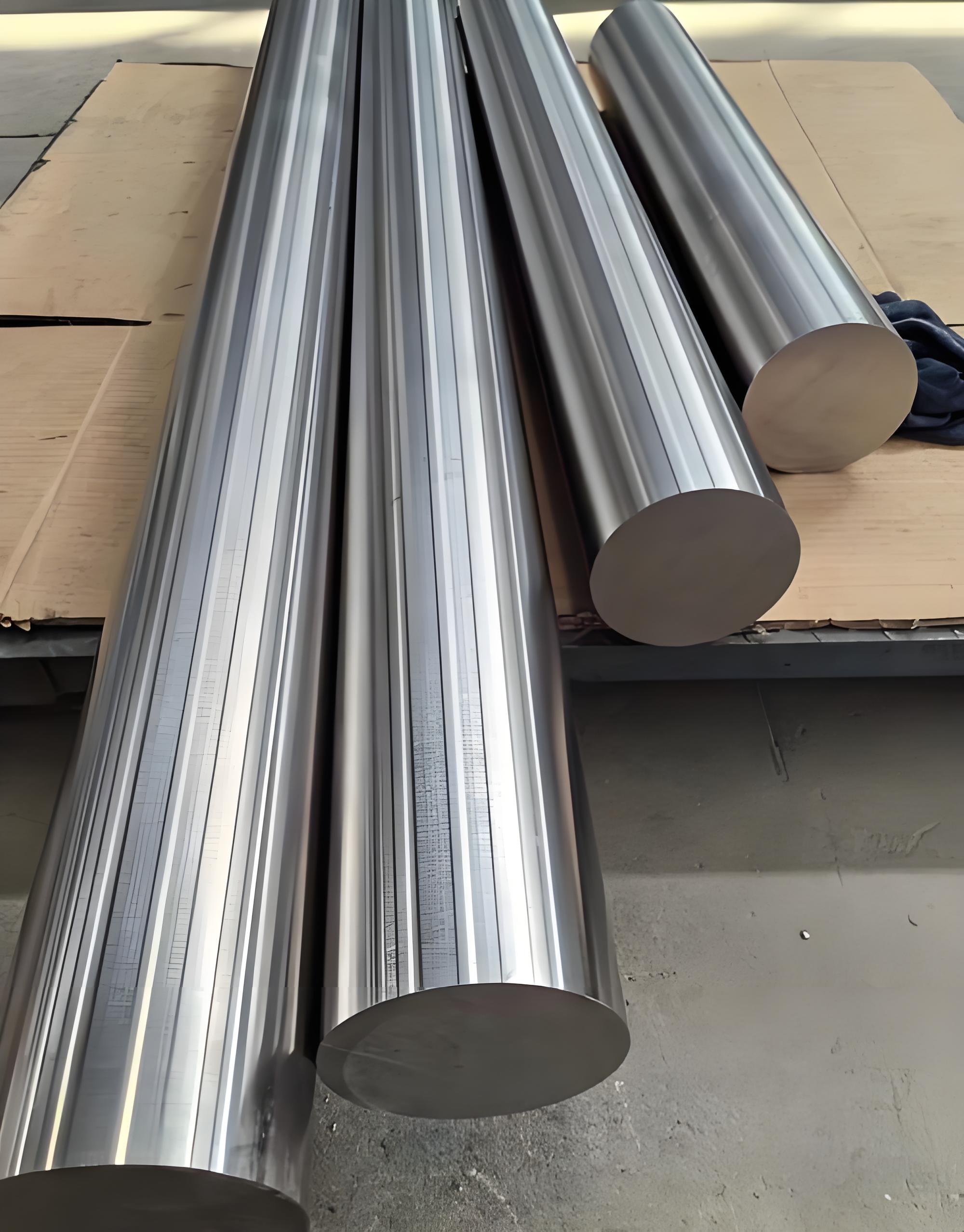
The latest Inconel 625 alloy bar price per kg depends on nickel, molybdenum, niobium, and chromium raw material costs, as well as bar diameter, manufa...
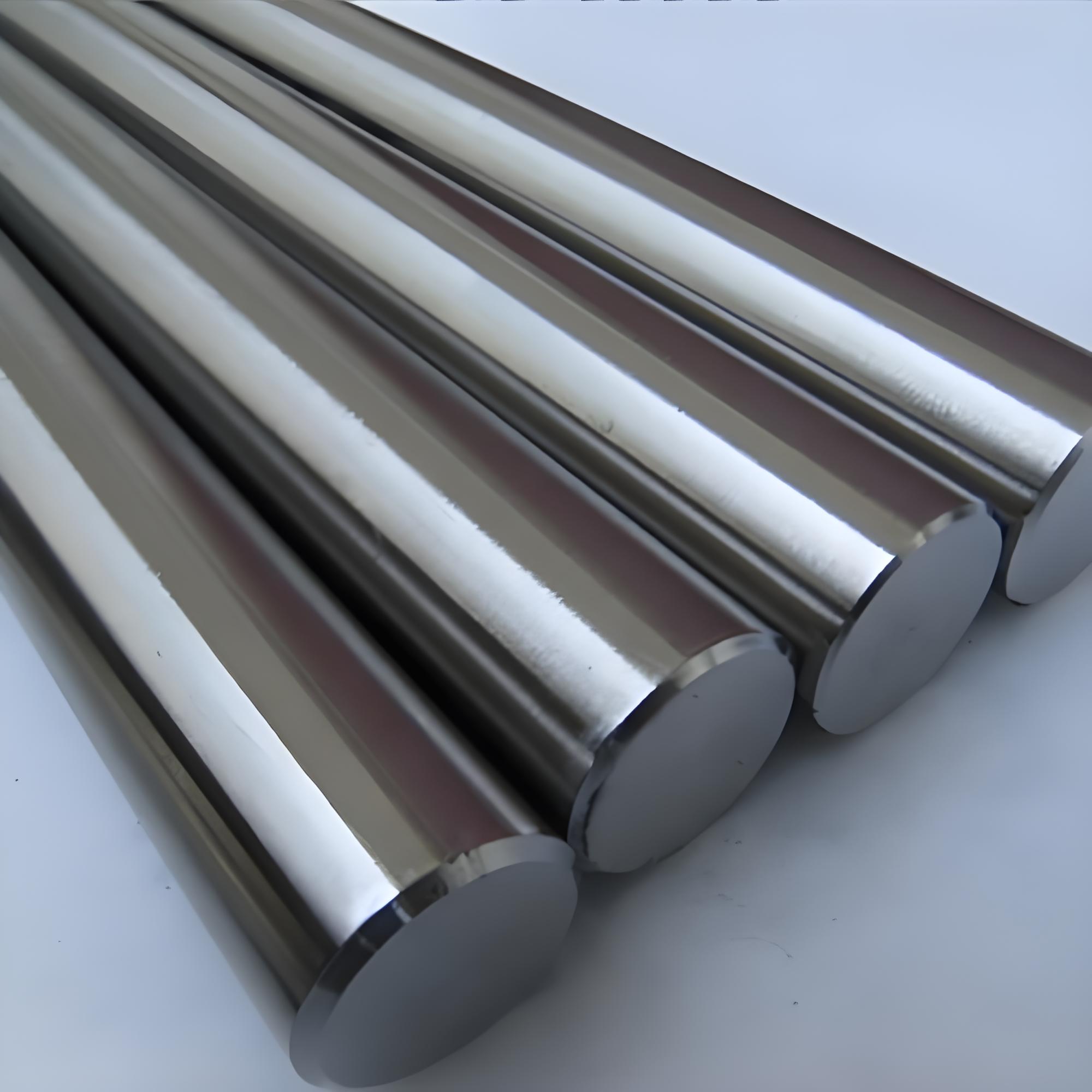
Inconel X-750 alloy bar price depends on nickel raw material cost, bar diameter, product condition, heat treatment, specification, surface finish, dim...
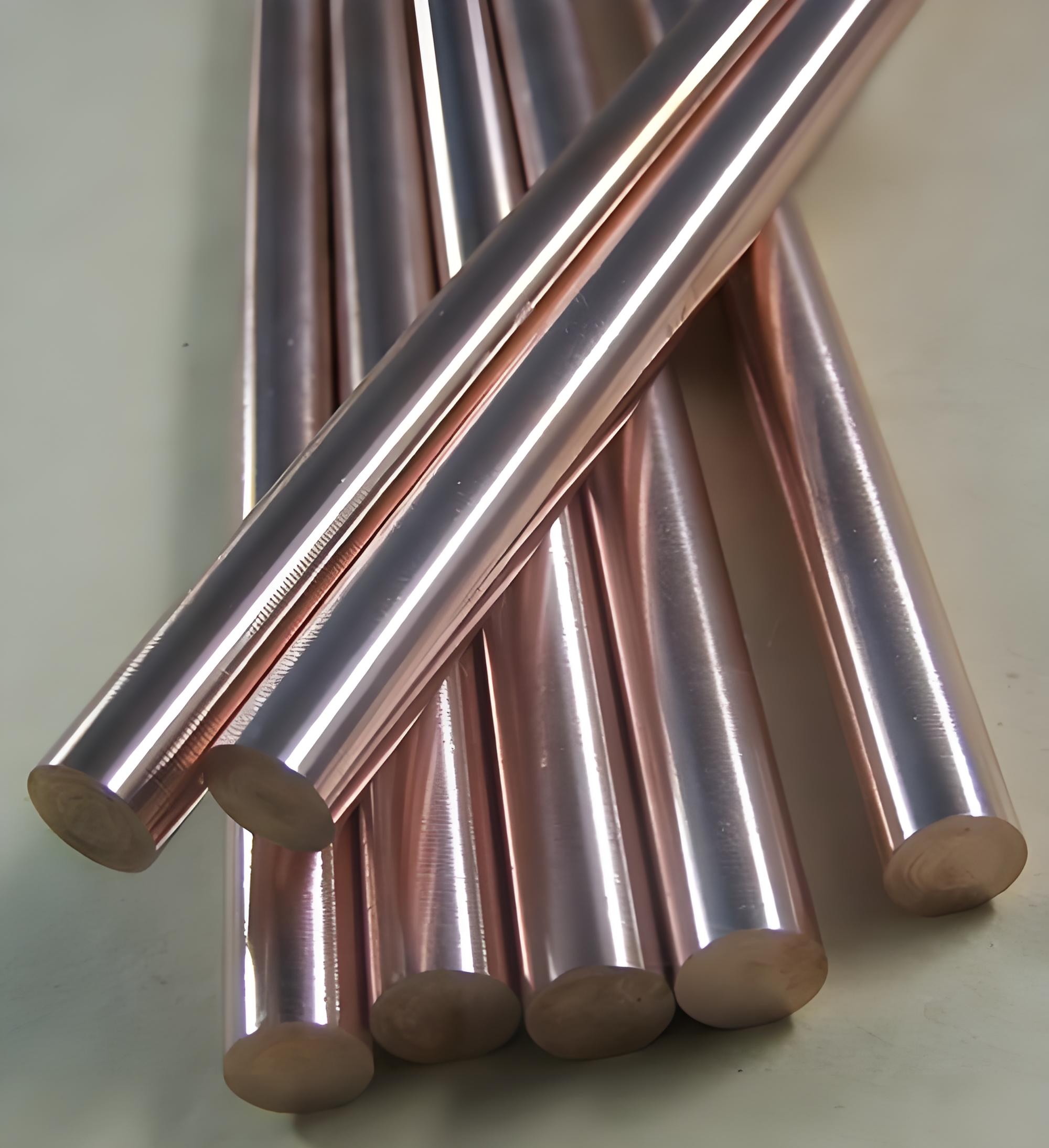
Inconel 602CA alloy bar price per kg is usually higher than common Inconel 600 and Inconel 601 bars because Alloy 602CA is a premium high-temperature ...
 English English
  Korean
 Arabic
 Spanish
 German
 Portuguese
 French
 Russian
 Italian
 Vietnamese