
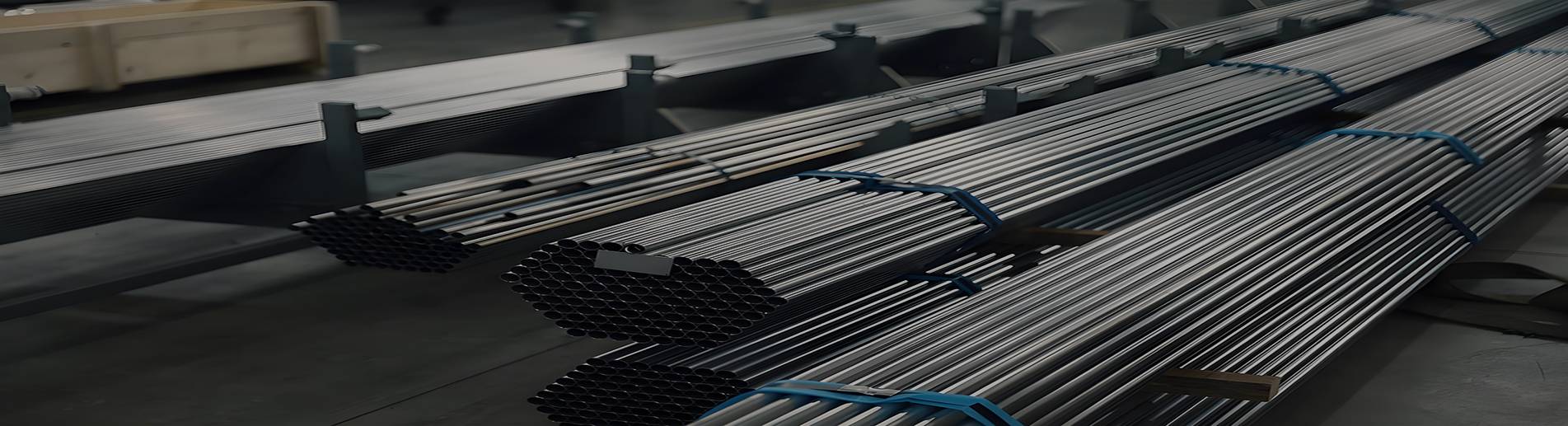
Incoloy 825 Bar Price | UNS N08825 Supplier
Incoloy 825 bar price depends on the nickel-based alloy composition, bar dimensions, manufacturing route, heat-treatment condition, surface finish, in...
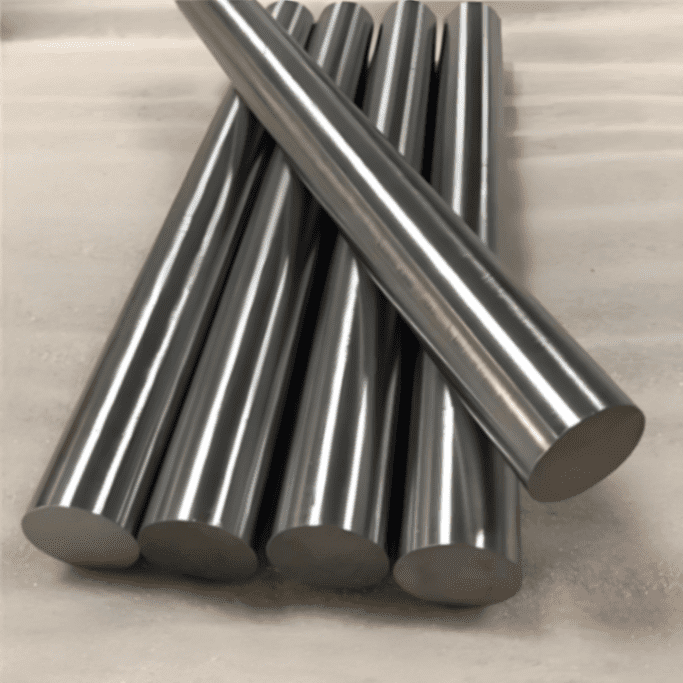
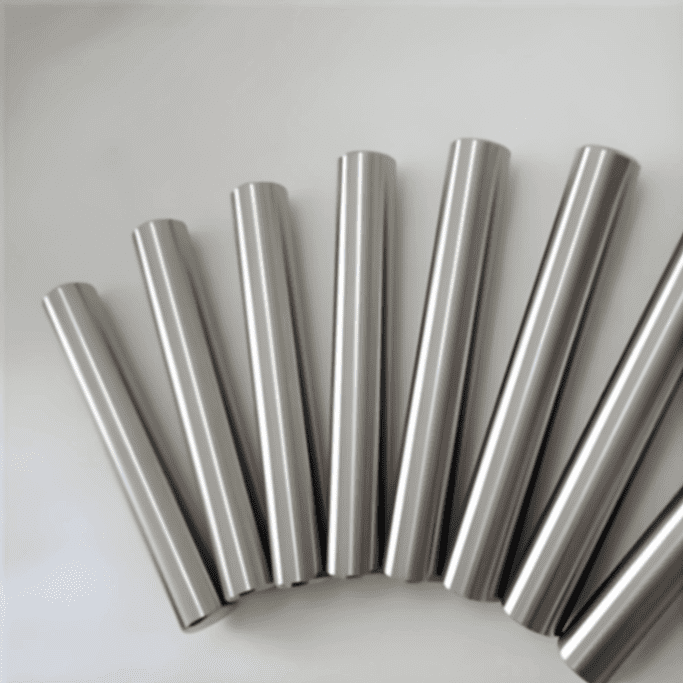
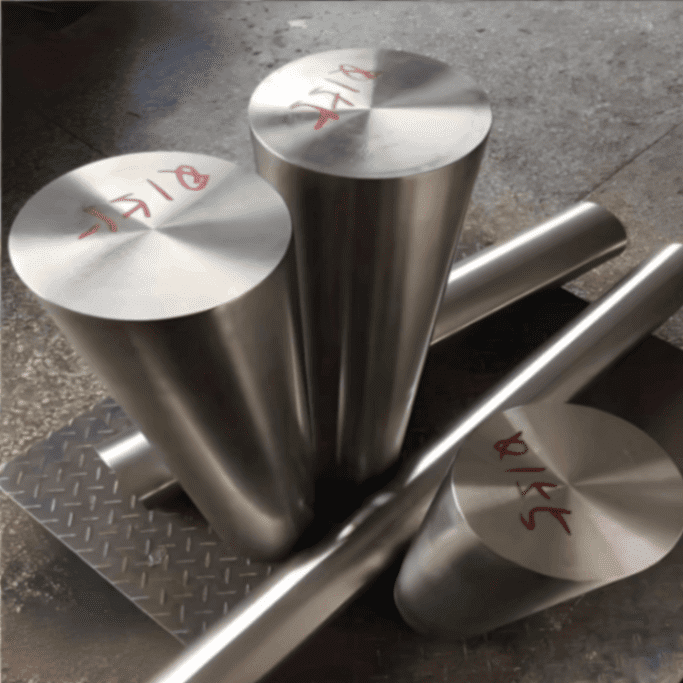
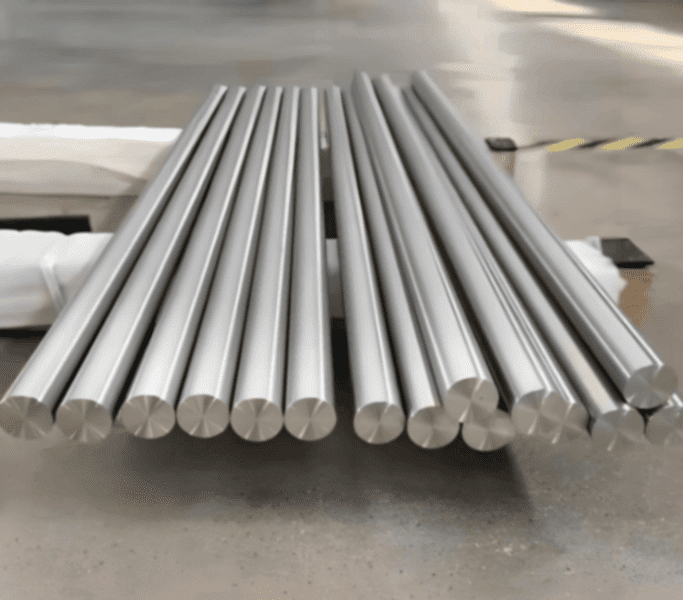
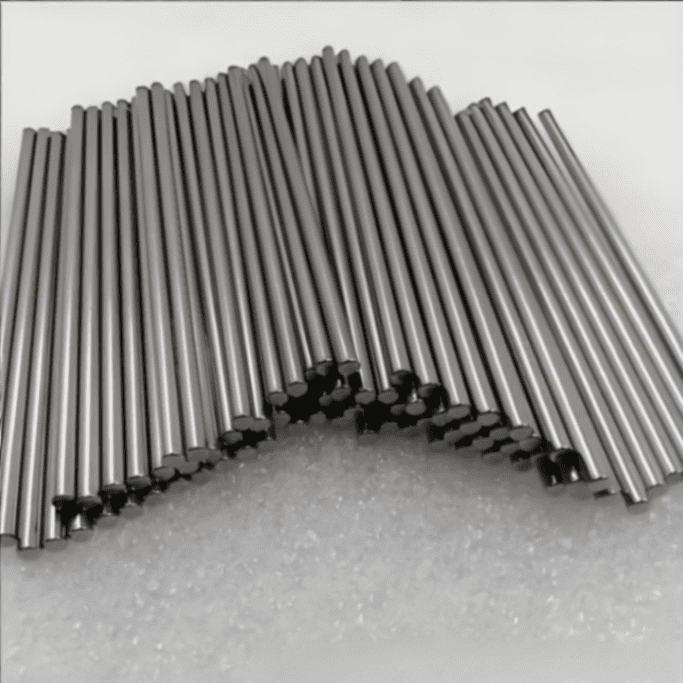
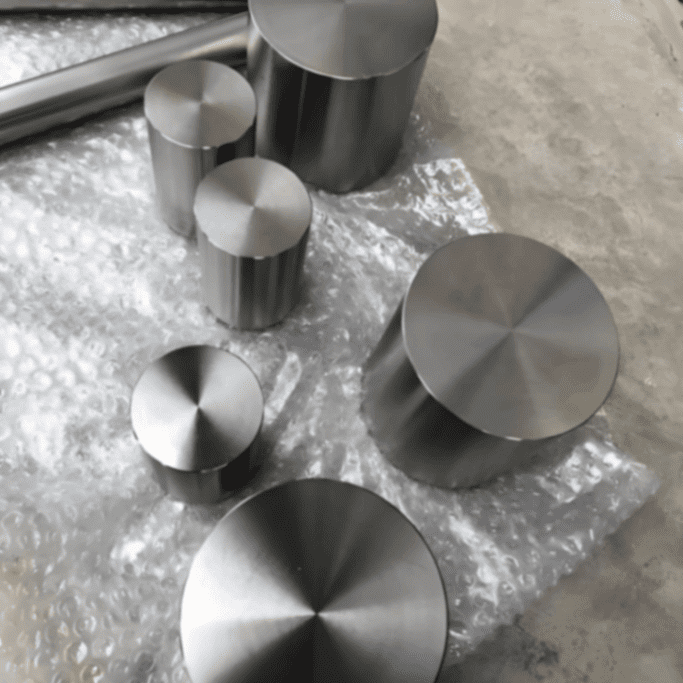
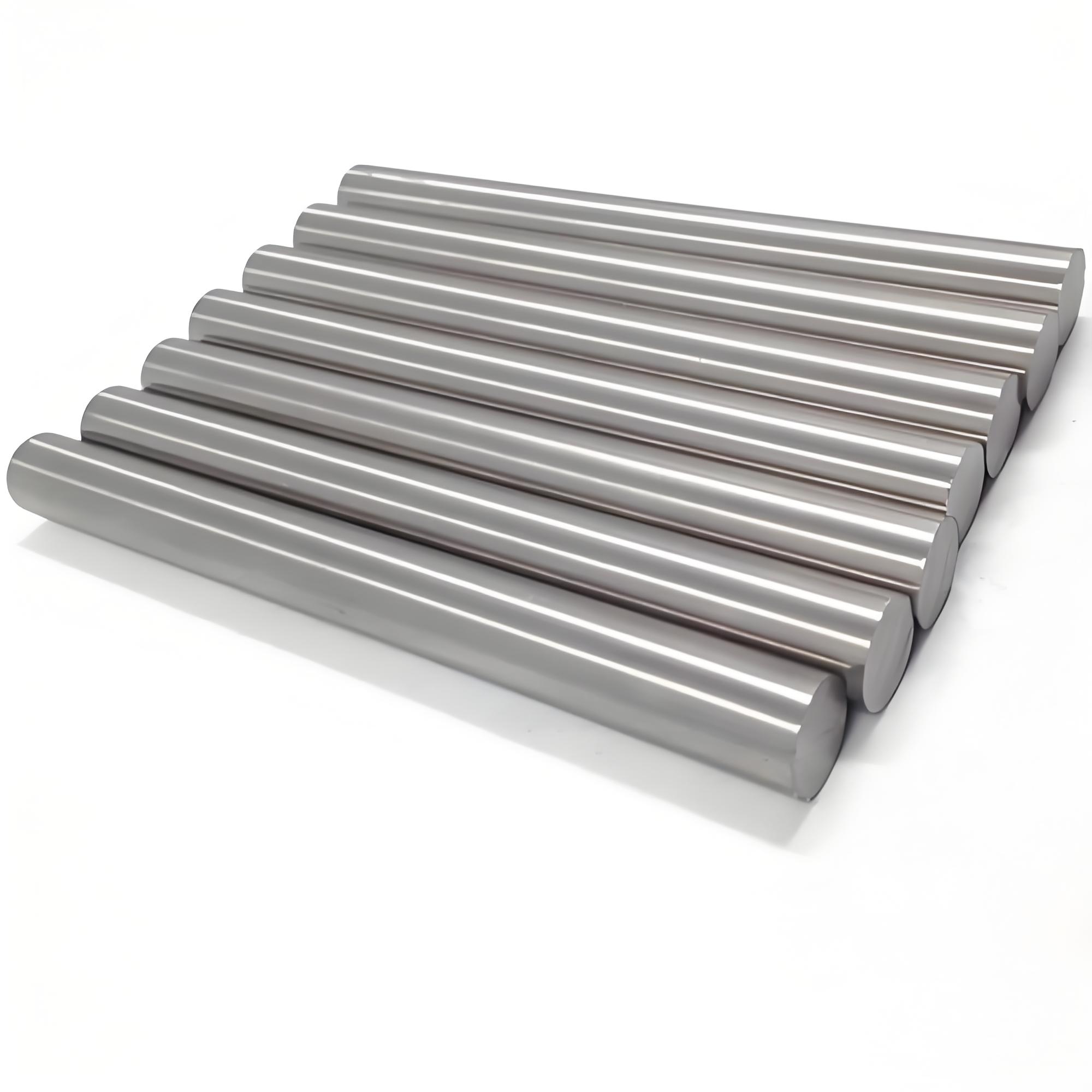
Inconel 601 round bar factory price commonly ranges from approximately USD 28 to 55 per kilogram for standard industrial hot-rolled, hot-finished, annealed, or peeled bars purchased in regular production quantities. Forged, cold-drawn, precision-ground, tightly toleranced, specially inspected, or small-quantity Inconel 601 round bars may cost approximately USD 38 to 90 per kilogram or more. Inconel 601, also known as Alloy 601, UNS N06601, and W.Nr. 2.4851, is a nickel-chromium-iron alloy containing controlled aluminum. It is selected for high-temperature oxidation resistance, resistance to oxide-scale spalling during thermal cycling, good mechanical strength, and reliable performance in furnace, chemical-processing, environmental-control, aerospace, and power-generation equipment. The actual factory price depends on nickel and chromium markets, diameter, production route, heat-treatment condition, surface finish, dimensional tolerance, straightness, order quantity, cutting, machining, testing, certification, lead time, packing, and delivery terms.
Inconel 601 round bar is supplied as hot-rolled bar, forged bar, cold-drawn rod, peeled bar, turned bar, polished bar, and precision-ground bar. It is commonly machined into furnace supports, burner nozzles, radiant-tube components, heat-treatment fixtures, thermocouple protection parts, combustion components, fasteners, shafts, pins, valve parts, electrical-heating hardware, and high-temperature structural components.
The term “factory price” normally refers to the price offered by a producing mill, forging plant, rolling facility, drawing factory, or integrated nickel-alloy processor. It is commonly quoted on an EXW or ex-factory basis. International freight, marine insurance, export-port charges, customs clearance, import duties, taxes, anti-dumping duties, and inland delivery are generally excluded unless the quotation states otherwise.
A factory price is usually most competitive when the buyer orders a standard diameter, regular production quantity, standard heat-treatment condition, full bar length, and normal mill tolerance. A custom diameter, small order, precision-ground finish, special heat treatment, or additional inspection can move the price well above the base factory range.
| Inconel 601 Round Bar Type | Factory Price Reference | Typical Purchasing Condition |
|---|---|---|
| Hot-rolled round bar | USD 28–46/kg | Regular factory quantity, standard diameter, mill tolerance |
| Annealed and peeled bar | USD 31–55/kg | Improved surface quality and reduced machining allowance |
| Forged round bar | USD 35–70/kg | Large diameter, heavy section, or custom forging |
| Cold-drawn round bar | USD 38–75/kg | Small diameter with improved tolerance and surface finish |
| Precision-ground round bar | USD 48–90/kg | Tight-tolerance shafts, pins, rods, and precision components |
| Specially tested project material | Project quotation | Additional UT, PMI, mechanical testing, or third-party inspection |
These ranges are intended for purchasing budgets rather than formal orders. A firm quotation requires the exact diameter, length, quantity, standard, condition, surface, tolerance, inspection scope, packing method, destination, and Incoterm.
The direct answer is that standard Inconel 601 round bar generally costs approximately USD 28 to 55 per kg at factory level. This range is most relevant to common diameters, standard industrial certification, regular order quantities, normal production lead time, and hot-finished, annealed, or peeled conditions.
Small cold-drawn rods, large forged bars, solution-treated bars for high-temperature rupture-limited service, tight-tolerance ground bars, fixed-length pieces, special testing, and small orders may cost approximately USD 38 to 90 per kg or more.
| Purchasing Requirement | Budgetary Factory Price | Commercial Explanation |
|---|---|---|
| Standard full-length bar | USD 28–50/kg | Common diameter, factory MOQ, standard surface and MTC |
| Full bar with peeled surface | USD 31–55/kg | Surface scale removed and diameter control improved |
| Fixed-length cut pieces | USD 33–62/kg | Cutting, kerf loss, measurement, marking, and repacking are included |
| Large forged bar | USD 38–75/kg | Forging, heat treatment, rough turning, and possible UT add cost |
| Precision-ground bar | USD 48–90/kg | Grinding, straightening, inspection, and surface protection are required |
| Prototype or sample quantity | Supplier-specific premium | Minimum processing and documentation costs are divided over fewer kilograms |
An ex-factory price does not normally include sea freight, air freight, insurance, export-port expenses, import duty, value-added tax, customs clearance, anti-dumping duty, destination storage, or final delivery to the buyer’s facility.
Cutting, precision machining, PMI, ultrasonic examination, third-party inspection, EN 10204 3.2 certification, special wooden packing, and customer-specific documentation may also be charged separately. Buyers should compare quotations only after confirming what is included.
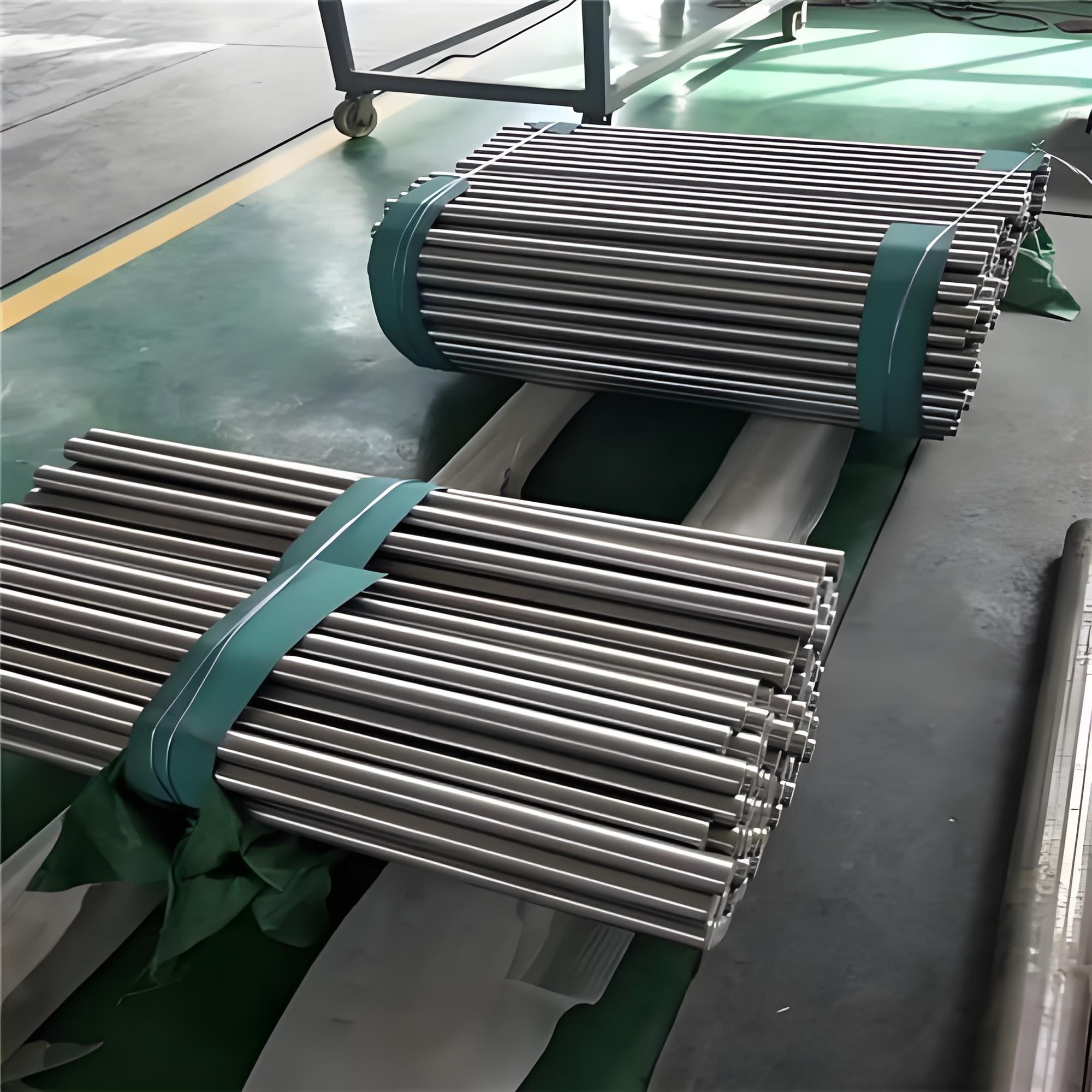
Some online prices refer to large-volume factory supply with a high MOQ. Others refer to one stocked bar, a cut piece, a polished bar, or material carrying additional supplier margins. A quotation may also be based on old inventory purchased at a different nickel price.
The lowest advertised number may exclude heat treatment, cutting, certification, testing, and freight. It may also apply only to one diameter or one origin. A usable purchasing comparison must be made on the same grade, standard, diameter, condition, tolerance, quantity, and delivery term.
Inconel 601 is commonly identified as UNS N06601 and W.Nr. 2.4851. It may also be described as Alloy 601, Nickel Alloy 601, NiCr23Fe, LC-NiCr23Fe, or Nicrofer 6023 H, depending on the manufacturer and regional specification.
UNS N06601 should appear on the purchase order, quotation, material test certificate, bar marking, packing label, and inspection documents. A general description such as “Inconel round bar” is insufficient because Inconel 600, 601, 617, 625, 690, 718, and X-750 have different compositions, strengthening mechanisms, applications, and prices.
| Designation | Meaning | Purchasing Importance |
|---|---|---|
| Inconel 601 | Common commercial alloy name | Frequently used on drawings, RFQs, and product pages |
| Alloy 601 | Generic commercial description | Commonly used by mills and stockholders |
| UNS N06601 | Unified Numbering System designation | Primary international purchasing identifier |
| W.Nr. 2.4851 | European material number | Common on European drawings and certificates |
| NiCr23Fe | Composition-based European designation | Highlights the nickel-chromium-iron alloy system |
| Nicrofer 6023 H | Alternative commercial designation | May appear in European mill literature |
| Standard | General Product Coverage | Buyer Consideration |
|---|---|---|
| ASTM B166 | Hot-finished and cold-worked rounds, squares, hexagons, rectangles, and wire | One of the most common industrial bar standards |
| ASME SB166 | ASME-adopted rod, bar, and wire specification | Frequently requested for pressure or code-related projects |
| EN 10095 | Heat-resistant steels and nickel alloys in several wrought forms | Common in European high-temperature projects |
| ISO 9723 | Nickel and nickel alloy bars | International procurement reference |
| DIN 17752 | Nickel and nickel alloy rod and bar | May appear on German and older European documents |
| ASTM B564 / ASME SB564 | Nickel alloy forgings and forging stock | Relevant when the product is ordered as a forging or forging blank |
| Property | Typical Reference | Commercial Relevance |
|---|---|---|
| Density | Approximately 8.11 g/cm³ | Used to calculate round bar weight and order value |
| Melting range | Approximately 1360–1411°C | Relevant to melting, hot working, and thermal-processing control |
| Strengthening method | Solid-solution strengthening and cold work | The alloy is not strengthened by precipitation aging |
| Primary performance | High-temperature oxidation and corrosion resistance | Supports use in furnace and thermal-processing equipment |
Inconel 601 is a nickel-chromium-iron alloy with a controlled aluminum addition. Nickel provides a stable austenitic matrix and broad corrosion resistance. Chromium provides resistance to oxidation and many high-temperature corrosive environments. Aluminum promotes formation of a tightly adherent protective oxide scale, especially during repeated heating and cooling.
| Element | Specified Range or Limit | Main Function |
|---|---|---|
| Nickel | 58.0–63.0% | Provides the principal matrix, ductility, corrosion resistance, and thermal stability |
| Chromium | 21.0–25.0% | Provides oxidation resistance and resistance to high-temperature corrosive atmospheres |
| Iron | Remainder | Forms a major controlled part of the alloy matrix |
| Aluminum | 1.0–1.7% | Improves oxide-scale adhesion and resistance to cyclic oxidation |
| Carbon | 0.10% maximum | Affects carbide formation and high-temperature microstructure |
| Manganese | 1.0% maximum | Controlled minor element |
| Sulfur | 0.015% maximum | Kept low to support hot workability and weld quality |
| Silicon | 0.50% maximum | Controlled residual and processing-related element |
| Copper | 1.0% maximum | Controlled residual element |
The material test certificate should show the actual chemical analysis of the supplied heat. Buyers should verify nickel, chromium, iron, aluminum, carbon, manganese, silicon, sulfur, and copper against the required specification.
PMI is useful for confirming major elements such as nickel, chromium, iron, and possibly aluminum, depending on the instrument. It does not replace laboratory analysis for carbon, sulfur, and low-level residual elements. The original MTC and heat number remain essential.
The aluminum addition is one of the main differences between Inconel 601 and Inconel 600. During high-temperature exposure, chromium and aluminum contribute to the development of a protective oxide layer. The aluminum improves scale adherence and helps reduce spalling during repeated thermal cycles.
This feature is valuable in baskets, trays, furnace fixtures, burner parts, radiant tubes, thermal reactors, and other components that repeatedly heat and cool. It also explains why Alloy 601 may justify a higher price than Alloy 600 in severe oxidation service.
The raw material value of Inconel 601 is mainly influenced by nickel and chromium. Iron is less expensive and forms the balance, while aluminum has a smaller direct material cost but substantial technical importance.
Nickel represents approximately 58% to 63% of Inconel 601. Changes in the nickel market affect new production cost, factory alloy surcharges, stock replacement value, and quotation validity.
Finished round bar costs much more than the nickel contained in the alloy. The factory price also includes chromium and aluminum, melting, billet production, rolling or forging, annealing, straightening, surface processing, testing, yield loss, financing, energy, labor, and factory overhead.
Chromium content is approximately 21% to 25%, which is higher than the chromium content of Inconel 600. Chromium is central to Alloy 601’s oxidation resistance and high-temperature corrosion performance.
Although chromium normally costs less per kilogram than nickel, its large percentage contributes materially to the alloy surcharge and helps explain the price difference between Inconel 600 and 601.
Iron forms the remainder of the composition after nickel, chromium, aluminum, and controlled residual elements. Because iron is less expensive than nickel, it moderates the raw material cost. Alloy 601 nevertheless remains a premium material because nickel and chromium still make up most of the composition.
Aluminum represents only about 1.0% to 1.7% of the alloy, so its direct raw material cost is not as important as nickel. Its addition must still be controlled during melting because it strongly affects oxidation behavior and oxide-scale adhesion.
The price impact of aluminum is therefore linked not only to its purchase cost but also to tighter melting control, chemical analysis, and process consistency.
| Element | Typical Content | Relative Cost Influence | Main Performance Contribution |
|---|---|---|---|
| Nickel | 58–63% | Very high | Base matrix, corrosion resistance, and thermal stability |
| Chromium | 21–25% | High | Oxidation and high-temperature corrosion resistance |
| Iron | Remainder | Lower | Major matrix constituent and raw material cost moderation |
| Aluminum | 1.0–1.7% | Lower direct cost, high technical value | Protective oxide-scale adhesion and cyclic oxidation resistance |
Inconel 601 round bar factory price changes with diameter because different sizes require different production routes. Medium diameters are normally the most economical because they can be produced efficiently by hot rolling or forging. Very small bars require cold drawing and finishing, while very large bars usually require custom forging.
| Diameter Range | Factory Price Reference | Typical Manufacturing Route |
|---|---|---|
| 3–10 mm | USD 48–90/kg | Cold drawn, straightened, polished, or precision ground |
| 12–20 mm | USD 40–75/kg | Cold drawn, peeled, ground, or small hot-finished bar |
| 22–80 mm | USD 28–55/kg | Common hot-rolled, forged, or peeled production size |
| 85–150 mm | USD 33–63/kg | Hot-rolled or forged annealed bar |
| 160–250 mm | USD 40–78/kg | Custom-forged, annealed, rough-turned, and possibly UT-tested |
| Above 250 mm | Custom factory quotation | Project-specific forging, heat treatment, machining, and inspection |
| Diameter | Approximate Weight per Meter | Purchasing Meaning |
|---|---|---|
| 20 mm | About 2.55 kg/m | Low total weight, but small-size finishing can increase price per kg |
| 50 mm | About 15.9 kg/m | Common machining diameter with relatively stable factory pricing |
| 100 mm | About 63.7 kg/m | Higher total order value and heavier cutting requirements |
| 200 mm | About 255 kg/m | Normally forged and may require UT, lifting, and special packing |
The weights are approximate and calculated using a nominal density of 8.11 g/cm³. Actual invoice weight should be calculated from measured dimensions or verified by scale weight.
A 200 mm bar can have a higher price per kilogram than a 50 mm stock bar because it requires custom forging and inspection. Its total order value is also much higher because round bar weight increases with the square of diameter.
Buyers should therefore review the price per kilogram, total gross weight, machining allowance, cutting loss, and final usable yield.
A small-diameter bar is not necessarily cheaper per kilogram. Although its total weight is lower, producing a small rod can require more processing for each kilogram of saleable material.
| Small-Bar Cost Factor | Effect on Factory Price |
|---|---|
| Cold-drawing passes | Add tooling, lubrication, machine time, and process control |
| Intermediate annealing | Add furnace cycles and handling between drawing reductions |
| Descaling and surface cleaning | Required before additional drawing or finishing operations |
| Precision straightening | Adds processing and dimensional inspection |
| Polishing or grinding | Adds finishing time and reduces production yield |
| Small batch quantity | Setup and testing costs are divided over fewer kilograms |
| Large-Bar Cost Factor | Effect on Factory Price |
|---|---|
| Large billet or ingot | Raises raw material commitment and production MOQ |
| Multiple forging heats | Add press time, furnace energy, labor, and process risk |
| Long heat-treatment cycle | Requires greater furnace capacity and longer section-through heating |
| Rough turning | Removes scale and surface imperfections but reduces finished yield |
| Ultrasonic testing | Adds inspection cost and potential rejection risk |
| Heavy handling and packing | Requires lifting equipment, stronger cases, and special transportation |
Diameters from approximately 22 mm to 80 mm are often easier to combine with normal factory production. They usually offer a better balance of production efficiency, stock availability, processing yield, and price per kilogram.
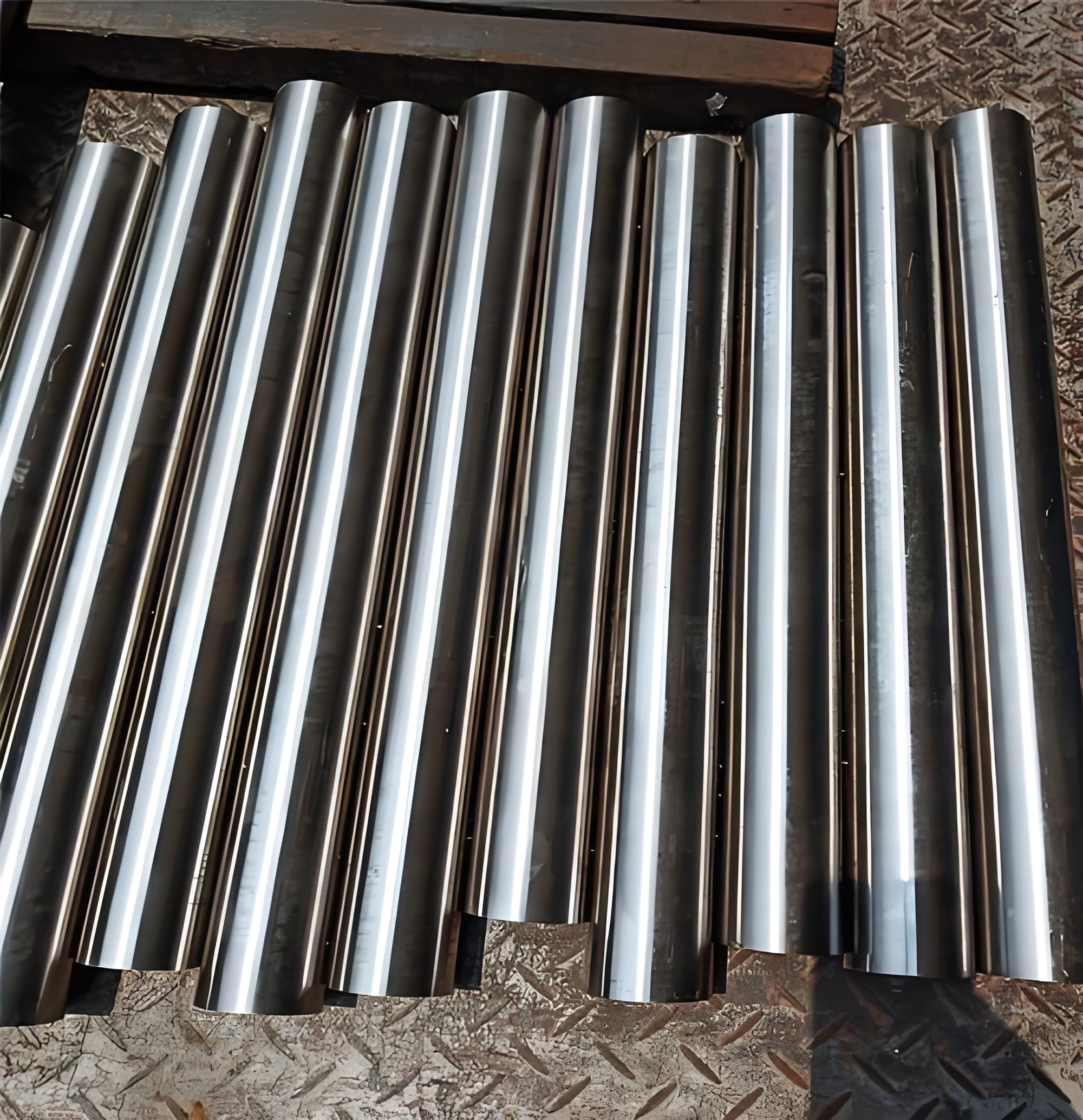
The manufacturing route has a direct effect on Inconel 601 round bar price. A hot-rolled black bar and a precision-ground bar with a close diameter tolerance are not equivalent products, even when their nominal diameters are identical.
Hot-rolled bar is normally the most economical option for general machining blanks, furnace supports, shafts, fixtures, and components that will undergo substantial turning or milling.
It normally has mill scale, commercial straightness, and wider diameter tolerance than peeled or ground bar. Sufficient machining allowance must be included when choosing the starting diameter.
Forged bar is used for large diameters, heavy sections, large shafts, furnace hardware, custom components, and parts requiring substantial machining stock. Its price depends on billet size, forging reduction, number of reheats, heat treatment, rough turning, UT, and final inspection.
Cold-drawn bar provides improved dimensional accuracy, surface finish, straightness, and mechanical strength. Alloy 601 work-hardens during cold deformation, so significant reductions may require intermediate annealing.
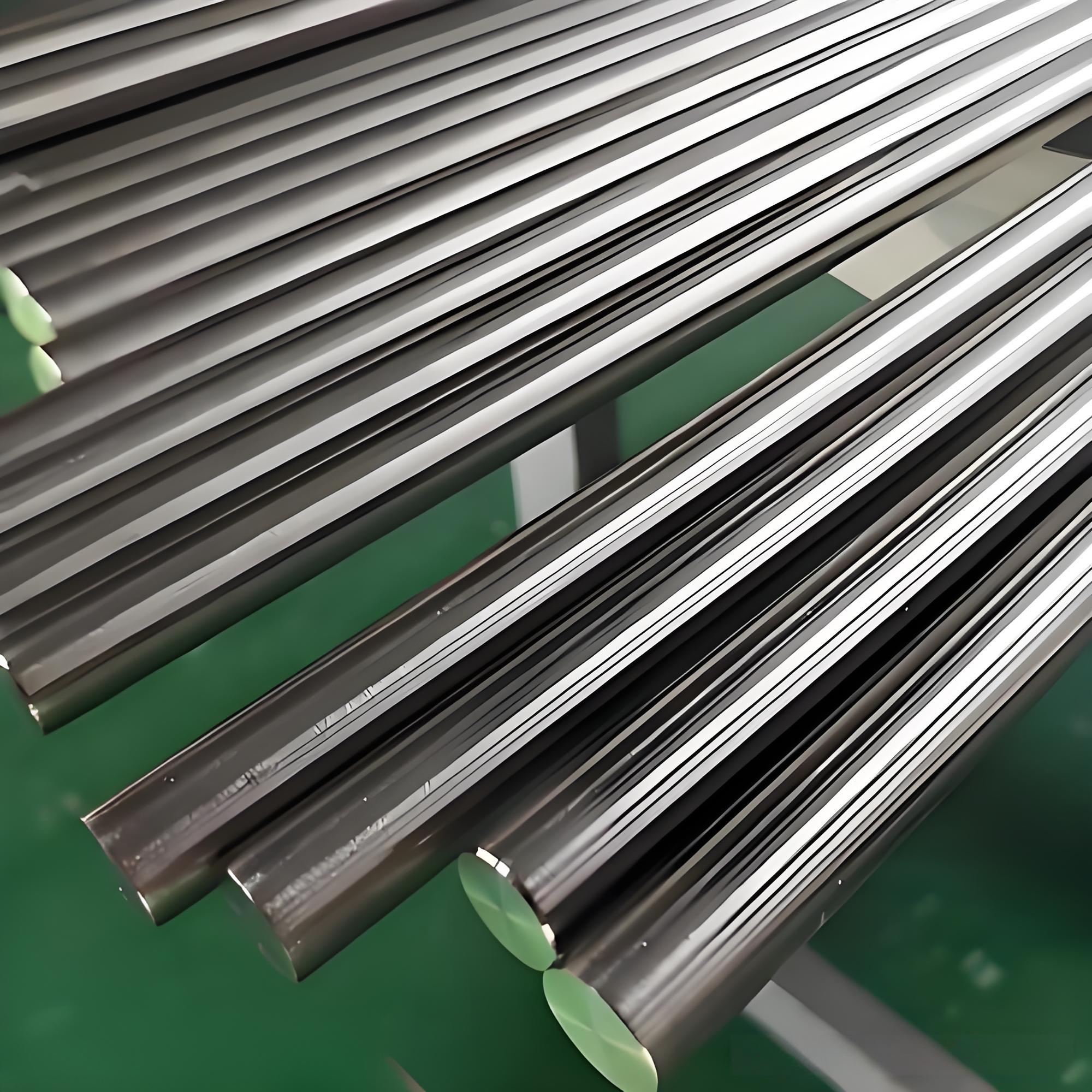
Precision-ground bar is used for shafts, pins, valve components, burner parts, instrument hardware, and other components requiring controlled diameter, roundness, straightness, and surface roughness.
| Bar Condition | Factory Price Reference | Main Advantage | Main Cost Addition |
|---|---|---|---|
| Hot rolled | USD 28–46/kg | Economical general machining blank | Limited finishing and standard tolerance |
| Forged | USD 35–70/kg | Large-diameter and heavy-section capability | Forging, reheating, heat treatment, rough turning, and UT |
| Cold drawn | USD 38–75/kg | Improved tolerance, strength, and surface quality | Drawing passes, annealing, straightening, and inspection |
| Peeled or turned | USD 31–56/kg | Cleaner surface and reduced machining allowance | Surface removal and dimensional control |
| Precision ground | USD 48–90/kg | Tight tolerance and smooth surface finish | Grinding, straightening, inspection, and protective packing |
A low-priced hot-rolled bar may require greater machining allowance, longer turning time, and more scrap. A peeled or ground bar has a higher material price but may reduce machining time and improve finished-component consistency.
The correct comparison is the cost per acceptable finished component rather than the raw bar price alone.
Inconel 601 is a solid-solution alloy and is not strengthened by precipitation-aging heat treatment. Its strength and hardness can be adjusted through cold work and annealing. The optimum heat-treatment condition depends on the service temperature and the property controlling the design.
The annealed condition is normally used for applications below approximately 540°C where tensile strength, yield strength, fatigue behavior, ductility, or fabrication performance are the main considerations.
Annealing after cold drawing restores ductility and reduces work-hardening effects. The required temperature and holding time depend on the degree of cold work, bar diameter, desired grain size, and governing specification.
The solution-treated condition is generally used for rupture-limited and creep-related applications at approximately 540°C and above. It normally produces a coarser grain structure and lower room-temperature yield strength but supports improved long-term high-temperature creep and rupture performance.
Published technical data compare bar specimens annealed near 980°C and solution treated near 1150°C. These are useful material-performance references, but they should not be applied as universal factory heat-treatment instructions. The actual cycle must follow the applicable specification, section size, mill procedure, and engineering requirement.
| Material Condition | Typical Application Direction | Factory Cost Effect |
|---|---|---|
| Hot-finished without additional treatment | General machining where permitted by the specification | Lowest processing cost |
| Standard annealed | Tensile-limited service and general fabrication | Usually included in normal mill production |
| Annealed after cold drawing | Restores ductility after substantial cold reduction | Adds furnace, handling, and straightening cost |
| Solution treated | High-temperature creep- or rupture-limited service | May add higher-temperature furnace and testing cost |
| Customer-specific thermal cycle | Project-defined grain size or mechanical-property requirement | Project-specific and may require qualification testing |
Solution treatment may require a higher furnace temperature, longer section-through heating for large bars, controlled furnace atmosphere, faster cooling, post-treatment straightening, and additional testing. Large bars occupy more furnace capacity and therefore usually have a higher heat-treatment charge.
A solution-treated bar is not automatically better for every part. A room-temperature or moderate-temperature shaft may benefit from the higher yield strength and finer grain structure of an annealed condition. A continuously loaded furnace support at high temperature may require the creep and rupture behavior associated with solution treatment.
Stock or regularly produced diameters normally offer a lower price and shorter lead time than custom diameters. A factory can combine common sizes with other production orders, improving billet utilization and rolling or forging efficiency.
Standard sizes require less tooling adjustment, fewer trial pieces, simpler heat-treatment loading, and lower setup cost. Semi-finished billets may already be available, reducing raw material commitment and lead time.
A custom diameter may require special billet allocation, dedicated forging, additional turning, peeling, drawing, grinding, heat treatment, and inspection. The factory may price the order based on gross input weight rather than the final saleable weight.
| Comparison Item | Standard or Stock Diameter | Custom Diameter |
|---|---|---|
| Price per kg | Usually lower | Usually higher |
| MOQ | Lower if included in regular production | Higher because dedicated production may be required |
| Lead time | Shorter when billet or finished stock is available | Longer because of production planning and testing |
| Manufacturing yield | Generally higher | May be lower because of setup, end loss, and machining |
| Machining allowance | Buyer may need to use the next larger size | Can be produced closer to the finished component size |
A custom near-net diameter may cost more per kilogram but save substantial machining time and scrap. This is particularly important for large bars, where removing several millimeters from the diameter can generate a large amount of expensive nickel-alloy waste.
Buyers should compare gross bar weight, machining hours, tool consumption, scrap recovery value, and delivery schedule before deciding between a stock and custom diameter.
Surface condition, diameter tolerance, roundness, ovality, straightness, and surface roughness can substantially affect Inconel 601 bar price. These requirements should be defined numerically whenever possible.
| Surface Condition | Typical Characteristics | Relative Cost |
|---|---|---|
| Hot-rolled black surface | Mill scale present and machining allowance required | Lowest |
| Descaled or pickled | Oxide scale removed for inspection or fabrication | Low to medium |
| Peeled or turned | Clean metallic surface and improved diameter control | Medium |
| Polished | Improved appearance and surface smoothness | Medium to high |
| Precision ground | Tight diameter, roundness, straightness, and roughness control | Highest |
Standard ASTM or commercial mill tolerance is normally the lowest-cost option. Tighter tolerances such as h11, h9, h8, h7, or drawing-specific limits require additional machining, grinding, inspection, and rejection control.
Standard commercial straightness may be acceptable for short machining blanks. Long shafts, rods, thermocouple components, and rotating parts may require a maximum deviation per meter.
Strict straightness may require repeated correction after hot working, annealing, cold drawing, or grinding. Heat treatment can introduce movement, so the sequence of straightening and final inspection must be planned carefully.
Hot-rolled and forged bars may have wider roundness and ovality limits. Precision shafts and ground rods require tighter control. Meeting these limits can require additional stock removal and repeated measurement.
| Dimensional Requirement | Lower-Cost Option | Higher-Cost Option |
|---|---|---|
| Diameter | Standard mill tolerance | h9, h8, h7, or customer-specific tolerance |
| Roundness | Commercial hot-finished condition | Precision-ground roundness requirement |
| Straightness | Standard commercial straightness | Strict deviation per meter with inspection report |
| Surface roughness | Hot rolled or peeled | Specified Ra value after grinding or polishing |
| Surface defect allowance | Commercially acceptable imperfections | Fully machined or defect-free surface requirement |
Factories may quote the base round bar separately from cutting, machining, testing, certification, and packing. An itemized quotation makes it easier to compare offers from different manufacturers and suppliers.
Saw cutting includes machine time, blade wear, kerf loss, length measurement, identification transfer, deburring, and repacking. One or two cuts may add little cost, while hundreds of short blanks can add a meaningful processing charge.
The RFQ should state the required length, tolerance, positive machining allowance, quantity per size, end condition, and whether individual marking is required.
Inconel 601 work-hardens during machining and transfers heat away from the cutting zone less efficiently than many steels. Machining requires rigid equipment, sharp tools, consistent feed, suitable cutting speeds, and effective coolant.
Available processing may include rough turning, peeling, centerless grinding, facing, chamfering, drilling, milling, threading, or finished-component machining. Charges may be calculated by piece, machine hour, finished dimension, or removed material volume.
Standard factory supply normally includes an MTC showing heat analysis and the mechanical properties required by the specification. Additional testing may include PMI, ultrasonic examination, hardness testing, tensile testing, grain-size examination, macrostructure inspection, elevated-temperature testing, or independent laboratory analysis.
An EN 10204 3.1 certificate is commonly requested for industrial material. EN 10204 3.2 certification, third-party witnessing, customer inspection, furnace records, and project-specific document packages add cost and lead time.
| Additional Service | Typical Cost Effect | Main Cost Reason |
|---|---|---|
| Single saw cut | Low | Basic machine time and blade wear |
| Multiple fixed-length pieces | Medium | Repeated cutting, measuring, marking, and packing |
| Rough turning | Medium | Machine time, tool wear, and material removal |
| Precision machining | High | Tight tolerance, slower cutting, and higher tool consumption |
| PMI testing | Low to medium | Major-element verification and test reporting |
| Ultrasonic testing | Medium to high | Internal-quality examination, calibration, and reporting |
| Third-party inspection | Medium to high | Inspector fees, coordination, witnessing, and document review |
| EN 10204 3.2 certification | High | Independent validation and expanded documentation |
The MTC should identify the grade, UNS number, heat number, specification, chemical composition, dimensions, delivery condition, and required mechanical properties. The heat number on the certificate should match the product marking and packing label.
When a full bar is cut into multiple pieces, the heat number should be transferred to each piece or maintained through an approved traceability system.
Order quantity has a direct influence on factory price. The factory must consider billet size, rolling or forging campaign, heat-treatment furnace load, testing batch, production yield, and setup time.
Regular batch orders normally receive better pricing because production, inspection, documentation, and packing costs are distributed over more kilograms. Sample or prototype quantities have a higher unit cost.
A large order may not always receive the lowest immediate price if it requires new production during a period of rising nickel prices. Existing stock and new-production material can have different cost bases.
MOQ varies by diameter and manufacturing route. A standard hot-rolled size may be combined with other factory orders and have a relatively low MOQ. A large custom forging or special cold-drawn diameter may require a full billet or dedicated production batch.
| Supply Situation | MOQ Direction | Commercial Effect |
|---|---|---|
| Standard size in regular production | Relatively low | Better factory price and shorter lead time |
| Standard size from available inventory | One bar or factory-defined minimum | Fast delivery, but price reflects the inventory cost basis |
| Custom cold-drawn diameter | Production-batch quantity | Setup, drawing, and annealing increase unit cost |
| Large custom-forged diameter | Based on billet or ingot weight | Gross production weight may exceed the final order weight |
Ready stock or available semi-finished billet can reduce lead time. New production may require raw material allocation, melting, billet conversion, rolling or forging, annealing, straightening, surface processing, testing, certificate approval, and packing.
Urgent orders may require priority scheduling, overtime, subcontracted grinding, expedited laboratory testing, or air freight. These costs can be more significant than the difference between two base material prices.
Nickel is the largest raw material cost driver, followed by chromium. Factories may provide short quotation validity when metal markets are volatile. A longer fixed-price period may include a risk allowance.
| Price Factor | Lower-Cost Situation | Higher-Cost Situation |
|---|---|---|
| Quantity | Regular production batch or full bars | Sample, prototype, or small cut-piece order |
| MOQ | Standard size can join an existing campaign | Dedicated billet, drawing, or forging batch is required |
| Lead time | Normal factory schedule | Urgent production and expedited shipment |
| Nickel market | Stable or declining nickel price | Rapidly rising or volatile nickel price |
| Price validity | Short validity based on current cost | Long fixed validity requiring risk coverage |
Inconel 601 generally costs slightly more than Inconel 600 because it contains more chromium and a controlled aluminum addition. Inconel 625 generally costs more because it contains substantial molybdenum and niobium. Inconel 617 is usually the most expensive of the four because it contains significant cobalt and molybdenum and is supplied for specialized high-temperature service.
| Alloy | Budgetary Standard Bar Price | Main Cost Reason | Main Performance Direction |
|---|---|---|---|
| Inconel 600 | Approximately USD 25–48/kg | High nickel with moderate chromium and iron | General heat, caustic, high-purity water, and corrosion resistance |
| Inconel 601 | Approximately USD 28–55/kg | Higher chromium and controlled aluminum addition | High-temperature oxidation, thermal cycling, and furnace service |
| Inconel 625 | Approximately USD 30–65/kg | High molybdenum and niobium content | Seawater, chlorides, pitting, crevice corrosion, and higher strength |
| Inconel 617 | Approximately USD 45–90/kg | High nickel, chromium, cobalt, and molybdenum content | Very high-temperature creep, oxidation, and thermal stability |
Inconel 600 is normally less expensive and may be suitable for caustic alkali, high-purity water, chloride stress-corrosion resistance, chemical processing, and general heat-resistant applications.
Inconel 601 justifies its higher cost when high-temperature oxidation, cyclic heating and cooling, and oxide-scale adherence are more important. Furnace fixtures, burner parts, radiant components, and thermal-processing equipment commonly benefit from the aluminum-containing Alloy 601 composition.
Inconel 625 normally costs more because it contains approximately 8% to 10% molybdenum and 3.15% to 4.15% niobium plus tantalum. These elements improve strength and resistance to pitting, crevice corrosion, seawater, chlorides, and many aggressive chemical environments.
Inconel 601 is generally more suitable when dry high-temperature oxidation and furnace atmosphere resistance are the main concerns. Inconel 625 is normally more suitable when wet corrosion, marine exposure, or localized chloride corrosion controls material selection.
Inconel 617 is usually more expensive because it contains approximately 10% to 15% cobalt and 8% to 10% molybdenum. It provides stronger long-term creep and rupture performance for highly stressed components at very high temperatures.
Inconel 601 may be the more economical choice for furnace liners, baskets, burner parts, thermal-processing fixtures, and other applications dominated by oxidation rather than high mechanical stress. Inconel 617 is more appropriate when sustained high-temperature load and creep deformation are critical.
Using Inconel 625 for a dry furnace fixture may add cost without providing the main required benefit. Using Inconel 601 for a highly stressed component near the upper end of high-temperature service may not provide the creep strength available from Alloy 617.
Material selection should consider temperature, atmosphere, applied stress, corrosion medium, exposure duration, thermal cycling, fabrication method, expected maintenance, and design-code requirements.
How much is Inconel 601 round bar per kilogram?
Standard industrial Inconel 601 round bar commonly costs approximately USD 28 to 55 per kg at factory level. Forged, cold-drawn, precision-ground, tightly toleranced, specially tested, small-quantity, or custom-diameter bars may cost approximately USD 38 to 90 per kg or more. The final price depends on diameter, quantity, manufacturing route, heat-treatment condition, surface finish, tolerance, testing, MOQ, lead time, packing, and delivery terms.
Is solution-annealed Inconel 601 more expensive than annealed bar?
Solution-treated Inconel 601 may cost more because it can require a higher furnace temperature, longer section-through heating, controlled cooling, post-treatment straightening, and additional testing. Annealed material is normally used for lower-temperature, tensile-limited applications, while solution-treated material is generally selected for creep- or rupture-limited service at approximately 540°C and above. The correct condition should be chosen according to engineering requirements rather than price alone.
Is Inconel 601 more expensive than Inconel 600, 625, and 617?
Inconel 601 is generally slightly more expensive than Inconel 600 because it contains more chromium and aluminum for improved high-temperature oxidation resistance. It is usually less expensive than Inconel 625, which contains molybdenum and niobium, and less expensive than Inconel 617, which contains substantial cobalt and molybdenum. Actual prices can overlap depending on diameter, stock availability, quantity, condition, and certification.
More from this category
Incoloy 825 bar price depends on the nickel-based alloy composition, bar dimensions, manufacturing route, heat-treatment condition, surface finish, in...
Incoloy 800HT bar price is shaped by nickel, chromium, titanium, and aluminum raw-material costs, together with bar dimensions, heat-treatment conditi...
Incoloy 20 round bar price per kg depends on the alloy composition, bar size, manufacturing method, surface finish, tolerance, certificates, inspectio...
Hastelloy G-30 N06030 bar factory price is determined by the alloy’s high nickel, chromium, iron, molybdenum, copper, and tungsten content, together...
 English English
  Korean
 Arabic
 Spanish
 German
 Portuguese
 French
 Russian
 Italian
 Vietnamese