
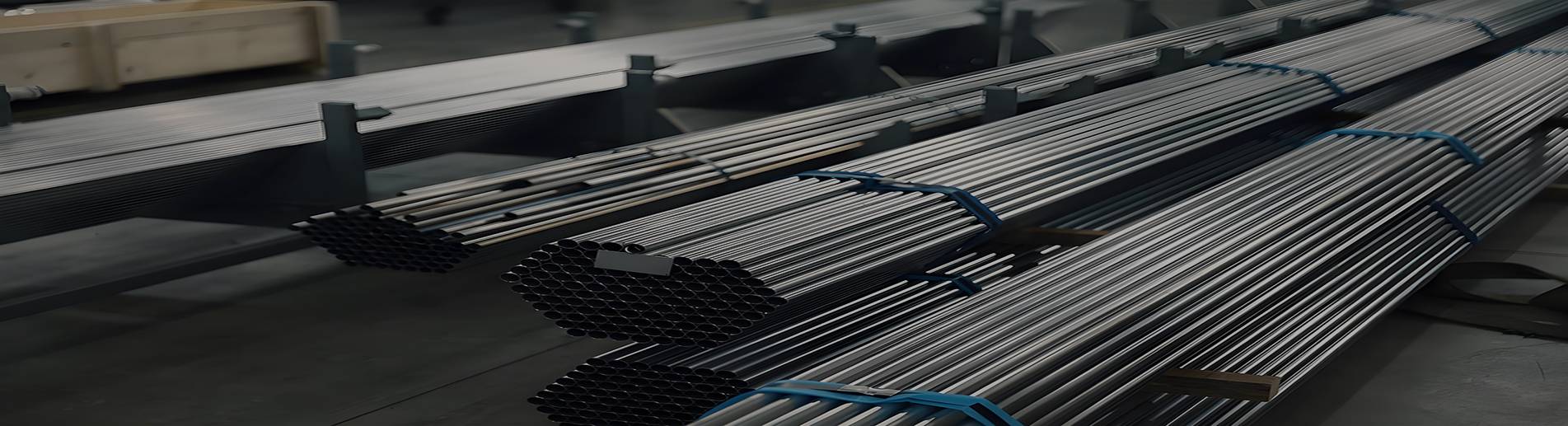
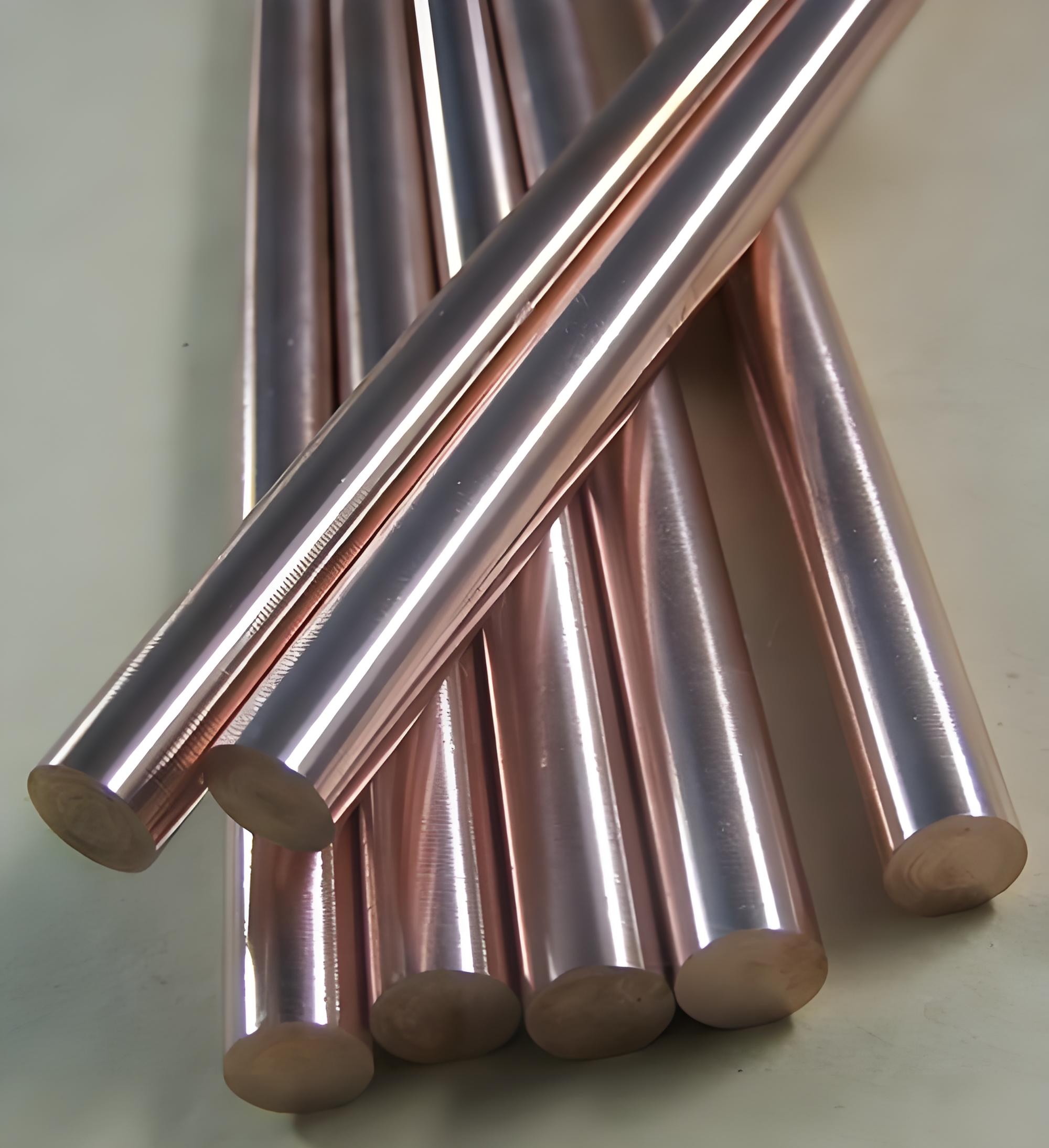
Inconel 617 alloy round bar price per kilogram
Inconel 617 alloy round bar price per kilogram is commonly about USD 45 to 90 per kg for standard industrial stock sizes. Large forged bars, small pre...
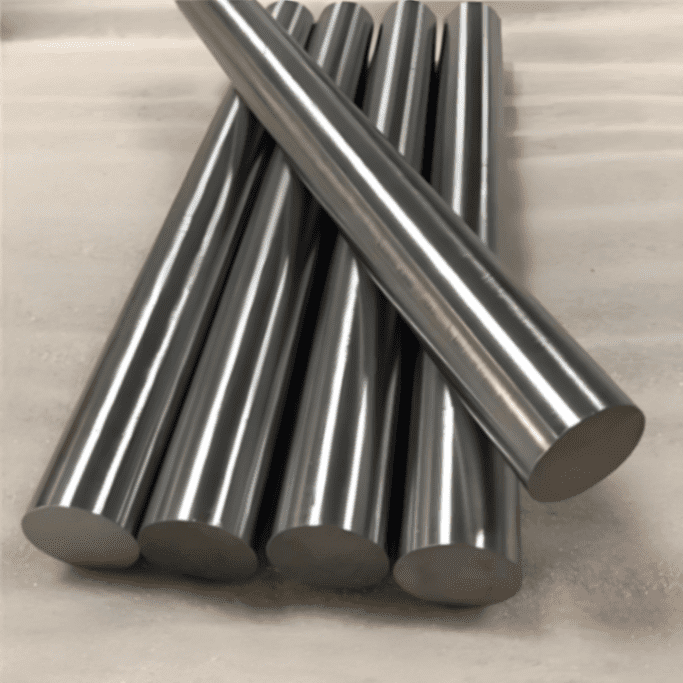
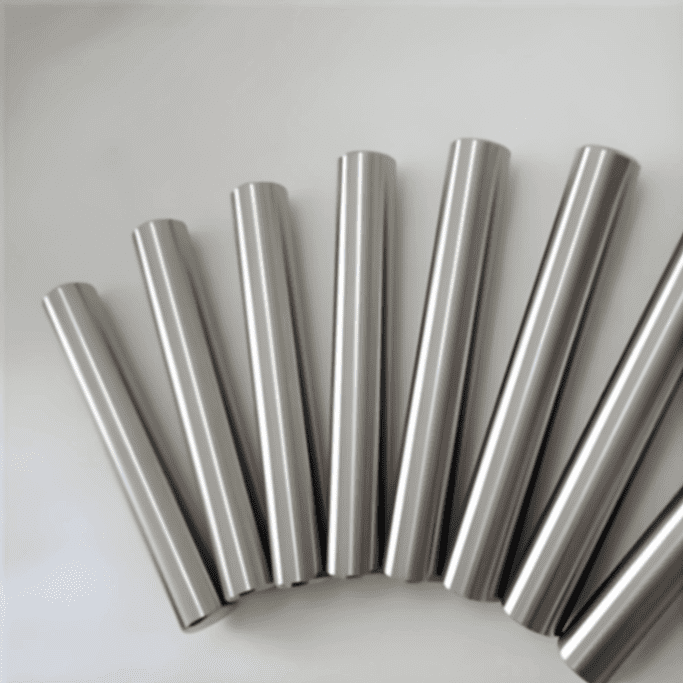
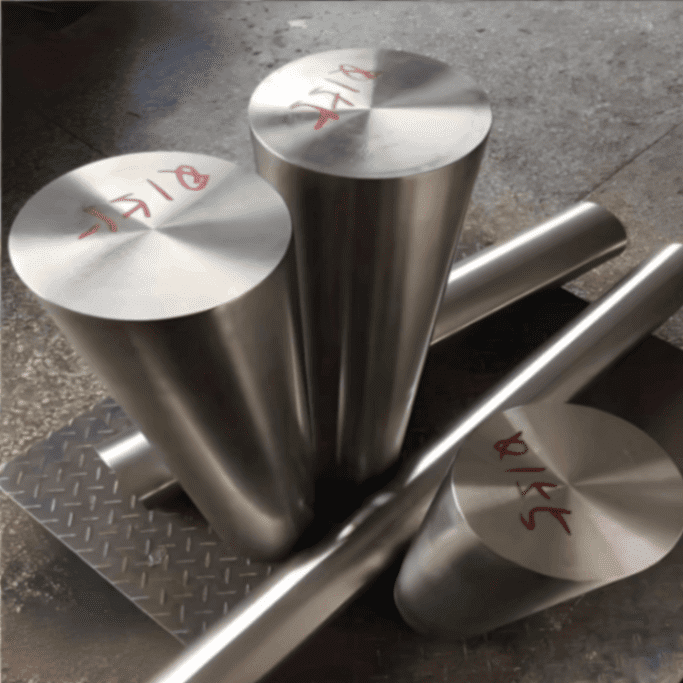
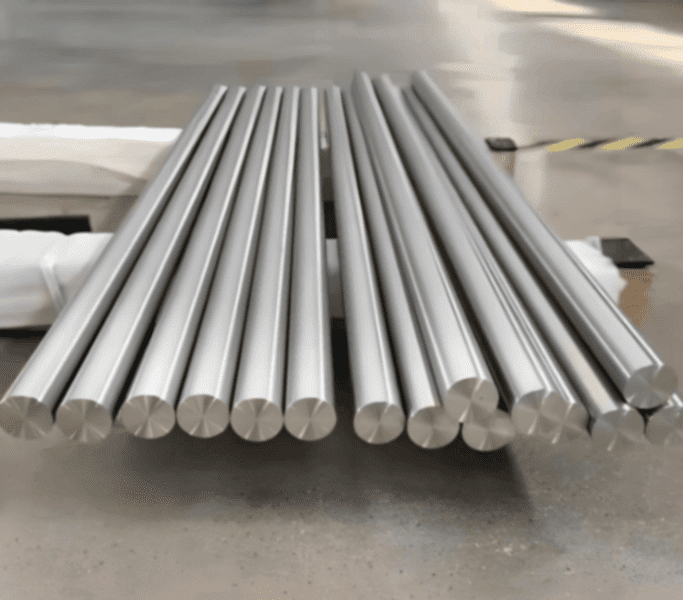
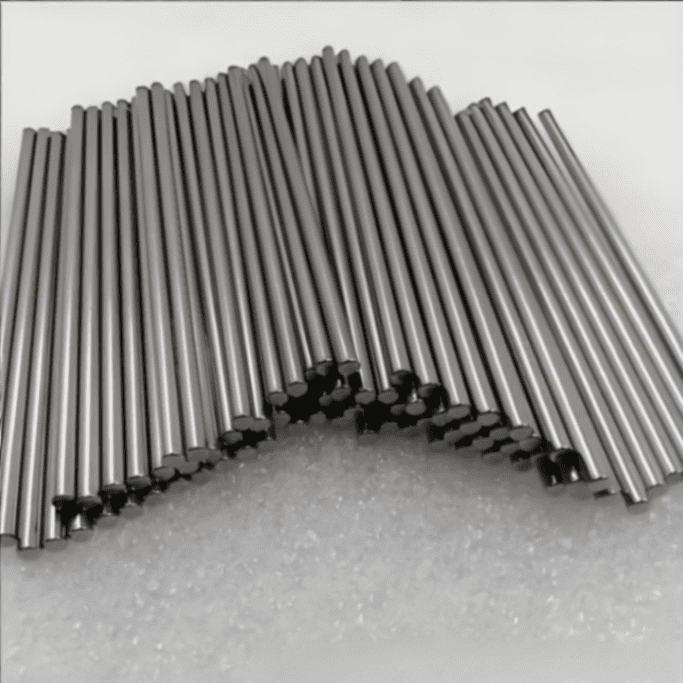
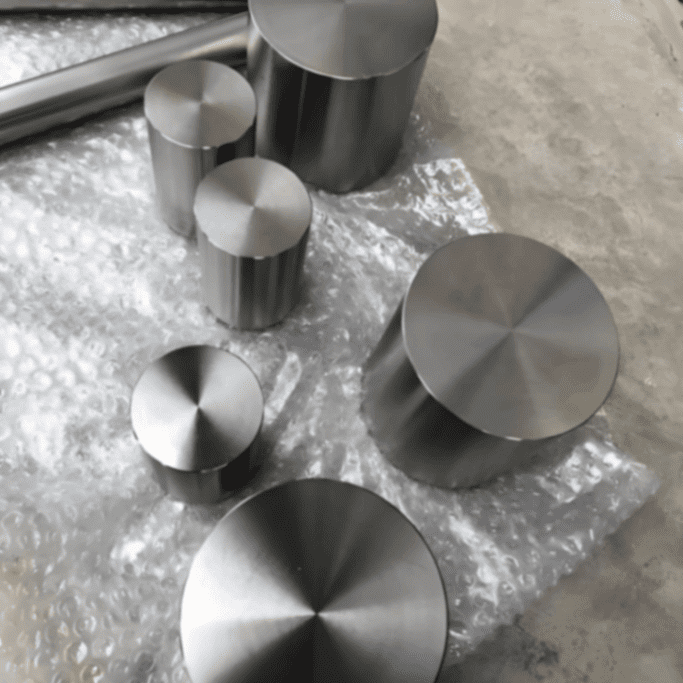
For general industrial purchasing, Inconel 600 is expected to trade roughly in the range of USD 26 to USD 42 per kg in 2026 for common product forms, while some retail, small-lot, precision-finished, or certified items may run higher. The reason the range is so broad is simple: Inconel 600 is a high-nickel alloy, so its price moves not only with alloy demand, but also with nickel and chromium markets, melting cost, processing difficulty, order size, and delivery channel.
For 2026, a practical industry reference for Inconel 600 is around USD 26 to USD 42 per kg for mainstream industrial supply. This is not a fixed transaction number, but it is a realistic working range for buyers who need an early budget estimate. Lower-end pricing is usually associated with larger-volume orders, standard dimensions, basic mill finish, and direct supply arrangements. Higher-end pricing usually appears in small-lot orders, stock-based sales, thin-wall tubes, cold-finished bars, thin sheet, or material requiring additional inspection and documentation.
In many day-to-day purchasing cases, the “normal” middle band often lands around USD 30 to USD 36 per kg for standard forms such as plate or bar, assuming conventional industrial specifications and no unusual certification burden. If the order requires special tolerances, fast delivery, non-standard dimensions, or third-party inspection, the number can move upward quickly.
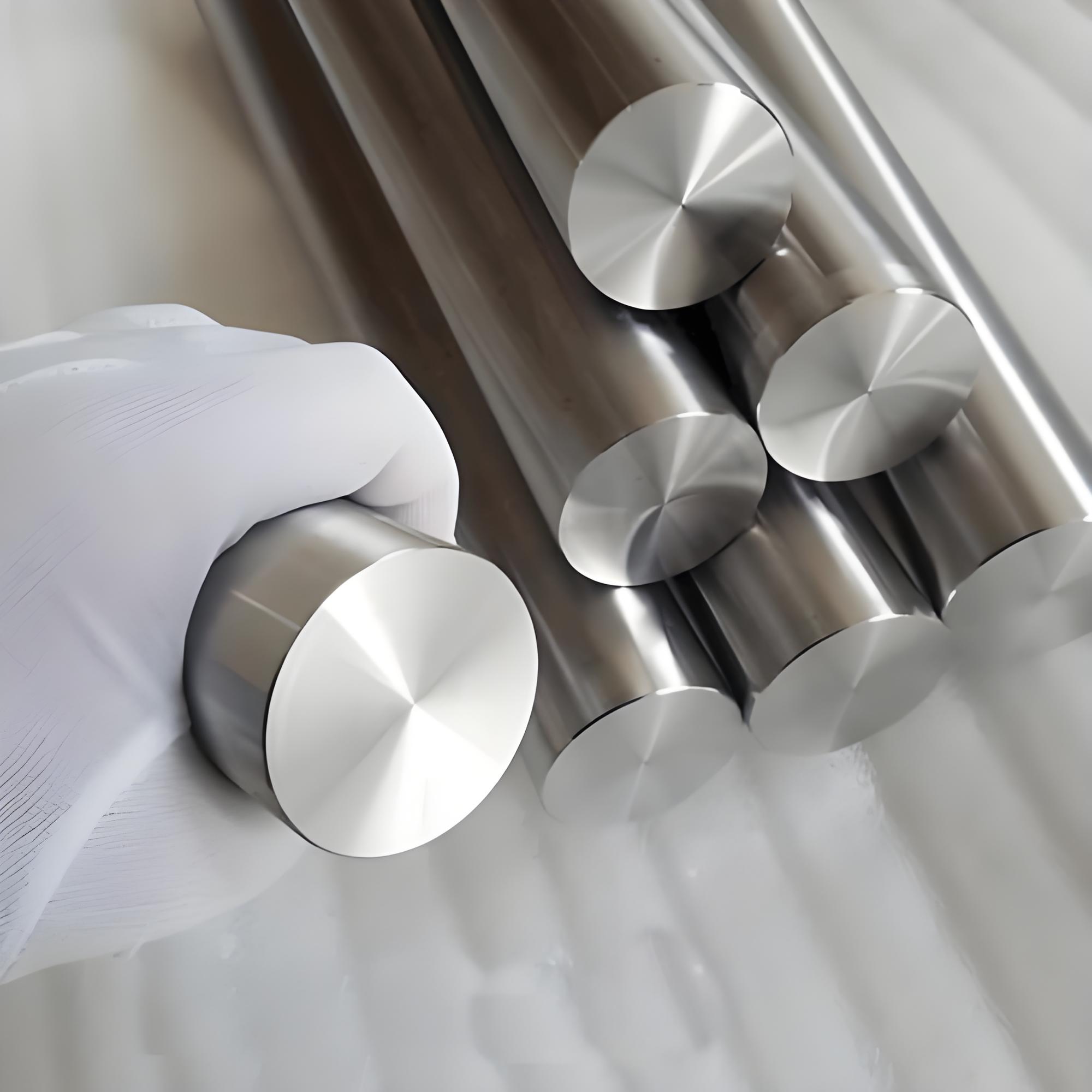
Buyers should also separate raw alloy value from final sold value. The market may talk about Inconel 600 as if it has one simple per-kilo price, but in reality the sold price includes melting cost, conversion cost, testing, yield loss, stockholding cost, and seller margin. This is why two suppliers can quote noticeably different prices for what seems to be the same alloy grade.
For planning purposes, it helps to think in layers. First, there is the alloy market baseline, which is mainly linked to nickel and chromium. Second, there is the product-form premium, such as bar versus seamless tube. Third, there is the commercial premium, which includes quantity, delivery time, and certification. Once these three layers are added together, the final per-kg price becomes much easier to understand.
| Item | Typical 2026 Reference Price | Notes |
| Inconel 600 | USD 26–42/kg | Prices are for reference only |
| Small retail / special finish | USD 40+/kg | Can be higher depending on form and certs |
That price spread may look wide, but for nickel-based alloys it is completely normal. A buyer purchasing 50 kg of polished cold-drawn bar from stock is not operating in the same cost structure as a buyer placing a 3-ton contract order for standard hot-rolled plate. Both are buying Inconel 600, but they are not really buying the same commercial package.
The biggest cost driver for Inconel 600 is nickel. This alloy typically contains at least about 72% nickel, so international nickel price movements have a direct and often immediate impact on the alloy’s baseline cost. When nickel rallies, Inconel 600 usually follows. When nickel softens, prices may ease, although not always at the same speed because processors and stockholders may still be carrying higher-cost inventory.
Chromium is another important factor, even though its role is smaller than nickel in the total value mix for Inconel 600. Chromium supports oxidation resistance and corrosion performance, and changes in ferrochrome or chromium-related alloy costs can still push pricing upward. The impact is not as dramatic as nickel, but it matters enough that buyers should watch both metals rather than nickel alone.
Raw material cost accounts for a very large share of the final selling price. In a nickel-based alloy such as Inconel 600, the cost of alloying elements is far more significant than in ordinary stainless steel or carbon steel. That is why pricing can look volatile even when general industrial demand appears stable. A buyer may feel that market conditions are quiet, but if nickel moves 10% to 15%, the alloy quote can still change meaningfully.
Energy and melting costs are also becoming more important. Inconel 600 is not a low-effort material to produce. Melting, refining, hot working, heat treatment, and finishing all require considerable energy and process control. If power costs rise, natural gas becomes more expensive, or industrial utilities are constrained, the conversion cost of the alloy can increase even if metal prices remain steady.
Another hidden factor is manufacturing yield. Nickel alloys generally involve higher processing loss than simpler steels. Surface trimming, scale loss, end cutting, machining allowance, and rejection risk all affect the amount of finished material that can be sold from the original melt. If yield drops, the real cost per shippable kilogram rises.
Supply chain timing also influences price formation. A mill-made item with a scheduled production cycle may offer better economics than a rush order from stock. On the other hand, if buyers need immediate shipment during a period of short availability, stock material may command a heavy premium. This is especially true in niche sizes that are not always held in large inventory.
Inconel 600 does not have one universal price because the conversion cost differs a lot by product form. Round bars, plates, tubes, wires, and forgings all start from the same alloy family, but the amount of processing, inspection, and yield loss is not the same.
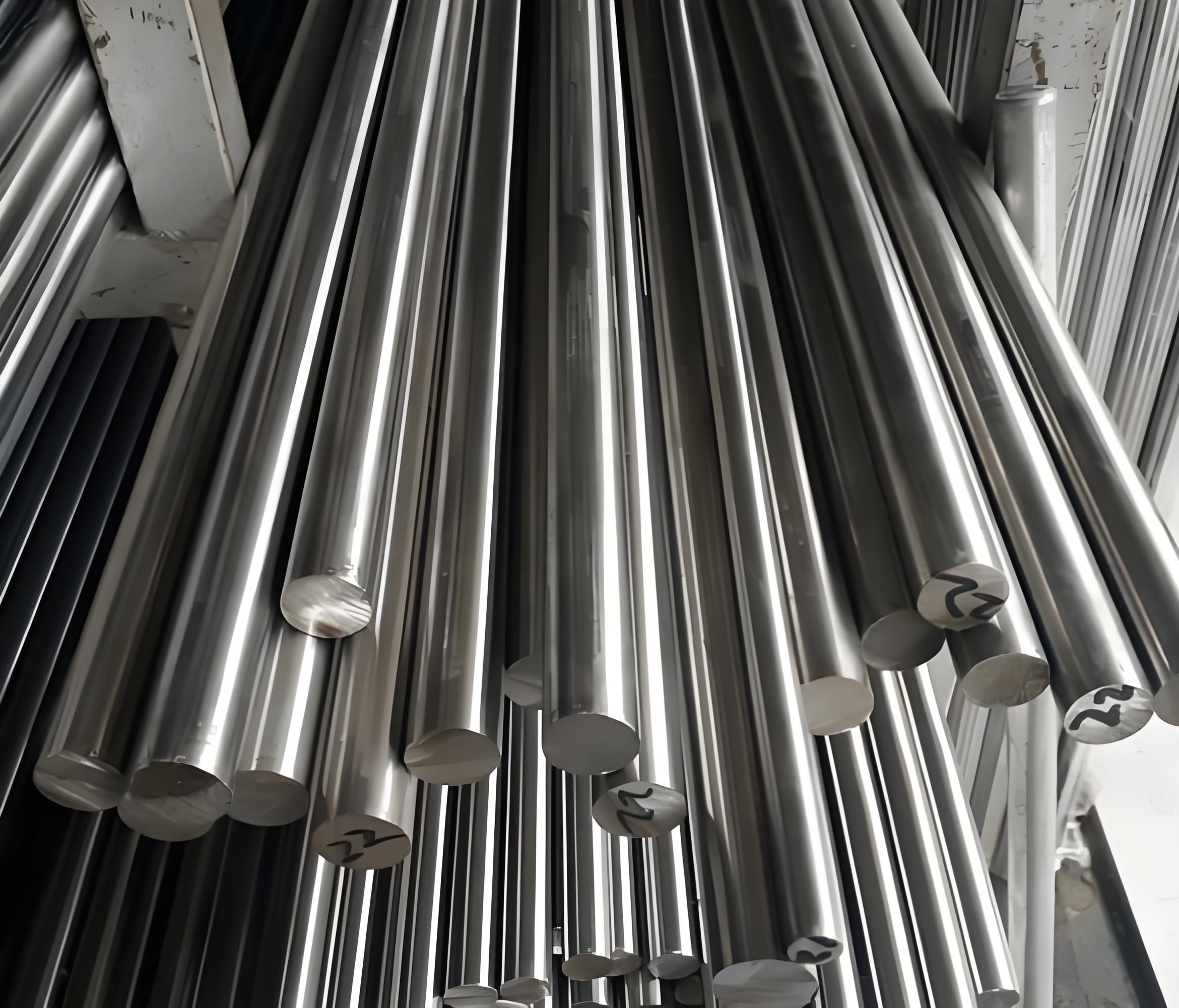
Round bar is one of the most commonly quoted forms. Hot-rolled bar is usually the most economical bar option because it requires less finishing. Cold-drawn bar is priced higher because it needs more processing and tighter dimensional control. Bright or polished bar goes one step further, since the surface finish and appearance requirements add extra production cost.
Plate and sheet also show clear price separation. Medium and heavy plate is often more cost-efficient per kilogram than thin sheet, especially when the sheet requires tight thickness control, flatter shape, and better surface consistency. Thin material may look “lighter,” but it is not automatically cheaper per kilogram because the processing route is more demanding.
Tubes typically show the biggest price variation. Welded pipe is usually cheaper than seamless tube, assuming the same alloy and approximate size range. Seamless tube involves more difficult manufacturing, tighter quality control, and often lower yield, so its per-kilo price can rise well above plate or bar. This is why buyers in heat exchanger or process piping applications often see a much higher quotation than expected if they start from a plate or bar price reference.
Wire and forgings have their own pricing logic. Wire can be expensive because of repeated reduction, surface condition requirements, and packaging considerations. Forgings may cost more because of forging ratio requirements, machining allowance, ultrasonic testing, and lower conversion efficiency. In short, the more specialized the product form, the less useful a general “market average per kg” becomes.
| Product Form | Typical 2026 Reference Range | Notes |
| Bar / Plate | USD 28–38/kg | Prices are for reference only |
| Tube / Wire / Forging | USD 32–48+/kg | Higher for seamless, precision, or small lots |
From a purchasing angle, it is always better to compare like with like. Bar should be compared with bar, plate with plate, and seamless tube with seamless tube. Otherwise, the price comparison becomes misleading very quickly.
Order quantity has a major effect on the unit price of Inconel 600. For small retail purchases under 100 kg, the price per kilogram is usually the highest. The reason is simple: cutting, handling, packaging, and stockholding overhead are spread over too few kilograms. In small-lot purchases, sellers also charge for convenience and immediate availability.
For standard volume orders between 100 kg and 1000 kg, the market usually becomes more competitive. This is the range where many industrial buyers operate, and quotations tend to reflect a more balanced relationship between material cost and conversion cost. If the dimensions are standard and lead time is reasonable, this range often produces the most representative “market” price.
For bulk orders above 1000 kg, buyers have more room to negotiate. Large-volume purchasing allows mills or trading companies to optimize production planning, reserve a full batch, and reduce per-unit handling cost. This is where framework pricing, quarterly agreement pricing, or annual supply contracts become meaningful. In this category, the difference of just a few dollars per kilogram can produce substantial total savings.
The purchasing channel matters as much as the quantity. Spot market supply usually costs more than planned mill supply because stock material includes warehousing, financing, and inventory risk. But spot supply has one major advantage: speed. If a project is delayed and material is needed immediately, spot inventory may be worth the premium.
Direct mill supply can lower the per-kilo price, but it often comes with longer lead time, minimum order requirements, and less flexibility in odd dimensions. For some buyers, this works well. For others, especially maintenance or repair buyers, the lower unit price does not help if the delivery schedule is too long.
In practical sourcing work, companies such as Shanghai NC Metal Materials Co., Ltd. usually see the clearest cost savings when buyers define exact size, quantity, and finish requirement at the start. Vague inquiries often lead to high provisional pricing because the supplier has to assume additional risk.
Regional pricing for Inconel 600 is not identical. Europe and North America often show higher selling prices than many Asian supply channels, especially for stock material, certified products, and smaller orders. This does not automatically mean one region is “overpriced” and another is “cheap.” It usually reflects differences in labor cost, energy cost, regulatory compliance, market structure, and inventory expense.
Asian supply, particularly from well-established nickel alloy export channels, can be more competitive on standard industrial grades and larger-volume orders. This is one reason many international buyers compare Asian offers when sourcing bars, plates, or semi-finished products. However, buyers still need to verify specification control, traceability, testing scope, and documentation quality rather than looking at price alone.
European and American material may carry a premium for origin preference, project approval history, or familiarity with local codes and paperwork standards. In sectors such as petrochemical, offshore, and high-spec industrial projects, this premium may be acceptable if it simplifies qualification or end-user approval.
Freight and currency also influence regional comparisons. A lower base price from one region may lose part of its advantage after shipping, insurance, customs, inland transportation, and exchange-rate changes are added. This is why regional sourcing should be evaluated on landed cost, not ex-works price alone.
It is also common for the same alloy to have different price behavior in different markets depending on stock availability. One region may have abundant plate but limited tube, while another region may show the opposite pattern. So regional comparison works best when buyers compare the same form, same size range, and same delivery condition.
The base per-kilo price is only part of the final procurement cost. In many real transactions, additional processing and service charges have a noticeable impact on the total. Buyers who focus only on the alloy price often underestimate the true delivered cost.
Cutting and fixed-length processing are common extra charges. If a buyer orders full mill lengths, the unit price is usually better. If the material needs to be cut into custom lengths, sellers will often charge for labor, saw loss, and offcut risk. For nickel alloys, these charges can be more significant than buyers expect because the material itself is expensive and cutting rates are slower than for ordinary steels.
Surface finishing also adds cost. Turned, bright, ground, polished, or otherwise refined surfaces require extra processing time and stricter quality control. A hot-rolled bar and a bright polished bar are not the same commercial product, even if both are nominally Inconel 600. The finish requirement can shift the quote by several dollars per kilogram.
Mill test certificates, especially EN 10204 3.1 style documentation, may be included in some offers and charged separately in others. Buyers should confirm this early. Material certification is often routine, but when traceability and document control requirements are strict, the administrative burden becomes part of the sale price.
Third-party inspection by agencies such as SGS, BV, or ABS also increases the final cost. Inspection itself is not just a paperwork issue. It may require scheduling, witness points, additional testing coordination, and sometimes production delays. All of these create indirect cost on top of the inspection fee.
Packaging and logistics should not be treated as an afterthought. Export wooden cases, seaworthy packaging, anti-rust protection, fumigation compliance, and long-distance shipping all affect total cost. For high-value alloys, better packaging is often necessary, especially for polished bars, precision tubes, or thin sheet where surface damage can turn into a claim issue.
When buyers compare quotations, it is important to ask whether the quoted per-kg price includes processing, certification, packaging, and local delivery. Two offers with the same alloy price can end up far apart once these extras are added.
Looking at 2026, the most likely scenario is that Inconel 600 pricing will remain sensitive and somewhat volatile rather than settling into a narrow stable band. The first half of the year may see continued market caution, especially if industrial demand is uneven and buyers prefer shorter purchasing cycles. In that environment, spot prices could move more frequently as sellers react to metal markets and inventory pressure.
The second half of 2026 may depend more heavily on stainless and nickel alloy demand recovery, capital project timing, and whether nickel supply remains comfortable or tightens. If nickel remains well supplied and energy costs stabilize, Inconel 600 may stay near the lower to middle part of the expected range. If nickel strengthens due to mine disruption, export restrictions, or stronger-than-expected industrial demand, alloy prices could push upward quickly.
Chromium trends matter too, even if they are not the main story. Any sustained rise in chromium-related input costs would add pressure to Inconel 600 conversion pricing. Not every move in chromium shows up immediately in final alloy quotations, but over time it feeds into producer cost.
Geopolitical issues remain a real wild card. Trade restrictions, sanctions, shipping disruptions, and regional conflict can all affect alloy availability and landed cost. Even when the alloy itself is available, freight routes, insurance pricing, and customs procedures may add cost and uncertainty. Buyers should not assume that a quiet metal chart automatically means stable procurement conditions.
Trade policy is another factor worth watching. Anti-dumping actions, tariff shifts, export control measures, or local-content preferences can change sourcing economics from one quarter to the next. This is especially relevant for buyers comparing Asian supply with European or North American supply.
From a planning perspective, 2026 looks more like a year for active price monitoring than passive purchasing. Buyers who watch nickel, track inventory conditions, and place orders with a clear schedule will be in a much better position than those waiting for a single “perfect” price point.
One of the most effective ways to control Inconel 600 cost in 2026 is to use long-term pricing arrangements when consumption is predictable. Quarterly or annual agreements can help smooth out market volatility and reduce the risk of buying at a temporary peak. This strategy works especially well for manufacturers and project buyers with recurring demand.
Another practical strategy is to review whether Inconel 600 is truly necessary in every application. In some service conditions, alloys such as Incoloy 800H or Incoloy 825 may offer a more economical balance of corrosion resistance and temperature capability. This should never be treated as a casual substitution, because operating environment always comes first, but from a cost-control point of view it is smart to compare function rather than default to the highest-nickel option.
Inventory tail material and cutting remnants can also create savings for buyers who are flexible on dimensions. If a project can accept near-size stock or remnant cuts, the unit price may be noticeably lower than ordering a full new production lot. This is especially useful for maintenance work, prototype jobs, or low-volume fabrication where full-length mill production would be inefficient.
Standardizing dimensions is another simple but powerful step. Unusual diameters, thicknesses, or lengths often trigger a premium because they increase setup complexity or force custom production. If buyers can redesign around common market sizes, they often save money without changing the alloy grade at all.
Lead time flexibility has real value. Rush orders almost always cost more. If a buyer can plan several weeks or months ahead, the supplier has a better chance to combine production, improve yield, and offer more competitive pricing. Good scheduling is often one of the cheapest ways to reduce alloy cost.
It is also worth comparing total landed cost instead of chasing the lowest nominal alloy price. A cheap base quote can lose its advantage after certification fees, inspection charges, packaging, freight, and customs are added. The smarter procurement method is to compare final usable cost, not just ex-warehouse numbers.
Finally, technical clarity reduces commercial waste. When the buyer provides exact standards, dimensions, delivery condition, inspection scope, and quantity at the inquiry stage, suppliers can quote more accurately and avoid adding protective margins. Clear specifications often lead to better pricing than aggressive bargaining alone.
What is the average price of Inconel 600 per kg in 2026?
A reasonable industry reference is around USD 26 to USD 42 per kg for standard industrial supply in 2026. Prices are for reference only. The actual number depends on product form, quantity, finish, certification, and regional supply conditions. Small retail orders or precision-finished products can be higher than this range.
Why is Inconel 600 so expensive compared with stainless steel?
The main reason is its very high nickel content. Inconel 600 is a nickel-based alloy, not a conventional stainless steel, so raw material cost is much higher from the start. On top of that, melting, processing, and finishing are more demanding, and product yield is generally lower. All of these factors make the final per-kilo price much higher than stainless steel grades.
How can I get a lower price when buying Inconel 600?
The most practical ways are to increase order volume, use standard sizes, allow more lead time, avoid unnecessary special finishes, and confirm whether all requested certifications are really required. Buyers can also compare direct supply with stock supply and ask whether remnant material or existing inventory can meet the job. In many cases, early discussion with a supplier such as Shanghai NC Metal Materials Co., Ltd. can help reduce overspecification and improve the overall cost structure.
More from this category
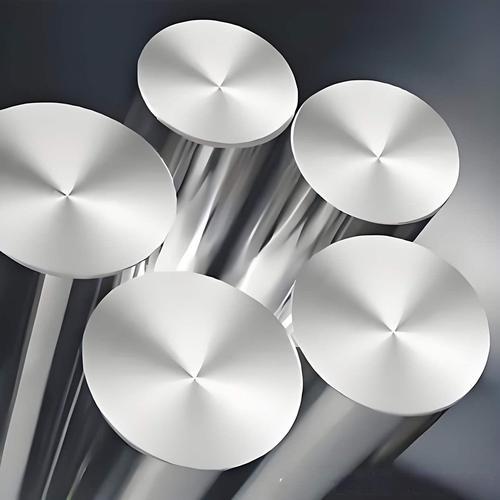
Inconel 617 alloy round bar price per kilogram is commonly about USD 45 to 90 per kg for standard industrial stock sizes. Large forged bars, small pre...
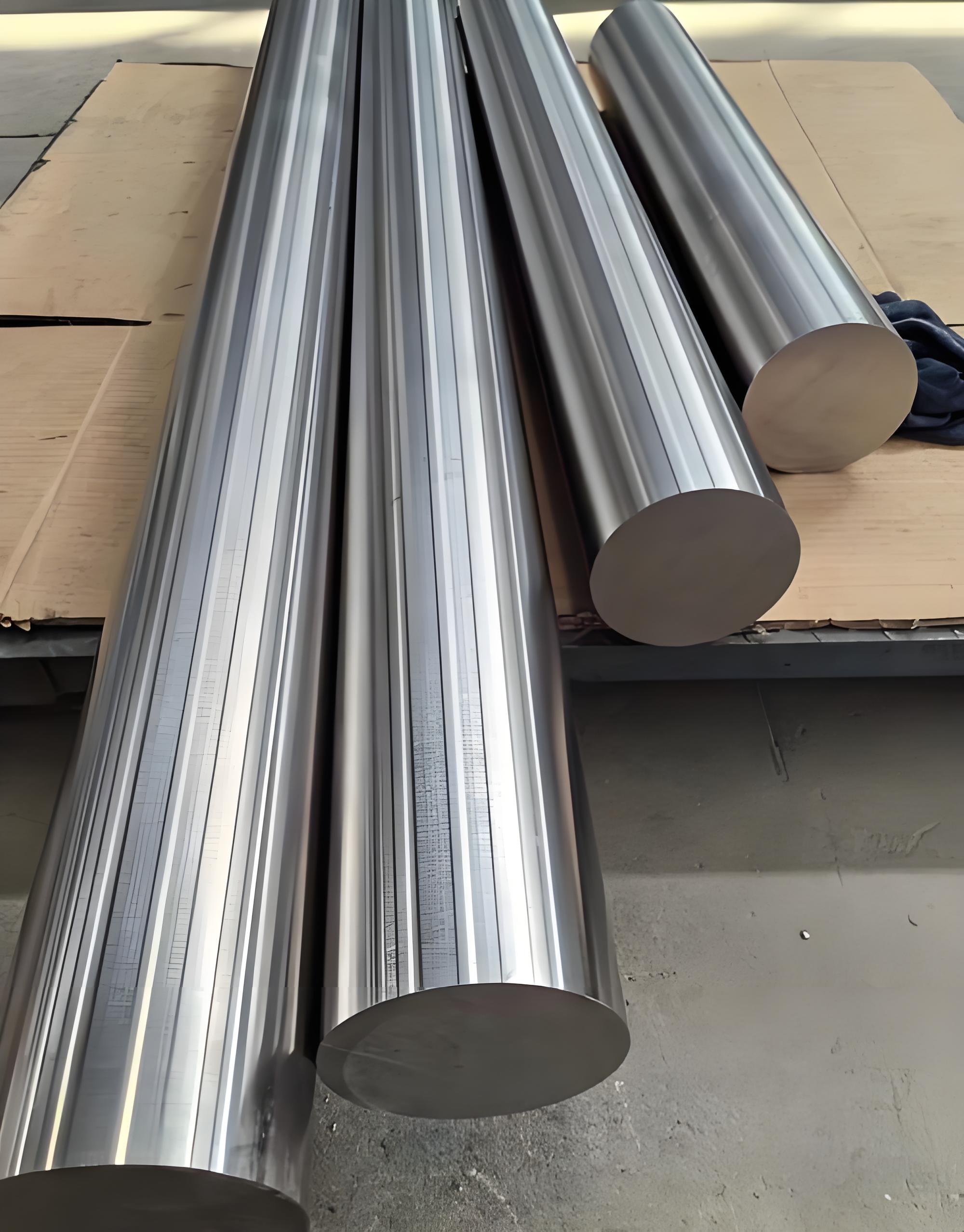
The latest Inconel 625 alloy bar price per kg depends on nickel, molybdenum, niobium, and chromium raw material costs, as well as bar diameter, manufa...
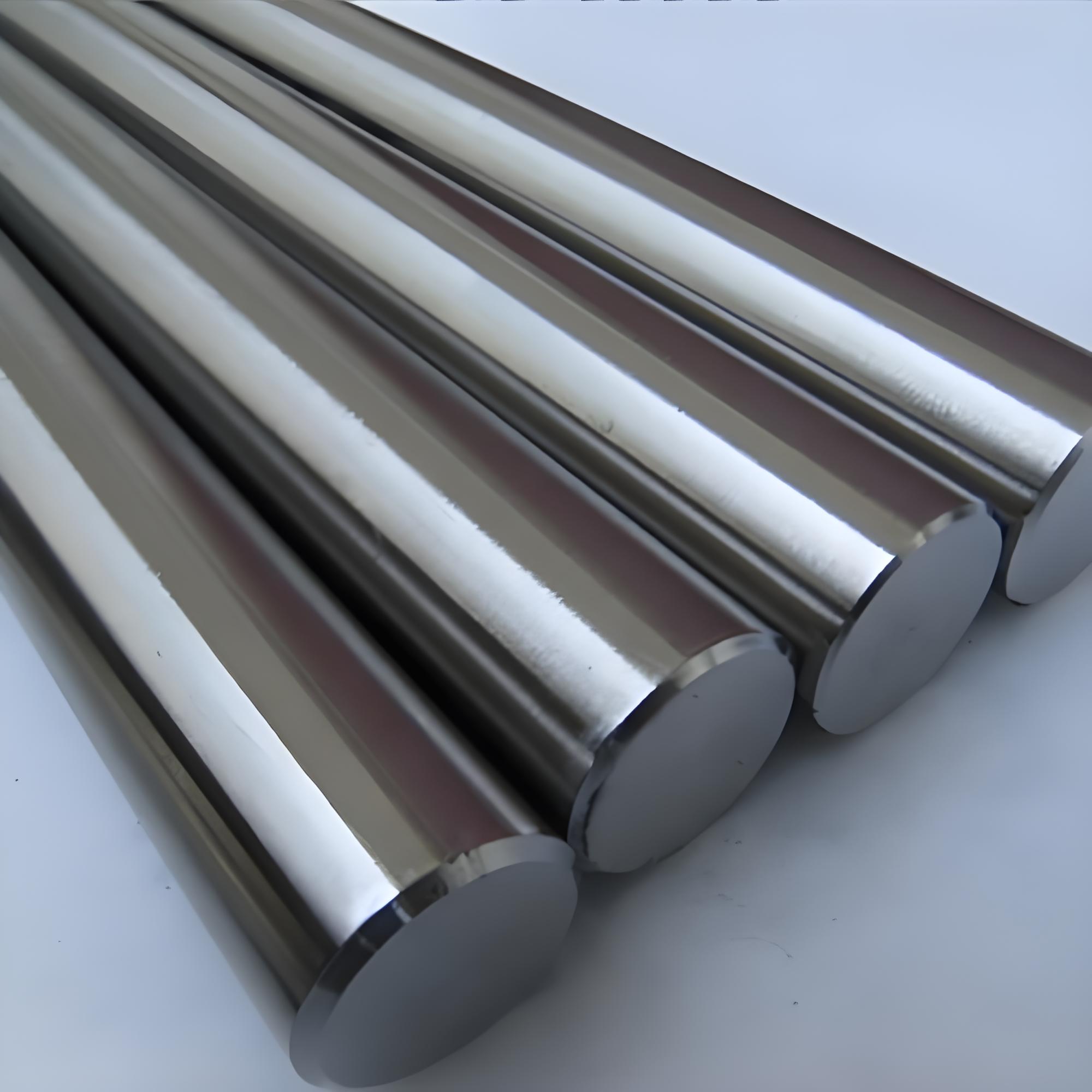
Inconel X-750 alloy bar price depends on nickel raw material cost, bar diameter, product condition, heat treatment, specification, surface finish, dim...
Inconel 602CA alloy bar price per kg is usually higher than common Inconel 600 and Inconel 601 bars because Alloy 602CA is a premium high-temperature ...
 English English
  Korean
 Arabic
 Spanish
 German
 Portuguese
 French
 Russian
 Italian
 Vietnamese