
Monel K-500 Properties, Composition and Uses
Monel K-500 is a high-strength nickel-copper alloy designed for applications that need both corrosion resistance and strong mechanical performance. Kn...
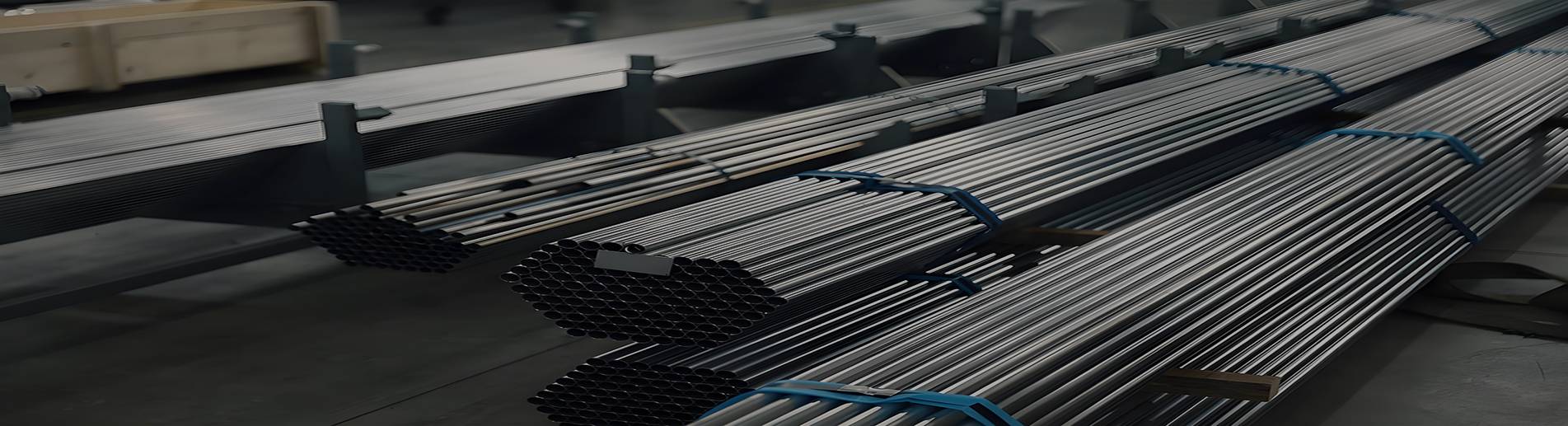
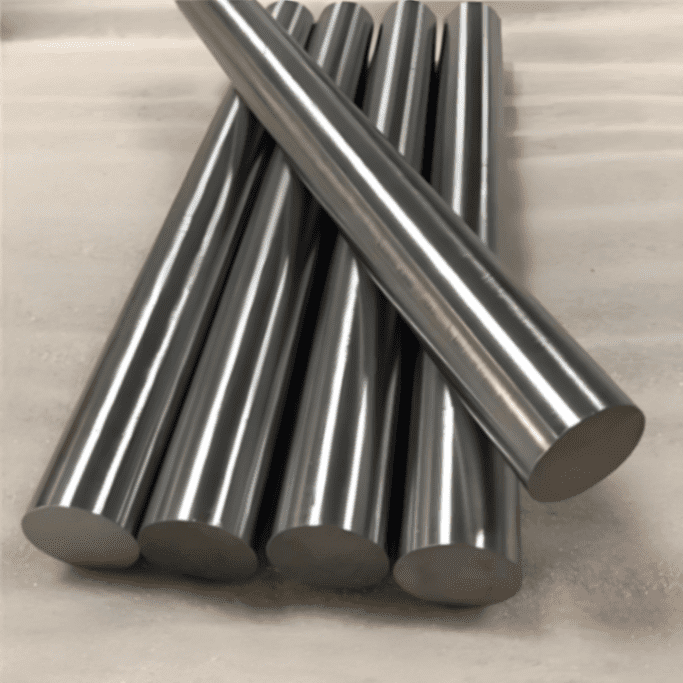
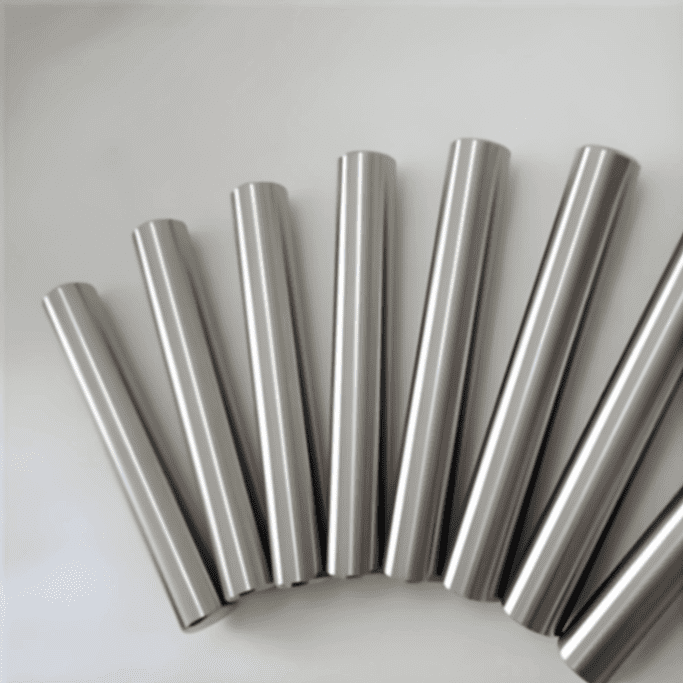
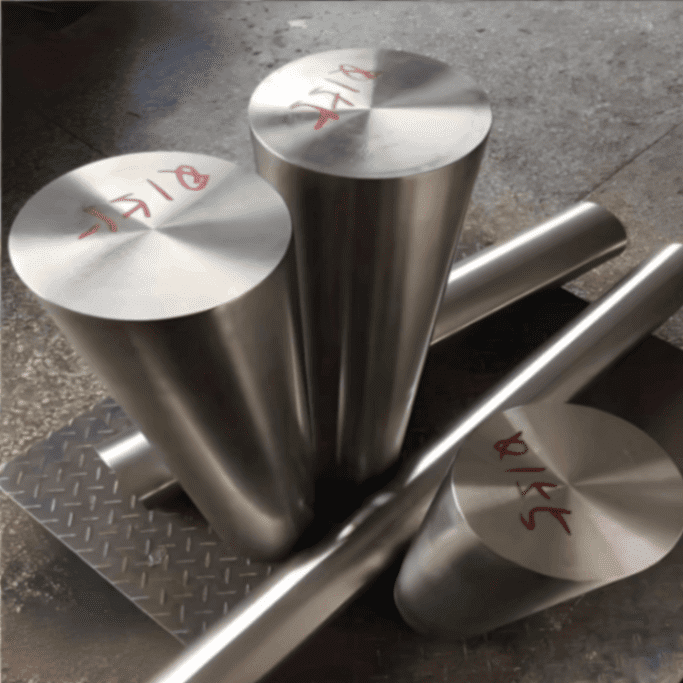
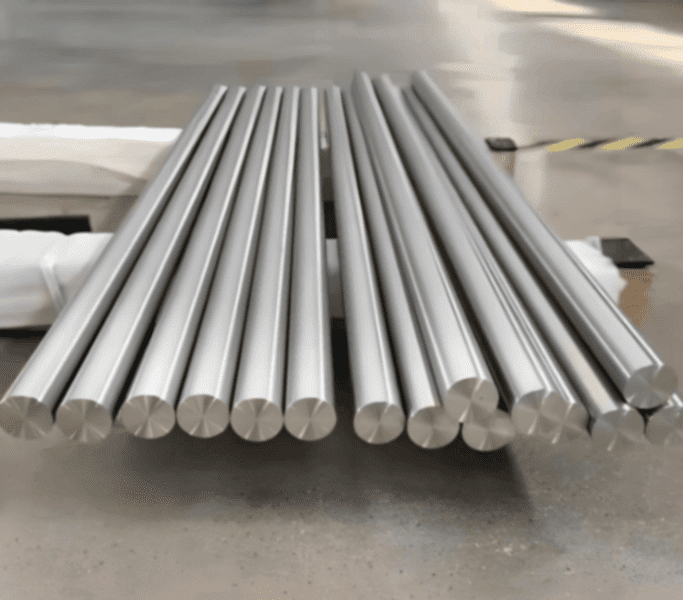
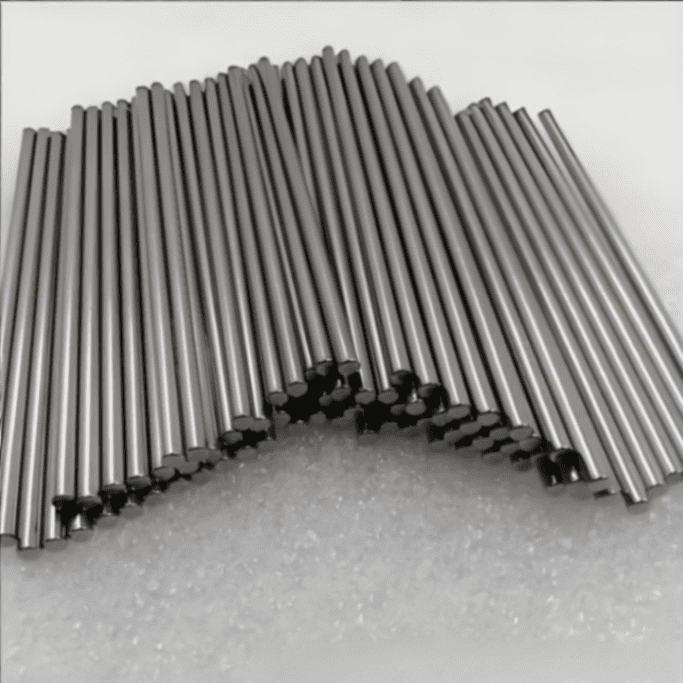
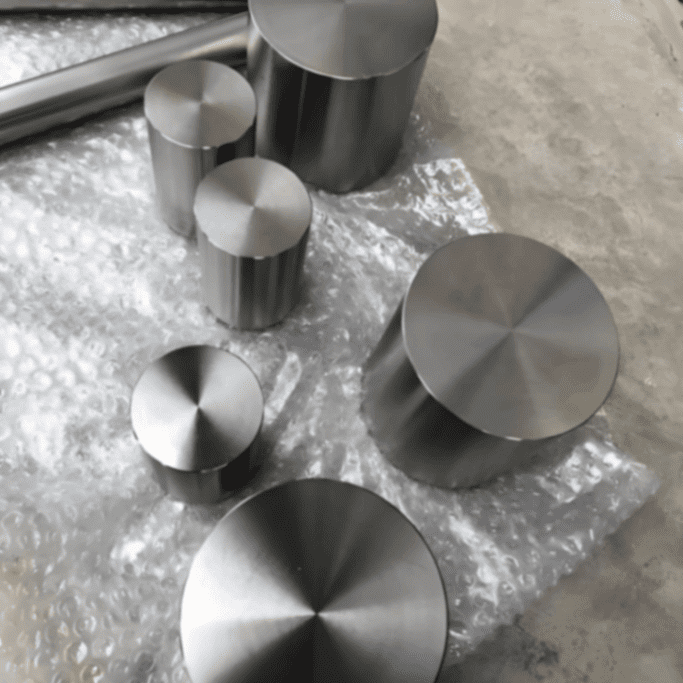
Monel 401 round bar price per kg depends on nickel and copper market costs, but its specialty electrical properties and limited bar availability often have a greater effect on the final quotation. Monel 401, UNS N04401, is a nickel-copper alloy developed mainly for electrical and electronic applications requiring a very low temperature coefficient of electrical resistivity. Unlike Monel 400, which is widely stocked in industrial bar forms, Monel 401 is normally supplied as wire, strip, foil, ribbon, or precision electrical material. Round bar is commonly a special-order product, so buyers should provide detailed technical and dimensional requirements before comparing prices.
Monel 401 round bar is a specialty nickel-copper alloy product used where stable electrical resistance, useful thermal properties, corrosion resistance, and good ductility are important. It is not primarily a marine shaft or chemical-process bar alloy like Monel 400 or Monel K-500. Its major value is its low temperature coefficient of electrical resistivity, which helps keep electrical performance relatively stable as operating temperature changes.
For this reason, Monel 401 pricing should not be evaluated only by metal weight. A buyer may need tight diameter tolerance, a bright surface, a defined temper, electrical-resistivity verification, temperature-coefficient verification, special cut lengths, small-lot production, or custom packing for electrical components. These requirements can make the price per kilogram substantially different from a standard nickel-copper alloy bar quote.
MONEL is a registered trademark. The technical designation for Monel 401 is UNS N04401. A purchase order should include this UNS number together with the required bar size, material condition, electrical-property target, certificate requirements, and testing method.
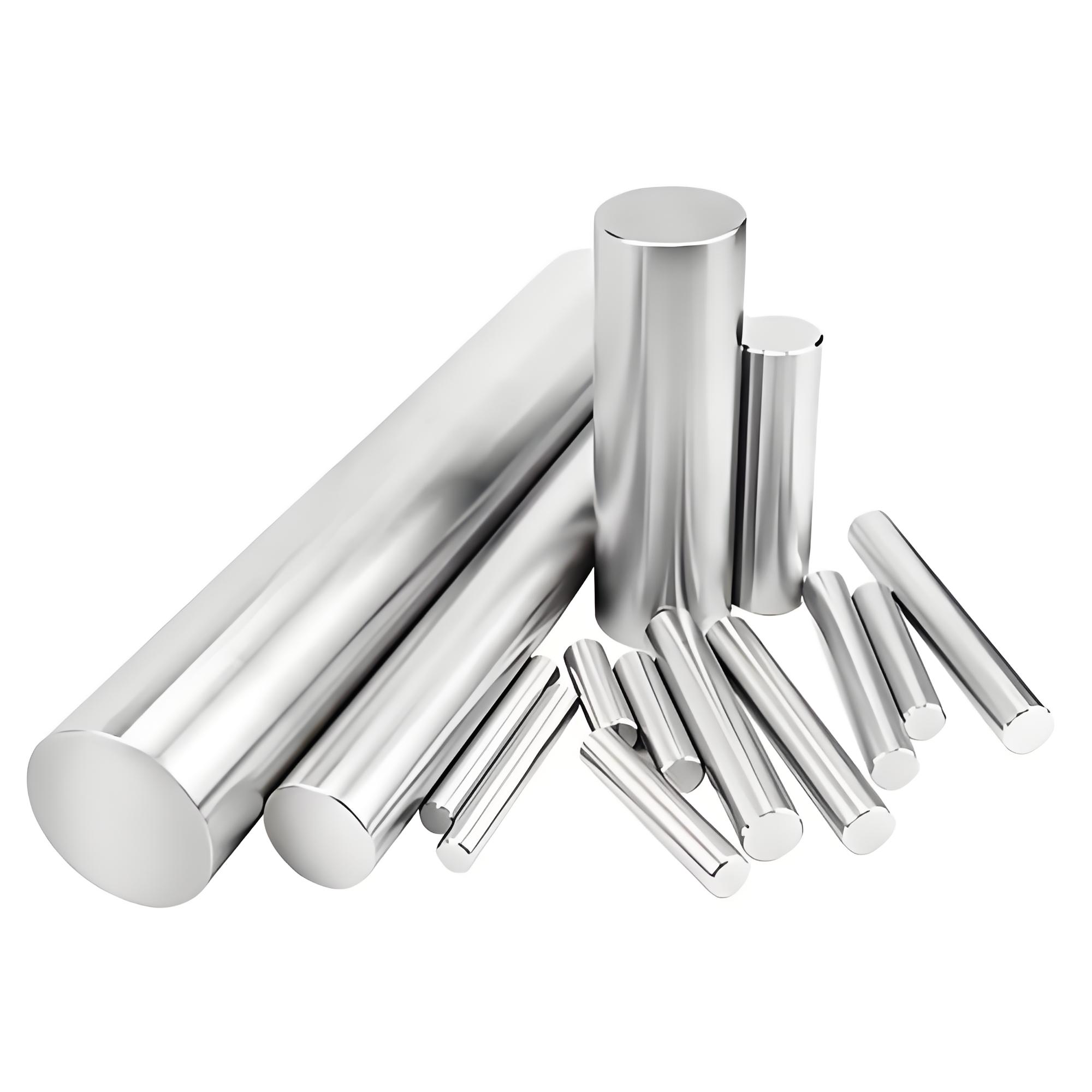
Monel 401 is a ductile nickel-copper alloy designed for specialized electrical and electronic applications. It contains a lower nickel content and higher copper content than Monel 400. This chemistry gives it a very low temperature coefficient of electrical resistivity, making it useful where electrical resistance must remain stable over a changing operating-temperature range.
Monel 401 is normally supplied as wire, strip, foil, ribbon, or precision flat material. Round bar can be produced or supplied for special applications, but it is less common than Monel 400 or K-500 round bar. Buyers should therefore confirm actual mill capability, minimum order quantity, lead time, available diameters, and whether the requested bar is hot rolled, cold drawn, centerless ground, or machined from larger stock.
| Item | Typical Description |
|---|---|
| Alloy name | Monel 401, Alloy 401 |
| UNS designation | N04401 |
| Material family | Nickel-copper alloy for specialized electrical applications |
| Primary advantage | Very low temperature coefficient of electrical resistivity |
| Common supply forms | Wire, strip, foil, ribbon, shaped wire, and custom precision forms |
| Round bar availability | Usually special order; availability depends on producer capability and quantity |
Monel 401 is a nickel-copper alloy with copper as the balance element. Its composition is designed to provide stable electrical behavior while retaining useful ductility and corrosion resistance. Because Monel 401 is a specialized alloy, chemical ranges can be linked to the producer’s material specification. Buyers should always request the actual chemical limits and mill test certificate before approving a quotation.
The following table provides a general composition reference based on published Monel 401 alloy data. The agreed manufacturer specification remains the final requirement for procurement and inspection.
| Element | Typical Requirement, wt.% | Role in the Alloy |
|---|---|---|
| Nickel | Typically 40.0-45.0% | Provides the nickel-copper alloy base and corrosion resistance. |
| Copper | Balance | Supports the electrical and thermal characteristics of the alloy. |
| Carbon | 0.10% maximum | Controlled to support ductility and material quality. |
| Manganese | 2.25% maximum | Controlled processing and deoxidizing element. |
| Iron | 0.75% maximum | Restricted as part of the specialty alloy chemistry. |
| Cobalt | 0.25% maximum | Controlled residual element. |
| Silicon | 0.25% maximum | Limited to maintain material consistency. |
| Sulfur | 0.015% maximum | Kept low to support quality and fabrication characteristics. |
Unlike high-strength nickel alloys, Monel 401 is not selected for exceptional mechanical strength. It is relatively low in strength in annealed condition and cannot be precipitation hardened by heat treatment. It can be strengthened by cold work, but the effect of temper on electrical properties should be reviewed when the material is used in precision electrical applications.
The most important characteristic of Monel 401 is its very low temperature coefficient of electrical resistivity. In simple terms, the alloy’s electrical resistance changes only slightly as temperature changes. This makes it useful for components where predictable electrical behavior is more important than maximum electrical conductivity.
Monel 401 also has useful thermal conductivity and corrosion resistance for specialized electrical parts. The combination of copper and nickel provides a practical balance between mechanical workability, electrical stability, thermal response, and resistance to many corrosive conditions.
| Property | Typical Reference Value | Why It Matters |
|---|---|---|
| Electrical resistivity at 21°C | Approximately 0.498 µΩ·m | Useful for resistance-controlled electrical components. |
| Temperature coefficient of resistance | Approximately ±20 ppm/°C | Supports stable resistance over changing temperatures. |
| Thermal conductivity at 21°C | Approximately 21 W/m·°C | Relevant for heat flow and temperature management in electrical parts. |
| Density | Approximately 8.9 g/cm³ | Important for component weight and shipping-weight calculations. |
| Melting point | Approximately 1280°C | Relevant to thermal processing and high-temperature manufacturing operations. |
| Thermal expansion | Increases progressively with temperature | Important for close-tolerance electrical assemblies and joined materials. |
Electrical-property values should be treated as reference values unless the supplier provides product-specific test results. For precision circuits, electrical resistance parts, or temperature-sensitive assemblies, the request for quotation should state the required resistivity, the reference temperature, the accepted temperature coefficient range, the test method, and the measurement direction if relevant.
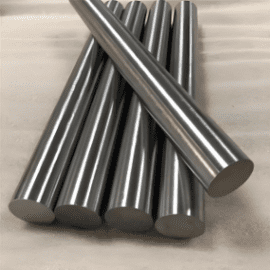
Monel 401 is more commonly available in wire, strip, foil, and ribbon than in large round bar. When round bar is required, the buyer should confirm whether the diameter can be supplied directly from production, cold drawn from larger rod, centerless ground, or machined to final size.
Small diameters may be practical through wire and cold-drawing routes, while larger diameters may require special hot-worked rod or bar production. The cost difference between these routes can be significant. A supplier should confirm the actual production method before offering a price per kilogram.
| Product Form | Typical Use | Supply Consideration |
|---|---|---|
| Round wire | Electrical components, fine resistance parts, formed elements | Common form for Monel 401 and often available in multiple tempers. |
| Flat wire or shaped wire | Electrical contacts, resistance elements, specialty components | May require custom tooling or precision rolling. |
| Strip, foil, or ribbon | Electrical resistance circuits and precision electrical parts | Often more available than round bar. |
| Cold-drawn round bar | Precision pins, electrical connectors, custom machined parts | May require special production and close tolerance control. |
| Hot-rolled round bar | Larger custom components and machining stock | Availability is usually more limited than standard Monel 400 bar. |
| Ground round bar | Close-tolerance shafts, pins, and instrument components | Additional processing increases price and lead time. |
When requesting Monel 401 round bar, specify diameter, tolerance, length, straightness, surface finish, temper, electrical-property requirement, quantity, and certificate type. It is useful to state whether random mill length is acceptable or whether fixed lengths are required.
Monel 401 production begins with controlled melting of nickel and copper together with tightly managed residual elements. The alloy is then cast and converted through hot working, rolling, drawing, or precision-forming processes depending on the final product form.
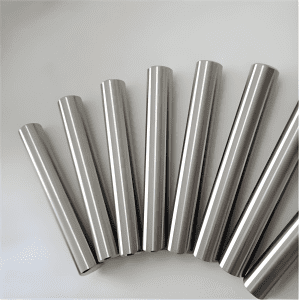
For round bar, the production route may include hot working into rod, annealing, cold drawing, straightening, peeling, turning, centerless grinding, polishing, and cut-to-length processing. Because Monel 401 is a specialty electrical alloy, the production process may also include electrical-property testing to ensure the required resistivity and temperature coefficient are achieved.
Nickel and copper chemistry must be controlled carefully because the electrical behavior of the alloy depends on composition. Minor elements such as iron, manganese, silicon, carbon, cobalt, and sulfur are also controlled to maintain consistent alloy performance. The heat number should remain traceable through processing and final delivery.
The cast alloy can be hot worked into rod or other semi-finished forms. Annealing is used to restore ductility after deformation and prepare the material for further cold drawing, rolling, or machining. Monel 401 is not hardenable by heat treatment, so annealing is primarily used for softness, ductility, and process control rather than for creating high strength.
Cold drawing is often important when small diameter, close tolerance, improved straightness, or better surface finish is needed. For precision round bar, the material may be drawn, straightened, centerless ground, polished, and inspected. These operations add value but also increase the final price per kilogram.
For standard industrial bar, a chemical certificate and dimensional inspection may be enough. For Monel 401 electrical components, the buyer may also require electrical resistivity testing, temperature coefficient of resistance testing, conductivity verification, or application-specific electrical test records. This additional testing can be more important than conventional mechanical-property testing.
Monel 401 round bar price per kg is influenced by raw-material cost, specialty alloy availability, production route, dimensions, tolerance, surface finish, testing, quantity, and logistics. Because round bar is not the most common Monel 401 product form, availability and minimum production quantity can strongly affect the price.
| Pricing Factor | Effect on Quotation |
|---|---|
| Nickel and copper market cost | Directly affects the alloy raw-material cost base. |
| Specialty alloy availability | Limited bar availability can increase unit price and lead time. |
| Bar diameter | Influences whether hot rolling, drawing, or grinding is required. |
| Length and cut requirement | Fixed cut lengths add handling, cutting, inspection, and yield-loss cost. |
| Surface finish | Ground, polished, bright, or precision-drawn finishes cost more than mill finish. |
| Tolerance and straightness | Close dimensions require added drawing, straightening, and measurement. |
| Electrical-property testing | Resistivity and temperature-coefficient verification can increase cost. |
| Order quantity | Small special orders may carry a higher price per kilogram. |
| Packaging and delivery term | Export packing and Incoterm affect the total delivered cost. |
Nickel and copper are the main raw-material cost drivers for Monel 401. Nickel is a major component of the alloy, while copper is the balance element. As a result, both nickel and copper market movement can affect new production quotations.
The London Metal Exchange nickel price is commonly used as a reference for nickel market movement, while copper market pricing also affects alloy cost. However, exchange prices are not the same as the price of finished Monel 401 bar. The final quote also includes controlled melting, rolling or drawing, annealing, finishing, testing, packing, financing, and delivery.
For large or long-term purchases, ask whether the supplier offers a fixed price for a stated validity period or a quote linked to a metal surcharge mechanism. This is particularly important for long lead times, special production campaigns, project orders, and repeat supply agreements.
Hot-rolled Monel 401 bar may be suitable for larger custom sizes and machining applications where standard tolerance and a mill finish are acceptable. It can be an economical option when the buyer will perform substantial machining after receipt.
Cold-drawn Monel 401 bar is more suitable when the application requires smaller diameter, closer tolerance, improved straightness, and a better surface finish. It is often preferred for precision pins, electrical components, connectors, instrument parts, and custom-machined electrical hardware. The additional drawing, annealing, straightening, and inspection normally increase the price per kilogram.
| Item | Hot-Rolled Monel 401 Bar | Cold-Drawn Monel 401 Bar |
|---|---|---|
| Surface condition | Black or mill finish | Bright, drawn, peeled, or improved surface |
| Dimensional tolerance | Standard commercial tolerance | Closer diameter and straightness control |
| Typical application | General machining and larger special components | Precision electrical, instrument, and connector components |
| Machining allowance | Usually higher | Usually lower |
| Relative price per kg | Usually lower for similar quantity | Usually higher because of additional processing |
Diameter is one of the main pricing variables for Monel 401 round bar. Small-diameter material may be produced through cold drawing from wire or rod and can require multiple drawing passes. Large-diameter custom bar may require special hot-working capability or machining from larger material. Both situations can increase cost compared with standard industrial sizes.
Length also matters. Random mill length is generally more economical than fixed cut length. Short pieces, tight length tolerance, chamfered ends, individual marking, special packaging, and dimensional reports all add labor and handling cost.
| Requirement | Potential Pricing Effect |
|---|---|
| Small diameter with close tolerance | May require cold drawing, straightening, and detailed measurement. |
| Large special bar diameter | May require custom hot working or machining from larger stock. |
| Random mill length | Usually more economical than fixed short lengths. |
| Fixed cut length | Adds cutting, handling, inspection, and possible material yield loss. |
| High straightness requirement | May require extra straightening and final verification. |
| Centerless-ground or polished finish | Requires additional processing and increases the unit price. |
Order quantity can have a major effect on Monel 401 bar price. Because Monel 401 is commonly supplied as wire, strip, foil, or ribbon, a small custom round-bar order may require a dedicated production setup. This can create a higher price per kilogram than a larger order that allows the factory to optimize melting, rolling, drawing, heat treatment, and finishing.
For small urgent orders, a distributor may be able to supply available wire or precision material, but round-bar availability should be confirmed carefully. For larger custom projects, direct factory production may provide better control of electrical properties, size, condition, traceability, and packing.
| Order Type | Typical Supply Route | Price and Lead-Time Consideration |
|---|---|---|
| Small stock requirement | Distributor, specialty wire supplier, or available inventory | May offer faster delivery but higher unit cost. |
| Small custom round bar order | Special production or conversion from larger stock | Can require a higher minimum charge and longer lead time. |
| Medium production order | Scheduled factory production | Better opportunity to match dimensions, temper, and electrical requirements. |
| Large repeat order | Factory supply agreement or planned production campaign | Can provide more stable supply planning and lower unit conversion cost. |
For Monel 401 round bar, quality requirements should reflect the intended application. A standard material certificate may include heat number, chemical composition, dimensions, material condition, and mechanical test data where applicable. However, electrical applications may need additional tests that are not normally requested for ordinary corrosion-resistant bar.
Electrical resistivity and temperature coefficient of resistance can be critical properties. If the bar will be machined into precision resistance components, electrical connectors, sensor parts, or temperature-sensitive circuits, the buyer should specify the required value, reference temperature, allowable tolerance, test method, and reporting format.
| Test or Document | Purpose | When Commonly Required |
|---|---|---|
| Mill test certificate | Provides heat traceability and chemistry information. | Standard industrial and export orders. |
| Chemical analysis | Confirms nickel, copper, and controlled residual elements. | All material orders requiring grade verification. |
| Electrical resistivity test | Verifies electrical resistance at a specified reference temperature. | Precision electrical and resistance-control applications. |
| Temperature coefficient test | Verifies resistance stability over the required temperature range. | Temperature-sensitive electrical components and circuits. |
| Dimensional inspection report | Confirms diameter, length, straightness, and tolerance. | Precision bar, connector, and instrument-component orders. |
| Surface inspection | Checks for scratches, seams, pits, and surface defects. | Fine electrical components and high-finish machined parts. |
| Third-party inspection | Provides independent witness and document verification. | Major project, aerospace, and client-controlled orders. |
Factory-direct purchasing is often the best option for custom Monel 401 round bar requirements, especially when the buyer needs a specific electrical-property target, special diameter, unusual temper, close tolerance, or repeat production. Direct communication with the factory makes it easier to confirm production route, test method, certificate scope, packaging, and lead time.
A supplier or distributor may be more suitable for small quantities, urgent requirements, wire, strip, or readily available precision material. However, buyers should not assume that a distributor listing for “Monel bar” means that Monel 401 round bar is physically available. The exact UNS N04401 designation, material condition, electrical requirement, and heat-number certificate should be verified before placing an order.
| Supply Route | Best Suited For | Key Points to Check |
|---|---|---|
| Factory direct | Custom bar sizes, electrical-property requirements, repeat orders | MOQ, production route, test scope, documentation, and delivery schedule. |
| Specialty supplier | Precision wire, strip, foil, and electrical materials | Actual form, temper, resistivity data, and available dimensions. |
| Distributor | Small orders and urgent available inventory | UNS designation, heat number, certificate, stock condition, and cut charges. |
| Trader or stockholder | Mixed-material purchasing and smaller project requirements | Original source, traceability, test records, and delivery responsibility. |
An accurate Monel 401 round bar quotation begins with a clear technical requirement. Because this alloy is usually supplied in precision electrical forms rather than standard bar stock, the request should explain both the physical dimensions and the electrical purpose of the material.
| Information to Provide | Example Requirement |
|---|---|
| Alloy designation | Monel 401 / UNS N04401 |
| Product form | Cold-drawn round bar, hot-rolled round bar, ground bar, wire, or ribbon |
| Dimensions | Diameter, required length, length tolerance, straightness, and quantity |
| Material condition | Annealed, cold worked, bright drawn, ground, or specified temper |
| Electrical requirement | Required resistivity, reference temperature, temperature coefficient, and test method |
| Mechanical requirement | Tensile strength, hardness, bend requirement, or machining condition if needed |
| Quality documents | Mill test certificate, electrical test report, dimensional report, and inspection requirement |
| Commercial requirement | Currency, Incoterm, destination, packing, and requested delivery date |
A clear inquiry may read: “Please quote Monel 401 UNS N04401 cold-drawn round bar, diameter 6 mm, length 1,000 mm, straightness suitable for precision machining, annealed condition, quantity 200 kg, mill test certificate required, electrical resistivity and temperature coefficient report required at 20°C, export packing, FOB price and lead time.” This gives the supplier enough information to provide a useful technical and commercial offer.
What is Monel 401 used for?
Monel 401 is used mainly for specialized electrical and electronic applications that require stable electrical resistance as temperature changes. Common forms include precision wire, strip, foil, ribbon, shaped wire, and custom electrical components. It can also be supplied as round bar for special machining requirements, electrical connectors, instrument parts, and resistance-controlled components.
Is Monel 401 the same as Monel 400?
No. Monel 401 and Monel 400 are both nickel-copper alloys, but they are designed for different purposes. Monel 400 is a widely used corrosion-resistant alloy for marine, chemical, and industrial service. Monel 401 is a specialty electrical alloy with a lower nickel content, copper as the balance element, and a very low temperature coefficient of electrical resistivity.
What is the electrical resistivity of Monel 401?
Monel 401 has a typical electrical resistivity of approximately 0.498 µΩ·m at about 21°C. Its temperature coefficient of resistance is very low, commonly referenced at approximately ±20 ppm/°C. For precision electrical applications, the buyer should request product-specific test data because values can vary with composition, processing condition, dimensions, and test method.
More from this category
Monel K-500 is a high-strength nickel-copper alloy designed for applications that need both corrosion resistance and strong mechanical performance. Kn...
Monel 400 and Monel K-500 are closely related nickel-copper alloys widely used in marine engineering, offshore equipment, chemical processing, oil and gas systems, pumps, valves, fasteners, shafts, heat exchangers, and corrosion-resistant mechanical components.
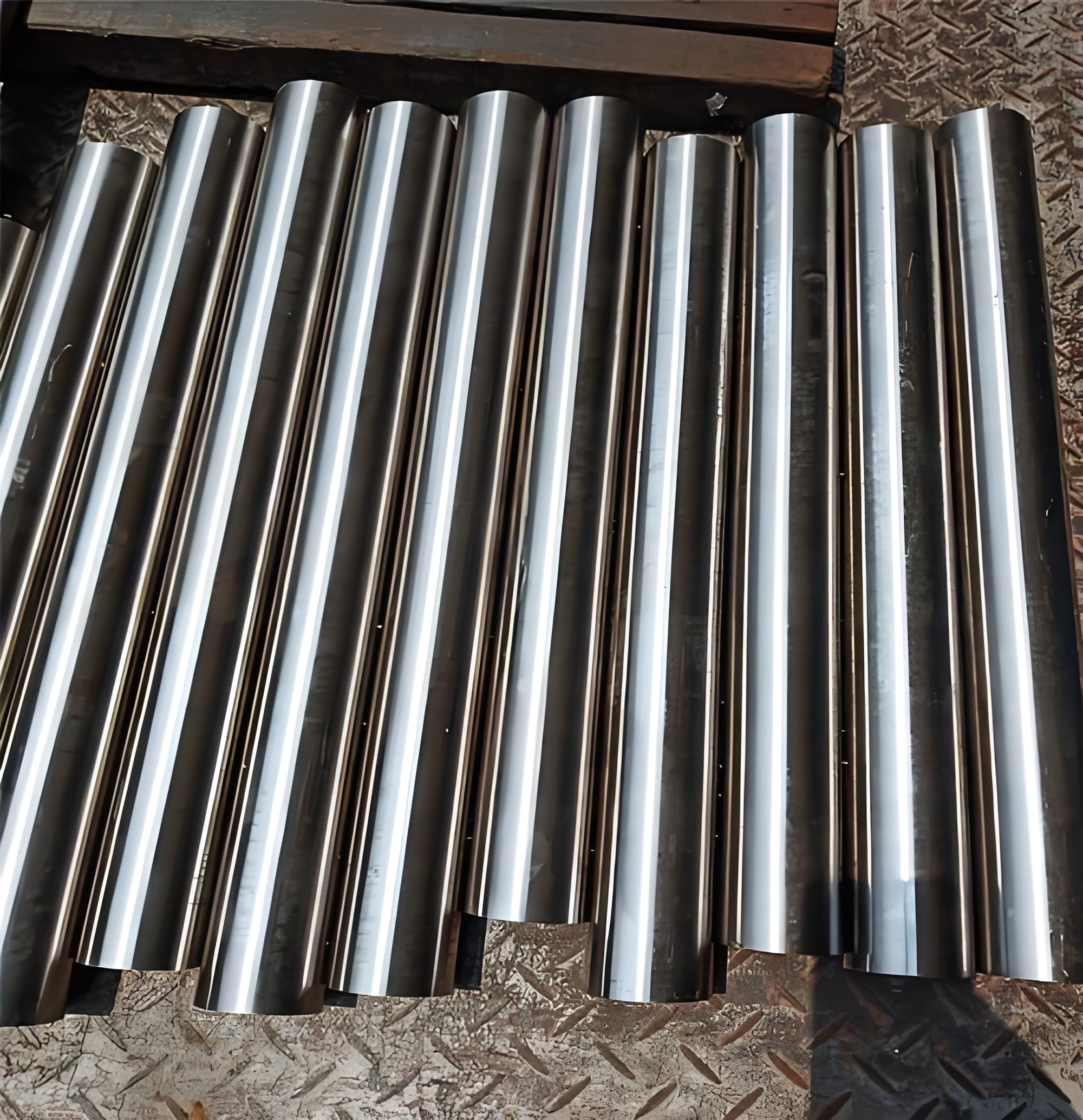
Incoloy 825 bar price depends on the nickel-based alloy composition, bar dimensions, manufacturing route, heat-treatment condition, surface finish, in...
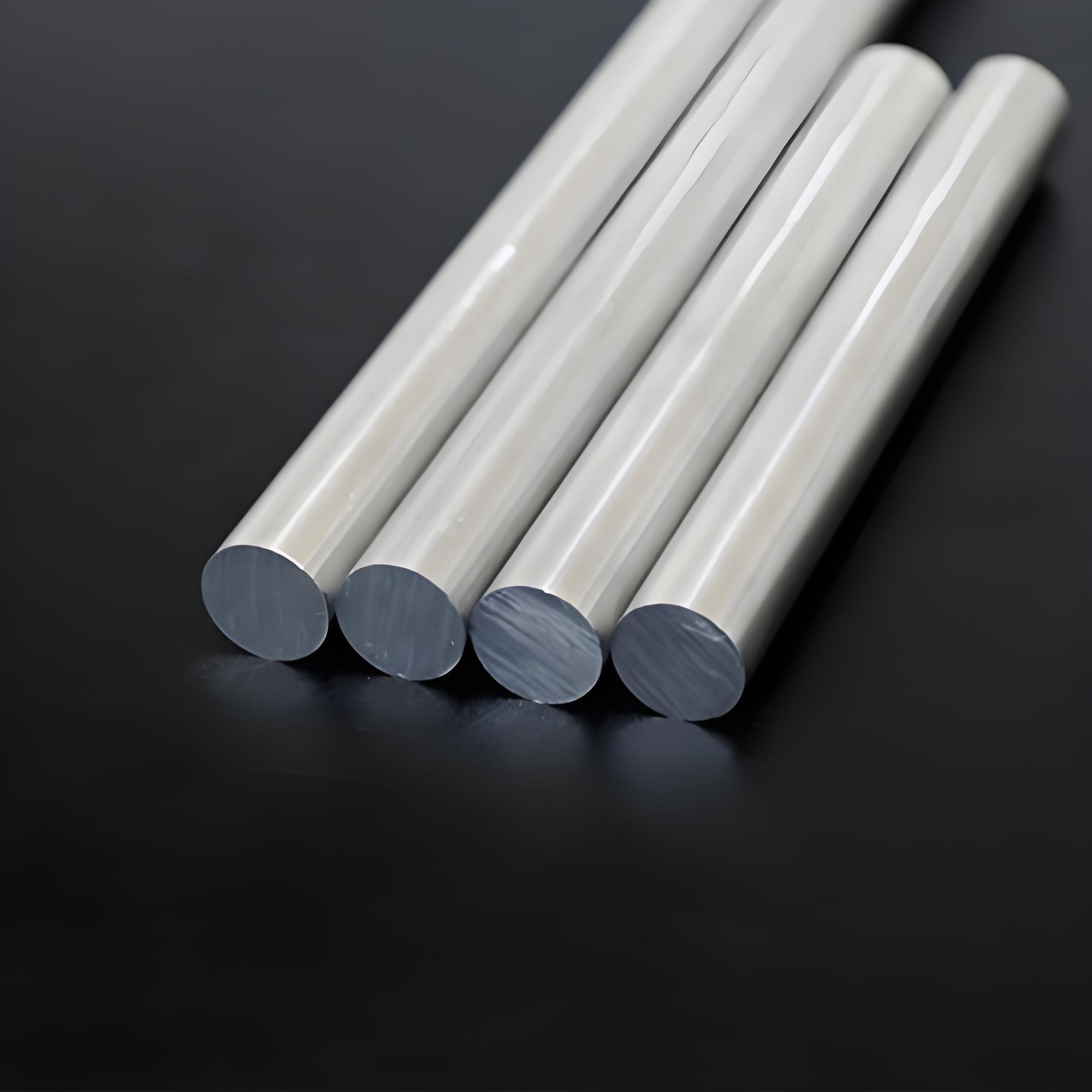
Incoloy 800HT bar price is shaped by nickel, chromium, titanium, and aluminum raw-material costs, together with bar dimensions, heat-treatment conditi...
 English English
  Korean
 Arabic
 Spanish
 German
 Portuguese
 French
 Russian
 Italian
 Vietnamese