
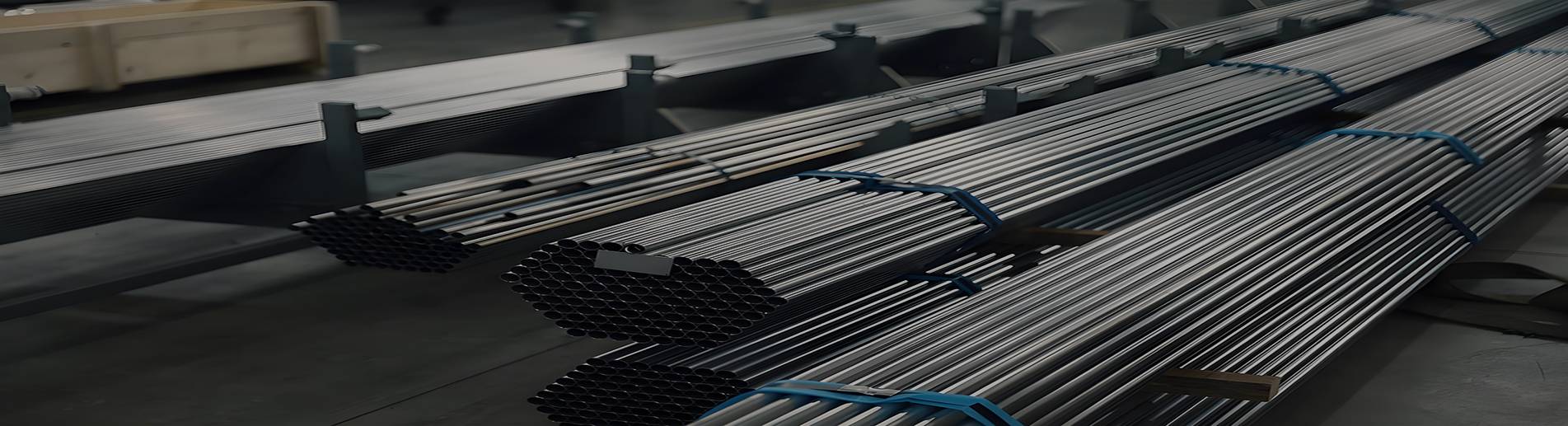
Monel 401 Round Bar Price per Kg
Monel 401 round bar price per kg depends on nickel and copper market costs, but its specialty electrical properties and limited bar availability often...
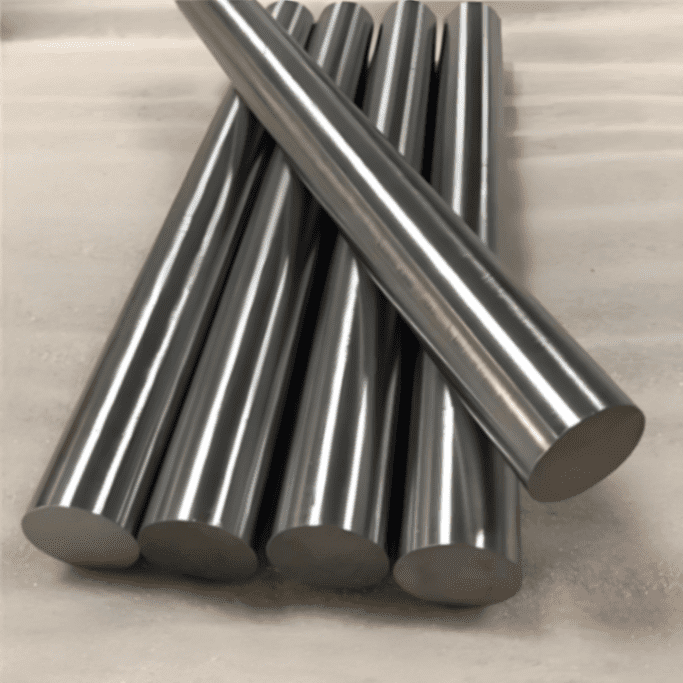
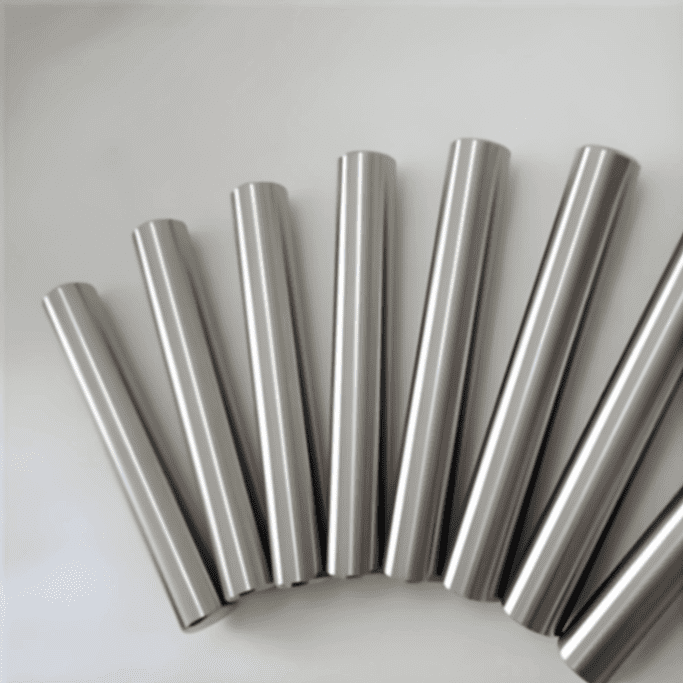
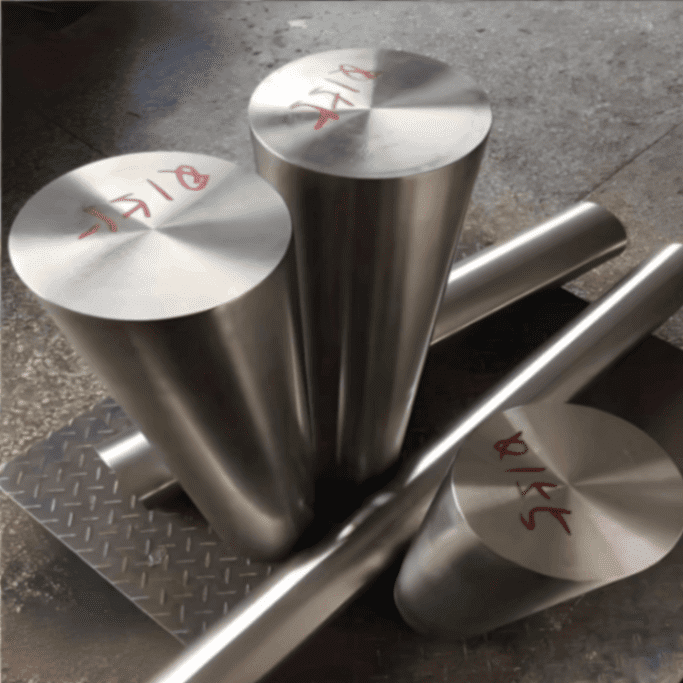
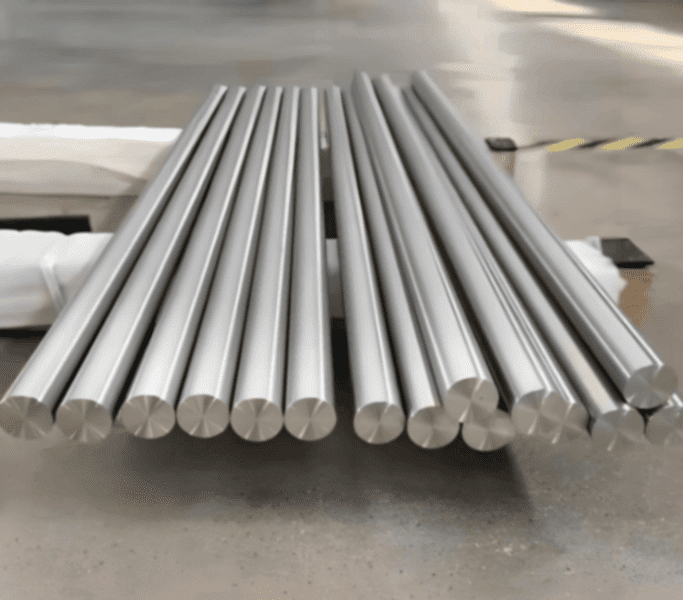
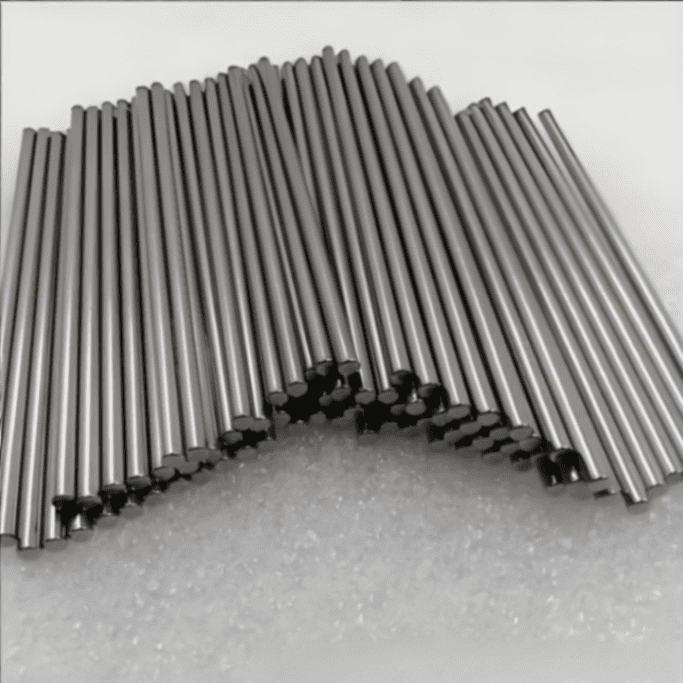
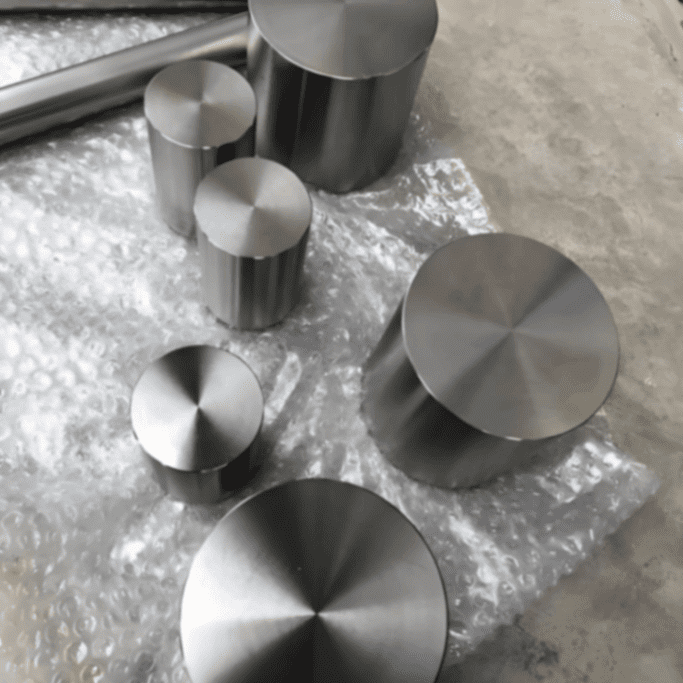
Monel K-500 is a high-strength nickel-copper alloy designed for applications that need both corrosion resistance and strong mechanical performance. Known by the UNS designation N05500, Monel K-500 combines the seawater and chemical resistance associated with Monel 400 with much higher tensile strength, yield strength, hardness, fatigue resistance, and wear resistance after age hardening. It is widely used for marine shafts, valve stems, high-strength fasteners, springs, pump components, offshore equipment, and oil and gas parts.
Monel K-500 belongs to the nickel-copper alloy family and is widely used in demanding marine, chemical, offshore, aerospace, and industrial applications. Its main advantage is that it retains much of the corrosion resistance of Monel 400 while offering substantially higher strength after suitable heat treatment.
For engineers and buyers, Monel K-500 should not be viewed simply as a stronger version of Monel 400. Its mechanical properties depend on controlled aluminum and titanium additions, correct solution treatment, a defined aging cycle, and the final product form. A K-500 shaft, bar, forging, fastener, or spring must be ordered with the required condition, hardness, mechanical properties, and inspection scope clearly stated.
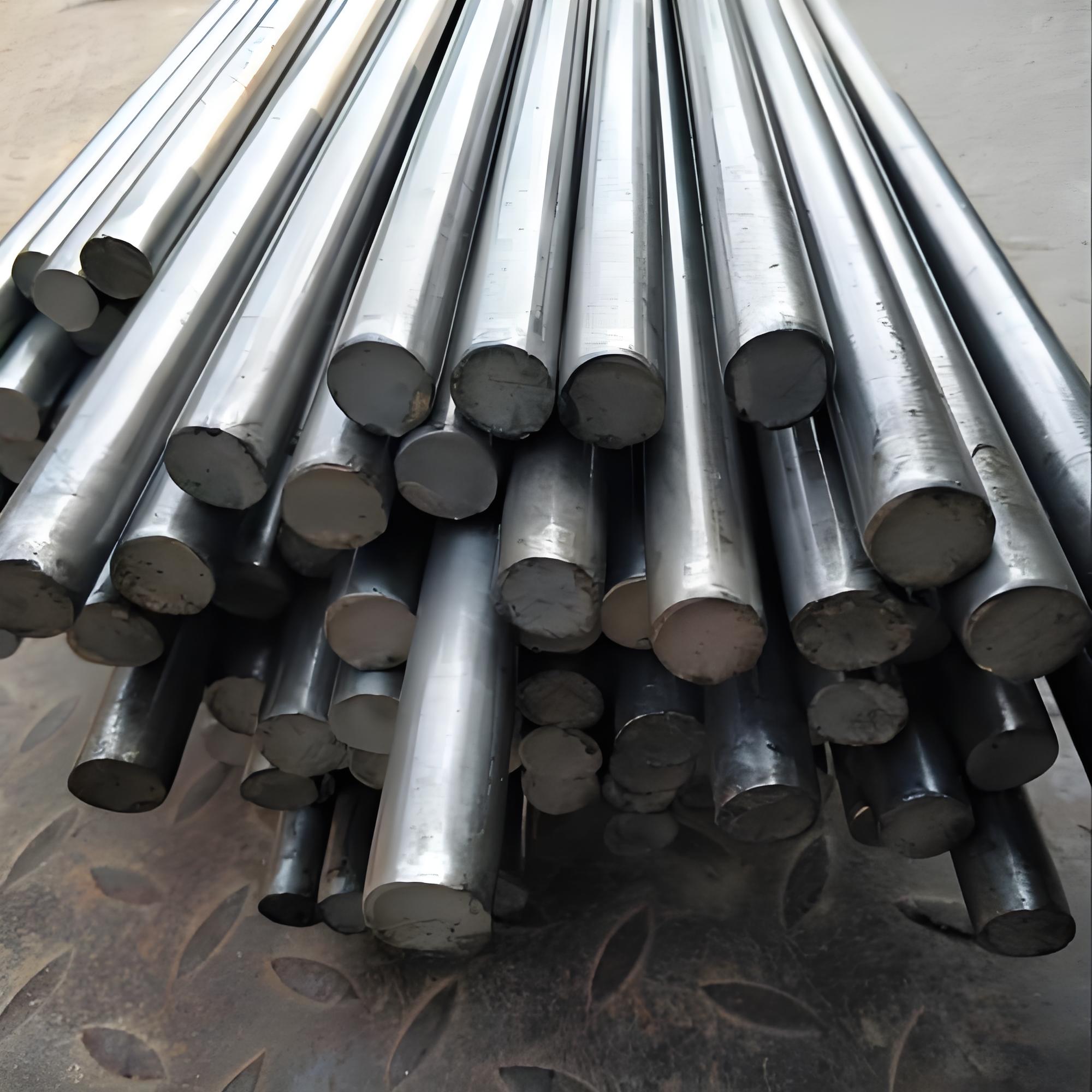
Monel K-500 is a precipitation-hardening nickel-copper-aluminum alloy with the UNS designation N05500 and the European material number 2.4375. The alloy has a nickel-copper base similar to Monel 400, but includes aluminum and titanium. These additions allow the material to be strengthened through age hardening.
In its solution-treated or annealed condition, K-500 can be machined and formed more easily than in its final aged condition. After aging, fine strengthening precipitates form in the alloy structure. This creates a significant increase in tensile strength, yield strength, hardness, and resistance to wear and fatigue.
| Item | Monel K-500 Description |
|---|---|
| Commercial alloy name | Monel K-500, Alloy K-500 |
| UNS designation | N05500 |
| European material number | 2.4375 |
| Alloy family | Precipitation-hardening nickel-copper-aluminum alloy |
| Main advantages | High strength, hardness, fatigue resistance, wear resistance, and seawater resistance |
| Common bar standard | ASTM B865 / ASME SB865 |
The chemical composition of Monel K-500 is carefully controlled because its mechanical properties depend on more than the nickel-copper base. Aluminum and titanium are the key precipitation-hardening elements. They allow the alloy to develop high strength during aging without requiring a large increase in carbon content.
The exact heat chemistry must be confirmed by the mill test certificate for the supplied material. The following table provides a general composition reference for UNS N05500.
| Element | Typical Requirement, wt.% | Function in the Alloy |
|---|---|---|
| Nickel plus cobalt | 63.0% minimum | Forms the corrosion-resistant nickel-copper alloy base. |
| Copper | 27.0-33.0% | Supports seawater resistance and corrosion performance in many chemical environments. |
| Aluminum | 2.30-3.15% | Key precipitation-hardening element that increases strength after aging. |
| Titanium | 0.35-0.85% | Works with aluminum to create the age-hardening response. |
| Iron | 2.00% maximum | Controlled residual alloying element. |
| Manganese | 1.50% maximum | Controlled processing and deoxidizing element. |
| Silicon | 0.50% maximum | Restricted as part of composition control. |
| Carbon | 0.25% maximum | Controlled to support alloy quality and mechanical performance. |
| Sulfur | 0.01% maximum | Kept low to support quality and fabrication performance. |
Nickel and copper provide the base corrosion resistance of Monel K-500. This nickel-copper combination gives the alloy strong performance in flowing seawater, brines, saltwater systems, alkalis, and a range of chemical environments. The corrosion behavior is broadly related to Monel 400, which has a similar nickel-copper base.
Aluminum and titanium create the main difference between K-500 and Monel 400. During controlled age hardening, these elements form fine precipitates within the alloy structure. These precipitates strengthen the material and increase hardness without changing the overall nickel-copper character of the alloy.
This chemistry makes Monel K-500 particularly useful where a component must resist corrosion and also carry mechanical load. A marine shaft, high-strength bolt, pump shaft, valve stem, spring, or offshore fastener may require much more strength than Monel 400 can provide in standard annealed condition.
Monel K-500 has high mechanical strength after proper heat treatment. In aged condition, it can provide significantly higher tensile strength, yield strength, and hardness than Monel 400. The final values depend on bar diameter, forged section size, solution-treatment condition, aging cycle, cold work, and applicable standard.
Because K-500 is supplied in both aged and unaged conditions, a purchase order should specify the required state. A solution-treated bar is more suitable for machining before final hardening. An aged bar is intended for applications that require the final strength and hardness immediately after machining or grinding.
| Mechanical Property | Monel K-500 in Aged Condition | Why It Matters |
|---|---|---|
| Tensile strength | Substantially higher than Monel 400 | Useful for loaded shafts, fasteners, springs, and rotating components. |
| Yield strength | High after precipitation hardening | Helps resist permanent deformation under mechanical load. |
| Hardness | Significantly increased after aging | Improves resistance to wear, galling, and surface damage. |
| Fatigue resistance | Good for cyclic loading applications | Important for shafts, springs, fasteners, and vibrating equipment. |
| Ductility | Lower than in solution-treated condition | Must be considered for forming and final machining operations. |
| Wear resistance | Improved compared with Monel 400 | Useful for valve stems, pump parts, couplings, and moving components. |
Mechanical values should not be copied from a generic datasheet into a critical design without confirming product form and condition. For example, aged K-500 round bar, forged K-500 shaft stock, wire, and finished fasteners can have different property requirements. The correct specification should state minimum tensile strength, yield strength, elongation, and hardness range.
Monel K-500 has physical characteristics typical of nickel-copper alloys. Its density is approximately 8.4 g/cm³, which is higher than common stainless steel and carbon steel. This should be considered when calculating component weight, rotating mass, handling requirements, and shipping cost.
The alloy has a high melting range and useful stability across a broad temperature range. Its thermal expansion, thermal conductivity, electrical resistivity, and magnetic behavior should be considered where parts are used in close-tolerance assemblies, electrical systems, marine instrumentation, or thermally cycled equipment.
| Physical Property | General Characteristic | Design Consideration |
|---|---|---|
| Density | Approximately 8.4 g/cm³ | Important for shaft weight, rotating mass, lifting, and transport calculations. |
| Melting range | High, consistent with nickel-copper alloys | Relevant to forging, welding, thermal processing, and emergency temperature review. |
| Thermal expansion | Must be considered in heated assemblies | Important for clearances, bolted joints, seals, and dissimilar-metal connections. |
| Thermal conductivity | Lower than many copper alloys | Affects temperature gradients and heating or cooling response. |
| Electrical resistivity | Higher than pure copper | Relevant for electrical, instrumentation, and grounding applications. |
| Magnetic response | Usually low, but condition-specific verification may be required | Important for specialized marine, sensor, and magnetic-field applications. |
The high strength of Monel K-500 comes from precipitation hardening. In solution-treated condition, the aluminum and titanium are dissolved within the nickel-copper matrix. During controlled aging, fine precipitates form and create barriers to dislocation movement. This makes the alloy much stronger and harder.
Unlike carbon steel hardening, K-500 does not rely on a simple quench-and-temper process. The material requires a controlled heat-treatment route that is appropriate for the product size and required final properties. Incorrect aging can result in inadequate hardness, lower-than-required strength, excessive distortion, or non-uniform properties through the section.
For this reason, aged K-500 bar and forged components should be supplied with heat-treatment records and mechanical test results when used in high-load service. A responsible supplier should be able to confirm whether the material is solution treated, age hardened, cold worked and aged, or supplied for further customer machining and heat treatment.
Monel K-500 offers corrosion resistance substantially similar to Monel 400 in many environments. It performs well in flowing seawater, brackish water, brines, alkalis, and selected chemical services. The alloy is frequently selected when a standard stainless steel may suffer chloride stress corrosion cracking or when a copper-based alloy does not provide enough mechanical strength.
The nickel-copper base provides excellent resistance to many marine and saltwater environments. The alloy is also useful in selected reducing acid and chemical processing conditions. However, corrosion resistance should always be evaluated against the actual service environment, including temperature, flow velocity, dissolved oxygen, chlorides, deposits, acid concentration, pressure, and mechanical stress.
Monel K-500 is not automatically the best choice for every chloride environment. Localized corrosion can occur in stagnant crevices, beneath deposits, around seals, in threaded areas, or under marine growth. If severe pitting or crevice corrosion is expected, higher-molybdenum nickel alloys may be more appropriate.
| Environment | Monel K-500 Performance | Important Consideration |
|---|---|---|
| Flowing seawater | Excellent resistance in many marine applications | Well suited to shafts, valves, pumps, and offshore components. |
| Brines and saltwater | Very good resistance in many conditions | Review stagnant zones and crevice geometry. |
| Alkalis | Useful resistance in many alkaline environments | Verify concentration and operating temperature. |
| Reducing acids | Useful in selected services | Actual acid concentration, temperature, and aeration are critical. |
| Oxidizing acids | Requires careful material-selection review | Other nickel-chromium alloys may be preferred in severe oxidizing media. |
| Stagnant crevice conditions | Requires application-specific evaluation | High strength does not eliminate the risk of localized corrosion. |
Seawater service is one of the most important applications for Monel K-500. The alloy combines resistance to flowing seawater with high strength and hardness, making it suitable for components that must operate under corrosion, load, vibration, and wear at the same time.
Common marine uses include propeller shafts, pump shafts, impeller components, valve stems, high-strength fasteners, springs, couplings, offshore mechanical hardware, seawater pump parts, diving equipment, and marine instrumentation components. K-500 is particularly useful where Monel 400 has adequate corrosion resistance but insufficient strength.
High-strength K-500 components used in cathodically protected seawater require special engineering attention. Under certain conditions, hydrogen generated by cathodic protection can increase the risk of hydrogen embrittlement in highly stressed material. Offshore fasteners, shafts, springs, and critical mechanical components should be specified with appropriate hardness limits, environmental controls, and applicable NACE or ISO requirements where relevant.
Monel K-500 has useful mechanical properties across a broad temperature range and can be used in low-temperature, ambient-temperature, and moderately elevated-temperature applications. Its corrosion resistance and strength make it practical for marine, offshore, cryogenic, chemical, and mechanical equipment service.
The age-hardening advantage of K-500 is most important where the precipitation-hardened structure remains stable. Long exposure at elevated temperature can affect hardness and strength through overaging or microstructural change. For this reason, K-500 should not automatically be selected for every high-temperature application simply because it is stronger than Monel 400 at room temperature.
For long-term high-temperature loading, engineers should review creep, stress rupture, thermal cycling, oxidation, atmosphere chemistry, and applicable design-code data. In some cases, a nickel-chromium high-temperature alloy such as Inconel 600, Inconel 625, Incoloy 800H, or Incoloy 800HT may be a better material choice.
| Service Condition | Monel K-500 Suitability |
|---|---|
| Subzero and cryogenic service | Useful where corrosion resistance and high mechanical strength are required. |
| Ambient seawater service | Excellent for high-strength marine components. |
| Offshore mechanical service | Useful when stress, corrosion, fatigue, and wear occur together. |
| Moderately elevated temperature | Requires review of aging stability and final design stress. |
| Long-term high-temperature load | Requires engineering evaluation; a dedicated heat-resistant alloy may be preferred. |
Heat treatment is essential to achieving the full strength of Monel K-500. The alloy is normally supplied in a solution-treated or annealed condition for machining and fabrication, then age hardened to develop its final mechanical properties. The correct cycle depends on product form, section thickness, desired hardness, required strength, and applicable specification.
Solution treatment prepares the alloy structure before aging. Controlled aging then forms the strengthening precipitates associated with aluminum and titanium. A supplier should use a qualified heat-treatment procedure and maintain records where the component is intended for critical marine, oil and gas, aerospace, or pressure-equipment service.
Buyers should avoid specifying only “heat treated” because this does not define the required condition. The order should clearly state whether the material is required solution annealed, age hardened, cold worked and aged, or supplied for further machining and customer heat treatment.
| Condition | Typical Use | Commercial Requirement |
|---|---|---|
| Solution treated or annealed | Machining, forming, rough machining, and fabrication | Lower hardness and easier machining before final aging. |
| Age hardened | High-strength shafts, fasteners, springs, and final mechanical parts | Specify tensile, yield, elongation, and hardness requirements. |
| Cold worked and aged | High-strength wire, springs, and specialized components | Requires controlled process and property verification. |
| Stress-relieved condition | Parts with machining or fabrication stress concerns | Must be coordinated with the required aging condition. |
Monel K-500 is tougher and more work-hardening than carbon steel. Machining requires rigid equipment, sharp cutting tools, suitable feed rates, controlled cutting speed, and sufficient coolant. Tool dwell should be avoided because it can cause localized work hardening and increase tool wear.
For many precision components, K-500 is rough machined in solution-treated condition, then age hardened, followed by final machining or grinding if necessary. Machining fully aged K-500 is possible, but the higher strength and hardness increase tooling demand and processing cost.
K-500 can be welded, but welding should be treated carefully when the final component depends on age-hardened strength. The weld metal and heat-affected zone may not have the same aging response as the base material. For high-load components, welding is often performed before final aging under a qualified welding procedure, followed by appropriate heat treatment and inspection.
| Fabrication Topic | Monel K-500 Characteristic |
|---|---|
| Machining | Best planned carefully because the alloy work hardens and becomes harder after aging. |
| Preferred machining sequence | Rough machine in solution-treated condition, age harden, then finish machine or grind if required. |
| Cold forming | More practical before final age hardening. |
| Welding | Possible, but strength-critical welds require qualified procedures and post-weld property review. |
| Final inspection | May include hardness testing, tensile testing, PMI, UT, dimensional inspection, and third-party verification. |
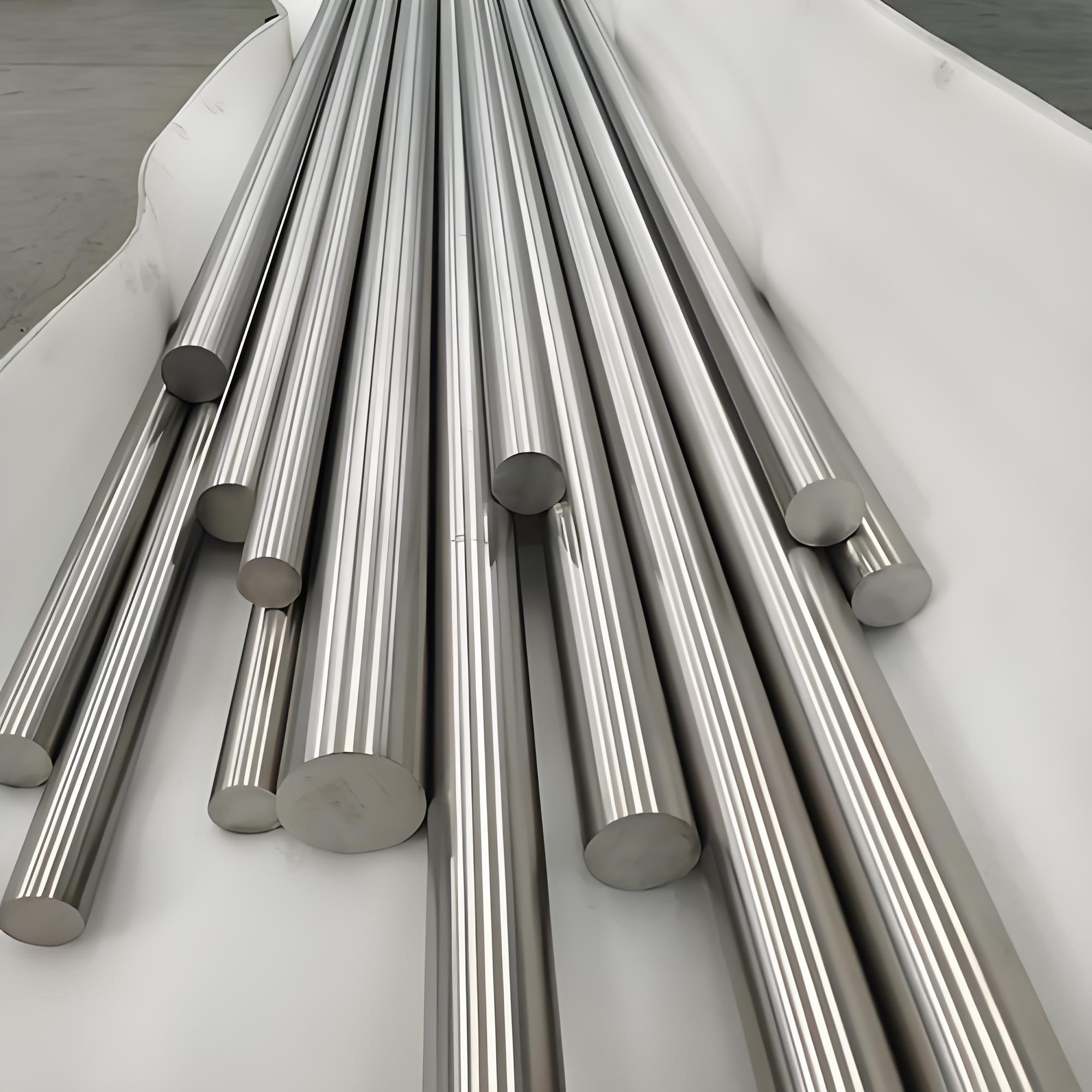
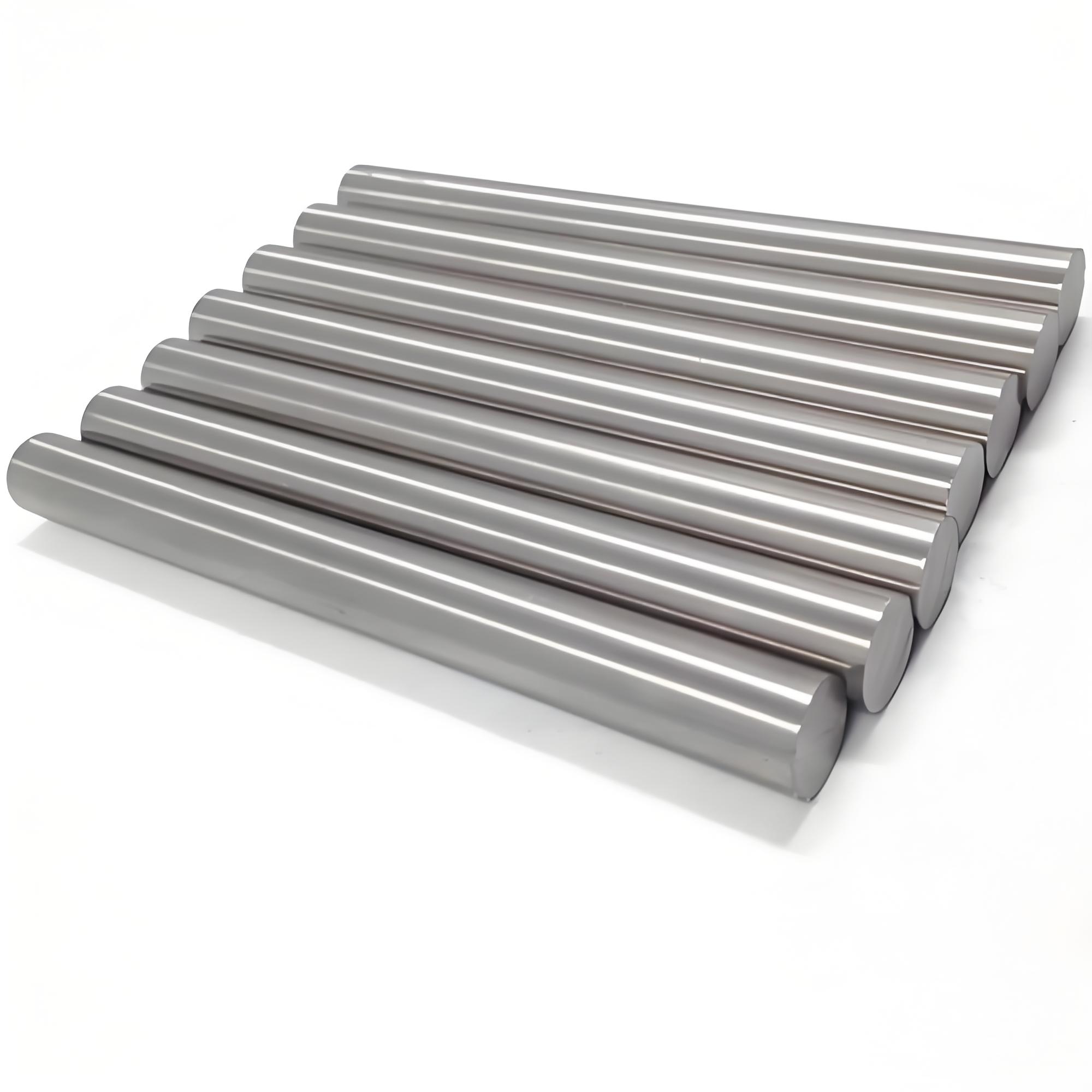
Monel K-500 is commonly supplied as round bar, rod, square bar, hex bar, rectangular bar, wire, forgings, and forging stock. Round bar is frequently machined into shafts, valve stems, fasteners, pins, couplings, pump parts, and custom marine components. Forgings are used for larger or more complex high-strength parts.
ASTM B865 is the commonly referenced specification for UNS N05500 bar, rod, wire, forgings, and forging stock. Aerospace or project requirements may also reference AMS specifications, customer drawings, hardness requirements, NACE requirements, ISO requirements, or third-party inspection procedures.
| Product Form | Typical Application | Common Requirement |
|---|---|---|
| Round bar | Shafts, valve stems, bolts, pins, pump parts | Diameter, length, condition, hardness, and bar standard. |
| Forged bar | Large shafts and heavy mechanical components | Forging route, heat treatment, UT, and mechanical properties. |
| Square and hex bar | Fasteners, fittings, nuts, and machined blocks | Across-flat dimension, tolerance, condition, and surface finish. |
| Wire | Springs, safety wire, and specialty formed parts | Wire diameter, temper, aging condition, and tensile requirement. |
| Forgings and forging stock | Offshore, aerospace, marine, and custom equipment parts | Drawing, heat treatment, inspection plan, and traceability. |
Monel K-500 is selected when a component must resist corrosion while carrying high mechanical load. Its combination of seawater resistance, high strength, hardness, and fatigue performance makes it useful in marine, offshore, chemical, oil and gas, aerospace, and industrial equipment.
| Industry | Typical Monel K-500 Applications |
|---|---|
| Marine and shipbuilding | Propeller shafts, pump shafts, valve stems, fasteners, springs, and seawater pump parts. |
| Offshore oil and gas | High-strength fasteners, valve components, downhole equipment, shafts, and corrosion-resistant mechanical hardware. |
| Chemical processing | Pump components, valve stems, couplings, fasteners, and selected process-equipment parts. |
| Power and energy | High-strength corrosion-resistant components for specialized equipment. |
| Aerospace | High-strength fasteners, springs, and precision mechanical components. |
| Industrial pumps and valves | Stems, shafts, impellers, wear-resistant components, and high-load fasteners. |
| Instrumentation and specialty equipment | Precision pins, springs, connectors, and corrosion-resistant moving parts. |
Is Monel K-500 stronger than Monel 400?
Yes. Monel K-500 is much stronger and harder than Monel 400 after age hardening. K-500 contains aluminum and titanium, which allow precipitation hardening. Monel 400 does not have this age-hardening response and is usually selected when corrosion resistance, ductility, and weldability are more important than maximum mechanical strength.
Is Monel K-500 suitable for seawater?
Monel K-500 has excellent resistance to flowing seawater and is widely used for marine shafts, pump parts, valve stems, fasteners, springs, and offshore mechanical components. For cathodically protected seawater systems, high-strength K-500 components should be evaluated for hydrogen-embrittlement risk, especially where high stress and demanding offshore conditions are present.
What is Monel K-500 used for?
Monel K-500 is used for high-strength corrosion-resistant components such as propeller shafts, pump shafts, valve stems, high-strength bolts, nuts, springs, impellers, couplings, offshore equipment parts, oilfield tools, marine hardware, and aerospace mechanical components. It is selected when corrosion resistance alone is not enough and the part also requires high strength, hardness, or fatigue resistance.
More from this category
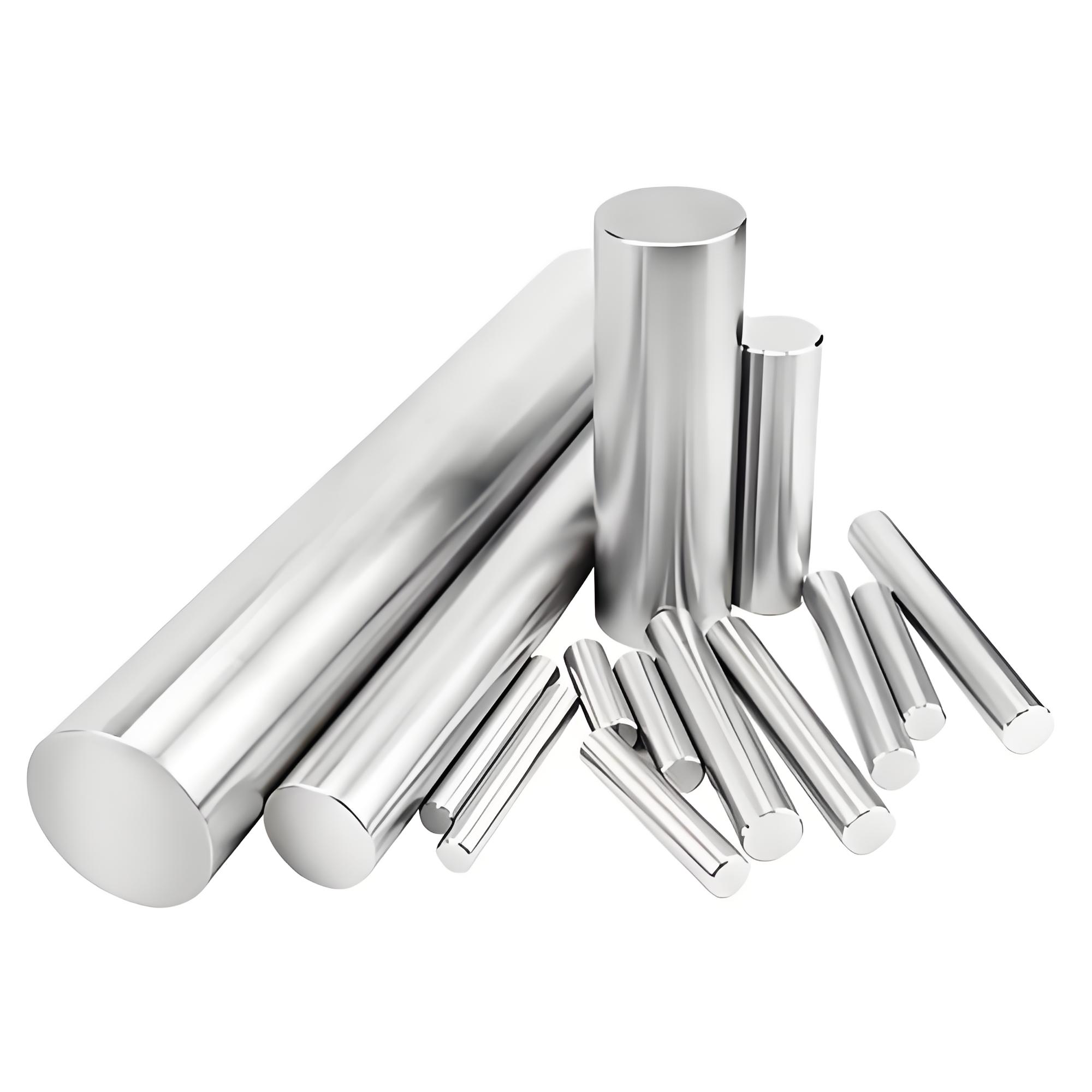
Monel 401 round bar price per kg depends on nickel and copper market costs, but its specialty electrical properties and limited bar availability often...
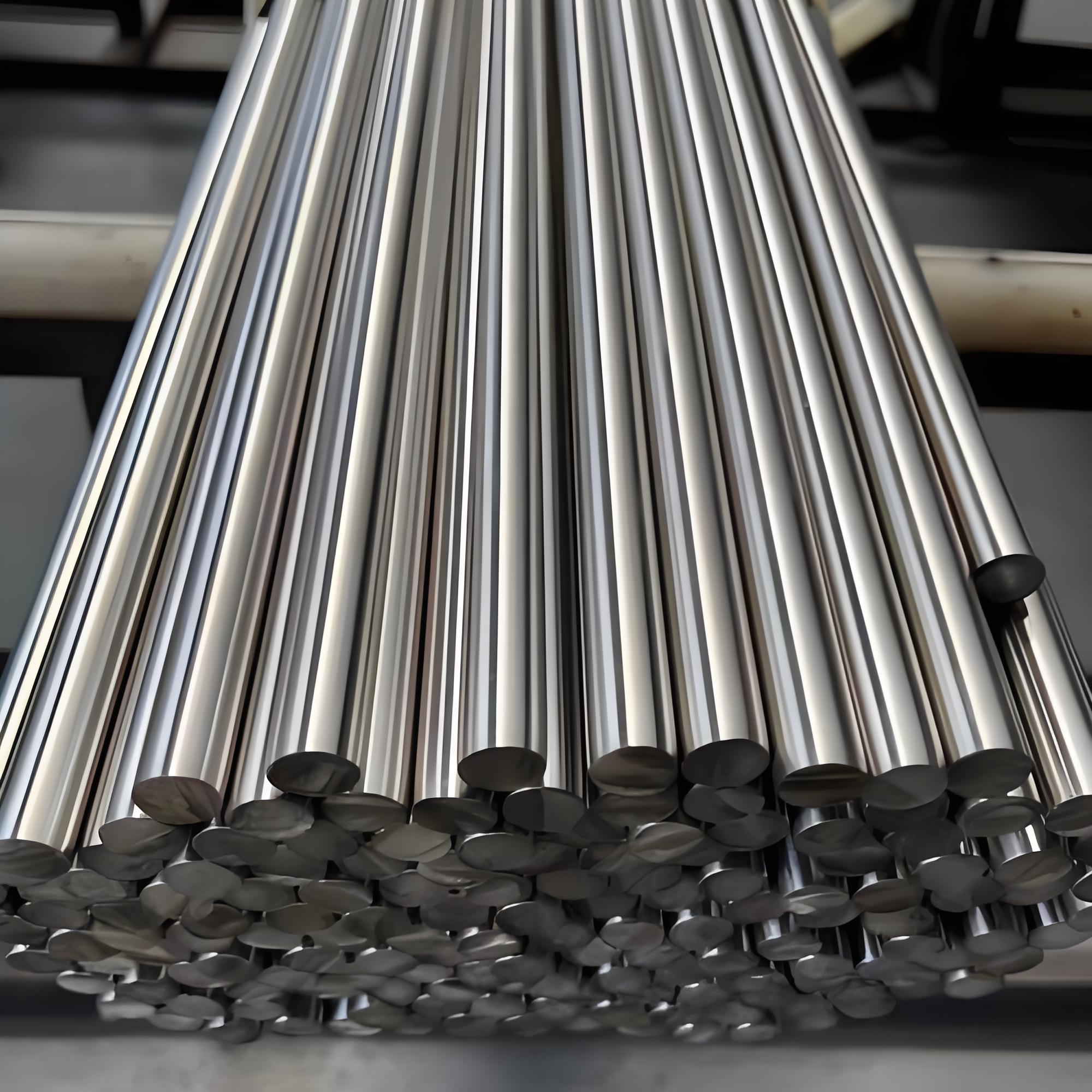
Monel 400 and Monel K-500 are closely related nickel-copper alloys widely used in marine engineering, offshore equipment, chemical processing, oil and gas systems, pumps, valves, fasteners, shafts, heat exchangers, and corrosion-resistant mechanical components.
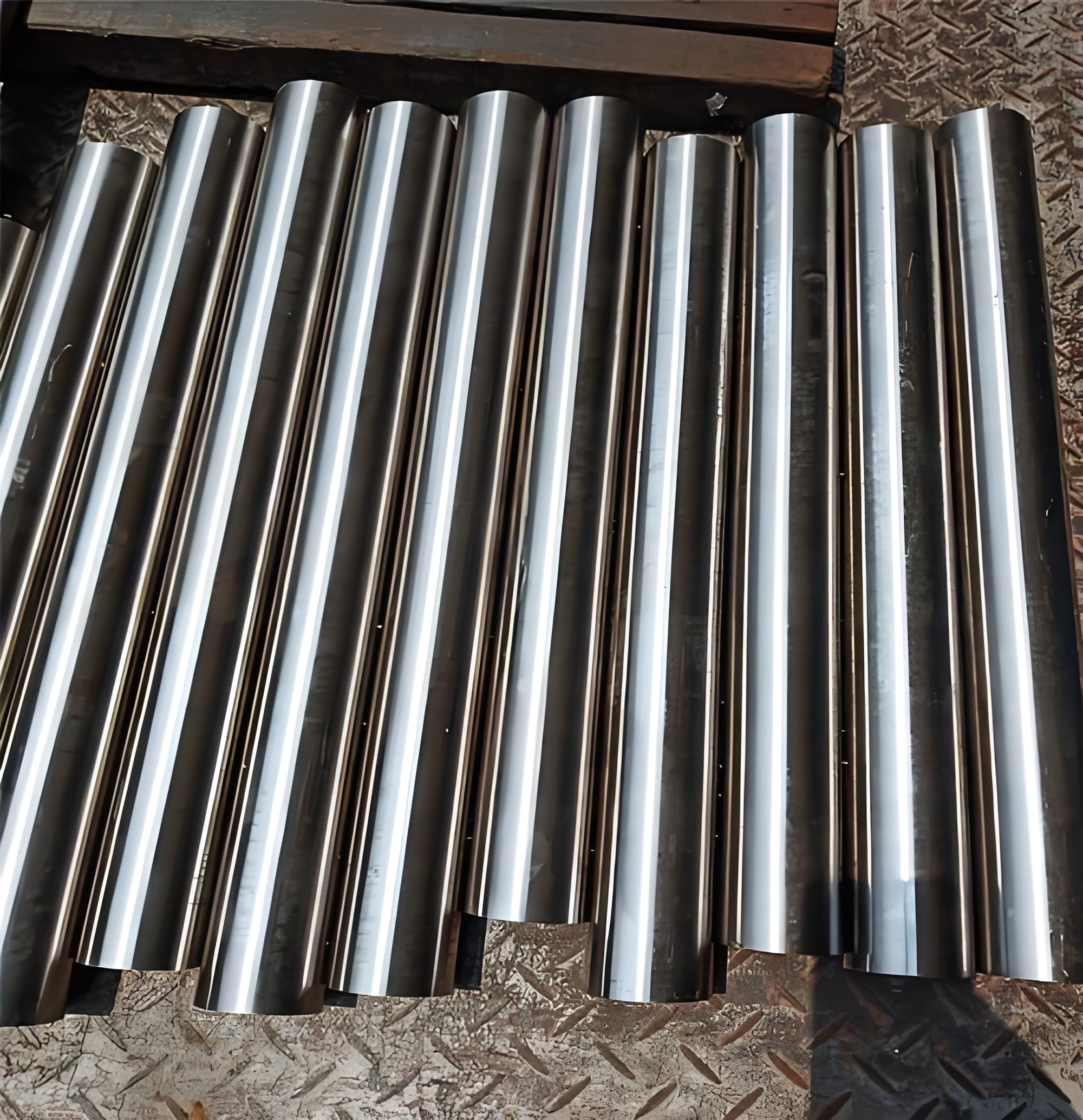
Incoloy 825 bar price depends on the nickel-based alloy composition, bar dimensions, manufacturing route, heat-treatment condition, surface finish, in...
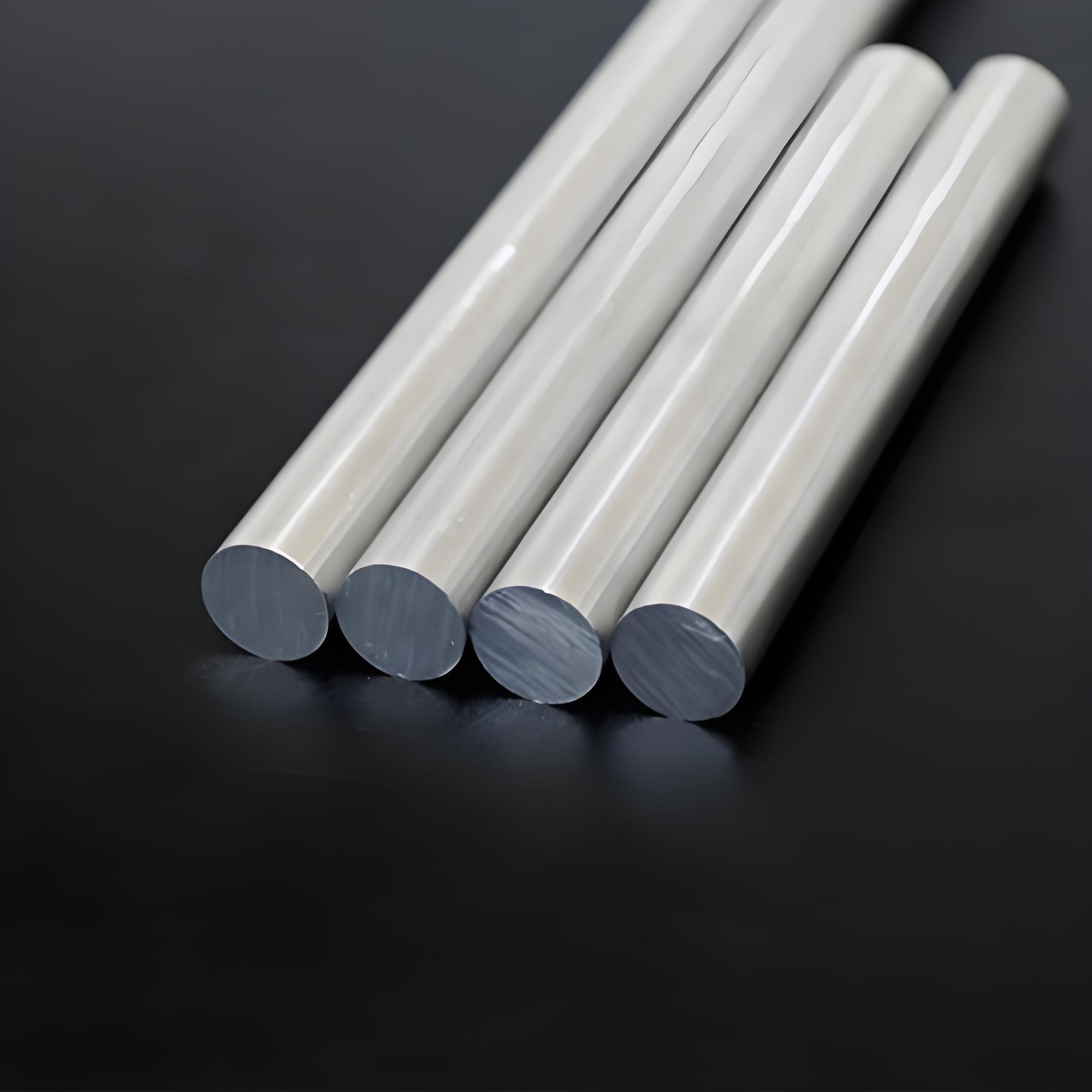
Incoloy 800HT bar price is shaped by nickel, chromium, titanium, and aluminum raw-material costs, together with bar dimensions, heat-treatment conditi...
 English English
  Korean
 Arabic
 Spanish
 German
 Portuguese
 French
 Russian
 Italian
 Vietnamese