
Latest Inconel 602CA Alloy Bar Price List per Kg
Inconel 602CA alloy bar price per kg is usually higher than common Inconel 600 and Inconel 601 bars because Alloy 602CA is a premium high-temperature ...
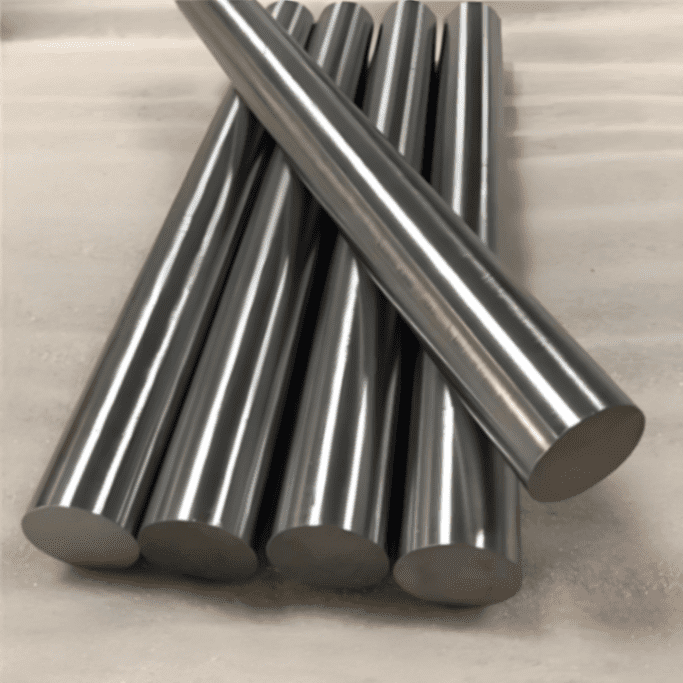
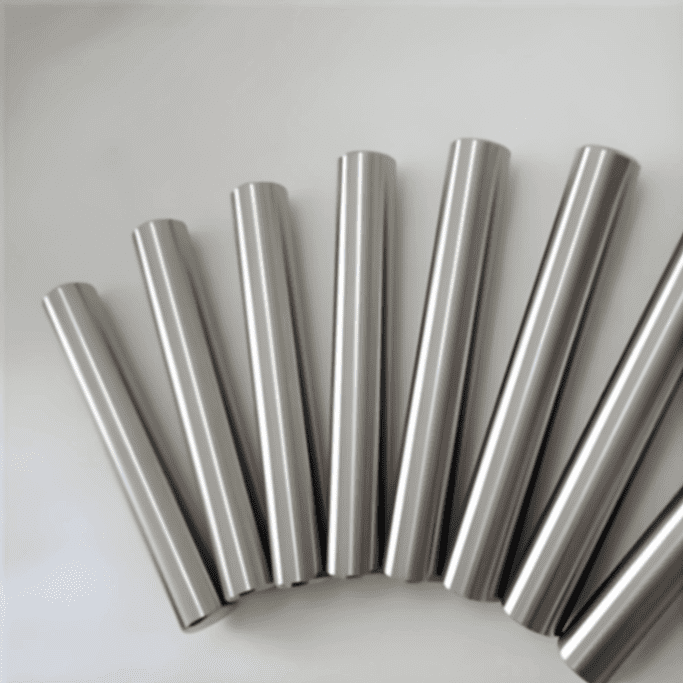
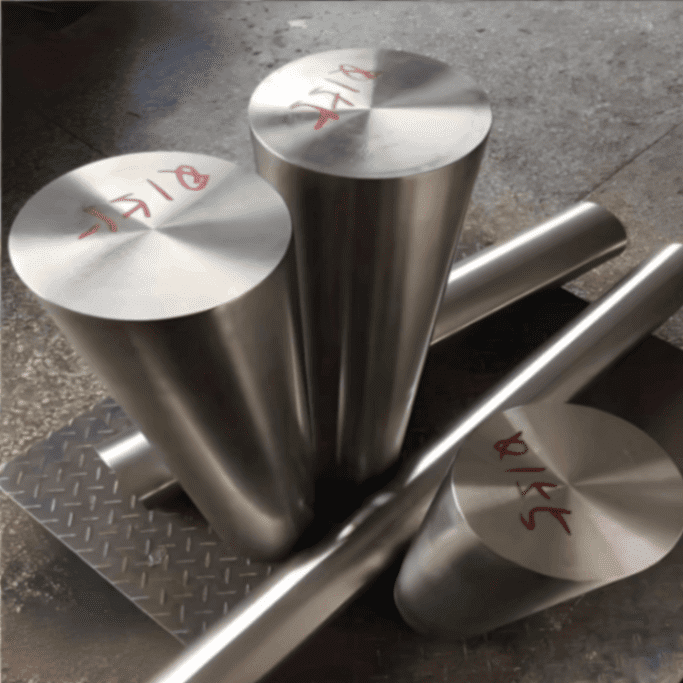
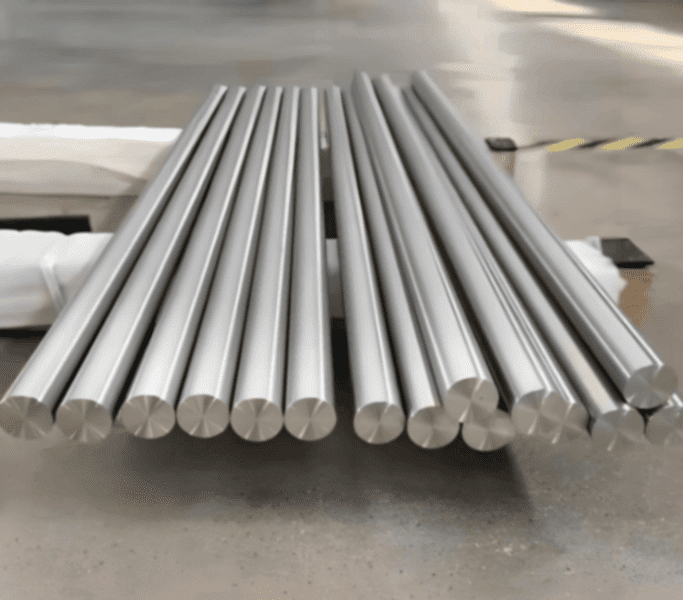
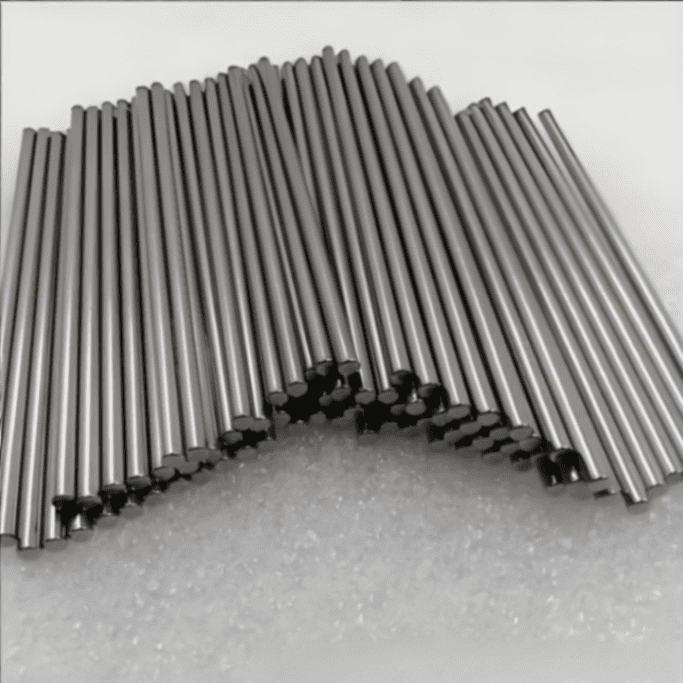
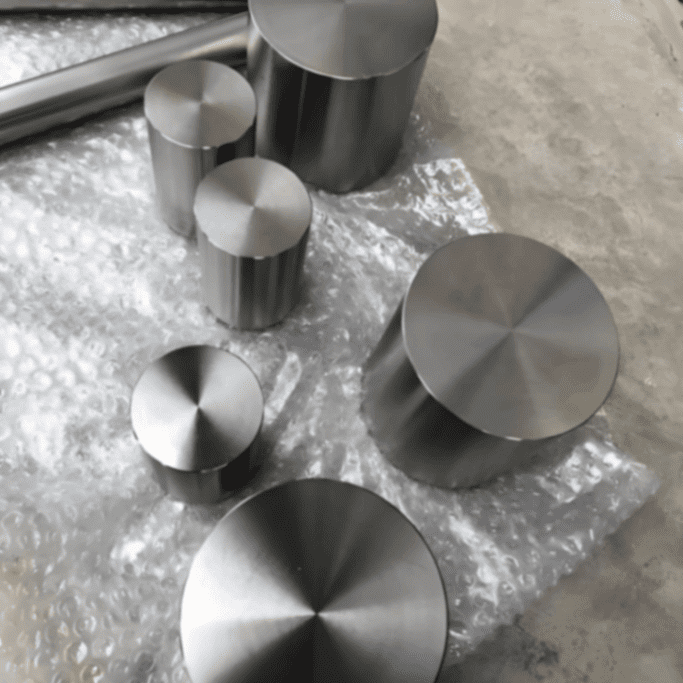
Nickel 200 bar manufacturers and suppliers provide commercially pure nickel bar stock for chemical processing, caustic alkali handling, food processing, electrical components, electronic parts, aerospace components, marine hardware, heat exchangers, and corrosion-resistant machined parts. Nickel 200, also known as UNS N02200, W.Nr. 2.4060, and W.Nr. 2.4066, is valued for high nickel purity, excellent resistance to caustic alkalis, good ductility, high thermal conductivity, high electrical conductivity, magnetic properties, and good fabrication performance. For buyers, Nickel 200 bar price depends on nickel raw material cost, bar type, diameter, length, tolerance, surface finish, delivery condition, stock availability, cutting service, MTC, PMI, quantity, and lead time. A reliable Nickel 200 bar manufacturer or supplier should not only offer a price per kg, but also confirm grade, chemical composition, standard, size, inspection documents, heat number traceability, and suitable packing for domestic or export delivery.
Nickel 200 bar manufacturers and suppliers serve buyers who need high-purity nickel material in round bar, flat bar, square bar, hex bar, forged bar, cold drawn bar, and precision ground bar forms. Nickel 200 is not a stainless steel and not a nickel-chromium superalloy. It is a commercially pure wrought nickel grade, mainly selected for corrosion resistance in reducing and alkaline environments, electrical conductivity, thermal conductivity, ductility, and ease of fabrication.
Manufacturers usually focus on melting, hot working, forging, rolling, drawing, annealing, machining, and testing. Suppliers often focus on stock availability, cutting service, small quantity supply, mixed sizes, export packing, documentation, and faster delivery. For many international buyers, the best purchasing choice may be a supplier that can coordinate both stock and production.
| Buyer Requirement | Why It Matters |
| Correct grade identification | Confirms Nickel 200 / UNS N02200 instead of Nickel 201 or another nickel alloy. |
| Available bar sizes | Helps buyers choose stock diameters and reduce lead time. |
| Cutting service | Allows buyers to order fixed-length pieces or machining blanks. |
| MTC and traceability | Confirms chemical composition, mechanical properties, heat number, and standard. |
| Quality inspection | PMI, dimension check, surface inspection, and hardness testing may be required. |
| Realistic price and lead time | Nickel price changes frequently, so quotation validity should be confirmed. |
As a practical market reference, Nickel 200 bar commonly costs about USD 26 to 45 per kg for many standard hot rolled or annealed round bar orders. Cold drawn, forged, peeled, polished, precision ground, small quantity, tight tolerance, or urgent custom orders may cost more, often around USD 32 to 65 per kg depending on size and requirement.
This is only a reference range. The final Nickel 200 bar price must be quoted according to exact grade, diameter, length, quantity, surface condition, delivery condition, standard, cutting requirement, certificate requirement, and shipping destination. Since Nickel 200 contains a very high percentage of nickel, nickel market price is one of the most important cost drivers.
| Nickel 200 Bar Type | Reference Price Range | Typical Situation |
| Hot Rolled Nickel 200 Round Bar | USD 26 – 42 / kg | Common stock size, standard machining blank |
| Annealed Nickel 200 Bar | USD 28 – 45 / kg | Better ductility and fabrication condition |
| Cold Drawn Nickel 200 Bar | USD 32 – 50 / kg | Better tolerance, smaller diameter, smoother surface |
| Forged Nickel 200 Bar | USD 35 – 58 / kg | Large diameter, heavy section, custom production |
| Precision Ground Nickel 200 Bar | USD 40 – 65 / kg | Tight tolerance rods, pins, shafts, precision parts |
A manufacturer may offer better pricing for larger quantity, regular production, or custom sizes. A supplier may offer faster delivery, smaller MOQ, cutting service, mixed-size supply, and more flexible export support. Buyers should compare the total purchasing value, not only the unit price.
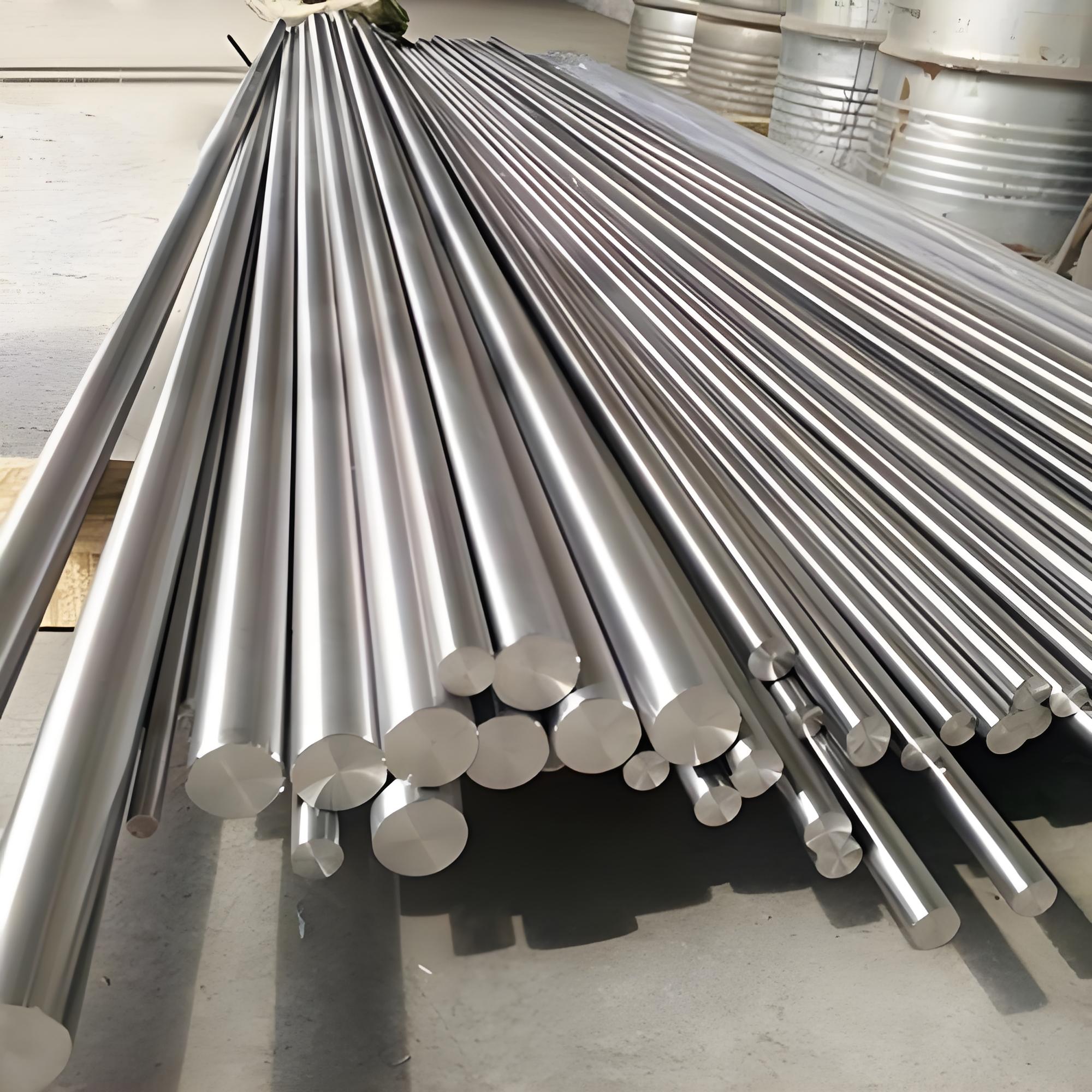
Nickel 200 is commonly identified as UNS N02200. It may also be written as Alloy 200, Nickel Alloy 200, commercially pure nickel, W.Nr. 2.4060, or W.Nr. 2.4066. Correct grade identification is important because Nickel 200 and Nickel 201 are similar but not identical. Nickel 201 is the low-carbon version and is usually preferred for higher-temperature service above about 315°C where graphitization risk should be reduced.
| Designation | Nickel 200 Bar Reference | Buying Note |
| Common Name | Nickel 200 / Alloy 200 | Commonly used in supplier quotations and product pages |
| UNS Number | UNS N02200 | Important for international grade confirmation |
| Werkstoff Number | 2.4060 / 2.4066 | Common in European documents and certificates |
| Material Type | Commercially pure wrought nickel | Different from nickel-chromium or nickel-copper alloys |
| Related Grade | Nickel 201 / UNS N02201 | Low-carbon version for higher-temperature applications |
If a drawing or purchase order requires Nickel 200 / UNS N02200, the supplier should not replace it with Nickel 201, Monel 400, Inconel 600, or stainless steel without customer approval. These materials may all contain nickel, but their chemical composition, corrosion resistance, conductivity, high-temperature behavior, and price are different.
The chemical composition of Nickel 200 bar is simple compared with nickel superalloys. It is commercially pure nickel, with nickel plus cobalt normally specified at a minimum of 99.0%. Small amounts of copper, iron, manganese, carbon, silicon, and sulfur are controlled to maintain material quality, corrosion resistance, ductility, and fabrication behavior.
| Element | Typical Range / Limit | Function or Control Reason |
| Nickel + Cobalt (Ni + Co) | 99.0% min | Main composition feature; provides corrosion resistance, conductivity, and nickel purity |
| Copper (Cu) | 0.25% max | Controlled residual element |
| Iron (Fe) | 0.40% max | Controlled residual element |
| Manganese (Mn) | 0.35% max | Controlled minor element |
| Carbon (C) | 0.15% max | Important difference from low-carbon Nickel 201 |
| Silicon (Si) | 0.35% max | Controlled processing-related element |
| Sulfur (S) | 0.01% max | Kept low for quality, ductility, and hot workability |
Nickel 200 contains very high nickel content. This means its price is closely linked to the nickel market. Unlike Inconel 625, Hastelloy C276, or Inconel 617, Nickel 200 does not contain large amounts of chromium, molybdenum, cobalt, or niobium. However, because it is almost pure nickel, raw nickel cost remains the main price foundation.
Nickel 200 bar offers good mechanical properties, excellent ductility, high thermal conductivity, high electrical conductivity, magnetic properties, good weldability, and strong resistance to caustic alkalies. It is especially useful where product purity, alkaline corrosion resistance, electrical performance, or thermal transfer is important.
| Property | Typical Value / Behavior | Practical Meaning |
| Density | About 8.89 g/cm³ | Used for bar weight, quotation, and shipping calculation |
| Melting Range | About 1435 – 1446°C | Useful for thermal processing reference |
| Tensile Strength | Depends on bar condition; annealed and cold drawn values differ | Important for rods, shafts, machined parts, and structural components |
| Yield Strength | Lower in annealed condition, higher in cold drawn condition | Cold work can increase strength |
| Elongation | Good ductility in annealed condition | Supports forming, machining, and fabrication |
| Conductivity | High thermal and electrical conductivity compared with many nickel alloys | Useful for electrical, electronic, and thermal transfer applications |
| Corrosion Resistance | Excellent in caustic alkalies and many reducing environments | Main reason for chemical and alkali service use |
Nickel 200 is not always the best choice for high-temperature service. For applications above about 315°C, Nickel 201 is often considered because of its lower carbon content. Buyers should confirm operating temperature before choosing between Nickel 200 and Nickel 201.
Nickel 200 bar can be supplied in several bar shapes. The right type depends on final machining method, component design, drawing requirement, and cost target. Round bar is the most common form, but flat bar, square bar, and hex bar are also used in industrial fabrication and machining.
Nickel 200 round bar is used for shafts, pins, rods, valve parts, electrical components, fasteners, fittings, and machined blanks. It is usually available in hot rolled, cold drawn, forged, peeled, or ground condition.
Nickel 200 flat bar is used for bus bars, connectors, supports, chemical equipment parts, fabrication components, and custom machined parts. Width, thickness, length, and straightness should be confirmed before ordering.
Nickel 200 square bar is used for machined blocks, small fixtures, electrical parts, and custom components. It can reduce machining waste when the final part has a square or rectangular shape.
Nickel 200 hex bar is often used for nuts, fasteners, fittings, and machined parts requiring wrench flats. Hex bar availability may be more limited than round bar, so custom production may be required.
| Bar Type | Common Use | Buying Note |
| Round Bar | Shafts, rods, pins, fasteners, valve parts, machined blanks | Most common and easiest to source |
| Flat Bar | Bus bars, supports, connectors, chemical equipment parts | Width and thickness tolerance should be confirmed |
| Square Bar | Blocks, fixtures, custom machined parts | Useful when final part is square or rectangular |
| Hex Bar | Nuts, fasteners, fittings, special machined parts | May require custom production for some sizes |
Nickel 200 bar is commonly supplied according to recognized international standards. Standards help define chemical composition, mechanical properties, product form, tolerance, test requirements, marking, and certification. For rod and bar products, ASTM B160 and ASME SB160 are among the most common specifications.
| Standard / Specification | Product Form or Meaning |
| ASTM B160 | Nickel rod and bar specification |
| ASME SB160 | ASME version for engineering and pressure-related projects |
| DIN 17752 | Nickel and nickel alloy rod and bar reference |
| ISO 9723 | International specification reference for nickel and nickel alloy bars |
| ASTM B564 / ASME SB564 | Nickel alloy forgings and forging stock, when applicable |
| Customer Specification | May include special size, tolerance, testing, packing, or inspection requirements |
A clear RFQ should not only say “Nickel 200 bar.” A better inquiry would be: Nickel 200 round bar, UNS N02200, ASTM B160, diameter 25 mm, length 3000 mm, annealed condition, quantity 500 kg, with MTC and heat number traceability.
Nickel 200 bar manufacturers and suppliers can provide different sizes depending on stock and production capability. Common round bar diameters may range from small rods to large forged bars. Flat bars and square bars may be supplied in standard or custom dimensions. The exact size range depends on supplier inventory and production route.
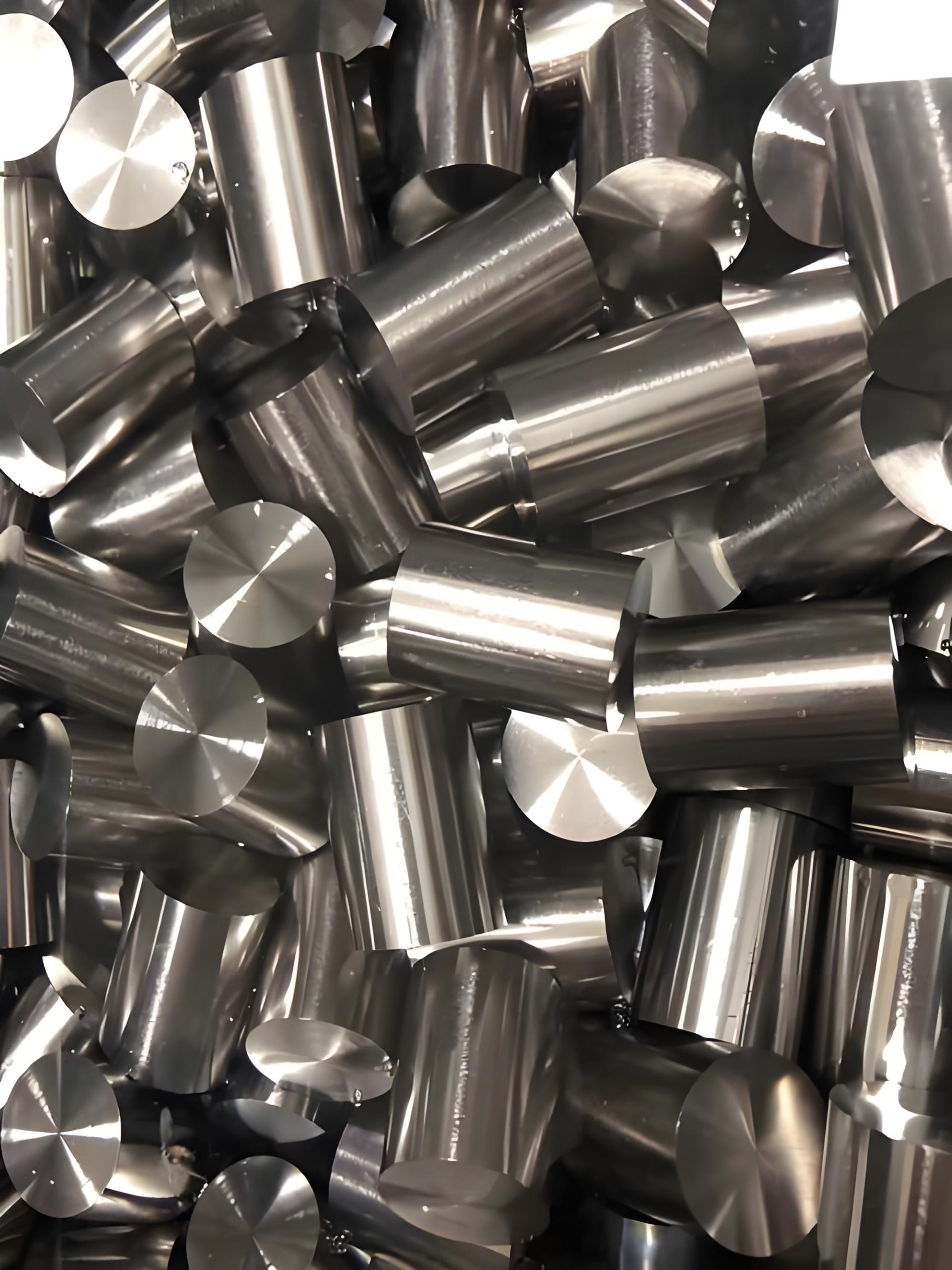
| Size Category | Common Diameter Examples | Typical Use |
| Small Diameter | 3 mm – 20 mm | Pins, rods, electrical parts, small machined components |
| Medium Diameter | 22 mm – 80 mm | Shafts, fittings, valve parts, machining blanks |
| Large Diameter | 90 mm – 200 mm | Large machined parts, heavy rods, forged blanks |
| Extra Large Diameter | Above 200 mm | Custom forged bars and special components |
Nickel 200 bars can be supplied in random length, fixed length, or cut-to-size pieces. Common commercial lengths may include 1 m, 2 m, 3 m, 4 m, or 6 m depending on stock and transport method. For machining blanks, cut-to-length service can reduce buyer waste and handling cost.
Hot rolled bars usually have standard mill tolerance and require machining allowance. Cold drawn bars offer better dimensional tolerance. Peeled and precision ground bars offer cleaner surfaces and tighter diameter control. Buyers should state tolerance requirements clearly when asking for quotation.
The delivery condition of Nickel 200 bar affects price, surface quality, mechanical properties, tolerance, machining allowance, and lead time. Buyers should select the condition according to final use, not only by the lowest price per kg.
Hot rolled Nickel 200 bar is commonly used as a general machining blank. It is usually more economical than precision ground bar, but it may require more machining allowance and surface cleaning.
Cold drawn Nickel 200 bar provides better tolerance, smoother surface, and higher strength than annealed hot rolled bar. It is suitable for smaller rods, pins, precision components, and parts requiring better diameter control.
Forged Nickel 200 bar is used for larger diameters or heavy-section components. Forging may be required when standard rolled sizes are not available. Large forged bars may need ultrasonic testing or additional inspection depending on application.
Precision ground Nickel 200 bar provides tight diameter tolerance, improved straightness, and smooth surface finish. It is used for precision rods, pins, shafts, and close-tolerance machined components. It costs more but can reduce machining time.
| Bar Condition | Main Advantage | Typical Use | Price Level |
| Hot Rolled | Cost-effective and widely used | General machining blanks | Lower |
| Cold Drawn | Better tolerance and higher strength | Small rods, pins, precision parts | Medium |
| Forged | Suitable for large diameters | Heavy machined parts and special blanks | Medium to high |
| Peeled | Cleaner surface and reduced machining allowance | Shafts, rods, machined components | Medium |
| Precision Ground | Tight tolerance and smooth finish | Precision rods and close-tolerance parts | High |
Stock availability is one of the main reasons buyers search for Nickel 200 bar suppliers. Ready stock can reduce delivery time and help buyers start machining quickly. However, stock material should still be checked for grade, size, heat number, standard, surface condition, and certificate.
Common Nickel 200 round bar diameters may be available from stock. Flat bar, square bar, hex bar, large forged bar, or precision ground bar may require longer lead time. Buyers should ask the supplier to confirm actual inventory, not only catalog size range.
Cutting service allows buyers to order fixed-length pieces, small blanks, or custom lengths instead of full bars. This is useful for machining shops, maintenance projects, and small batch orders. Cutting tolerance, end allowance, burr condition, and packing should be confirmed before order.
If stock size does not match the drawing, manufacturers and suppliers can arrange custom production, forging, drawing, peeling, grinding, or cutting. Custom sizes usually cost more and require longer lead time, but they may reduce machining waste and improve final part efficiency.
| Supply Service | Buyer Should Confirm | Why It Matters |
| Stock Bar | Diameter, length, quantity, heat number, condition | Controls delivery time and acceptance |
| Cut-to-Length Service | Cut length, tolerance, quantity, end allowance | Reduces waste and machining preparation |
| Custom Size | Drawing, tolerance, surface finish, testing, lead time | Needed for non-standard parts |
| Export Packing | Wooden case, anti-rust protection, labels, documents | Protects material during shipping |
Quality inspection is important when buying Nickel 200 bar because many applications involve chemical processing, caustic alkali service, food handling, electrical components, or precision machining. A reliable manufacturer or supplier should provide MTC and support additional inspection if required.
The MTC should show material grade, UNS number, heat number, chemical composition, mechanical properties, product size, delivery condition, and applicable standard. The heat number on the MTC should match the product label and bar marking.
PMI helps verify nickel content and reduce material mix-up risk. It is useful for incoming inspection, especially when multiple nickel alloy grades are stored in the same warehouse. However, PMI should support but not replace full MTC review because light elements and trace impurities may not be fully measured by handheld PMI equipment.
Diameter, length, tolerance, straightness, ovality, and surface condition should be checked according to the order. Surface defects such as cracks, heavy scratches, seams, laps, or contamination may affect machining and service performance.
| Inspection Item | What to Check | Why It Matters |
| Grade Verification | Nickel 200 / UNS N02200 | Prevents wrong material supply |
| Chemical Composition | Ni+Co, Fe, Cu, Mn, C, Si, S | Confirms compliance with Nickel 200 requirements |
| Mechanical Properties | Tensile strength, yield strength, elongation, hardness if required | Confirms actual bar performance |
| Heat Number | Same on MTC, label, and bar marking | Provides traceability |
| PMI | Major element verification | Reduces material mix-up risk |
| Dimension | Diameter, length, tolerance, straightness | Affects machining and assembly |
| Surface Quality | Cracks, scratches, seams, contamination | Affects final part quality and service life |
Nickel 200 bar prices are mainly affected by nickel raw material cost, product form, diameter, size tolerance, quantity, surface finish, processing method, stock availability, cutting requirement, certificate requirement, and lead time. Since Nickel 200 is a high-purity nickel grade, raw nickel cost is the foundation of price, but processing and supply conditions also matter.
| Price Factor | How It Affects Nickel 200 Bar Price |
| Nickel market price | High nickel purity means raw nickel price strongly affects quotation. |
| Diameter and size | Common stock sizes are usually more economical; large forged sizes may cost more. |
| Quantity | Small orders usually have higher unit price because handling cost is spread over fewer kg. |
| Bar condition | Hot rolled, cold drawn, forged, peeled, and ground bars have different costs. |
| Surface finish | Polished, peeled, or ground surfaces cost more than black or hot rolled surfaces. |
| Tolerance | Tight tolerance requires drawing, machining, or grinding. |
| Testing | MTC is standard; PMI, hardness, UT, or third-party inspection may add cost. |
| Lead time | Urgent delivery or custom production may increase price. |
A lower Nickel 200 bar price may not be better if the supplier cannot provide correct MTC, heat number traceability, proper size tolerance, or reliable surface condition. For chemical, electrical, food, or engineering applications, material reliability is part of the real purchasing cost.
Nickel 200 bar manufacturer price and supplier price can be different because their roles are different. A manufacturer may offer better unit price for larger orders or custom production. A supplier may offer faster delivery, smaller MOQ, ready stock, cutting service, mixed sizes, export packing, and easier document support.
Manufacturers are often better for large quantity, repeat orders, custom sizes, forged bars, or special production requirements. If the buyer has enough time and quantity, manufacturer pricing may be more competitive.
Suppliers are often better for urgent orders, small quantities, stock diameters, cut pieces, and mixed-size orders. Even if the price per kg is slightly higher, the buyer may save time, reduce MOQ pressure, and avoid production delays.
| Comparison Item | Manufacturer | Supplier / Stockholder |
| Main Advantage | Production control and bulk pricing | Fast delivery and flexible stock supply |
| Best For | Large orders, custom production, repeat projects | Small orders, urgent orders, mixed sizes, cut pieces |
| MOQ | Often higher | Often more flexible if stock is available |
| Lead Time | Longer if new production is required | Shorter if inventory is available |
| Price | May be lower for bulk production | May include stock service, cutting, and export handling |
Shanghai NC Metal Materials Co., Ltd. can support Nickel 200 bar inquiries by checking stock sizes, arranging cutting service, confirming ASTM B160 or other standard requirements, reviewing MTC documents, and quoting according to diameter, length, quantity, surface condition, tolerance, and delivery schedule.
Choosing reliable Nickel 200 bar manufacturers and suppliers requires checking technical capability, stock accuracy, document support, inspection process, and communication quality. Nickel 200 bar is often used in corrosion, conductivity, or purity-sensitive applications, so the supplier must be able to prove material identity and quality.
A reliable supplier should understand Nickel 200 / UNS N02200, Nickel 201 / UNS N02201, ASTM B160, ASME SB160, DIN 17752, ISO 9723, and the difference between commercially pure nickel and nickel alloys such as Monel 400 or Inconel 600.
The supplier should confirm actual stock diameter, length, quantity, heat number, and condition. If the required size is not available, the supplier should clearly explain whether the size can be produced by hot rolling, forging, cold drawing, peeling, or grinding.
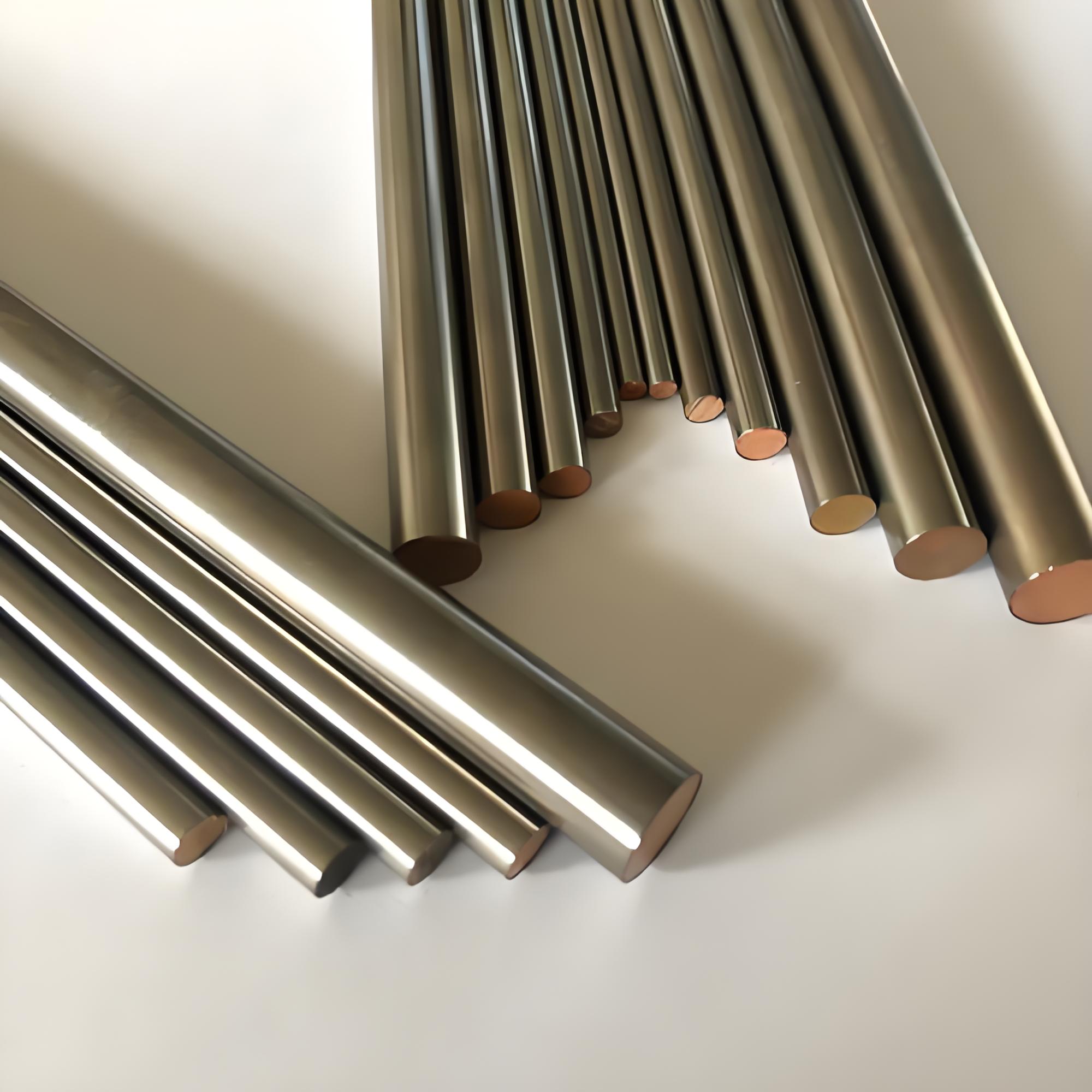
MTC and heat number traceability are essential. The heat number on the certificate, product label, and supplied bar should match. If PMI or third-party inspection is required, this should be confirmed before order.
A reliable quotation should clearly state grade, standard, size, quantity, condition, surface finish, tolerance, price validity, lead time, payment terms, packing method, and certificate scope. A very low price without details may cause problems later.
| Supplier Check Point | Good Practice | Risk if Ignored |
| Grade confirmation | Quotes Nickel 200 / UNS N02200 clearly | Wrong grade may be supplied |
| Standard confirmation | States ASTM B160, ASME SB160, or required standard | Material may not meet project requirement |
| MTC support | Provides certificate with heat number traceability | Material may fail incoming inspection |
| Stock accuracy | Confirms actual diameter, length, and quantity | Delivery delay or wrong quotation |
| Cutting service | Confirms cut length and tolerance | Material waste or machining problem |
| Export packing | Uses suitable protection, labels, and documents | Damage, confusion, or customs delay |
How much is Nickel 200 bar per kg?
Nickel 200 bar commonly costs about USD 26 to 45 per kg for many standard hot rolled or annealed round bar orders. Cold drawn, forged, precision ground, tight tolerance, small quantity, special testing, or urgent custom orders may cost more, often around USD 32 to 65 per kg. The final price depends on nickel market price, size, quantity, delivery condition, certificate, surface finish, cutting requirement, and lead time.
What is Nickel 200 bar used for?
Nickel 200 bar is used for caustic alkali handling equipment, chemical processing parts, food processing equipment, electrical and electronic components, aerospace parts, marine hardware, heat exchanger parts, rods, pins, shafts, fasteners, and custom machined components. It is selected for high nickel purity, good corrosion resistance in reducing and alkaline environments, high thermal conductivity, high electrical conductivity, and good ductility.
How to choose a Nickel 200 bar supplier?
To choose a Nickel 200 bar supplier, buyers should check whether the supplier can confirm UNS N02200 material identity, provide ASTM B160 or required standard support, offer suitable stock sizes, arrange cutting service, supply MTC with heat number traceability, support PMI if required, and quote clearly based on diameter, length, quantity, surface condition, tolerance, and delivery schedule. A reliable supplier should provide both material documents and practical supply support, not only a simple price per kg.
More from this category
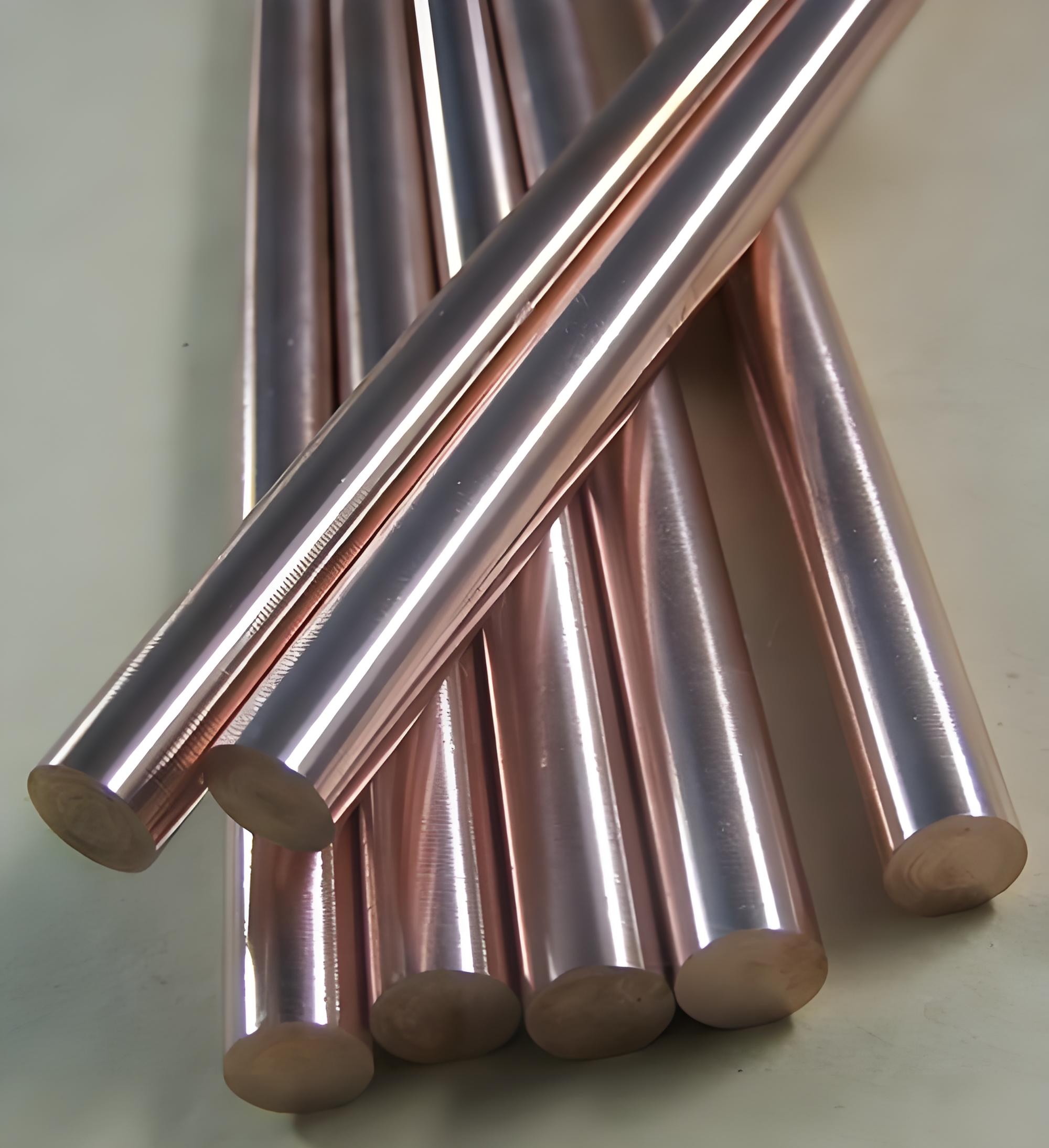
Inconel 602CA alloy bar price per kg is usually higher than common Inconel 600 and Inconel 601 bars because Alloy 602CA is a premium high-temperature ...
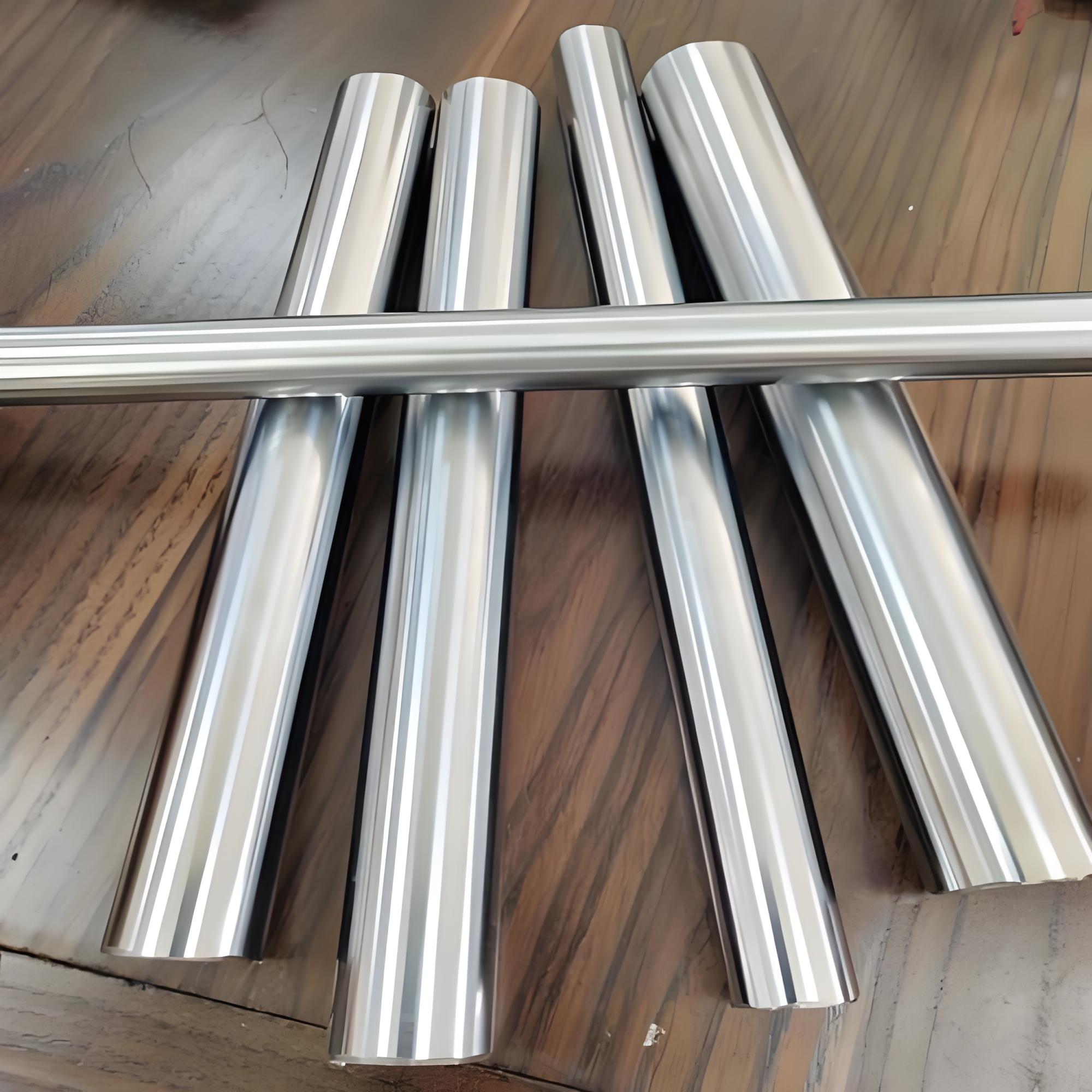
Nickel 200 bar price depends mainly on nickel raw material cost, bar shape, diameter, length, tolerance, surface finish, delivery condition, stock ava...
The price of Inconel 617 depends on product form, size, quantity, raw material cost, stock availability, heat treatment, surface finish, testing requi...
Inconel 617 and Inconel 625 are both high-performance nickel alloy bar materials, but they are designed for different service priorities. Inconel 617 ...
 English English
  Korean
 Arabic
 Spanish
 German
 Portuguese
 French
 Russian
 Italian
 Vietnamese