
Latest Inconel 602CA Alloy Bar Price List per Kg
Inconel 602CA alloy bar price per kg is usually higher than common Inconel 600 and Inconel 601 bars because Alloy 602CA is a premium high-temperature ...
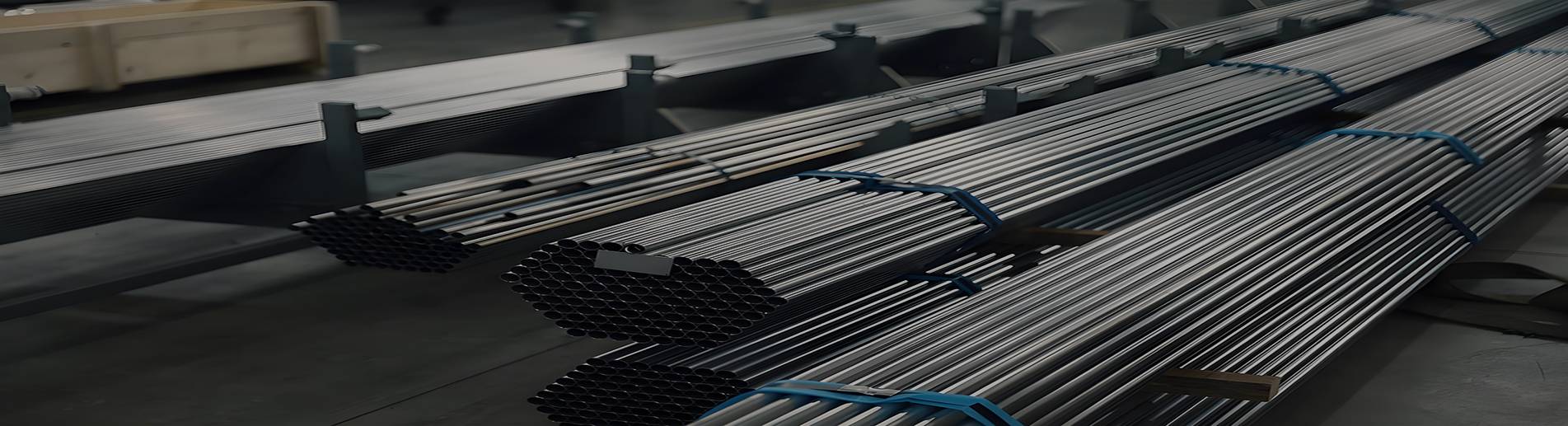
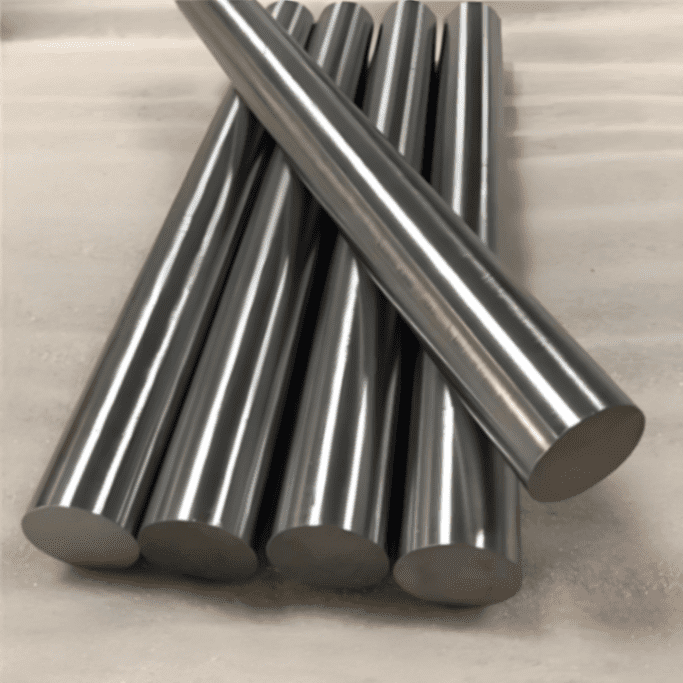
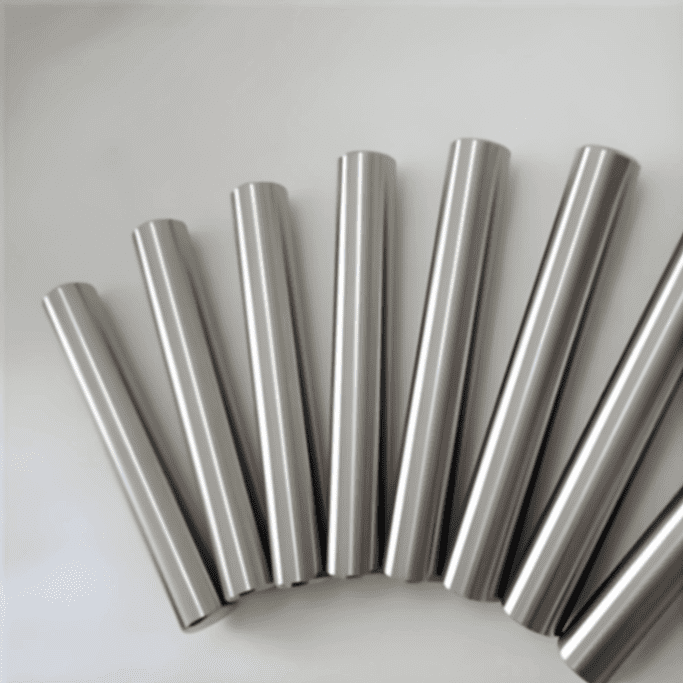
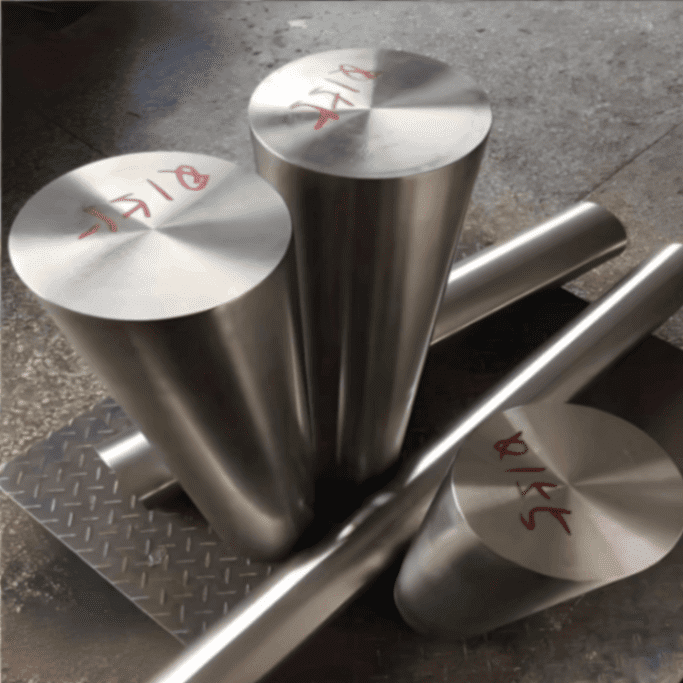
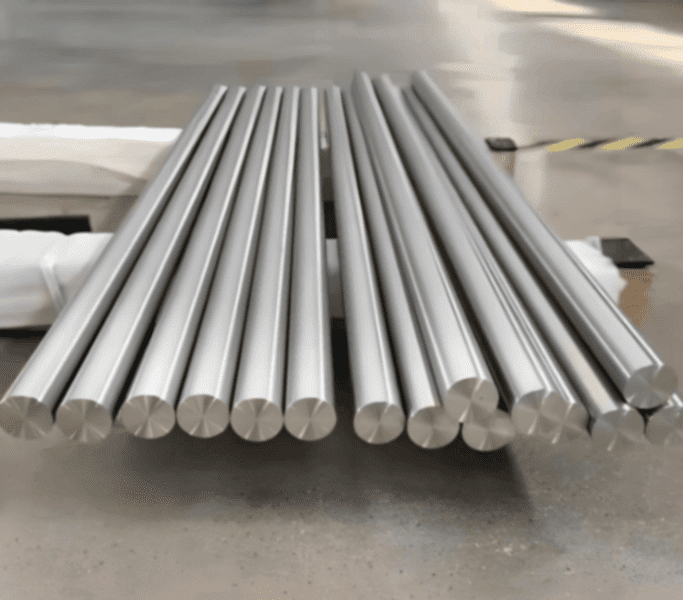
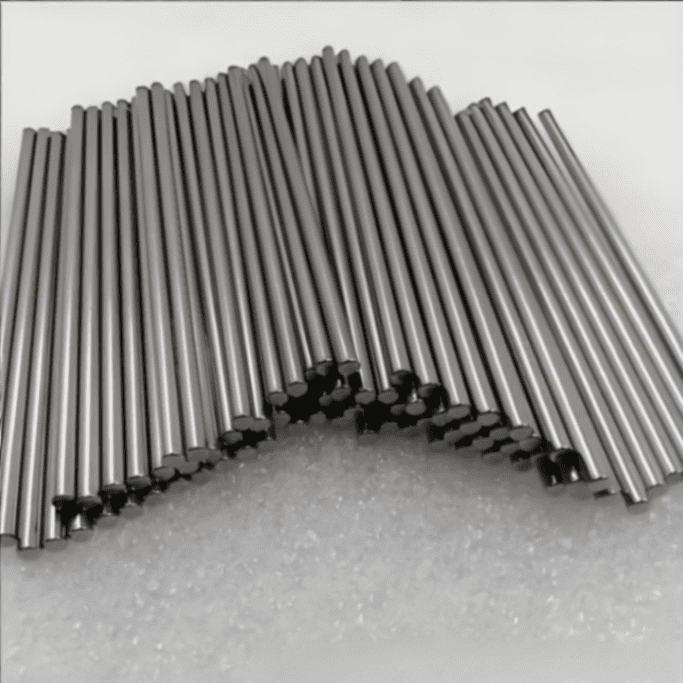
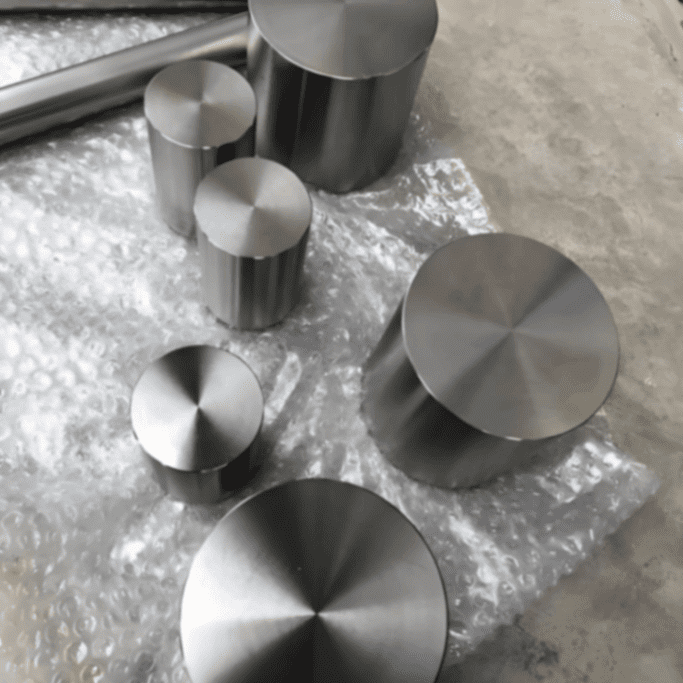
The price of Inconel 617 depends on product form, size, quantity, raw material cost, stock availability, heat treatment, surface finish, testing requirements, and delivery schedule. As a practical reference, Inconel 617 round bar commonly costs about USD 45 to 85 per kg for many standard industrial orders, while forged bars, precision ground bars, small quantity orders, special testing, and urgent custom production may cost more. Inconel 617 is usually more expensive than Inconel 600 and often higher than Inconel 625 because it contains significant cobalt, high nickel, chromium, and molybdenum, and because its demand is more specialized for high-temperature applications. For buyers, the correct question is not only “What is the price of Inconel 617?” but also “What size, condition, standard, certificate, and delivery time are required?”
Inconel 617 is a nickel-chromium-cobalt-molybdenum alloy designed for high-temperature strength, oxidation resistance, carburization resistance, and long-term thermal stability. It is commonly supplied as round bar, forged bar, plate, sheet, pipe, tube, wire, fittings, and welding material. Among these forms, Inconel 617 round bar is frequently purchased for machined parts, furnace components, high-temperature fasteners, shafts, pins, rods, support parts, and custom thermal equipment components.
Because Inconel 617 contains high-value alloying elements, its price is much higher than stainless steel and many standard nickel alloys. The cobalt content is especially important because cobalt is usually expensive and can fluctuate sharply. Nickel, chromium, and molybdenum also contribute strongly to the material cost. In addition, Inconel 617 is not always available in every diameter from stock, so custom production may increase the final price.
| Material | Typical Price Position | Main Reason |
| Inconel 600 | Lower than Inconel 617 | No cobalt and lower alloying cost |
| Inconel 625 | Usually lower than Inconel 617, depending on size and market | High nickel, molybdenum, and niobium, but no major cobalt addition |
| Inconel 617 | Higher price level | High nickel, chromium, molybdenum, and 10–15% cobalt content |
The direct answer is: Inconel 617 price is commonly around USD 45 to 85 per kg for standard round bar and general industrial supply. If the buyer needs large forged bar, precision ground bar, tight tolerance, special heat treatment, UT testing, PMI, third-party inspection, or urgent delivery, the price may rise to about USD 90 to 130 per kg or higher. Plate, pipe, and tube prices may also differ from bar price because production route, yield loss, finishing, and inspection requirements are different.
This price range should be used only as a reference. The final price must be quoted according to exact product form, diameter, thickness, length, quantity, standard, surface condition, heat treatment condition, certificate requirement, and destination. Nickel and cobalt prices change frequently, so most Inconel 617 quotations have limited validity.
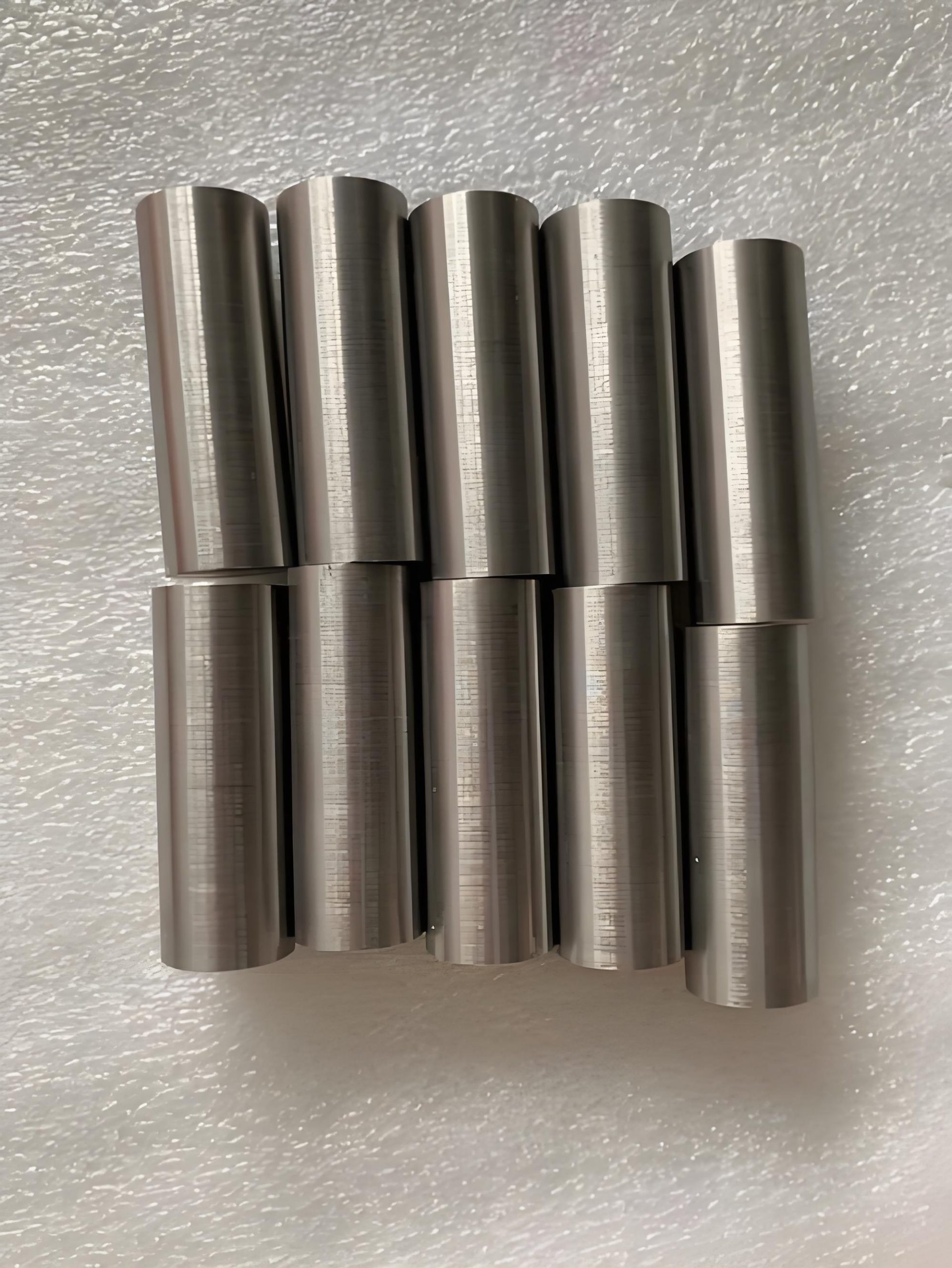
| Product Form | Reference Price Range | Typical Situation |
| Inconel 617 round bar | USD 45 – 85 / kg | Standard diameter, normal industrial supply |
| Inconel 617 forged bar | USD 55 – 110 / kg | Large diameter or custom forged blank |
| Inconel 617 precision ground bar | USD 70 – 130 / kg | Tight tolerance, smooth surface, precision machining use |
| Inconel 617 plate | USD 50 – 95 / kg | Depends on thickness, width, cutting, and stock condition |
| Inconel 617 pipe or tube | Usually higher than simple bar stock | Depends on seamless/welded route, wall thickness, testing, and length |
Inconel 617 price per kg is the most common way suppliers quote bar, plate, pipe, and forged material. However, the same price per kg does not always mean the same total cost. A cheaper hot rolled bar may require more machining allowance, while a more expensive peeled or ground bar may reduce machining time and material waste.
For round bar orders, the diameter has a strong influence on total cost because round bar weight increases quickly as diameter increases. A 100 mm bar weighs much more than a 50 mm bar of the same length. Therefore, buyers should provide diameter, length, and quantity when asking for price, not only the alloy name.
| Inconel 617 Bar Type | Reference Price Per Kg | Price Note |
| Hot rolled round bar | USD 45 – 75 / kg | Common machining blank, standard surface |
| Peeled round bar | USD 50 – 85 / kg | Cleaner surface and reduced machining allowance |
| Cold drawn round bar | USD 60 – 100 / kg | Better tolerance, smaller diameters, higher processing cost |
| Forged round bar | USD 55 – 110 / kg | Large diameter, custom production, possible UT requirement |
| Precision ground round bar | USD 70 – 130 / kg | Tight tolerance and smooth finish for precision parts |
Inconel 617 bar price is not the same as plate price or pipe price. Each product form has a different production route, yield rate, finishing cost, inspection requirement, and stock situation. For example, a standard round bar may be easier to source than a seamless pipe with special wall thickness. A thick plate may require cutting, flattening, surface inspection, and special packing.
Inconel 617 bar is often used for machining. The price is affected by diameter, length, surface finish, heat treatment, tolerance, and whether the material is hot rolled, forged, cold drawn, peeled, or ground. Round bar is usually easier to quote when size and quantity are clear.
Inconel 617 plate price depends on thickness, width, length, cutting requirement, flatness, surface condition, and stock availability. Thin plate and thick plate may have different price structures. Small cut plates may have higher unit price because cutting loss and handling cost are included.
Inconel 617 pipe and tube can be more expensive because production is more complex. Seamless tube, welded tube, special wall thickness, hydrostatic testing, eddy current testing, and dimensional requirements can increase price. Pipe and tube orders should always include OD, wall thickness, length, standard, and testing requirements.
| Product Form | Main Price Driver | Common Buyer Use |
| Round bar | Diameter, surface finish, heat treatment, tolerance | Machined parts, fasteners, shafts, rods, furnace hardware |
| Plate | Thickness, width, cutting, flatness, surface condition | Furnace liners, heat shields, high-temperature fabrication |
| Pipe / tube | OD, wall thickness, seamless/welded route, testing | High-temperature piping, heat exchangers, thermal systems |
The main factors affecting Inconel 617 price include raw material cost, product form, diameter, size tolerance, quantity, stock availability, production route, heat treatment, surface finish, testing, certificate requirement, and delivery time. Since Inconel 617 is a high-temperature nickel alloy with cobalt and molybdenum, raw material cost is only one part of the final price. Processing and inspection can also be significant.
| Price Factor | How It Affects Inconel 617 Price |
| Nickel price | High nickel content makes nickel market movement a major cost factor |
| Cobalt price | 10–15% cobalt content can significantly increase cost |
| Molybdenum price | 8–10% molybdenum adds alloy value and high-temperature performance |
| Product form | Bar, plate, pipe, tube, and forging have different production costs |
| Size | Large diameter, thick plate, or special wall tube may cost more |
| Surface finish | Peeled, polished, or ground material costs more than black surface |
| Testing | PMI, UT, tensile test, hardness test, third-party inspection, or special reports add cost |
| Lead time | Urgent supply or custom production may increase price |
Inconel 617 contains high nickel, chromium, cobalt, and molybdenum. These four elements explain much of the alloy’s price. Nickel forms the base matrix. Chromium supports oxidation and corrosion resistance. Cobalt and molybdenum provide solid solution strengthening and support high-temperature performance.
Nickel is the base element in Inconel 617. Since the alloy contains at least 44.5% nickel, nickel price movement has a direct effect on the material cost. When nickel prices rise, Inconel 617 quotations usually rise as well.
Cobalt is one of the most important reasons Inconel 617 is expensive. The alloy contains about 10% to 15% cobalt. Cobalt improves high-temperature strength and stability, but it also adds major raw material cost. This is why Inconel 617 is usually more expensive than Inconel 625 and Inconel 600.
Molybdenum content is usually about 8% to 10%. It supports solid solution strengthening and high-temperature performance. Molybdenum is also a high-value alloying element, so it contributes to the price difference between Inconel 617 and lower-alloy materials.
Chromium is less expensive than cobalt and nickel but still important. Inconel 617 contains about 20% to 24% chromium, which helps provide oxidation resistance and corrosion resistance at elevated temperature.
| Element | Typical Content in Inconel 617 | Effect on Cost and Performance |
| Nickel | 44.5% minimum | Main base metal and major cost driver |
| Chromium | 20.0% – 24.0% | Oxidation resistance and corrosion resistance |
| Cobalt | 10.0% – 15.0% | High-temperature strength and major price driver |
| Molybdenum | 8.0% – 10.0% | Solid solution strengthening and high-temperature performance |
| Aluminum | 0.8% – 1.5% | Supports oxidation resistance at high temperature |
Inconel 617 round bar price changes with diameter. Common stock diameters are usually easier to supply and may have better price. Unusual diameters, very small precision rods, or large forged bars may cost more because they require additional production, finishing, or inspection.
For round bar, total weight increases with the square of diameter. This means a larger diameter bar can greatly increase the total order value even if the price per kg is similar. Buyers should calculate both unit price and total weight before confirming the order.
| Diameter Range | Typical Price Level | Common Use |
| 6 mm – 20 mm | Medium to high per kg | Small rods, fasteners, pins, precision parts |
| 22 mm – 80 mm | Usually more stable if stock exists | Shafts, machined parts, furnace hardware, support rods |
| 90 mm – 200 mm | Higher if forged or custom produced | Large components, heavy machining blanks |
| Above 200 mm | Usually custom quotation | Large forged blanks and special high-temperature parts |
Stock material is usually cheaper and faster than custom production. If the supplier has the required Inconel 617 bar diameter, length, and condition in stock, the buyer can often receive a more competitive price and shorter lead time. Custom production may require new melting, forging, rolling, annealing, testing, and finishing, which increases cost.
Stock Inconel 617 material is suitable for urgent repair, machining blanks, small batches, and standard industrial parts. Buyers may reduce cost by choosing a nearby stock size and machining it to final dimension.
Custom production is needed when the buyer requires special diameter, large forged bar, special heat treatment, tight tolerance, special inspection, or project-specific standard. Custom production usually has higher MOQ and longer lead time.
| Item | Stock Material | Custom Production |
| Price | Usually lower | Usually higher |
| Lead Time | Shorter if available | Longer due to production schedule |
| MOQ | May accept small quantity or cut pieces | May require production MOQ |
| Size Flexibility | Limited to inventory | Can match customer drawing |
| Best Use | Urgent orders and standard machining blanks | Special projects and strict technical requirements |
The production and surface condition of Inconel 617 strongly affects price. Hot rolled bar is usually more economical. Forged bar is more expensive but suitable for large sizes and heavy components. Precision ground bar costs more because it requires additional machining, grinding, straightness control, and inspection.
Hot rolled Inconel 617 bar is commonly used as a general machining blank. It is suitable when the buyer will machine the surface later. It usually has a lower price than peeled or ground bar, but it needs more machining allowance.
Forged Inconel 617 bar is used for large diameter or heavy high-temperature components. The price is higher because forging involves additional processing and may require ultrasonic testing, heat treatment verification, and stricter inspection.
Precision ground Inconel 617 bar is used when tight diameter tolerance, straightness, and smooth surface finish are required. It is more expensive but can reduce machining time and improve final part accuracy.
| Condition | Relative Price | Best Use |
| Hot rolled bar | Lower | General machining blanks and standard industrial parts |
| Peeled bar | Medium | Cleaner surface and reduced machining allowance |
| Forged bar | Medium to high | Large diameter and heavy high-temperature components |
| Precision ground bar | High | Precision rods, tight tolerance shafts, close-tolerance parts |
Heat treatment, surface finish, and testing can significantly increase Inconel 617 price. Since the alloy is often used in high-temperature service, buyers may require solution annealed condition, stress relief, PMI, UT, tensile testing, hardness testing, microstructure inspection, or third-party inspection.
Inconel 617 is normally supplied in a solution annealed condition for many high-temperature applications. Heat treatment adds furnace cost, time, energy, and quality control. If the buyer requests a special heat treatment condition, the price and lead time may increase.
Black surface or hot rolled surface is usually cheaper. Peeled, polished, turned, or precision ground surfaces cost more because they require additional processing. For precision machined parts, the higher material price may be justified by lower machining waste.
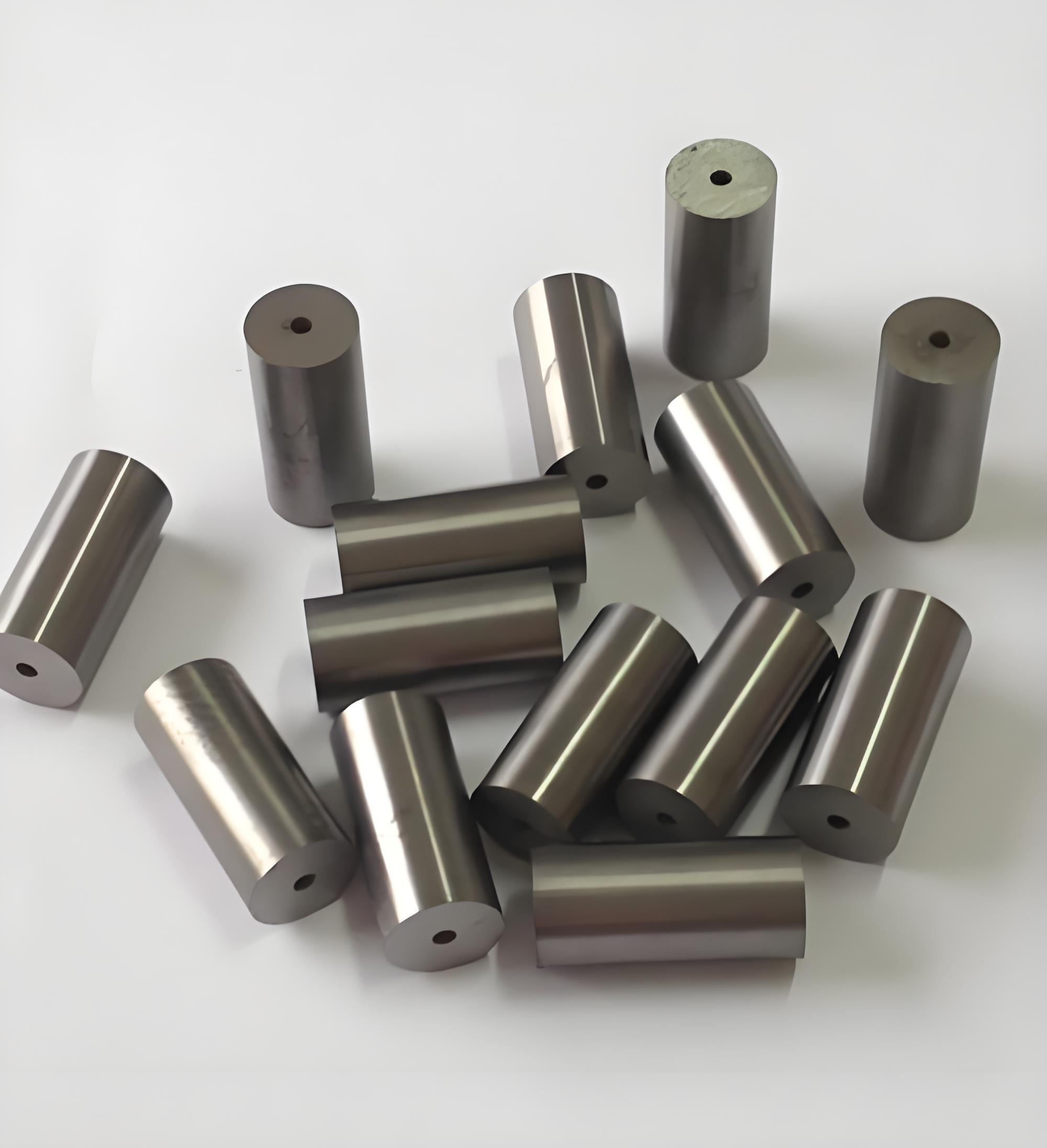
MTC is normally expected for Inconel 617. Additional testing such as PMI, UT, tensile test at elevated temperature, hardness test, or third-party inspection will add cost. Large forged bars often require more inspection than small standard bars.
| Requirement | Cost Impact | Reason |
| Solution annealing | Medium | Requires controlled furnace treatment |
| Peeled or polished surface | Medium | Additional surface processing |
| Precision grinding | High | Tight tolerance, straightness, and surface finish control |
| PMI testing | Low to medium | Confirms major alloying elements |
| UT testing | Medium to high | Checks internal soundness, especially for large bars |
| Third-party inspection | Medium to high | Additional inspection coordination and documentation |
MOQ, quantity, and lead time directly affect Inconel 617 price. Small quantity orders usually have higher price per kg because cutting, packing, certificate handling, inspection, and export processing costs are spread over fewer kilograms. Larger orders may receive better unit pricing if material is available or production can be arranged efficiently.
Some suppliers can provide small cut pieces from stock. Other suppliers may require full bar purchase or production MOQ. If the size is uncommon, MOQ may be much higher because new production is required.
Bulk quantity usually improves price per kg. However, for Inconel 617, stock quantity is sometimes limited. Even if the buyer needs a large amount, the supplier may need to arrange production, which affects lead time and price validity.
Ready stock is faster and usually easier to price. Custom production can take several weeks or longer depending on melting, forging, rolling, heat treatment, testing, and finishing. Urgent delivery may require air freight or priority processing, which increases cost.
| Order Factor | Lower Price Situation | Higher Price Situation |
| MOQ | Standard stock size and full bar purchase | Small cut pieces or non-standard size |
| Quantity | Regular batch order | Sample quantity or very small order |
| Lead time | Normal delivery schedule | Urgent shipment or short production deadline |
| Availability | Ready stock | Custom production or imported material |
Inconel 617 is usually more expensive than Inconel 625 and Inconel 600. The main reason is cobalt. Inconel 600 is a nickel-chromium-iron alloy without molybdenum and without major cobalt addition, so it is usually the lowest-priced among the three. Inconel 625 contains high nickel, molybdenum, and niobium, so it is more expensive than Inconel 600. Inconel 617 contains high nickel, chromium, molybdenum, and 10–15% cobalt, so it normally sits at a higher price level.
| Material | Common Price Level | Main Cost Reason | Main Application Direction |
| Inconel 600 | Lowest among these three | Ni-Cr-Fe alloy, no major Mo or Co addition | General heat and corrosion resistance |
| Inconel 625 | Medium to high | High nickel, molybdenum, and niobium | Marine, chemical, chloride, and corrosion-resistant service |
| Inconel 617 | Usually highest | High nickel, chromium, molybdenum, and cobalt | Very high-temperature oxidation, creep, and thermal stability |
If the application only needs general oxidation resistance and moderate corrosion resistance, Inconel 600 may be enough. If the application needs seawater, chloride, and chemical corrosion resistance, Inconel 625 is often better. If the application needs very high-temperature strength, oxidation resistance, carburization resistance, and creep performance, Inconel 617 is worth the higher price.
Inconel 617 is selected despite its higher price because some environments require performance that cheaper materials cannot provide. In these cases, material failure can cost far more than the initial alloy price. High-temperature shutdown, furnace part failure, turbine component damage, or thermal system failure can lead to production loss and safety risk.
Inconel 617 is used for ducting, combustion cans, transition liners, and other hot-section components because it combines high-temperature strength with oxidation resistance.
Furnace baskets, radiant tubes, heat treatment fixtures, trays, grids, and supports may use Inconel 617 when long-term heat resistance and scaling resistance are required.
High-temperature reactors, catalyst supports, thermal processing equipment, and power generation components may require Inconel 617 because of its creep resistance and thermal stability.
Inconel 617 can be used where high-temperature corrosion, oxidation, carburization, or hot gas attack is present. It is not always the cheapest choice, but it may be the correct material when service temperature is very high.
| Application | Why Inconel 617 Is Used |
| Gas turbine hardware | High-temperature strength and oxidation resistance |
| Furnace baskets and fixtures | Long-term scaling resistance and thermal stability |
| Combustion components | Hot gas resistance and strength retention |
| High-temperature heat exchangers | Creep resistance and oxidation resistance |
| Power generation equipment | Thermal stability under long exposure |
To get an accurate Inconel 617 quotation, buyers should provide complete technical and commercial information. A vague inquiry such as “What is the price of Inconel 617?” can only receive a rough price range. A detailed RFQ allows the supplier to check stock, calculate weight, confirm processing cost, and quote a realistic lead time.
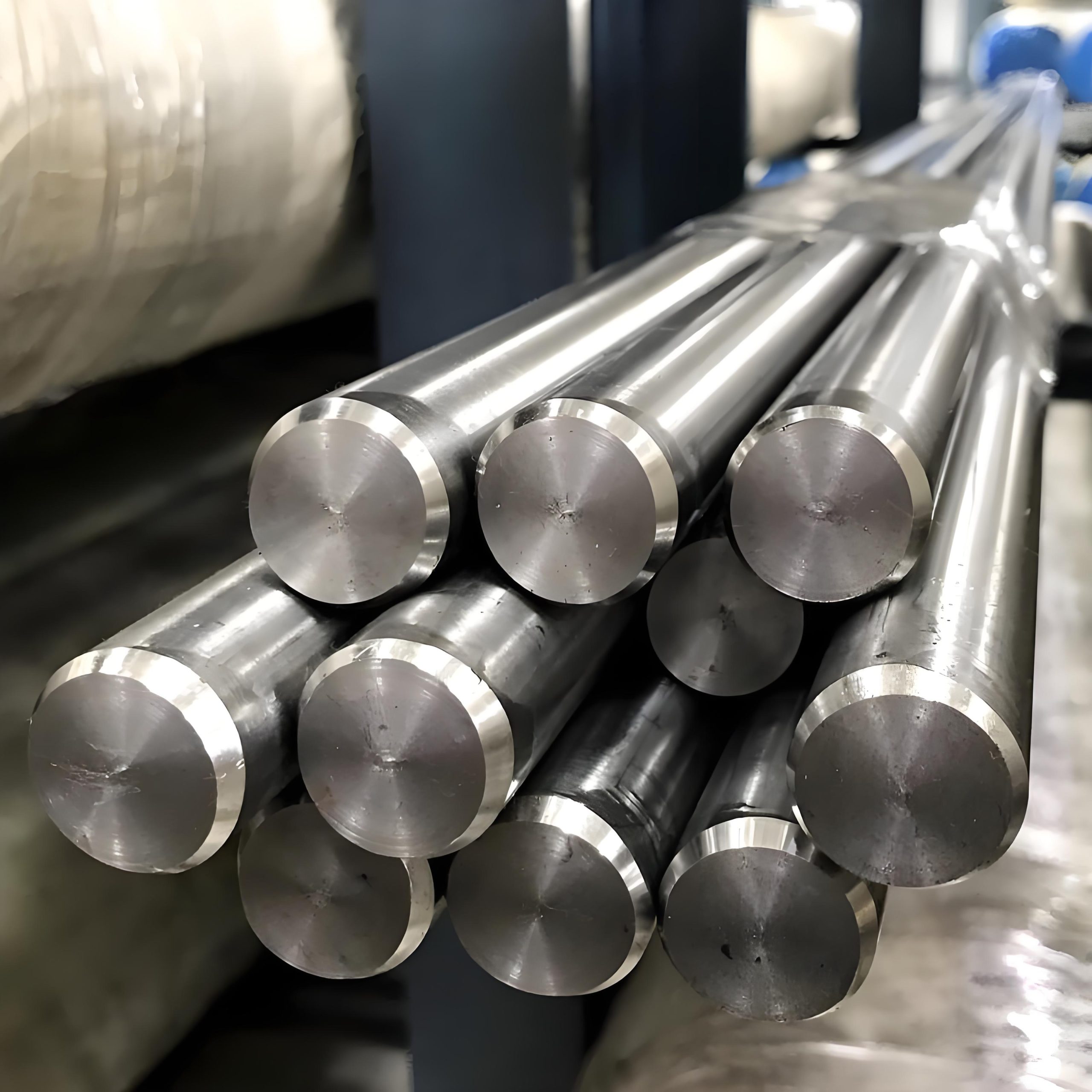
| Information Needed | Example | Why It Matters |
| Grade | Inconel 617 / UNS N06617 / W.Nr. 2.4663a | Confirms correct alloy |
| Product form | Round bar, plate, pipe, tube, forged bar | Determines production route |
| Size | Diameter, thickness, OD, wall thickness, width, length | Determines weight and availability |
| Quantity | Kg, meters, pieces, or full bars | Affects MOQ and unit price |
| Standard | ASTM B166, ASME SB166, ASTM B168, ASTM B546, or customer standard | Controls testing and acceptance |
| Condition | Hot rolled, forged, solution annealed, peeled, ground | Affects price and performance |
| Testing | MTC, PMI, UT, hardness, tensile, third-party inspection | Affects cost and delivery time |
| Delivery | Destination, shipping method, required date | Affects freight and lead time |
A clear inquiry can be written as: Inconel 617 round bar, UNS N06617, ASTM B166, diameter 40 mm, length 3000 mm, quantity 500 kg, solution annealed condition, peeled surface, with MTC and heat number traceability. If the bar is used for a high-temperature critical component, the buyer should also state whether PMI, UT testing, third-party inspection, or elevated-temperature mechanical data is required.
Shanghai NC Metal Materials Co., Ltd. can support Inconel 617 bar, plate, pipe, and custom size inquiries by checking available stock, confirming material standard, arranging cutting service, reviewing certificate requirements, and quoting according to size, quantity, condition, testing, and delivery schedule.
How much is Inconel 617 per kg?
Inconel 617 commonly costs about USD 45 to 85 per kg for many standard round bar orders. Forged bars, precision ground bars, special sizes, small quantities, special testing, urgent delivery, and custom production may cost more, sometimes reaching USD 90 to 130 per kg or higher. The final price should be confirmed according to product form, size, quantity, standard, surface finish, heat treatment, testing requirement, and delivery time.
Why is Inconel 617 more expensive than Inconel 625?
Inconel 617 is often more expensive than Inconel 625 because it contains about 10% to 15% cobalt in addition to high nickel, chromium, and molybdenum. Cobalt is a costly alloying element and helps improve high-temperature strength and thermal stability. Inconel 625 is also a high-value alloy, but it is more widely stocked and usually does not contain major cobalt addition.
Is Inconel 617 worth the higher price?
Inconel 617 is worth the higher price when the application requires very high-temperature strength, oxidation resistance, carburization resistance, creep resistance, and long-term thermal stability. For furnace components, gas turbine parts, combustion hardware, high-temperature heat exchangers, and power generation equipment, the higher material cost may be justified by longer service life and lower failure risk. If the application mainly needs seawater or chemical corrosion resistance at lower temperature, Inconel 625 may be more cost-effective.
More from this category
Inconel 602CA alloy bar price per kg is usually higher than common Inconel 600 and Inconel 601 bars because Alloy 602CA is a premium high-temperature ...
Nickel 200 bar price depends mainly on nickel raw material cost, bar shape, diameter, length, tolerance, surface finish, delivery condition, stock ava...
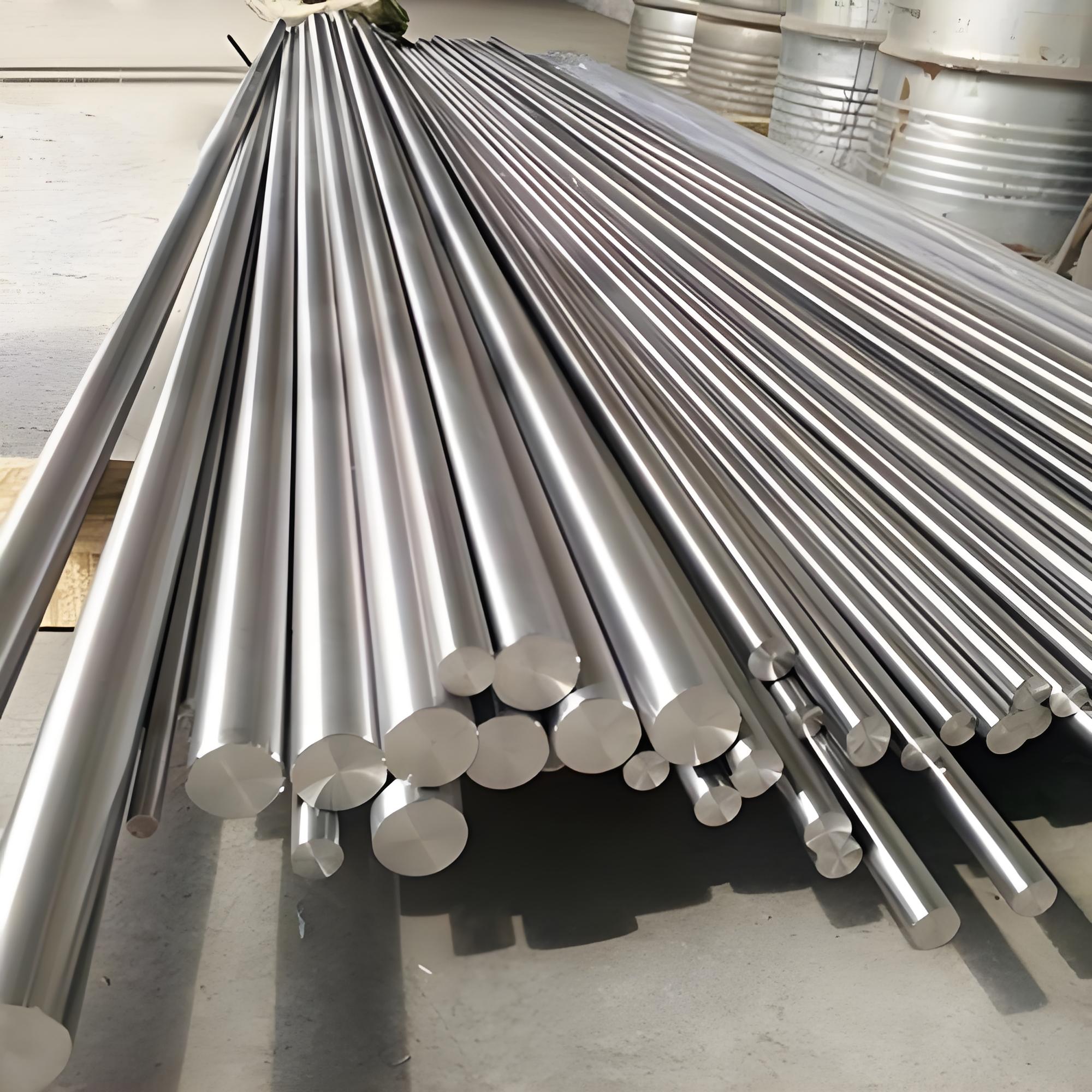
Nickel 200 bar manufacturers and suppliers provide commercially pure nickel bar stock for chemical processing, caustic alkali handling, food processin...
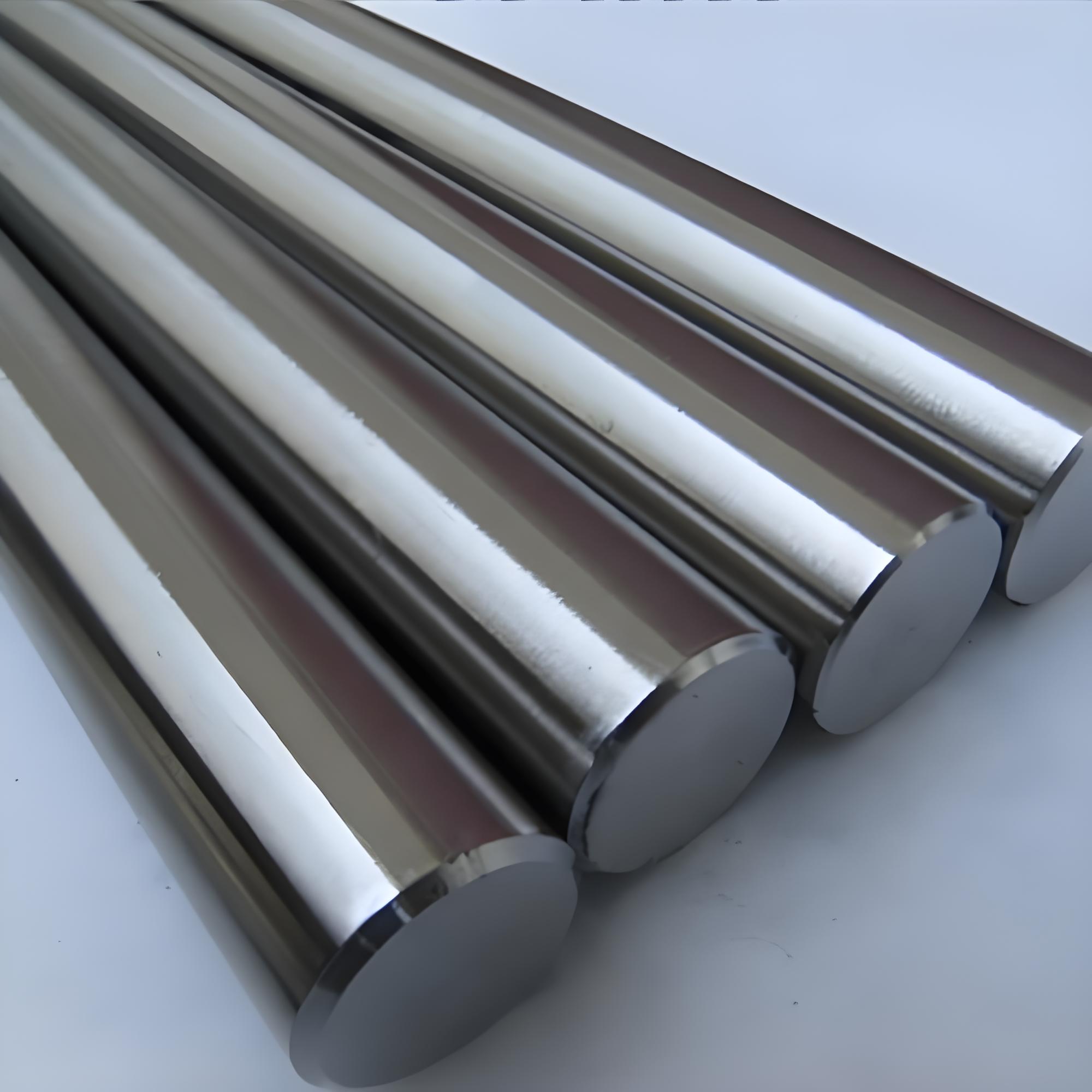
Inconel 617 and Inconel 625 are both high-performance nickel alloy bar materials, but they are designed for different service priorities. Inconel 617 ...
 English English
  Korean
 Arabic
 Spanish
 German
 Portuguese
 French
 Russian
 Italian
 Vietnamese