
Latest Inconel 602CA Alloy Bar Price List per Kg
Inconel 602CA alloy bar price per kg is usually higher than common Inconel 600 and Inconel 601 bars because Alloy 602CA is a premium high-temperature ...
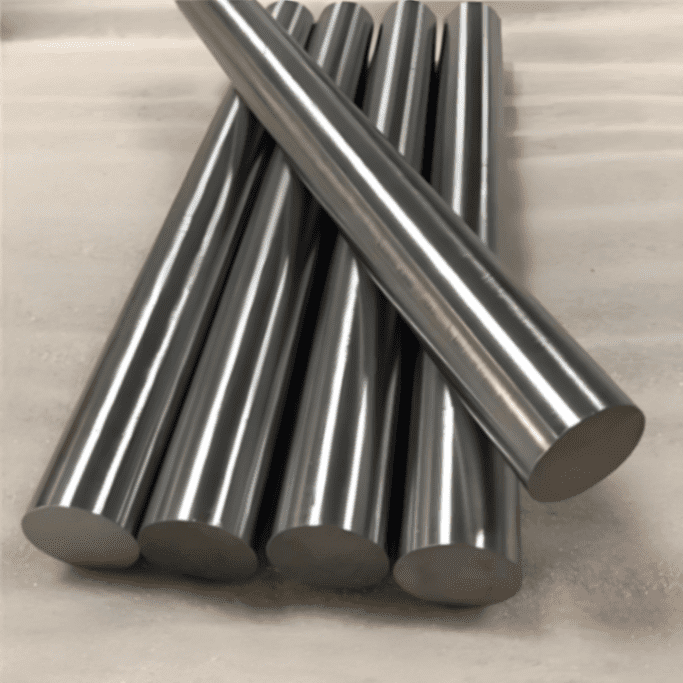
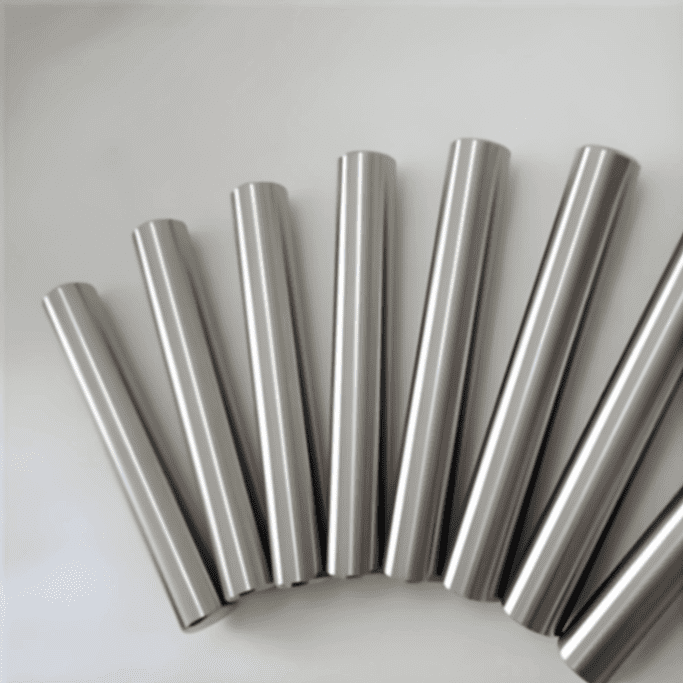
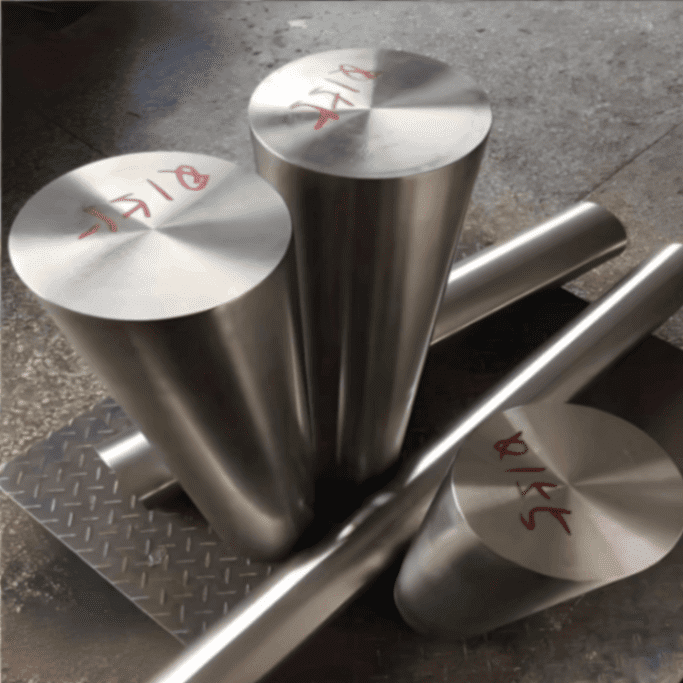
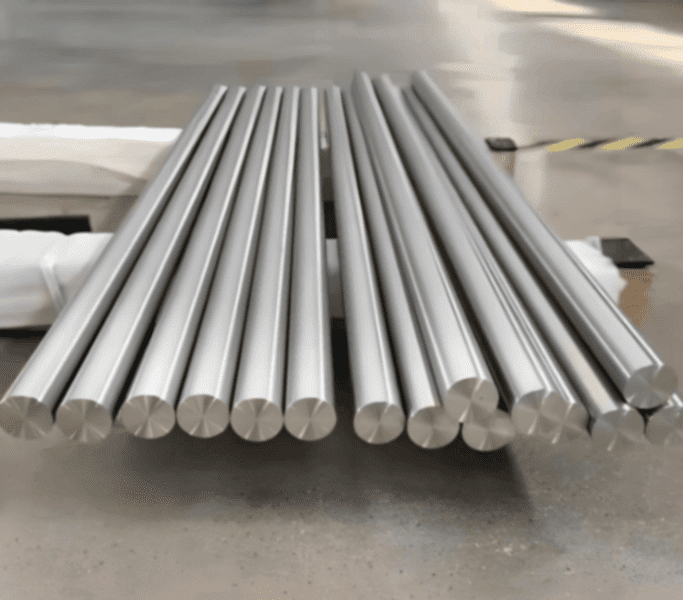
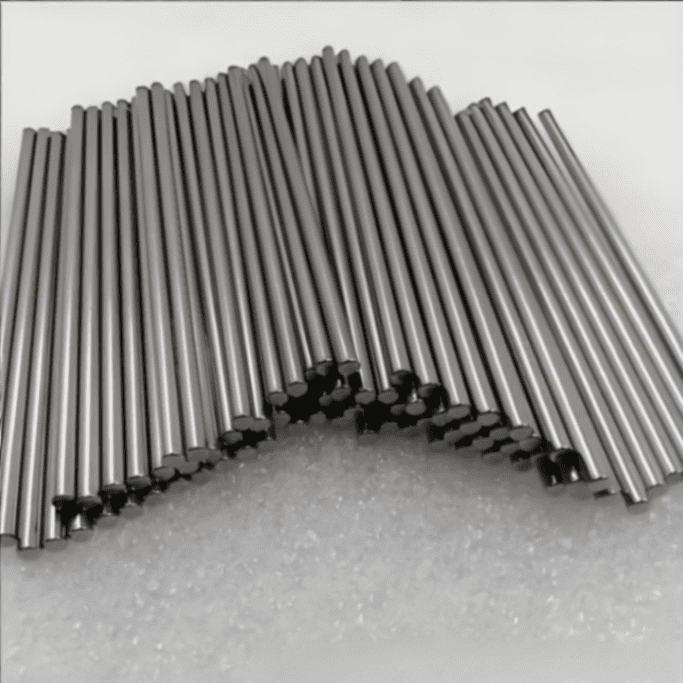
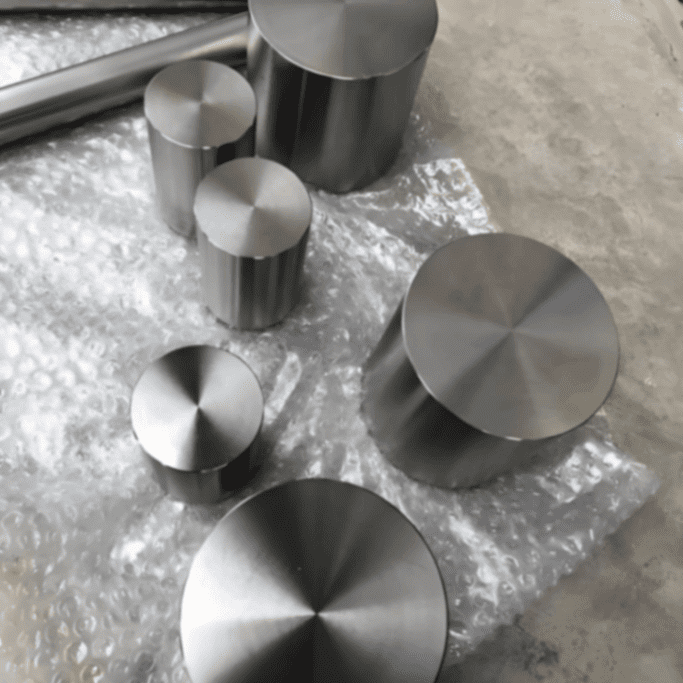
Inconel 617 and Inconel 625 are both high-performance nickel alloy bar materials, but they are designed for different service priorities. Inconel 617 bar performs better in very high-temperature environments where oxidation resistance, creep strength, carburization resistance, and long-term thermal stability are critical. Inconel 625 bar performs better in severe corrosion environments, especially seawater, chlorides, chemical processing media, acids, and marine service. If the application is gas turbine parts, furnace hardware, high-temperature reactors, combustion systems, or thermal equipment above 900°C, Inconel 617 is usually the stronger choice. If the application is chemical processing, offshore equipment, seawater components, pump shafts, valve parts, marine fasteners, or corrosion-resistant machined parts, Inconel 625 is usually more practical and more cost-effective.
Inconel 617 bar and Inconel 625 bar are both nickel-based alloy bars used in demanding industrial environments. They are often compared because both contain nickel, chromium, and molybdenum, and both offer good strength, oxidation resistance, corrosion resistance, weldability, and fabrication performance. However, their composition balance is different, so their best application areas are also different.
Inconel 617 bar is a nickel-chromium-cobalt-molybdenum alloy. It is designed for high-temperature strength, oxidation resistance, carburization resistance, and creep resistance. Its cobalt content and alloy balance make it especially useful for very hot service, such as furnace equipment, gas turbines, high-temperature heat exchangers, petrochemical heaters, combustion cans, and thermal processing fixtures.
Inconel 625 bar is a nickel-chromium-molybdenum-niobium alloy. It is designed for excellent corrosion resistance and useful strength without precipitation hardening. Its molybdenum and niobium content strengthen the nickel-chromium matrix, while also improving resistance to pitting, crevice corrosion, seawater, chloride media, and many acids. It is widely used for marine, chemical, oil and gas, pollution control, and offshore applications.
| Item | Inconel 617 Bar | Inconel 625 Bar |
|---|---|---|
| UNS Number | UNS N06617 | UNS N06625 |
| W.Nr. | 2.4663a / 2.4663 | 2.4856 |
| Main Alloy System | Ni-Cr-Co-Mo | Ni-Cr-Mo-Nb |
| Main Strengthening Method | Solid solution strengthening | Solid solution strengthening by Mo and Nb |
| Best Performance Area | Very high-temperature oxidation, creep, and thermal stability | Severe corrosion, chloride resistance, seawater, and chemical service |
| Typical Bar Applications | Furnace parts, gas turbine parts, high-temperature fixtures, thermal equipment | Pump shafts, valve stems, fasteners, marine parts, chemical equipment components |
Inconel 617 performs better than Inconel 625 in very high-temperature service, especially where oxidation resistance, creep strength, and thermal stability are required above about 900°C. Inconel 625 performs better than Inconel 617 in many wet corrosion environments, especially seawater, chloride-containing media, acids, marine equipment, chemical processing, and offshore applications.
The better bar material depends on the service condition. If the question is about high-temperature furnace or gas turbine performance, Inconel 617 is usually better. If the question is about corrosion resistance in chemical or marine service, Inconel 625 is usually better. If the application requires both moderate high-temperature strength and severe corrosion resistance, Inconel 625 is often the more balanced and widely available option. If the application requires long-term exposure to very high temperature, Inconel 617 should be considered first.
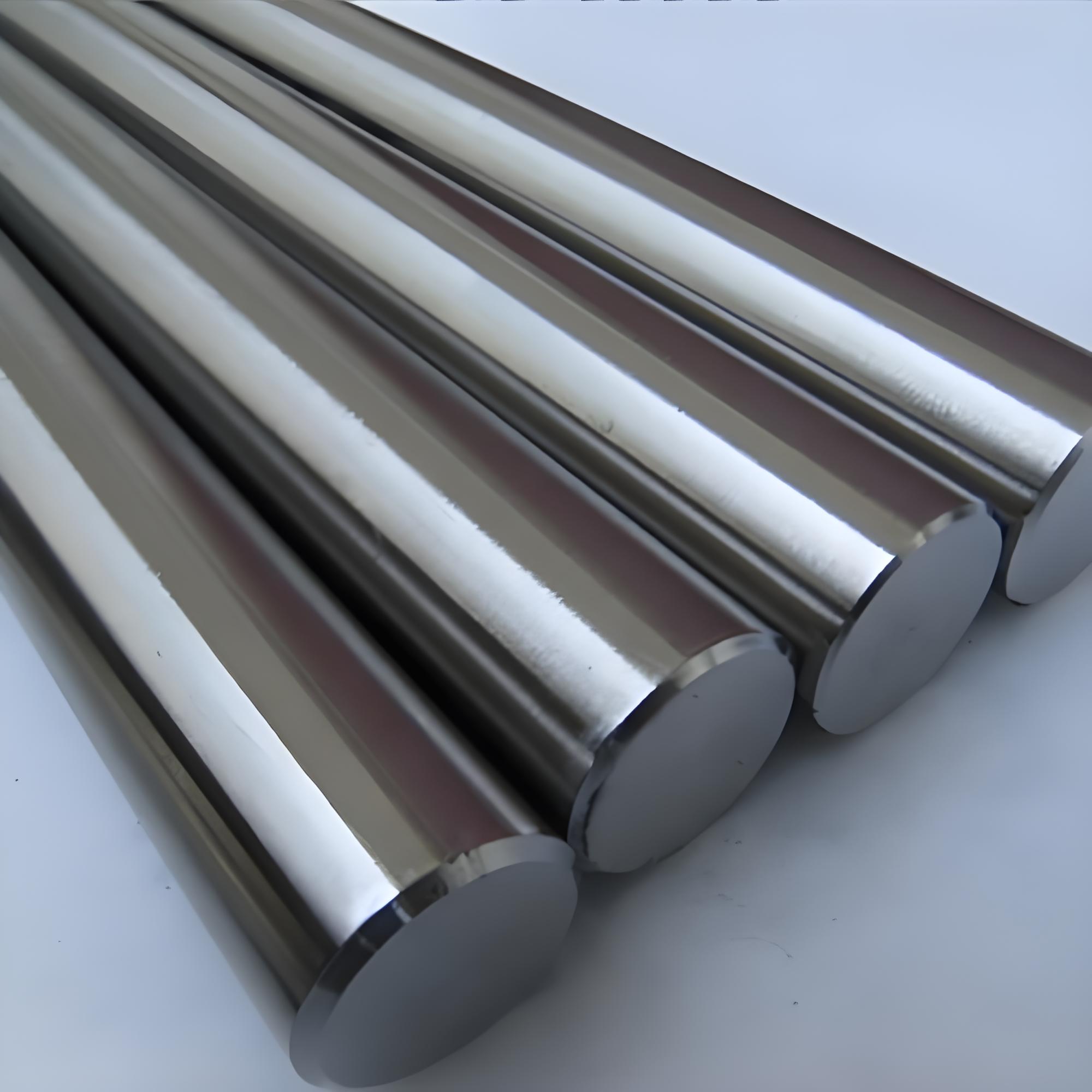
| Working Condition | Better Choice | Reason |
|---|---|---|
| Very high-temperature service above 900°C | Inconel 617 | Better high-temperature strength, oxidation resistance, and creep performance |
| Furnace parts and thermal processing fixtures | Inconel 617 | Designed for long-term hot gas and oxidizing service |
| Seawater and offshore environments | Inconel 625 | Better resistance to chloride pitting and crevice corrosion |
| Chemical processing acids and mixed corrosion | Inconel 625 | Excellent corrosion resistance in many aggressive media |
| General corrosion-resistant shafts, rods, and fasteners | Inconel 625 | More common, strong corrosion resistance, good availability |
| High-temperature reactor or power generation components | Inconel 617 | Better long-term thermal stability and creep resistance |
Correct grade identification is important when comparing Inconel 617 vs Inconel 625 bar. Both materials are nickel alloys, but they are not interchangeable by name alone. The UNS number, material number, standard, chemical composition, heat treatment condition, and MTC should be checked before purchasing.
Inconel 617 is commonly identified as UNS N06617 and W.Nr. 2.4663a. It is a solid-solution-strengthened nickel-chromium-cobalt-molybdenum alloy. It is often selected for high-temperature applications such as gas turbines, furnace parts, petrochemical heaters, high-temperature heat exchangers, combustion equipment, and power generation components.
Inconel 625 is commonly identified as UNS N06625 and W.Nr. 2.4856. It is a nickel-chromium-molybdenum-niobium alloy. It is often selected for corrosion-resistant applications such as marine hardware, offshore equipment, chemical processing components, valve stems, pump shafts, fasteners, heat exchanger parts, and pollution control equipment.
| Identification Item | Inconel 617 | Inconel 625 |
|---|---|---|
| Common Name | Inconel 617 / Alloy 617 | Inconel 625 / Alloy 625 |
| UNS Number | UNS N06617 | UNS N06625 |
| W.Nr. | 2.4663a / 2.4663 | 2.4856 |
| Common Specification Reference | ASTM B166, ASME SB166, AMS and customer specifications depending on product | ASTM B446, ASME SB446, AMS 5666, ISO and customer specifications depending on product |
| Main Product Forms | Round bar, forged bar, plate, sheet, pipe, welding products | Round bar, forged bar, flat bar, wire, plate, sheet, pipe, fittings |
The main chemical composition difference between Inconel 617 and Inconel 625 is cobalt and niobium. Inconel 617 contains significant cobalt and is designed for high-temperature creep strength and oxidation resistance. Inconel 625 contains niobium plus tantalum and higher nickel minimum, giving it excellent solid solution strength and corrosion resistance without age hardening.
Both alloys contain chromium and molybdenum. Chromium improves oxidation resistance and corrosion resistance. Molybdenum improves high-temperature strength and resistance to reducing corrosion. However, the balance is different: Inconel 617 is more high-temperature oriented, while Inconel 625 is more corrosion-service oriented.
| Element | Inconel 617 Typical Range | Inconel 625 Typical Range | Performance Meaning |
|---|---|---|---|
| Nickel | Balance, about 44.5% min | 58.0% min | Nickel provides base matrix, corrosion resistance, and thermal stability |
| Chromium | 20.0% – 24.0% | 20.0% – 23.0% | Both alloys have strong oxidation and corrosion resistance |
| Cobalt | 10.0% – 15.0% | 1.0% max | 617 uses cobalt for high-temperature strength and stability |
| Molybdenum | 8.0% – 10.0% | 8.0% – 10.0% | Both alloys benefit from solid solution strengthening and corrosion support |
| Niobium + Tantalum | Not a main alloying addition | 3.15% – 4.15% | 625 uses Nb+Ta for matrix strengthening |
| Aluminum | 0.80% – 1.50% | 0.40% max | 617 uses aluminum to support oxidation resistance |
| Iron | 3.0% max | 5.0% max | Controlled balance element |
| Carbon | 0.05% – 0.15% | 0.10% max | Carbon control affects high-temperature and fabrication behavior |
Nickel, chromium, molybdenum, and cobalt are the main elements that explain the difference between Inconel 617 and Inconel 625. Both alloys contain high nickel, chromium, and molybdenum, but Inconel 617 contains much more cobalt. This cobalt content is one reason 617 is often preferred for very high-temperature applications.
Inconel 625 has a higher specified nickel minimum than Inconel 617. This helps 625 provide excellent resistance to chloride stress corrosion cracking and broad wet corrosion service. Inconel 617 still has a nickel-base matrix, but its composition also includes significant cobalt, chromium, and molybdenum for high-temperature strength.
Both alloys contain around 20% chromium. This gives both materials good oxidation resistance. However, Inconel 617 is designed to maintain oxidation resistance at very high temperatures, while Inconel 625 is often selected for a combination of corrosion resistance and moderate-to-high temperature performance.
Both alloys contain about 8% to 10% molybdenum. In 617, molybdenum supports solid solution strengthening and creep performance. In 625, molybdenum supports both strength and resistance to pitting and crevice corrosion, especially in chloride-containing environments.
Cobalt is a major differentiator. Inconel 617 contains 10% to 15% cobalt, while Inconel 625 normally limits cobalt to a low maximum. Cobalt improves high-temperature stability and creep strength, but it also increases raw material cost and may not be necessary for wet corrosion applications.
| Element | Which Alloy Uses It More? | Practical Effect |
|---|---|---|
| Nickel | Inconel 625 has higher minimum nickel | Excellent wet corrosion and chloride stress corrosion resistance |
| Chromium | Both alloys are high chromium | Oxidation and corrosion resistance |
| Molybdenum | Similar range in both alloys | Strengthening and resistance to aggressive corrosion |
| Cobalt | Much higher in Inconel 617 | Better high-temperature strength and creep resistance |
| Niobium | Higher in Inconel 625 | Matrix strengthening without precipitation hardening |
Inconel 617 generally performs better than Inconel 625 in very high-temperature strength applications. Its nickel-chromium-cobalt-molybdenum composition is designed to provide high-temperature strength and oxidation resistance, especially at temperatures where many nickel alloys begin to lose useful strength more quickly.
Inconel 625 has good elevated-temperature strength, especially compared with stainless steel and many corrosion-resistant alloys. However, it is not primarily designed as a very high-temperature creep alloy. For applications above about 900°C, Inconel 617 is usually the more suitable bar material. For moderate high-temperature corrosion service below about 600°C to 700°C, Inconel 625 can still be a strong practical choice.
| Temperature Condition | Inconel 617 Bar | Inconel 625 Bar |
|---|---|---|
| Room temperature | Good strength | Good strength, often higher common yield strength depending on condition |
| 300°C – 600°C | Good strength and thermal stability | Good strength and excellent corrosion resistance |
| 600°C – 800°C | Strong high-temperature performance | Useful, but long-term creep and condition must be reviewed |
| 900°C and above | Usually better choice | Less suitable when long-term high-temperature strength is the main requirement |
| Very high-temperature furnace service | Preferred | Used only when service conditions allow |
Inconel 617 has stronger high-temperature oxidation resistance than Inconel 625 in very hot environments. Both alloys contain chromium, but Inconel 617 is specifically designed for oxidation resistance and strength at very high temperatures. It also contains aluminum, which helps support protective oxide scale formation.
Inconel 617 is widely used for hot gas, furnace, combustion, and high-temperature reactor environments. Its chromium and aluminum content help form protective oxide layers. This allows the alloy to resist scaling and surface attack under severe thermal exposure.
Inconel 625 also has good oxidation resistance because of its chromium content. It can be used in many elevated-temperature environments, especially where corrosion resistance is also important. However, for continuous very high-temperature oxidation service, Inconel 617 is generally more suitable.
| Oxidation Condition | Better Material | Reason |
|---|---|---|
| Moderate hot gas service | Inconel 625 or Inconel 617 | Both alloys contain chromium and resist oxidation |
| Very high-temperature furnace atmosphere | Inconel 617 | 617 is designed for higher temperature oxidation resistance |
| Thermal cycling with high heat exposure | Inconel 617 | Better high-temperature scale stability and thermal strength |
| Hot corrosive chemical environment | Depends on chemical media | 625 may be better if wet corrosion or chlorides are dominant |
Creep resistance is one of the most important differences between Inconel 617 and Inconel 625 bar. Creep means slow deformation under stress at elevated temperature. In long-term high-temperature service, creep resistance can be more important than room-temperature tensile strength.
Inconel 617 is designed for excellent creep properties at high temperature. Its cobalt and molybdenum content strengthens the nickel-based matrix and supports long-term stability under heat and load. This makes 617 suitable for furnace hardware, turbine parts, high-temperature heat exchangers, and advanced power generation equipment.
Inconel 625 has good elevated-temperature strength, but it is mainly known for corrosion resistance and solid-solution strength. At moderate high temperatures, it can perform well. At very high temperatures and long exposure times, Inconel 617 is generally more reliable for creep-critical designs.
| Creep / Thermal Stability Factor | Inconel 617 | Inconel 625 |
|---|---|---|
| Creep resistance at very high temperature | Excellent | Good, but not the main advantage |
| Long-term thermal stability | Very good | Good in suitable temperature range |
| Best temperature zone | Very high-temperature service | Moderate high-temperature corrosion service |
| Best application direction | Furnace, gas turbine, reactor, heat treatment equipment | Chemical, marine, oil and gas, corrosion-resistant hot parts |
Inconel 625 usually performs better than Inconel 617 in chemical and marine corrosion environments. The main reason is its high nickel, chromium, molybdenum, and niobium composition, which gives excellent resistance to pitting, crevice corrosion, chloride stress corrosion cracking, seawater, sour service, and many acidic media.
Inconel 625 is widely used in marine engineering, offshore equipment, chemical processing, pollution control, oil and gas, flue gas systems, and seawater-exposed parts. It resists many corrosive media that can quickly attack stainless steel and lower alloy materials.
Inconel 617 also has good corrosion resistance in many environments, especially at high temperature. However, its strongest advantage is not wet corrosion resistance. If the service involves seawater, chlorides, acids, or chemical processing media, Inconel 625 is usually the safer and more common choice.
| Corrosive Environment | Inconel 617 Bar | Inconel 625 Bar | Better Choice |
|---|---|---|---|
| Seawater | Good in selected conditions | Excellent | Inconel 625 |
| Chloride pitting and crevice corrosion | Good but not usually first choice | Excellent | Inconel 625 |
| Chemical acids | Good in some environments | Excellent in many aggressive media | Usually Inconel 625 |
| Hot oxidizing gas | Excellent | Good | Inconel 617 |
| High-temperature carburizing or furnace environment | Excellent | Limited compared with 617 | Inconel 617 |
Mechanical properties depend on product form, diameter, heat treatment condition, cold work, standard, and testing temperature. In general, Inconel 625 often provides higher common room-temperature yield strength in annealed bar condition, while Inconel 617 provides better strength retention, creep resistance, and thermal stability at very high temperature.
At room temperature, Inconel 625 bar is often strong and ductile. It is commonly used for shafts, fasteners, valve stems, marine rods, and chemical processing components. Inconel 617 bar also has good mechanical properties, but it is usually selected for high-temperature service rather than ordinary room-temperature strength.
At elevated temperature, Inconel 617 becomes more attractive because it is designed for high-temperature strength and creep resistance. Inconel 625 remains useful at moderate high temperatures, but for long-term hot service, designers must check creep, stress rupture, and solution annealed condition.
| Mechanical Property | Inconel 617 Bar | Inconel 625 Bar |
|---|---|---|
| Room-Temperature Yield Strength | Moderate to good, depending on condition | Good to high, especially in cold worked or specified conditions |
| Room-Temperature Ductility | Good | Good |
| High-Temperature Strength | Excellent | Good |
| Creep Strength | Excellent at very high temperature | Good, but not as strong as 617 in very high-temperature creep service |
| Thermal Stability | Excellent | Good in suitable condition |
Both Inconel 617 and Inconel 625 bars can be welded, machined, and fabricated, but they require proper procedures. Nickel alloys are more difficult to machine than carbon steel and many stainless steels because they can work harden, generate heat, and cause tool wear. Welding also requires clean surfaces, correct filler metals, controlled heat input, and suitable post-weld handling.
Inconel 625 is well known for excellent weldability and is widely used as welding filler metal in corrosion-resistant and high-temperature applications. Inconel 617 is also weldable by conventional techniques, but high-temperature service welds should be carefully controlled because weld quality affects long-term creep and oxidation performance.
Both alloys are machinable but not easy compared with ordinary steel. Inconel 625 is often considered challenging because of work hardening and high toughness. Inconel 617 also requires rigid setup, sharp tools, controlled cutting speed, stable feed, and coolant. For precision bar parts, peeled or ground stock can reduce machining allowance.
Inconel 625 generally has very good fabrication behavior because it does not require precipitation hardening for strength. Inconel 617 can also be formed and fabricated, but high-temperature applications may require closer control over heat treatment, grain structure, and weld quality.
| Processing Item | Inconel 617 | Inconel 625 |
|---|---|---|
| Weldability | Good with proper procedures | Excellent and widely used in welded corrosion-resistant equipment |
| Machinability | Difficult compared with steel; proper tools required | Difficult compared with steel; work hardening must be controlled |
| Formability | Good with suitable process control | Good and widely fabricated |
| Heat Treatment Complexity | Usually solution annealed for high-temperature use | Usually annealed or solution annealed depending on service temperature |
| Best Fabrication Advantage | High-temperature fabricated parts | Corrosion-resistant welded and machined components |
Inconel 617 and Inconel 625 bar applications overlap in some high-performance industries, but their best use cases are different. Inconel 617 is more suitable for hot-section and furnace environments. Inconel 625 is more suitable for corrosion-resistant chemical and marine environments.
Inconel 617 is often a better candidate for gas turbine and hot gas components where high-temperature oxidation and creep resistance are required. Inconel 625 may be used in some turbine-related components, especially where corrosion resistance and moderate high-temperature strength are needed, but 617 is stronger for very hot service.
Inconel 617 is usually preferred for furnace hardware, radiant tubes, high-temperature fixtures, combustion equipment, and thermal processing parts. It offers better performance in long-term high-temperature oxidation and carburization environments.
Inconel 625 is usually better for chemical processing applications because of its excellent resistance to acids, chlorides, and many aggressive wet corrosion environments. It is used for valve stems, pump shafts, fasteners, rods, fittings, and machined components.
Inconel 625 is the stronger choice for marine and offshore service. It performs very well in seawater and chloride environments and resists pitting, crevice corrosion, and stress corrosion cracking better than many alloys.
| Application | Better Bar Material | Reason |
|---|---|---|
| Gas turbine hot-section parts | Inconel 617 | Better high-temperature strength and oxidation resistance |
| Furnace fixtures and radiant tubes | Inconel 617 | Better long-term thermal stability and scaling resistance |
| Chemical pump shafts | Inconel 625 | Better corrosion resistance in acids and chlorides |
| Marine fasteners and offshore rods | Inconel 625 | Excellent seawater and chloride corrosion resistance |
| High-temperature reactor components | Inconel 617 | Better creep and high-temperature strength |
| Pollution control and scrubber parts | Inconel 625 | Better wet corrosion resistance in chloride and acid media |
Inconel 617 bar is usually more expensive than Inconel 625 bar because it contains significant cobalt and is often produced for more specialized high-temperature applications. Cobalt is a costly alloying element, and 617 demand is usually smaller than 625 demand. Inconel 625 is more widely stocked and more commonly used in marine, chemical, offshore, and industrial applications, so availability is usually better.
| Price Factor | Inconel 617 Bar | Inconel 625 Bar |
|---|---|---|
| Raw Material Cost | Higher because of cobalt content | High because of nickel, molybdenum, and niobium |
| Stock Availability | Less common, many sizes may require production | More common, easier to find stock sizes |
| Production Cost | Higher for high-temperature grade control and smaller batches | More standardized supply route in many markets |
| Typical Price Level | Usually higher | Usually lower than 617, depending on size and condition |
| Best Cost Value | When very high-temperature performance is required | When corrosion resistance and availability are more important |
As a practical market reference, Inconel 625 bar often falls in a lower price range than Inconel 617 bar for similar diameter and condition. Inconel 617 may cost about 20% to 50% more than Inconel 625 in many cases, depending on cobalt price, stock availability, diameter, standard, and production route. For accurate pricing, buyers should provide grade, diameter, length, quantity, surface condition, standard, testing requirement, and delivery destination.
Choosing between Inconel 617 and Inconel 625 bar should start from the real working environment. The key question is not which alloy is generally better, but which alloy performs better under the actual temperature, stress, corrosion medium, exposure time, and fabrication requirement.
Choose Inconel 617 bar when the application involves very high temperature, hot gas, furnace atmosphere, combustion service, long-term creep loading, thermal cycling, carburization risk, or high-temperature oxidation. It is suitable for furnace components, radiant tubes, combustion hardware, thermal processing fixtures, gas turbine parts, petrochemical heater parts, and high-temperature reactor components.
Choose Inconel 625 bar when the application involves seawater, chloride media, acids, chemical processing, offshore equipment, marine service, corrosion-resistant fasteners, pump shafts, valve stems, or pollution control equipment. It is usually easier to source, more widely stocked, easier to justify by cost, and stronger in wet corrosion service.
| Selection Question | If Yes, Consider | Reason |
|---|---|---|
| Is the service temperature above 900°C? | Inconel 617 | Better high-temperature strength and oxidation resistance |
| Is long-term creep resistance important? | Inconel 617 | Designed for creep resistance and thermal stability |
| Is seawater or chloride corrosion the main issue? | Inconel 625 | Better pitting, crevice corrosion, and chloride stress corrosion resistance |
| Is chemical acid resistance the main requirement? | Inconel 625 | Excellent corrosion resistance in many aggressive chemical media |
| Is stock availability and cost important? | Inconel 625 | More common and usually more available than 617 |
| Is the part used in furnace or combustion equipment? | Inconel 617 | Better fit for hot gas and thermal cycling service |
For an RFQ, buyers should write the material clearly. For example: Inconel 617 round bar, UNS N06617, diameter 40 mm, length 3000 mm, solution annealed condition, with MTC. Or: Inconel 625 round bar, UNS N06625, ASTM B446, diameter 40 mm, length 3000 mm, annealed or solution annealed condition, with MTC. If the application requires elevated-temperature strength, corrosion testing, PMI, UT, or third-party inspection, these requirements should be stated before quotation.
Is Inconel 617 better than Inconel 625?
Inconel 617 is better than Inconel 625 for very high-temperature service, especially furnace, gas turbine, combustion, thermal processing, and creep-critical applications. It has better long-term thermal stability, oxidation resistance, and creep resistance at very high temperatures. However, Inconel 625 is better for seawater, chloride, acid, marine, offshore, and chemical corrosion environments.
What is the main difference between Inconel 617 and 625?
The main difference is chemical composition and performance focus. Inconel 617 is a nickel-chromium-cobalt-molybdenum alloy designed for high-temperature strength, oxidation resistance, and creep resistance. Inconel 625 is a nickel-chromium-molybdenum-niobium alloy designed for excellent corrosion resistance, seawater resistance, chloride resistance, and solid-solution strength without precipitation hardening.
Which is better for marine use, Inconel 617 or Inconel 625?
Inconel 625 is usually better for marine use because it has excellent resistance to seawater, chloride pitting, crevice corrosion, and chloride stress corrosion cracking. Inconel 617 can resist many corrosive environments, but it is mainly selected for high-temperature oxidation and creep service. For offshore shafts, marine fasteners, pump parts, valve stems, and seawater components, Inconel 625 is normally the more suitable choice.
More from this category
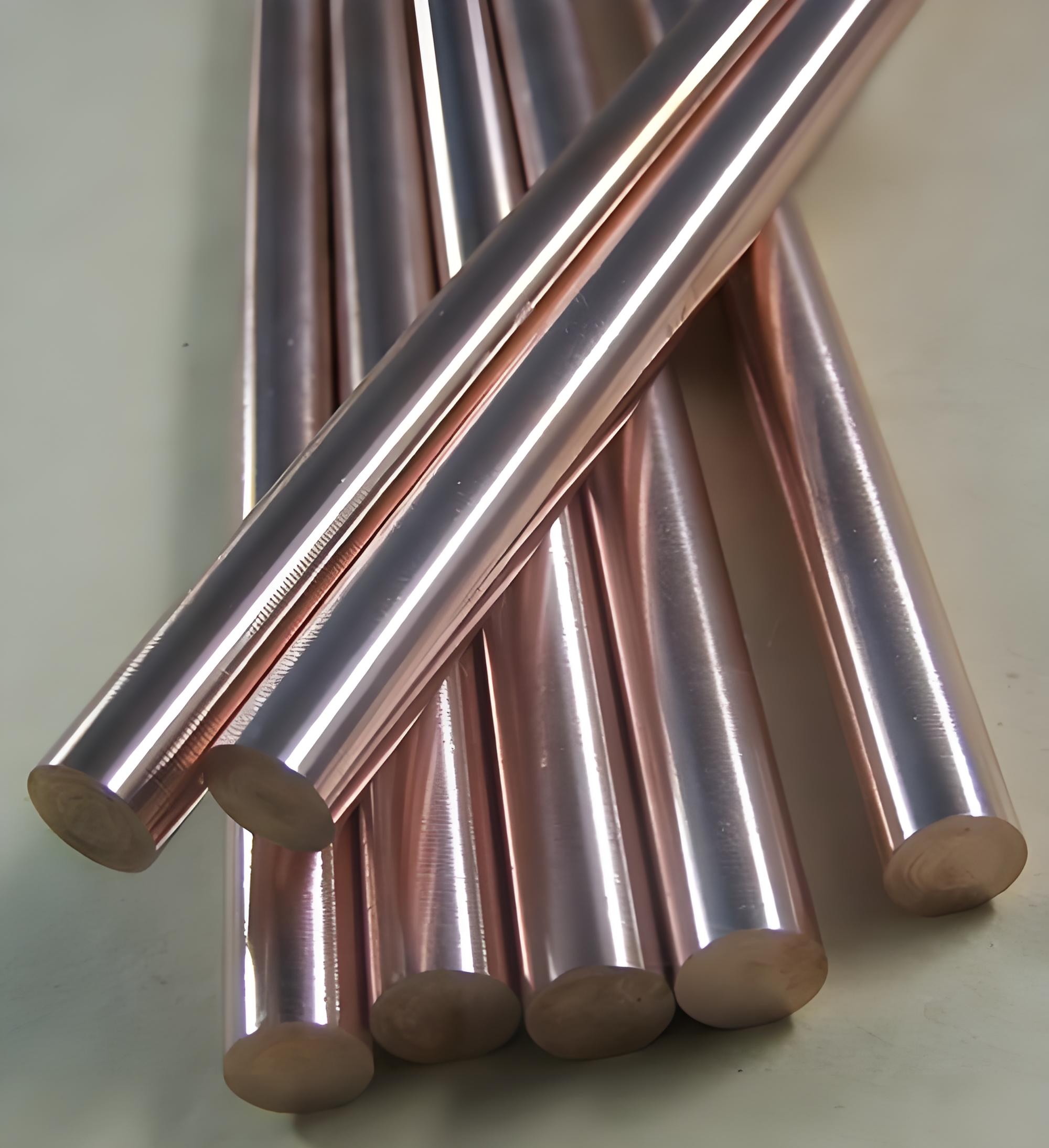
Inconel 602CA alloy bar price per kg is usually higher than common Inconel 600 and Inconel 601 bars because Alloy 602CA is a premium high-temperature ...
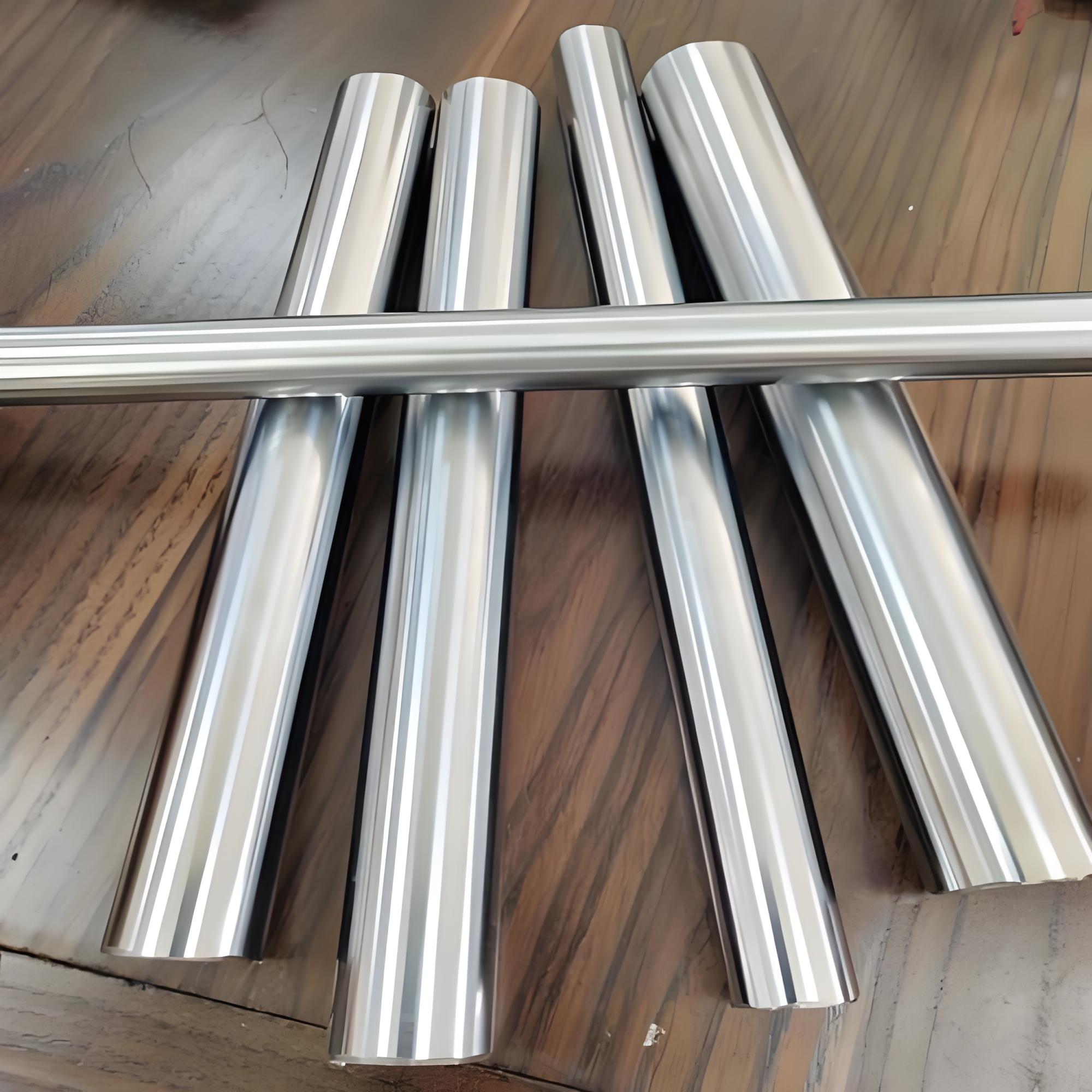
Nickel 200 bar price depends mainly on nickel raw material cost, bar shape, diameter, length, tolerance, surface finish, delivery condition, stock ava...
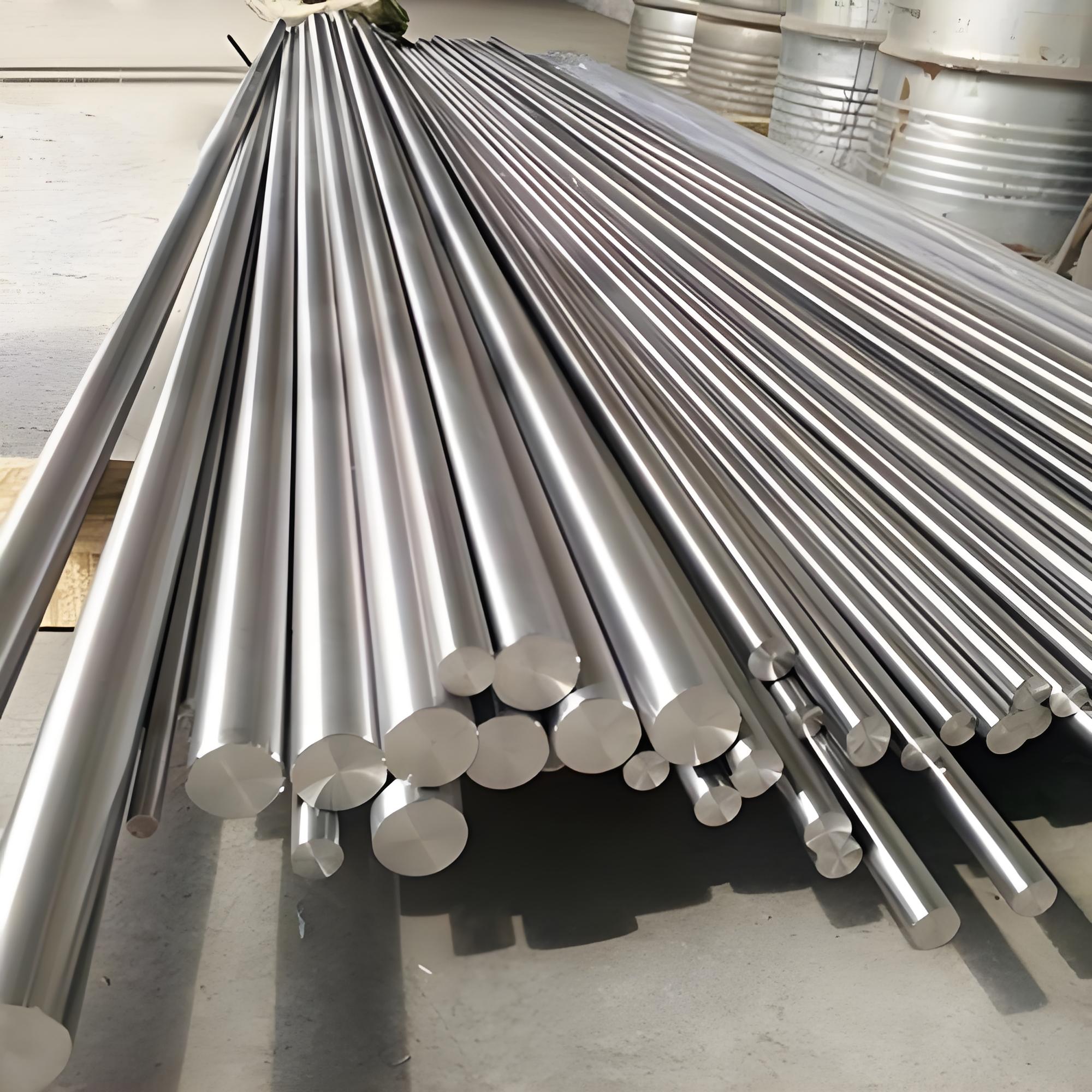
Nickel 200 bar manufacturers and suppliers provide commercially pure nickel bar stock for chemical processing, caustic alkali handling, food processin...
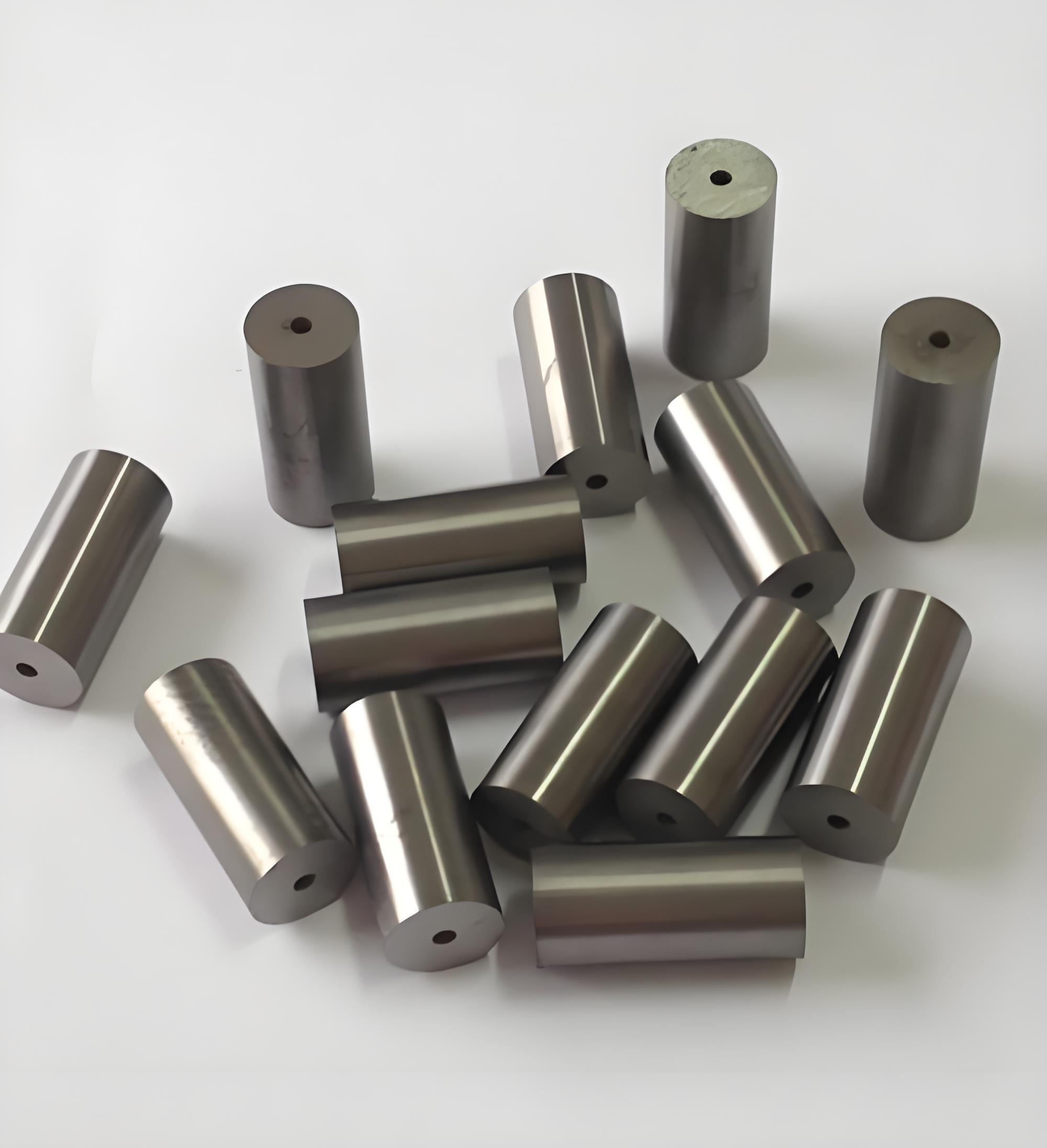
The price of Inconel 617 depends on product form, size, quantity, raw material cost, stock availability, heat treatment, surface finish, testing requi...
 English English
  Korean
 Arabic
 Spanish
 German
 Portuguese
 French
 Russian
 Italian
 Vietnamese