
Incoloy 825 Bar Price | UNS N08825 Supplier
Incoloy 825 bar price depends on the nickel-based alloy composition, bar dimensions, manufacturing route, heat-treatment condition, surface finish, in...
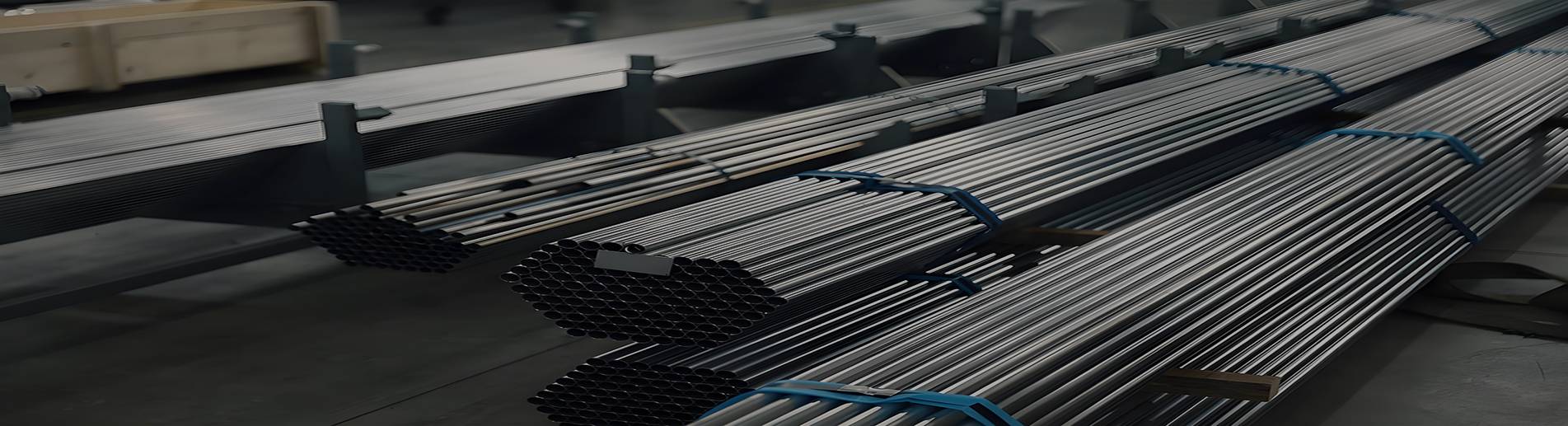
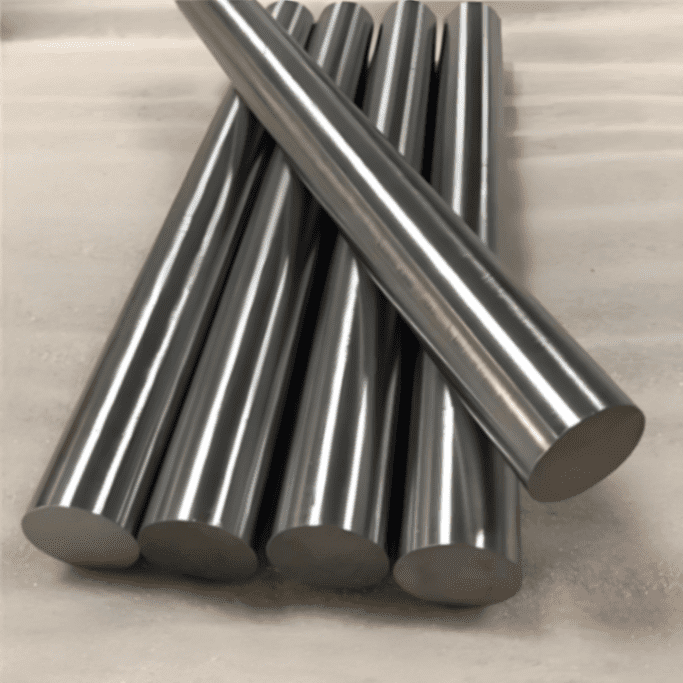
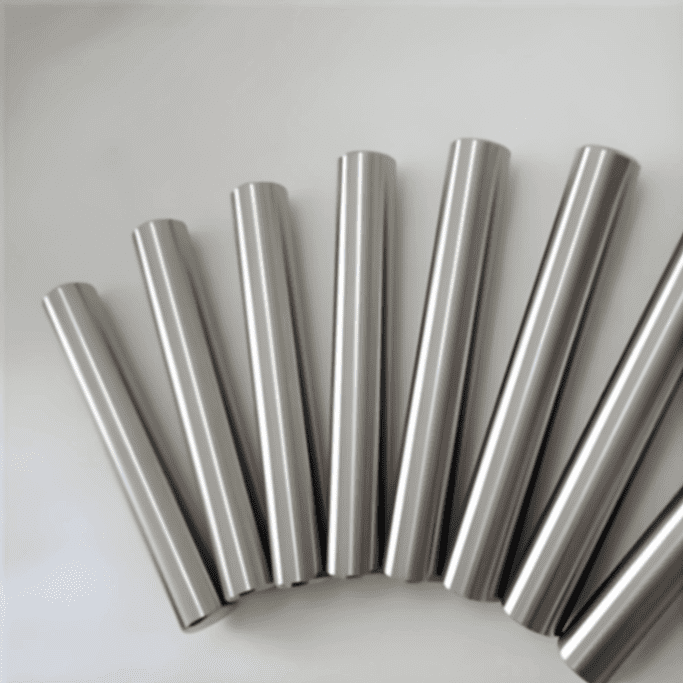
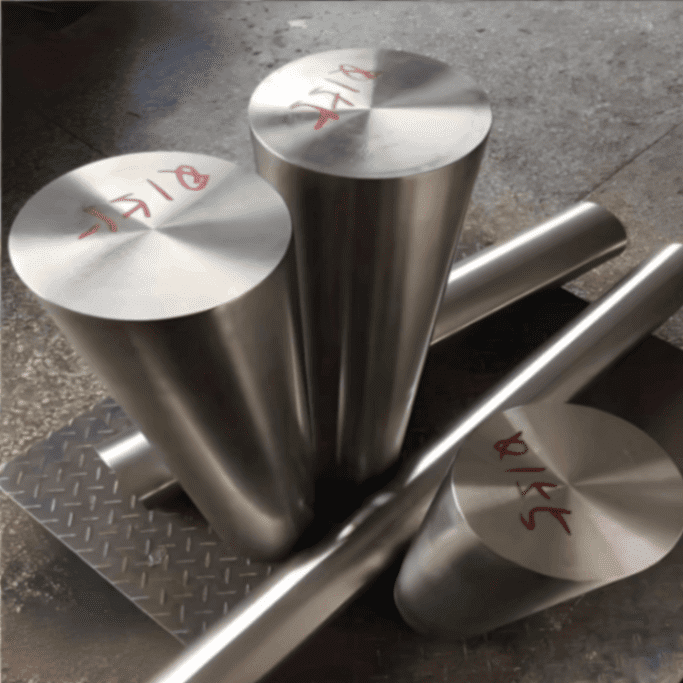
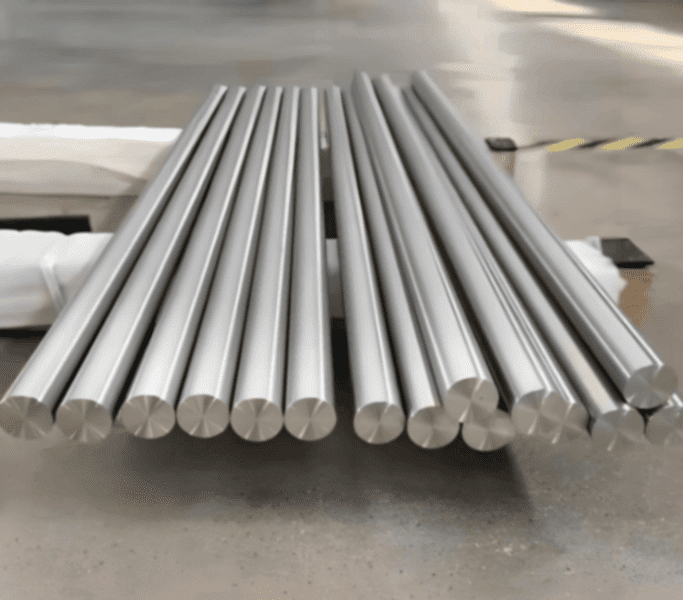
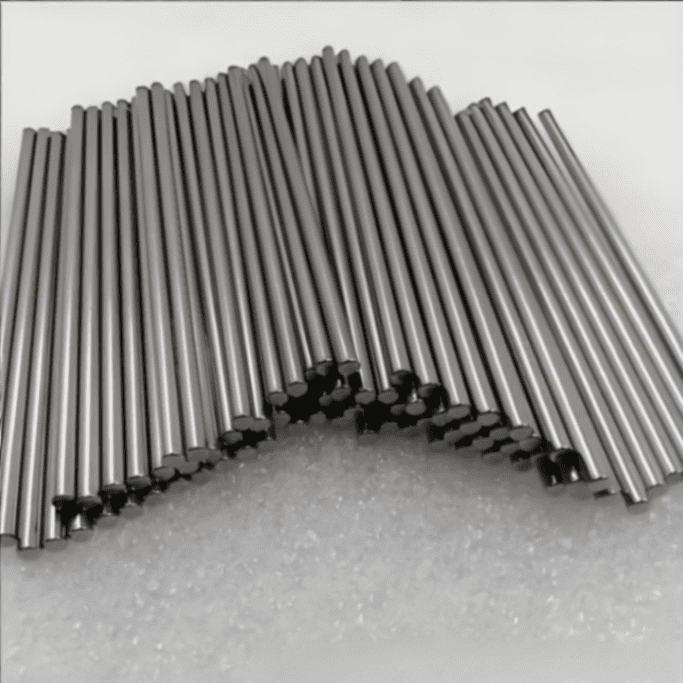
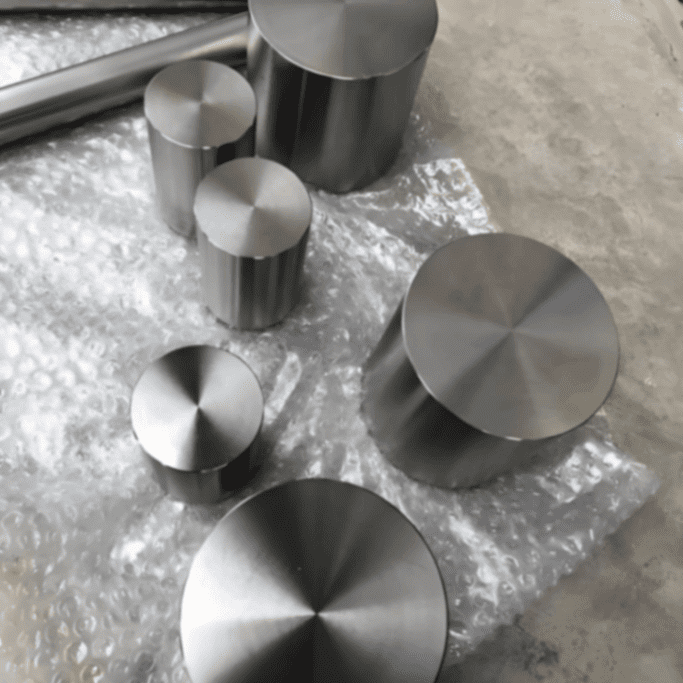
Nickel 200 bar supplier price usually depends on nickel raw material cost, bar size, production method, surface condition, tolerance, quantity, stock availability, testing requirements, and delivery time. As a commercially pure nickel bar, Nickel 200 has a high nickel content, so its price is closely connected with the nickel market. For buyers comparing Nickel 200 round bar, flat bar, square bar, forged bar, or cold drawn bar, the price should not be judged only by the price per kg. A practical quotation should also include material standard, UNS N02200 grade confirmation, chemical composition, mechanical properties, MTC, cutting service, surface condition, packaging, and lead time. In general, Nickel 200 bar is more expensive than common stainless steel bar, but it is selected for strong corrosion resistance in caustic alkali, reducing environments, electrical applications, and industrial pure nickel components.
Nickel 200 bar is a commercially pure wrought nickel bar, commonly identified as UNS N02200. It contains very high nickel content and is used where corrosion resistance, ductility, thermal conductivity, electrical conductivity, and pure nickel performance are required. Nickel 200 bar is different from stainless steel, Monel alloy, and Inconel alloy. It does not rely on chromium, molybdenum, or copper as the main alloying system. Its performance comes mainly from its high-purity nickel base.
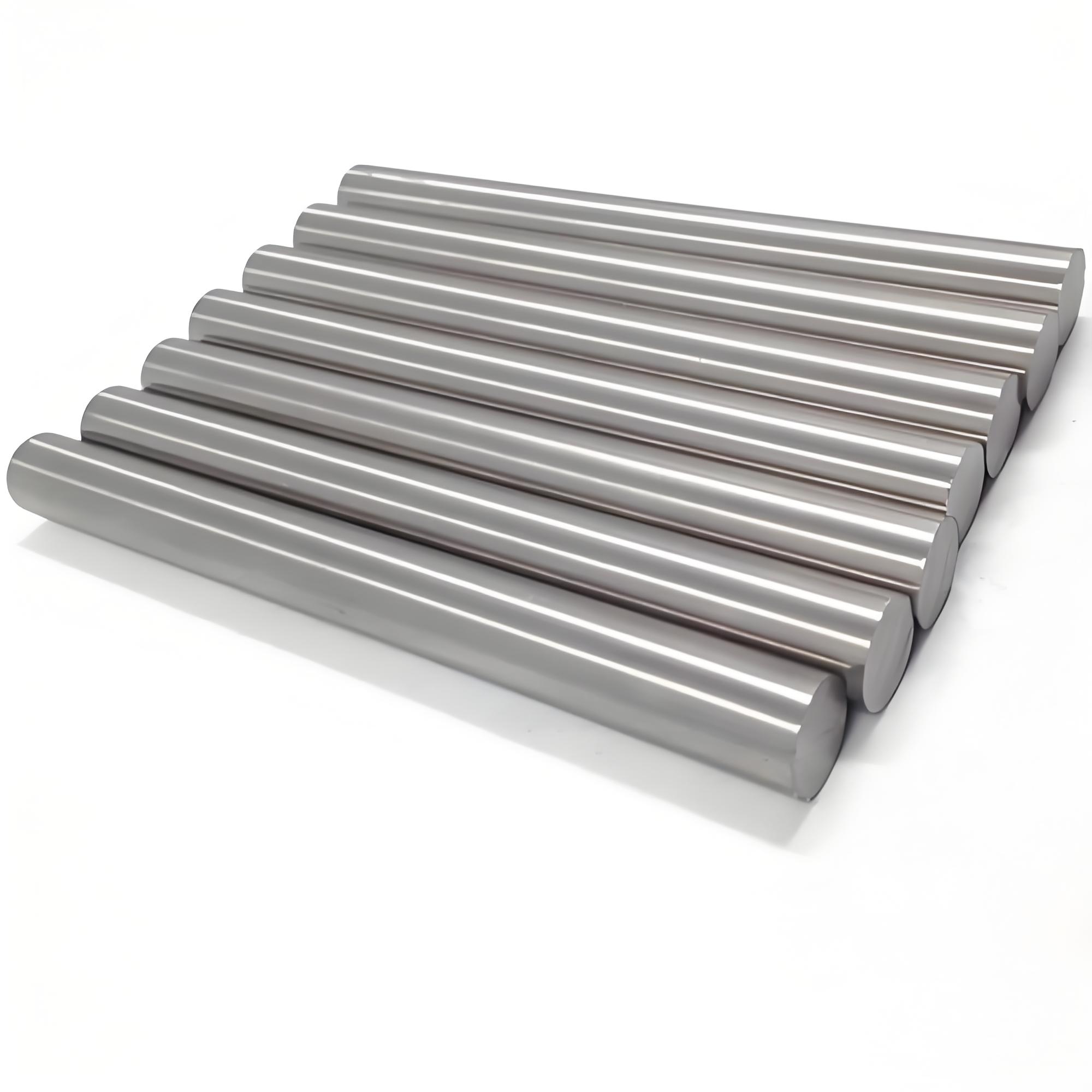
Nickel 200 bar can be supplied as round bar, flat bar, square bar, hex bar, forged bar, hot rolled bar, cold drawn bar, peeled bar, polished bar, or centerless ground bar. The final price changes according to these forms and processing conditions. For example, a hot rolled Nickel 200 round bar normally costs less than a precision ground Nickel 200 bar with tight tolerance, even if the chemical grade is the same.
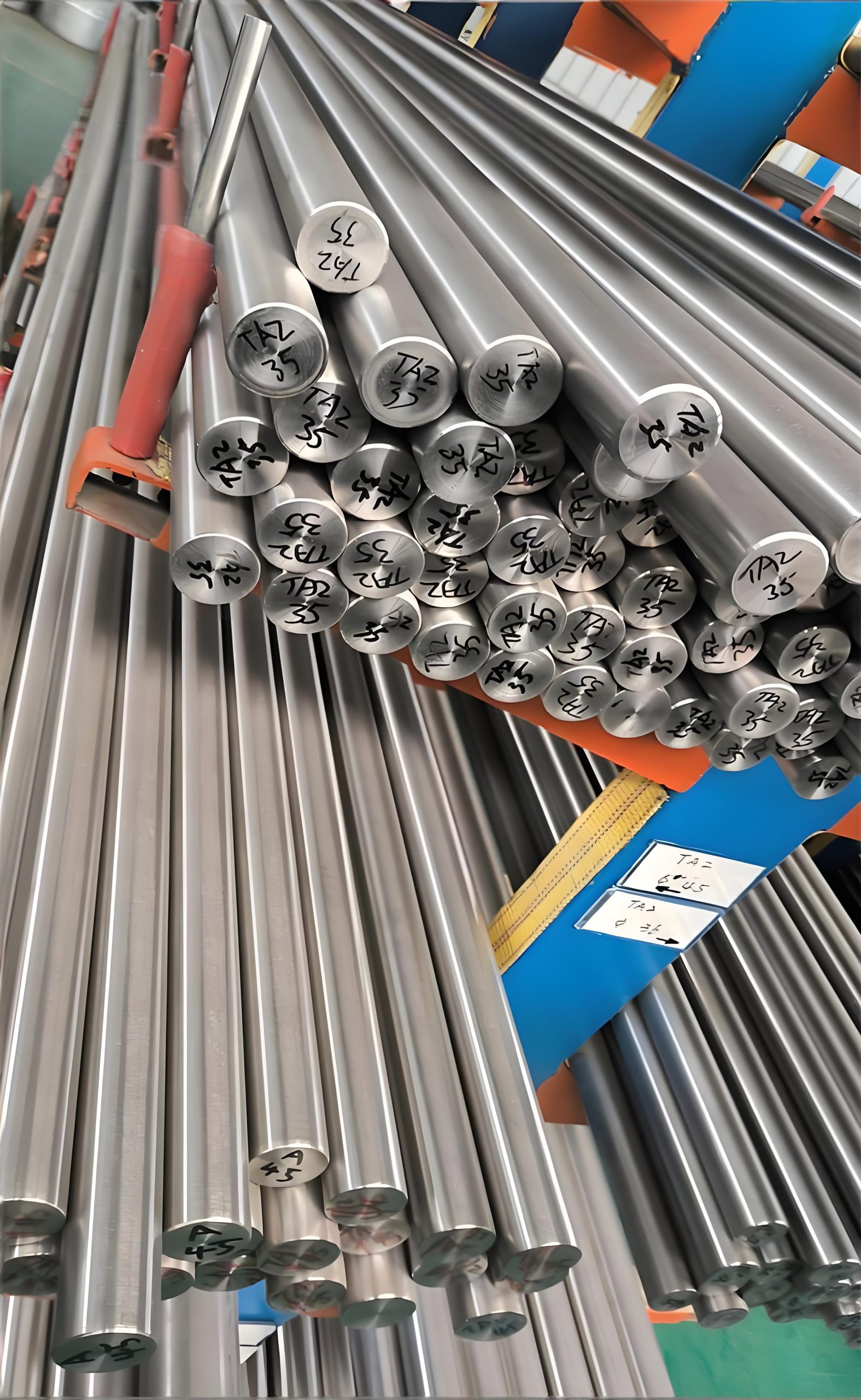
| Item | Nickel 200 Bar Information |
|---|---|
| Common Name | Nickel 200 / Alloy 200 |
| UNS Designation | UNS N02200 |
| W.Nr. | 2.4066 |
| Material Type | Commercially pure wrought nickel |
| Main Feature | High nickel content, good corrosion resistance, good electrical and thermal conductivity |
| Common Bar Forms | Round bar, flat bar, square bar, hex bar, forged bar, cold drawn bar |
Nickel 200 bar supplier price is mainly built from three parts: raw nickel material cost, production and processing cost, and supplier service cost. Because Nickel 200 is a high-nickel material, raw material cost usually has the biggest influence. When the nickel market rises, Nickel 200 bar prices normally move upward. When nickel prices fall, the finished bar price may decrease, but not always immediately because suppliers may still hold inventory purchased at a higher cost.
A supplier price may look higher than a simple raw material calculation because finished Nickel 200 bar requires melting, forging, rolling, annealing, straightening, peeling, drawing, grinding, inspection, certification, cutting, packing, and export handling. For small orders, the price per kg may be higher because processing, testing, and packing costs are spread over fewer kilograms.
| Price Component | What It Means | Impact on Final Price |
|---|---|---|
| Raw Nickel Cost | Base cost of nickel material | Very high impact |
| Melting and Production | Manufacturing cost for qualified Nickel 200 material | Medium to high impact |
| Bar Processing | Rolling, forging, drawing, peeling, grinding, or polishing | Depends on required condition |
| Testing and MTC | Chemical composition, mechanical properties, heat number traceability | Required for industrial orders |
| Cutting Service | Cut-to-length or machining blank preparation | Adds processing cost |
| Packing and Logistics | Wooden case, anti-rust protection, export packing, freight | Depends on destination and order size |
Nickel 200 bar price per kg should be treated as a reference, not a fixed universal price. Different suppliers may quote different prices because of raw material purchase timing, inventory condition, production route, order quantity, diameter, tolerance, surface finish, certification, and delivery location. For website content and early budget planning, a reference range can help buyers understand the market level before requesting a formal quotation.
| Product Type | Reference Price Range | Price Note |
|---|---|---|
| Nickel 200 Hot Rolled Round Bar | USD 26 – 42 / kg | Common industrial bar, price depends on diameter and stock |
| Nickel 200 Cold Drawn Bar | USD 30 – 48 / kg | Higher processing cost and better tolerance |
| Nickel 200 Forged Bar | USD 32 – 55 / kg | Used for large diameter or heavy-duty machined parts |
| Nickel 200 Peeled Bar | USD 32 – 50 / kg | Cleaner surface and reduced machining allowance |
| Nickel 200 Centerless Ground Bar | USD 38 – 65 / kg | Higher cost due to precision tolerance and surface finish |
The above prices are only reference ranges for general understanding. A real Nickel 200 bar supplier price may be lower or higher depending on nickel market movement, order quantity, size, tolerance, urgent delivery, testing requirements, and whether the material is available from stock.
For Nickel 200 bar, the price per kg is only one part of purchasing. A lower price may not be better if the material lacks MTC, heat number traceability, correct UNS N02200 composition, proper surface quality, or stable tolerance. In industrial applications, wrong material or poor-quality bar can create much higher cost than the small difference in price per kg.
Nickel 200 bar price is affected by many practical factors. Buyers often ask for the cheapest price, but a professional supplier normally needs more details before quoting. The same grade can have different prices when diameter, length, surface, tolerance, quantity, standard, and lead time change.
| Factor | How It Affects Nickel 200 Bar Price |
|---|---|
| Nickel Raw Material Cost | High nickel content makes raw material price the biggest cost driver |
| Bar Diameter | Common sizes may be cheaper; special or large sizes may cost more |
| Order Quantity | Small quantity usually has higher price per kg |
| Production Method | Hot rolled, cold drawn, forged, peeled, and ground bars have different costs |
| Surface Condition | Polished or ground surface increases processing cost |
| Tolerance Requirement | Tighter tolerance requires more processing and inspection |
| Testing Requirement | UT, PMI, tensile test, hardness test, or third-party inspection increases cost |
| Lead Time | Urgent orders may require stock priority or faster processing |
Two Nickel 200 bar suppliers may quote different prices for the same inquiry because their stock source, raw material purchase cost, processing method, certification level, and profit model are different. One supplier may quote from ready stock, while another may quote based on new production. One may include cutting and MTC, while another may only quote full-length bar without additional service. Buyers should compare quotation details, not only the final number.
Nickel content has a direct impact on Nickel 200 bar price. Nickel 200 is commercially pure nickel, with nickel plus cobalt content usually not less than 99.0%. This means the finished material cost is highly sensitive to nickel market changes.
When LME nickel price rises, mills and suppliers usually adjust Nickel 200 bar quotations. When nickel price falls, suppliers may reduce prices, but the adjustment can depend on existing stock cost. If a supplier purchased raw material at a higher market level, their ready stock price may not immediately follow the latest lower market price.
Common stainless steel contains iron as the base element and a smaller percentage of nickel. Nickel 200 contains very high nickel content, so its price is naturally much higher than ordinary stainless steel bar. This is why Nickel 200 is usually selected only when its corrosion resistance, conductivity, or pure nickel performance is necessary.
Even when the nickel market price is known, the finished Nickel 200 bar price cannot be calculated by simply multiplying nickel content. Finished bar price includes production loss, processing, heat treatment, inspection, inventory risk, cutting, packing, finance cost, and supplier service. This is why finished Nickel 200 bar price per kg is always higher than the raw nickel value.
Nickel 200 round bar is the most common bar form, so it usually has better availability than special flat, square, or hex sections. It is widely used for shafts, rods, fasteners, valve parts, fittings, pins, electrical components, battery parts, and corrosion-resistant machined components.
| Round Bar Type | Reference Price Range | Typical Application |
|---|---|---|
| Small Diameter Nickel 200 Round Bar | USD 28 – 48 / kg | Pins, rods, fasteners, small electrical parts |
| Medium Diameter Nickel 200 Round Bar | USD 26 – 45 / kg | Valve parts, fittings, shafts, machined components |
| Large Diameter Nickel 200 Round Bar | USD 32 – 58 / kg | Heavy machined parts, large shafts, forged components |
| Precision Ground Nickel 200 Round Bar | USD 38 – 65 / kg | Precision shafts, rods, sliding parts, electrical components |
Small diameter bars may require cold drawing or precision processing, which increases cost. Medium common diameters may have better stock availability and lower unit price. Large diameter bars may require forging, longer production time, ultrasonic testing, and higher machining allowance, so the price per kg may increase.
Nickel 200 flat bar and square bar are used for electrical connectors, bus bars, supports, brackets, spacers, machined blocks, fixtures, chemical equipment parts, and custom components. Their price may be higher than common round bar if the required size is not available from stock.
Nickel 200 flat bar price depends on width, thickness, length, surface finish, edge condition, and quantity. For electrical applications, flatness, surface quality, and dimensional tolerance may be important. If the flat bar needs precise cutting, polishing, or tight thickness tolerance, the final price will increase.
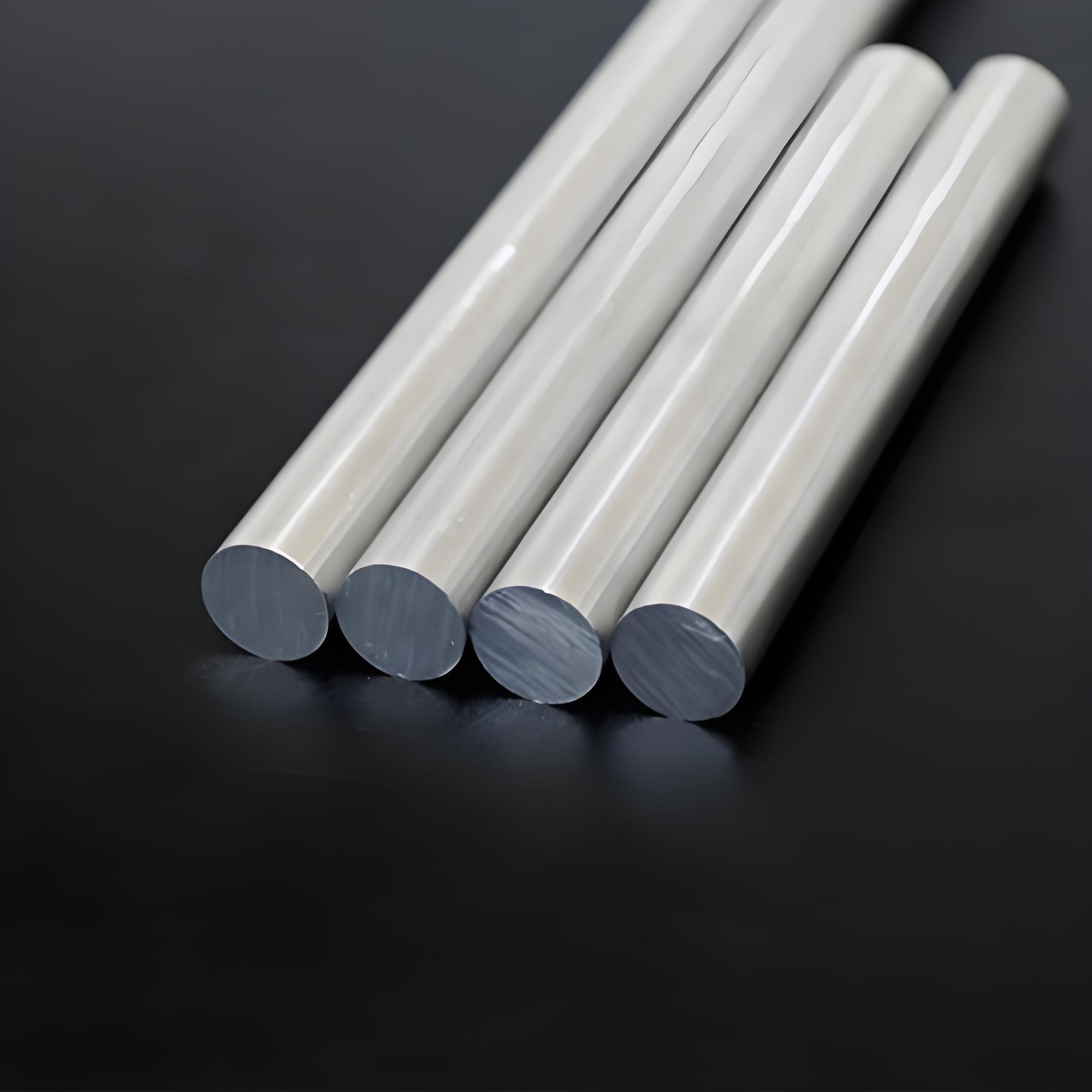
Nickel 200 square bar price depends on square size, length, straightness, surface, and production route. Square bar can reduce machining waste when the final component has a square or rectangular design. However, if the size is not commonly stocked, production cost and lead time may be higher.
| Product Form | Reference Price Range | Main Cost Factors |
|---|---|---|
| Nickel 200 Flat Bar | USD 30 – 55 / kg | Width, thickness, flatness, surface, cutting |
| Nickel 200 Square Bar | USD 32 – 58 / kg | Square size, tolerance, stock availability, processing |
| Nickel 200 Hex Bar | USD 35 – 62 / kg | Across-flat size, small-batch production, machining demand |
Size has a strong influence on Nickel 200 bar supplier price. Buyers should provide clear size information before asking for a quotation. A vague inquiry such as “Nickel 200 bar price” is not enough for accurate pricing. A complete inquiry should include diameter or section size, length, quantity, tolerance, and surface condition.
Common diameters are usually easier to quote. Special diameters may require new production or additional machining. Very small bars may require cold drawing, while very large bars may require forging. Both can increase price compared with standard hot rolled stock sizes.
Full-length bars may have a lower processing cost, but they can increase shipping cost. Cut-to-size pieces may increase cutting cost, but they can reduce waste and make machining easier for buyers. If the buyer needs short pieces, cutting tolerance and end allowance should be confirmed.
Standard tolerance is usually more economical. Tight tolerance requires peeling, grinding, or cold drawing. For precision shafts, electrical rods, or sliding parts, tighter tolerance may be necessary. For rough machining blanks, standard tolerance may be enough.
| Requirement | Lower Cost Option | Higher Cost Option |
|---|---|---|
| Diameter | Common stock diameter | Special diameter or large forged size |
| Length | Standard full length | Many short cut pieces with tight tolerance |
| Tolerance | Standard mill tolerance | Precision ground or tight tolerance bar |
| Surface | Hot rolled or black surface | Peeled, polished, or centerless ground surface |
| Quantity | Larger regular order | Small trial quantity or urgent sample order |
The production route affects Nickel 200 bar price because each process has different cost, tolerance, surface quality, mechanical properties, and lead time. Buyers should choose the production route according to final use instead of only choosing the lowest price.
Hot rolled Nickel 200 bar is usually more economical and suitable for general machining or fabrication. It may have a black or rougher surface, so machining allowance may be needed. If the buyer will machine the bar heavily, hot rolled material may be cost-effective.
Cold drawn Nickel 200 bar usually costs more than hot rolled bar because it requires additional processing. It offers better dimensional accuracy, smoother surface, and higher strength due to cold work. It is often used for small rods, fasteners, pins, and precision components.
Forged Nickel 200 bar is commonly used for large diameters or heavy-duty components. Forging cost is higher, especially for large section bars requiring heat treatment, straightening, ultrasonic testing, or custom dimensions. However, forged bars can be necessary when large size and internal quality are important.
| Production Type | Price Level | Main Advantage | Common Use |
|---|---|---|---|
| Hot Rolled Bar | Lower to medium | Good cost efficiency and availability | General machining, fittings, rods, industrial parts |
| Cold Drawn Bar | Medium to high | Better tolerance and surface quality | Fasteners, pins, precision rods, electrical parts |
| Forged Bar | Medium to high | Suitable for large size and heavy components | Large shafts, blocks, heavy machined parts |
| Centerless Ground Bar | High | Tight tolerance and smooth surface | Precision shafts, rods, close-tolerance parts |
Surface condition is an important but often ignored factor in Nickel 200 bar price. The same grade and diameter can have different prices if the surface condition changes from hot rolled to peeled, polished, or ground. Better surface quality normally means more processing cost, but it may reduce machining time for the buyer.
Black surface Nickel 200 bar is usually suitable for general machining. It is more economical, but the surface may need turning, grinding, or cleaning before final use. This option is common when the final part will be fully machined.
Peeled Nickel 200 bar has a cleaner surface and better dimensional control than hot rolled material. It reduces outer surface defects and can lower machining allowance. It is often selected for shafts, rods, and machined components.
Polished or ground Nickel 200 bar has better appearance, tighter tolerance, and smoother surface. It is suitable for precision parts, electrical components, sliding parts, and applications where final surface quality matters. This surface condition has a higher price because of additional processing and inspection.
| Surface Condition | Price Impact | Best Use |
|---|---|---|
| Hot Rolled / Black | Lower | General machining blanks |
| Peeled | Medium | Shafts, rods, machined parts |
| Polished | Medium to high | Visible parts, cleaner surface applications |
| Centerless Ground | High | Precision rods, shafts, electrical components |
MOQ, stock availability, and lead time can strongly affect Nickel 200 bar supplier price. A buyer ordering one small piece may pay a higher price per kg than a buyer ordering full bars or larger quantity. This does not always mean the supplier is expensive; it often means the handling, cutting, testing, and packing cost is spread over a small weight.
MOQ means minimum order quantity. Some suppliers can sell small cut pieces from stock, while others may require full bar quantity or production MOQ. Small quantity orders usually have higher unit price because cutting, document preparation, packing, and administration costs are almost the same as larger orders.
If Nickel 200 bar is available from stock, the supplier can usually quote faster and deliver faster. If the required size is not available, new production may be needed, which can increase lead time and cost. Stock material may also have different price levels depending on when it was purchased.
Urgent delivery can increase cost, especially if the supplier needs to arrange quick cutting, faster inspection, special packing, or air freight. Normal lead time is usually more economical. Buyers should mention whether the order is urgent or planned for future production.
| Factor | Lower Price Situation | Higher Price Situation |
|---|---|---|
| MOQ | Larger quantity or full bar order | Small cut piece or sample order |
| Stock | Common size available from stock | Special size requiring new production |
| Lead Time | Normal delivery schedule | Urgent delivery or priority processing |
| Cutting | Full length bar | Many short pieces with tight cutting tolerance |
| Inspection | Standard MTC | Extra testing or third-party inspection |
Nickel 200 bar supplier price and manufacturer price may be different because their roles are not exactly the same. A manufacturer focuses on producing material, while a supplier may provide stock, cutting service, mixed sizes, documentation, export packing, and faster delivery. For buyers, the lowest factory price is not always the best total purchasing cost.
A Nickel 200 bar supplier is useful when buyers need ready stock, small quantity, cut-to-size pieces, mixed bar forms, quick quotation, MTC support, and export service. A supplier may have multiple sizes available and can help buyers avoid long production lead time.
A manufacturer may offer better pricing for large quantity, standard production sizes, or repeat orders. If the required Nickel 200 bar size is not available from stock, direct production may be necessary. However, manufacturing lead time may be longer, especially for special size, forged bar, or tight tolerance products.
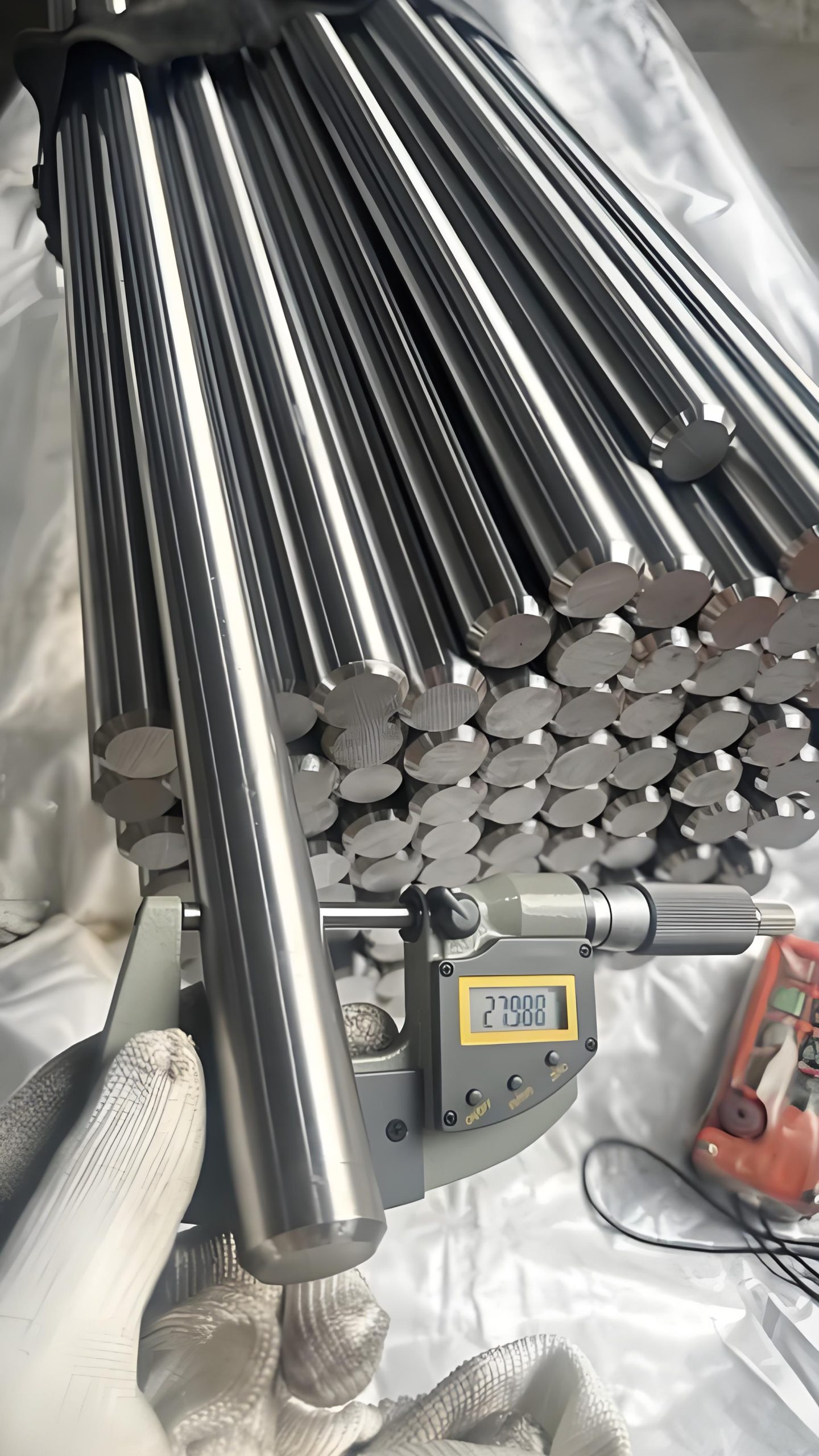
If the order is urgent or the quantity is small, a stock supplier may be more practical. If the order is large and planned in advance, manufacturer production may be more economical. For export buyers, a supplier with stock and manufacturer coordination can often provide a better balance between price, lead time, and service.
| Comparison Item | Stock Supplier | Manufacturer |
|---|---|---|
| Main Advantage | Fast supply, cutting service, mixed sizes, documents | Production control and large-order pricing |
| Best For | Urgent orders, small batches, cut pieces | Large quantity, special production, repeat projects |
| Price Level | May be higher per kg for small orders | May be lower for large production orders |
| Lead Time | Shorter if stock is available | Longer if new production is required |
| Service | Cutting, packing, MTC, export support | Mill production and technical production documents |
Shanghai NC Metal Materials Co., Ltd. can supply Nickel 200 bar according to industrial purchasing requirements, including grade confirmation, stock size support, cutting service, material certificate review, and practical quotation based on size, quantity, and delivery condition.
Nickel 200 and Nickel 201 are both commercially pure nickel bars. Their prices are often close, but Nickel 201 may sometimes be slightly more expensive because it requires stricter low-carbon control. The final price difference depends on stock availability, production condition, quantity, and market demand.
The key technical difference is carbon content. Nickel 201 is the low-carbon version of Nickel 200 and is commonly selected for service above about 315°C. Because carbon control is stricter, Nickel 201 may have a higher price in some cases. However, if Nickel 201 is available from stock and Nickel 200 requires production, Nickel 201 could sometimes be quoted more competitively.
| Item | Nickel 200 Bar | Nickel 201 Bar |
|---|---|---|
| UNS Number | UNS N02200 | UNS N02201 |
| Main Feature | Commercially pure nickel | Low-carbon commercially pure nickel |
| Price Level | Usually similar or slightly lower | Usually similar or slightly higher |
| Best Use | General pure nickel bar applications | Higher-temperature service requiring low carbon |
| Selection Advice | Choose when specification allows Nickel 200 | Choose when low carbon or high-temperature service is required |
If the project specification requires Nickel 201, Nickel 200 should not be used only because it is cheaper. For high-temperature applications, the lower carbon content of Nickel 201 is important. If the application is at normal temperature and the specification allows Nickel 200, then Nickel 200 may be the more cost-effective choice.
To get an accurate Nickel 200 bar quotation, buyers should provide complete technical and commercial information. The more complete the inquiry, the faster and more accurate the supplier quotation will be. If the inquiry only says “Nickel 200 bar price,” the supplier must ask many follow-up questions before quoting.
| Inquiry Detail | Example | Why It Matters |
|---|---|---|
| Grade | Nickel 200 / UNS N02200 | Confirms correct material |
| Standard | ASTM B160, ASME SB160, or customer specification | Defines composition, properties, and testing |
| Bar Form | Round bar, flat bar, square bar, hex bar | Affects production and stock availability |
| Size | Diameter, width, thickness, across-flat size | Main factor for stock checking and weight calculation |
| Length | Full length, fixed length, or cut pieces | Affects cutting cost and packing |
| Quantity | Kg, pieces, meters, or total bars | Affects unit price and MOQ |
| Surface Condition | Hot rolled, peeled, polished, ground | Affects processing cost and machining allowance |
| Tolerance | Standard or tight tolerance | Affects finishing process and inspection |
| Certificate | MTC, PMI, third-party inspection | Affects acceptance and cost |
| Delivery Requirement | Destination, shipping method, urgent or normal | Affects freight and lead time |
A clear inquiry can be written like this: Nickel 200 round bar, UNS N02200, ASTM B160, diameter 25 mm, length 3000 mm, quantity 200 kg, peeled surface, standard tolerance, with MTC, delivery to buyer’s warehouse or export port. This type of inquiry helps the supplier check price, stock, cutting, packing, and delivery time much faster.
After receiving a quotation, buyers should check whether the price includes material certificate, cutting, packing, surface condition, tolerance, and freight. They should also confirm quotation validity because nickel market prices can change quickly. For large orders, buyers may ask whether the price is based on current stock or new production.
How much is Nickel 200 bar per kg?
Nickel 200 bar price per kg commonly depends on nickel market price, bar size, production method, surface condition, tolerance, quantity, and testing requirements. As a practical reference, common Nickel 200 bar may range from about USD 26 to 55 per kg, while precision ground or special forged bars may cost more. The final price should be confirmed by supplier quotation based on actual size, quantity, standard, and delivery condition.
Why is Nickel 200 bar expensive?
Nickel 200 bar is expensive because it contains very high nickel content, usually 99.0% minimum nickel plus cobalt. Nickel is a costly raw material, and finished Nickel 200 bar also requires controlled production, heat treatment, bar processing, inspection, certification, cutting, and packing. Precision tolerance, small quantity, urgent delivery, and extra testing can further increase the price.
Is Nickel 200 cheaper than Nickel 201?
Nickel 200 is often similar in price to Nickel 201 and may sometimes be slightly cheaper because Nickel 201 requires lower carbon control. However, the actual price depends on stock availability, size, quantity, and production condition. Buyers should not replace Nickel 201 with Nickel 200 only to reduce cost if the application requires low-carbon pure nickel for elevated-temperature service.
More from this category
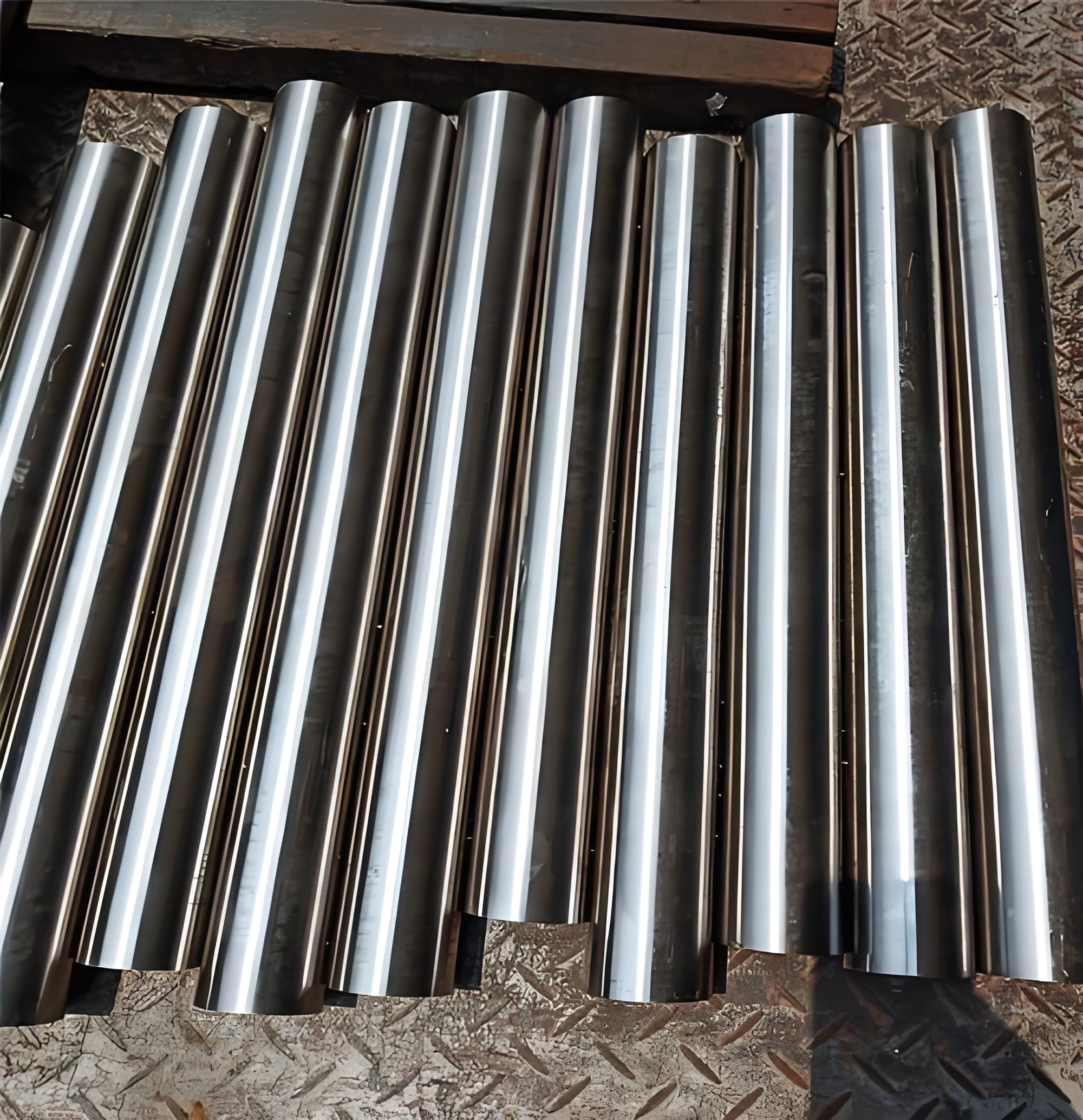
Incoloy 825 bar price depends on the nickel-based alloy composition, bar dimensions, manufacturing route, heat-treatment condition, surface finish, in...
Incoloy 800HT bar price is shaped by nickel, chromium, titanium, and aluminum raw-material costs, together with bar dimensions, heat-treatment conditi...
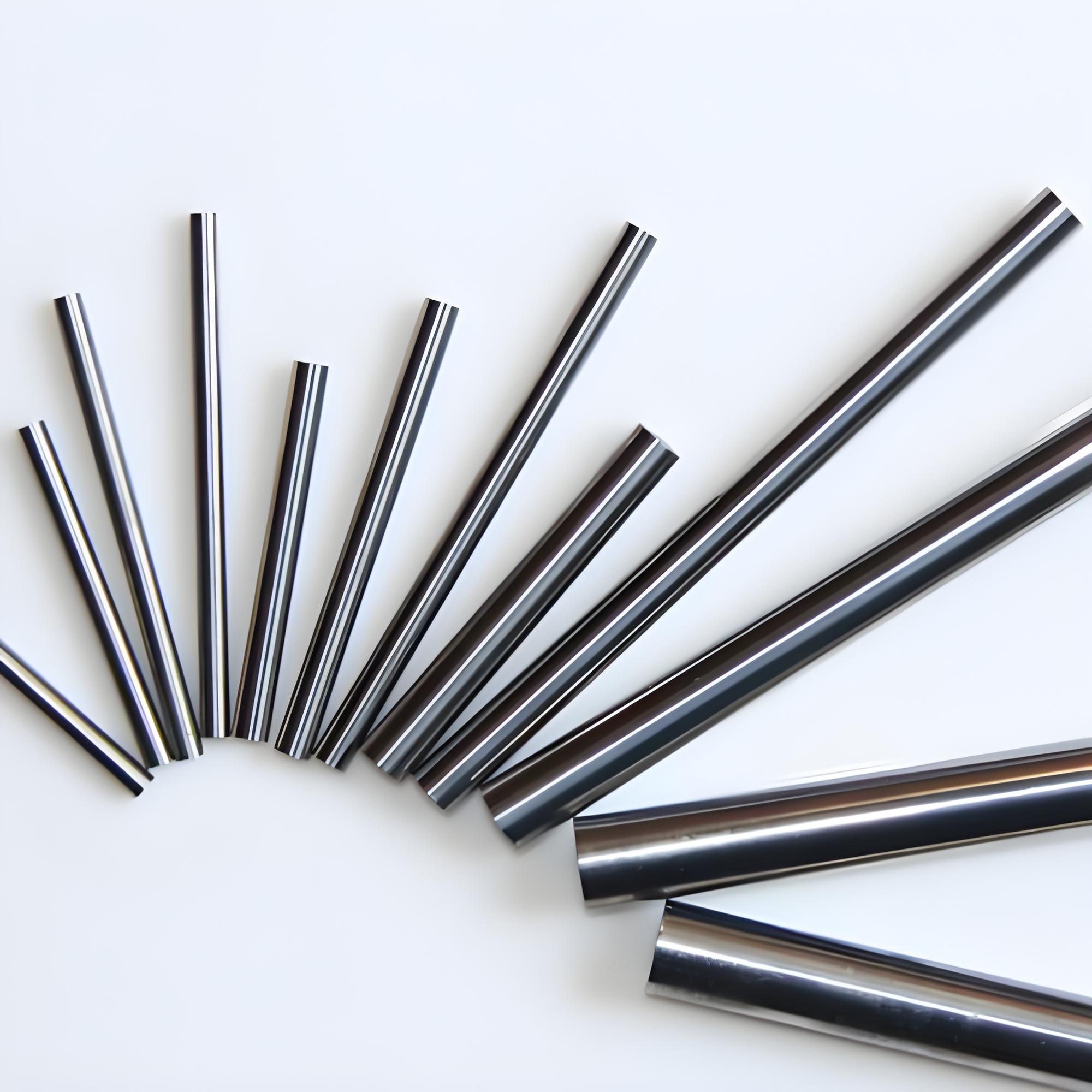
Incoloy 20 round bar price per kg depends on the alloy composition, bar size, manufacturing method, surface finish, tolerance, certificates, inspectio...
Hastelloy G-30 N06030 bar factory price is determined by the alloy’s high nickel, chromium, iron, molybdenum, copper, and tungsten content, together...
 English English
  Korean
 Arabic
 Spanish
 German
 Portuguese
 French
 Russian
 Italian
 Vietnamese