
Incoloy 825 Bar Price | UNS N08825 Supplier
Incoloy 825 bar price depends on the nickel-based alloy composition, bar dimensions, manufacturing route, heat-treatment condition, surface finish, in...
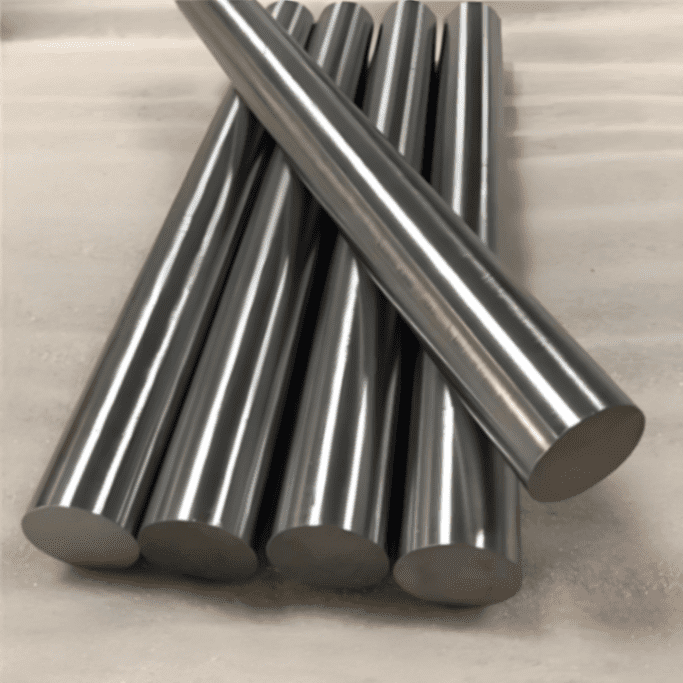
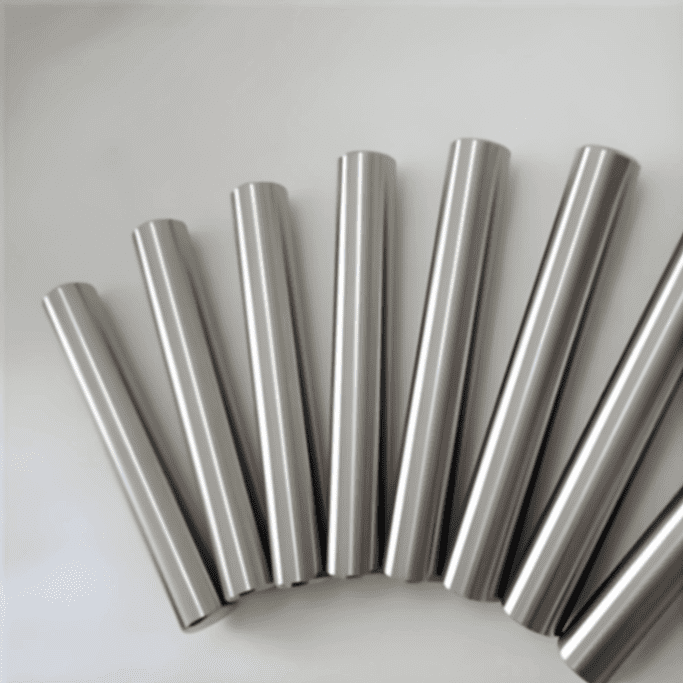
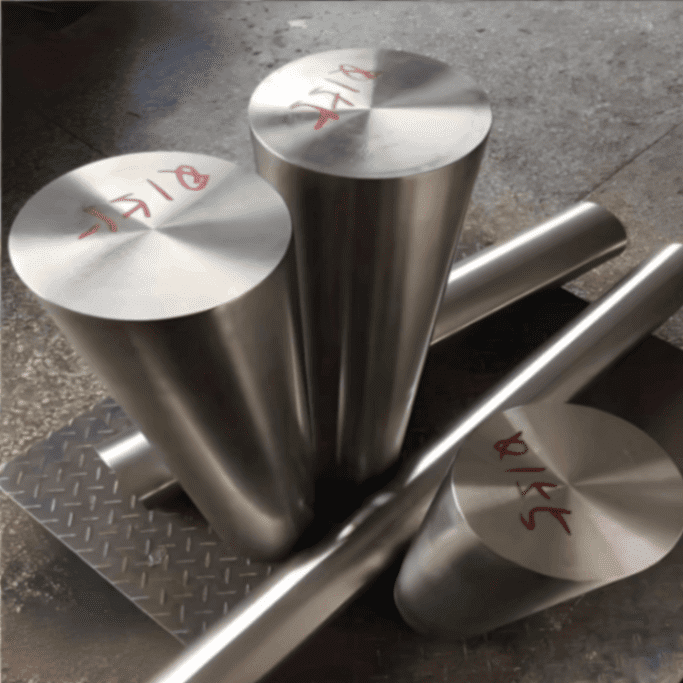
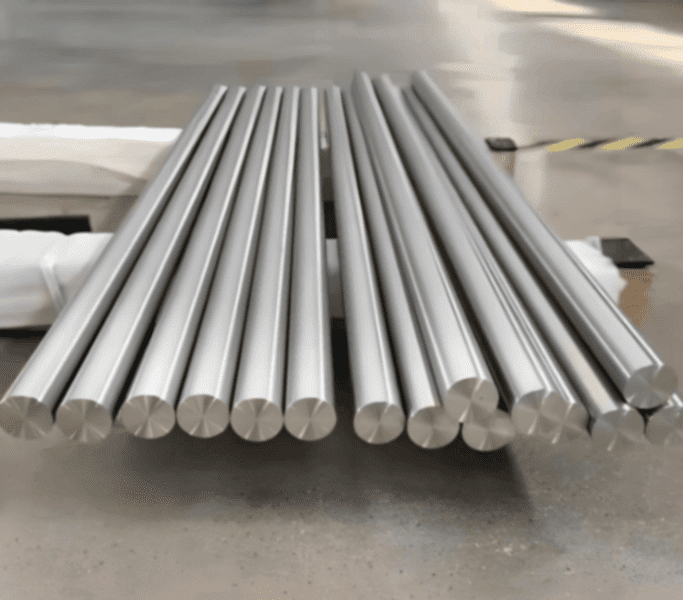
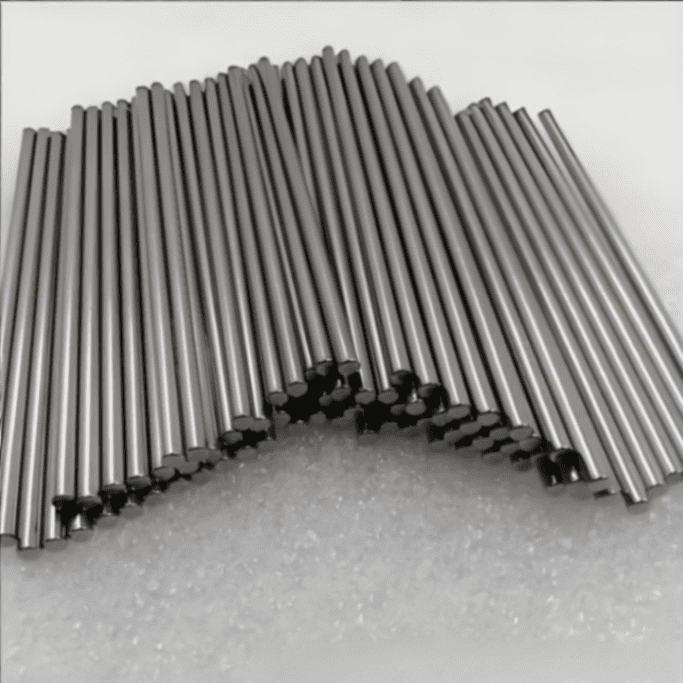
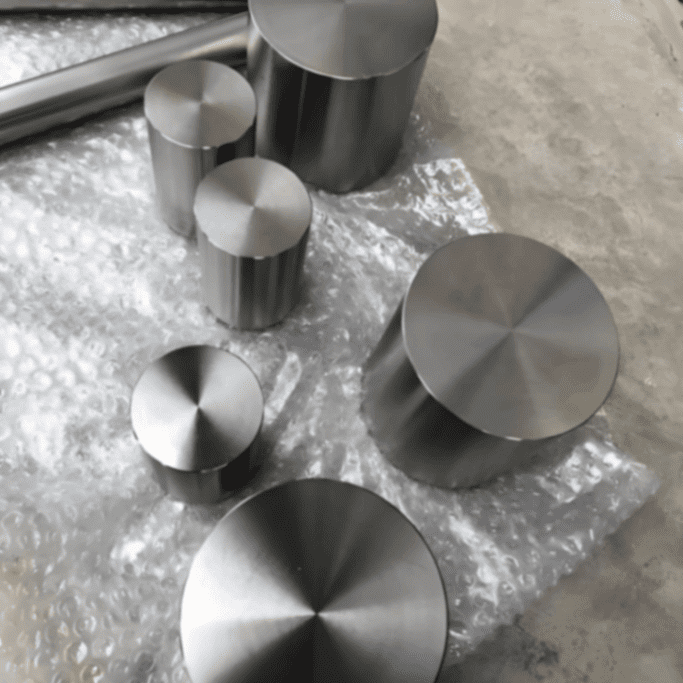
Nickel 200 and Nickel 201 bars are both commercially pure nickel bars with excellent corrosion resistance, good ductility, high thermal conductivity, and good electrical conductivity. The main difference between Nickel 200 and Nickel 201 bars is carbon content. Nickel 200, also known as UNS N02200, has a higher maximum carbon content, while Nickel 201, also known as UNS N02201, is the low-carbon version of Nickel 200. Because of this lower carbon content, Nickel 201 is usually preferred for applications above about 315°C where graphitization and carbon-related embrittlement may become a concern. For buyers, engineers, and machining factories, understanding the difference between Nickel 200 and 201 bars helps select the right material for chemical processing, caustic alkali equipment, electrical components, battery parts, food processing equipment, high-temperature service, and corrosion-resistant machined parts.
Nickel 200 and Nickel 201 bars belong to the commercially pure nickel family. They are not stainless steels, not Monel alloys, and not Inconel alloys. Their main alloying base is nickel, with nickel plus cobalt usually specified at a minimum of 99.0%. This very high nickel content gives both grades strong corrosion resistance in many reducing and alkaline environments, especially caustic alkali service.
Nickel 200 bar is commonly used for normal-temperature and moderate-temperature applications where pure nickel corrosion resistance, conductivity, and ductility are required. Nickel 201 bar is selected when similar performance is needed but the working temperature is higher, especially when low carbon content is required by the project specification.
| Item | Nickel 200 Bar | Nickel 201 Bar |
|---|---|---|
| Common Name | Nickel 200 / Alloy 200 | Nickel 201 / Alloy 201 |
| UNS Designation | UNS N02200 | UNS N02201 |
| Material Type | Commercially pure nickel | Low-carbon commercially pure nickel |
| Main Difference | Higher permitted carbon content | Lower carbon content |
| Best Use Direction | General pure nickel bar applications | Elevated-temperature pure nickel applications |
| Common Bar Forms | Round bar, flat bar, square bar, hex bar, forged bar | Round bar, flat bar, square bar, hex bar, forged bar |
The main difference between Nickel 200 and Nickel 201 bars is the carbon limit. Nickel 200 allows a higher carbon content, while Nickel 201 has a much lower carbon limit. This lower carbon level makes Nickel 201 more suitable for elevated-temperature service.
For many room-temperature applications, Nickel 200 and Nickel 201 may show similar corrosion resistance and similar general performance. However, when the bar is exposed to temperatures above about 315°C for extended periods, Nickel 201 is usually preferred because its lower carbon content reduces the risk of graphitization and related embrittlement.
| Application Condition | Recommended Grade | Reason |
|---|---|---|
| Normal-temperature chemical parts | Nickel 200 or Nickel 201 | Both grades may be suitable depending on specification |
| Electrical conductive parts | Nickel 200 or Nickel 201 | Both have high nickel content and good conductivity |
| Service above about 315°C | Nickel 201 | Lower carbon helps reduce graphitization risk |
| High-temperature caustic alkali service | Nickel 201 | Low-carbon pure nickel is usually safer |
| General pure nickel bar stock | Nickel 200 | Often suitable when high-temperature carbon control is not required |
UNS N02200 refers to Nickel 200, while UNS N02201 refers to Nickel 201. These UNS designations are important in international procurement because different suppliers, drawings, standards, and customers may use different names for the same material family.
When purchasing nickel bars, buyers should not rely only on the words “pure nickel bar.” The quotation, material test certificate, product label, and purchase order should clearly state whether the required material is UNS N02200 or UNS N02201. This is especially important when the final application involves elevated temperature.
| Designation | Grade Name | Meaning for Buyers |
|---|---|---|
| UNS N02200 | Nickel 200 | Commercially pure nickel bar for general applications |
| UNS N02201 | Nickel 201 | Low-carbon commercially pure nickel bar for higher-temperature service |
For industrial projects, the MTC should show the correct UNS number, heat number, chemical composition, mechanical properties, standard, and delivery condition. If a drawing requires UNS N02201, supplying UNS N02200 without approval may cause rejection because the carbon limit is different.
The chemical composition of Nickel 200 and Nickel 201 bars is very similar because both are commercially pure nickel materials. The most important difference is carbon content. Other elements such as copper, iron, manganese, silicon, and sulfur are controlled within limited ranges to maintain material quality, corrosion resistance, and processing performance.
| Element | Nickel 200 Bar | Nickel 201 Bar | Practical Meaning |
|---|---|---|---|
| Nickel + Cobalt | 99.0% min | 99.0% min | Main base element for corrosion resistance and conductivity |
| Carbon | 0.15% max | 0.02% max | The key difference between the two grades |
| Copper | 0.25% max | 0.25% max | Controlled residual element |
| Iron | 0.40% max | 0.40% max | Controlled residual element |
| Manganese | 0.35% max | 0.35% max | Controlled for metallurgical quality |
| Silicon | 0.35% max | 0.35% max | Controlled residual and deoxidation-related element |
| Sulfur | 0.01% max | 0.01% max | Kept low for processing and quality control |
Nickel 201 was developed as a low-carbon version of Nickel 200. That means most chemical elements remain close, but carbon is strictly reduced. This small-looking change can make a large difference in elevated-temperature service, which is why Nickel 201 is not simply a marketing name but a useful grade for specific working conditions.
Carbon content is the most important technical difference between Nickel 200 and Nickel 201 bars. Nickel 200 has a higher maximum carbon limit, while Nickel 201 has a very low carbon limit. For many room-temperature applications, this difference may not affect daily use. But for high-temperature service, carbon content becomes a serious selection factor.
Nickel 200 is widely used for general commercially pure nickel applications. Its carbon limit is acceptable for many chemical, electrical, food processing, and industrial uses at normal or moderate temperature. It offers excellent corrosion resistance in caustic alkalis, good ductility, and useful mechanical strength.
Nickel 201 is designed for applications where low carbon content is important. The lower carbon limit reduces the risk of graphitization and carbon-related embrittlement during prolonged exposure to elevated temperatures. This makes Nickel 201 the preferred grade for pure nickel applications above about 315°C.
When buying Nickel 200 or Nickel 201 bars, the carbon value on the MTC should be checked carefully. A bar may look like pure nickel, but only the certificate and chemical analysis can confirm whether it meets UNS N02200 or UNS N02201. For high-temperature projects, carbon control is not optional.
High-temperature performance is where Nickel 200 and Nickel 201 bars differ most clearly. Nickel 200 is generally suitable for normal and moderate-temperature applications. Nickel 201 is usually preferred for elevated-temperature applications because of its lower carbon content.
Nickel 200 may be used in many applications, but prolonged exposure above about 315°C can create carbon-related concerns. In these conditions, graphitization may reduce ductility and affect long-term performance. Therefore, Nickel 200 is not usually the first choice when the working temperature is clearly above this range.
Nickel 201 was developed for better performance at elevated temperatures. Its low carbon content improves resistance to graphitization and reduces the possibility of embrittlement. This makes it suitable for caustic evaporators, high-temperature alkali handling equipment, furnace parts, thermal processing components, and chemical systems requiring low-carbon pure nickel.
| Temperature Condition | Nickel 200 Bar | Nickel 201 Bar |
|---|---|---|
| Room temperature | Suitable | Suitable |
| Moderate temperature | Usually suitable depending on service condition | Suitable |
| Above about 315°C | Needs caution | Preferred |
| High-temperature alkali service | Usually not preferred if prolonged exposure exists | Usually preferred |
| High-temperature oxidizing atmosphere | Not the strongest choice | Better carbon control, but still not a nickel-chromium oxidation alloy |
Graphitization resistance is one of the key reasons engineers choose Nickel 201 bars instead of Nickel 200 bars for elevated-temperature use. Graphitization is related to carbon behavior in commercially pure nickel during high-temperature exposure. If carbon content is higher, the material may become more vulnerable to changes that reduce ductility and toughness over time.
In industrial equipment, a bar may be machined into fasteners, rods, supports, shafts, fixtures, or chemical processing parts. If these parts operate at elevated temperature, material embrittlement can become a serious problem. A component may not fail immediately, but long-term exposure can reduce safety margin and reliability.
Nickel 201 helps reduce this risk through low carbon content. This is why Nickel 201 is widely specified for applications above about 315°C. It is not because Nickel 201 has completely different corrosion resistance from Nickel 200, but because its carbon control gives it better reliability in carbon-sensitive high-temperature conditions.
If a buyer is purchasing nickel bars for elevated-temperature use, the purchase order should clearly state Nickel 201 / UNS N02201. The MTC should show the actual carbon value. If the project drawing requires Nickel 201, using Nickel 200 as a substitute should only happen after written engineering approval.
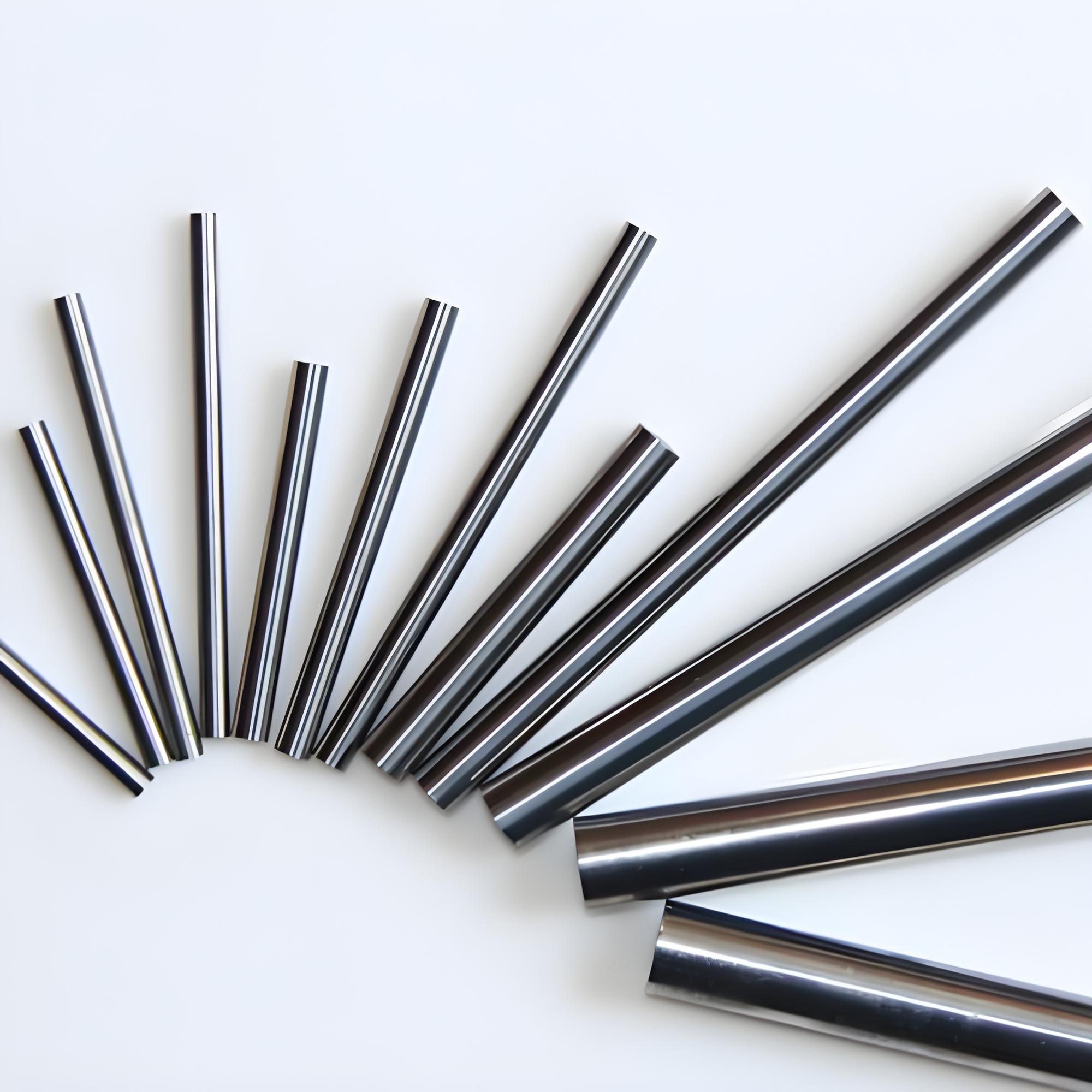
Nickel 200 and Nickel 201 bars have similar general mechanical behavior because both are commercially pure nickel materials. Their actual mechanical properties depend on product form, diameter, production method, annealing condition, cold work level, and standard requirement.
Both Nickel 200 and Nickel 201 bars have good ductility, good toughness, and good formability. They are not high-strength nickel alloys like Monel K500 or Inconel 718. Their value is in corrosion resistance, purity, conductivity, and processability rather than maximum strength.
Cold drawn Nickel 200 or Nickel 201 bars usually have higher strength and better dimensional accuracy than annealed bars. Annealed bars usually provide better ductility and easier fabrication. For precision pins, rods, and electrical parts, cold drawn or ground bars may be useful. For forming, welding, or fabrication, annealed material may be more suitable.
| Property | Nickel 200 Bar | Nickel 201 Bar | Selection Note |
|---|---|---|---|
| Tensile Strength | Good, depends on condition | Good, depends on condition | Cold work increases strength |
| Yield Strength | Moderate | Moderate | Varies by delivery condition |
| Elongation | Good ductility | Good ductility | Annealed condition improves ductility |
| Hardness | Low to moderate | Low to moderate | Important for machining and wear consideration |
| High-Temperature Stability | Limited by higher carbon content | Better due to low carbon | Nickel 201 is preferred for elevated temperature |
Nickel 200 and Nickel 201 bars have very similar corrosion resistance in many environments because their main nickel content is essentially the same. Both grades perform well in caustic alkalis, neutral salts, dry fluorine, and many reducing environments. The major selection difference is usually not corrosion resistance at room temperature, but carbon control at elevated temperature.
Both Nickel 200 and Nickel 201 bars are widely used in caustic alkali service. Pure nickel materials have excellent resistance to caustic soda and related alkaline environments. For high-temperature caustic alkali service, Nickel 201 is commonly preferred because of its low carbon content.
Nickel 200 and Nickel 201 bars can perform well in many reducing and neutral chemical environments. They are used for chemical processing components, alkali equipment, food processing parts, electrical components, and industrial corrosion-resistant hardware.
Neither Nickel 200 nor Nickel 201 is designed as a high-chromium oxidation-resistant alloy. They do not perform like Inconel 600, Inconel 625, or stainless steel in some oxidizing environments. For strong oxidizing acids, severe chloride pitting conditions, or high-temperature oxidation, another alloy may be more suitable.
| Environment | Nickel 200 Bar | Nickel 201 Bar | Practical Choice |
|---|---|---|---|
| Caustic alkali at normal temperature | Excellent | Excellent | Either grade may be suitable |
| High-temperature caustic alkali | Needs caution | Preferred | Nickel 201 is usually safer |
| Neutral salts | Good | Good | Check impurities and temperature |
| Reducing media | Good | Good | Both can be used depending on condition |
| Strong oxidizing acids | Limited | Limited | Consider another alloy |
Nickel 200 and Nickel 201 bars can be fabricated, welded, and machined using suitable procedures. Their processing behavior is generally similar, but final performance depends on material condition, carbon content, surface quality, tool selection, heat input, and cleanliness.
Both grades have good ductility and can be formed or fabricated. Annealed bars are easier to form than cold drawn bars. For bending, flattening, or shaping operations, buyers should choose the delivery condition carefully. Cold worked bars may provide higher strength but lower ductility compared with annealed material.
Both Nickel 200 and Nickel 201 can be welded using proper nickel welding procedures. Cleanliness is very important. Oil, sulfur, lead, zinc, paint, or other contaminants can cause weld defects. Nickel 201 may be preferred when welded components will operate at elevated temperature because of its low carbon content.
Nickel 200 and Nickel 201 are machinable, but they are not as easy to machine as free-cutting steels. They can be ductile and may work harden if tools are not sharp or if cutting parameters are incorrect. Rigid setup, sharp tools, proper coolant, and stable feed are important for good machining results.
| Processing Item | Nickel 200 Bar | Nickel 201 Bar | Practical Note |
|---|---|---|---|
| Forming | Good | Good | Annealed condition improves formability |
| Welding | Good with proper procedure | Good with proper procedure | Surface cleaning is important |
| Machining | Moderate | Moderate | Sharp tools and stable feed help avoid work hardening |
| Cold Working | Can increase strength | Can increase strength | May reduce ductility and affect residual stress |
| High-Temperature Fabricated Parts | Use with caution | Preferred | Low carbon is the main advantage |
Nickel 200 bar is commonly used when a commercially pure nickel bar is required for corrosion resistance, conductivity, ductility, and general industrial performance. It is especially useful for normal-temperature and moderate-temperature applications where the low-carbon requirement of Nickel 201 is not necessary.
Nickel 200 bars are used for chemical processing rods, fasteners, fittings, valve components, spacers, supports, and machined parts. The alloy performs well in many reducing and alkaline environments.
Because Nickel 200 has good electrical conductivity compared with many nickel alloys, it is used for electrical contacts, terminals, conductive rods, battery components, connectors, and related industrial parts.
Nickel 200 may be used in selected food processing and industrial systems where corrosion resistance, cleanliness, and pure nickel characteristics are required. Surface condition and cleaning should be controlled according to the final use.
| Nickel 200 Bar Application | Reason for Use |
|---|---|
| Chemical processing parts | Good corrosion resistance in many reducing and alkaline environments |
| Electrical contacts and rods | Good electrical conductivity and pure nickel performance |
| Battery components | High nickel purity and conductivity |
| Fasteners and fittings | Corrosion resistance and good machinability with proper tooling |
| Food processing equipment | Useful in selected clean and corrosion-resistant applications |
Nickel 201 bar is used in applications similar to Nickel 200, but it is preferred when elevated temperature or low carbon content is required. Its strongest selection reason is better resistance to graphitization and carbon-related embrittlement at higher temperatures.
Nickel 201 bar is commonly selected for caustic alkali systems operating at elevated temperature. It may be used for evaporator parts, heater components, rods, fixtures, supports, and other parts exposed to hot alkali environments.
Nickel 201 may be used for selected furnace fixtures, thermal processing components, and high-temperature pure nickel parts. It is not the same as a nickel-chromium heat-resistant alloy, but its low carbon content makes it more suitable than Nickel 200 for pure nickel service at elevated temperature.
Some chemical processing specifications require Nickel 201 because the equipment operates at elevated temperature or because the project requires low-carbon pure nickel. In these cases, Nickel 201 should be supplied according to UNS N02201 requirements.
| Nickel 201 Bar Application | Reason for Use |
|---|---|
| High-temperature caustic alkali parts | Low carbon reduces graphitization risk |
| Caustic evaporator components | Pure nickel corrosion resistance with better high-temperature stability |
| Thermal processing parts | More suitable than Nickel 200 for elevated-temperature pure nickel service |
| Low-carbon nickel specified components | Meets UNS N02201 project requirements |
| Welded parts used at higher temperature | Lower carbon is useful for long-term reliability |
The price difference between Nickel 200 and Nickel 201 bars is usually not as large as the difference between pure nickel and high-alloy nickel materials such as Inconel 625 or Hastelloy C-276. Nickel 200 and Nickel 201 both contain very high nickel content, so their prices are mainly affected by nickel raw material cost.
Nickel 201 may sometimes be slightly more expensive because of its stricter low-carbon control. Production, certification, and stock availability can also influence the price. If Nickel 201 is less commonly stocked in a certain size, the supplier may need new production or additional processing, which can increase the quotation.
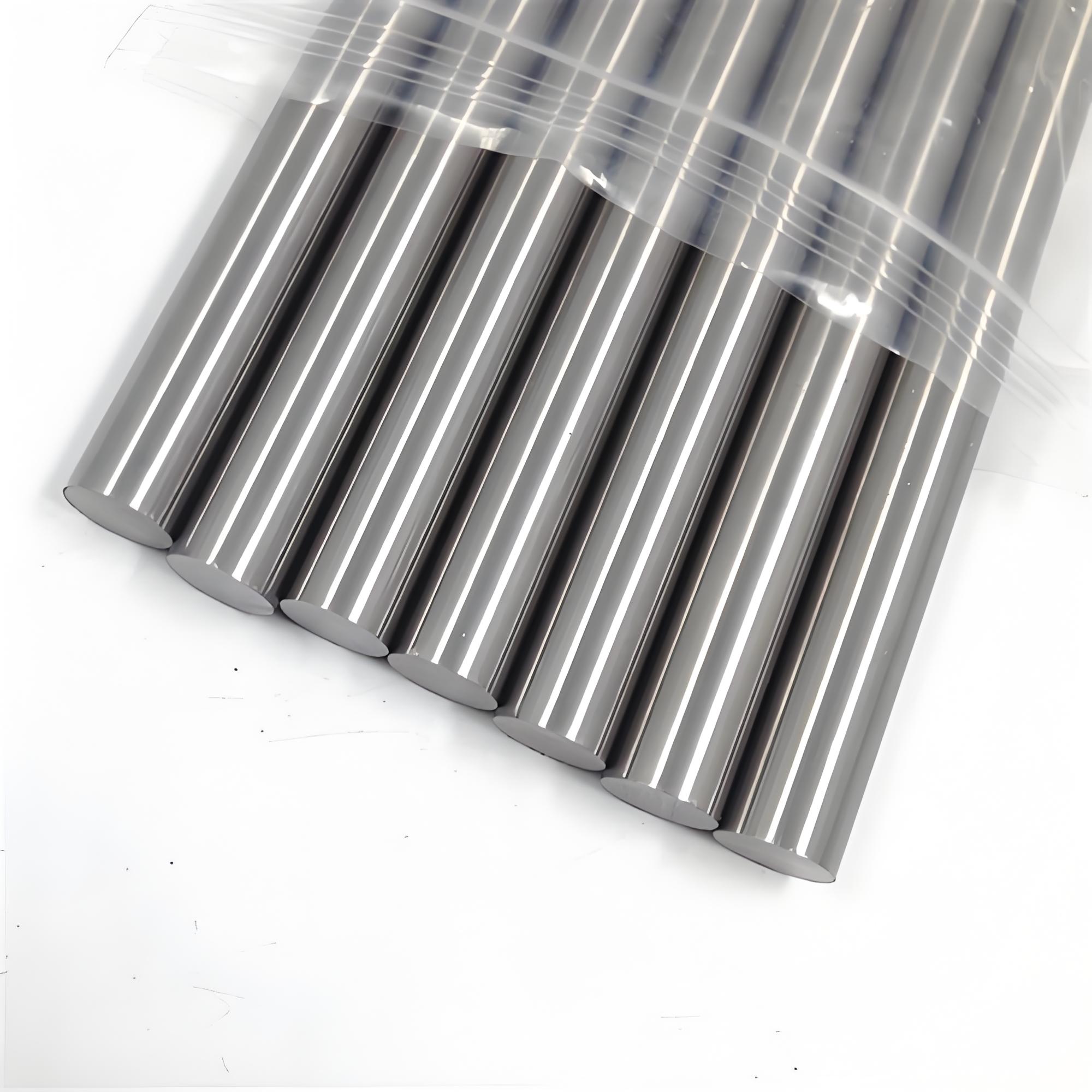
Although Nickel 200 is often considered the general grade, it is not always cheaper in every quotation. If Nickel 201 is available from stock and Nickel 200 requires new production, Nickel 201 may be more competitive. Price depends on real inventory, diameter, order quantity, surface condition, tolerance, and lead time.
| Price Factor | Impact on Nickel 200 | Impact on Nickel 201 |
|---|---|---|
| Nickel Market Price | Strong impact | Strong impact |
| Carbon Control | Normal commercially pure nickel requirement | Stricter low-carbon requirement may add cost |
| Stock Availability | Common sizes may be easier to source | Some sizes may need production depending on supplier stock |
| Surface Condition | Peeled, polished, or ground surfaces increase cost | Peeled, polished, or ground surfaces increase cost |
| Testing and Certification | MTC, PMI, mechanical tests may affect price | MTC, PMI, mechanical tests may affect price |
For purchasing, the right grade should be selected first, and price should be compared after confirming the correct specification. If the application requires Nickel 201, using Nickel 200 only to reduce cost may create high-temperature service risk.
Choosing between Nickel 200 and Nickel 201 bars should start from working temperature, project specification, corrosion environment, fabrication process, and final component function. The two grades are close, but they are not always interchangeable.
Nickel 200 bar is usually suitable when the application is at room temperature or moderate temperature, the specification allows UNS N02200, and the main requirements are corrosion resistance, ductility, electrical conductivity, thermal conductivity, and general pure nickel performance. It is commonly used for chemical parts, electrical components, battery parts, fasteners, fittings, rods, and general industrial machined components.
Nickel 201 bar should be chosen when the application involves service above about 315°C, high-temperature caustic alkali, low-carbon pure nickel requirements, or project drawings specifying UNS N02201. It is also a safer choice for welded or fabricated parts that will operate at elevated temperature for long periods.
| Selection Question | Recommended Action |
|---|---|
| Is the service temperature above about 315°C? | Choose Nickel 201 or confirm with engineering team |
| Does the drawing specify UNS N02201? | Supply Nickel 201, not Nickel 200 |
| Is the application normal-temperature pure nickel service? | Nickel 200 may be suitable if the specification allows |
| Is caustic alkali involved at elevated temperature? | Nickel 201 is usually preferred |
| Will the bar be machined into precision parts? | Confirm tolerance, surface condition, and delivery condition |
| Is certificate traceability required? | Request MTC with heat number, UNS grade, and chemical values |
A clear inquiry should include grade, UNS number, standard, bar form, size, length, quantity, surface condition, tolerance, delivery condition, testing requirement, certificate requirement, and destination. For example, a buyer may write: Nickel 201 round bar, UNS N02201, ASTM B160, diameter 25 mm, length 3000 mm, quantity 200 kg, peeled surface, with MTC. This kind of inquiry helps the supplier quote accurately and reduces the risk of grade confusion.
Is Nickel 201 better than Nickel 200?
Nickel 201 is better than Nickel 200 for elevated-temperature service, especially above about 315°C, because its lower carbon content helps reduce graphitization and embrittlement risk. However, Nickel 200 may be fully suitable for many normal-temperature chemical, electrical, and industrial applications. The better grade depends on temperature, specification, corrosion environment, and final component use.
Can Nickel 200 replace Nickel 201?
Nickel 200 should not replace Nickel 201 if the project requires UNS N02201, low carbon content, or elevated-temperature service. For normal-temperature applications where the specification allows either grade, Nickel 200 may be acceptable. For high-temperature caustic alkali equipment or parts exposed above about 315°C, Nickel 201 is usually the safer choice.
What is Nickel 201 used for?
Nickel 201 is used for high-temperature pure nickel applications, caustic alkali equipment, caustic evaporator parts, thermal processing components, chemical processing parts, welded components, rods, fasteners, and machined parts requiring low carbon content. It is selected when the corrosion resistance of commercially pure nickel is needed together with better high-temperature carbon control.
More from this category
Incoloy 825 bar price depends on the nickel-based alloy composition, bar dimensions, manufacturing route, heat-treatment condition, surface finish, in...
Incoloy 800HT bar price is shaped by nickel, chromium, titanium, and aluminum raw-material costs, together with bar dimensions, heat-treatment conditi...
Incoloy 20 round bar price per kg depends on the alloy composition, bar size, manufacturing method, surface finish, tolerance, certificates, inspectio...
Hastelloy G-30 N06030 bar factory price is determined by the alloy’s high nickel, chromium, iron, molybdenum, copper, and tungsten content, together...
 English English
  Korean
 Arabic
 Spanish
 German
 Portuguese
 French
 Russian
 Italian
 Vietnamese