
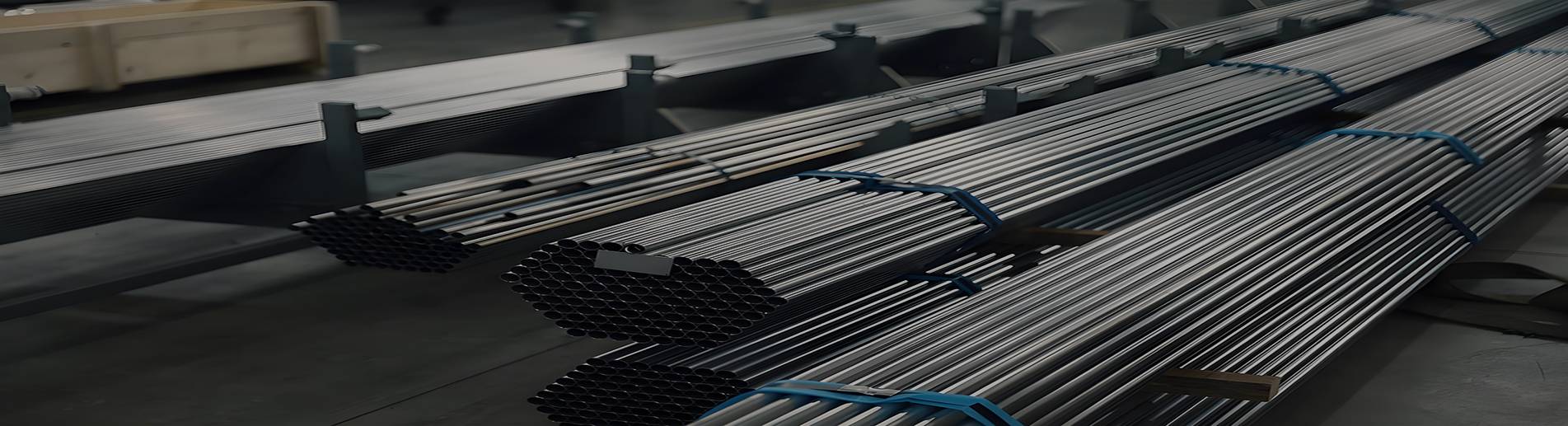
Inconel 617 alloy round bar price per kilogram
Inconel 617 alloy round bar price per kilogram is commonly about USD 45 to 90 per kg for standard industrial stock sizes. Large forged bars, small pre...
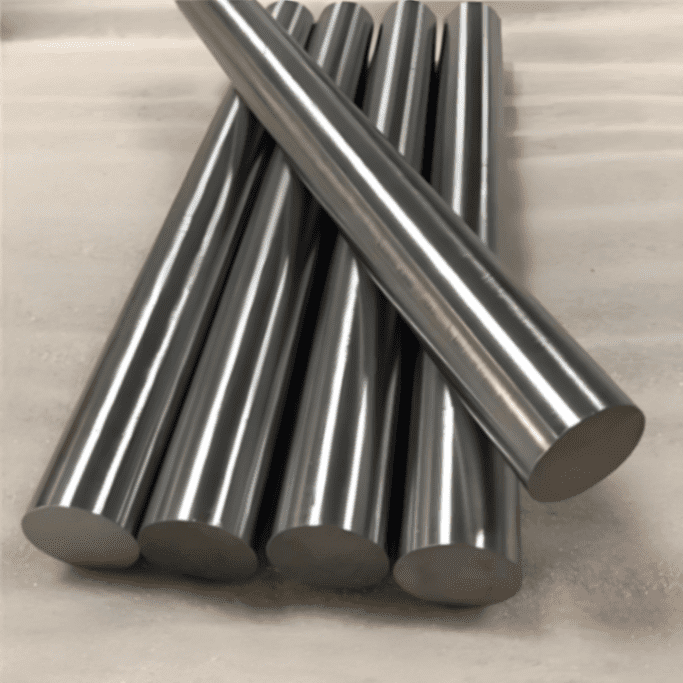
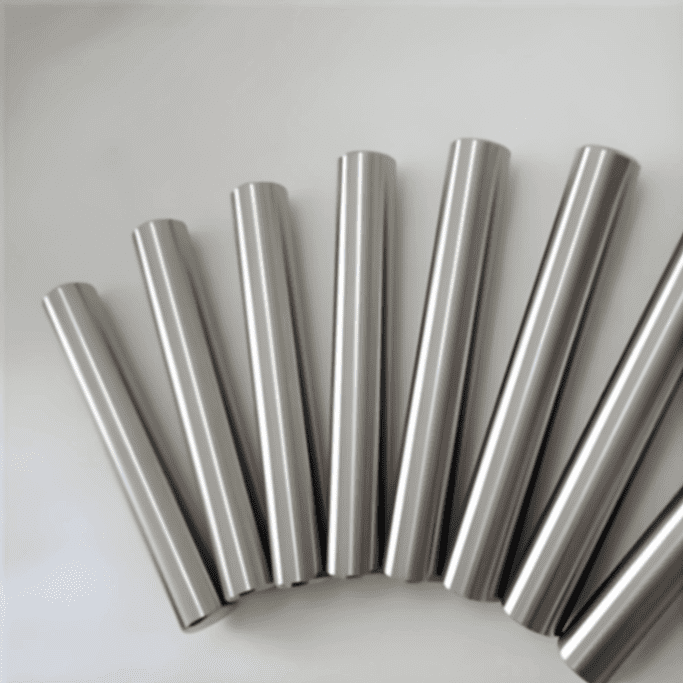
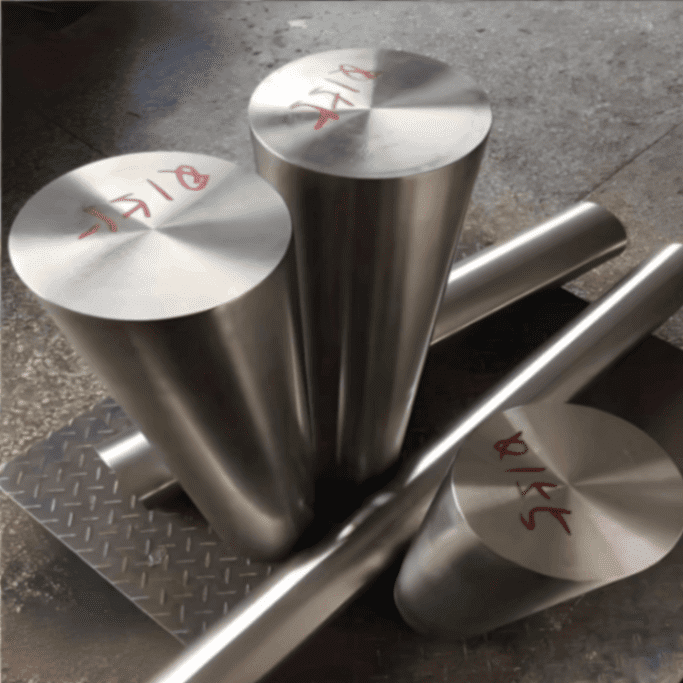
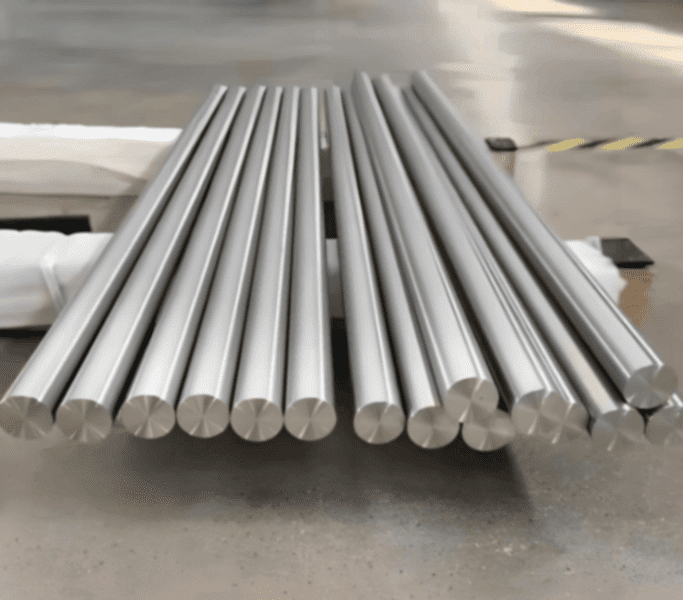
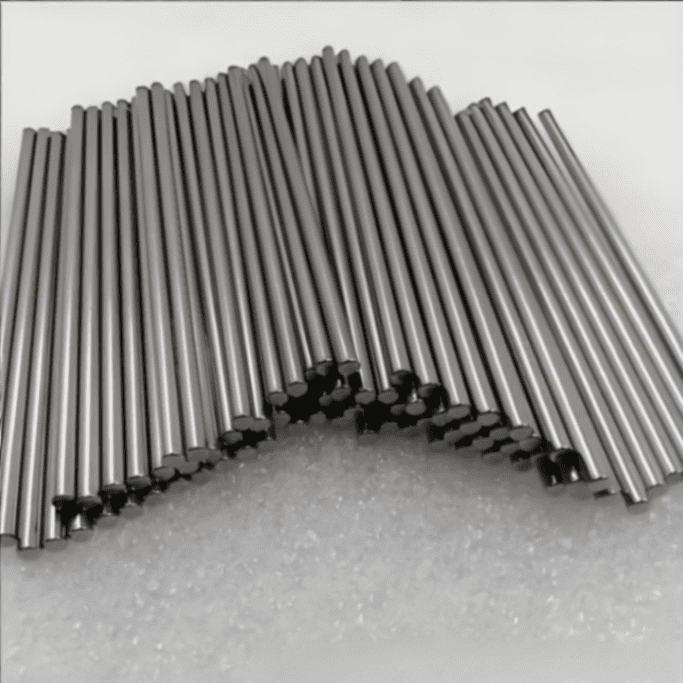
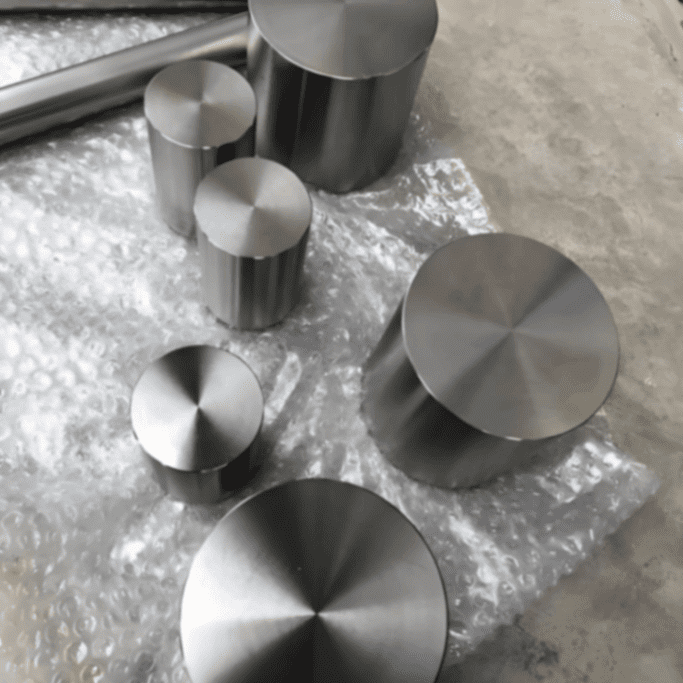
The high temperature resistance of Incoloy 825 alloy bar refers to its ability to maintain structural integrity, resist oxidation, and withstand corrosion under prolonged exposure to elevated temperatures. While Incoloy 825 is primarily renowned for its exceptional corrosion resistance in aqueous and complex chemical environments, it also possesses reliable performance in moderate to high-temperature service conditions. Its high nickel and chromium content forms a stable, protective oxide layer, granting it good oxidation resistance. Furthermore, its solid solution strengthening effect ensures adequate mechanical strength within its recommended temperature range. This combination makes Incoloy 825 alloy bars a suitable material for components operating in hot corrosive atmospheres, such as those found in chemical processing, heat treatment fixtures, and certain power generation applications.
Incoloy 825 exhibits good oxidation resistance in air due to its approximately 21.5% chromium content, which forms a continuous, adherent chromium oxide (Cr2O3) scale on the surface. This scale acts as a barrier, slowing further oxidation. For continuous service in air, the recommended maximum temperature is around 540°C (1000°F). For intermittent service, it can withstand exposures up to approximately 815°C (1500°F), although some scaling may occur at the upper end of this range. Prolonged exposure above 540°C can lead to the precipitation of secondary phases, which may impact toughness and corrosion resistance. Therefore, for applications primarily focused on high-temperature strength and oxidation resistance above 540°C, other alloys like Inconel 600 or 601 might be more suitable.
The mechanical strength of Incoloy 825 decreases as temperature increases, which is a common characteristic of most metallic materials. However, it retains useful strength well into the mid-temperature range. The following table illustrates the typical short-term elevated temperature tensile properties of Incoloy 825.
| Test Temperature | Tensile Strength (Typical) MPa | Yield Strength (0.2% Offset, Typical) MPa | Elongation (Typical) % |
|---|---|---|---|
| Room Temperature (20°C) | ≥586 | ≥241 | ≥30 |
| 200°C (392°F) | ~550 | ~200 | ~30 |
| 400°C (752°F) | ~520 | ~180 | ~30 |
| 540°C (1000°F) | ~480 | ~165 | ~35 |
| 650°C (1202°F) | ~400 | ~145 | ~40 |
It is crucial to note that for long-term high-temperature service, time-dependent properties like creep and stress rupture strength become critical design factors. While Incoloy 825 has some creep resistance, it is not classified as a high-temperature “creep-resistant” alloy like some other nickel-based superalloys. Design for prolonged high-temperature, high-stress applications requires specialized creep data.
A significant advantage of Incoloy 825 at elevated temperatures is its resistance to various corrosive gases, beyond simple oxidation in air. This makes it valuable in chemical processing environments where heat and corrosion coexist.
| Corrosive Atmosphere | Resistance Performance | Typical Application Scenario |
|---|---|---|
| Sulfur-bearing (e.g., H2S, SO2) | Good resistance due to high nickel content, which prevents sulfide embrittlement. | Heater tubes, components in petroleum refining and petrochemical cracking furnaces. |
| Chlorine-bearing | Moderate resistance at lower temperatures; resistance decreases significantly above 400°C in dry chlorine or above 340°C in wet chlorine. | Limited use in specific waste incineration or chlorination processes. |
| Carburizing & Nitriding | Fair resistance. Nickel provides some resistance to carburization. Performance is moderate in nitriding environments. | Fixtures and trays in carburizing or heat treatment furnaces. |
| Combustion Products (Flue Gas) | Good resistance to oxidation and sulfidation in typical flue gas environments, especially below 540°C. | Components in pollution control equipment, ducting, and burner parts. |
Long-term exposure of Incoloy 825 to temperatures in the range of 540°C to 870°C (1000°F to 1600°F) can lead to microstructural changes that affect its properties. The primary concern is the precipitation of intermetallic phases, such as carbides (e.g., M23C6) at grain boundaries and possibly eta phase (Ni3Ti). While these precipitates can enhance strength to some degree, they often reduce ductility and impact toughness, a phenomenon known as “embrittlement.” More critically, they can deplete chromium from areas adjacent to grain boundaries, potentially compromising corrosion resistance in certain environments. Therefore, for applications involving extended service in this temperature range, careful metallurgical assessment and possibly post-service heat treatment (re-solution annealing) may be necessary to restore properties.
Understanding the position of Incoloy 825 relative to other alloys helps in proper material selection for high-temperature applications.
| Alloy | Key High-Temperature Features | Typical Continuous Service Limit in Air | Main Advantage over Incoloy 825 at High Temp |
|---|---|---|---|
| Incoloy 825 | Good oxidation & complex gas corrosion resistance up to ~540°C; adequate strength. | ~540°C (1000°F) | Excellent aqueous and acid corrosion resistance at lower temps; cost-effective. |
| Inconel 600 | Excellent oxidation resistance up to 1150°C; good carburization resistance. | ~1100°C (2012°F) | Much higher oxidation resistance and strength at very high temperatures. |
| Incoloy 800H/HT | Designed for high-temperature service with excellent strength, creep resistance, and oxidation resistance. | ~700°C (1292°F) for mechanical design | Superior creep rupture strength and microstructural stability at 600-750°C. |
| Stainless Steel 310S | Good oxidation resistance due to high Cr (25%) and Ni (20%) content. | ~1100°C (2012°F) | Better oxidation resistance at very high temperatures, often lower cost. |
In summary, Incoloy 825 is a capable material for applications where moderate high-temperature performance (up to 540°C) is required alongside superior corrosion resistance in complex chemical environments. For applications focused primarily on very high-temperature strength, creep resistance, or oxidation resistance above 600°C, other specialized alloys are typically preferred.
Can Incoloy 825 alloy bar be used continuously at 600°C?
While Incoloy 825 can withstand short-term exposure to 600°C, it is generally not recommended for long-term continuous service at this temperature. At 600°C, which is above its recommended maximum continuous service temperature of 540°C, the rate of oxidation and scaling increases. More importantly, this temperature falls squarely within the range where significant precipitation of embrittling phases can occur over time, leading to a potential loss of ductility and impact toughness. If the application involves only intermittent exposure to 600°C with lower operating temperatures most of the time, it may be acceptable, but careful engineering evaluation is required.
How does high temperature exposure affect the corrosion resistance of Incoloy 825 bars?
High temperature exposure can degrade the corrosion resistance of Incoloy 825 bars, particularly if it leads to microstructural changes. Prolonged service in the sensitization temperature range (approximately 425-870°C) can cause chromium-rich carbides to precipitate at grain boundaries. This depletes chromium in the adjacent areas, making those zones more susceptible to corrosion attacks like intergranular corrosion in specific electrolytes. For applications where the bar will cycle between high temperature and a corrosive environment, this is a critical consideration. Solution annealing (quenching from 930-980°C) after high-temperature service can often dissolve these precipitates and restore corrosion resistance.
Is Incoloy 825 suitable for furnace parts and heat treatment fixtures?
Yes, Incoloy 825 is commonly used for furnace parts, heat treatment fixtures, baskets, and trays, especially in applications involving temperatures up to 540°C where corrosive atmospheres (like those from quench salts, slight sulfur from fuels, or carbon from controlled atmospheres) are present. Its combination of good oxidation resistance, reasonable strength at temperature, and resistance to various corrosive gases makes it a durable choice. However, for very high-temperature fixtures (e.g., above 1000°C) or in strongly carburizing/nitriding environments, alloys like Inconel 600, Incoloy 800H, or RA 330 might offer better performance and longer life.
More from this category
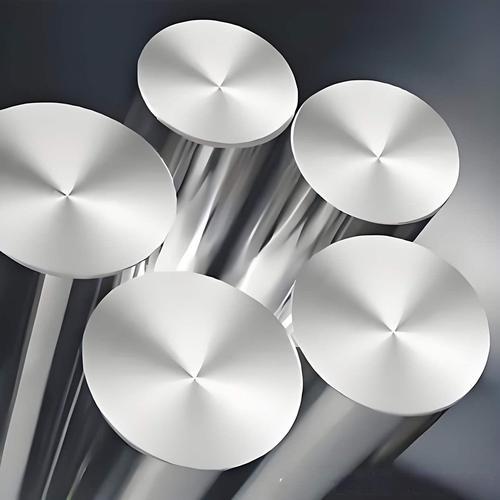
Inconel 617 alloy round bar price per kilogram is commonly about USD 45 to 90 per kg for standard industrial stock sizes. Large forged bars, small pre...
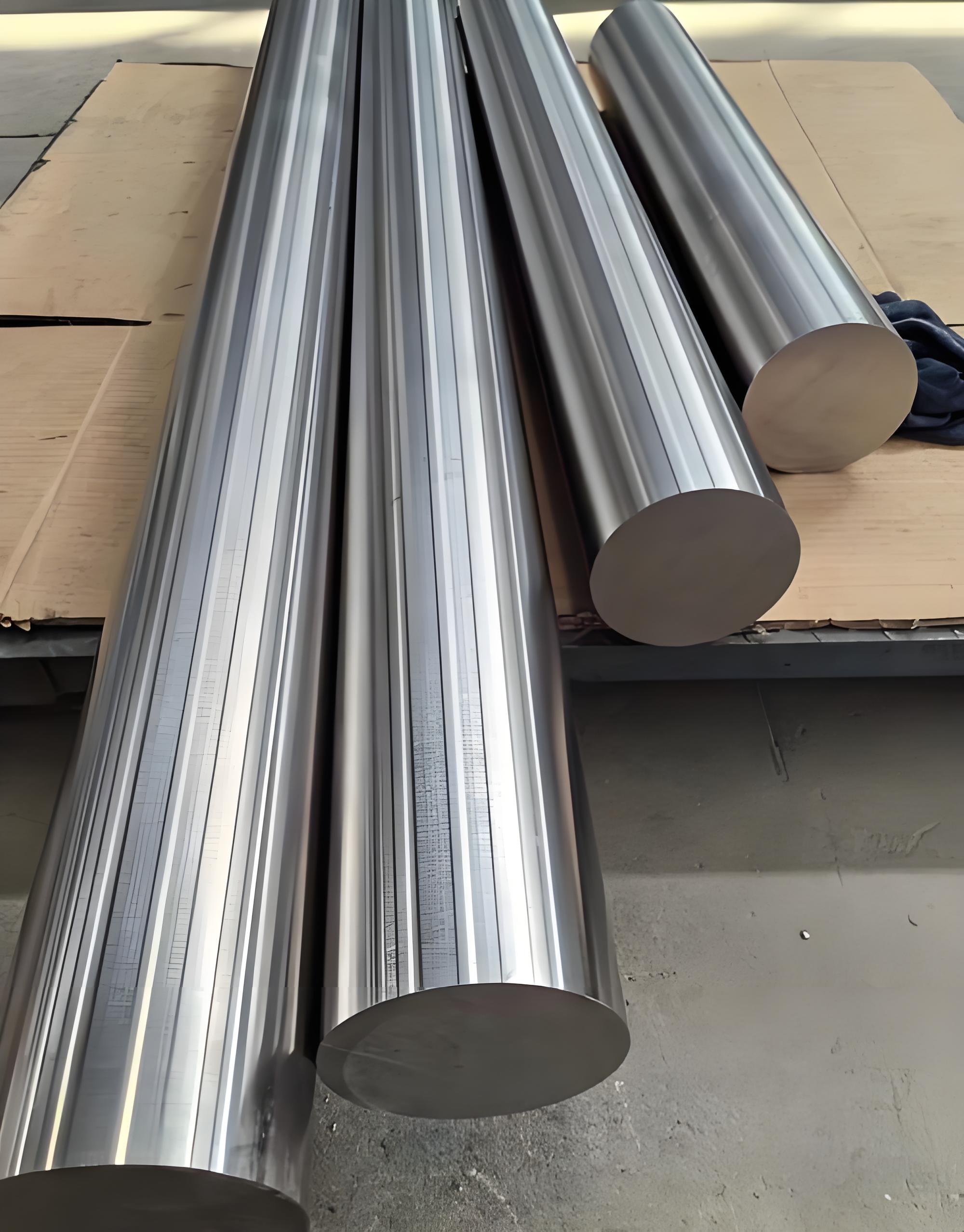
The latest Inconel 625 alloy bar price per kg depends on nickel, molybdenum, niobium, and chromium raw material costs, as well as bar diameter, manufa...
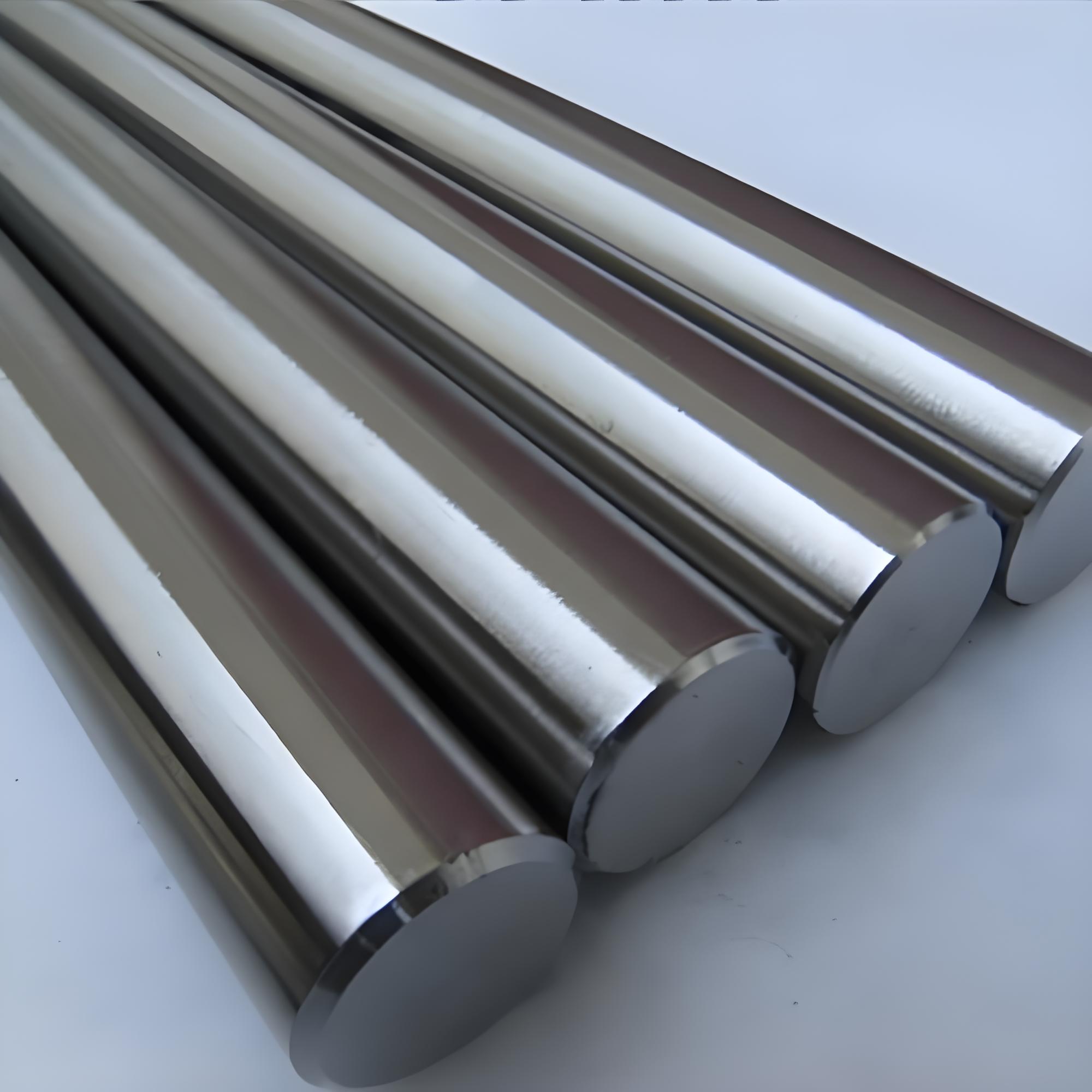
Inconel X-750 alloy bar price depends on nickel raw material cost, bar diameter, product condition, heat treatment, specification, surface finish, dim...
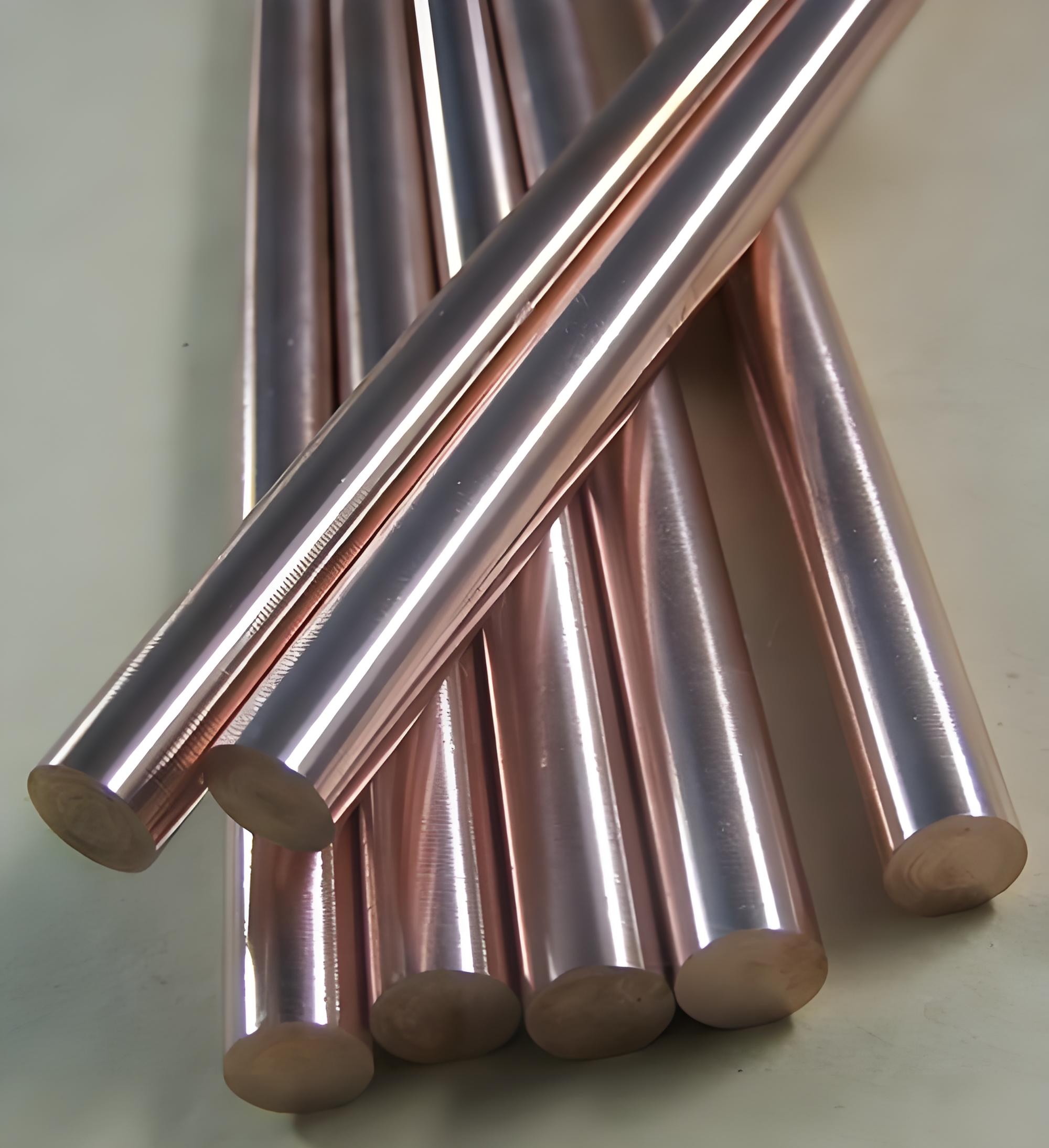
Inconel 602CA alloy bar price per kg is usually higher than common Inconel 600 and Inconel 601 bars because Alloy 602CA is a premium high-temperature ...
 English English
  Korean
 Arabic
 Spanish
 German
 Portuguese
 French
 Russian
 Italian
 Vietnamese