
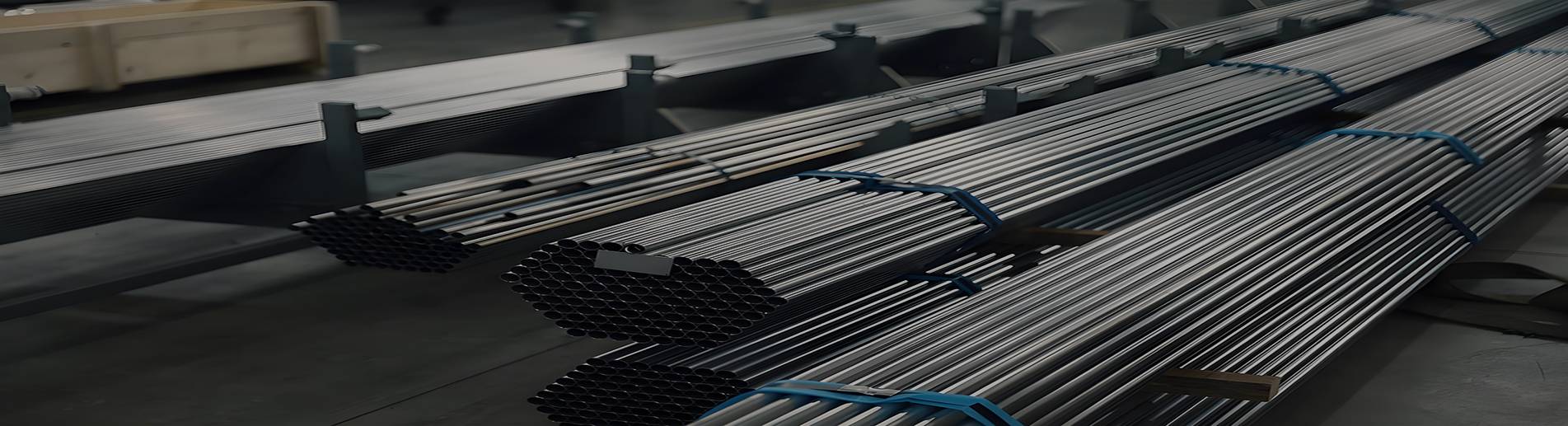
Inconel 617 alloy round bar price per kilogram
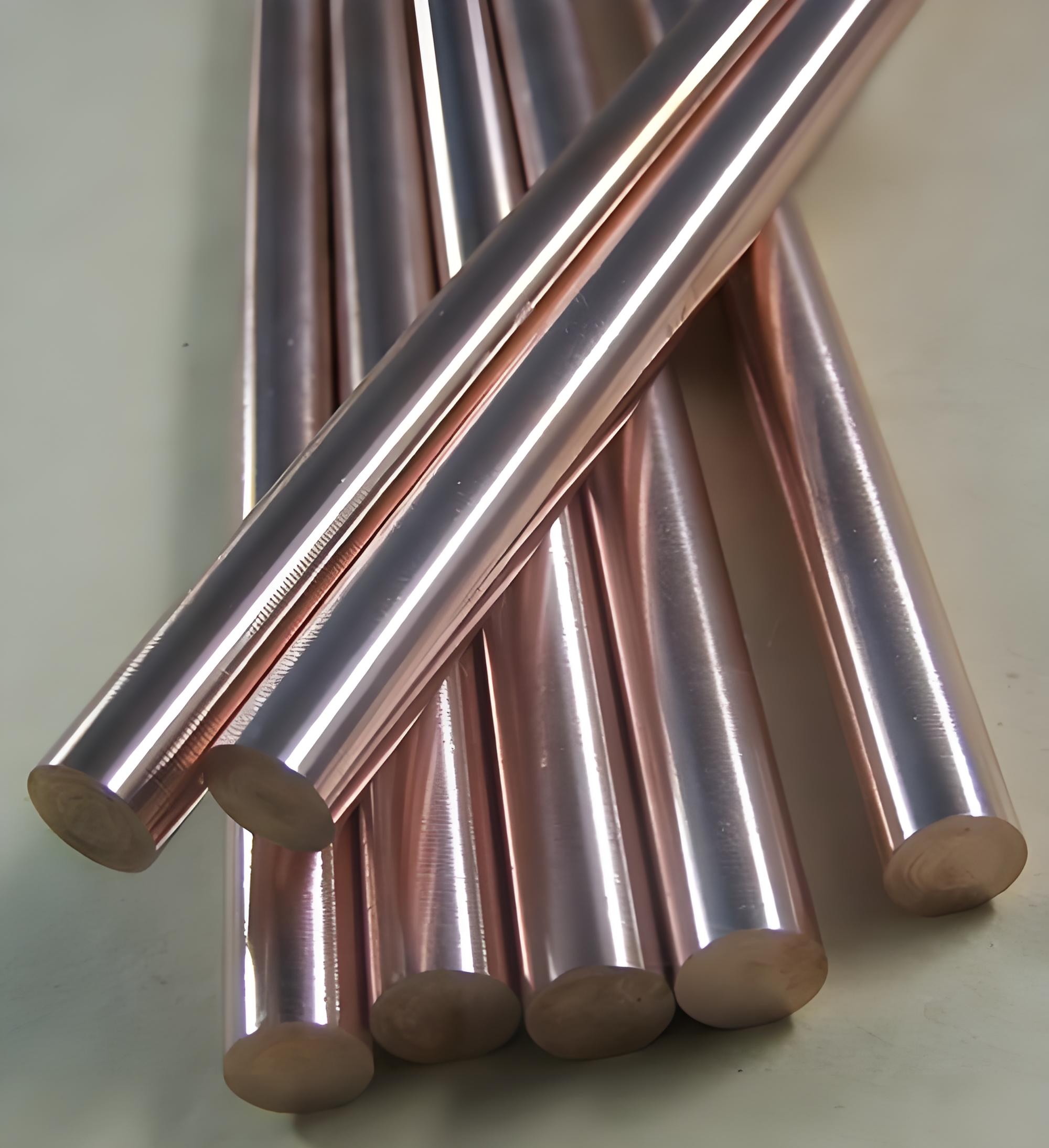
Inconel 617 alloy round bar price per kilogram is commonly about USD 45 to 90 per kg for standard industrial stock sizes. Large forged bars, small pre...
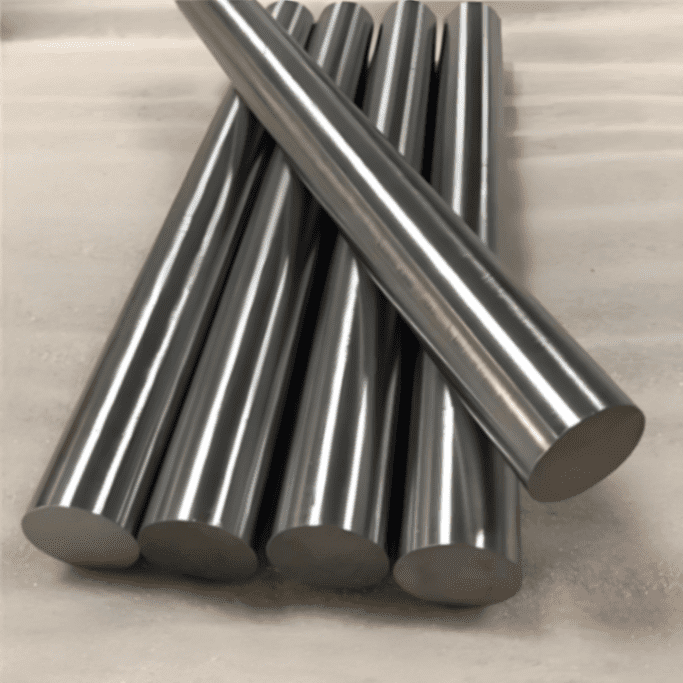
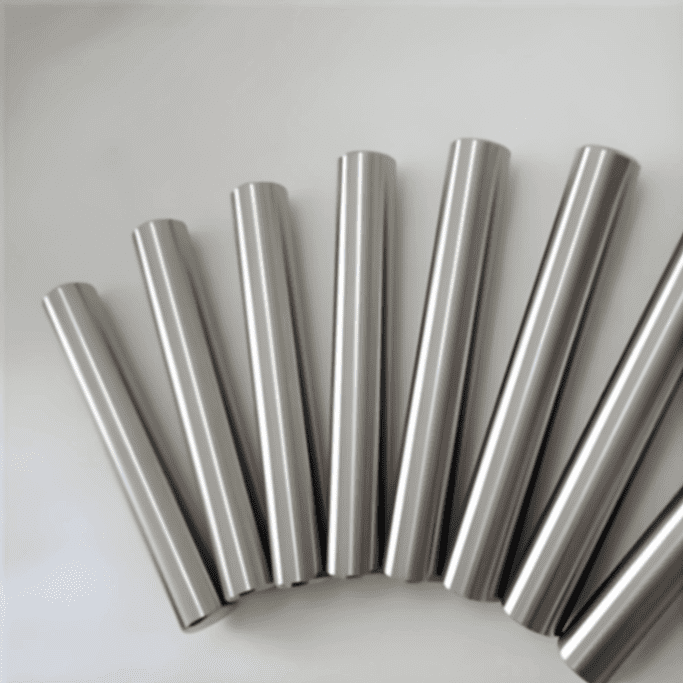
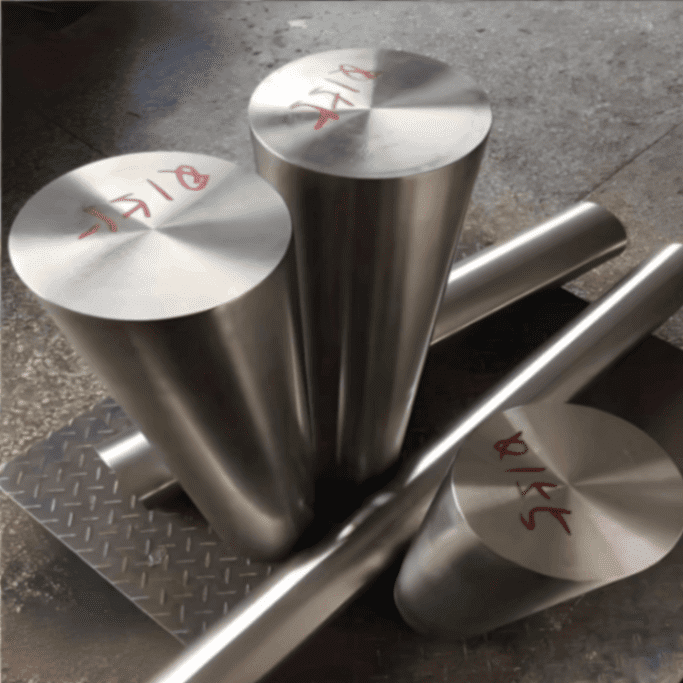
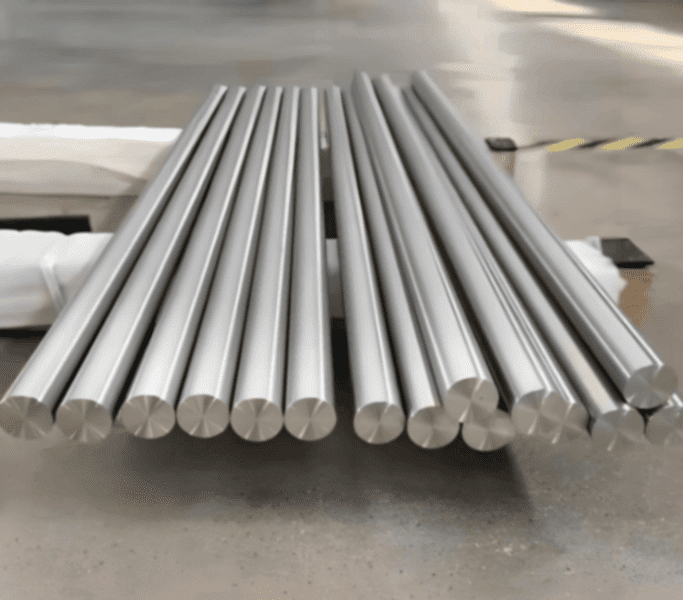
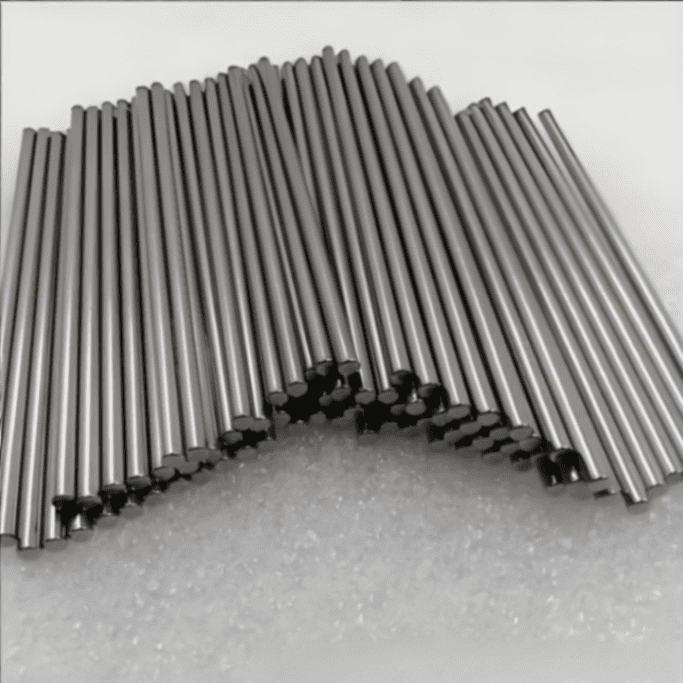
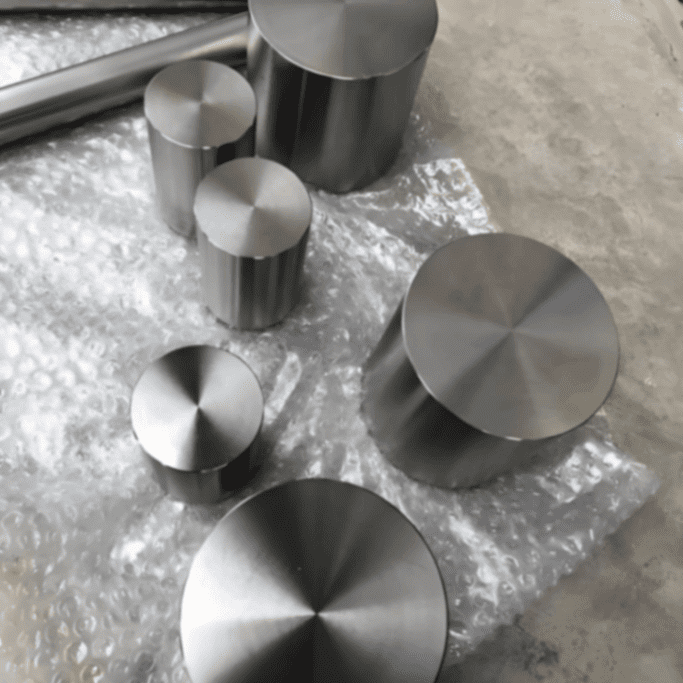
When selecting a high-performance nickel alloy for demanding corrosive environments, the choice between Hastelloy B-2 and Hastelloy C-276 is a critical decision that directly impacts equipment longevity, operational safety, and overall project economics. Both alloys belong to the Hastelloy family and are renowned for exceptional corrosion resistance, but they are fundamentally different in their chemical composition, mechanical properties, and optimal application areas. Hastelloy B-2 is a nickel-molybdenum alloy designed specifically for outstanding resistance to reducing acids, particularly hydrochloric acid across all concentrations and temperatures. Hastelloy C-276, by contrast, is a nickel-chromium-molybdenum alloy engineered to resist both oxidizing and reducing environments, offering broader versatility. Understanding the strengths, limitations, and ideal applications of each alloy is essential for making an informed material selection. This article provides a comprehensive comparison to help determine which alloy is better suited for your specific requirements.
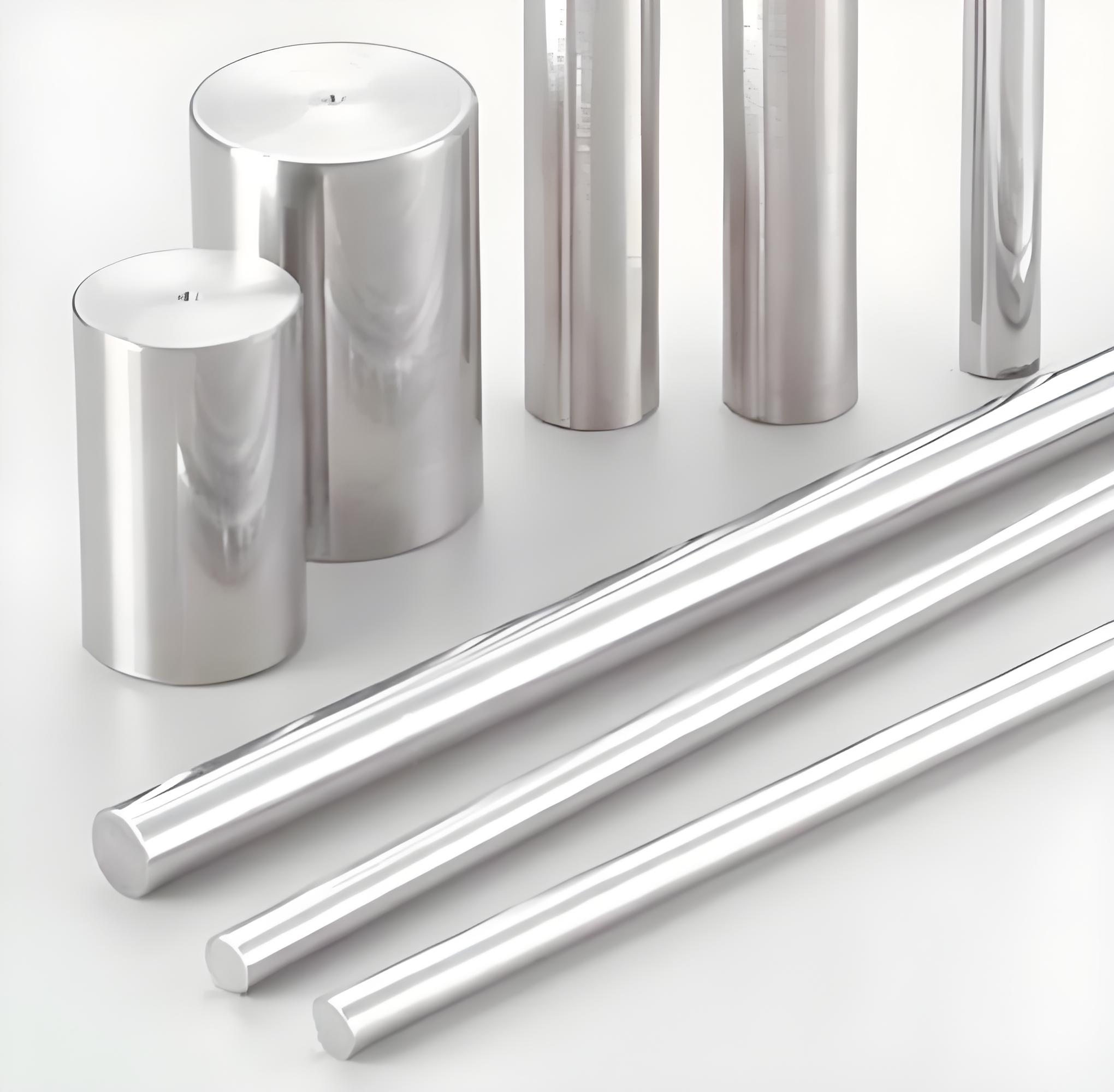
The fundamental differences between Hastelloy B-2 and Hastelloy C-276 begin with their chemical makeup. The table below provides a direct comparison of the composition ranges for both alloys, highlighting the key elements that dictate their respective performance characteristics.
| Element | Hastelloy B-2 (UNS N10665) | Hastelloy C-276 (UNS N10276) | Significance of Difference |
|---|---|---|---|
| Nickel (Ni) | Balance (approx. 65-71%) | Balance (approx. 54-60%) | B-2 has higher nickel content, enhancing resistance to reducing acids |
| Molybdenum (Mo) | 26.0 – 30.0% | 15.0 – 17.0% | B-2 contains nearly double the molybdenum for superior reducing acid resistance |
| Chromium (Cr) | ≤ 1.0% | 14.5 – 16.5% | C-276 contains significant chromium for oxidizing environment resistance |
| Tungsten (W) | ≤ 1.0% | 3.0 – 4.5% | C-276 includes tungsten to enhance pitting and crevice corrosion resistance |
| Iron (Fe) | ≤ 2.0% | 4.0 – 7.0% | Both have controlled iron levels to maintain corrosion resistance |
| Chromium + Molybdenum | Primarily Mo | Cr + Mo + W | C-276 uses synergistic combination for broad-spectrum resistance |
| Carbon (C) | ≤ 0.02% | ≤ 0.01% | Both have ultra-low carbon for weldability and corrosion stability |
The most significant differences between Hastelloy B-2 and C-276 lie in their corrosion resistance profiles. Understanding these differences is essential for selecting the right alloy for your specific chemical environment.
| Environment / Corrosion Type | Hastelloy B-2 Performance | Hastelloy C-276 Performance | Recommendation |
|---|---|---|---|
| Hydrochloric Acid (HCl) | Excellent across all concentrations and temperatures | Good, but inferior to B-2 at higher concentrations and temperatures | B-2 is clearly superior for HCl service |
| Sulfuric Acid (H₂SO₄) | Excellent in reducing conditions; limited in oxidizing conditions | Excellent across broad concentration and temperature ranges | C-276 offers more versatility; B-2 preferred for pure reducing conditions |
| Oxidizing Acids (Nitric, Chromic) | Poor; limited resistance due to low chromium content | Excellent due to chromium content (14.5-16.5%) | C-276 is the only viable choice for oxidizing acid service |
| Mixed Acids (Oxidizing + Reducing) | Limited; may suffer localized attack | Excellent; specifically designed for mixed acid environments | C-276 is superior for complex chemical streams |
| Chloride-Induced Pitting / Crevice Corrosion | Moderate to good; molybdenum provides some resistance | Excellent; chromium + molybdenum + tungsten provide superior resistance | C-276 is preferred for chloride-containing environments |
| Stress Corrosion Cracking (SCC) | Excellent resistance due to high nickel content | Excellent resistance due to nickel-chromium matrix | Both offer excellent SCC resistance |
| Weld Heat-Affected Zone Corrosion | Requires careful welding practices; susceptible to intergranular attack if improperly welded | Excellent weldability; resists sensitization due to low carbon and controlled chemistry | C-276 is more forgiving in welded fabrications |
Both alloys offer good mechanical properties, but there are differences that may influence material selection based on mechanical requirements.
| Property (Annealed Condition) | Hastelloy B-2 | Hastelloy C-276 | Significance |
|---|---|---|---|
| Tensile Strength (min) | 110 ksi (760 MPa) | 110 ksi (760 MPa) | Comparable strength in annealed condition |
| Yield Strength (0.2% offset, min) | 51 ksi (350 MPa) | 41 ksi (283 MPa) | B-2 has slightly higher yield strength |
| Elongation (min) | 40% | 40% | Comparable ductility |
| Hardness (max) | 100 HRB | 100 HRB | Comparable hardness in annealed condition |
| Density | 9.22 g/cm³ | 8.89 g/cm³ | C-276 is slightly lighter |
| Melting Range | 1370 – 1418°C (2500 – 2585°F) | 1325 – 1370°C (2417 – 2500°F) | B-2 has slightly higher melting point |
| Work Hardening Rate | High | Moderate | C-276 is generally easier to form and machine |
The ease of fabrication and welding is an important consideration, particularly for large or complex equipment.
| Fabrication Aspect | Hastelloy B-2 | Hastelloy C-276 | Considerations |
|---|---|---|---|
| Weldability | Fair; requires strict procedures; must use matching filler metals; post-weld heat treatment required for maximum corrosion resistance | Excellent; readily weldable using standard techniques; no post-weld heat treatment required | C-276 is significantly more forgiving in welding applications |
| Susceptibility to Sensitization | Higher risk; requires careful heat input control | Low; ultra-low carbon and controlled chemistry prevent carbide precipitation | C-276 is preferred for welded fabrications |
| Machinability | Fair; work hardens rapidly; requires rigid setups and sharp tooling | Good; can be machined with standard techniques for nickel alloys | C-276 generally easier to machine |
| Formability | Good in annealed condition; work hardens quickly | Excellent; good ductility and moderate work hardening | C-276 is easier to form into complex shapes |
| Hot Working | Narrow temperature range; requires careful control | Wide temperature range; easier to forge and hot form | C-276 offers better hot workability |
| Cold Working | Limited due to rapid work hardening; multiple annealing steps often required | Good; can be cold worked with intermediate annealing | C-276 is more suitable for cold-formed components |
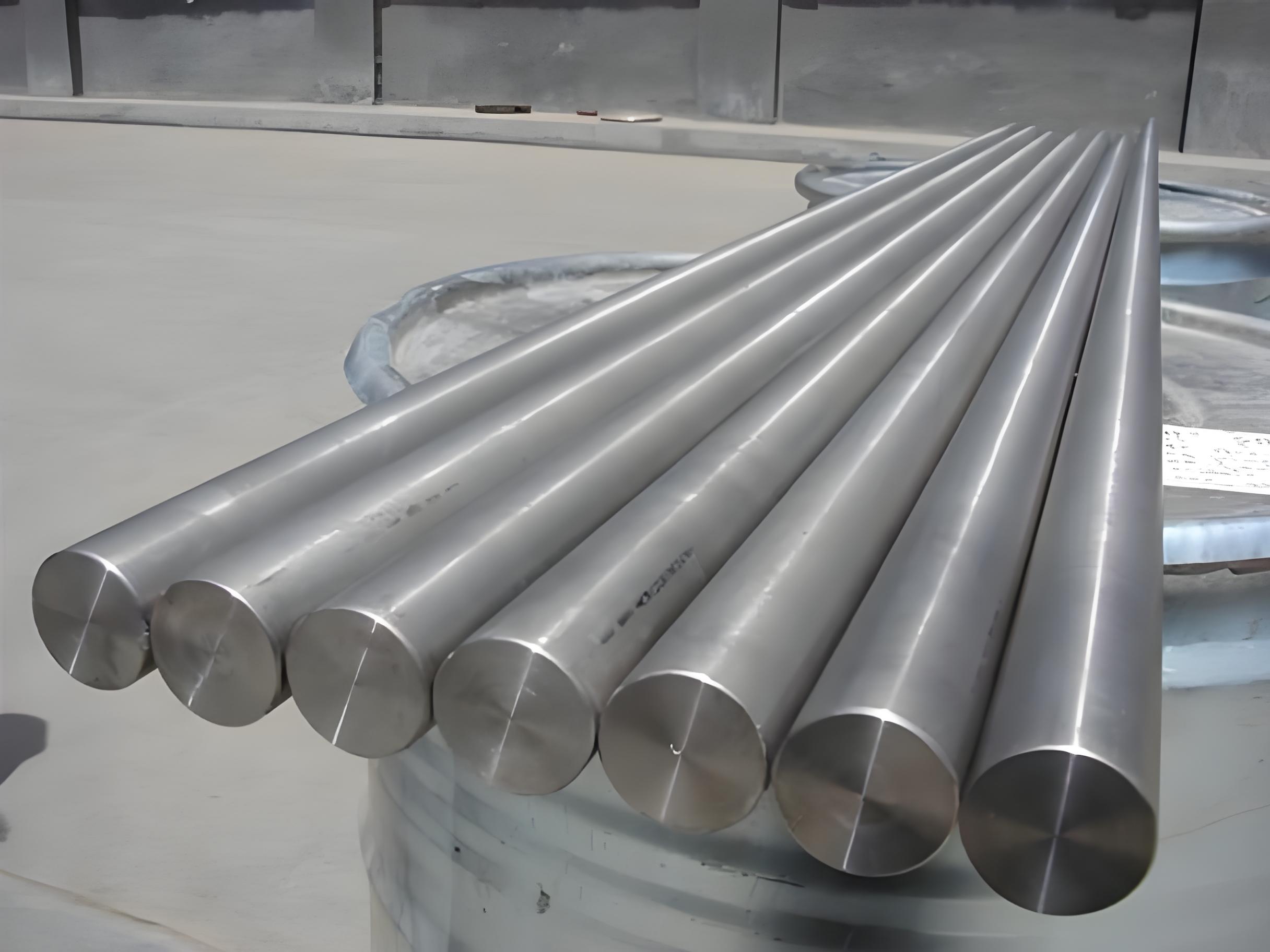
The choice between Hastelloy B-2 and C-276 ultimately depends on the specific application and the chemical environments involved.
| Application / Industry | Hastelloy B-2 Suitability | Hastelloy C-276 Suitability | Recommended Choice |
|---|---|---|---|
| Hydrochloric Acid Service | Excellent; ideal for all concentrations and temperatures | Good; suitable for moderate conditions | B-2 is the superior choice for pure HCl service |
| Sulfuric Acid Processing | Excellent in reducing conditions; limited in oxidizing conditions | Excellent across broad concentration and temperature ranges | C-276 for versatility; B-2 for specific reducing conditions |
| Chemical Reactors with Mixed Acids | Limited; may experience localized corrosion | Excellent; designed for mixed acid environments | C-276 is strongly preferred |
| Flue Gas Desulfurization (FGD) | Not suitable; lacks oxidizing resistance | Excellent; widely used in FGD systems | C-276 is the standard choice |
| Pharmaceutical Manufacturing | Limited use; primarily in specific HCl applications | Excellent; widely used for high-purity applications | C-276 is preferred |
| Waste Incineration | Not suitable; variable waste chemistry requires broader resistance | Excellent; handles variable corrosive conditions | C-276 is the better choice |
| Acid Pickling Equipment | Suitable for HCl-based pickling | Excellent; versatile for mixed acid pickling baths | Depends on pickling acid composition |
| Oil and Gas / Sour Service | Limited use; not typical for NACE applications | Excellent; NACE MR0175 compliant | C-276 is standard for sour gas applications |
| Seawater / Marine Environments | Limited; may not provide optimal pitting resistance | Excellent; outstanding pitting and crevice corrosion resistance | C-276 is preferred for marine service |
Material cost and total lifecycle economics are important factors in the selection decision.
| Economic Factor | Hastelloy B-2 | Hastelloy C-276 | Implications |
|---|---|---|---|
| Raw Material Cost (Typical) | $55 – $90 per kg | $50 – $95 per kg | Comparable; both are premium alloys; B-2 may be slightly higher due to molybdenum content |
| Fabrication Cost | Higher due to welding and heat treatment requirements | Lower; easier to weld and form; no post-weld heat treatment | C-276 typically offers lower fabrication costs |
| Welding Consumables | Matching filler metals required; less widely available | Widely available; multiple filler metal options | C-276 offers better welding consumable availability |
| Lifecycle Cost | Excellent in appropriate applications; potential for high replacement cost if misapplied | Excellent across broader range; lower risk of misapplication | C-276 offers lower risk for applications with variable conditions |
| Availability | Readily available but less common than C-276 | Widely available; extensive in-stock inventory from most suppliers | C-276 is generally easier to source globally |
To facilitate quick comparison, the table below summarizes the key advantages and limitations of each alloy.
| Aspect | Hastelloy B-2 | Hastelloy C-276 |
|---|---|---|
| Primary Advantage | Unmatched resistance to hydrochloric acid and pure reducing environments | Versatile resistance to both oxidizing and reducing environments |
| Secondary Advantage | High molybdenum content provides excellent reducing acid resistance | Superior pitting and crevice corrosion resistance; excellent weldability |
| Key Limitation | Poor resistance to oxidizing acids; limited in mixed acid environments | Slightly lower reducing acid resistance compared to B-2 in pure HCl |
| Weldability | Requires strict procedures and post-weld heat treatment | Excellent; no post-weld heat treatment required |
| Best Suited For | Hydrochloric acid service, evaporators, reactors with pure reducing acids | Mixed acid environments, FGD systems, chemical reactors, sour gas service |
| Fabrication Complexity | Higher; requires specialized expertise | Moderate; standard nickel alloy fabrication techniques |
| Risk of Misapplication | High if exposed to oxidizing conditions | Low; broader tolerance to process upsets |
Which is better for hydrochloric acid service, Hastelloy B-2 or C-276?
Hastelloy B-2 is significantly better for hydrochloric acid service. With its high molybdenum content (26-30%) and lack of chromium, B-2 provides exceptional resistance to hydrochloric acid across all concentrations and temperatures. Hastelloy C-276 offers good resistance to hydrochloric acid but is inferior to B-2, particularly at higher concentrations and elevated temperatures. For applications involving pure or predominantly hydrochloric acid, B-2 is the preferred and often specified material.
Can Hastelloy B-2 be used in environments containing oxidizing acids?
Hastelloy B-2 is not recommended for environments containing oxidizing acids such as nitric acid, chromic acid, or ferric or cupric salts. Its low chromium content (maximum 1.0%) provides minimal protection against oxidizing conditions. Exposure to oxidizing environments can lead to rapid corrosion and premature failure. If your application involves mixed acids that include oxidizing components, Hastelloy C-276 is the superior and safer choice due to its chromium content (14.5-16.5%).
Which alloy is easier to weld and fabricate?
Hastelloy C-276 is significantly easier to weld and fabricate than Hastelloy B-2. C-276 offers excellent weldability with standard techniques and does not require post-weld heat treatment to maintain corrosion resistance. B-2, by contrast, requires strict welding procedures, careful heat input control, and post-weld solution annealing to achieve optimal corrosion resistance. Additionally, C-276 has a lower work hardening rate, making it easier to machine and form. For complex fabricated equipment, C-276 is generally the more practical choice.
What are the cost differences between Hastelloy B-2 and C-276?
Raw material costs for both alloys are generally comparable, typically ranging from $50 to $95 per kilogram depending on market conditions. However, the total project cost often differs significantly. Hastelloy C-276 typically results in lower overall costs due to easier fabrication, no post-weld heat treatment requirements, and wider availability of welding consumables. Hastelloy B-2 may incur higher fabrication costs due to specialized welding procedures, mandatory post-weld heat treatment, and more limited supplier options. For applications where both alloys are technically suitable, C-276 often provides better economic value.
Which alloy offers better resistance to pitting and crevice corrosion?
Hastelloy C-276 offers superior resistance to pitting and crevice corrosion compared to Hastelloy B-2. The combination of chromium (14.5-16.5%), molybdenum (15-17%), and tungsten (3-4.5%) in C-276 provides a high pitting resistance equivalent number (PREN), making it exceptionally resistant to localized attack in chloride-containing environments. While B-2 contains high molybdenum which provides some pitting resistance, its lack of chromium makes it less effective in chloride-rich conditions. For marine environments, flue gas desulfurization systems, or any application with significant chloride exposure, C-276 is the preferred choice.
More from this category
Inconel 617 alloy round bar price per kilogram is commonly about USD 45 to 90 per kg for standard industrial stock sizes. Large forged bars, small pre...
The latest Inconel 625 alloy bar price per kg depends on nickel, molybdenum, niobium, and chromium raw material costs, as well as bar diameter, manufa...
Inconel X-750 alloy bar price depends on nickel raw material cost, bar diameter, product condition, heat treatment, specification, surface finish, dim...
Inconel 602CA alloy bar price per kg is usually higher than common Inconel 600 and Inconel 601 bars because Alloy 602CA is a premium high-temperature ...
 English English
  Korean
 Arabic
 Spanish
 German
 Portuguese
 French
 Russian
 Italian
 Vietnamese