- E-mail: [email protected]
- WhatsApp: +86 18533346372
Home > Products > Incoloy bar > Incoloy 20/UNS N08020/W.Nr. 2.4660/Alloy 20 bar
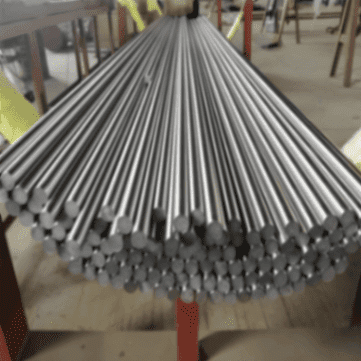
Incoloy 20 bar, designated as UNS N08020, material number W.Nr. 2.4660, and commonly known as Alloy 20, is a nickel-iron-chromium austenitic alloy sta…
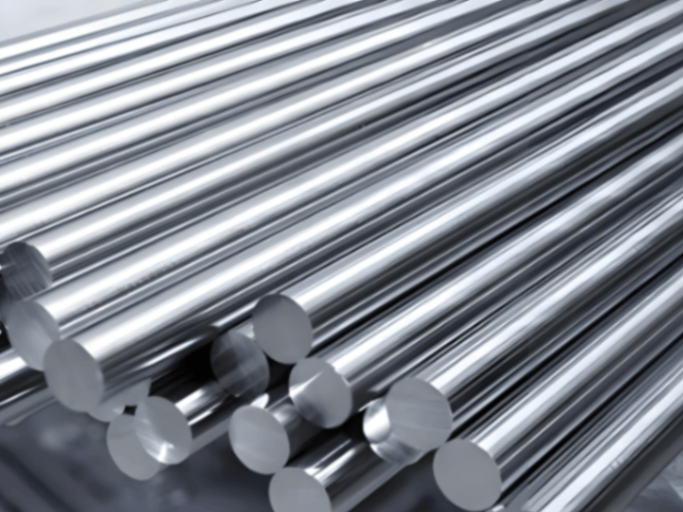
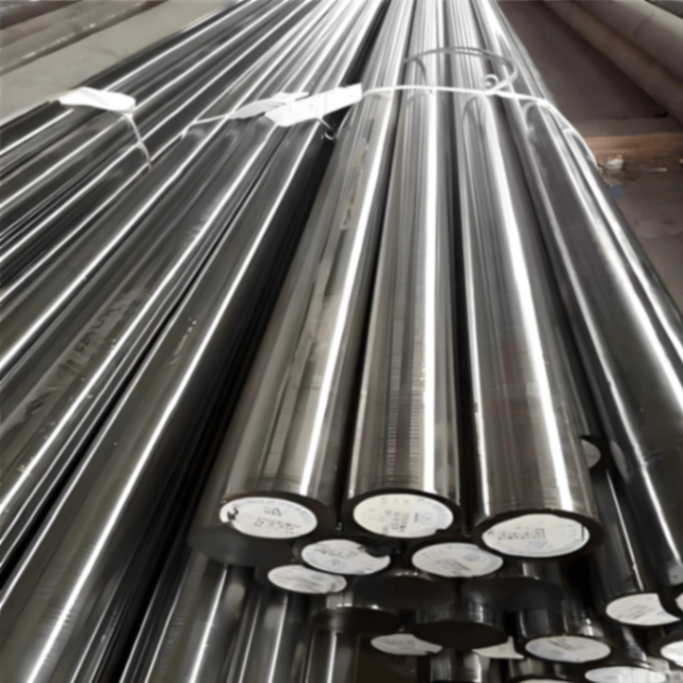
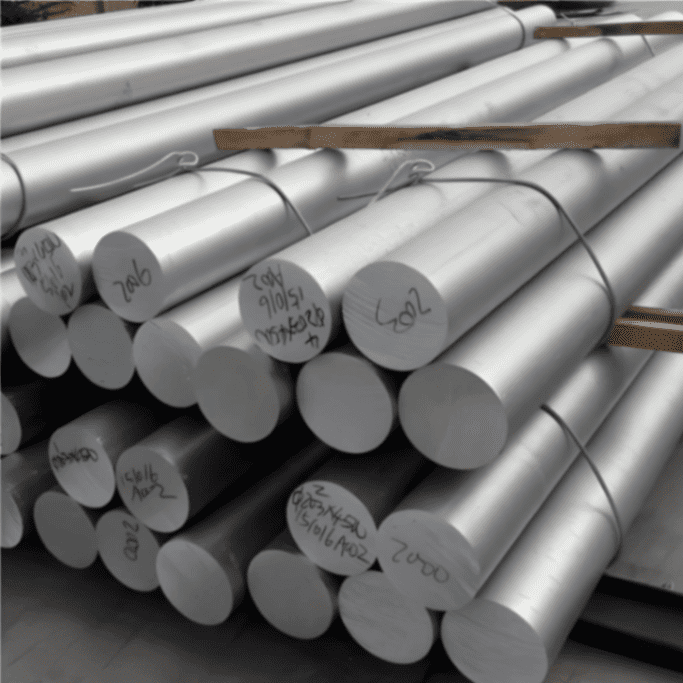
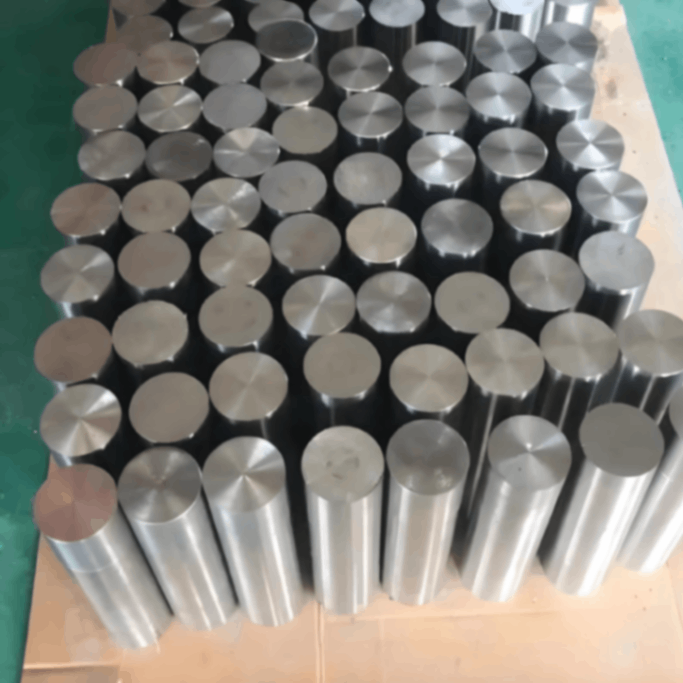
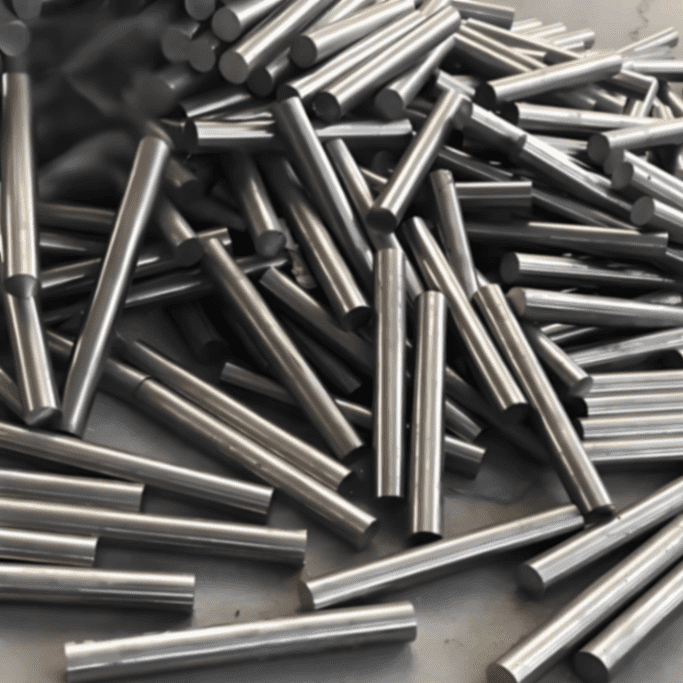
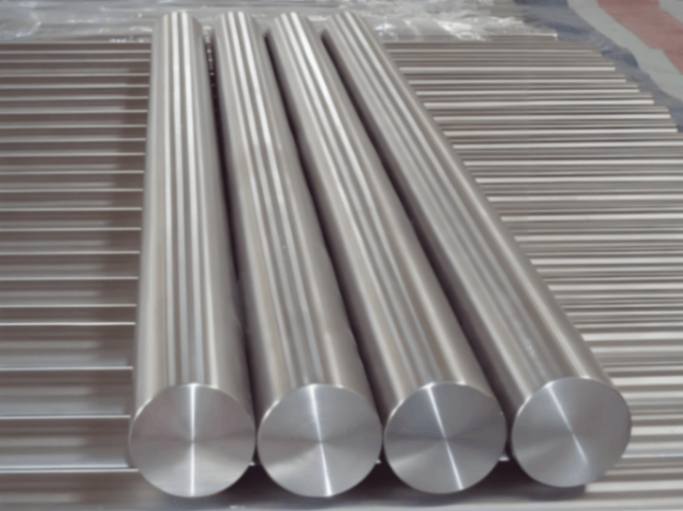
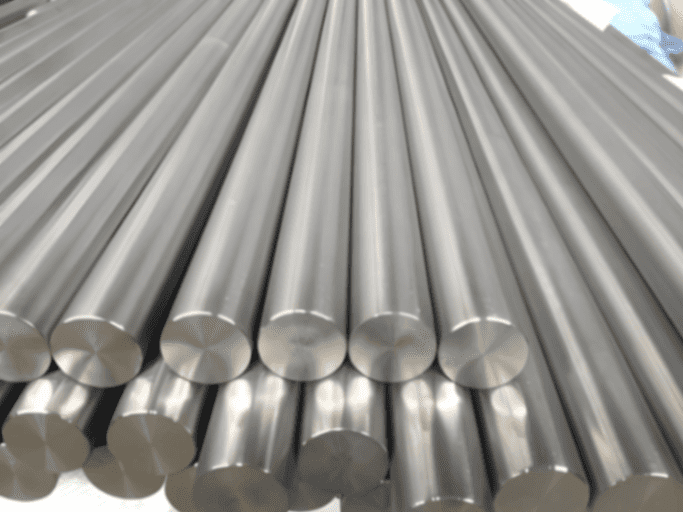
Incoloy 20 bar, designated as UNS N08020, material number W.Nr. 2.4660, and commonly known as Alloy 20, is a nickel-iron-chromium austenitic alloy stabilized with niobium and enhanced with molybdenum and copper. It is specifically engineered for superior resistance to sulfuric acid and other aggressive chemical environments, particularly those containing chlorides and sulfuric acid at various concentrations and temperatures. This bar stock form is a cornerstone material for machining pump shafts, valve stems, fasteners, and mixer components in chemical processing, pharmaceutical, and food processing industries.
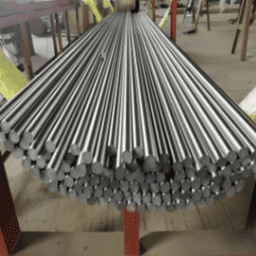
Often referred to as “Carpenter 20” or “Alloy 20 Cb-3,” Incoloy 20 is a versatile corrosion-resistant alloy that bridges the gap between standard stainless steels and high-nickel alloys. Its composition is optimized to resist chloride-induced stress corrosion cracking, pitting, and general corrosion from sulfuric acid. The addition of niobium (columbium) provides stabilization against sensitization during welding. The bar stock is renowned for its reliability in handling hot sulfuric acid streams and complex chemical mixtures.
The exceptional corrosion resistance of Incoloy 20 bar, especially to sulfuric acid, is a result of its carefully balanced alloying elements. Supplied by Shanghai NC Metal Materials Co., Ltd., the bar stock meets specifications that ensure its performance in aggressive wet process environments.
| Element | Percentage (%) – Typical Range | Primary Function in the Alloy |
|---|---|---|
| Nickel (Ni) | 32.0 – 38.0 | Base element for corrosion resistance; provides resistance to stress corrosion cracking and reducing environments. |
| Chromium (Cr) | 19.0 – 21.0 | Provides resistance to oxidizing media and general corrosion protection. |
| Iron (Fe) | Balance (≥ 35.0) | Forms the fundamental matrix of the alloy. |
| Molybdenum (Mo) | 2.0 – 3.0 | Enhances resistance to pitting and crevice corrosion in chloride solutions and improves resistance to reducing acids. |
| Copper (Cu) | 3.0 – 4.0 | Critical addition that significantly improves resistance to sulfuric acid, particularly in intermediate concentrations. |
| Niobium (Nb) + Tantalum (Ta) | 8 x %C min, 1.00 max | Stabilizing element (as Nb). Prevents sensitization (chromium carbide precipitation) during welding by forming stable niobium carbides instead. |
| Manganese (Mn) | 2.00 max | Residual element, aids in deoxidation. |
| Silicon (Si) | 1.00 max | Residual element. |
| Carbon (C) | 0.07 max | Kept low to minimize carbide formation; the excess carbon is tied up by niobium. |
| Phosphorus (P) | 0.045 max | Impurity control. |
| Sulfur (S) | 0.035 max | Impurity control. |
Incoloy 20 bar offers a good combination of strength, ductility, and toughness, suitable for dynamic components in corrosive service. It is supplied in the solution-annealed condition.
| Mechanical Property | Typical Value at Room Temperature (Annealed) | ASTM B473 (UNS N08020) Minimum Requirement | Key Characteristic |
|---|---|---|---|
| Tensile Strength | 552 – 655 MPa (80 – 95 ksi) | ≥ 552 MPa (80 ksi) | Adequate strength for pressure and structural parts. |
| Yield Strength (0.2% Offset) | 241 – 345 MPa (35 – 50 ksi) | ≥ 241 MPa (35 ksi) | – |
| Elongation in 2 inches (50mm) | ≥ 30% | ≥ 30% | Good ductility for forming and fabrication. |
| Hardness (Rockwell B) | ≤ 100 HRB | – | – |
The physical properties of Alloy 20 bar are standard for nickel-iron-chromium alloys and are used in equipment design.
| Physical Property | Value at Room Temperature (20°C / 68°F) | Notes / Condition |
|---|---|---|
| Density | 8.08 g/cm³ (0.292 lb/in³) | – |
| Melting Range | 1370 – 1400°C (2500 – 2550°F) | – |
| Specific Heat | 500 J/kg·°C (0.119 BTU/lb·°F) | At 100°C |
| Thermal Conductivity | 12.9 W/m·K (89.4 BTU·in/hr·ft²·°F) | At 100°C |
| Mean Coefficient of Thermal Expansion | 14.8 μm/m·°C (8.2 μin/in·°F) | 20-100°C (68-212°F) |
| Electrical Resistivity | 0.99 μΩ·m (39.0 μΩ·in) | At 20°C |
| Modulus of Elasticity (Tensile) | 186 GPa (27.0 x 10^6 psi) | At 20°C |
Shanghai NC Metal Materials Co., Ltd. supplies Incoloy 20 bar in a comprehensive range of forms for the chemical process industry.
| Product Form | Standard Size Range | Key Standard Specifications | Common Supply Conditions |
|---|---|---|---|
| Round Bar (Hot Rolled/Forged) | 10mm (0.4″) to 300mm (12″) Diameter | ASTM B473 (UNS N08020), ASME SB-473, DIN 17742 (W.Nr. 2.4660) | Solution Annealed (typically 925-980°C water quench) |
| Hexagonal Bar | 10mm to 80mm Across Flats | ASTM B473, DIN 17742 | Solution Annealed |
| Square Bar | 10mm to 80mm Width | ASTM B473 | Solution Annealed |
| Cold Finished Bar (Drawn/Ground) | 5mm to 150mm Diameter | ASTM B473 (cold drawn) | Solution Annealed, Cold Drawn & Stress-Relieved |
| Forging Billet | 150mm to 400mm Diameter | ASTM B564 (Forgings), Customer specs | As-Forged, Solution Annealed |
Machined components from Incoloy 20 bar are fundamental in handling sulfuric acid and other aggressive chemicals: Chemical Processing: Pump shafts, valve internals, agitators, and heat exchanger tubes for sulfuric acid production, pickling operations, phosphate fertilizer production, and synthetic fiber manufacturing. Pharmaceutical Industry: Reactor vessels, piping, and filtration systems where high purity and resistance to aggressive cleaning agents are needed. Food Processing: Equipment for handling acidic food products and cleaning solutions. Oil and Gas: Components for sour service (mild H2S environments) and handling produced water containing chlorides. Plastics Manufacturing: Equipment in the production of plastics and polymers involving chloride catalysts.
Incoloy 20 is specifically renowned for its excellent resistance to sulfuric acid over a wide range of concentrations and temperatures, a property greatly enhanced by its copper content. It also resists phosphoric, nitric, and organic acids. The alloy shows good resistance to chloride-induced pitting, crevice corrosion, and stress corrosion cracking, though not as high as the 6% molybdenum super-austenitics. Its niobium stabilization makes it highly resistant to intergranular attack after welding or high-temperature exposure, allowing it to be used in the as-welded condition for many services.
Incoloy 20 bar is readily machinable, with machinability ratings similar to or slightly better than Type 316 stainless steel. It work-hardens, so standard practices for austenitic alloys apply: use rigid setups, sharp carbide tools, moderate speeds and feeds, and ample coolant. Its good machinability makes it a preferred choice for producing complex components like pump shafts and valve bodies for corrosive service.
Alloy 20 is considered highly weldable due to its niobium stabilization. It can be welded using common processes such as Gas Tungsten Arc Welding (GTAW/TIG), Shielded Metal Arc Welding (SMAW/Stick), and Gas Metal Arc Welding (GMAW/MIG). Matching filler metals (e.g., ERNiCrMo-3) or dedicated Alloy 20 fillers are used. The niobium effectively prevents sensitization in the weld heat-affected zone, making post-weld heat treatment unnecessary for corrosion resistance in most applications, which is a significant fabrication advantage.
The price of Incoloy 20 bar from Shanghai NC Metal Materials Co., Ltd. is influenced by its nickel content and its established role as a versatile, mid-range corrosion-resistant alloy.
| Pricing Factor | Impact on Reference Price | Procurement Guidance |
|---|---|---|
| Nickel and Alloying Content | The nickel content (~35%) is the primary cost driver. Copper and molybdenum additions also contribute. Its price is generally lower than high-nickel alloys like Hastelloy but higher than standard stainless steels. | Alloy 20 offers an excellent performance-to-cost ratio for sulfuric acid and general chemical service, often being the most economical suitable material for the application. |
| Volume and Availability | As a widely specified workhorse alloy in the CPI, it is produced in significant volumes, leading to stable pricing and good availability for standard forms. | Purchasing standard hot-rolled round bar from stock at Shanghai NC Metal Materials Co., Ltd. typically offers the best combination of price and delivery time. |
| Form and Condition | Cold-finished bars for precision machining and large forging stock are more expensive. Solution-annealed hot-rolled bar is the standard, most economical condition. | For the majority of applications, hot-rolled annealed round bar is specified. Cold-drawn bar may be specified for automatic screw machining of fasteners. |
| Certification and Testing | Standard ASTM B473 certification is typical. Requirements for intergranular corrosion testing (e.g., ASTM A262 Practice E) or specific sulfuric acid corrosion test data may add a small premium. | For code construction (ASME), standard MTR is sufficient. Special testing should only be specified if required by the customer specification or for non-standard applications. |
We are factory wholesale price, and the prices are lower than 95% of suppliers. Our professional quotation will help you with your project. Expecting our long-term cooperation. )
 English English
  Korean
 Arabic
 Spanish
 German
 Portuguese
 French
 Russian
 Italian
 Vietnamese