- E-mail: [email protected]
- WhatsApp: +86 18533346372
Home > Products > Incoloy bar > Incoloy 926/1.4529/N08926/Alloy 926 bar
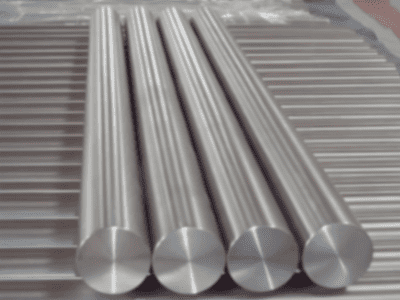
Incoloy 926 bar, also designated as UNS N08926, W.Nr. 1.4529, and commonly known as Alloy 926, is a super-austenitic stainless steel alloyed with high…
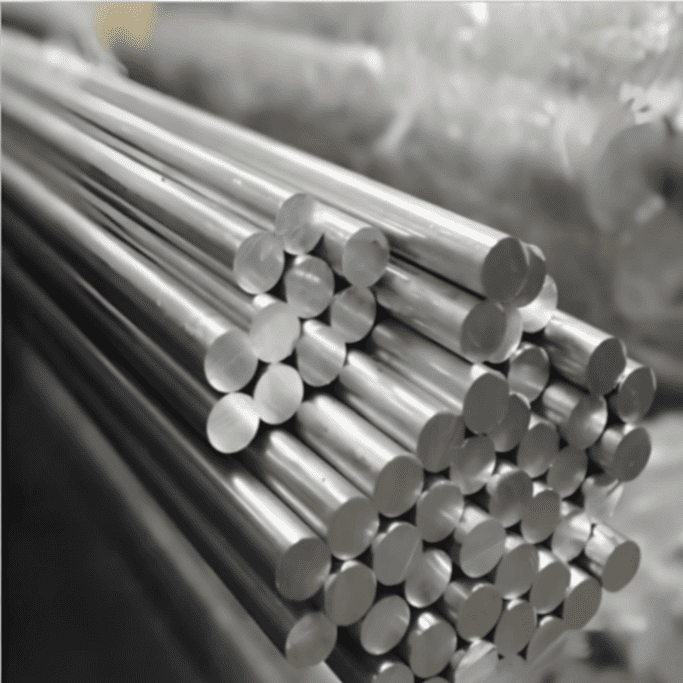
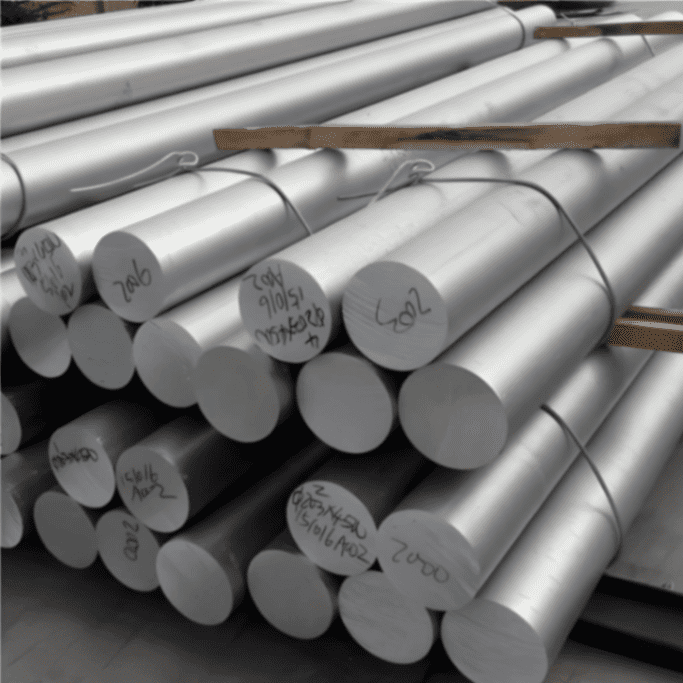
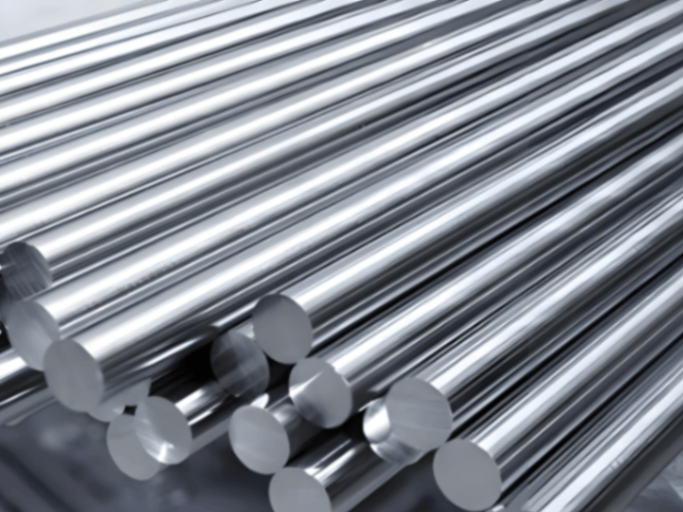
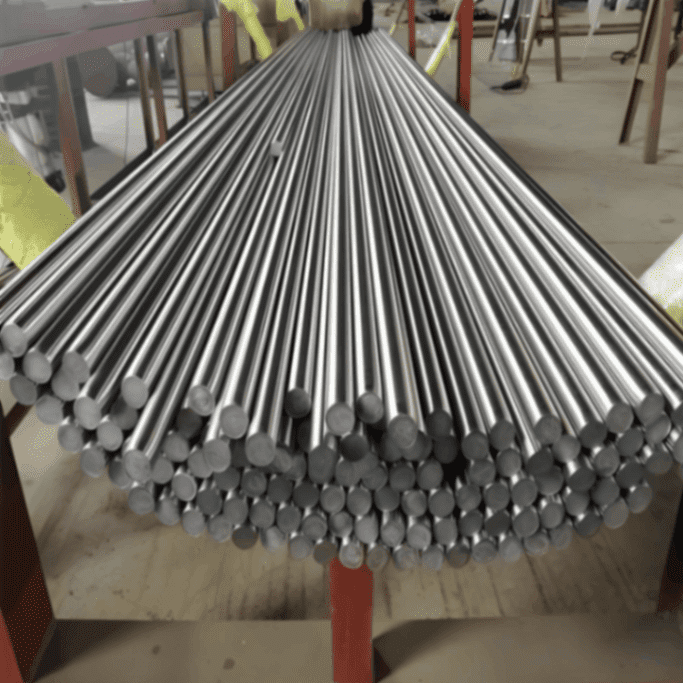
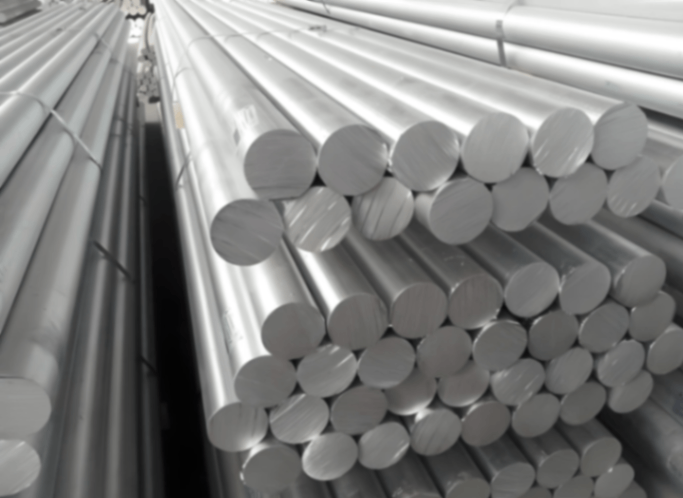
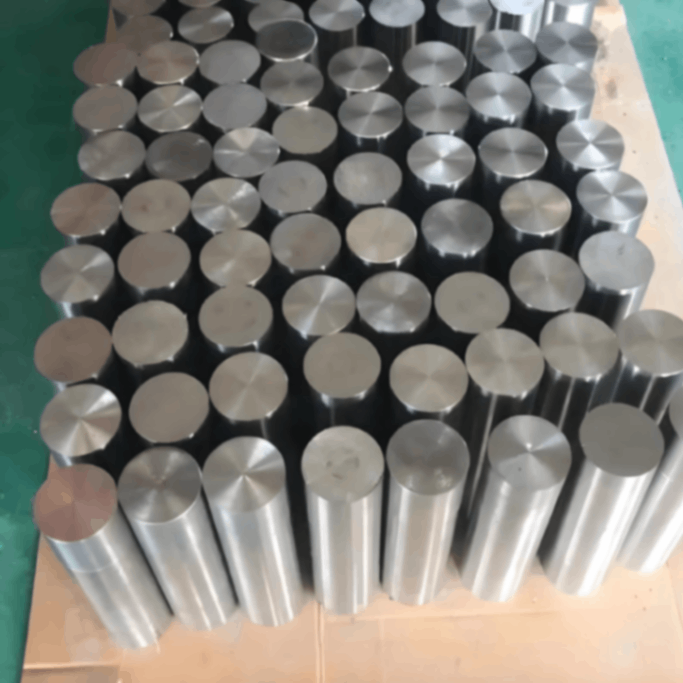
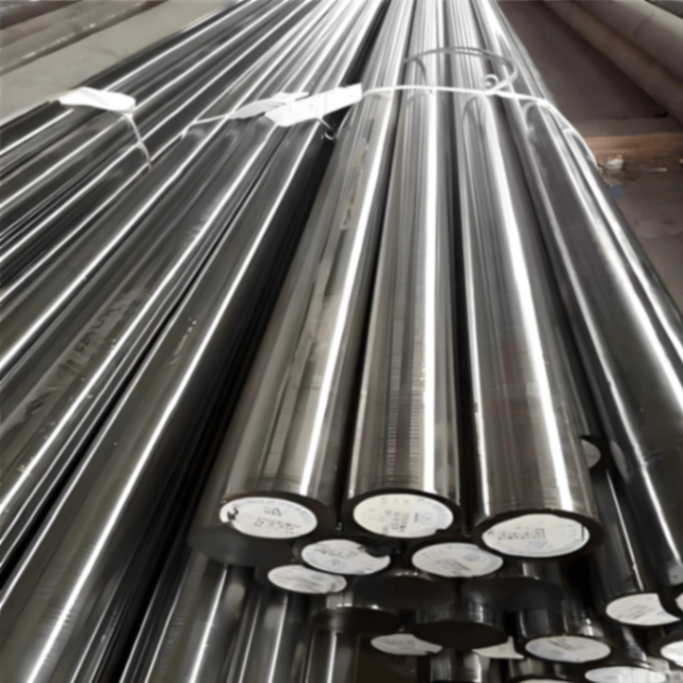
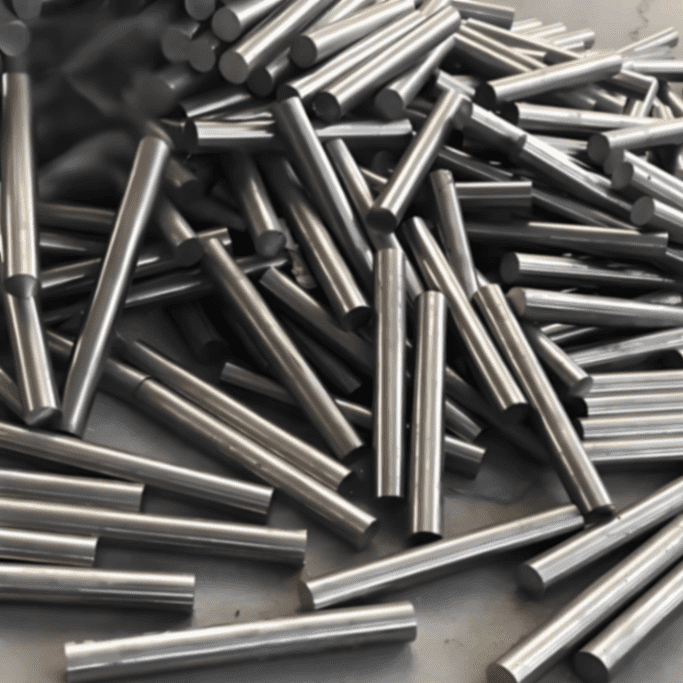
Incoloy 926 bar, also designated as UNS N08926, W.Nr. 1.4529, and commonly known as Alloy 926, is a super-austenitic stainless steel alloyed with high levels of chromium, nickel, molybdenum, and nitrogen, and further enhanced with a controlled copper addition. This bar stock form is engineered to deliver exceptional resistance to pitting, crevice corrosion, and stress corrosion cracking in chloride-containing environments, as well as good general corrosion resistance in a wide range of acidic and alkaline media. It is a premium material for machining critical components in seawater handling, chemical processing, and oil & gas applications.
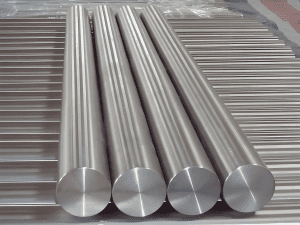
Incoloy 926 is a 6% molybdenum super-austenitic stainless steel that represents a high-performance class of materials designed to bridge the gap between standard austenitic steels and nickel-based alloys. Its high PREN (Pitting Resistance Equivalent Number) value, typically over 45, guarantees superior resistance to localized corrosion. The addition of nitrogen significantly increases strength, while copper improves resistance to sulfuric acid. The bar stock is ideal for manufacturing pump shafts, valve stems, fasteners, and fittings for demanding offshore, marine, and chemical industry services.
The outstanding corrosion resistance, particularly to chlorides, of Incoloy 926 bar is a result of its high alloy content and balanced composition. Supplied by Shanghai NC Metal Materials Co., Ltd., the bar stock conforms to exacting international specifications for critical applications.
| Element | Percentage (%) – Typical Range | Primary Function in the Alloy |
|---|---|---|
| Nickel (Ni) | 24.0 – 26.0 | Stabilizes the austenitic structure, provides fundamental resistance to stress corrosion cracking, and enhances toughness. |
| Chromium (Cr) | 19.0 – 21.0 | Provides resistance to oxidizing environments and forms a passive film for general corrosion protection. |
| Molybdenum (Mo) | 6.0 – 7.0 | Critical element for resistance to pitting and crevice corrosion in chloride solutions. Dramatically increases the PREN value. |
| Copper (Cu) | 0.5 – 1.5 | Improves resistance to reducing acids, particularly sulfuric acid, and enhances general corrosion resistance. |
| Nitrogen (N) | 0.15 – 0.25 | Powerful austenite stabilizer and solid-solution strengthener. Increases yield strength and further improves pitting resistance. |
| Iron (Fe) | Balance | Base element of the alloy matrix. |
| Manganese (Mn) | 2.0 max | Stabilizes austenite and aids in nitrogen solubility. |
| Silicon (Si) | 0.5 max | Residual element. |
| Carbon (C) | 0.02 max | Kept very low to prevent sensitization (chromium carbide precipitation) during welding, preserving corrosion resistance. |
| Phosphorus (P) | 0.03 max | Impurity control. |
| Sulfur (S) | 0.01 max | Impurity control; kept low for optimal corrosion resistance and hot workability. |
Incoloy 926 bar offers significantly higher strength than standard austenitic stainless steels, thanks to nitrogen strengthening, while maintaining good ductility. It is supplied in the solution-annealed condition.
| Mechanical Property | Typical Value at Room Temperature (Annealed) | Key Characteristic |
|---|---|---|
| Tensile Strength | 650 – 850 MPa (94 – 123 ksi) | High strength, beneficial for reducing component wall thickness and weight. |
| Yield Strength (0.2% Offset) | ≥ 300 MPa (44 ksi) | Approximately 50% higher than standard 316L stainless steel. |
| Elongation in 2 inches (50mm) | ≥ 35% | Good ductility for forming and fabrication. |
| Hardness (Rockwell B) | 95 – 110 HRB | – |
| Impact Toughness (Charpy V-notch) | Typically > 100 J at -40°C (-40°F) | Excellent low-temperature toughness. |
The physical properties of Alloy 926 bar are similar to other austenitic steels and are important for engineering calculations.
| Physical Property | Value at Room Temperature (20°C / 68°F) | Notes / Condition |
|---|---|---|
| Density | 8.1 g/cm³ (0.293 lb/in³) | – |
| Melting Range | 1320 – 1390°C (2410 – 2535°F) | – |
| Specific Heat | 500 J/kg·°C (0.119 BTU/lb·°F) | At 100°C |
| Thermal Conductivity | 12.0 W/m·K (83.2 BTU·in/hr·ft²·°F) | At 100°C |
| Mean Coefficient of Thermal Expansion | 15.0 μm/m·°C (8.3 μin/in·°F) | 20-100°C (68-212°F) |
| Electrical Resistivity | 0.85 μΩ·m (33.5 μΩ·in) | At 20°C |
| Modulus of Elasticity (Tensile) | 200 GPa (29.0 x 10^6 psi) | At 20°C |
Shanghai NC Metal Materials Co., Ltd. supplies Incoloy 926 bar in a range of forms suitable for marine and chemical processing equipment.
| Product Form | Standard Size Range | Key Standard Specifications | Common Supply Conditions |
|---|---|---|---|
| Round Bar (Hot Rolled/Forged) | 10mm (0.4″) to 300mm (12″) Diameter | ASTM B649 (UNS N08926), ASME SB-649, DIN 17744 (W.Nr. 1.4529), NACE MR0175/ISO 15156 | Solution Annealed (typically 1150-1180°C water quench) |
| Hexagonal Bar | 10mm to 80mm Across Flats | ASTM B649, DIN 17744 | Solution Annealed |
| Square Bar | 10mm to 80mm Width | ASTM B649 | Solution Annealed |
| Cold Finished Bar (Drawn/Ground) | 5mm to 120mm Diameter | ASTM B649 (cold drawn) | Solution Annealed, Cold Drawn & Stress-Relieved |
| Forging Billet | 150mm to 400mm Diameter | ASTM B564 (Forgings), Customer specs | As-Forged, Solution Annealed |
Machined components from Incoloy 926 bar are critical in environments where chloride-induced failure is a major concern: Marine and Offshore: Shafts, pumps, valves, and fasteners for seawater cooling systems, desalination plants (MED, MSF, RO), and offshore platform components. Oil & Gas: Tubing, fittings, downhole tools, and Christmas tree components for sour service (H2S/CO2/Cl-) when qualified to NACE standards. Chemical Processing: Equipment for handling chloride-containing process streams, dilute sulfuric acid, and organic acids. Pollution Control: Components in flue gas desulfurization (FGD) scrubbers and effluent treatment plants.
Incoloy 926 offers exceptional resistance to localized corrosion. Its very high PREN ensures a high Critical Pitting Temperature (CPT) and Critical Crevice Temperature (CCT) in chloride solutions, often exceeding those of duplex stainless steels. It provides excellent resistance to stress corrosion cracking (SCC) in chloride environments. The alloy also shows good general corrosion resistance in oxidizing and mildly reducing acids, including sulfuric, phosphoric, and formic acids, especially when copper is present. Its performance in seawater is outstanding, making it a preferred material for critical seawater-handling components.
Machining Incoloy 926 bar requires techniques for high-strength, work-hardening austenitic alloys. Its higher strength and work-hardening rate compared to 316L necessitate: rigid machine tools; sharp carbide cutting tools with positive rake angles; moderate speeds and feeds; and ample coolant flow to control heat and work hardening. Machinability is lower than standard 300-series stainless steels but is generally comparable to other high-molybdenum super-austenitic grades.
Alloy 926 is weldable using common processes like Gas Tungsten Arc Welding (GTAW/TIG) and Shielded Metal Arc Welding (SMAW). Due to its high molybdenum content, matching or over-alloyed filler metals (e.g., ERNiCrMo-3, ERNiCrMo-4, or a dedicated 6Mo-type filler) are recommended to maintain corrosion resistance in the weld metal. Its low carbon content minimizes sensitization risk, but for optimal performance in aggressive environments, post-weld solution annealing is advised for heavy sections to restore the corrosion resistance of the heat-affected zone.
The price of Incoloy 926 bar from Shanghai NC Metal Materials Co., Ltd. is influenced by its high content of nickel, molybdenum, and nitrogen, positioning it as a premium stainless alloy.
| Pricing Factor | Impact on Reference Price | Procurement Guidance |
|---|---|---|
| High-Alloy Content | Significant nickel (~25%) and high molybdenum (~6.5%) content are the primary cost drivers. Nitrogen addition also contributes to processing costs. | Alloy 926 is a cost-effective alternative to nickel-based alloys like Hastelloy C-276 for many seawater and chloride services, offering a favorable balance of performance and cost. |
| Manufacturing and Quality Control | The requirement for very low carbon and sulfur, along with precise nitrogen control, requires specialized melting practices (AOD/VOD), adding to manufacturing cost. | Ensure the supplier’s MTR confirms the tight composition limits, especially for nitrogen, which is critical for achieving the specified mechanical properties and pitting resistance. |
| Industry Certification | Bar supplied with NACE MR0175/ISO 15156 certification for sour service or with specific seawater corrosion test data (e.g., ASTM G48) may carry a premium. | For offshore and oil & gas applications, NACE certification is often mandatory and should be specified upfront. |
| Form, Size, and Testing | Cold-finished precision bars and large forging stock are more expensive. Additional testing like pitting corrosion tests or PMI adds cost. | For standard components, hot-rolled bar is sufficient. Clearly define if any special testing beyond the standard MTR is required for project approval. |
We are factory wholesale price, and the prices are lower than 95% of suppliers. Our professional quotation will help you with your project. Expecting our long-term cooperation. )
 English English
  Korean
 Arabic
 Spanish
 German
 Portuguese
 French
 Russian
 Italian
 Vietnamese