- E-mail: [email protected]
- WhatsApp: +86 18533346372
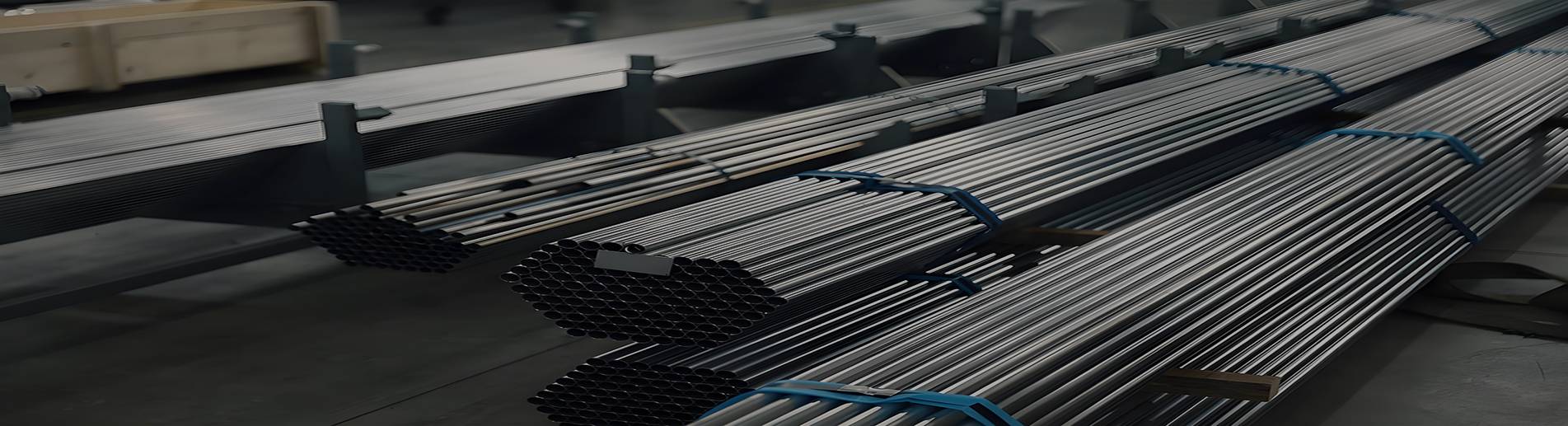
Home > Products > Incoloy bar > Incoloy A-286/UNS S66286/W-Nr. 1.4980/Alloy A-286 bar
Incoloy A-286 bar, designated as UNS S66286, material number W.Nr. 1.4980, and commonly known as Alloy A-286, is a precipitation-hardenable iron-nicke…
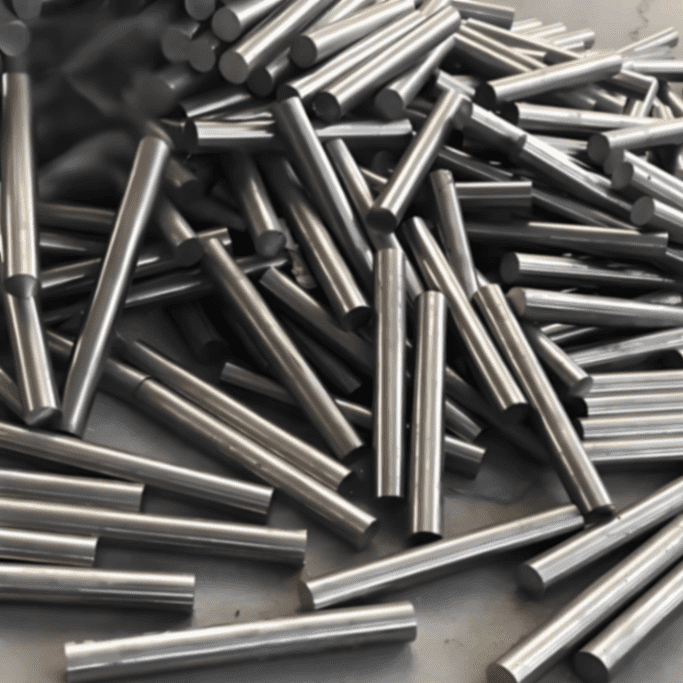
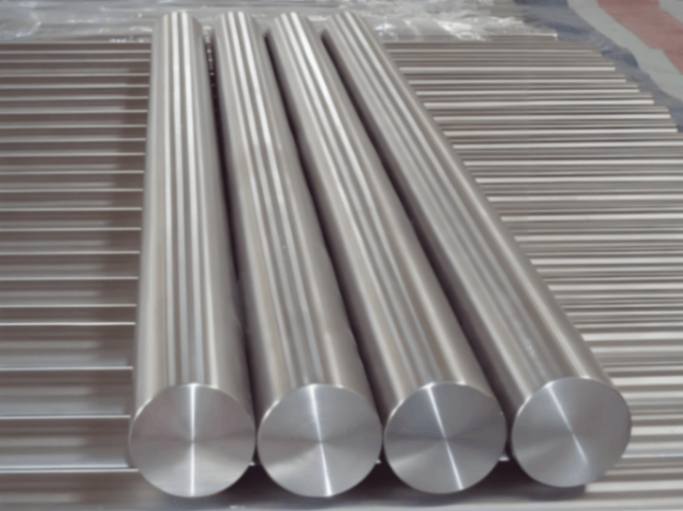
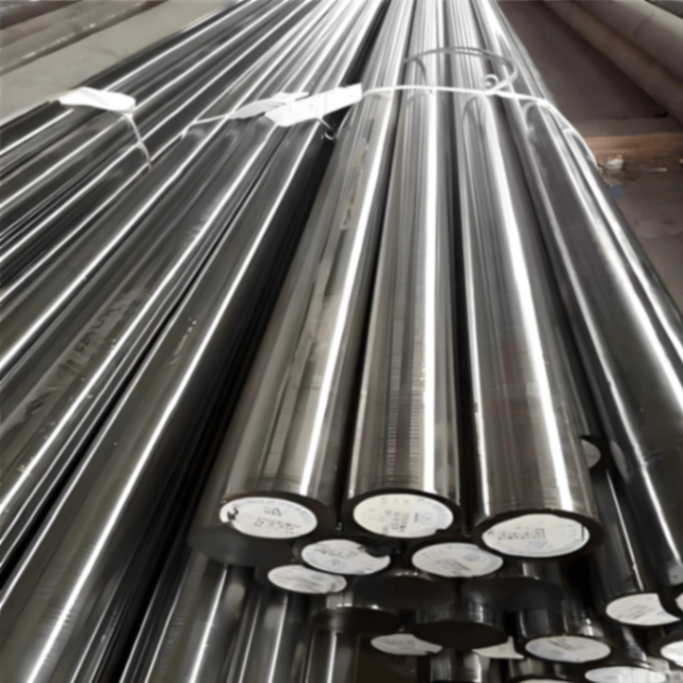
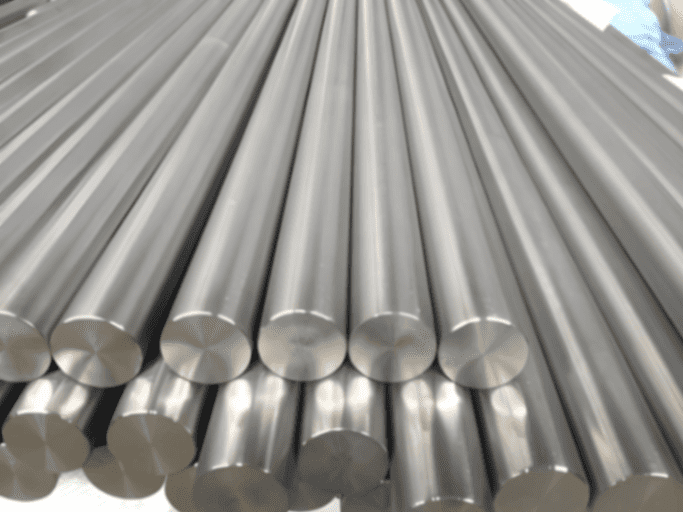
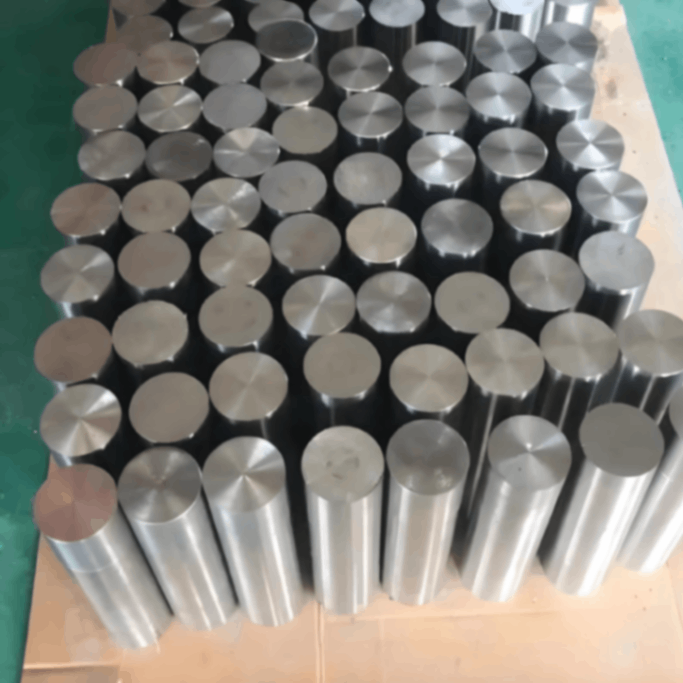
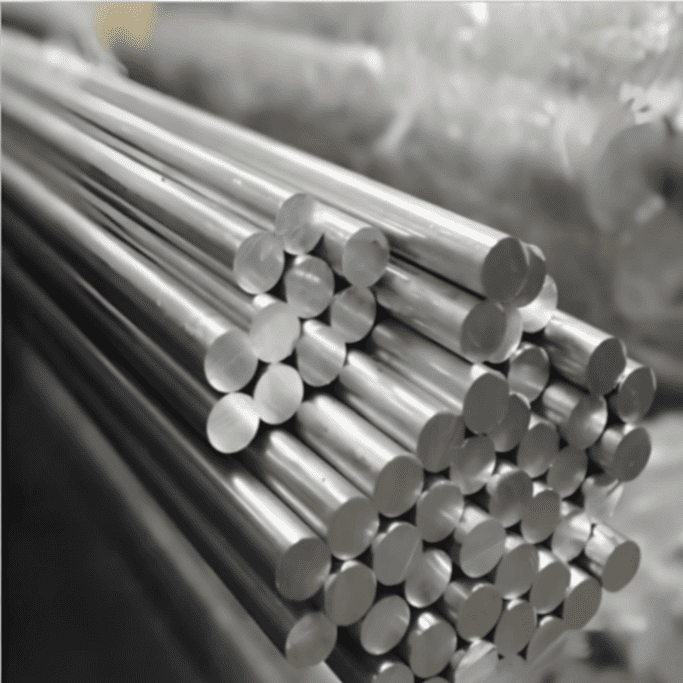
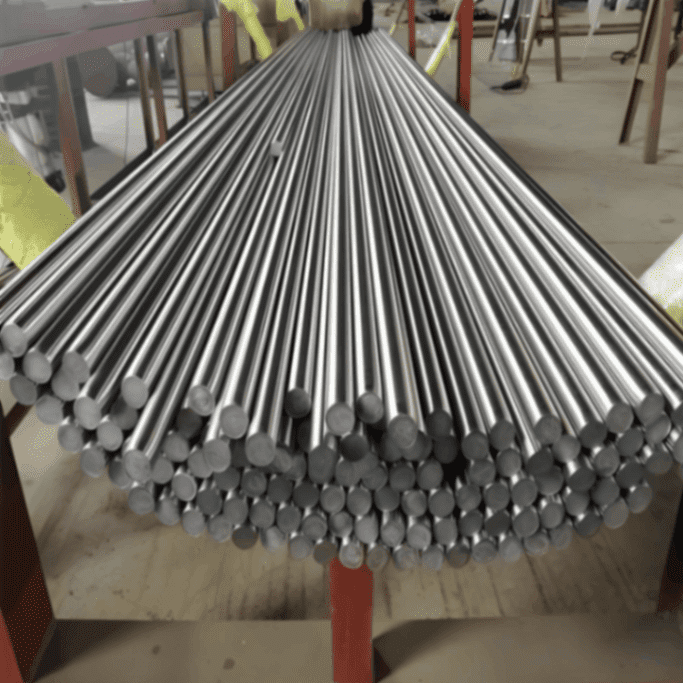
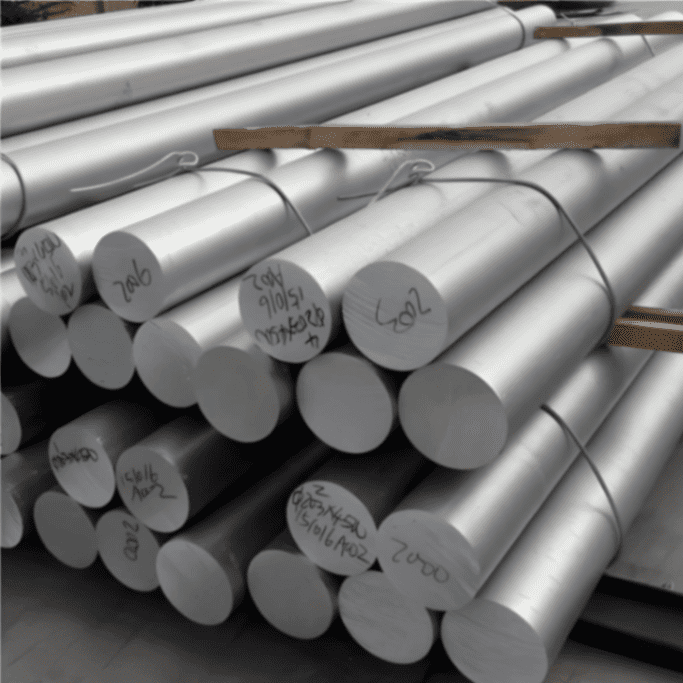
Incoloy A-286 bar, designated as UNS S66286, material number W.Nr. 1.4980, and commonly known as Alloy A-286, is a precipitation-hardenable iron-nickel-chromium superalloy known for its high strength and excellent corrosion resistance at temperatures up to about 700°C (1300°F). This bar stock form is a vital material for machining high-stress components such as fasteners, turbine blades, and engine parts in aerospace, automotive, and industrial applications where a combination of strength, toughness, and oxidation resistance is required.
Incoloy A-286 is an age-hardenable austenitic superalloy that achieves its high strength through precipitation of gamma prime (γ’) phase during heat treatment. While classified as an iron-based alloy, its high nickel and chromium content gives it corrosion resistance superior to many stainless steels and allows it to retain strength at elevated temperatures. The bar stock is particularly valued for its good fabricability in the solution-annealed condition, which can then be aged to achieve high strength, making it ideal for complex machined or forged parts.
The balance of elements in Incoloy A-286 bar is carefully controlled to enable both precipitation hardening and good environmental resistance. Supplied by Shanghai NC Metal Materials Co., Ltd., the bar stock meets aerospace and industrial specifications ensuring consistent performance.
| Element | Percentage (%) – Typical Range | Primary Function in the Alloy |
|---|---|---|
| Iron (Fe) | Balance | Base element of the alloy matrix. |
| Nickel (Ni) | 24.0 – 27.0 | Stabilizes the austenitic structure, enables precipitation hardening, and contributes to high-temperature strength and corrosion resistance. |
| Chromium (Cr) | 13.5 – 16.0 | Provides oxidation and corrosion resistance at elevated temperatures. |
| Molybdenum (Mo) | 1.0 – 1.5 | Provides solid-solution strengthening and enhances high-temperature strength. |
| Titanium (Ti) | 1.9 – 2.4 | Primary hardening element; combines with aluminum to form the strengthening gamma prime (γ’) phase Ni3(Al,Ti) during aging. |
| Aluminum (Al) | 0.10 – 0.40 | Works with titanium to form the gamma prime (γ’) strengthening phase. |
| Vanadium (V) | 0.10 – 0.50 | Contributes to strengthening and grain size control. |
| Boron (B) | 0.001 – 0.010 | Trace addition to strengthen grain boundaries. |
| Carbon (C) | 0.08 max | Controlled to form strengthening carbides without compromising toughness. |
| Manganese (Mn) | 2.00 max | Residual element, aids in deoxidation. |
| Silicon (Si) | 1.00 max | Residual element. |
| Sulfur (S) | 0.030 max | Impurity control. |
| Phosphorus (P) | 0.030 max | Impurity control. |
The mechanical properties of Incoloy A-286 bar are developed through a specific solution treatment and aging process. Bar is typically supplied in the solution-annealed condition (Condition A) for fabrication, then aged to achieve high strength.
Typical Value (Aged Condition – Grade 660)
| Mechanical Property | Typical Value (Solution Annealed) | Relevant Standard (e.g., ASTM A453) | |
|---|---|---|---|
| Tensile Strength | ≥ 585 MPa (85 ksi) | ≥ 900 MPa (130 ksi) | ASTM A453 Grade 660 |
| Yield Strength (0.2% Offset) | ≥ 240 MPa (35 ksi) | ≥ 585 MPa (85 ksi) | ASTM A453 Grade 660 |
| Elongation in 2 inches (50mm) | ≥ 30% | ≥ 15% | ASTM A453 Grade 660 |
| Hardness (Rockwell) | ≤ 100 HRB | 24 – 35 HRC | – |
The physical properties of Alloy A-286 are important for applications involving thermal cycling and weight considerations.
Notes / Condition
| Physical Property | Value at Room Temperature (20°C / 68°F) | |
|---|---|---|
| Density | 7.93 g/cm³ (0.286 lb/in³) | – |
| Melting Range | 1365 – 1425°C (2490 – 2600°F) | – |
| Specific Heat | 460 J/kg·°C (0.110 BTU/lb·°F) | At 100°C |
| Thermal Conductivity | 14.0 W/m·K (97.1 BTU·in/hr·ft²·°F) | At 100°C |
| Mean Coefficient of Thermal Expansion | 14.0 μm/m·°C (7.8 μin/in·°F) | 20-100°C (68-212°F) |
| Electrical Resistivity | 0.90 μΩ·m (35.4 μΩ·in) | At 20°C |
| Modulus of Elasticity (Tensile) | 201 GPa (29.1 x 10^6 psi) | At 20°C |
Shanghai NC Metal Materials Co., Ltd. supplies Incoloy A-286 bar in various forms and tempers, primarily to aerospace and high-temperature bolting specifications.
| Product Form | Standard Size Range | Key Standard Specifications | Common Supply Conditions |
|---|---|---|---|
| Round Bar (Hot Rolled/Forged) | 6mm (0.25″) to 250mm (10″) Diameter | ASTM A453 (Grade 660), AMS 5525, AMS 5731, DIN 17742 (W.Nr. 1.4980) | Condition A (Annealed), Condition AT (Solution Treated), Aged (Grade 660) |
| Hexagonal Bar (for fasteners) | 5mm to 50mm Across Flats | ASTM A453, AMS 5731 | Solution Treated & Aged |
| Square Bar | 10mm to 80mm Width | ASTM A453 | Condition A |
| Cold Finished Bar | 3mm to 100mm Diameter | AMS 5731 (cold drawn/ground) | Solution Treated, Cold Drawn, & Aged |
| Forging Billet | 100mm to 400mm Diameter | AMS 5732, AMS 5734 | Condition A, Forged & Solution Treated |
Machined or forged components from Incoloy A-286 bar are essential in high-stress, elevated-temperature applications: Aerospace: Turbine engine components (blades, disks, casings), afterburner parts, and high-strength fasteners (bolts, nuts, studs). Automotive: Turbocharger components and high-performance engine valves. Industrial Gas Turbines: Bolting, blades, and discs. Power Generation: High-temperature bolts and studs for steam turbines and piping. High-Temperature Fasteners: The premier material for ASTM A453 Grade 660 bolts used in refinery, chemical, and power plant applications.
The properties of A-286 are developed through a standard heat treatment sequence: Solution Treatment: Heat to 980°C (1800°F), hold, then cool rapidly (water quench or oil quench). This dissolves the alloying elements into the austenitic matrix. Aging Treatment: Reheat to 720°C (1325°F) for 16 hours, then air cool. This step precipitates the fine gamma prime (γ’) phase throughout the matrix, providing the high strength. Variations in time and temperature can adjust strength and ductility balance.
Machining A-286 bar is best performed in the softer, solution-annealed condition before final aging. In this state, it machines similarly to other austenitic stainless steels but is tougher. Recommendations include: using rigid setups and sharp carbide tools; moderate speeds and feeds; and ample coolant. Machining in the fully aged condition is difficult due to high strength and hardness, requiring slower speeds, positive rake tools, and careful technique. The alloy is readily forgeable in the temperature range of 925-1200°C (1700-2200°F).
Incoloy A-286 is weldable, but the process requires care to avoid cracking and to preserve properties. Welding should be performed in the solution-annealed condition. Post-weld heat treatment (full solution treat and age) is essential to restore mechanical properties and corrosion resistance in the weld zone. Matching filler metals (e.g., ERNiFeCr-1) or nickel-based fillers like 625 are often used. Resistance welding processes are commonly and successfully used for this alloy.
The price of Incoloy A-286 bar from Shanghai NC Metal Materials Co., Ltd. is influenced by its nickel content, specialized heat treatment requirements, and stringent quality controls for aerospace applications.
| Pricing Factor | Impact on Reference Price | Procurement Guidance |
|---|---|---|
| Heat Treatment Condition | Bar supplied in the fully aged (Grade 660) condition is more expensive than solution-annealed bar due to the additional thermal processing. | For complex machining, purchase in Condition A, machine, then age. For simpler parts or fasteners, buy pre-aged material to save on processing steps. |
| Aerospace vs. Industrial Grade | Bar conforming to AMS 5731 or 5737 with full traceability and testing commands a premium over standard ASTM A453 material. | Specify the exact standard required. “ASTM A453 Grade 660” is common for industrial fasteners; AMS specs are for aerospace components. |
| Form and Size | Precision cold-finished bar for fastener manufacturing and large forging billets are higher cost items. Standard hot-rolled round bar is the most economical. | For fastener production, hex bar in the aged condition is standard. For general component machining, round bar in Condition A is typical. |
| Certification and Testing | Requirements for extensive mechanical testing at temperature, stress-rupture testing, or grain flow inspection for forgings add significant cost. | These tests are often required for critical rotating parts. For standard fasteners, certification to ASTM A453 with room temperature properties is usually sufficient. |
We are factory wholesale price, and the prices are lower than 95% of suppliers. Our professional quotation will help you with your project. Expecting our long-term cooperation. )
 English English
  Korean
 Arabic
 Spanish
 German
 Portuguese
 French
 Russian
 Italian
 Vietnamese