
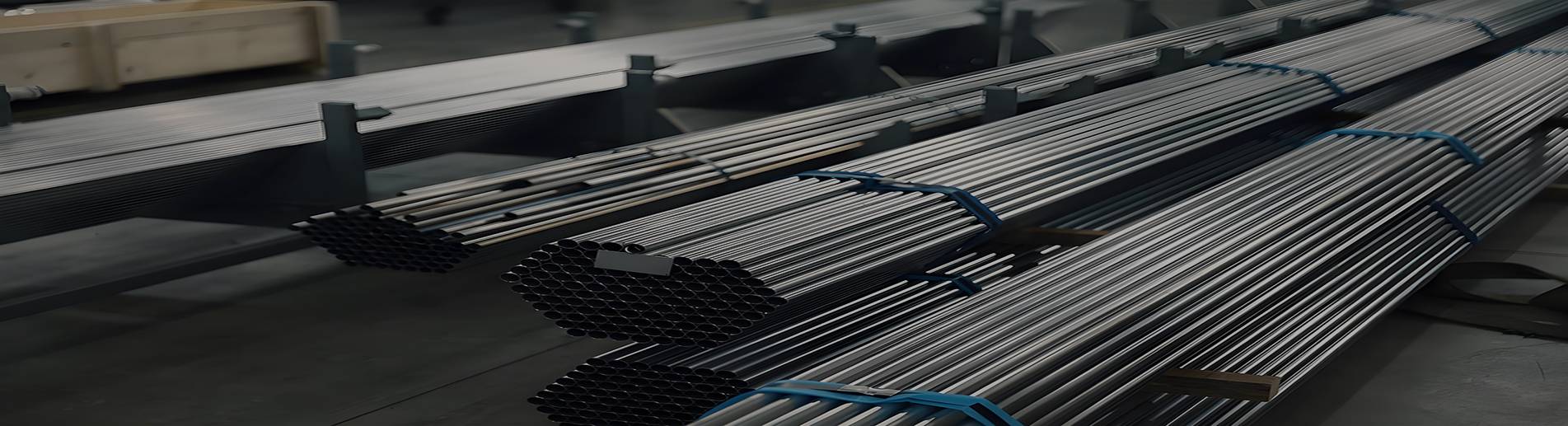
Inconel 617 alloy round bar price per kilogram
Inconel 617 alloy round bar price per kilogram is commonly about USD 45 to 90 per kg for standard industrial stock sizes. Large forged bars, small pre...
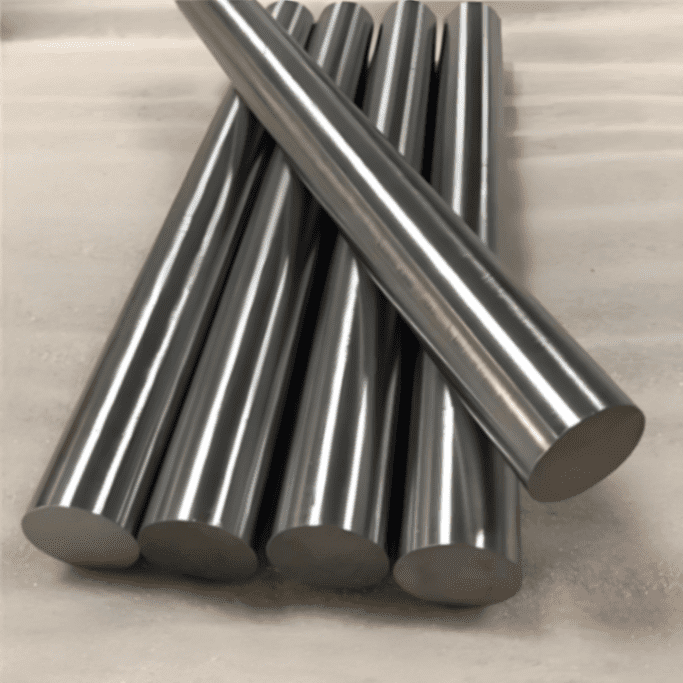
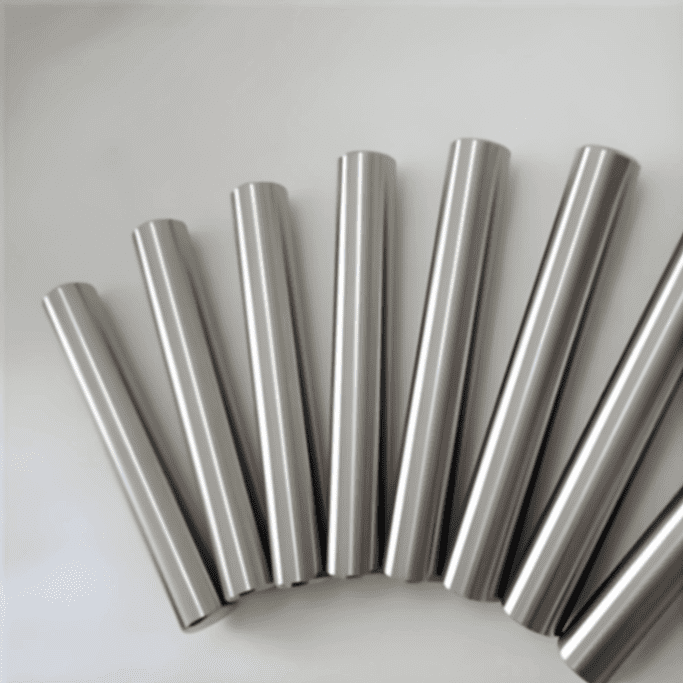
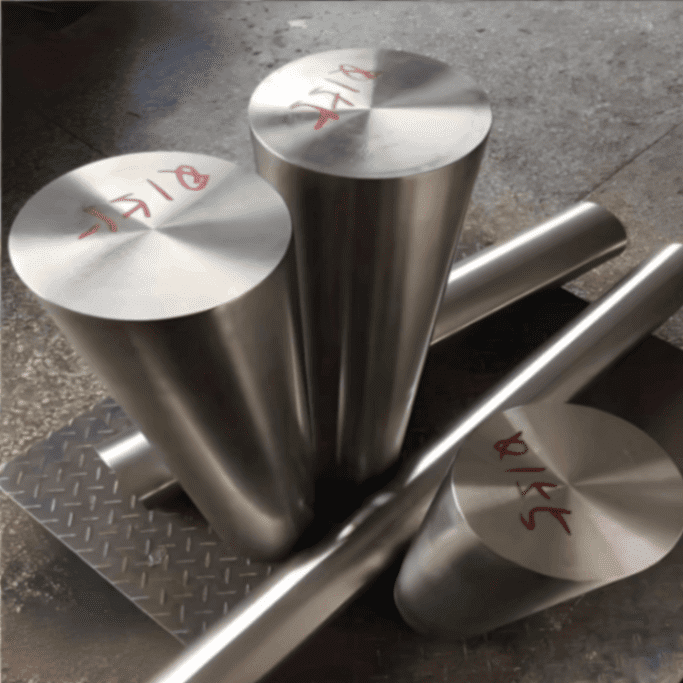
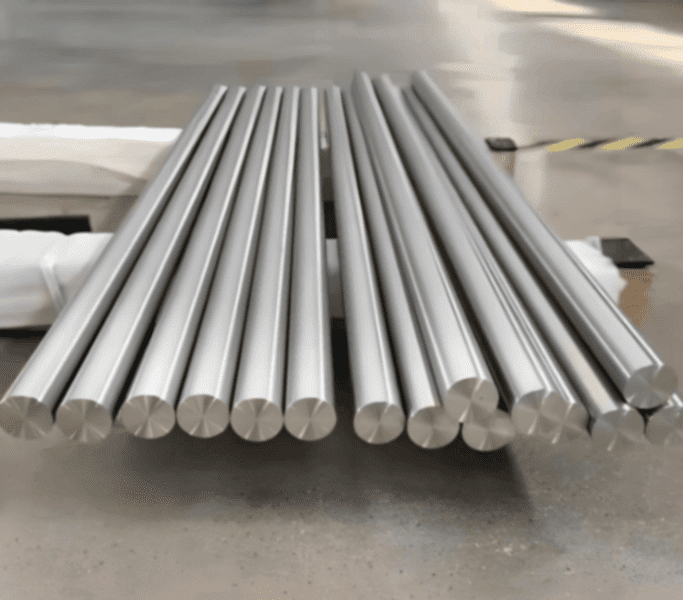
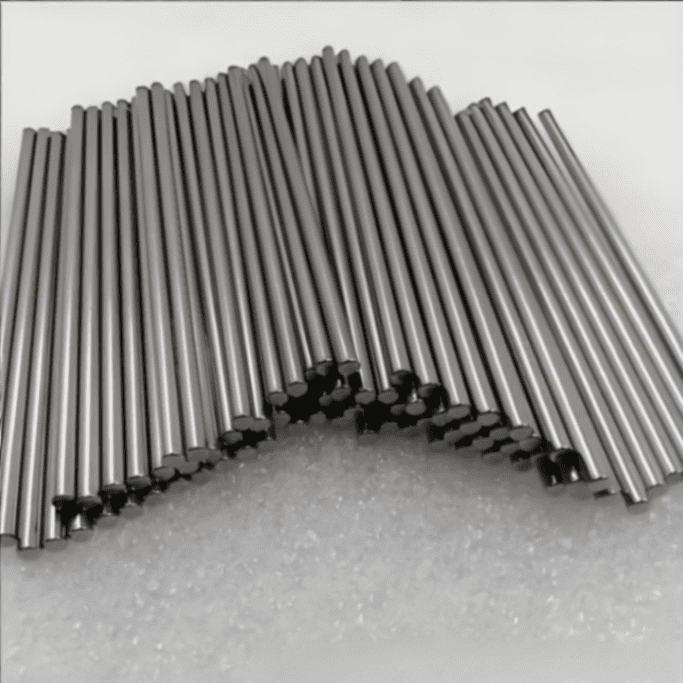
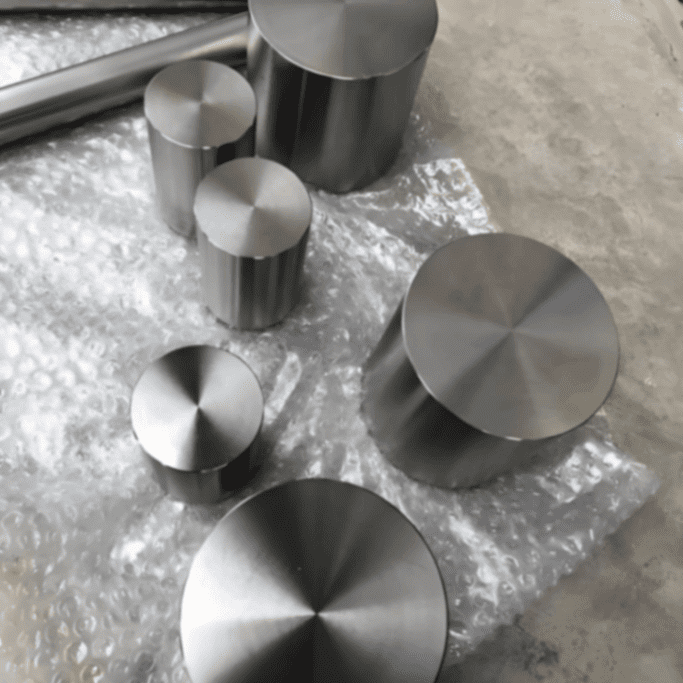
Inconel 718 is one of the most widely used nickel-based superalloys in the world, renowned for maintaining high strength, corrosion resistance, and structural stability at temperatures up to 1300°F (704°C). Unlike alloys that rely on solid-solution strengthening alone, Inconel 718 gains its remarkable strength from a unique precipitation-hardening process involving the elements niobium and molybdenum. This makes it an ideal material for components that must withstand extreme mechanical stress and corrosive environments. When we talk about Inconel 718 in bar or rod form, we are discussing the raw material used to forge, machine, or fabricate critical parts for industries where failure is not an option. The applications are vast, ranging from the depths of oil wells to the vacuum of space. Understanding both the applications and the governing standards is essential for any engineer or procurement specialist. For sourcing these high-performance bars, suppliers like Shanghai NC Metal Materials Co., Ltd. typically stock material certified to these rigorous international specifications.
The aerospace industry is the largest consumer of Inconel 718. Its ability to retain mechanical properties at elevated temperatures makes it indispensable for jet engine and airframe construction. The alloy’s excellent fatigue strength and resistance to creep are critical for rotating and static components in the hot section of gas turbine engines. Inconel 718 bars are commonly machined into turbine discs, blades, and shafts. They are also used for high-strength fasteners, casings, and structural supports in areas exposed to high heat from engine operation or aerodynamic friction.
Downhole and subsea environments are incredibly hostile, characterized by high pressures, corrosive fluids containing hydrogen sulfide (H2S) and chlorides, and significant mechanical stress. Inconel 718 is a material of choice for these applications due to its exceptional resistance to sulfide stress cracking (SSC) and pitting corrosion. Bars are machined into valve components, hangers, packers, subs, and fasteners used in drilling and completion equipment. Its high strength allows for the design of thinner-walled components, which is a significant advantage in deep-well operations where space is limited.
In the power generation sector, particularly nuclear power plants, components must withstand high temperatures, pressures, and neutron irradiation. Inconel 718 bars are used to fabricate reactor core components, control rod drive mechanisms, valve stems, and spring seals. The alloy’s resistance to stress corrosion cracking in high-purity water environments, combined with its long-term structural stability, makes it a reliable material for these safety-critical applications.
High-performance and racing applications push materials to their limits. Inconel 718 is used in the most demanding parts of race cars, including exhaust valves, turbocharger rotors and shafts, and high-temperature fasteners. The alloy’s ability to retain strength at red-hot temperatures allows engines to run hotter and more efficiently, producing more power. While cost-prohibitive for standard vehicles, it is standard practice in Formula 1, NASCAR, and other top-tier racing series.
Beyond the final components, Inconel 718 bars are also used in the tooling industry, particularly for die-casting and hot-forming dies that operate at high temperatures. Furthermore, a significant portion of Inconel 718 bar production goes into manufacturing high-strength fasteners, such as bolts, nuts, and screws, that must maintain clamping force under extreme thermal cycling and vibration. These fasteners are critical in aerospace, marine, and chemical processing equipment.
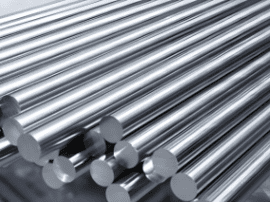
The production, testing, and certification of Inconel 718 bars are governed by a strict set of international standards to ensure material performance and traceability. The specific standard required depends on the end-use industry and the component’s criticality. Below is a table summarizing the most common standards for Inconel 718 bar products. Shanghai NC Metal Materials Co., Ltd. can supply materials in accordance with these specifications.
| Standard Designation | Full Title / Scope | Typical Application / Industry |
|---|---|---|
| ASTM B637 | Standard Specification for Precipitation-Hardening and Cold Worked Nickel Alloy Bars, Forgings, and Forging Stock for High-Temperature Service | General industrial applications, chemical processing, power generation. This is the most common commercial standard. |
| AMS 5662 | Nickel Alloy, Corrosion and Heat-Resistant, Bars, Forgings, and Rings 52.5Ni – 19Cr – 3.0Mo – 5.1Cb (Nb) – 0.90Ti – 0.50Al – 18Fe Consumable Electrode or Vacuum Induction Melted 1775°F (968°C) Solution Heat Treated, Precipitation Hardenable | Aerospace components requiring a specific solution heat treatment temperature for optimized properties. |
| AMS 5663 | Similar to AMS 5662 but with a different solution heat treatment temperature (1950°F / 1066°C) for different property balance, often leading to better stress rupture ductility. | Aerospace applications where a specific combination of strength and ductility is required. |
| AMS 5664 | Nickel Alloy, Corrosion and Heat-Resistant, Bars, Forgings, and Rings 52.5Ni – 19Cr – 3.0Mo – 5.1Cb (Nb) – 0.90Ti – 0.50Al – 18Fe Solution Heat Treated, Precipitation Hardenable | Similar to 5662/5663, often specified for parts that will be machined in the solution-treated condition. |
| API 6A / ISO 10423 | Specification for Wellhead and Christmas Tree Equipment. Defines material classes, including requirements for corrosion-resistant alloys like Inconel 718. | Oil and gas industry, specifically for wellhead and tree components exposed to sour service (H2S). |
| NACE MR0175 / ISO 15156 | Petroleum and natural gas industries—Materials for use in H2S-containing environments in oil and gas production. | Defines the acceptability and requirements for Inconel 718 in sour service environments to prevent sulfide stress cracking. |
The properties of Inconel 718 bars are heavily influenced by their heat treatment condition. Bars are typically supplied in the solution-annealed condition or the age-hardened condition. The most common tempers are outlined in the standards mentioned above.
| Condition / Temper | Description | Typical Hardness / Strength | Machinability |
|---|---|---|---|
| Solution Annealed (per AMS 5662) | Heated to ~968°C (1775°F) and cooled. Dissolves precipitates for forming or machining. | Lower strength, good ductility | Better, easier for rough machining |
| Solution Annealed (per AMS 5663) | Heated to ~1066°C (1950°F) and cooled. Provides a coarser grain size for enhanced stress rupture. | Moderate strength | Moderate |
| Precipitation Hardened (Age Hardened) | Subjected to a two-step aging process (e.g., 718°C + 621°C) after solution annealing to achieve full strength. | High strength (up to 200 ksi tensile) | More challenging, requires rigid tooling |
Depending on the application, Inconel 718 bars may require additional testing beyond standard mill certification. This ensures the material meets the stringent demands of critical industries. Common supplementary tests include:
| Test Type | Purpose | Typical Requirement |
|---|---|---|
| Ultrasonic Testing (UT) | Detect internal flaws (seams, inclusions, porosity) in the bar. | Per ASTM E2375 or AMS 2631, various classes (e.g., Class A for aerospace). |
| Mechanical Testing | Verify tensile, yield, and elongation properties. | Per ASTM E8 / E21 (elevated temperature). |
| Grain Size Determination | Ensure uniform microstructure. | Per ASTM E112. |
| Positive Material Identification (PMI) | Verify chemical composition on the finished product. | Common in oil & gas to ensure alloy matches certificate. |
Q: What are the main applications for Inconel 718 bars?
A: Inconel 718 bars are primarily used to manufacture high-strength components in extreme environments. The main applications include jet engine parts like turbine discs and blades (aerospace), downhole tools and valves for oil and gas extraction, reactor core components in nuclear power plants, and high-performance fasteners and exhaust systems in racing and automotive industries.
Q: What is the most common standard for purchasing Inconel 718 bar stock?
A: The most common commercial standard is ASTM B637, which covers bars, forgings, and forging stock for high-temperature service. For aerospace applications, the most frequently specified standards are the AMS series, particularly AMS 5662 and AMS 5663, which define specific heat treatment conditions and property requirements. For oil and gas applications, compliance with NACE MR0175/ISO 15156 is often required.
Q: Can Inconel 718 bars be machined easily?
A: Inconel 718 is considered a difficult-to-machine material due to its high strength and work-hardening characteristics. It machines best in the solution-annealed condition before final aging. However, even in this state, it requires rigid setups, sharp tooling (often carbide or ceramic), and slow speeds with consistent feeds to prevent work hardening. Machining in the fully age-hardened condition is even more challenging and is typically reserved for final finishing operations.
More from this category
Inconel 617 alloy round bar price per kilogram is commonly about USD 45 to 90 per kg for standard industrial stock sizes. Large forged bars, small pre...
The latest Inconel 625 alloy bar price per kg depends on nickel, molybdenum, niobium, and chromium raw material costs, as well as bar diameter, manufa...
Inconel X-750 alloy bar price depends on nickel raw material cost, bar diameter, product condition, heat treatment, specification, surface finish, dim...
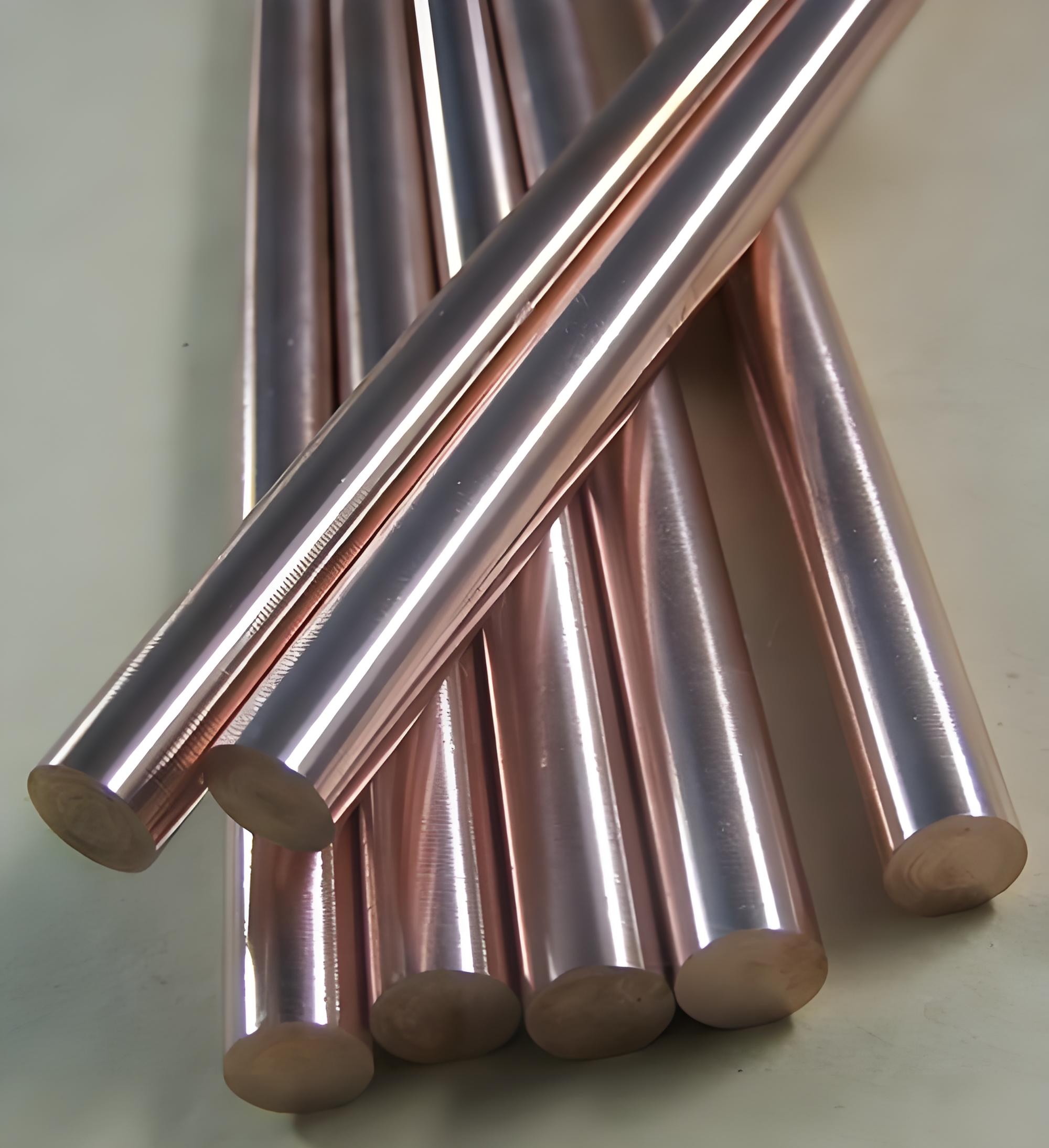
Inconel 602CA alloy bar price per kg is usually higher than common Inconel 600 and Inconel 601 bars because Alloy 602CA is a premium high-temperature ...
 English English
  Korean
 Arabic
 Spanish
 German
 Portuguese
 French
 Russian
 Italian
 Vietnamese