
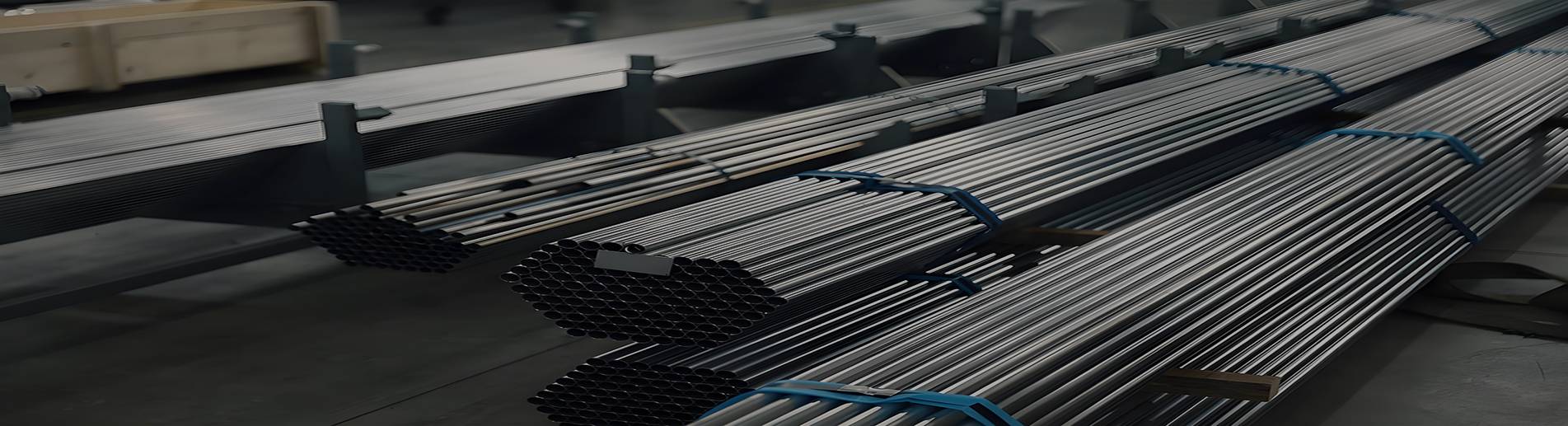
Inconel 617 alloy round bar price per kilogram
Inconel 617 alloy round bar price per kilogram is commonly about USD 45 to 90 per kg for standard industrial stock sizes. Large forged bars, small pre...
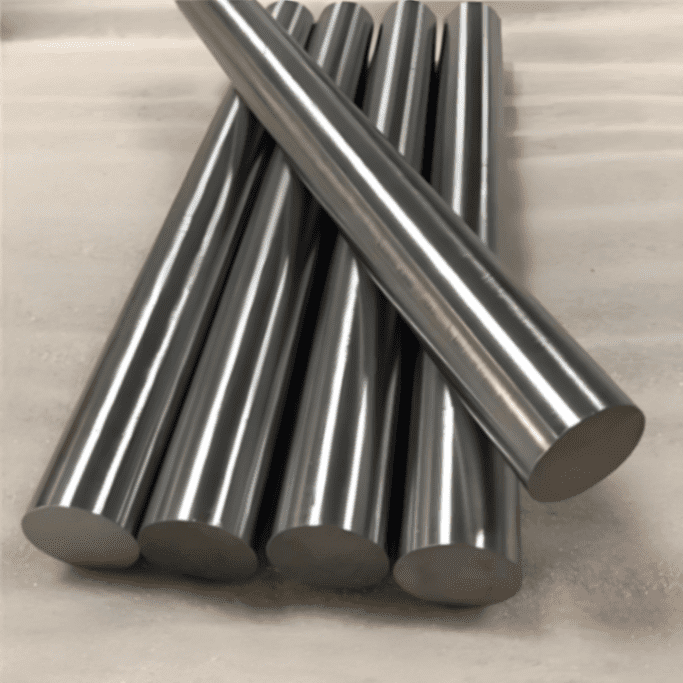
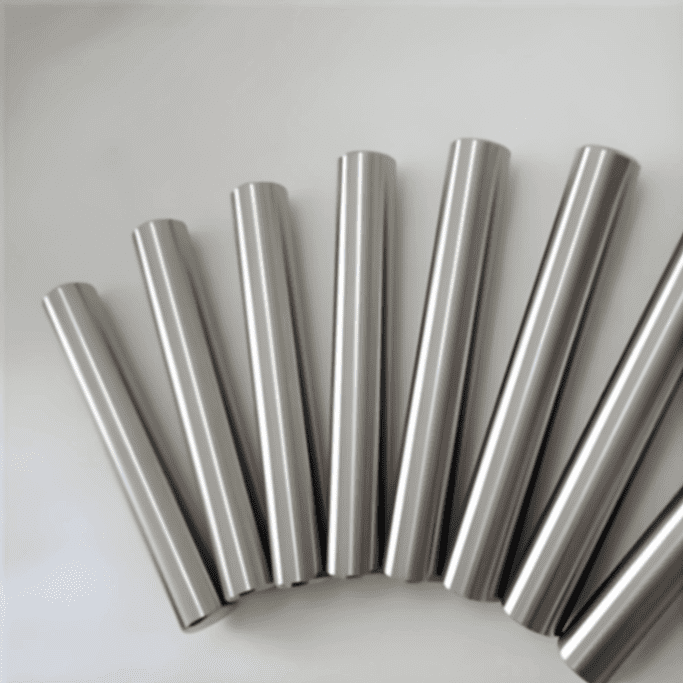
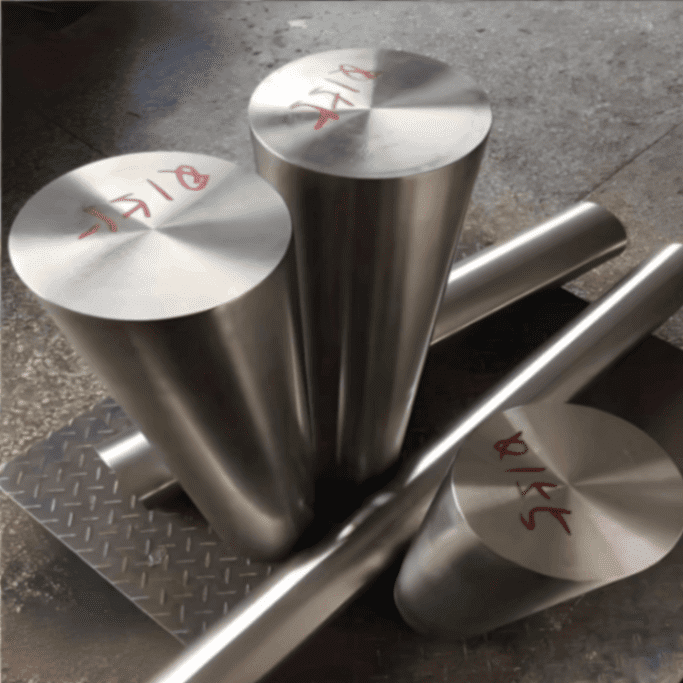
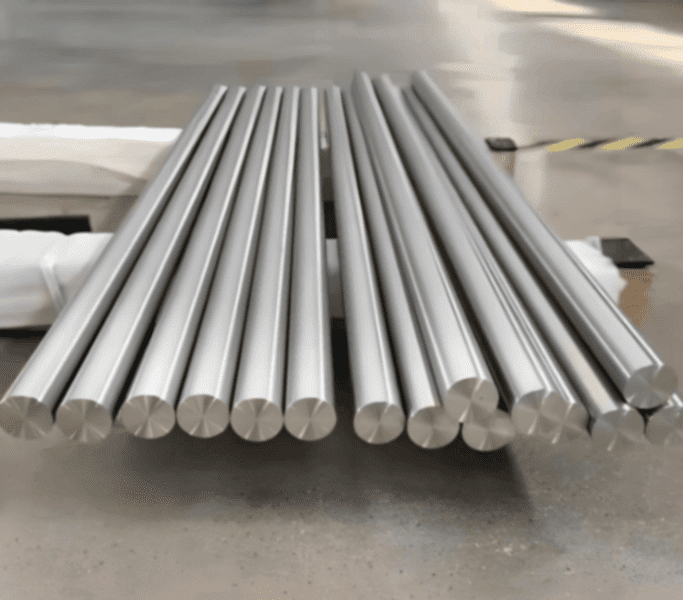
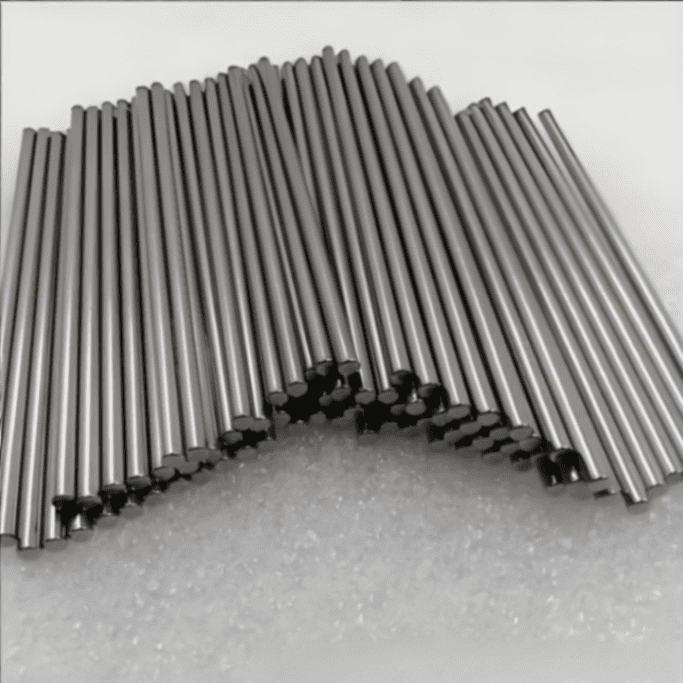
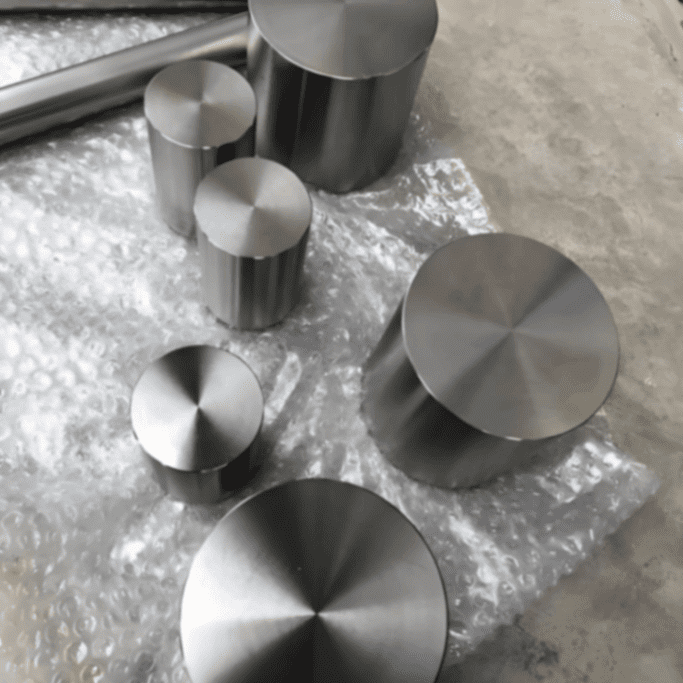
At first glance, Inconel 718 and S136 might both be categorized as high-performance materials, but they are engineered for entirely different worlds. One is a nickel-based superalloy designed to hold its strength at temperatures that would make steel glow red, while the other is a martensitic stainless steel prized for its mirror-like finish and corrosion resistance in mold-making. Understanding the fundamental difference between Inconel 718 bars and S136 is crucial for any designer or procurement specialist, because choosing the wrong one can lead to catastrophic failure in service or unnecessarily high material costs. Inconel 718 is an aerospace and energy sector workhorse, while S136 is the king of the plastics industry. Their composition, mechanical properties, and applications share almost no common ground. For sourcing either of these very distinct materials, suppliers like Shanghai NC Metal Materials Co., Ltd. specialize in providing certified stock for their respective industries.
The most fundamental difference lies in their primary chemical makeup. Inconel 718 is a nickel-chromium alloy, meaning its base element is nickel (typically 50-55%). This high nickel content is what gives it the ability to withstand high temperatures and reducing environments. S136, on the other hand, is a martensitic stainless steel, meaning its base is iron. It is part of the steel family, with chromium as the primary alloying element to provide corrosion resistance. This distinction dictates everything else about the materials, from their melting points to their cost.
| Element | Inconel 718 (Approx. %) | S136 (Approx. %) | Role of the Difference |
|---|---|---|---|
| Nickel (Ni) | 50 – 55% (Base) | < 1% | Inconel’s base for high-temp strength; S136 has none. |
| Iron (Fe) | 17 – 19% | Balance (Base) | S136 is fundamentally a steel; Inconel has iron as a secondary element. |
| Chromium (Cr) | 17 – 21% | 13.5% | Provides oxidation/corrosion resistance in both, but with different base metals. |
| Niobium (Nb) | 4.75 – 5.5% | – | Critical for precipitation hardening in Inconel 718; absent in S136. |
| Molybdenum (Mo) | 2.8 – 3.3% | – | Adds high-temp strength in Inconel; S136 uses only Cr for corrosion. |
| Carbon (C) | Max 0.08% | 0.38% | S136 uses higher carbon to achieve hardness through martensitic transformation. |
Inconel 718 derives its incredible strength from a process called precipitation hardening (or age hardening). After being solution annealed, it is heated to an intermediate temperature (around 718°C) which allows fine particles (gamma double prime) to precipitate throughout the microstructure, pinning dislocations and providing strength up to 1300°F. S136 achieves hardness through a completely different mechanism: it is a martensitic steel. It is hardened by heating to a high temperature (austenitizing) and then rapidly cooling (quenching), which transforms the structure into hard, brittle martensite. It is then tempered to achieve the desired toughness.
| Property / Process | Inconel 718 | S136 |
|---|---|---|
| Strengthening Method | Precipitation Hardening (Aging) | Martensitic Transformation (Quench & Temper) |
| Typical Hardness (Annealed) | ~20-30 HRC | ~235 HB (max) |
| Typical Hardness (Hardened) | ~40-48 HRC | Up to 58 HRC |
| Maximum Service Temperature | ~1300°F (704°C) | ~400°C (752°F) – loses hardness at higher temps |
| Corrosion Resistance | Excellent in high-temp and aggressive chemical environments | Excellent in humid environments, water, and some acids (at room temp) |
The applications of these two materials are so different that they rarely, if ever, cross paths. Inconel 718 is used where the environment is extreme. You will find it in the hot section of a jet engine (turbine discs, blades, casings), in downhole oil tools battling high-pressure hydrogen sulfide, and in nuclear reactors. S136, specifically S136H (the hardened version), is the world standard for corrosion-resistant plastic mold steel. It is used for molding corrosive plastics like PVC, for optical lens molds where a mirror finish is required, and for food processing equipment where hygiene and corrosion resistance are paramount. It is not designed for high-temperature structural applications.
| Application Area | Inconel 718 Bars | S136 Bars |
|---|---|---|
| Aerospace | Turbine discs, fasteners, casings, shafts | Not applicable |
| Oil & Gas | Downhole tools, valves, hangers (sour service) | Not applicable |
| Plastics Industry | Not applicable (too expensive, over-engineered) | Injection molds, extrusion barrels, PVC processing |
| Medical | Rare, surgical instruments (niche) | Molds for medical devices, surgical tool handles |
| Food Processing | Not typically used | Components requiring corrosion and wear resistance |
When comparing the actual mechanical numbers, the differences become stark. Inconel 718 maintains its yield strength exceptionally well at high temperatures, while S136 is designed for high surface hardness and polishability at room temperature. The thermal expansion and conductivity also differ greatly, which affects machining strategies.
| Property | Inconel 718 (Age Hardened) | S136 (Hardened & Tempered) |
|---|---|---|
| Tensile Strength (Ultimate) | ~185 ksi (1275 MPa) | ~150 ksi (1040 MPa) typical |
| Yield Strength (0.2%) | ~150 ksi (1035 MPa) | ~130 ksi (900 MPa) typical |
| Elongation at Break | ~12-15% | ~10-15% |
| Modulus of Elasticity | 29,000 ksi (200 GPa) | 29,000 ksi (200 GPa) – similar stiffness |
| Thermal Conductivity | Lower (retains heat) | Higher (dissipates heat better in molds) |
| Polishability | Good, but not a primary spec | Excellent, capable of mirror finish |
This is perhaps the most practical difference for a buyer. Inconel 718 is a premium, high-cost superalloy due to its high nickel content and complex processing. The price per kilogram can be several times higher than standard steel. S136, while being a premium mold steel, is significantly more affordable and widely available in the tool steel market. Using Inconel 718 for a plastic injection mold would be economic overkill. Conversely, using S136 for a jet engine component would lead to immediate failure at operating temperatures.
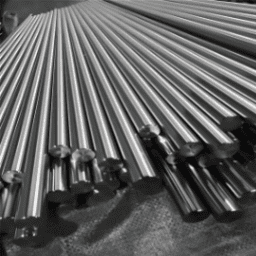
Both materials are considered difficult to machine compared to standard carbon steel, but for different reasons. Inconel 718 is notorious for work-hardening rapidly, requiring rigid setups and low cutting speeds. It is often machined in the solution-annealed condition before final aging. S136, in its hardened state, is abrasive and requires hard machining techniques (like using CBN tools) or wire EDM. In its pre-hardened state, it machines more easily than Inconel. Neither material is particularly weld-friendly without special procedures, but Inconel 718 can be welded with matching filler metals, whereas S136 welding is complex due to the risk of cracking in the hardened zone.
Q: What is the main difference in composition between Inconel 718 and S136?
A: The primary difference is the base metal. Inconel 718 is a nickel-based superalloy, with nickel making up 50-55% of its composition. S136 is an iron-based martensitic stainless steel. This means Inconel 718 is designed for high-temperature strength and corrosion in extreme environments, while S136 is designed for hardness, wear resistance, and corrosion at ambient temperatures, primarily in mold-making.
Q: Can I use S136 steel in a high-temperature application like a gas turbine?
A: No, you cannot. S136 is a martensitic steel that loses its hardness and strength rapidly above 400°C (752°F). It is not designed for high-temperature creep resistance. For applications like gas turbine components, you need a superalloy like Inconel 718, which is specifically engineered to maintain its mechanical properties up to 1300°F (704°C).
Q: Which material is more expensive, Inconel 718 or S136?
A: Inconel 718 is significantly more expensive than S136. The high cost of nickel and the complex metallurgical processing required for superalloys make Inconel 718 a premium-priced material. S136, while being a high-quality tool steel, is considerably more affordable and is the cost-effective choice for plastic injection molds and related applications where its properties are perfectly suited.
More from this category
Inconel 617 alloy round bar price per kilogram is commonly about USD 45 to 90 per kg for standard industrial stock sizes. Large forged bars, small pre...
The latest Inconel 625 alloy bar price per kg depends on nickel, molybdenum, niobium, and chromium raw material costs, as well as bar diameter, manufa...
Inconel X-750 alloy bar price depends on nickel raw material cost, bar diameter, product condition, heat treatment, specification, surface finish, dim...
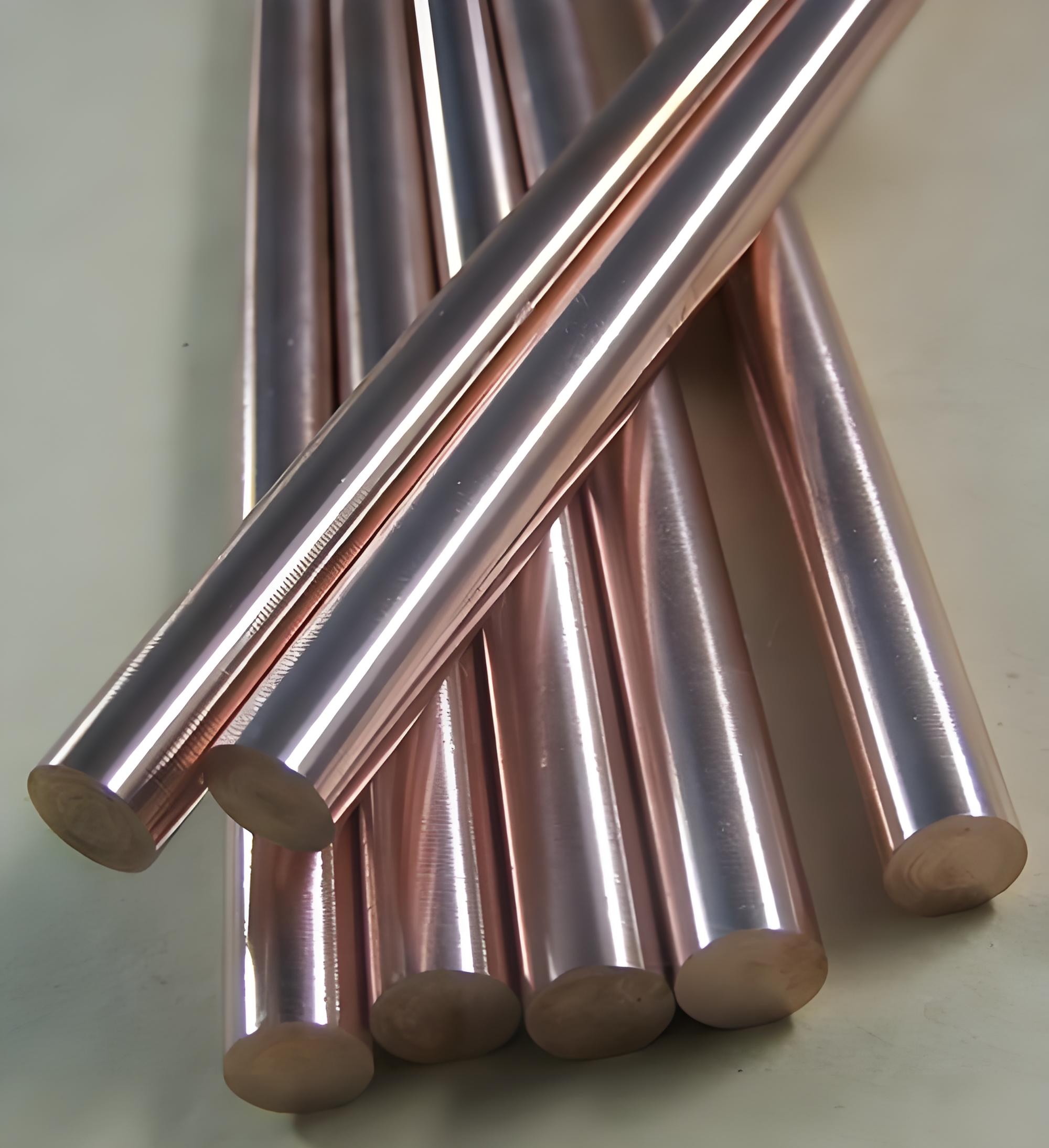
Inconel 602CA alloy bar price per kg is usually higher than common Inconel 600 and Inconel 601 bars because Alloy 602CA is a premium high-temperature ...
 English English
  Korean
 Arabic
 Spanish
 German
 Portuguese
 French
 Russian
 Italian
 Vietnamese