
Incoloy 825 Bar Price | UNS N08825 Supplier
Incoloy 825 bar price depends on the nickel-based alloy composition, bar dimensions, manufacturing route, heat-treatment condition, surface finish, in...
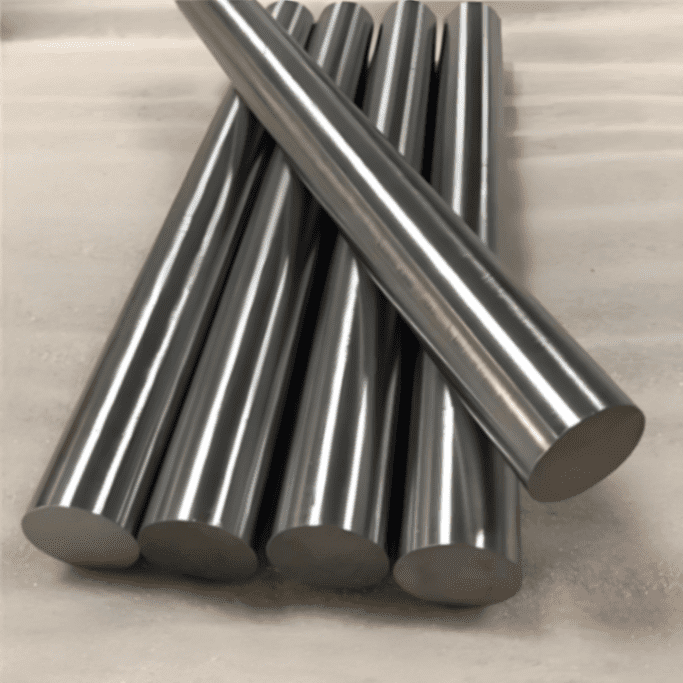
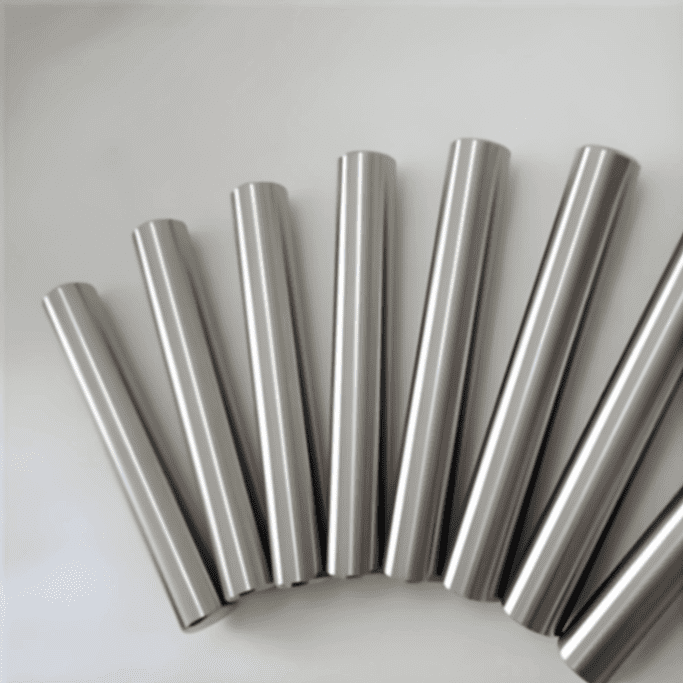
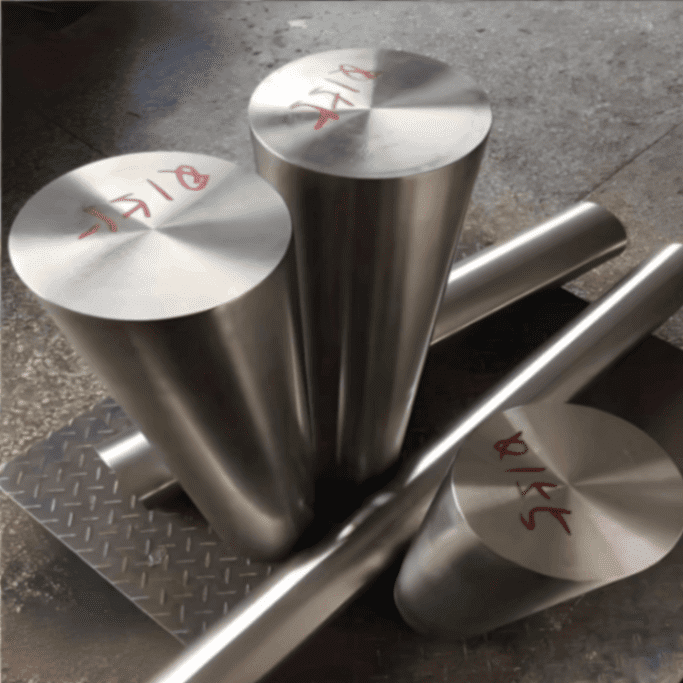
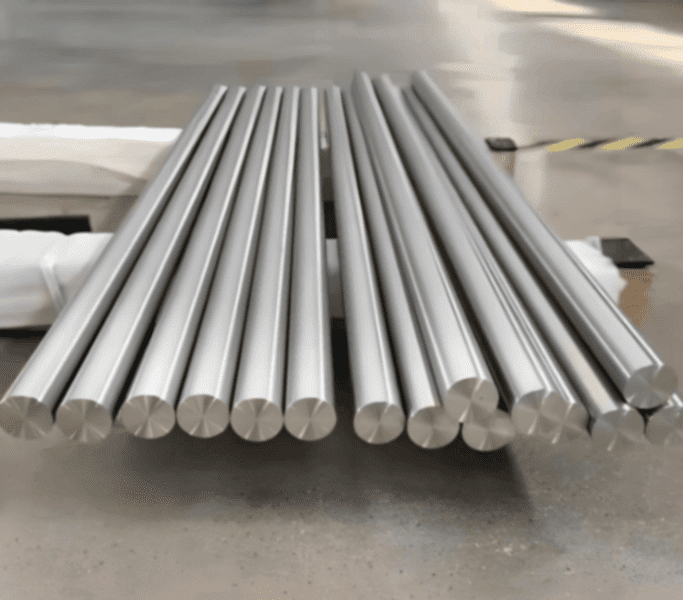
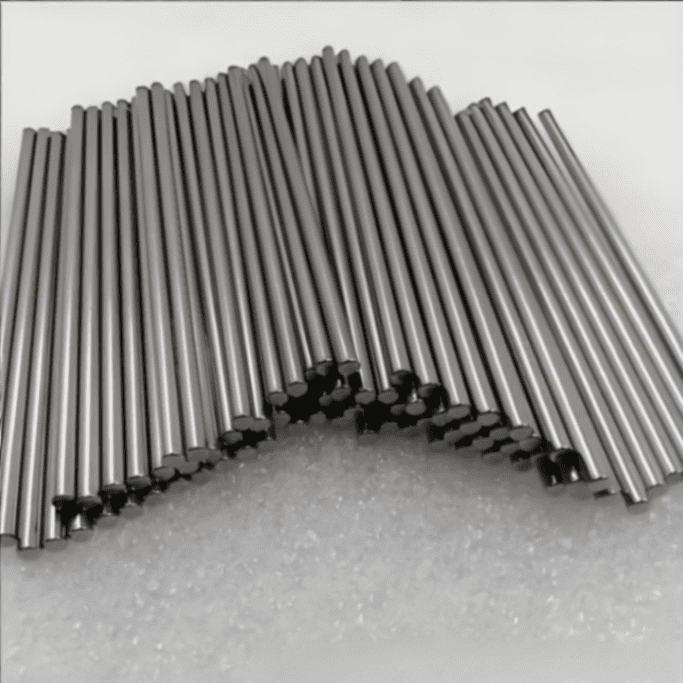
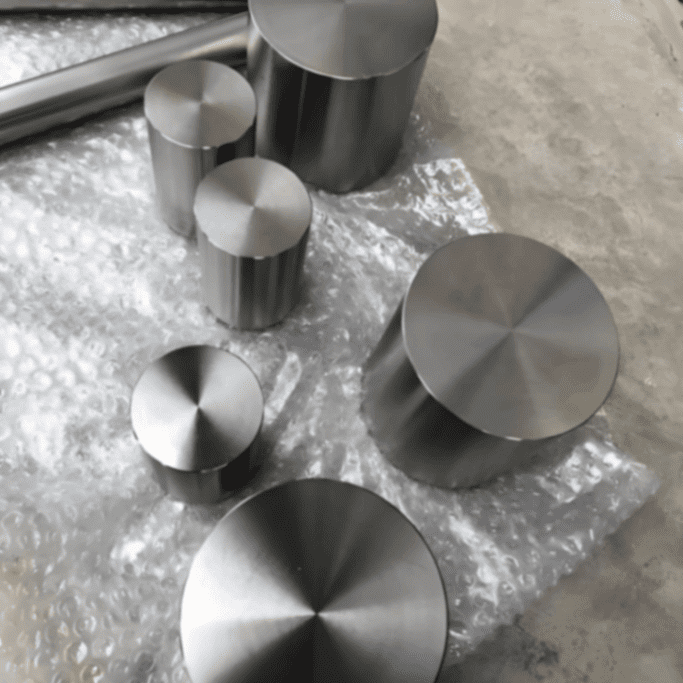
Hastelloy X bar vs Inconel 625 price,The real decision depends on temperature, corrosion medium, machining cost, fabrication route, expected service life, and the risk of choosing the wrong alloy. From the factory perspective, Hastelloy X bar is usually priced above Inconel 625 bar, but whether that extra cost is justified depends entirely on the job environment. The following analysis explains the price gap, the manufacturing logic behind it, and how to select the right alloy without overspending.
At Shanghai NC Metal Materials Co., Ltd., the general ex-works reference price range for Hastelloy X bar is about $28–45 USD/kg, while Inconel 625 bar is usually around $23–38 USD/kg. This means Hastelloy X is commonly 15–25% more expensive than Inconel 625 in bar form under normal market conditions.
This price relationship may look surprising to some buyers. Inconel 625 contains higher nickel, and many procurement teams assume that higher nickel must always mean higher bar cost. In actual production pricing, however, the final bar cost is influenced by more than nickel content alone. The cost structure also reflects cobalt, tungsten, melting route, production yield, stock availability, order size, and whether the material is being supplied as hot rolled, forged, or bright-finished bar.
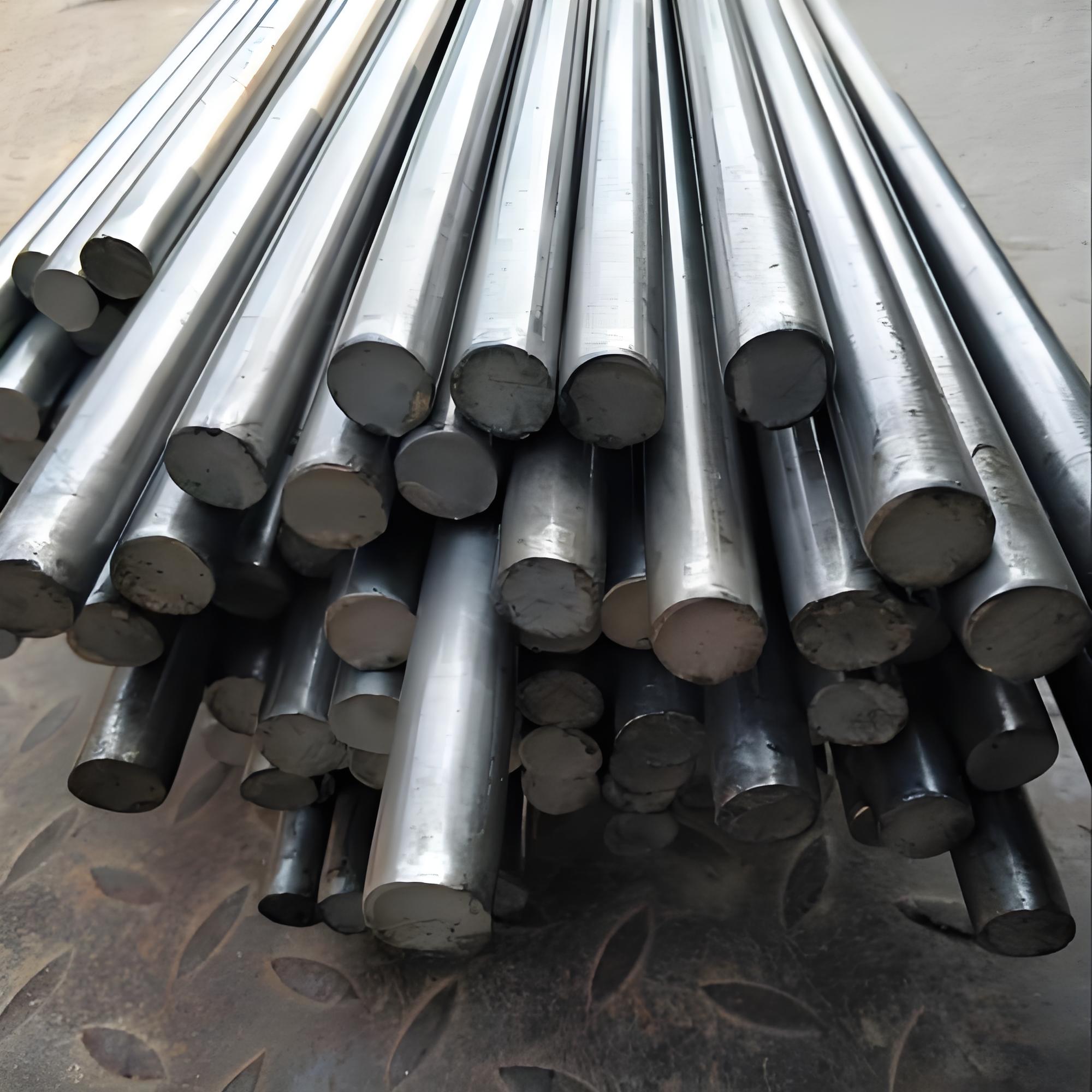
Another important point is market volatility. Both alloys are sensitive to global movements in nickel and molybdenum. Hastelloy X also feels the influence of cobalt and, to a smaller extent, tungsten. So the exact gap between the two alloys can widen or narrow from month to month. For this reason, any published number should be treated as a reference rather than a fixed universal market rule.
In practical purchasing, buyers should use the per-kilogram comparison as the first screening tool, then move immediately to service-condition review. If the working environment demands oxidation resistance above 1000°C, the higher price of Hastelloy X may be reasonable. If the service is mainly corrosive and below 800°C, Inconel 625 may provide both lower cost and better suitability.
Order volume has a direct effect on the cost difference between Hastelloy X bar and Inconel 625 bar. Small-quantity purchasing usually carries the highest unit price because yield loss, cutting time, setup cost, and inventory handling are spread across fewer kilograms. In contrast, larger orders allow better raw material planning and processing efficiency.
For small spot purchases below 100 kg, Hastelloy X bar is commonly around $38–45/kg, while Inconel 625 bar is around $32–38/kg. In this range, the price difference is typically about $6–7/kg. For standard volume orders around 100–500 kg, Hastelloy X generally moves to $32–40/kg, while Inconel 625 drops to around $26–33/kg, again leaving a difference near $6–7/kg.
For bulk procurement above 1000 kg, the unit cost becomes more favorable. Hastelloy X bar may fall into the $28–35/kg range, while Inconel 625 bar may reach $23–30/kg. In this volume class, the gap is often around $5–6/kg. This shows that large-volume purchasing narrows the absolute difference slightly, even though the percentage gap remains meaningful.
| Purchase Type | Hastelloy X | Inconel 625 |
| Small lot / Standard lot | $38–45 / $32–40 | $32–38 / $26–33 |
| Bulk order | $28–35 | $23–30 |
From a budgeting perspective, buyers planning long-term demand should avoid repeated small urgent orders whenever possible. The total annual savings from consolidated purchasing can be substantial, especially in nickel alloy supply chains where raw material and processing schedules affect pricing efficiency.
Bar size also changes the pricing picture. For a 500 kg order of turned bar, smaller diameters often carry higher unit prices because they involve more processing per kilogram and sometimes lower finished yield. Mid-range diameters are usually the most cost-efficient. Very large diameters can become more expensive again because forging load, machining allowance, and slower production rhythm all increase cost.
For diameters in the φ10–30 mm range, Hastelloy X bar is typically around $36–42/kg, while Inconel 625 bar is around $30–36/kg. In the φ30–80 mm range, Hastelloy X often comes in at $32–38/kg and Inconel 625 at $26–32/kg. For φ80–150 mm, Hastelloy X commonly falls around $30–36/kg, while Inconel 625 is about $24–30/kg. In larger diameters such as φ150–250 mm, Hastelloy X may rise to $32–40/kg and Inconel 625 to $26–34/kg.
Across these typical size bands, the gap stays fairly stable at about $6/kg. This is useful for buyers because it means material selection logic is not usually driven by diameter alone. Instead, diameter affects the absolute price level more than it changes the relative cost ranking between the two alloys.
For projects requiring substantial machining, it is also worth reviewing the starting diameter carefully. Overbuying large-diameter stock and removing excessive metal during machining can erase any expected savings from lower base material pricing.
The most important reason behind the price difference is that alloy pricing is not controlled by nickel percentage alone. Hastelloy X contains about 47% nickel, while Inconel 625 is around 62% nickel. At first glance, this suggests 625 should be more expensive in raw metal terms. However, Hastelloy X contains cobalt in the range of roughly 0.5–2.5% and also a small tungsten addition. These elements add cost pressure that offsets the lower nickel content.
Both alloys have similar molybdenum levels, usually around 8–10%, and similar chromium levels around 20–23%, so those elements do not create a major difference between the two. But Hastelloy X carries cobalt as a deliberate strengthening and hot-performance element, while Inconel 625 typically keeps cobalt much lower. Hastelloy X may also contain tungsten, while 625 generally does not rely on tungsten in the same way.
On the other hand, Inconel 625 usually has lower iron content, often below 5%, while Hastelloy X may carry 17–20% iron. That lower-iron chemistry in 625 contributes to a cleaner nickel-rich matrix, but it does not automatically make the bar more expensive than Hastelloy X in every market situation. Real production cost depends on a combined alloy basket, not on one element in isolation.
There is also a process difference. Inconel 625 can present melting and segregation control challenges because niobium is sensitive to segregation behavior. This can increase manufacturing complexity. However, in actual market supply, this extra processing burden is often not enough to overcome the raw material cost contribution from cobalt and tungsten in Hastelloy X. As a result, Hastelloy X bar often remains the more expensive product.
| Cost Factor | Hastelloy X | Inconel 625 |
| Key premium drivers | Cobalt + tungsten | Higher nickel + niobium control |
| Typical market effect | Usually higher final bar price | Usually lower than X |
Material price alone does not tell the whole story. Buyers should also compare cutting, turning, grinding, heat treatment, and welding cost. In many cases, these downstream costs are similar enough that the original price gap between Hastelloy X and Inconel 625 remains visible in the final project total.
For raw material, Hastelloy X is generally about $28–45/kg, while Inconel 625 is about $23–38/kg. Cutting cost for both alloys is often in the range of about $2–5/kg depending on diameter, cut length, and precision requirements. Turning or grinding may add roughly $5–15/kg for either alloy. Hastelloy X can be slightly harder on tools in some machining setups, so tool wear may be marginally higher, but the difference is not usually dramatic for normal bar processing.
Solution heat treatment is also broadly similar between the two, typically adding around $2–4/kg depending on batch size and furnace loading efficiency. Welding cost is also comparable because both alloys offer good weldability in qualified fabrication practice. In other words, there is no major downstream process advantage that consistently makes Hastelloy X cheaper in total ownership at the fabrication stage.
This means the material price disadvantage of Hastelloy X usually continues through the full manufacturing chain. If Hastelloy X begins 15–25% higher in raw bar cost, it often stays about 15–25% higher in finished part cost unless the application allows major savings through longer service life or fewer replacements.
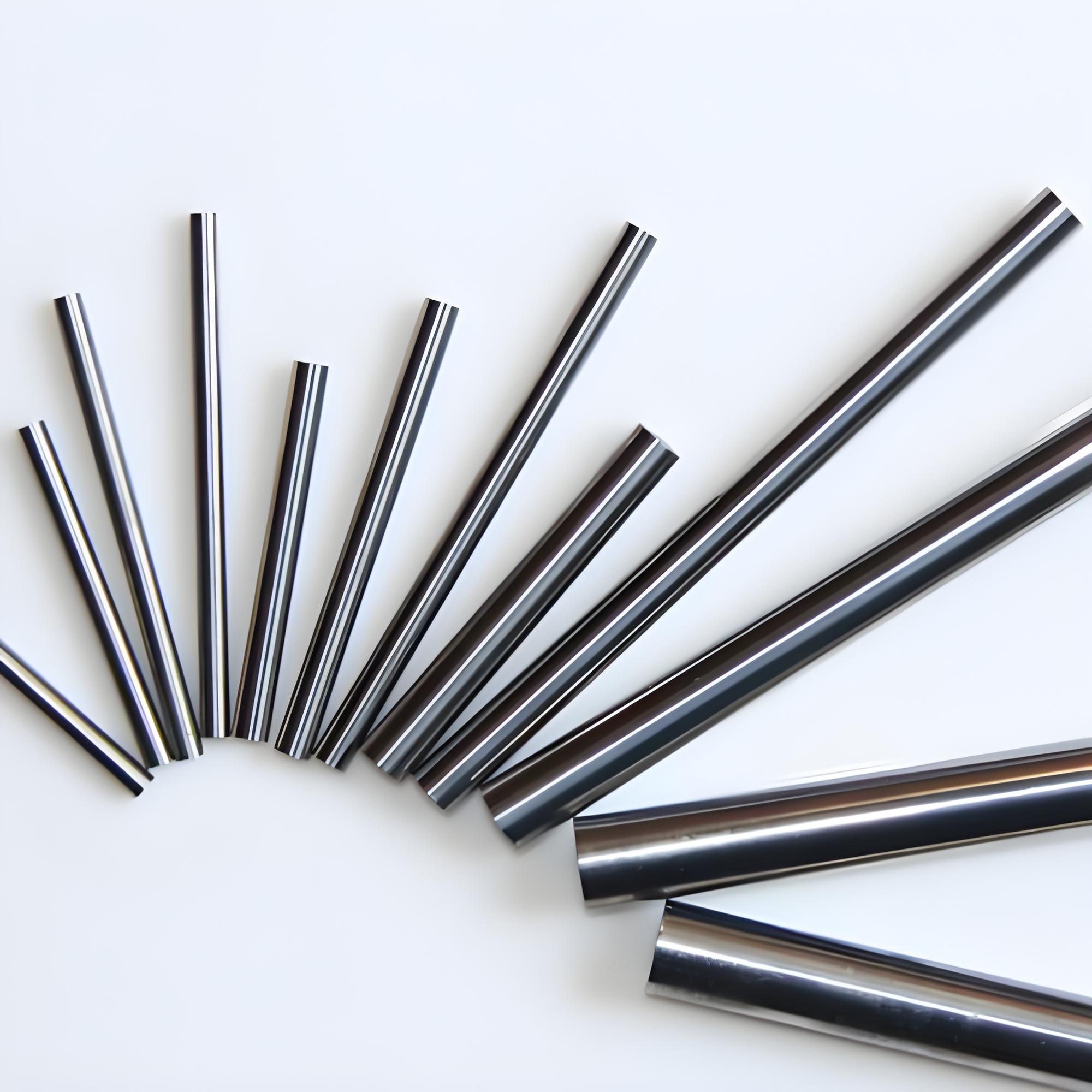
The real comparison becomes more interesting when performance is added to the cost picture. At room temperature, Inconel 625 usually offers higher strength, with tensile strength commonly around 760–1035 MPa, compared with about 690–860 MPa for Hastelloy X. If a customer mainly needs strong corrosion-resistant bar for lower-temperature service, 625 often looks better both technically and commercially.
At around 800°C, Hastelloy X typically has a slight advantage in high-temperature strength retention, with a representative value near 450 MPa compared with about 400 MPa for Inconel 625. More importantly, Hastelloy X has a much stronger oxidation-resistance profile at very high temperature. Its oxidation capability can extend beyond 1150°C in suitable service conditions, while Inconel 625 is usually much more comfortable around 950–1000°C for oxidation-limited service.
Corrosion behavior moves the advantage back to Inconel 625. In chloride-bearing media, seawater service, and many acidic environments, 625 is far superior. This is one of the most important distinctions in practical selection. Hastelloy X is a heat-resistant alloy first. Inconel 625 is a corrosion-resistant alloy with strong mechanical properties. Buyers who ignore this difference often end up paying more for the wrong material.
Weldability is good for both alloys, so neither has a major commercial advantage there. The real value-for-money decision is therefore driven by the operating environment. In high-temperature oxidizing service, Hastelloy X can justify its higher price. In corrosive wet service below high-heat thresholds, Inconel 625 often wins on both performance and budget.
If the operating temperature is above 1000°C in an oxidizing environment, Hastelloy X is usually the recommended choice. In this situation, the alloy’s better oxidation resistance is not just a technical bonus. It directly supports longer life and lower failure risk. The extra cost often becomes reasonable when compared with the consequence of scaling, distortion, or premature replacement.
For service between 800°C and 1000°C without severe corrosion, Hastelloy X is still often the more cost-effective option. Although the bar is more expensive, it is designed for exactly this type of heat-duty environment. Inconel 625 can work in some cases, but it does not generally offer the same oxidation-focused value at the upper end of this range.
For service below 800°C in chloride-containing, seawater, or wet acidic environments, Inconel 625 is usually the better material. It provides stronger corrosion resistance and, in many cases, a lower bar price. The same logic applies to strong reducing-acid service at moderate temperature, where Hastelloy X is not the preferred alloy family.
For applications needing high strength plus creep resistance around 700°C, Inconel 625 may also be the better option depending on the exact stress profile. It offers strong mechanical performance and usually comes at a lower per-kilogram cost. If budget is the top priority and the service environment has no special high-temperature oxidation demand, Inconel 625 typically saves about $5–10/kg and is easier to justify commercially.
Shanghai NC Metal Materials Co., Ltd. has seen many cases where the correct material choice was driven by service condition rather than nominal alloy reputation. In one gas turbine combustor project around 1050°C, the customer selected Hastelloy X after earlier difficulty with an oxidation-limited alloy approach. In that type of hot gas environment, Inconel 625 simply does not provide the same oxidation reserve.
In a seawater-cooled heat exchanger bundle application, the customer selected Inconel 625 because chloride corrosion resistance was the main concern. Hastelloy X was not suitable for that medium, even though it is a respected high-temperature alloy. This is a classic example of why thermal performance and corrosion performance must not be confused.
For industrial furnace muffles operating around 1100°C, customers often move to Hastelloy X because service life can be far longer than with 625 in high-temperature oxidation conditions. In one representative case, the expected service interval was reported to be about three times longer with Hastelloy X, which more than offset the higher initial material price.
For chemical pump shafts at about 80°C in acidic medium, Inconel 625 is often chosen because its corrosion resistance is fully adequate and the price can be around 20% lower. In aerospace exhaust or short-duration 1200°C applications, Hastelloy X again becomes the logical choice because Inconel 625 is not intended for that thermal exposure level.
One of the most effective ways to lower bar cost for either alloy is bulk purchasing. When a single order exceeds 2 tons, buyers can often negotiate a discount of around 5–10%, depending on the size mix and processing route. This is especially useful for OEM users and maintenance programs with recurring demand.
Mixed orders can also reduce total cost. If a customer buys Hastelloy X and Inconel 625 together in the same shipment, freight and handling can often be combined, producing logistics savings of roughly 8–12%. This is a practical strategy for plants that use both alloys in different departments or service zones.
Cut leftovers are another good option for small-volume users. Shanghai NC Metal Materials Co., Ltd. may have short-end pieces or cut remnants in various diameters, and these can sometimes be offered at discounts of about 30–50%. For prototype work, repair jobs, or small machining runs, this can be far more economical than buying full-length prime bars.
Long-term agreements can help control alloy price volatility. When annual procurement exceeds 5 tons, quarterly average-price agreements may be discussed. This helps reduce exposure to nickel, molybdenum, and cobalt fluctuations. For cost-sensitive projects operating at about 800–950°C without strong oxidation demand, buyers may also review Alloy 800H as a lower-cost substitute, often around $12–18/kg, if the service conditions allow such a downgrade.
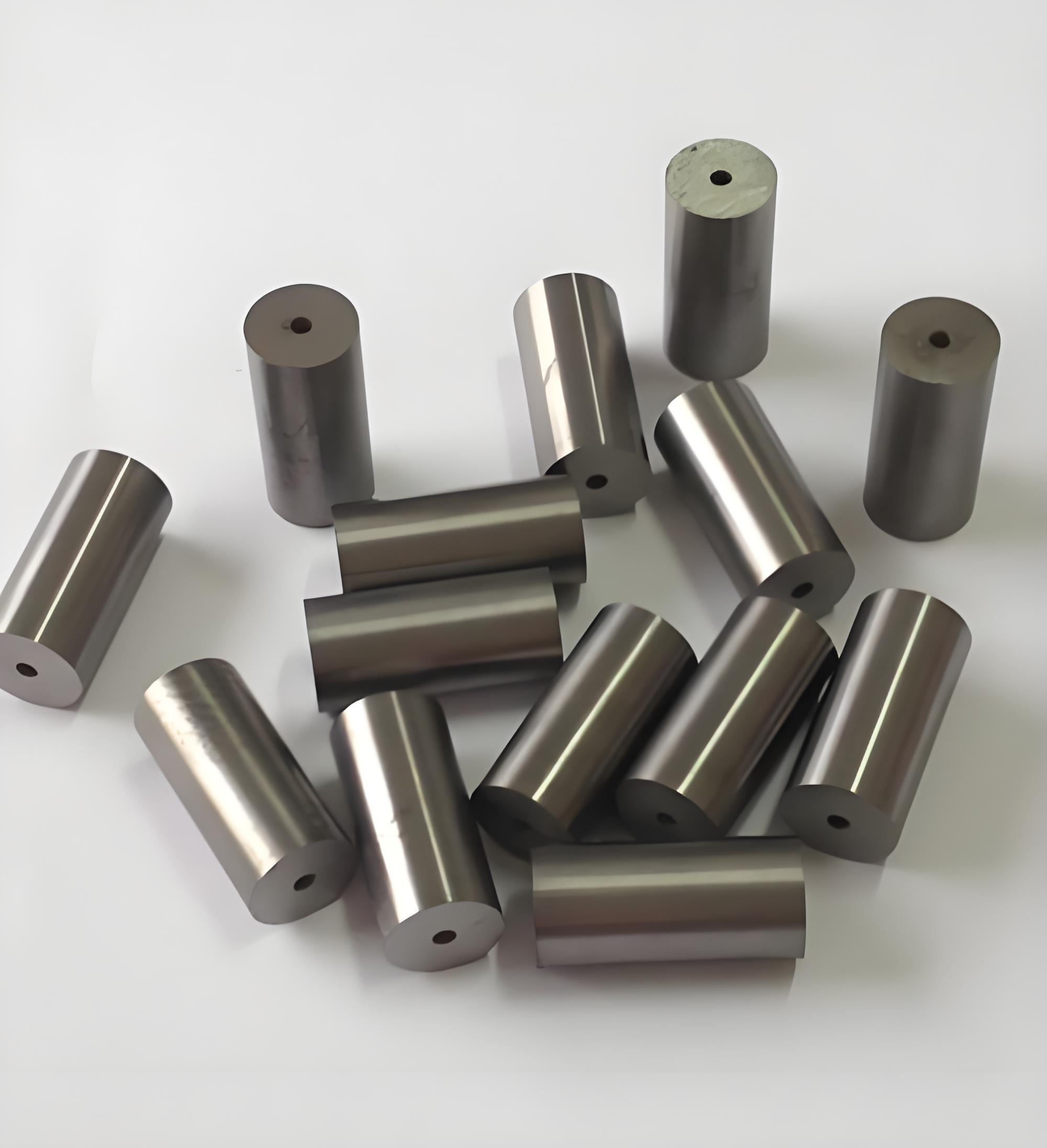
For a fast and accurate comparison between Hastelloy X bar and Inconel 625 bar, the buyer should provide four key pieces of information: bar size, required quantity, service temperature, and working medium. It is also helpful to mention budget expectations and whether the project prioritizes corrosion resistance, oxidation resistance, or mechanical strength.
At Shanghai NC Metal Materials Co., Ltd., this information allows the sales and technical team to prepare separate quotations for both alloys and provide a recommended option rather than only a raw price list. This is important because many customers ask for both materials initially, but only one is truly suitable after service-condition review.
For bulk procurement projects, sample support for trial machining or pilot fabrication can also be useful. This helps buyers compare actual processing behavior, not just datasheet values. A total cost calculation format can also be prepared so that customers can compare raw material, machining, and order-volume effects more transparently under different purchasing quantities.
This kind of quotation process is especially valuable when the customer is not simply replacing an existing part, but redesigning a component and deciding whether the added cost of Hastelloy X creates real operating benefit over Inconel 625.
Is Hastelloy X more expensive than Inconel 625 bar?
Yes. In normal bar supply conditions, Hastelloy X is usually about 15–25% more expensive than Inconel 625. A common reference range is around $28–45/kg for Hastelloy X and $23–38/kg for Inconel 625, depending on size, quantity, and market conditions.
Which is better for high-temperature service, Hastelloy X or Inconel 625?
For oxidizing environments above about 1000°C, Hastelloy X is usually the better choice because it offers much stronger oxidation resistance. For lower-temperature service where corrosion resistance is the key concern, especially in chloride or acidic media, Inconel 625 is often the better and cheaper option.
How can I reduce the purchase cost of Hastelloy X or Inconel 625 bar?
The most effective methods are increasing order volume, combining mixed-alloy shipments, using stock sizes instead of custom dimensions, considering cut leftovers for small jobs, and negotiating quarterly or annual supply agreements when demand is stable. In some moderate-temperature cases, a lower-cost alloy such as 800H may also be reviewed.
More from this category
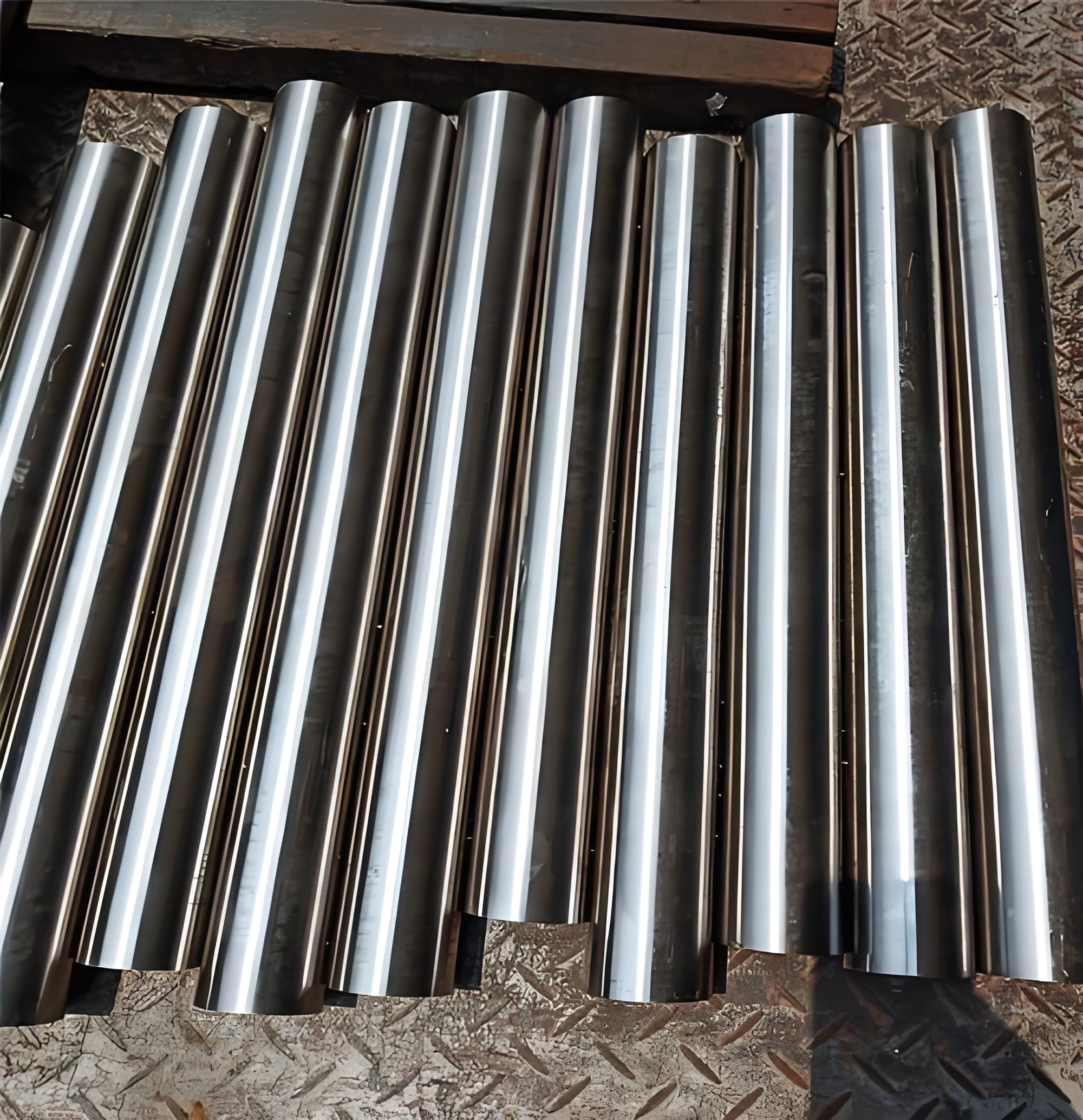
Incoloy 825 bar price depends on the nickel-based alloy composition, bar dimensions, manufacturing route, heat-treatment condition, surface finish, in...
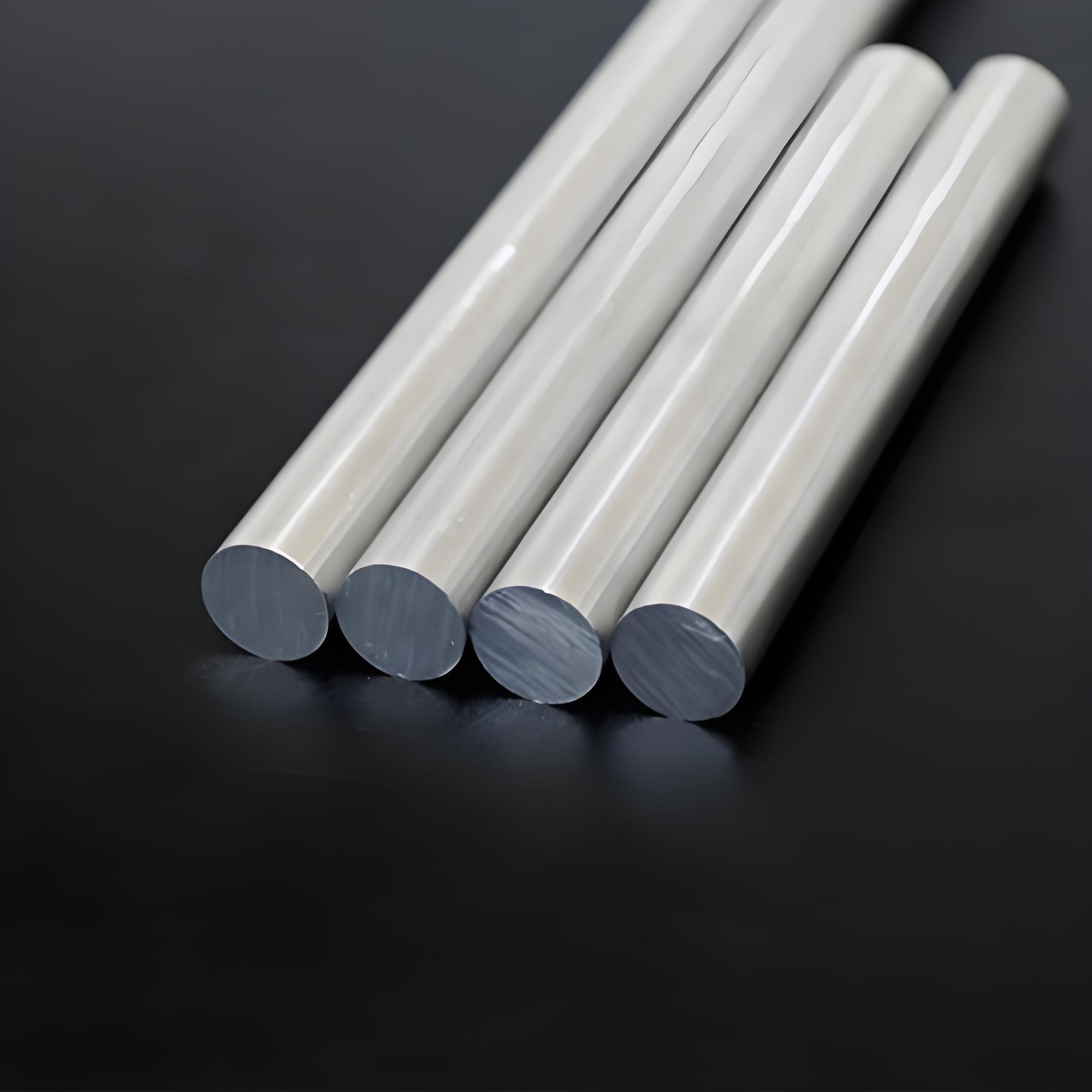
Incoloy 800HT bar price is shaped by nickel, chromium, titanium, and aluminum raw-material costs, together with bar dimensions, heat-treatment conditi...
Incoloy 20 round bar price per kg depends on the alloy composition, bar size, manufacturing method, surface finish, tolerance, certificates, inspectio...
Hastelloy G-30 N06030 bar factory price is determined by the alloy’s high nickel, chromium, iron, molybdenum, copper, and tungsten content, together...
 English English
  Korean
 Arabic
 Spanish
 German
 Portuguese
 French
 Russian
 Italian
 Vietnamese