- E-mail: [email protected]
- WhatsApp: +86 18533346372
Home > Products > Inconel bar > Inconel 625/UNS N06625/W.Nr. 2.4856/NiCr22Mo9Nb Alloy bar
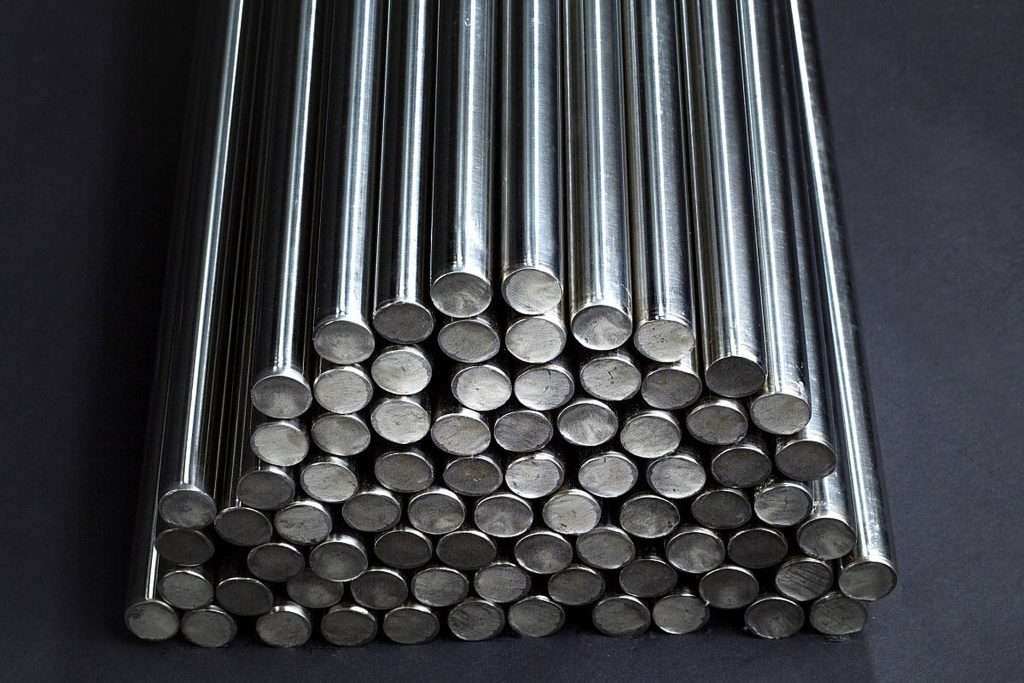
Inconel 625 bar, designated under the unified numbering system as UNS N06625, material number W.Nr. 2.4856, and with the approximate compositional name NiCr22Mo9Nb, is a nickel-chromium-molybdenum-niobium superalloy renowned for its exceptional
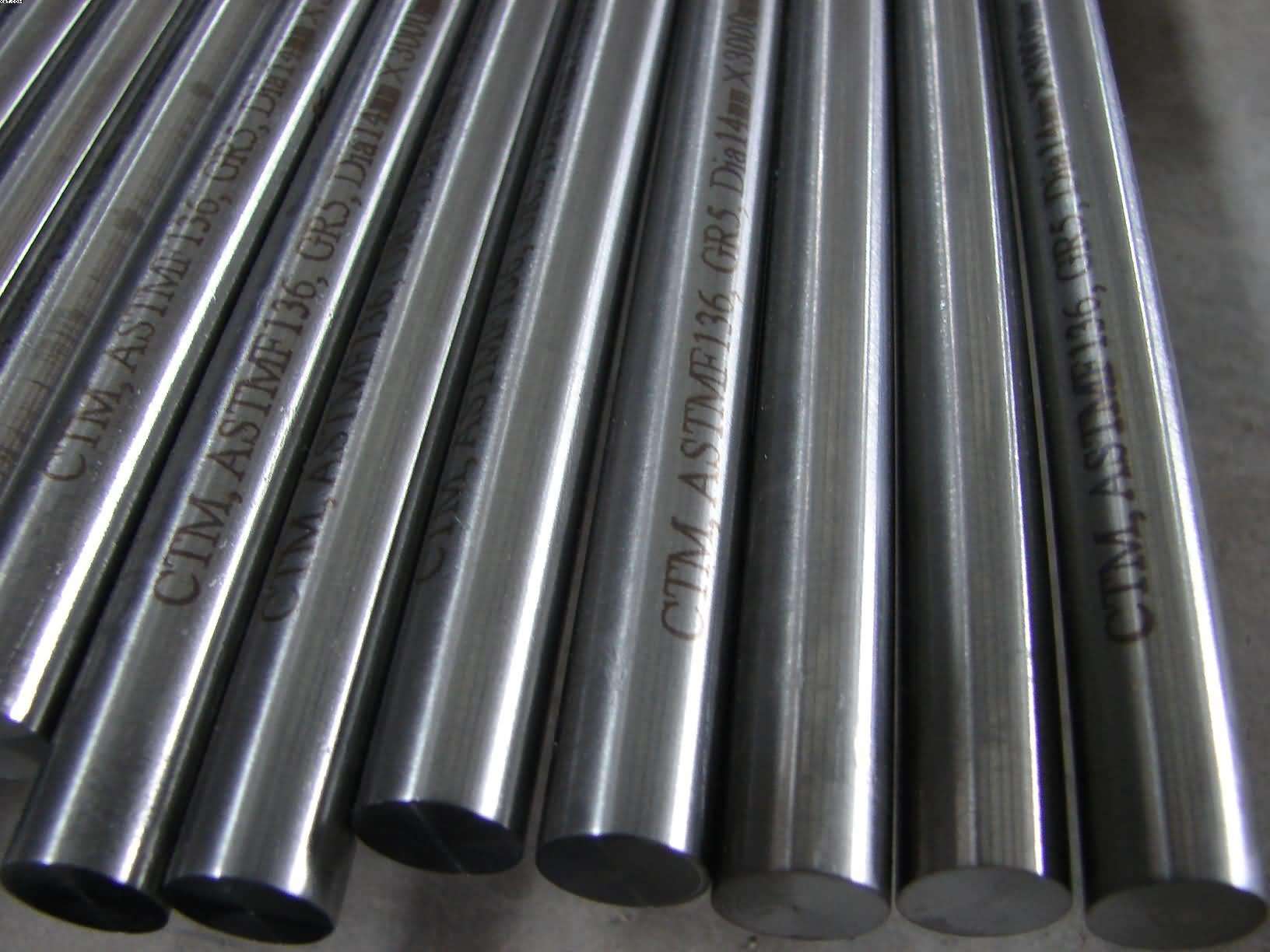
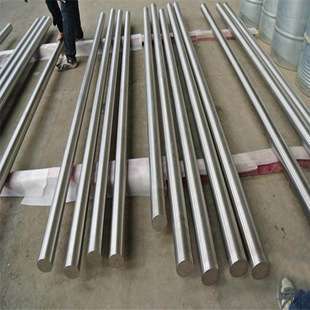
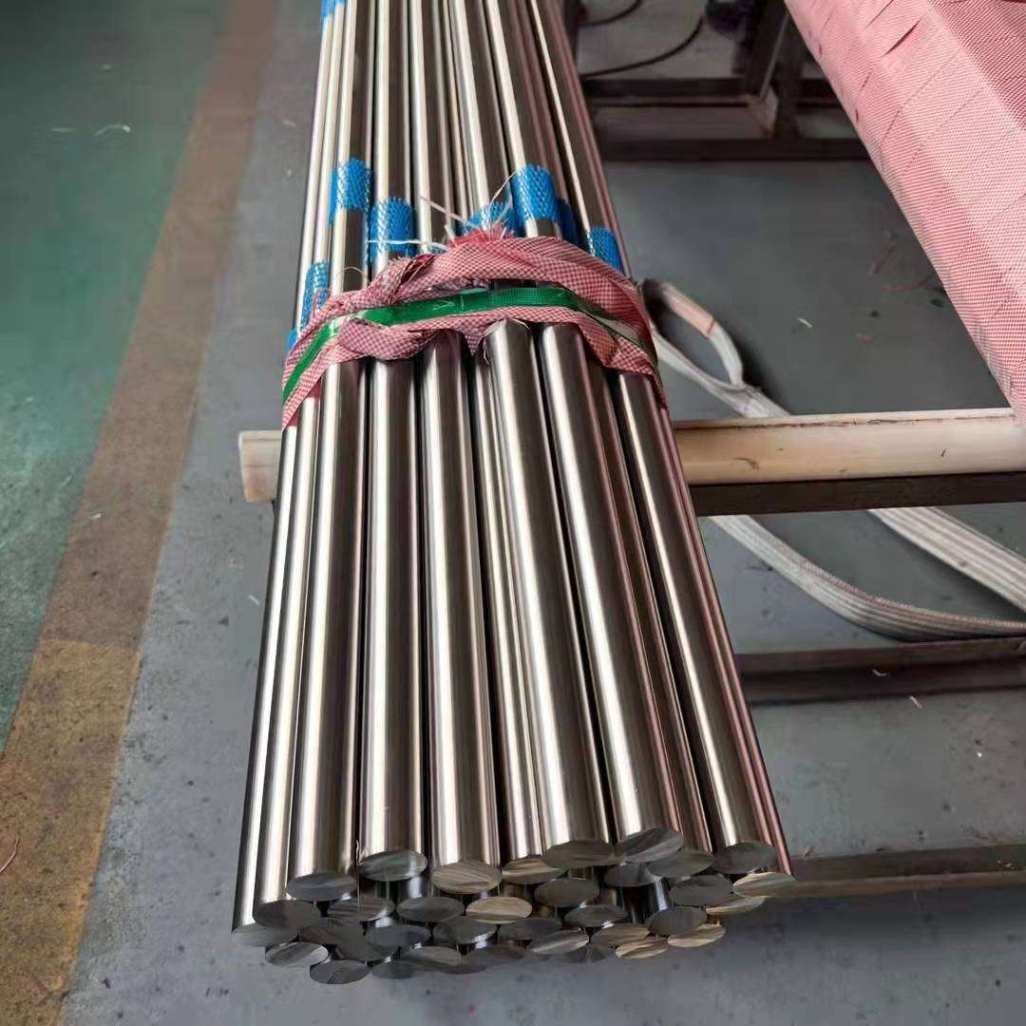
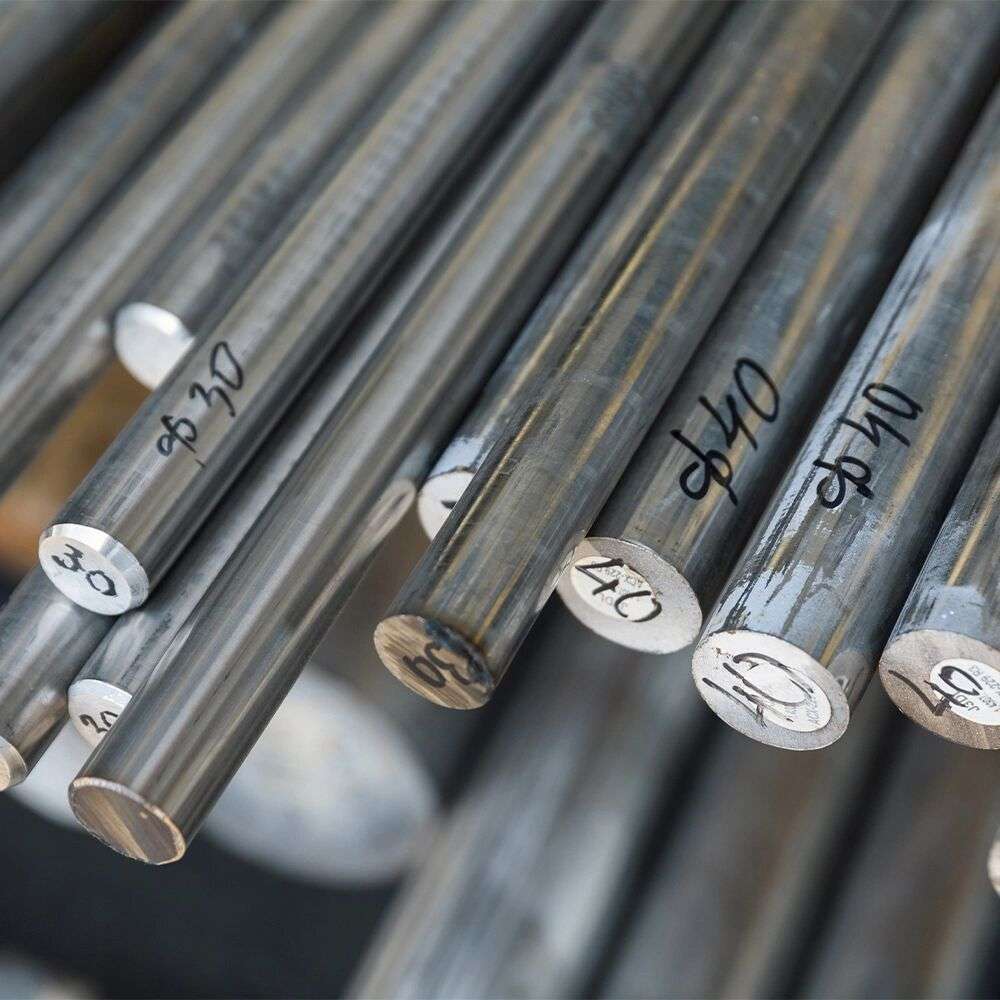
Inconel 625 bar, designated under the unified numbering system as UNS N06625, material number W.Nr. 2.4856, and with the approximate compositional name NiCr22Mo9Nb, is a nickel-chromium-molybdenum-niobium superalloy renowned for its exceptional combination of high strength, outstanding fatigue and thermal fatigue resistance, and superior corrosion resistance across a wide temperature spectrum. This versatile bar stock is a foundational material for machining critical components in aerospace, marine, chemical processing, and oil and gas industries.
Inconel 625 is a solid-solution and precipitation-hardenable alloy that derives its strength from the synergistic effect of molybdenum and niobium in a nickel-chromium matrix. It exhibits excellent weldability and fabricability, making the bar stock form ideal for complex machined parts, fasteners, and downhole tools. Its resistance to pitting, crevice corrosion, and chloride-ion stress-corrosion cracking is particularly noteworthy, alongside its good oxidation resistance up to approximately 1100°C (2000°F).
The precise chemical composition of Inconel 625 bar is the key to its broad portfolio of properties. Supplied by Shanghai NC Metal Materials Co., Ltd., the bar stock adheres to stringent international standards, ensuring material consistency and reliability for high-performance applications.
| Element | Percentage (%) – Typical Range | Primary Function in the Alloy |
|---|---|---|
| Nickel (Ni) | ≥ 58.0 (Balance) | Base element; provides the austenitic matrix and fundamental resistance to a wide range of corrosive environments. |
| Chromium (Cr) | 20.0 – 23.0 | Imparts resistance to oxidizing media and high-temperature oxidation/sulfidation. |
| Molybdenum (Mo) | 8.0 – 10.0 | Provides potent solid-solution strengthening and dramatically enhances resistance to pitting and crevice corrosion in chloride-containing environments. |
| Niobium (Nb) + Tantalum (Ta) | 3.15 – 4.15 | Primary strengthening element; forms the metastable gamma double prime (γ”) phase Ni3Nb during aging, contributing to high yield strength. Also stabilizes the alloy against sensitization during welding. |
| Iron (Fe) | 5.0 max | Residual element; kept low to optimize corrosion resistance. |
| Aluminum (Al) | 0.40 max | Residual element. |
| Titanium (Ti) | 0.40 max | Residual element. |
| Carbon (C) | 0.10 max | Kept low to minimize carbide precipitation and ensure good weldability. |
| Manganese (Mn) | 0.50 max | Residual element, deoxidizer. |
| Silicon (Si) | 0.50 max | Residual element. |
| Phosphorus (P) | 0.015 max | Impurity control for weldability. |
| Sulfur (S) | 0.015 max | Impurity control for hot workability. |
The mechanical properties of Inconel 625 bar can be presented in two common conditions: the annealed (solution-annealed) condition for optimum corrosion resistance and formability, and the age-hardened condition for maximum strength. Bar is commonly supplied in the annealed state.
| Mechanical Property | Typical Value (Annealed Condition) | Typical Value (Age-Hardened Condition) | Relevant Standard (e.g., ASTM B446) |
|---|---|---|---|
| Tensile Strength | ≥ 830 MPa (120 ksi) | ≥ 1035 MPa (150 ksi) | ASTM B446 |
| Yield Strength (0.2% Offset) | ≥ 415 MPa (60 ksi) | ≥ 760 MPa (110 ksi) | ASTM B446 |
| Elongation in 2 inches (50mm) | ≥ 30% | ≥ 12.5% | ASTM B446 |
| Hardness (Rockwell) | ≤ 100 HRB | 25 – 35 HRC | – |
| Fatigue Strength (Smooth bar, 10^8 cycles) | ≈ 330 MPa (48 ksi) | Higher | – |
The physical constants of Inconel 625 bar are important for engineering design involving thermal management, electrical properties, and weight calculations.
| Physical Property | Value at Room Temperature (20°C / 68°F) | Notes / Value at Elevated Temperature |
|---|---|---|
| Density | 8.44 g/cm³ (0.305 lb/in³) | – |
| Melting Range | 1290 – 1350°C (2350 – 2460°F) | – |
| Specific Heat | 410 J/kg·°C (0.098 BTU/lb·°F) | At 100°C |
| Thermal Conductivity | 9.8 W/m·K (68 BTU·in/hr·ft²·°F) | At 100°C; relatively low, contributing to good thermal fatigue resistance. |
| Mean Coefficient of Thermal Expansion | 12.8 μm/m·°C (7.1 μin/in·°F) | 20-100°C (68-212°F) |
| Electrical Resistivity | 1.29 μΩ·m (50.8 μΩ·in) | At 20°C |
| Modulus of Elasticity (Tensile) | 207 GPa (30.0 x 10^6 psi) | Decreases with increasing temperature. |
Shanghai NC Metal Materials Co., Ltd. supplies Inconel 625 bar in a comprehensive array of forms, sizes, and conditions to meet diverse manufacturing needs across various industrial sectors.
| Product Form | Standard Size Range | Key Standard Specifications | Common Supply Conditions |
|---|---|---|---|
| Round Bar (Hot Rolled/Forged) | 6mm (0.25″) to 400mm (16″) Diameter | ASTM B446 (UNS N06625), SB-446, AMS 5666, DIN 17752 (W.Nr. 2.4856), NACE MR0175/ISO 15156 | Annealed (Solution Annealed) |
| Hexagonal Bar | 8mm to 100mm Across Flats | ASTM B446, DIN 17752 | Annealed |
| Square Bar | 8mm to 100mm Width | ASTM B446 | Annealed |
| Cold Finished Bar (Drawn/Ground) | 3mm to 150mm Diameter | ASTM B446 (cold drawn), AMS 5666 | Annealed, Cold Drawn & Stress-Relieved |
| Forging Billet | 150mm to 500mm Diameter | ASTM B564 (Forgings), AMS 5667 | As-Forged, Annealed |
Components machined from Inconel 625 bar are ubiquitous in high-performance engineering: Aerospace: Engine ducting systems, thrust reverser components, turbine shroud rings, and fasteners. Marine & Offshore: Propeller blades, submarine fittings, seawater valve components, and subsea bolting due to outstanding resistance to seawater corrosion. Chemical & Petrochemical: Agitator shafts, pump shafts, valve trim, and reactor internals exposed to aggressive media like chlorides, organic acids, and sour gas (H2S). Oil & Gas: Downhole tooling (MWD/LWD housings), wellhead components, and choke trim. Pollution Control: Scrubber components, flue gas ducting, and stack liners.
Inconel 625 bar is machinable but presents challenges typical of work-hardening nickel alloys. Successful machining requires: rigid machine tools to handle high cutting forces; sharp, premium-grade carbide or ceramic inserts with positive rake angles; moderate surface speeds; consistent, positive feed rates to prevent work hardening; and abundant use of high-performance coolant to manage heat and extend tool life. For age-hardening, a typical cycle involves heating to approximately 720°C (1330°F) for 8 hours followed by air cooling.
Inconel 625 is highly weldable by all standard fusion welding processes, including GTAW (TIG), GMAW (MIG), SMAW (Stick), and SAW. Matching filler metals (e.g., ERNiCrMo-3) are commonly used. The alloy is inherently resistant to post-weld heat treatment cracking due to its niobium content, which acts as a carbide stabilizer, preventing sensitization in the heat-affected zone (HAZ). This makes it an excellent choice for fabricating large, complex welded structures from bar and plate.
The price of Inconel 625 bar from Shanghai NC Metal Materials Co., Ltd. is influenced by its nickel, molybdenum, and niobium content, as well as specific quality and certification requirements for end-use industries.
| Pricing Factor | Impact on Reference Price | Procurement Guidance |
|---|---|---|
| Alloying Elements (Mo, Nb) | Molybdenum and niobium are significant cost drivers. Market volatility for these metals directly affects the base price of the alloy. | Pricing may fluctuate more than for simpler alloys. Large-volume or long-lead-time orders may offer some price stability. |
| Condition and Certification | Bar supplied to AMS 5666 (aerospace) or with NACE MR0175 certification for sour service is more expensive than standard ASTM B446 commercial grade. Cold-finished (ground) bar commands a premium over hot-rolled. | Specify the exact industry standard and condition required. For general machining, annealed hot-rolled bar is often the most cost-effective choice. |
| Bar Size and Form | Very large diameter forged billets and very small diameter precision wire/bar have higher processing costs per kilogram. Standard hex or round bar in common sizes (e.g., 1″ to 4″ diameter) is typically most economical. | Design parts to utilize standard stock sizes and forms to minimize material and machining costs. |
| Special Testing and Traceability | Requirements for extensive NDE (ultrasonic testing), full traceability to melt heat, corrosion testing per ASTM G48, or mechanical testing at cryogenic or high temperatures add cost and lead time. | Clearly communicate all testing and documentation requirements with the supplier upfront to avoid surprises and ensure the quoted material meets all necessary criteria. |
We are factory wholesale price, and the prices are lower than 95% of suppliers. Our professional quotation will help you with your project. Expecting our long-term cooperation. )
 English English
  Korean
 Arabic
 Spanish
 German
 Portuguese
 French
 Russian
 Italian
 Vietnamese