
Incoloy 825 Bar Price | UNS N08825 Supplier
Incoloy 825 bar price depends on the nickel-based alloy composition, bar dimensions, manufacturing route, heat-treatment condition, surface finish, in...
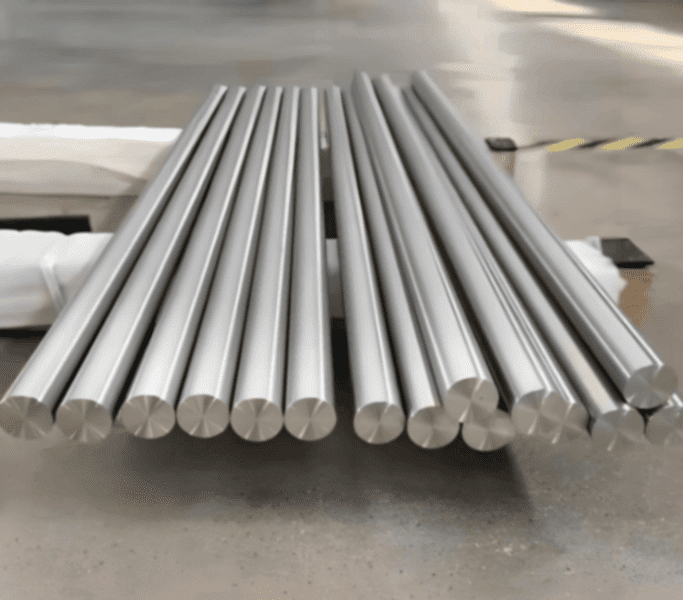
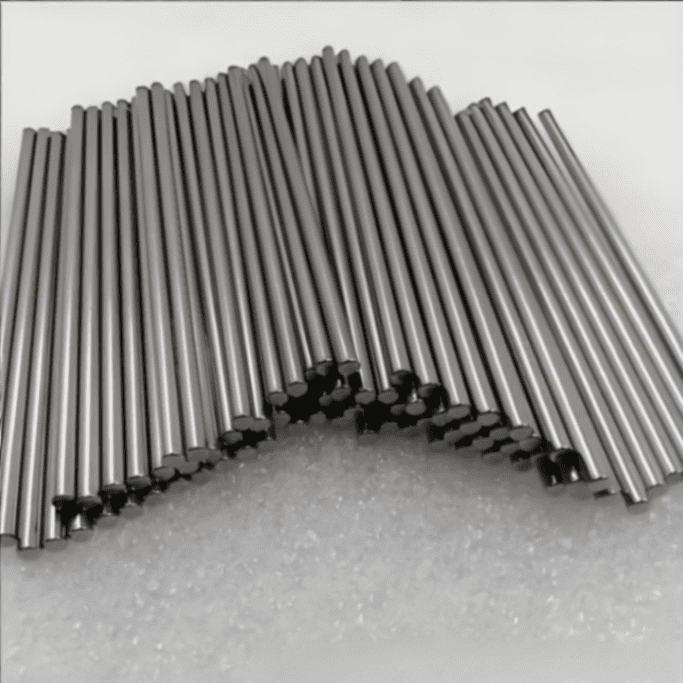
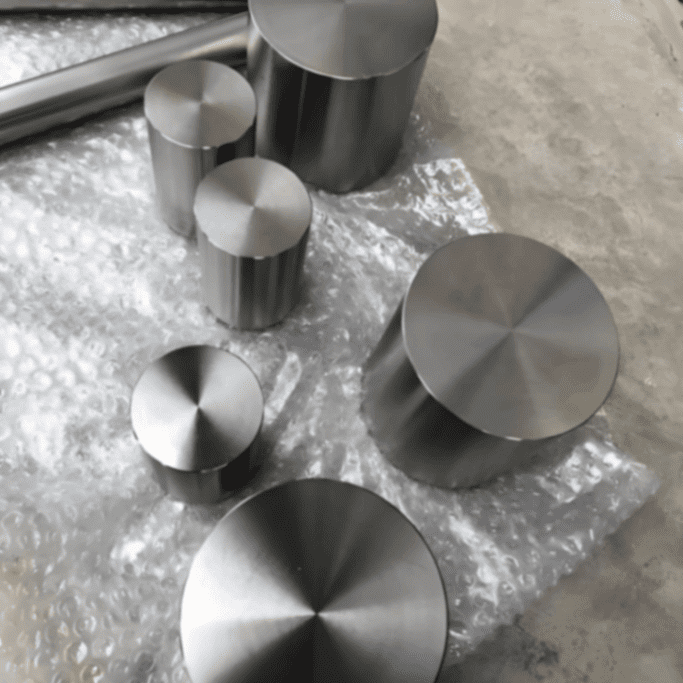
For Incoloy 800HT bar, the maximum service temperature is not a single fixed number. From our manufacturing and application evaluation, the practical upper limit in static oxidizing atmosphere is 1100°C for long-term service, with 1150°C acceptable only for short-duration exposure. In reducing or carburizing atmospheres, the usable limit moves down to 950–1000°C because the protective oxide condition changes and creep degradation starts earlier. For ASME pressure-retaining design, the temperature ceiling should be held at 815°C or below because that is the upper limit of allowable stress treatment in Section VIII Division 1 practice. In corrosive halogen-bearing media, a conservative practical limit is 550°C or below, since corrosion resistance drops sharply once chloride or similar active species are combined with elevated temperature.
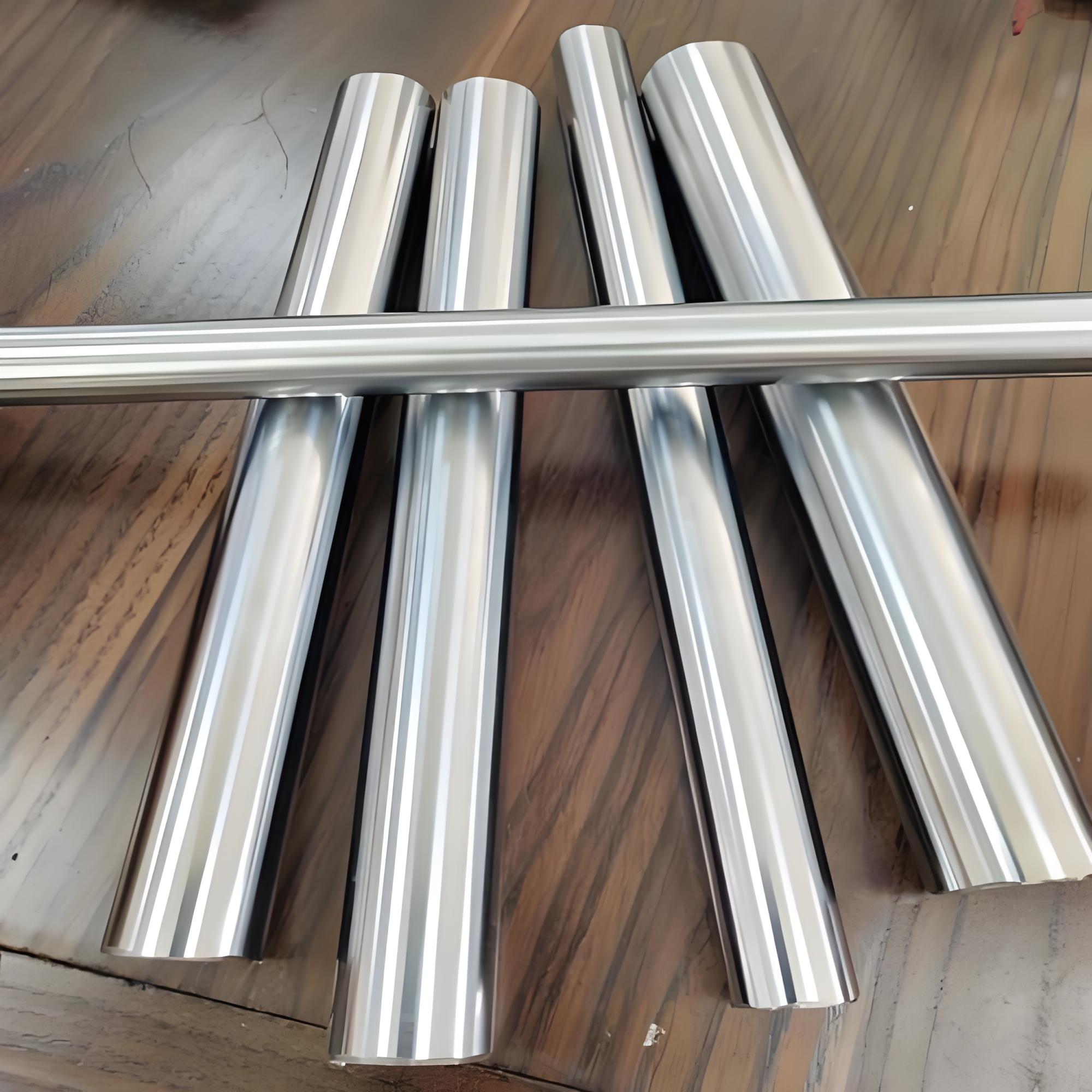
For bar products supplied by Shanghai NC Metal Materials Co., Ltd., the temperature limit must always be tied to atmosphere, stress level, and exposure mode. The commonly quoted figure of 1100°C is only valid in air or comparable oxidizing conditions where a stable chromium-rich oxide film can remain intact over time.
In plain air, 800HT bar can work continuously around 1100°C when mechanical loading is low and thermal cycling is not severe. Short peaks to 1150°C are possible, but this is not a design temperature for permanent duty. Once the environment becomes reducing, carburizing, sulfur-bearing, or halogen-bearing, the limiting mechanism is no longer simple oxidation resistance. Carbon ingress, sulfidation, hot corrosion, and accelerated creep all become more critical than nominal oxidation temperature.
For pressure-bearing design, the temperature limit is much lower than the metallurgical oxidation limit. This difference causes frequent confusion. A bar may physically survive well above 815°C in a furnace fixture or support rod, yet still be unsuitable as an ASME pressure-retaining part beyond that range because allowable stress data no longer support the design code requirement.
| Service environment | Maximum service temperature | Limiting reason |
| Static air oxidation | 1100°C long-term | Cr₂O₃ plus Al-enriched oxide remains stable |
| Thermal cycling | 1000–1050°C | Thermal stress and scale spallation accelerate |
| Sulfur-bearing atmosphere | ≤850°C | Risk of low-melting Ni-S eutectic formation |
| Service environment | Maximum service temperature | Limiting reason |
| Reducing H₂/CO atmosphere | 950–1000°C | Weak oxide protection and earlier creep decline |
| Carburizing hydrocarbon cracking gas | 900–950°C | Severe carburization and embrittlement above this range |
| Chloride or halogen-bearing atmosphere | ≤550°C | Rapid high-temperature corrosion |
| Service environment | Maximum service temperature | Limiting reason |
| ASME pressure part | 815°C | Upper bound of allowable stress design treatment |
| Short-term low oxygen partial pressure service | 1150°C intermittent | Reduced oxidation rate, but not for long exposure |
| Large-diameter bar over φ150 mm | Preferably ≤1050°C long-term | Higher core thermal stress and slower temperature equalization |
The practical difference between 1100°C and 1000°C is often not the alloy chemistry alone but the stability of the surface condition. In oxidizing air, scale growth is predictable and manageable. In carburizing or reducing atmospheres, that same scale is either damaged or not fully sustained, allowing carbon transfer or deeper structural damage to proceed much faster.
The following data represent our measured range for solution-annealed bar condition. These values are useful for understanding why 800HT can remain structurally usable at very high temperature under low stress, while higher stress applications must reduce service temperature substantially.
| Temperature | Tensile strength | 0.2% yield strength | 10,000 h creep rupture strength |
| 20°C | 550–680 MPa | 210–310 MPa | — |
| 540°C | 540 MPa | 190 MPa | 140 MPa |
| 650°C | 480 MPa | 170 MPa | 110 MPa |
| Temperature | Tensile strength | 0.2% yield strength | 10,000 h creep rupture strength |
| 760°C | 350 MPa | 150 MPa | 70 MPa |
| 870°C | 210 MPa | 105 MPa | 35 MPa |
| 980°C | 120 MPa | 65 MPa | 15 MPa |
| Temperature | Tensile strength | 0.2% yield strength | 10,000 h creep rupture strength |
| 1100°C | 45 MPa | 25 MPa | — |
| Design reference | At 1100°C, service is realistic only under very low stress. For a 10-year target life and stress below 20 MPa, this temperature range is still usable. | ||
The key engineering point is that oxidation resistance and mechanical load capacity do not degrade at the same rate. At 1100°C, 800HT may still hold an acceptable oxide scale in air, but its tensile and yield strength have already dropped sharply. That is why furnace hardware, guide rods, radiant supports, and non-pressure structural bars can operate near 1100°C, while highly stressed members cannot.
At 980°C, the 10,000-hour creep rupture strength around 15 MPa already indicates a narrow stress window. Once the intended life extends toward several years, stress must stay low, section design must remain conservative, and local overheating must be avoided. A design that is safe at 980°C under 10 MPa may become unreliable at the same temperature under 25 MPa even though the alloy grade itself has not changed.
The ability of Incoloy 800HT bar to reach 1100°C in oxidizing atmosphere comes from a balanced Fe-Ni-Cr matrix combined with controlled minor alloying additions. The alloy is not simply a higher-nickel stainless steel. Its elevated-temperature behavior depends on both oxidation resistance and creep stability.
First, the chromium level of about 19–23% allows formation of a dense Cr₂O₃ oxide layer. This scale is the primary reason 800HT can match 310S stainless steel in oxidation resistance and exceed it in long-term structural stability. Chromium oxide acts as a diffusion barrier, reducing inward oxygen penetration and outward metal loss.
Second, the aluminum content of roughly 0.15–0.60% improves the oxide structure. Although 800HT is not a fully alumina-forming alloy like Inconel 601, localized Al enrichment within the surface oxide helps seal transport paths and slows internal oxidation. This secondary benefit becomes more noticeable under prolonged exposure.
Third, carbon, nitrogen, titanium, and aluminum together support high-temperature grain boundary stability. Precipitates such as Ti(C,N) and AlN help pin grain boundaries and suppress rapid grain coarsening. This improves creep behavior compared with standard 800H chemistry when both are exposed to the same thermal condition.
Fourth, the matrix is metallurgically stable across a broad temperature span. The Fe-Ni-Cr balance is resistant to harmful phase formation seen in some other heat-resistant alloys. The absence of strong sigma-phase tendency under normal service helps the alloy maintain toughness and dimensional stability better than many lower-cost substitutes.
Compared with 800H, 800HT requires a higher combined Al+Ti level, commonly at least 0.85% instead of the lower threshold associated with 800H. That composition difference is directly tied to creep strength. In long-duration high-temperature exposure, 800HT typically shows 20–30% higher creep resistance than 800H, especially in the 760–980°C range where structural stability matters more than room-temperature strength.
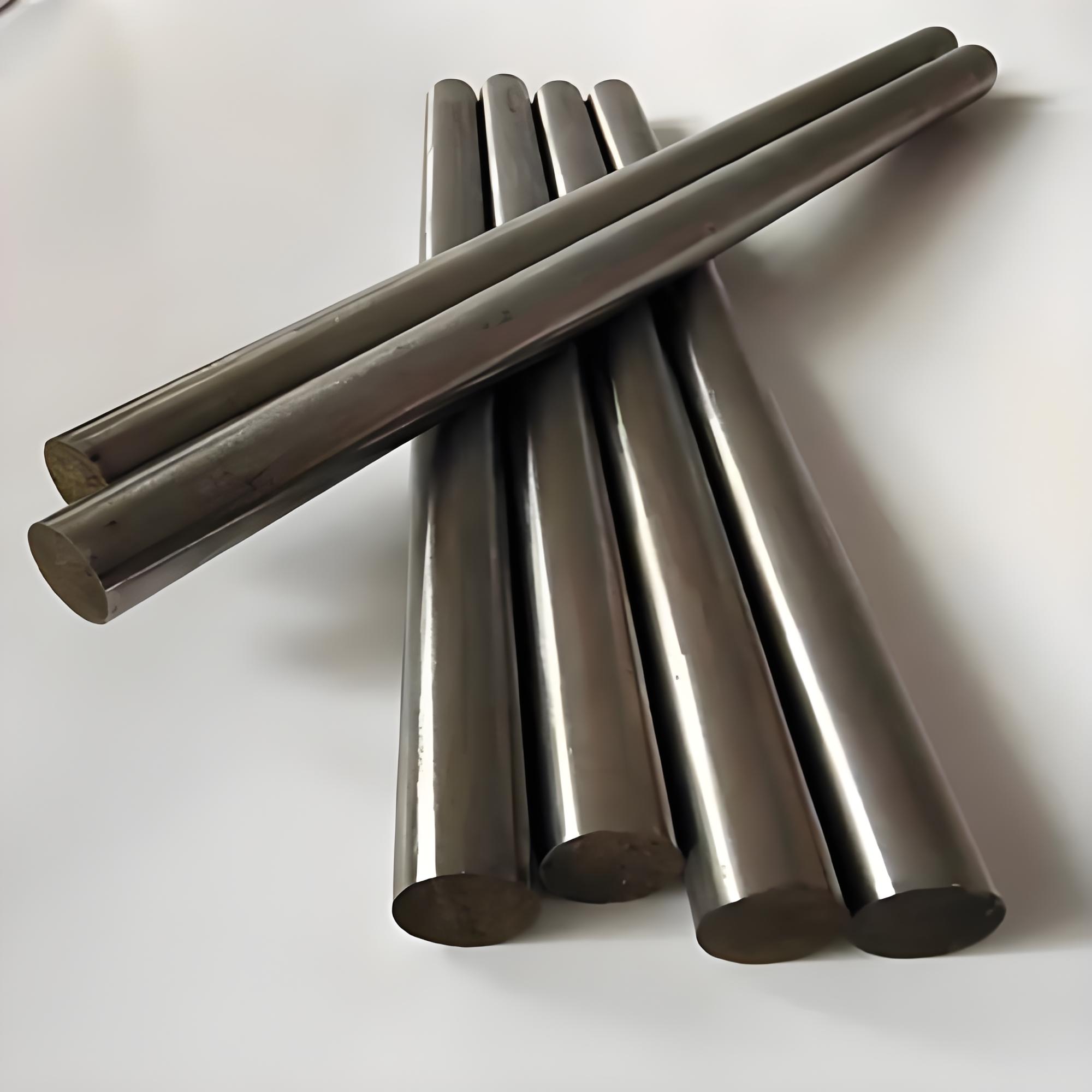
| Alloy | Oxidizing atmosphere limit | Creep strength at 980°C / 10³ h | Cost level |
| Incoloy 800HT | 1100°C | 15 MPa | Medium |
| Incoloy 800H | 1100°C | 12 MPa | Medium-low |
| Inconel 600 | 1100°C | 16 MPa | Medium-high |
| Alloy | Oxidizing atmosphere limit | Creep strength at 980°C / 10³ h | Cost level |
| Inconel 601 | 1200°C | 18 MPa | High |
| Hastelloy X | 1150°C | 20 MPa | Very high |
| 310S stainless steel | 1000–1050°C | 5 MPa | Low |
This comparison shows where 800HT fits. It is not the highest-temperature alloy in this group, but it reaches an effective balance between oxidation resistance, creep strength, and material cost. Compared with 310S, the advantage is obvious in creep performance. Compared with 601 and Hastelloy X, the limitation is upper-temperature margin and aggressive atmosphere endurance, but the cost position is much more moderate.
For applications in the 950–1100°C range under low or moderate structural stress, 800HT often occupies the practical middle ground. It performs distinctly above a heat-resistant stainless steel and approaches the lower end of nickel-base high-temperature alloy behavior without reaching the price level of more heavily alloyed grades.
The nominal service temperature of an alloy does not automatically transfer to every bar size and fabrication condition. In actual production review, several factors repeatedly shorten life before the chemistry limit is reached.
Bar diameter and wall thickness matter. Large round bar above φ150 mm develops higher internal thermal gradients during startup, shutdown, and load change. The core expands and contracts more slowly than the surface, raising internal thermal stress. For this reason, long-term service above 1050°C is not preferred for heavy-section bar unless the heating cycle is very stable.
Cold-worked bar condition is another limit. Cold-drawn or heavily straightened bars exposed above 900°C for long periods may undergo abnormal grain growth if they are not re-solution annealed. Residual deformation accelerates structural instability. In service, this appears as distortion, reduced creep life, or premature crack initiation at local stress points.
Welded zones should be derated. Heat-affected areas can develop coarser grain structure and altered precipitation distribution. For welded assemblies using 800HT bar, a practical reduction of 50–100°C from the parent metal maximum is a sound design rule, especially where the weld sits in the hottest region.
Carbon-bearing gases such as CO and CH₄ are particularly important. Above about 950°C, carburization becomes much more severe. Chromium can be consumed by carbide formation such as Cr₂₃C₆, reducing available chromium for oxidation resistance and leaving the alloy both embrittled and less protected at the surface.
Low oxygen partial pressure service can be more favorable for short-duration peak temperature because metal loss by oxidation is reduced. In vacuum or inert gas, temporary exposure to 1150°C is possible for some non-load-critical parts. That does not mean unrestricted high-temperature service, because creep weakening and grain growth still continue even when oxidation slows down.
| Service case | Temperature | Life | Note |
| Heat treatment furnace radiant tube support | 1100°C continuous | 2 years | Oxide scale around 0.5 mm remained acceptable |
| Petrochemical cracking furnace bar component | 980°C carburizing atmosphere | 4 years | Periodic inspection for carbide precipitation was required |
| Sulfuric acid regeneration furnace stirring shaft | 1050°C in air | 1 year | Shaft bending occurred; 601 was more suitable |
| Service case | Temperature | Life | Note |
| Glass industry channel bar | 1150°C intermittent | 6 months | Thermal shock cracking appeared; service returned to 1100°C |
| Non-pressure gas turbine hot section support part | 1100°C | 8000 hours | Met overhaul interval requirement |
These cases show the difference between survivable temperature and sustainable production temperature. The glass industry case reached 1150°C, but only intermittently and with short life due to thermal shock. The sulfuric furnace shaft physically endured 1050°C, but service distortion limited its replacement interval. The petrochemical case ran cooler at 980°C, yet atmosphere control became the real life-limiting factor instead of oxidation.
Once 800HT bar is pushed beyond its appropriate limit, failure does not occur in one single form. The mechanism changes with atmosphere and stress. A useful way to read the temperature boundary is as a progression of dominant damage modes.
At around 815°C, the ASME pressure design limit is reached. Above this point, pressure-retaining design must no longer rely on the usual allowable stress framework for Section VIII Division 1 service.
At around 900°C, sulfur-bearing and halogen-bearing atmospheres become especially dangerous. Sulfidation and active corrosion can break down the protective surface before general oxidation would become severe in plain air.
At around 1000°C, 800HT enters its classic high-temperature working zone. Oxidation in air remains manageable, but creep becomes a central life determinant. The alloy still functions well here for bars under controlled loading.
At around 1050°C, oxide scale spallation accelerates under cyclic heating. Creep deformation also rises more quickly. This is often the region where unsupported spans begin to sag if bar geometry is not conservative.
At 1100°C, the long-term service boundary in oxidizing air is reached. Here the alloy can still be used, but only with low stress, steady temperature, and an acceptable oxidation allowance in the design.
Above 1150°C, excessive oxidation and pronounced grain coarsening become difficult to control. Oxide recession beyond about 0.5 mm per year is possible depending on gas composition, and grain size may become extremely coarse, reducing structural reliability even where immediate fracture does not occur.
For 800HT bar supplied for elevated-temperature duty, composition control is the first checkpoint. We hold particular attention on Al + Ti ≥ 0.85%, because that is one of the defining differences separating true 800HT high-temperature performance from ordinary 800H-level chemistry. Under-spec minor element control can leave oxidation resistance apparently acceptable while creep life drops below expectation.
Grain size control also matters. Our target is typically ASTM No. 5 or finer for balanced hot-workability and elevated-temperature stability. Excessively coarse grain may improve some creep indicators in isolation, but it can also reduce fabrication stability and increase variability across the section. A controlled and consistent grain structure is more useful for repeatable bar performance.
Supply condition is normally solution annealed, typically around 1150°C followed by rapid cooling or water quench. This condition gives the most reliable starting structure for high-temperature service. For direct furnace application, this is generally the correct delivered state.
Post-weld treatment is not automatically required. In many fabricated parts, no post-weld heat treatment is used. However, when the service temperature stays above 900°C for long exposure, re-solution treatment may be considered to restore structural uniformity after substantial fabrication strain or weld-related microstructural changes.
For projects requiring high confidence at the top end of the alloy range, Shanghai NC Metal Materials Co., Ltd. can provide matching heat test bars from the same melt so that elevated-temperature verification can be carried out against the actual supplied lot rather than generic handbook values.
Misunderstanding 1: 800HT can be used like 601 at 1200°C for long-term service.
This is incorrect. Inconel 601 has much stronger alumina-forming capability because its aluminum level is far higher, typically around 1.5%. That oxide system remains more stable at very high temperature. 800HT relies primarily on chromium oxide with secondary aluminum assistance. At 1200°C, chromium oxide becomes much less reliable due to volatilization and rapid degradation.
Misunderstanding 2: 800HT and 800H are interchangeable because their oxidation limits are both around 1100°C.
This is only partially true. Their oxidation temperature in air may look similar, but their creep capability is not the same. 800HT generally provides 20–30% higher creep strength, placing it much closer to Inconel 600 in sustained high-temperature mechanical behavior. For low-stress furnace fixtures, the two grades may appear similar. For long-life loaded bar components, the difference is meaningful.
Misunderstanding 3: Cold bending or straightening has no effect on high-temperature performance.
This is also incorrect. Once cold deformation exceeds roughly 10%, long-term use above 900°C should be preceded by re-solution annealing. Otherwise, precipitation and grain instability accelerate, and the part may lose creep life well before the expected interval.
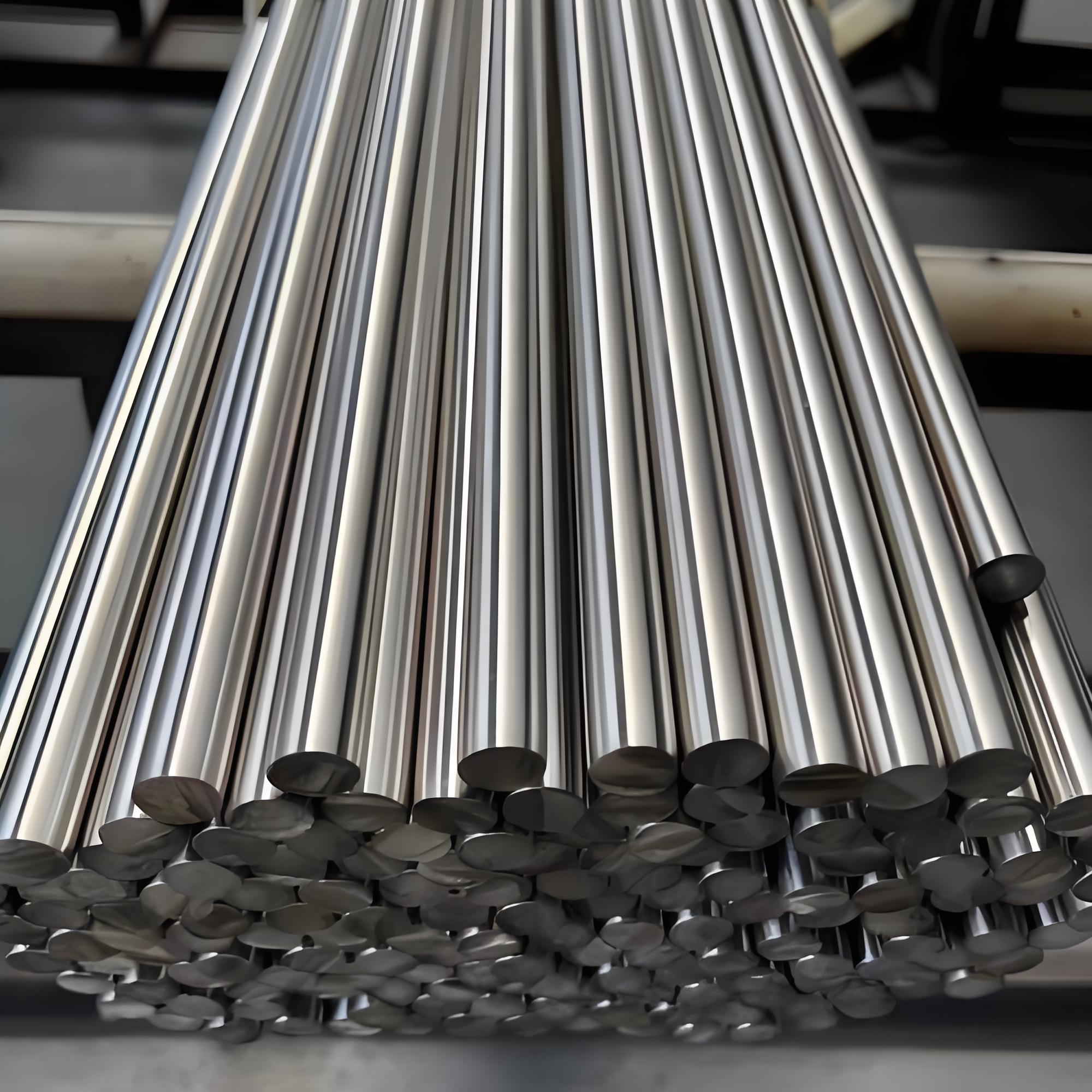
For 950–1100°C service with low or very limited stress, 800HT bar has a strong technical and economic position. It offers clearly better creep resistance than 310S and avoids the cost jump associated with more heavily alloyed nickel-base grades.
For 950–1100°C service under higher stress, especially above about 20 MPa, 800HT becomes less favorable. In that range, alloys such as Hastelloy X or Inconel 601 are usually better suited because they retain higher creep margin.
For service above 1100°C, 800HT should not be the first material choice for long-term oxidizing duty. Inconel 601 or sometimes Alloy 600 provides a more stable upper-temperature envelope.
For 800–950°C conditions involving sulfur, chlorine, or carbon-rich gases, atmosphere compatibility becomes more important than nominal oxidation limit. In some situations 800H may be sufficient where stress is lower and budget matters more. In other cases, a different corrosion-focused alloy family is required.
For ASME pressure vessel or pressure piping service, the governing upper limit remains 815°C. That code boundary should override any higher metallurgical oxidation number quoted for non-pressure applications.
To confirm the maximum service temperature for a specific 800HT bar application, the key inputs are the average working temperature, peak temperature, atmosphere composition, stress level, and design life. A bar intended for 1100°C in still air with minimal load is a very different case from a bar at 980°C under carbon-bearing gas and sustained bending stress.
For engineering review, Shanghai NC Metal Materials Co., Ltd. can issue a maximum service temperature recommendation letter supported by measured high-temperature data from supplied material condition. For batch orders, same-heat test samples can be arranged for elevated-temperature validation so that the end-use team can confirm creep and oxidation behavior against the actual production lot.
Is 1100°C the real maximum temperature for Incoloy 800HT bar?
Yes in oxidizing air for long-term low-stress service, but not as a universal limit. In reducing, carburizing, sulfur-bearing, or pressure-retaining conditions, the practical limit is lower.
Can 800HT bar be used at 1150°C continuously?
No. 1150°C is a short-term exposure level. Continuous service at that temperature causes rapid oxidation, grain coarsening, and much lower structural reliability.
Why is the ASME temperature limit much lower than the oxidation limit?
Because code design is governed by allowable stress, not just alloy survival. 800HT can resist oxidation above 815°C, but pressure design cannot rely on that higher range under Section VIII Division 1 stress treatment.
Is 800HT better than 800H for high-temperature bars?
For loaded high-temperature service, yes. 800HT usually provides 20–30% better creep strength due to tighter control of Al and Ti, even though the oxidation limit in air is similar.
What atmosphere damages 800HT fastest at high temperature?
Carburizing, sulfur-bearing, and halogen-bearing atmospheres are the most restrictive. These environments break down the normal protective surface condition far earlier than plain air oxidation.
More from this category
Incoloy 825 bar price depends on the nickel-based alloy composition, bar dimensions, manufacturing route, heat-treatment condition, surface finish, in...
Incoloy 800HT bar price is shaped by nickel, chromium, titanium, and aluminum raw-material costs, together with bar dimensions, heat-treatment conditi...
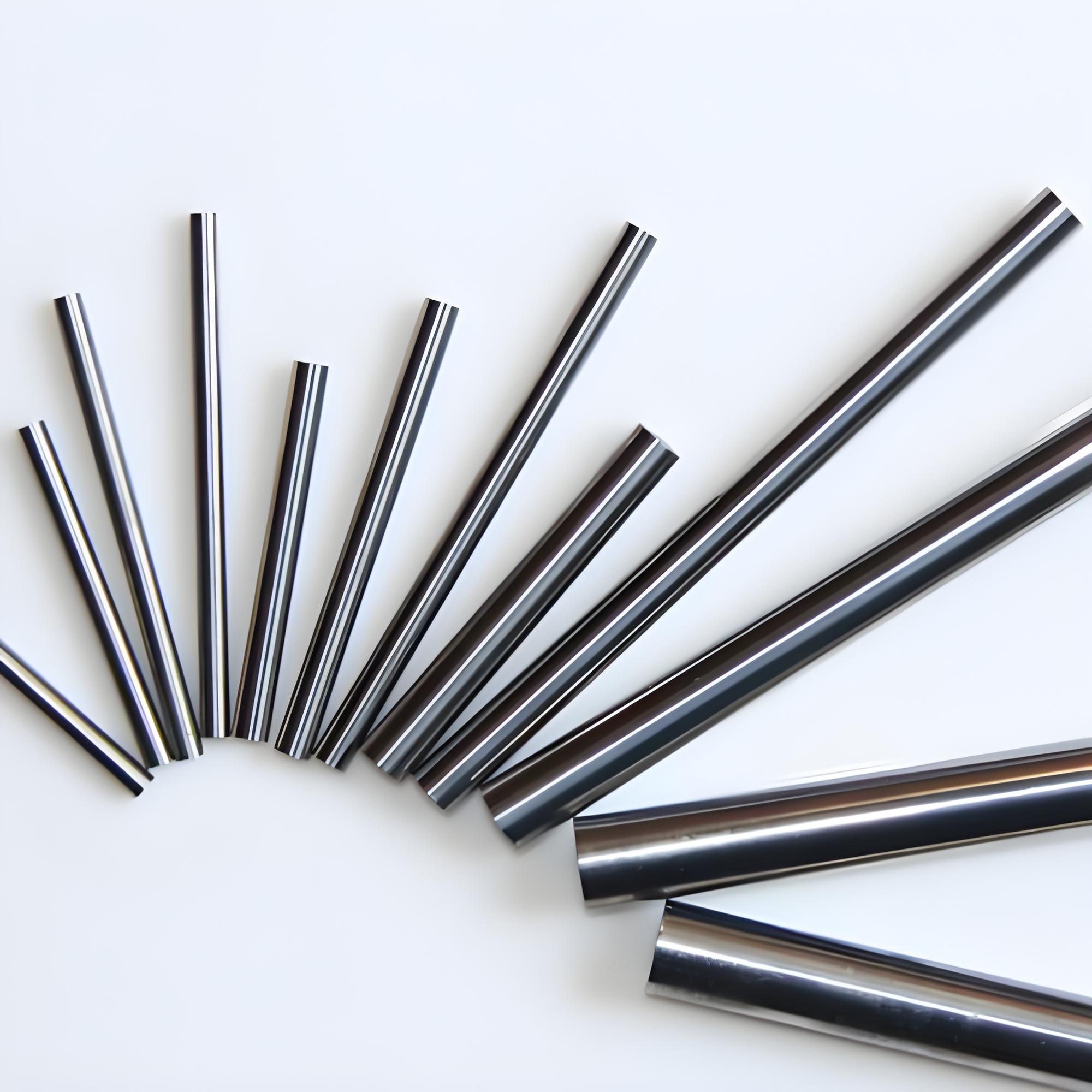
Incoloy 20 round bar price per kg depends on the alloy composition, bar size, manufacturing method, surface finish, tolerance, certificates, inspectio...
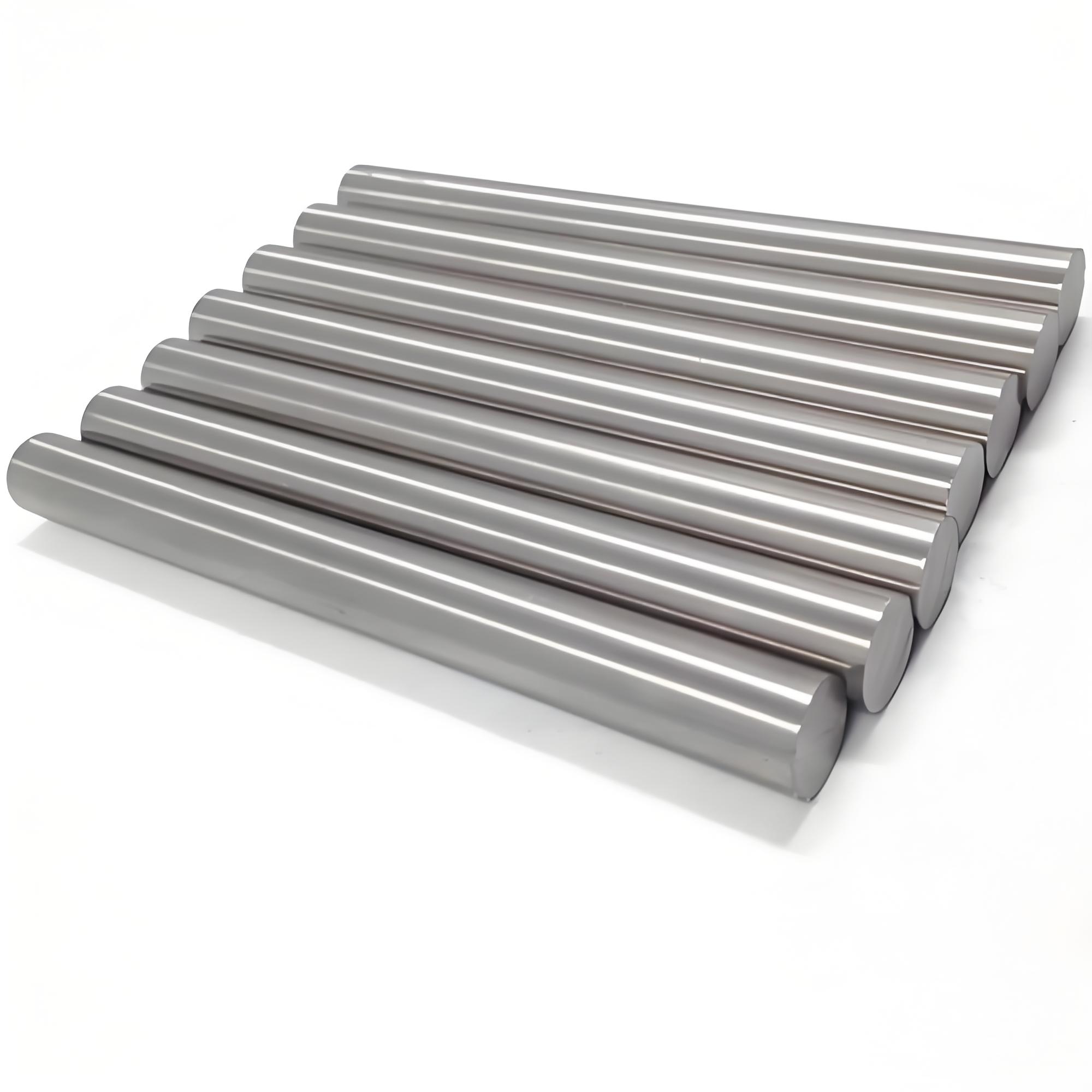
Hastelloy G-30 N06030 bar factory price is determined by the alloy’s high nickel, chromium, iron, molybdenum, copper, and tungsten content, together...
 English English
  Korean
 Arabic
 Spanish
 German
 Portuguese
 French
 Russian
 Italian
 Vietnamese