
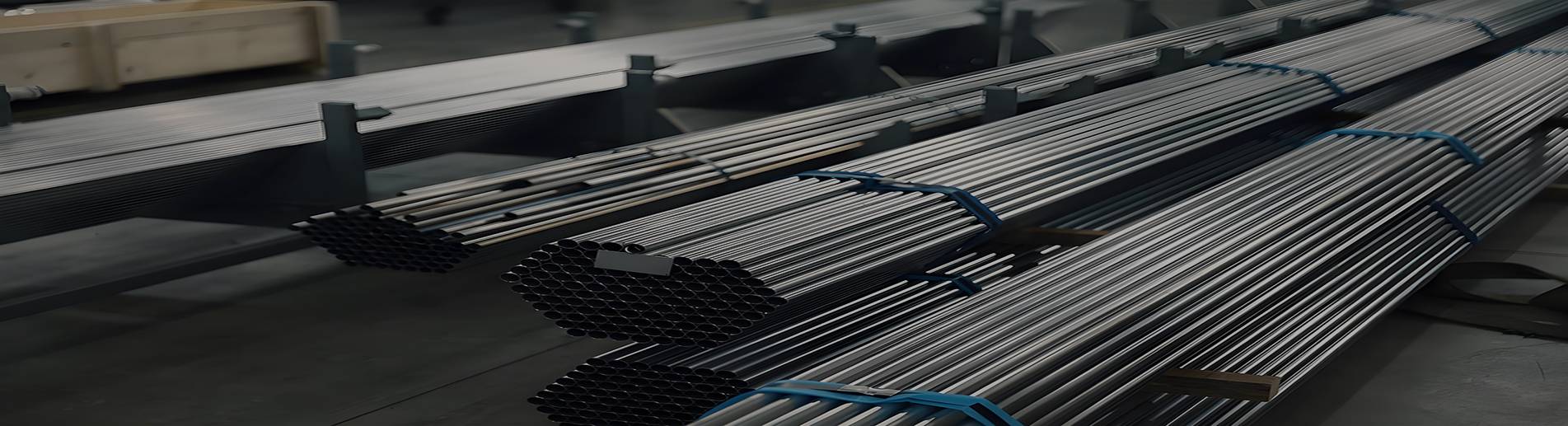
Inconel 617 alloy round bar price per kilogram
Inconel 617 alloy round bar price per kilogram is commonly about USD 45 to 90 per kg for standard industrial stock sizes. Large forged bars, small pre...
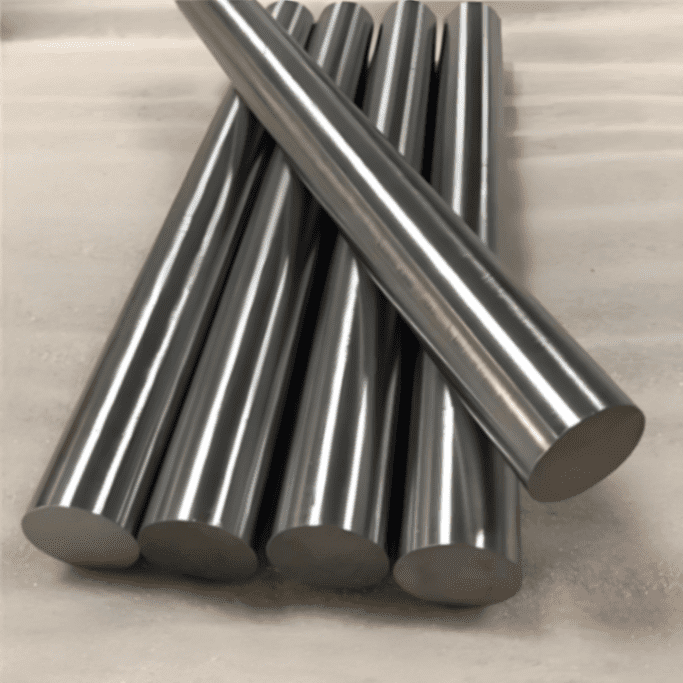
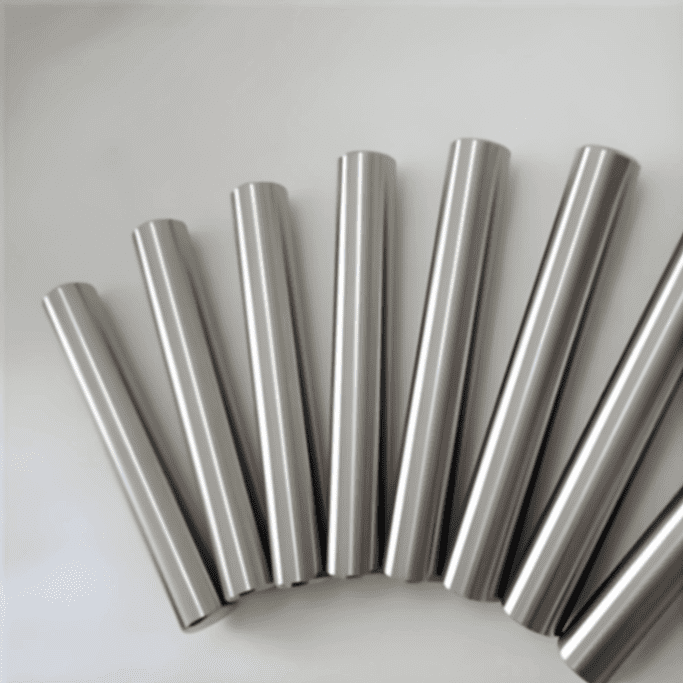
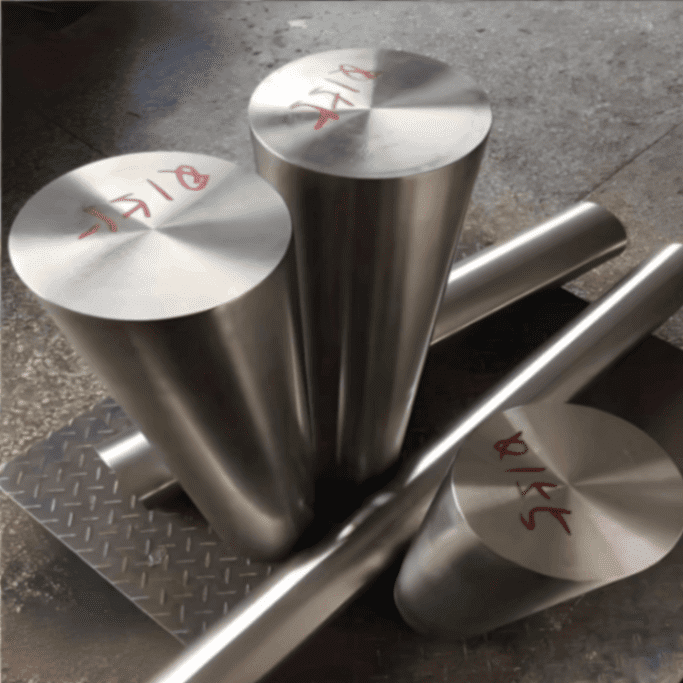
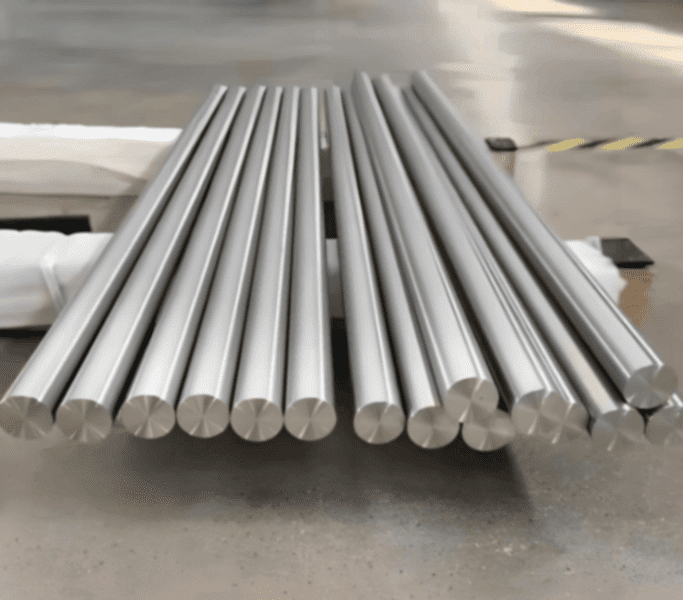
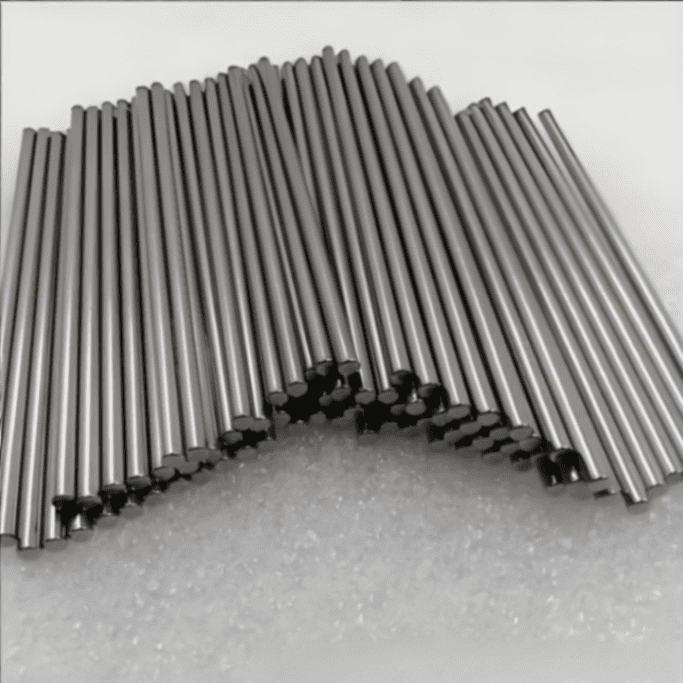
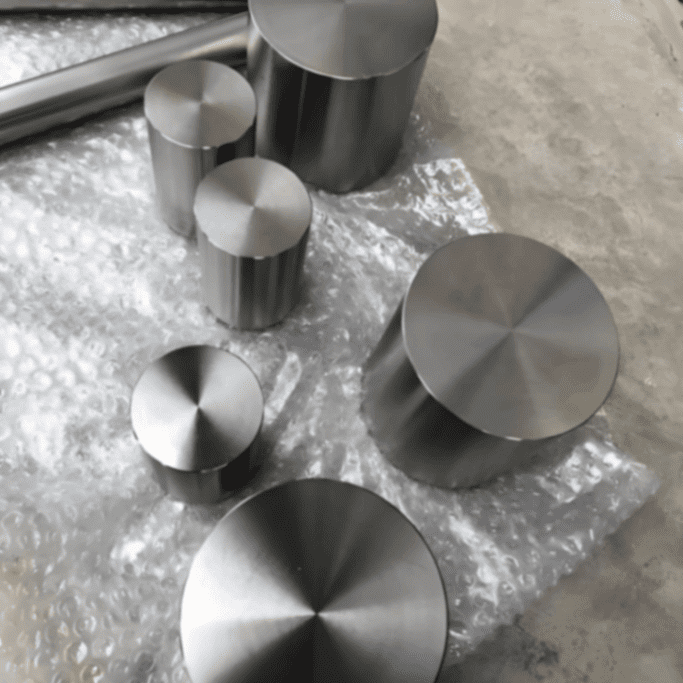
Hastelloy C-2000 is a versatile nickel-chromium-molybdenum alloy that represents a significant advancement in corrosion-resistant materials. Developed to bridge the gap between traditional nickel alloys that excel in reducing environments and those optimized for oxidizing conditions, C-2000 offers exceptional resistance across a broad spectrum of corrosive media. The chemical composition of Hastelloy C-2000 alloy bars is meticulously engineered to provide outstanding performance in chemical processing, pharmaceutical manufacturing, pollution control, and other demanding industrial applications. This article provides a comprehensive breakdown of the elemental makeup of Hastelloy C-2000 bars, explaining the role of each component and how the precise balance of elements contributes to the alloy’s unique corrosion resistance properties.
The hallmark of Hastelloy C-2000 is its carefully balanced chemistry, which combines high levels of nickel, chromium, and molybdenum with the strategic addition of copper. This formulation enables the alloy to resist both oxidizing and reducing acids, including sulfuric, hydrochloric, and nitric acids, as well as chloride-induced localized corrosion. The table below outlines the typical composition ranges for Hastelloy C-2000 bars, conforming to UNS N06200 specifications.
| Element | Composition Percentage (%) | Primary Function in the Alloy |
|---|---|---|
| Nickel (Ni) | 55.0 – 61.0 | Base element providing excellent resistance to reducing environments and chloride stress corrosion cracking; forms the foundation of the austenitic matrix. |
| Chromium (Cr) | 22.0 – 24.0 | Critical for resistance to oxidizing acids (such as nitric and chromic) and provides protection against pitting and crevice corrosion in chloride-containing environments. |
| Molybdenum (Mo) | 15.0 – 17.0 | Enhances resistance to reducing acids like hydrochloric and sulfuric, and significantly improves resistance to localized corrosion, including pitting and crevice attack. |
| Copper (Cu) | 1.3 – 1.9 | Strategically added to improve resistance to sulfuric and other reducing acids; complements molybdenum for enhanced performance in acid environments. |
| Iron (Fe) | ≤ 3.0 | Controlled at low levels to maintain the alloy’s corrosion resistance and metallurgical stability; provides some structural integrity. |
| Cobalt (Co) | ≤ 2.0 | Impurity kept to a minimum; can affect corrosion resistance in certain environments if present in higher quantities. |
| Manganese (Mn) | ≤ 1.0 | Acts as a deoxidizer during melting and aids in hot workability of the alloy. |
| Aluminum (Al) | ≤ 0.5 | Minor addition that can contribute to oxidation resistance and deoxidation during processing. |
| Silicon (Si) | ≤ 0.08 | Controlled to low levels to maintain phase stability and optimize corrosion resistance. |
| Carbon (C) | ≤ 0.01 | Extremely low carbon content prevents carbide precipitation that could lead to intergranular corrosion in weld heat-affected zones. |
| Phosphorus (P) | ≤ 0.025 | Impurity strictly controlled to ensure weldability and maintain corrosion performance. |
| Sulfur (S) | ≤ 0.010 | Impurity kept to a minimum to preserve hot workability and corrosion resistance. |
Understanding the unique chemical signature of Hastelloy C-2000 becomes clearer when compared to other popular nickel alloy grades. The table below highlights the key compositional differences between C-2000 and its predecessors, C-276 and C-22, as well as the more specialized B-3 alloy. This comparison illustrates why C-2000 is often described as the most versatile alloy in the Hastelloy family.
| Element | Hastelloy C-2000 (UNS N06200) | Hastelloy C-276 (UNS N10276) | Hastelloy C-22 (UNS N06022) | Hastelloy B-3 (UNS N10675) |
|---|---|---|---|---|
| Nickel (Ni) | 55.0 – 61.0% | Balanced (remainder) | Balanced (remainder) | 65.0 – 71.0% |
| Chromium (Cr) | 22.0 – 24.0% | 14.5 – 16.5% | 20.0 – 22.5% | 1.0 – 3.0% |
| Molybdenum (Mo) | 15.0 – 17.0% | 15.0 – 17.0% | 12.5 – 14.5% | 27.0 – 32.0% |
| Copper (Cu) | 1.3 – 1.9% | — (none) | — (none) | ≤ 0.2% |
| Tungsten (W) | — (none) | 3.0 – 4.5% | 2.5 – 3.5% | ≤ 3.0% |
| Iron (Fe) | ≤ 3.0% | 4.0 – 7.0% | 2.0 – 6.0% | 1.0 – 3.0% |
| Cobalt (Co) | ≤ 2.0% | ≤ 2.5% | ≤ 2.5% | ≤ 3.0% |
| Primary Strength | Broad versatility across oxidizing and reducing acids | Excellent reducing acid resistance, good oxidizing resistance | Superior oxidizing acid resistance | Exceptional hydrochloric acid resistance |
The synergistic effects of the major alloying elements in Hastelloy C-2000 create a material capable of withstanding a wide range of aggressive environments. Each element contributes specific properties, and their combined presence enables the alloy to outperform many other materials in mixed-acid and complex chemical streams.
| Element Group | Synergistic Effect | Performance Benefits in Applications |
|---|---|---|
| High Nickel + Chromium | Provides exceptional resistance to both reducing acids (from nickel) and oxidizing environments (from chromium) in a single alloy system. | Enables use in equipment exposed to varying process conditions, such as reactors handling alternating acid types or waste streams with variable chemistry. |
| Molybdenum + Copper | Molybdenum provides strong resistance to reducing acids and pitting, while copper specifically enhances resistance to sulfuric acid across a wide concentration range. | Ideal for sulfuric acid handling equipment, flue gas desulfurization systems, and chemical reactors where sulfuric acid is present. |
| Chromium + Molybdenum | This combination offers outstanding protection against both uniform corrosion and localized attack, including pitting and crevice corrosion. | Critical for applications with stagnant zones, under-deposit corrosion risks, or exposure to chloride-containing media. |
| Low Carbon + Controlled Impurities | Ensures that no significant carbide precipitation occurs during welding, maintaining corrosion resistance in the heat-affected zone. | Allows fabrication of large welded structures without requiring post-weld heat treatment, reducing manufacturing costs and complexity. |
The chemical composition of Hastelloy C-2000 not only dictates its corrosion resistance but also determines its mechanical characteristics. The balanced formulation provides good strength, ductility, and fabricability, making it suitable for a wide range of bar applications.
| Property | Typical Value (Annealed Condition) | Relevant Standard | Composition Influence |
|---|---|---|---|
| Tensile Strength | 110 ksi (760 MPa) minimum | ASTM B574, ASME SB574 | Solid solution strengthening from chromium, molybdenum, and copper content |
| Yield Strength (0.2% offset) | 50 ksi (345 MPa) minimum | ASTM B574, ASME SB574 | Nickel-chromium-molybdenum matrix provides inherent strength without precipitation |
| Elongation | 45% minimum | ASTM B574, ASME SB574 | High nickel content contributes to exceptional ductility and formability |
| Hardness (max) | 100 HRB (approximately) | ASTM B574 | Solution annealed condition ensures workability and consistent properties |
| Density | 8.61 g/cm³ (0.311 lb/in³) | — | High molybdenum content contributes to density |
| Melting Range | 1325 – 1370°C (2417 – 2500°F) | — | Consistent with nickel-chromium-molybdenum alloy systems |
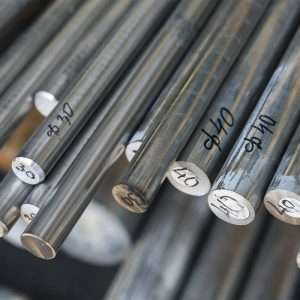
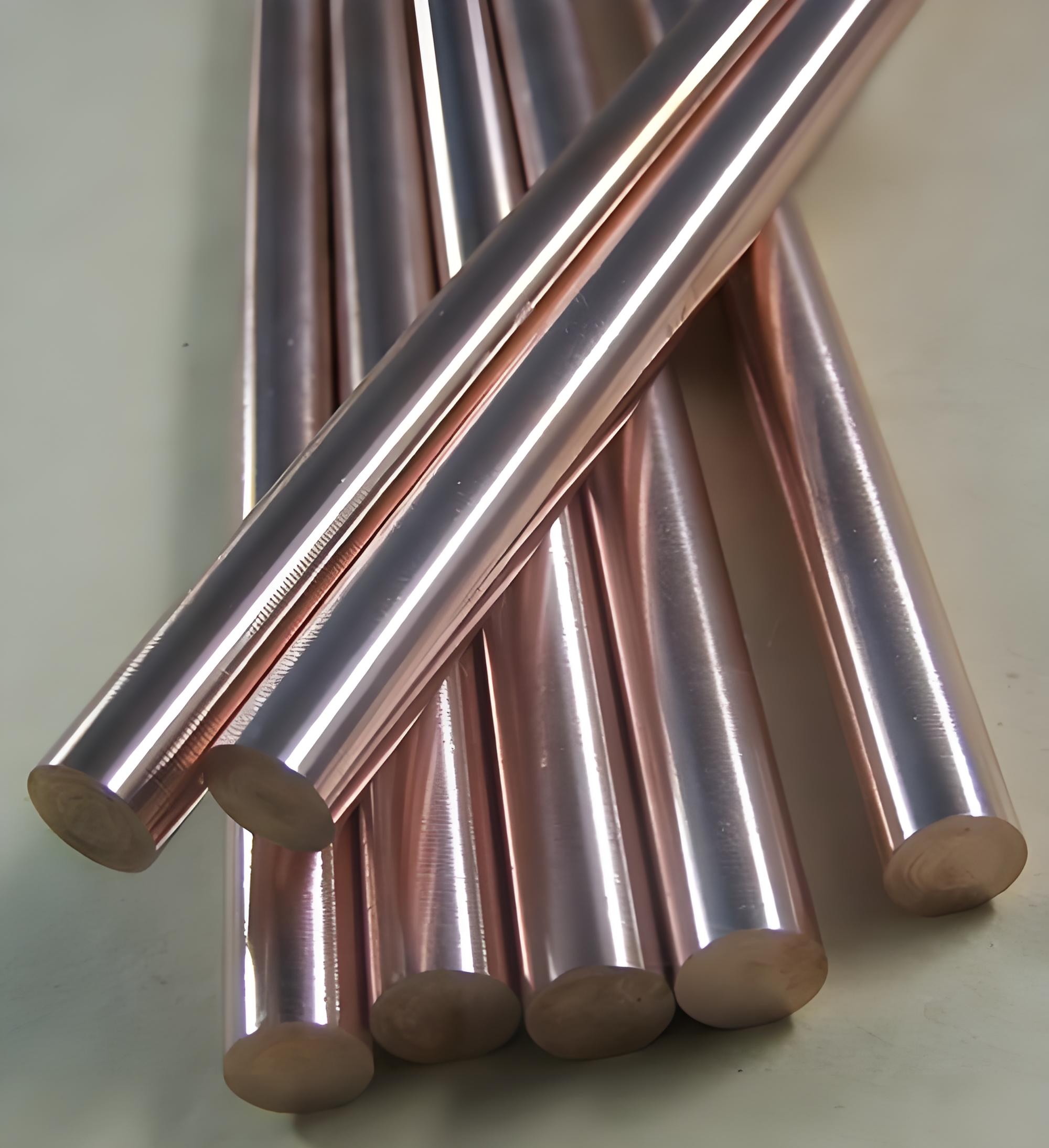
Shanghai NC Metal Materials Co., Ltd. supplies Hastelloy C-2000 bars in a comprehensive range of forms and dimensions to meet diverse application requirements. The chemical composition is verified through mill test reports for every production lot.
| Bar Form | Size Range | Manufacturing Process | Surface Condition | Reference Price Indicator (USD/kg) |
|---|---|---|---|---|
| Round Bars | 3mm – 300mm diameter | Hot Rolled, Cold Drawn | Black, Bright, Pickled | $70 – $120 |
| Precision Ground Bars | 3mm – 200mm diameter | Centerless Grinding | Ground, Polished | $90 – $150 |
| Flat Bars | Thickness: 3mm – 100mm Width: 10mm – 300mm |
Hot Rolled, Machined | Hot Rolled, Machined | $75 – $125 |
| Square / Hex Bars | 6mm – 150mm | Cold Drawn, Hot Rolled | Bright, Black | $80 – $130 |
| Billets / Forging Stock | 100mm – 400mm | Forged, Continuous Cast | As-forged, Rough Machined | $65 – $100 |
The unique chemical composition of Hastelloy C-2000 makes it the material of choice for numerous challenging applications. The table below illustrates how specific compositional features enable performance in various industrial sectors.
| Industry | Common Applications | Relevant Chemical Composition Feature | Performance Advantage |
|---|---|---|---|
| Chemical Processing | Reactor vessels, heat exchangers, distillation columns, piping systems | Chromium + molybdenum + copper combination | Resists both oxidizing and reducing acids, handles mixed acid streams and process upsets |
| Pharmaceutical Manufacturing | Reaction vessels, storage tanks, processing equipment | Low carbon, controlled impurities, high purity composition | Ensures product purity, excellent cleanability, resists contamination from corrosion products |
| Pollution Control | Flue gas desulfurization (FGD) systems, scrubbers, stack liners | High molybdenum and chromium content | Withstands severe localized corrosion from chloride-containing acid condensates |
| Petrochemical | Sour gas processing equipment, amine treating units, acid gas injection | Nickel-base matrix with balanced alloying | Resists hydrogen sulfide, chlorides, and organic acids in combination |
| Pulp and Paper | Bleach plant equipment, chlorine dioxide generators | Chromium content provides oxidizing acid resistance | Superior resistance to chlorine-based bleaching chemicals |
| Waste Treatment | Chemical waste incinerators, hazardous waste processing | Broad corrosion resistance across variable waste streams | Handles unpredictable chemical combinations in waste feeds |
Ensuring the chemical composition of Hastelloy C-2000 bars meets specified requirements is essential for reliable performance. Shanghai NC Metal Materials Co., Ltd. provides comprehensive documentation to verify material integrity.
| Verification Method | Purpose | Applicable Standard | Documentation Provided |
|---|---|---|---|
| Optical Emission Spectrometry (OES) | Determines exact chemical composition across all alloying elements | ASTM E1086, E1999 | Mill Test Report with full chemical analysis |
| Combustion Analysis | Precise measurement of carbon, sulfur content | ASTM E1019 | Certification of low carbon and sulfur levels |
| X-Ray Fluorescence (XRF) | Positive material identification (PMI) for incoming inspection | ASTM E1476 | PMI verification reports upon request |
| Mechanical Testing | Confirms tensile and yield properties align with composition | ASTM E8/E8M | Tensile test results per heat lot |
| Corrosion Testing | Verifies composition delivers expected corrosion resistance | ASTM G28, G48 | Corrosion test reports available |
What is the chemical composition of Hastelloy C-2000 alloy bars?
Hastelloy C-2000 alloy bars have a carefully balanced chemical composition consisting of 55.0-61.0% nickel, 22.0-24.0% chromium, 15.0-17.0% molybdenum, 1.3-1.9% copper, and a maximum of 3.0% iron, along with controlled amounts of carbon (0.01% max), manganese, silicon, and other elements. This unique combination provides exceptional resistance to both oxidizing and reducing environments, making it one of the most versatile corrosion-resistant alloys available.
How does the copper content in Hastelloy C-2000 affect its performance?
The 1.3-1.9% copper addition in Hastelloy C-2000 is strategically included to enhance resistance to reducing acids, particularly sulfuric acid across a wide range of concentrations and temperatures. This copper content works synergistically with molybdenum to provide superior performance in chemical processing environments where sulfuric acid or other reducing media are present, distinguishing C-2000 from other C-series alloys that lack copper.
What is the difference between Hastelloy C-2000 and Hastelloy C-276?
The primary differences lie in the chromium, copper, and tungsten content. Hastelloy C-2000 contains higher chromium (22-24% vs. 14.5-16.5%) and adds 1.3-1.9% copper, while containing no tungsten. C-276 contains tungsten (3.0-4.5%) and no copper. These compositional differences mean C-2000 offers superior resistance to oxidizing acids and sulfuric acid, while C-276 has traditionally been used for reducing acid environments and contains tungsten for enhanced localized corrosion resistance.
Why is carbon content kept so low in Hastelloy C-2000 bars?
Carbon is maintained at 0.01% maximum in Hastelloy C-2000 bars to prevent the formation of chromium carbides during welding and high-temperature exposure. If chromium carbides form, they deplete chromium from the surrounding matrix, reducing the alloy’s ability to form a protective passive layer and making it susceptible to intergranular corrosion. The ultra-low carbon content, combined with the balanced chemistry, allows C-2000 to be welded without post-weld heat treatment while maintaining excellent corrosion resistance.
What specifications cover Hastelloy C-2000 bars?
Hastelloy C-2000 bars are typically supplied to ASTM B574 (Standard Specification for Nickel-Chromium-Molybdenum-Copper Alloy Rod and Bar) and ASME SB574 for pressure vessel applications. The material is designated under UNS N06200. When ordering, you should specify the applicable standard, required size and tolerance, surface condition, and any additional testing requirements such as ultrasonic examination or third-party inspection.
More from this category
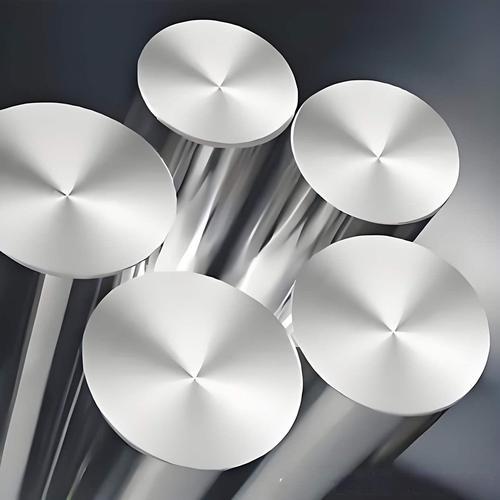
Inconel 617 alloy round bar price per kilogram is commonly about USD 45 to 90 per kg for standard industrial stock sizes. Large forged bars, small pre...
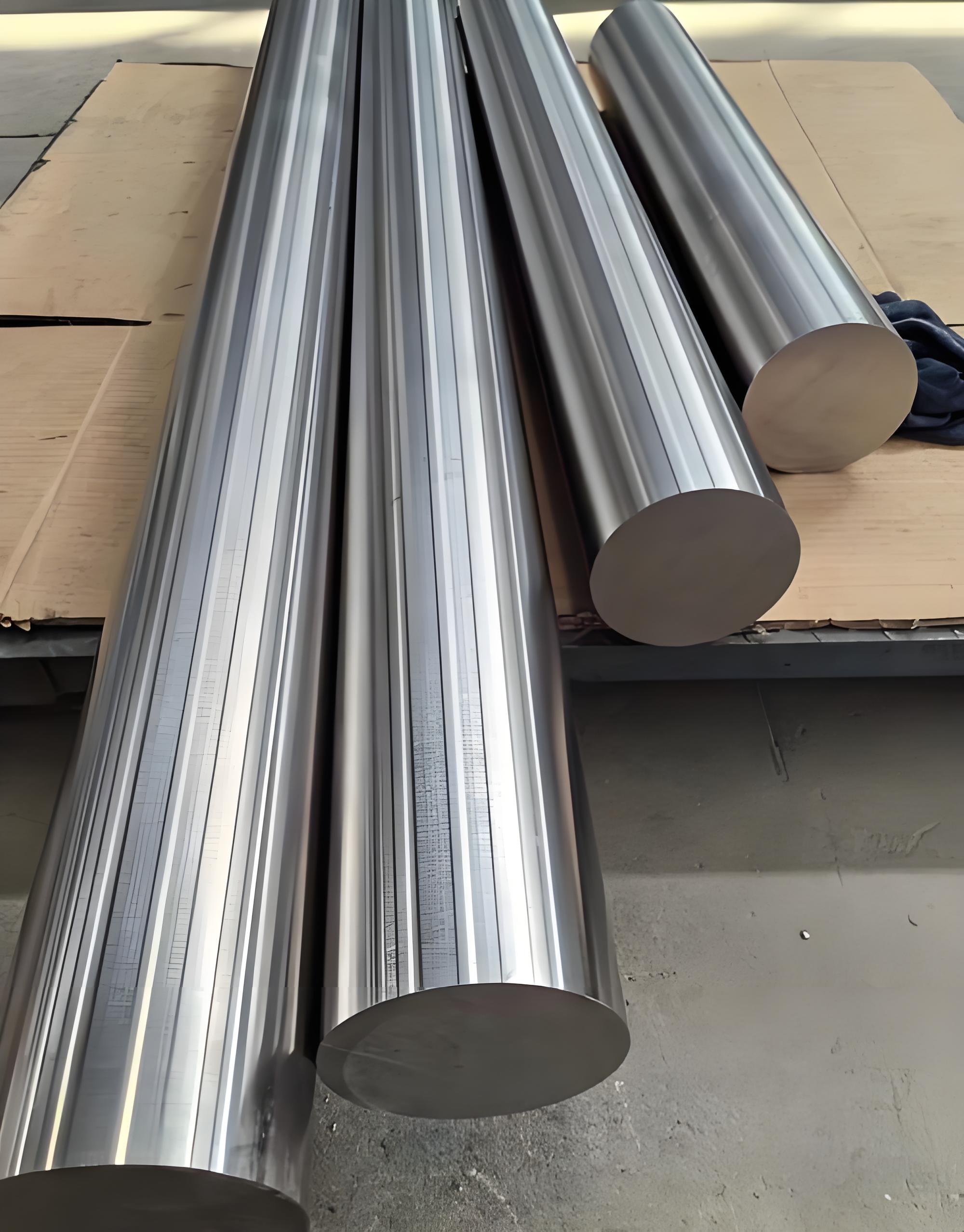
The latest Inconel 625 alloy bar price per kg depends on nickel, molybdenum, niobium, and chromium raw material costs, as well as bar diameter, manufa...
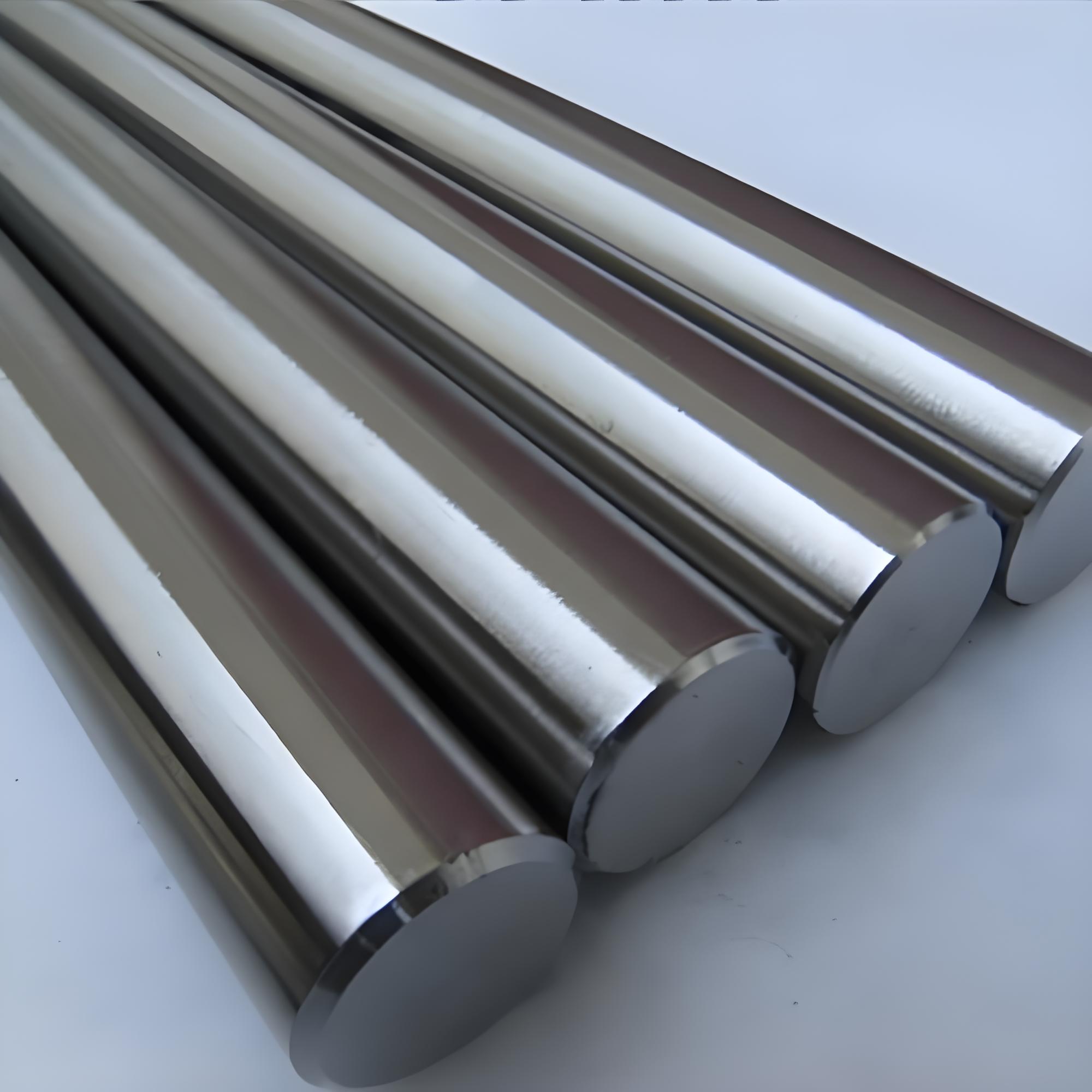
Inconel X-750 alloy bar price depends on nickel raw material cost, bar diameter, product condition, heat treatment, specification, surface finish, dim...
Inconel 602CA alloy bar price per kg is usually higher than common Inconel 600 and Inconel 601 bars because Alloy 602CA is a premium high-temperature ...
 English English
  Korean
 Arabic
 Spanish
 German
 Portuguese
 French
 Russian
 Italian
 Vietnamese