
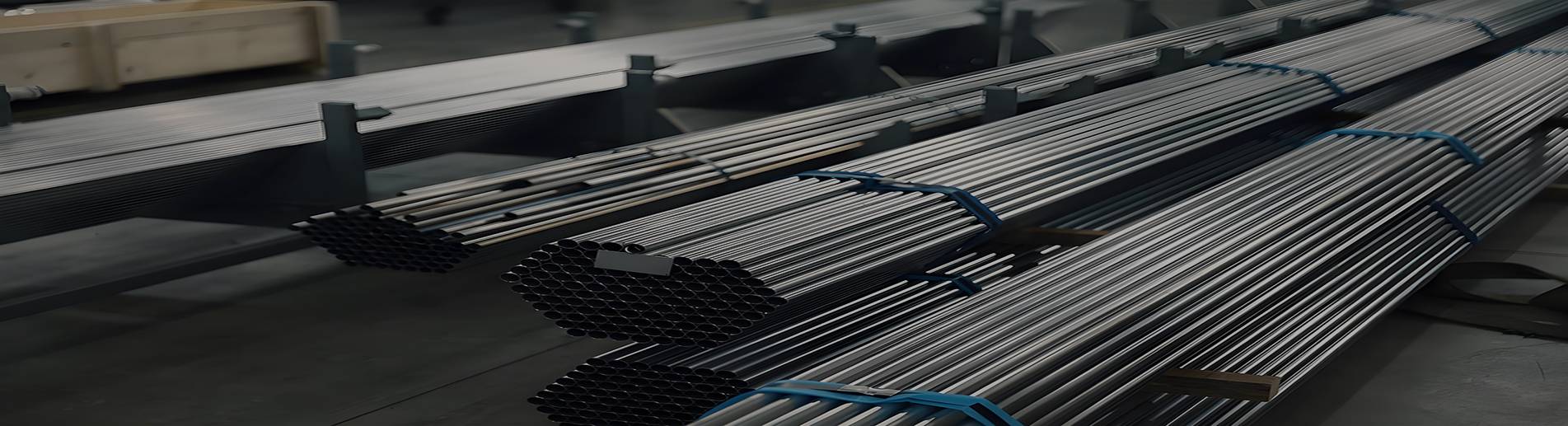
Inconel 617 alloy round bar price per kilogram
Inconel 617 alloy round bar price per kilogram is commonly about USD 45 to 90 per kg for standard industrial stock sizes. Large forged bars, small pre...
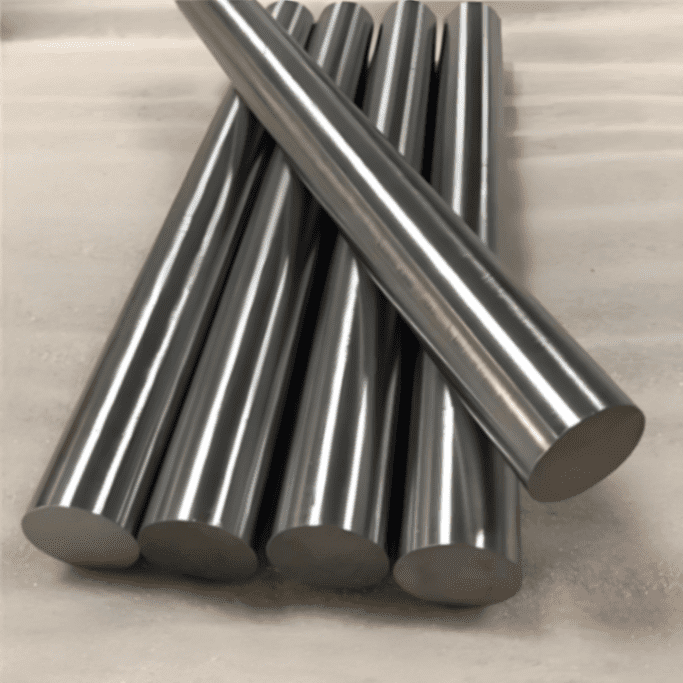
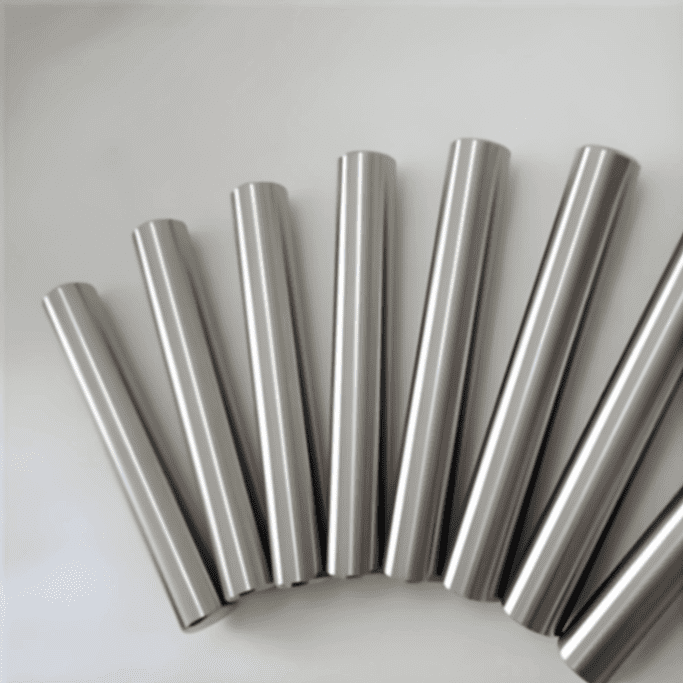
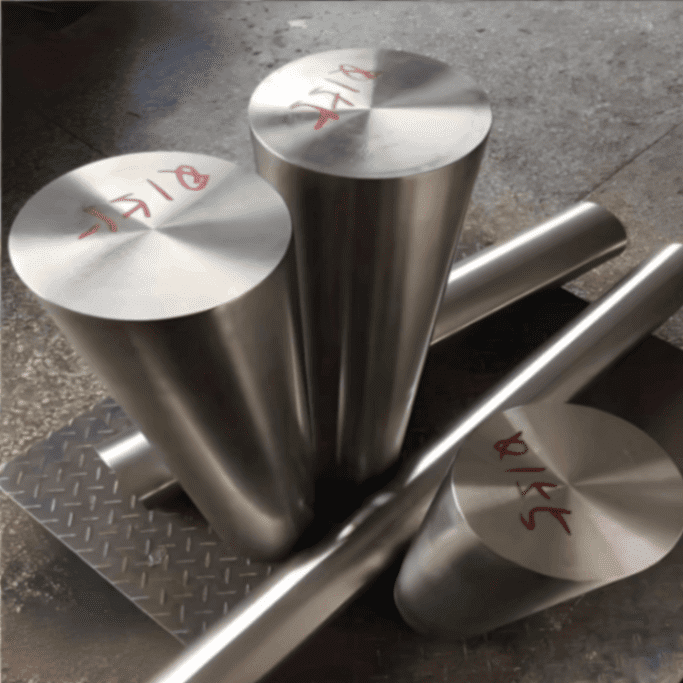
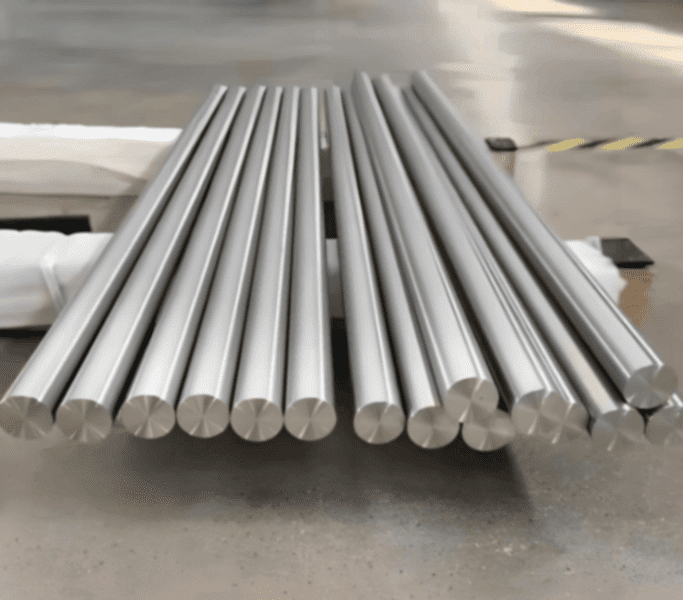
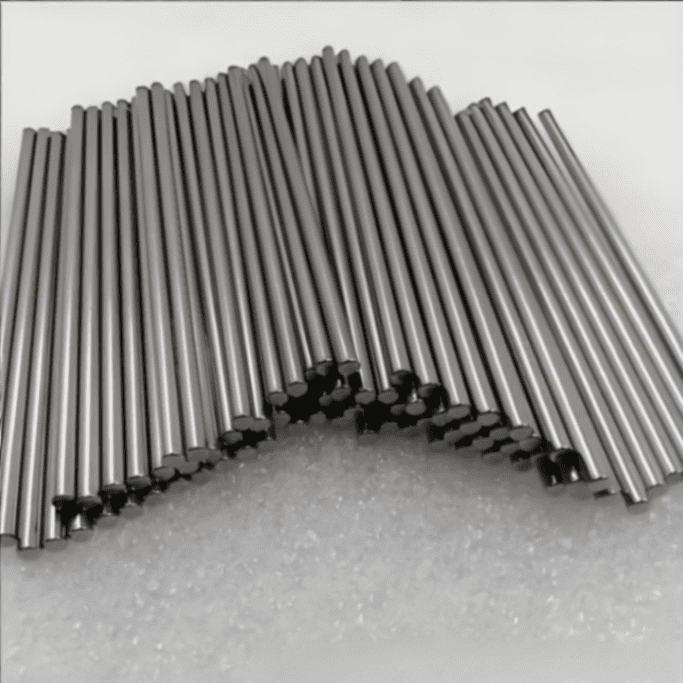
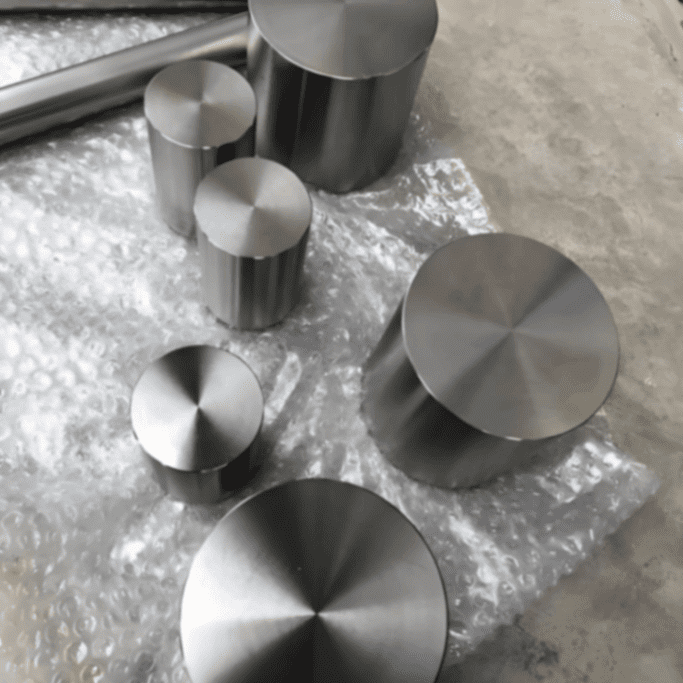
Hastelloy B-3 is a nickel-molybdenum alloy renowned for its exceptional resistance to hydrochloric acid at various temperatures and concentrations, as well as other reducing environments. As a advanced version of the older Hastelloy B-2, B-3 offers improved thermal stability and fabricability, making it a premium material for chemical processing, pharmaceutical, and pollution control equipment. Understanding the cost per kilogram of Hastelloy B-3 bars is essential for budgeting projects, comparing supplier quotes, and making informed material selection decisions. However, pricing for this high-performance alloy is influenced by numerous factors including raw material costs, manufacturing complexity, bar dimensions, quantity purchased, and market conditions.
Hastelloy B-3 is considered a superalloy with a significant nickel and molybdenum content, placing it in a higher price tier compared to stainless steels or even many other nickel alloys. The table below provides general reference price ranges based on typical market conditions. Actual prices may vary and should be confirmed with current market rates.
| Bar Form | Diameter/Size Range | Surface Condition | Reference Price Range (USD/kg) | Price Influencing Factors |
|---|---|---|---|---|
| Round Bars – Hot Rolled | 10mm – 200mm | Black, Pickled | $65 – $95 | Base manufacturing cost, mill origin |
| Round Bars – Cold Drawn | 3mm – 50mm | Bright, Smooth | $80 – $115 | Additional processing, tighter tolerances |
| Round Bars – Precision Ground | 3mm – 150mm | Ground, Polished | $95 – $140 | Precision machining, surface finishing |
| Flat Bars | Thickness: 5mm – 100mm Width: 20mm – 250mm |
Hot Rolled, Machined | $70 – $105 | Shape complexity, width/thickness ratio |
| Square / Hex Bars | 10mm – 150mm | Hot Rolled, Cold Drawn | $75 – $110 | Die requirements, quantity |
| Billets / Forging Stock | 100mm – 300mm | As-cast, Rough Machined | $55 – $80 | Larger volumes, less processing |
The exceptional performance of Hastelloy B-3 comes from its unique chemical composition, which also drives its material cost. Understanding the elemental makeup helps explain why this alloy commands premium pricing compared to other materials.
| Element | Composition Percentage (%) | Contribution to Performance | Impact on Material Cost |
|---|---|---|---|
| Nickel (Ni) | 65.0 – 71.0 | Base element providing overall corrosion resistance, especially in reducing acids | High – Nickel is a significant cost driver in global markets |
| Molybdenum (Mo) | 27.0 – 32.0 | Primary alloying element for resistance to hydrochloric acid and pitting | Very High – Molybdenum is expensive and used in large quantities |
| Iron (Fe) | 1.0 – 3.0 | Controlled to maintain phase stability and corrosion resistance | Low – Minimal cost impact |
| Chromium (Cr) | 1.0 – 3.0 | Limited addition for specific corrosion resistance; lower than other Hastelloys | Moderate – Present in small amounts |
| Tungsten (W) | ≤ 3.0 | Enhances strength and corrosion resistance in specific environments | High – Tungsten is a costly alloying element |
| Manganese (Mn) | ≤ 3.0 | Deoxidizer, aids in hot workability | Low |
| Carbon (C) | ≤ 0.01 | Extremely low to prevent carbide precipitation and maintain corrosion resistance | Processing cost – Requires careful melting control |
Several variables affect the final price per kilogram of Hastelloy B-3 bars. Understanding these factors helps buyers evaluate quotes and make cost-effective purchasing decisions.
| Factor | Description | Typical Price Impact | Considerations for Buyers |
|---|---|---|---|
| Raw Material Market Fluctuations | Prices of nickel, molybdenum, and tungsten on LME and other exchanges | ±20-30% over time | Monitor commodity prices; consider price adjustment clauses for long-term contracts |
| Bar Diameter / Size | Smaller diameters often cost more per kg due to higher processing ratio | +15-40% for sizes under 10mm | Consolidate orders to optimize size ranges |
| Quantity Ordered | Volume discounts for larger orders | 5-20% reduction for tonnage orders | Forecast needs to maximize quantity discounts |
| Surface Finish | Precision ground or polished vs. hot rolled black finish | +20-50% for precision finishes | Specify only necessary surface requirements |
| Tolerance Requirements | Tighter dimensional tolerances increase manufacturing cost | +10-30% for precision tolerances | Use standard tolerances where possible |
| Heat Treatment | Solution annealing and quenching requirements | +5-15% for certified heat treatment | Ensure heat treatment matches application needs |
| Testing and Certification | Mill test reports, third-party inspection, NDT | +5-25% depending on testing level | Specify only required testing for your application |
| Lead Time | Expedited production and shipping | +10-30% for rush orders | Plan ahead to avoid premium charges |
| Mill Origin | Different producing countries have varying cost structures | Varies by region | Consider total cost including logistics and quality |
To provide context for Hastelloy B-3 pricing, the table below compares it with other common alloys used in similar corrosive environments. This helps justify the material selection based on performance requirements versus cost.
| Alloy Grade | Primary Characteristics | Typical Price Range (USD/kg) | Cost vs. Hastelloy B-3 | Application Suitability |
|---|---|---|---|---|
| Hastelloy B-3 | Superior resistance to HCl and reducing acids, excellent thermal stability | $65 – $140 | Baseline | Severe hydrochloric acid service, reactor vessels, piping |
| Hastelloy C-276 | Versatile resistance to oxidizing and reducing environments | $50 – $95 | 20-40% lower | Mixed acid environments, pollution control, FGD systems |
| Inconel 625 | High strength, excellent pitting resistance | $45 – $85 | 30-50% lower | Marine applications, chemical processing, aerospace |
| Incoloy 825 | Good resistance to sulfuric and phosphoric acids | $25 – $45 | 60-70% lower | Less severe chemical service, oil and gas |
| 316L Stainless Steel | General corrosion resistance, low cost | $4 – $8 | 90-95% lower | Mild environments, food processing, architectural |
| Zirconium 702 | Exceptional resistance to HCl and other acids | $120 – $200 | 30-100% higher | Extreme acid service, nuclear applications |
The cost of Hastelloy B-3 bars is also justified by their mechanical properties, which are maintained through precise manufacturing and heat treatment. Suppliers typically certify to relevant standards.
| Property | Typical Value | Applicable Standard | Verification Method |
|---|---|---|---|
| Tensile Strength (min) | 110 ksi (760 MPa) | ASTM B335 | Tensile testing per ASTM E8 |
| Yield Strength (0.2% offset, min) | 51 ksi (350 MPa) | ASTM B335 | Tensile testing per ASTM E8 |
| Elongation (min) | 40% | ASTM B335 | Tensile testing per ASTM E8 |
| Hardness (max) | 100 HRB | ASTM B335 | Rockwell hardness testing |
| Density | 9.22 g/cm³ | — | Calculated from composition |
| Melting Range | 1370-1418°C (2500-2585°F) | — | Differential thermal analysis |
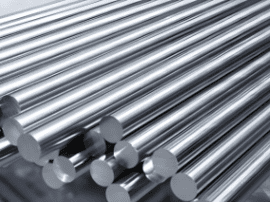
Shanghai NC Metal Materials Co., Ltd. supplies Hastelloy B-3 bars in a comprehensive range of sizes and conditions to meet diverse application requirements. Their inventory and manufacturing capabilities ensure customers receive material that matches their exact specifications.
| Bar Type | Size Range Available | Length Options | Condition / Finish | Typical Lead Time |
|---|---|---|---|---|
| Round Bars | 3mm – 300mm diameter | Random 3-6m, Fixed, Cut-to-length | Hot Rolled, Cold Drawn, Ground, Polished | Stock: 1-2 weeks Custom: 4-8 weeks |
| Flat Bars | Thickness: 5mm – 150mm Width: 20mm – 400mm |
Random 3-6m, Fixed | Hot Rolled, Machined | Stock: 2-3 weeks Custom: 5-9 weeks |
| Square Bars | 10mm – 200mm | Random 3-6m, Fixed | Hot Rolled, Cold Drawn | Stock: 2-3 weeks Custom: 5-8 weeks |
| Hex Bars | 10mm – 100mm (across flats) | Random 3-6m, Fixed | Cold Drawn | Stock: 2-4 weeks Custom: 6-10 weeks |
| Billets / Forging Stock | 100mm – 400mm | 1-6m as required | As-forged, Rough Machined | Custom: 6-12 weeks |
| Precision Ground Bars | 3mm – 200mm | Fixed, Cut-to-length | Centerless Ground, Polished | Custom: 4-8 weeks |
Given the premium pricing of Hastelloy B-3, implementing cost-saving strategies can significantly impact project budgets. The table below outlines practical approaches to optimize procurement costs.
| Strategy | Description | Potential Savings | Considerations |
|---|---|---|---|
| Consolidate Orders | Combine multiple bar sizes or requirements into a single purchase order | 5-15% | Requires accurate forecasting of needs |
| Purchase Mill Run Quantities | Order full mill production runs rather than cut pieces | 10-25% | May require larger inventory commitment |
| Optimize Size Selection | Choose standard sizes that are readily available | 10-20% | Avoids custom manufacturing premiums |
| Review Surface Finish Requirements | Specify hot rolled or black finish where appearance isn’t critical | 15-30% | Additional machining may be needed |
| Consider Alternative Alloys | Evaluate if less expensive alloys meet performance requirements | 20-70% | Must ensure technical suitability |
| Long-Term Contracts | Negotiate fixed pricing for ongoing requirements | 5-15% | Provides price stability and supply assurance |
| Monitor Commodity Markets | Time purchases when nickel/molybdenum prices are favorable | 10-30% potential | Requires market knowledge and flexibility |
When investing in premium materials like Hastelloy B-3, ensuring proper quality documentation is essential. Shanghai NC Metal Materials Co., Ltd. provides comprehensive documentation with every shipment.
| Document Type | Information Provided | Importance for Buyer |
|---|---|---|
| Mill Test Report (MTR) / EN 10204 Type 3.1 | Chemical analysis, mechanical properties, heat treatment details, heat number | Essential for material verification and traceability |
| Certificate of Compliance | Statement that material meets specified requirements | Standard documentation for commercial transactions |
| Third-Party Inspection Report | Independent verification of material properties | Required for critical applications and某些 regulatory standards |
| Ultrasonic Test Report | Internal soundness verification | Essential for rotating equipment and pressure-containing parts |
| Dye Penetrant Inspection Report | Surface defect detection | Important for high-integrity surface applications |
| Heat Treatment Charts | Documentation of time-temperature cycles | Required when specific heat treatment is specified |
How much does Hastelloy B-3 bar cost per kilogram?
The price of Hastelloy B-3 bars typically ranges from $65 to $140 per kilogram, depending on factors such as bar size, surface finish, quantity ordered, and current raw material market conditions. Hot rolled round bars in standard sizes and larger quantities fall at the lower end of the range, while precision ground bars, small diameters, and small quantities command higher prices. For the most accurate and current pricing, contact suppliers directly with your specific requirements.
Why is Hastelloy B-3 more expensive than stainless steel?
Hastelloy B-3 contains approximately 65-71% nickel and 27-32% molybdenum, both expensive alloying elements, compared to stainless steel which is primarily iron with lower alloy content. The high cost of nickel and molybdenum on global commodity markets directly translates to material cost. Additionally, the manufacturing process for Hastelloy B-3 requires specialized melting, careful thermal treatment, and more complex processing, all contributing to the higher price per kilogram compared to standard stainless steels.
Does the price of Hastelloy B-3 bars vary by size?
Yes, the price per kilogram varies significantly by size. Smaller diameter bars (under 10mm) typically cost 15-40% more per kilogram than medium-sized bars due to the additional processing steps required. Very large diameters may also carry premiums due to lower manufacturing yields and specialized forging requirements. Standard stock sizes in the 20-100mm range generally offer the best value, while custom or non-standard sizes incur additional costs for tooling and setup.
What is included in the price when buying from a supplier?
The quoted price for Hastelloy B-3 bars typically includes the base material cost, standard manufacturing processes, mill test reports, and basic packaging. Additional costs may apply for special surface finishes, tight tolerances, non-destructive testing, third-party inspection, custom cutting, heat treatment certification, and expedited shipping. Always request a detailed quotation that specifies what is included and what may be extra to avoid unexpected costs.
How can I get the best price for Hastelloy B-3 bars?
To obtain competitive pricing, consider consolidating your orders into larger quantities, selecting standard sizes rather than custom dimensions, specifying only necessary surface finishes and testing requirements, and comparing quotes from multiple qualified suppliers. Building a long-term relationship with a reliable supplier like Shanghai NC Metal Materials Co., Ltd. can also lead to better pricing through volume commitments and consistent business. Additionally, monitoring nickel and molybdenum market trends can help time your purchases when raw material costs are favorable.
More from this category
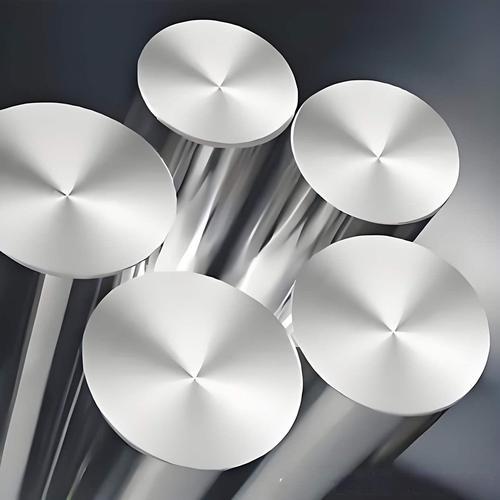
Inconel 617 alloy round bar price per kilogram is commonly about USD 45 to 90 per kg for standard industrial stock sizes. Large forged bars, small pre...
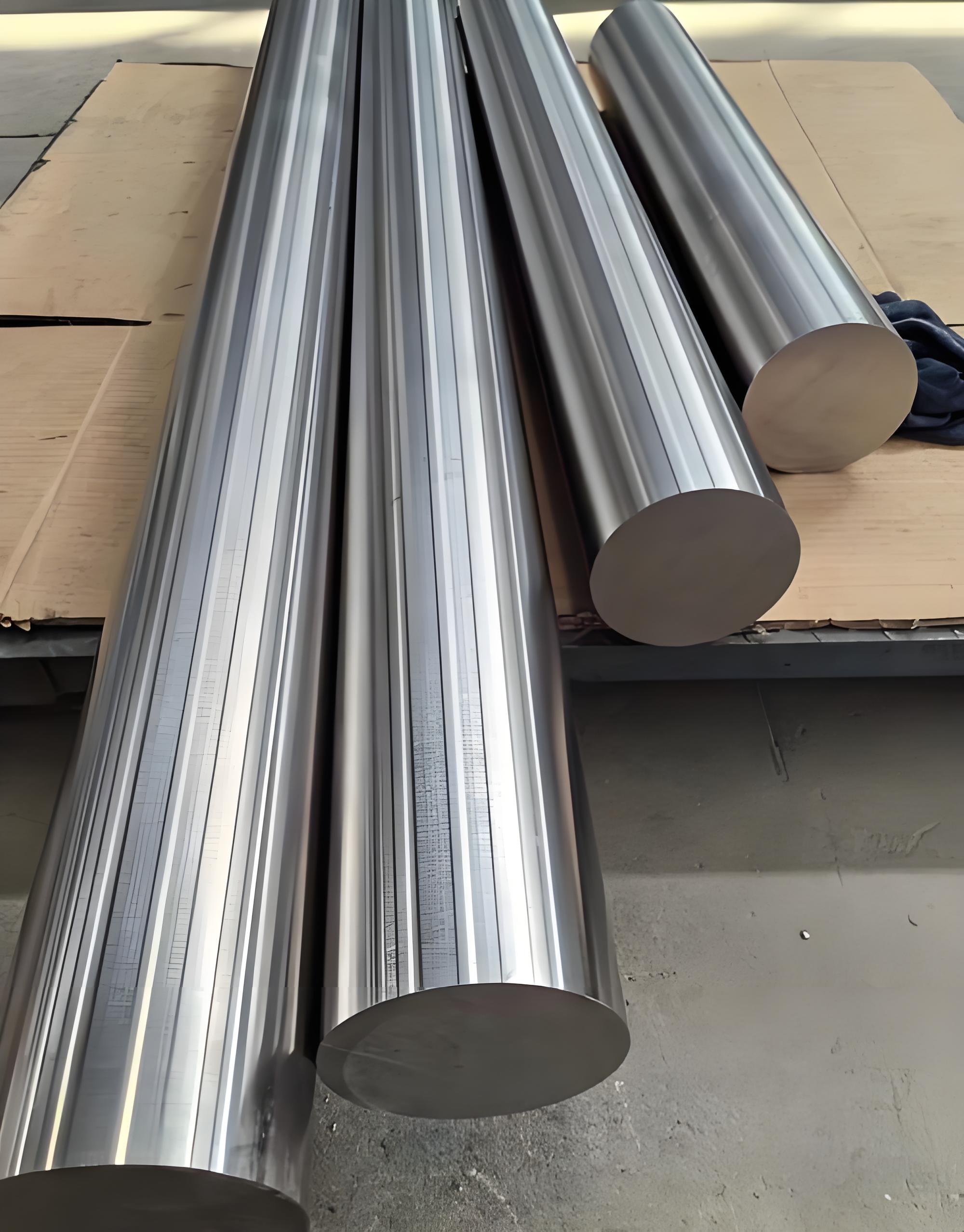
The latest Inconel 625 alloy bar price per kg depends on nickel, molybdenum, niobium, and chromium raw material costs, as well as bar diameter, manufa...
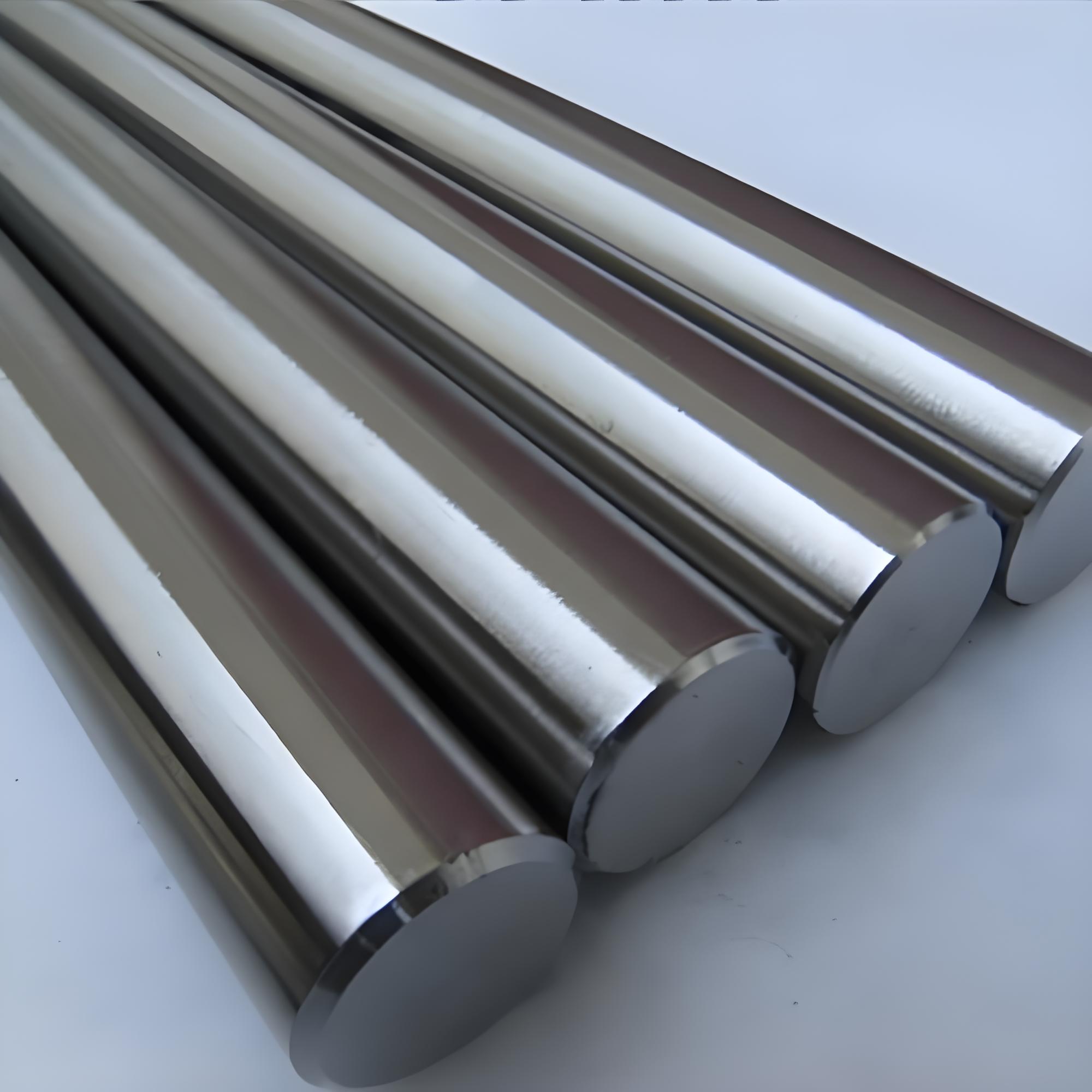
Inconel X-750 alloy bar price depends on nickel raw material cost, bar diameter, product condition, heat treatment, specification, surface finish, dim...
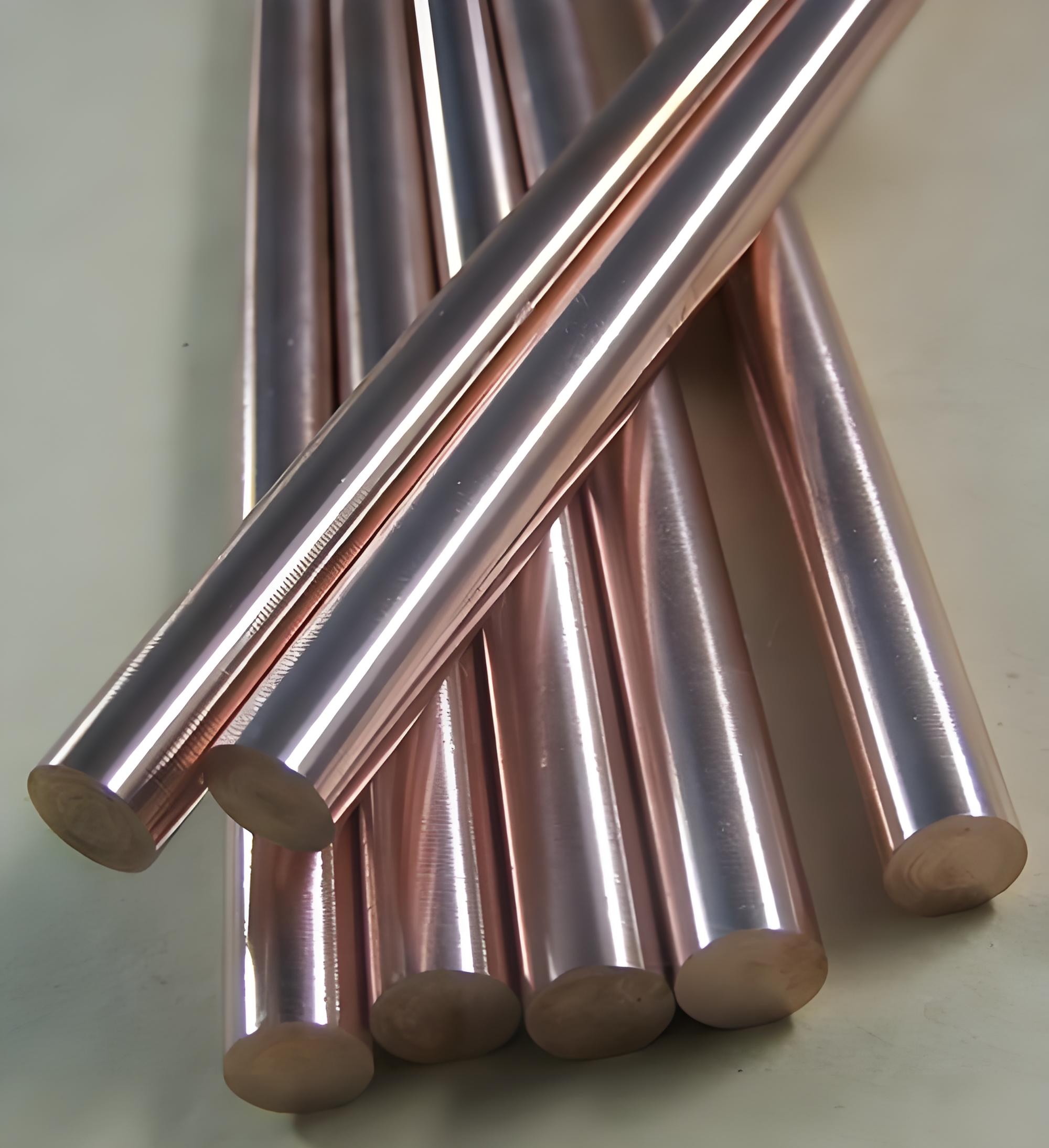
Inconel 602CA alloy bar price per kg is usually higher than common Inconel 600 and Inconel 601 bars because Alloy 602CA is a premium high-temperature ...
 English English
  Korean
 Arabic
 Spanish
 German
 Portuguese
 French
 Russian
 Italian
 Vietnamese