
Incoloy 825 Bar Price | UNS N08825 Supplier
Incoloy 825 bar price depends on the nickel-based alloy composition, bar dimensions, manufacturing route, heat-treatment condition, surface finish, in...
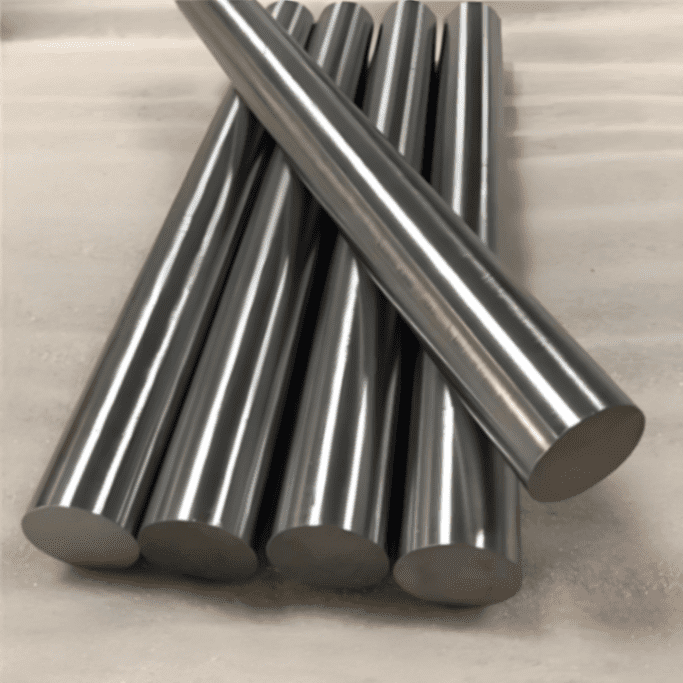
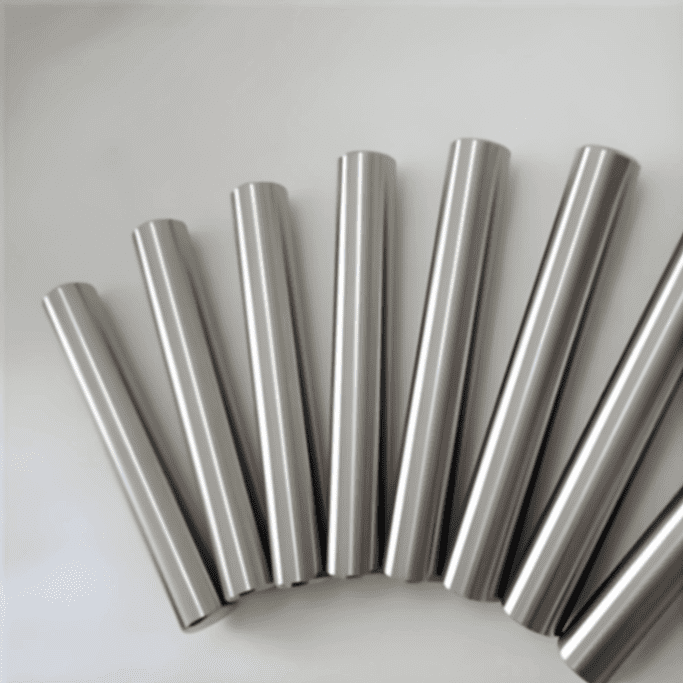
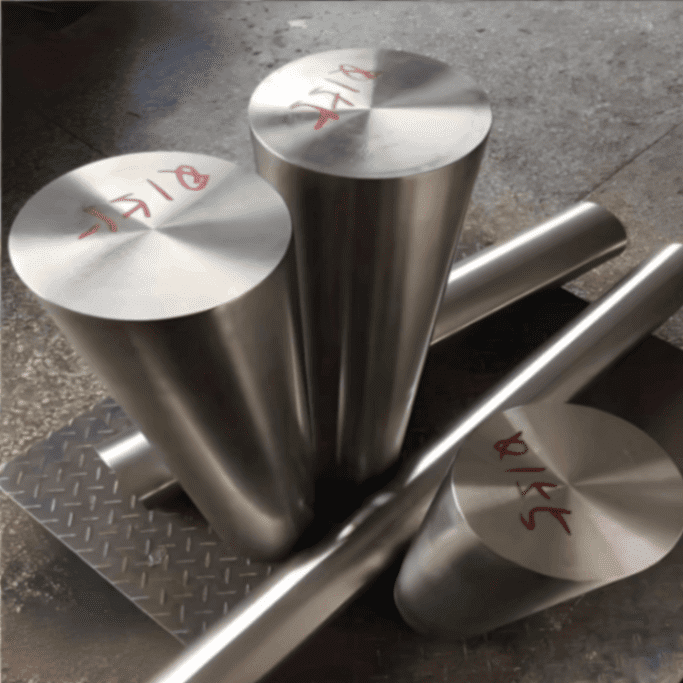
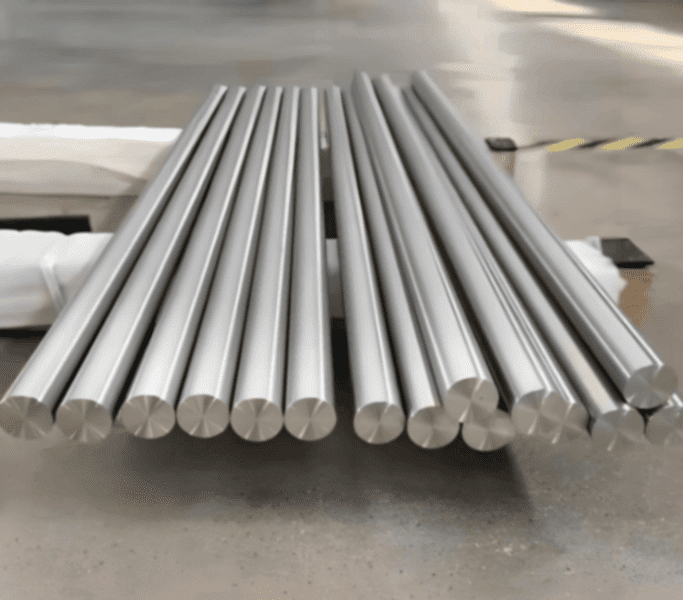
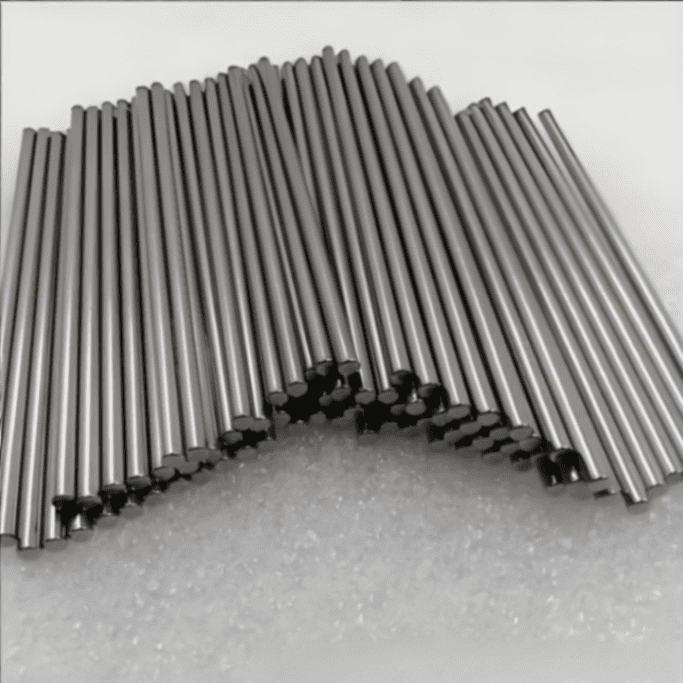
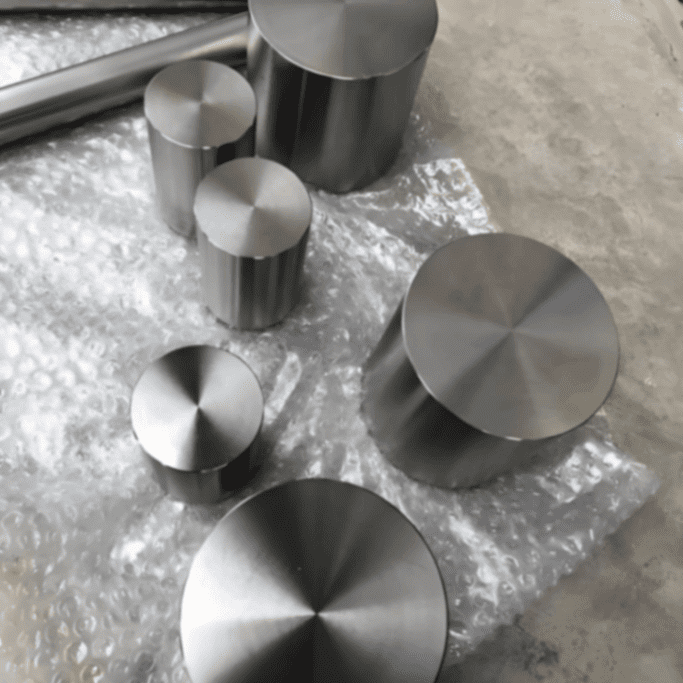
Hastelloy C-22 alloy rod factory price depends on nickel price, molybdenum and tungsten cost, rod diameter, length, surface finish, order quantity, testing requirements, and stock availability. Hastelloy C-22, also known as Alloy C22 or UNS N06022, is a premium nickel-chromium-molybdenum-tungsten alloy used where ordinary stainless steel and many nickel alloys cannot provide enough corrosion resistance. For buyers, the best way to get a real factory quotation is to provide the exact grade, size, quantity, standard, surface condition, certificate requirement, and delivery terms.
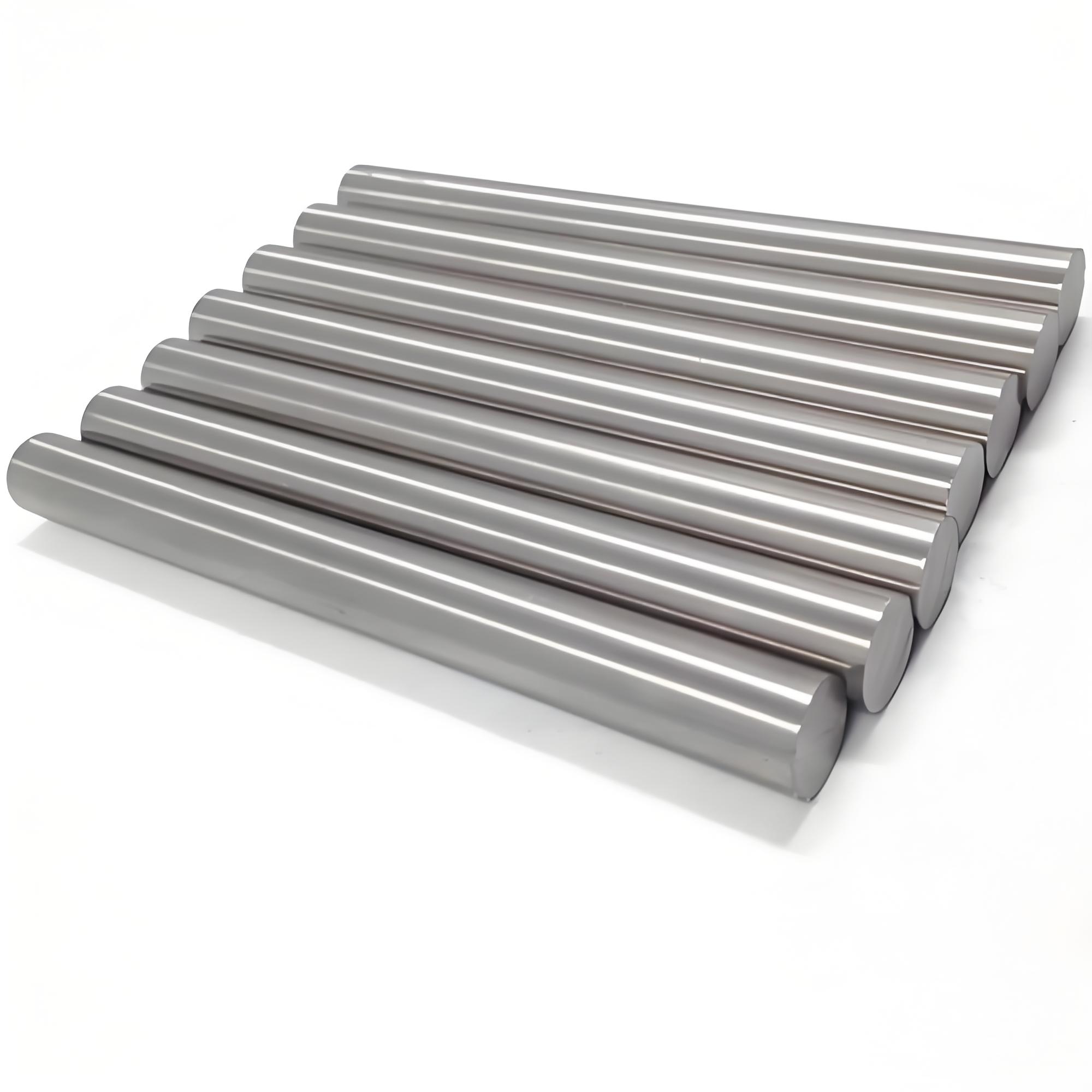
Hastelloy C-22 alloy rod is a high-performance nickel alloy rod designed for severe corrosion service. It is commonly supplied as round rod or round bar and then machined into valve stems, pump shafts, fasteners, pins, bushings, fittings, sealing parts, reactor components, and other corrosion-resistant industrial parts.
The main advantage of Hastelloy C-22 alloy rod is its broad resistance to oxidizing and reducing chemicals. It performs well in many chloride-containing environments, mixed acids, wet chlorine, chlorine dioxide, ferric chloride, cupric chloride, seawater, brine, and aggressive chemical process media. This makes it a popular choice for chemical processing, pharmaceutical production, pollution control, pulp and paper, marine engineering, and acid handling systems.
When customers ask for Hastelloy C-22 alloy rod factory price, they often want a quick price per kilogram. In real supply, the price is not fixed like common carbon steel. Nickel alloy rods are affected by alloy surcharge, raw material market movement, production route, size range, inspection level, and whether the material is available from stock.
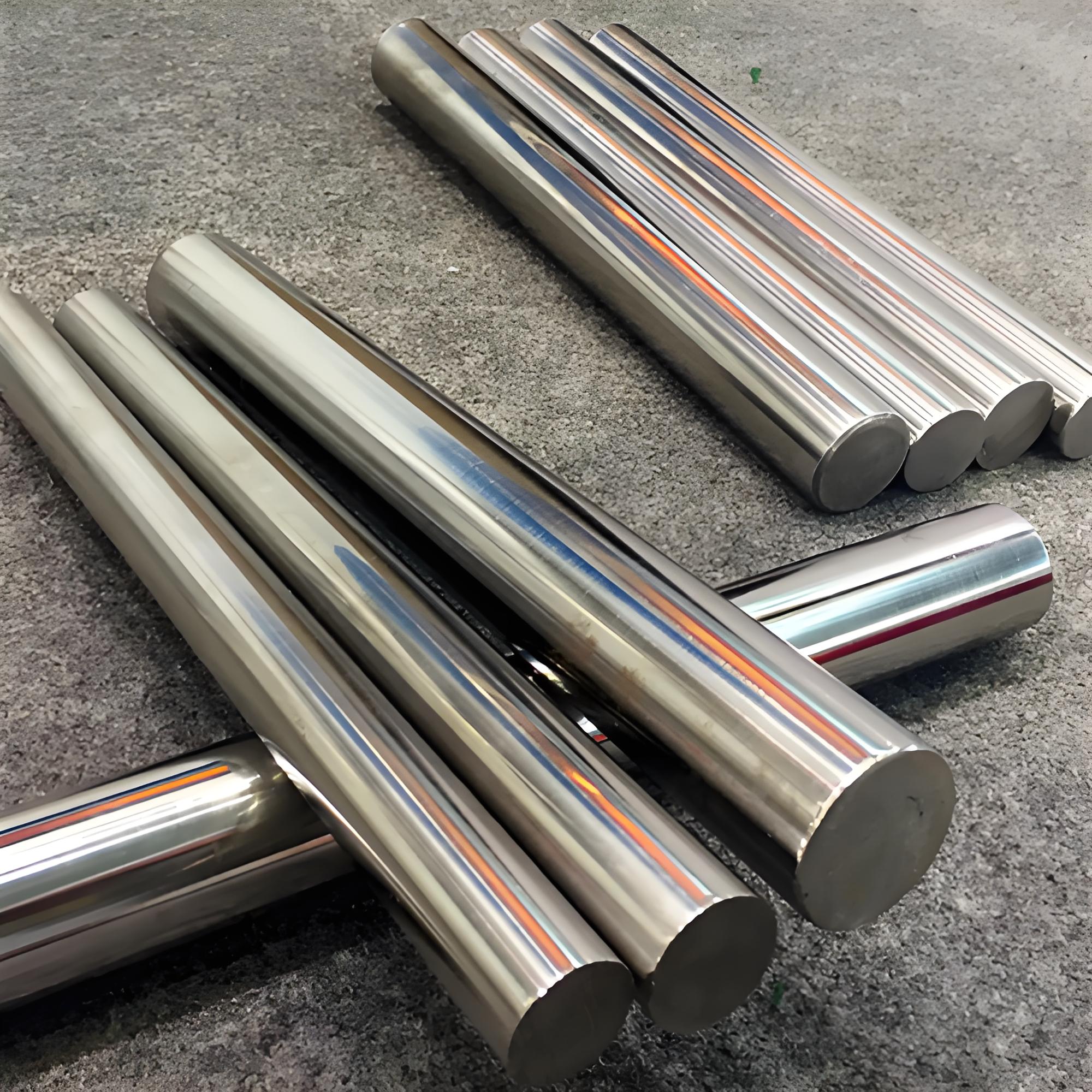
Hastelloy C-22 is a nickel-based alloy with chromium, molybdenum, and tungsten as important alloying elements. Nickel provides the base structure and corrosion resistance. Chromium improves resistance to oxidizing media. Molybdenum and tungsten improve resistance to pitting, crevice corrosion, and reducing chemical attack.
The following table shows a common chemical composition range for Hastelloy C-22 alloy rod. The final composition should always be checked according to the mill test certificate and the required standard.
| Element | Typical Range or Limit | Function in Alloy C-22 |
|---|---|---|
| Nickel | Balance | Base element for corrosion resistance and toughness |
| Chromium | About 20.0% to 22.5% | Improves resistance to oxidizing media |
| Molybdenum | About 12.5% to 14.5% | Improves resistance to reducing acids, pitting, and crevice corrosion |
| Tungsten | About 2.5% to 3.5% | Strengthens localized corrosion resistance |
| Iron | About 2.0% to 6.0% | Controlled alloying element |
| Cobalt | Controlled limit | Residual or controlled element |
| Carbon | Low limit | Helps maintain weldability and corrosion resistance |
| Manganese, Silicon, Phosphorus, Sulfur, Vanadium | Small controlled limits | Controlled for cleanliness, workability, and quality |
Hastelloy C-22 alloy rod is selected mainly for corrosion resistance, but it also has good mechanical strength, weldability, and fabrication performance. It can be hot worked, cold worked, welded, and machined with proper tools and process control.
| Property | Hastelloy C-22 Alloy Rod Performance |
|---|---|
| Corrosion Resistance | Excellent resistance in many oxidizing, reducing, and chloride-containing media |
| Localized Corrosion Resistance | Strong resistance to pitting and crevice corrosion |
| Weldability | Good weldability when proper nickel alloy welding procedures are used |
| Mechanical Strength | Good strength and toughness for machined industrial parts |
| Machinability | More difficult than stainless steel; requires rigid setup and sharp tooling |
| Typical Supply Condition | Solution annealed, hot finished, cold drawn, peeled, ground, or polished |
Corrosion resistance is the biggest reason buyers choose Hastelloy C-22 alloy rod. It is designed for aggressive chemical environments where 304 stainless steel, 316L stainless steel, duplex stainless steel, and even some nickel alloys may fail too quickly.
Hastelloy C-22 performs especially well in chloride-containing media. Chlorides are dangerous because they can cause pitting, crevice corrosion, and stress corrosion cracking in many stainless steels. In pumps, valves, shafts, fasteners, and sealing areas, small crevices can trap corrosive liquid and create severe local attack. C-22 helps reduce this risk.
Another strength of C-22 is its resistance in mixed chemical conditions. In real chemical plants, the medium is often not a single pure acid. It may contain chlorides, oxidizing ions, reducing acids, cleaning chemicals, oxygen, metal ions, or process impurities. C-22 is often selected because it can handle a wider range of chemical conditions than many standard materials.
The high chromium content of Hastelloy C-22 helps it resist oxidizing chemicals. This is useful in environments containing ferric chloride, cupric chloride, wet chlorine, chlorine dioxide, nitric acid mixtures, or other oxidizing contaminants. For parts such as rods, stems, fasteners, and shafts, this resistance can help extend service life and reduce unplanned replacement.
Molybdenum and tungsten help improve resistance to reducing acids and localized corrosion. While C-22 is not the same as a nickel-molybdenum alloy such as Hastelloy B2 or B3, it offers a good balance for plants that need resistance to both oxidizing and reducing conditions.
Hastelloy C-22 alloy rod is widely used in industries where corrosion failure can cause downtime, leakage, contamination, or safety problems. Because rod products are easy to machine, they are often used to make custom parts according to drawings.
| Industry | Common C-22 Alloy Rod Applications |
|---|---|
| Chemical Processing | Valve stems, pump shafts, fasteners, reactor parts, agitator parts |
| Pharmaceutical | Clean process components, corrosion-resistant fittings, precision machined parts |
| Pollution Control | Scrubber parts, flue gas desulfurization components, wet gas handling parts |
| Marine Engineering | Seawater parts, brine handling components, chloride-exposed fasteners |
| Pulp and Paper | Bleaching equipment parts, chlorine dioxide service components |
| Acid Handling | Acid-resistant rods, pins, bushings, nozzles, shafts, and fittings |
Hastelloy C-22 alloy rod factory price is usually quoted by kilogram, by piece, or by total order weight. For export orders, suppliers may quote EXW, FOB, CFR, CIF, or DDP depending on the buyer’s requirement. A factory quotation normally includes material cost, processing cost, inspection cost, packaging cost, and factory profit. Freight, customs duties, taxes, and special documentation may be quoted separately.
As of July 2026, nickel remains an important reference for nickel alloy pricing. The London Metal Exchange displayed a day-delayed 3-month nickel closing price around US$16,741 per tonne for July 10, 2026. This number is not the factory price of Hastelloy C-22 rod, but it helps explain why nickel alloy quotations move with the raw material market.
C-22 rod contains high nickel, chromium, molybdenum, and tungsten, so its factory price is much higher than 304 or 316 stainless steel. It is also usually higher than many general nickel alloy rods because molybdenum and tungsten are expensive alloying elements and because C-22 production requires strict melting, hot working, heat treatment, and testing control.
The final price of Hastelloy C-22 alloy rod depends on several technical and commercial factors. A low price is not always better if the material lacks traceability, correct chemical composition, proper heat treatment, or complete certificates.
Nickel, molybdenum, chromium, and tungsten are the main raw material cost drivers. Nickel is often watched through LME price movement, while molybdenum and tungsten can also strongly affect the cost of C-22. If any of these metals rise sharply, the factory quotation may increase even when the rod size and quantity remain the same.
High-quality Hastelloy C-22 rod requires controlled melting, forging or rolling, solution annealing, straightening, surface processing, inspection, and marking. Material produced with better control, stable heat numbers, and full traceability may cost more, but it is safer for chemical plant projects.
Standard mill test certificate is common, but some buyers require PMI testing, ultrasonic testing, mechanical testing, hardness testing, corrosion testing, third-party inspection, or EN 10204 3.2 certification. These tests improve quality assurance but add cost and time.
Diameter is one of the clearest price factors for Hastelloy C-22 alloy rod. Common diameters are easier to produce and stock. Large diameters, special tolerances, and small batch orders can increase the price per kilogram.
Small diameter rods may require cold drawing or precision finishing. Medium diameters may be available as hot rolled, peeled, or ground bars. Large diameter rods may need forging, longer heat treatment time, more machining allowance, and more inspection. These production differences are reflected in the factory price.
| Size Requirement | Price Impact | Reason |
|---|---|---|
| Common stock diameter | More competitive | Lower production risk and faster delivery |
| Small precision diameter | May be higher | Cold drawing, grinding, or tighter tolerance may be required |
| Large diameter rod | Usually higher | Forging, heat treatment, and inspection cost increase |
| Fixed short lengths | May increase unit cost | Cutting loss and labor cost are added |
| Random length | Usually more economical | Less cutting waste and easier stock arrangement |
Surface finish has a direct effect on Hastelloy C-22 alloy rod factory price. A black hot rolled surface is usually cheaper than peeled, ground, polished, or precision turned surface. However, the cheapest surface is not always the best choice. If the rod will be used for CNC machining, precision shafts, sealing parts, or visible components, a better surface may save machining time and reduce rejection risk.
| Surface Finish | Typical Use | Price Level |
|---|---|---|
| Black Surface | General machining with enough allowance | Lower |
| Peeled Surface | Machined parts requiring cleaner surface | Medium |
| Ground Surface | Shafts, precision parts, tighter tolerance rods | Higher |
| Polished Surface | Clean service, visible parts, special applications | Higher |
| Cut-to-Length Pieces | Machining blanks and urgent replacement parts | Depends on cutting loss |
MOQ is another important part of Hastelloy C-22 alloy rod pricing. If the size is in stock, many factories or stockists can accept small quantities. If the size needs new production, the mill may require a minimum order quantity because melting, forging, rolling, heat treatment, and testing all have setup costs.
Stock availability can strongly change the quotation. For urgent orders, stock material is usually the best option even if the unit price is slightly higher. For large projects, new production may be more economical, but the buyer must allow enough lead time.
Lead time depends on size, quantity, surface finish, testing, and export schedule. Stock rods may be ready in a few days after payment and inspection. New production can take several weeks or longer, especially for large diameter rods, special standards, or third-party inspection.
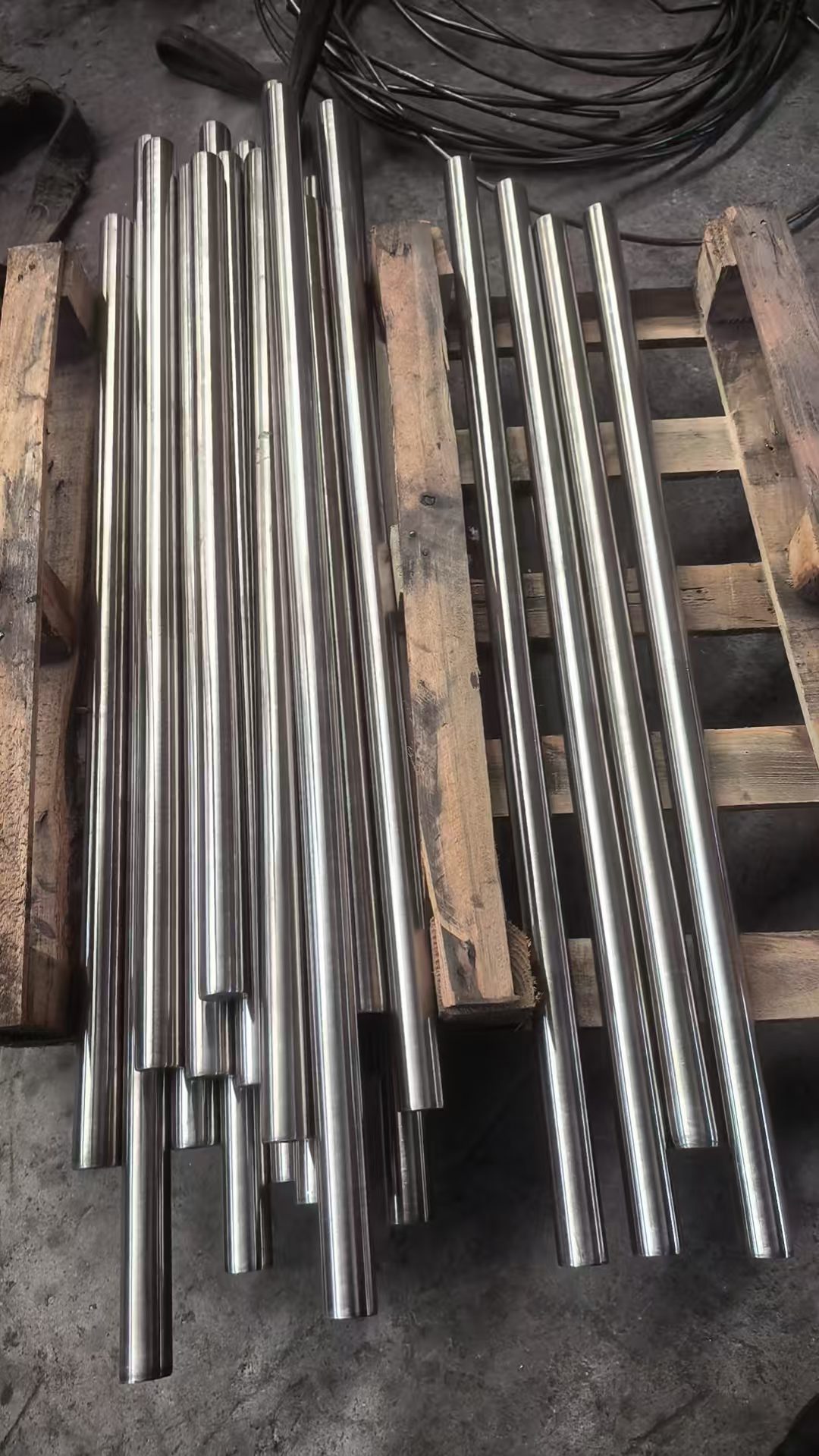
Hastelloy C-22 alloy rod is commonly identified by UNS N06022. Other common names include Alloy C22, Nickel Alloy C22, Hastelloy C22, Werkstoff 2.4602, and NiCr21Mo14W. For rod and bar products, ASTM B574 and ASME SB574 are commonly requested specifications.
| Item | Common Reference |
|---|---|
| Common Name | Hastelloy C-22, Alloy C22, Nickel Alloy C22 |
| UNS Number | UNS N06022 |
| Werkstoff Number | 2.4602 |
| Rod and Bar Standard | ASTM B574 / ASME SB574 |
| Typical Supply Condition | Solution annealed |
| Documents | MTC, heat number, chemical analysis, mechanical test report if required |
Hastelloy C-22, C276, and C2000 are all premium corrosion-resistant nickel alloys, but their pricing and availability are different. C276 is usually more widely stocked and may be easier to source in many standard rod sizes. C-22 may cost more than C276 in some sizes because of its chemistry, demand pattern, and stock condition. C2000 can also be expensive and may have longer lead time because it is more specialized in many markets.
| Alloy Rod | Main Alloy Design | Price Tendency | Typical Buying Reason |
|---|---|---|---|
| Hastelloy C-22 | Nickel-chromium-molybdenum-tungsten | Premium price, depends strongly on size and stock | Broad corrosion resistance, strong chloride and oxidizing media resistance |
| Hastelloy C276 | Nickel-molybdenum-chromium-tungsten | Often more competitive due to wider availability | Proven performance in many chemical and chloride environments |
| Hastelloy C2000 | Nickel-chromium-molybdenum-copper | Often specialized, price depends on production and inventory | Broad resistance in oxidizing and reducing acids, including many sulfuric acid conditions |
If the project already specifies C-22, buyers should not replace it with C276 or C2000 only to save cost without engineering approval. Each alloy has different corrosion behavior. A small saving in material price can become expensive if the wrong alloy fails in service.
To get an accurate Hastelloy C-22 alloy rod factory quotation, the inquiry should be complete. The more accurate the inquiry, the faster the factory can calculate price, confirm stock, check production possibility, and prepare delivery time.
| Quotation Detail | Example Information to Provide |
|---|---|
| Material Grade | Hastelloy C-22 / Alloy C22 / UNS N06022 |
| Product Form | Round rod or round bar |
| Standard | ASTM B574, ASME SB574, or project standard |
| Diameter | For example 12 mm, 25 mm, 50 mm, 100 mm |
| Length | Random length, fixed length, or cut pieces |
| Quantity | Total pieces, meters, or kilograms |
| Surface Finish | Black, peeled, ground, polished, or turned |
| Testing | MTC, PMI, UT, hardness test, third-party inspection if needed |
| Delivery Terms | EXW, FOB, CFR, CIF, or DDP |
A practical inquiry can be written like this: “Please quote Hastelloy C-22 alloy rod, UNS N06022, ASTM B574, diameter 50 mm, length 3000 mm, quantity 500 kg, peeled surface, solution annealed, with MTC and PMI report, FOB Shanghai.” This type of inquiry allows the factory to quote much more accurately than a general price request.
A reliable Hastelloy C-22 alloy rod manufacturer should provide stable material quality, clear traceability, reasonable delivery time, and honest technical communication. For nickel alloys, the cheapest offer is not always the best offer. Buyers should pay attention to certificate quality, heat number marking, inspection ability, packaging, and export experience.
Each rod should have clear grade marking, heat number, size, and batch information. The mill test certificate should match the material marking. For critical projects, buyers can request PMI testing before shipment.
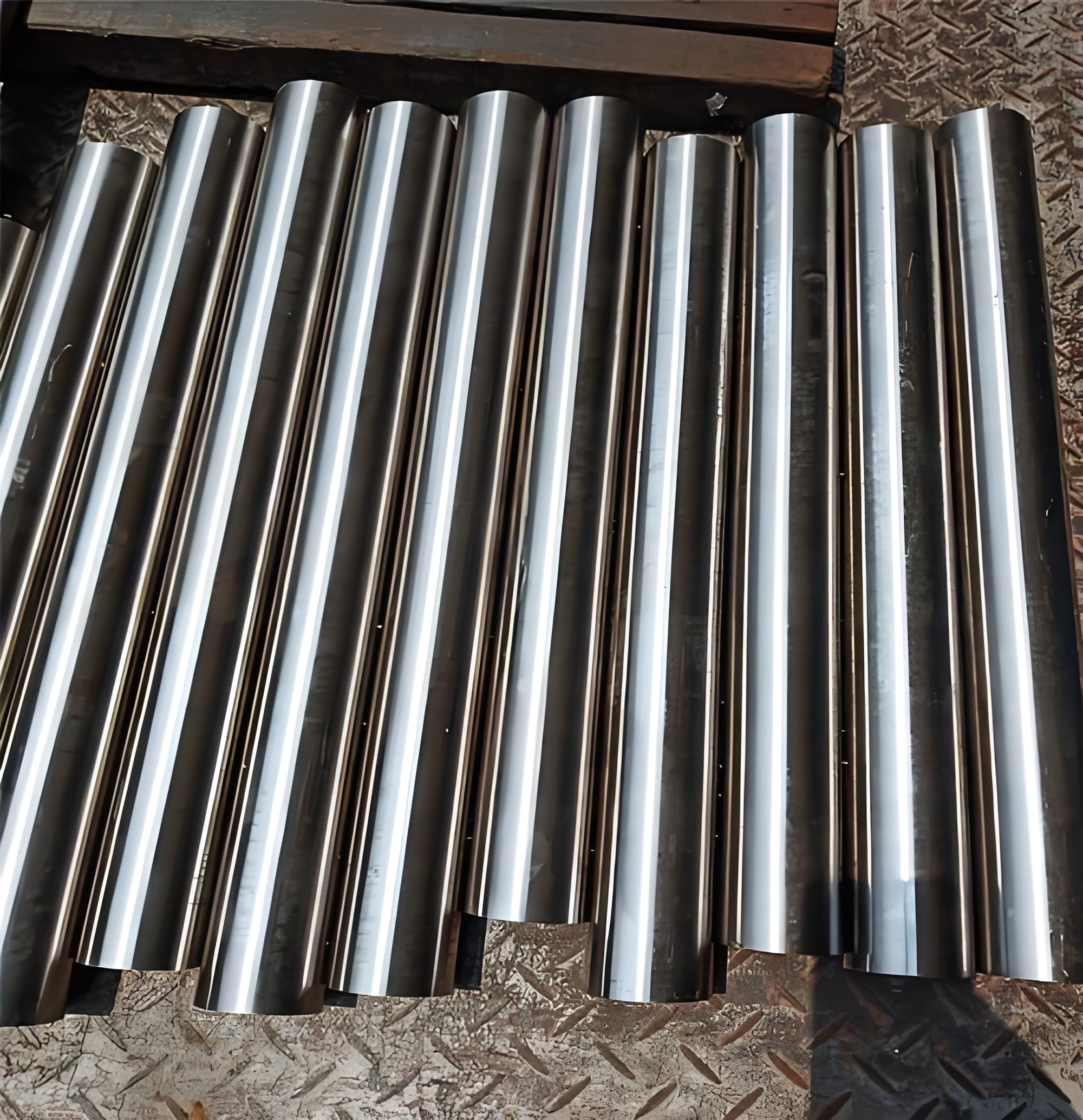
A good supplier should clearly state whether the material is from stock or new production. If the rod is in stock, photos, size inspection, and certificate copies can usually be provided quickly. If new production is required, the factory should give a realistic production schedule.
Nickel alloy rods are high-value materials. They should be packed properly to prevent bending, surface damage, moisture, and mixed shipment. Export documents should include invoice, packing list, certificate, and shipping documents according to the buyer’s requirement.
How much is Hastelloy C-22 alloy rod?
Hastelloy C-22 alloy rod price depends on nickel, molybdenum and tungsten cost, diameter, length, quantity, surface finish, standard, testing requirements, and delivery terms. There is no single fixed price. To get an accurate factory quotation, buyers should provide UNS N06022, ASTM B574 or required standard, exact size, quantity, surface condition, and certificate requirements.
What is Hastelloy C-22 rod used for?
Hastelloy C-22 rod is used for valve stems, pump shafts, fasteners, pins, bushings, fittings, reactor parts, agitator parts, scrubber components, marine parts, and machined corrosion-resistant parts. It is commonly selected for chemical processing, pharmaceutical, pollution control, pulp and paper, seawater, and chloride-containing environments.
Is Hastelloy C-22 better than C276?
Hastelloy C-22 can be better than C276 in some oxidizing and chloride-containing environments because of its high chromium design and strong pitting resistance. However, C276 is also a very reliable nickel alloy and is often easier to find in stock. The better choice depends on the exact chemical medium, temperature, concentration, chloride level, availability, and approved project specification.
More from this category
Incoloy 825 bar price depends on the nickel-based alloy composition, bar dimensions, manufacturing route, heat-treatment condition, surface finish, in...
Incoloy 800HT bar price is shaped by nickel, chromium, titanium, and aluminum raw-material costs, together with bar dimensions, heat-treatment conditi...
Incoloy 20 round bar price per kg depends on the alloy composition, bar size, manufacturing method, surface finish, tolerance, certificates, inspectio...
Hastelloy G-30 N06030 bar factory price is determined by the alloy’s high nickel, chromium, iron, molybdenum, copper, and tungsten content, together...
 English English
  Korean
 Arabic
 Spanish
 German
 Portuguese
 French
 Russian
 Italian
 Vietnamese