
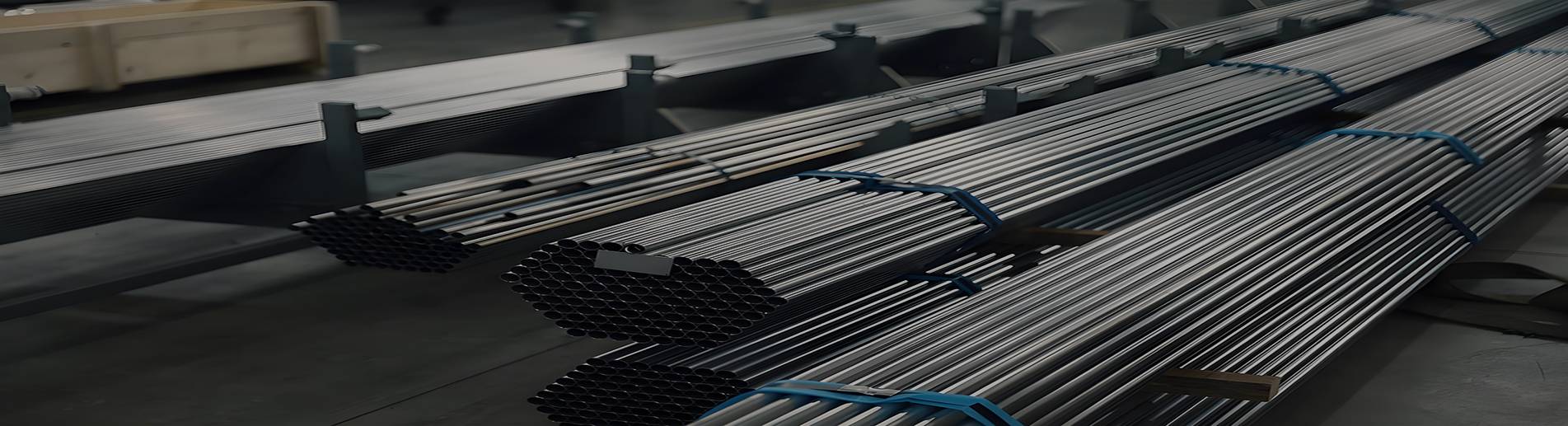
Inconel 617 alloy round bar price per kilogram
Inconel 617 alloy round bar price per kilogram is commonly about USD 45 to 90 per kg for standard industrial stock sizes. Large forged bars, small pre...
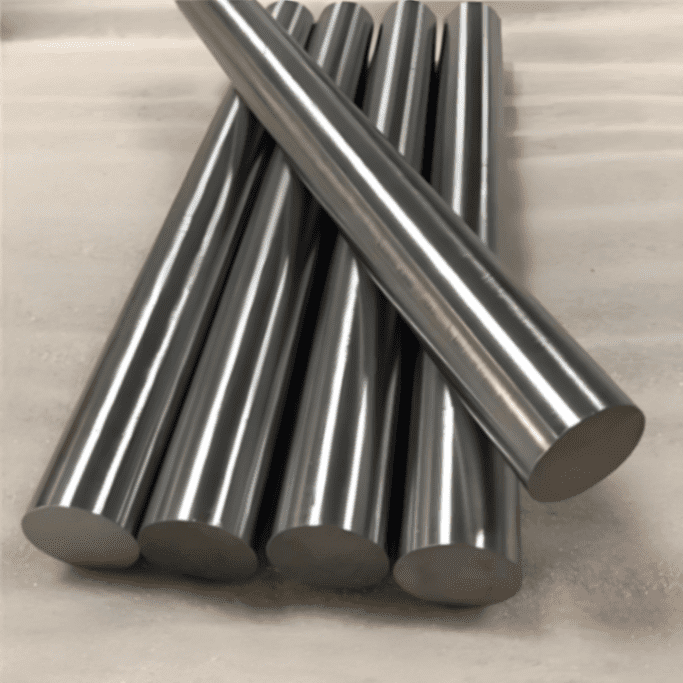
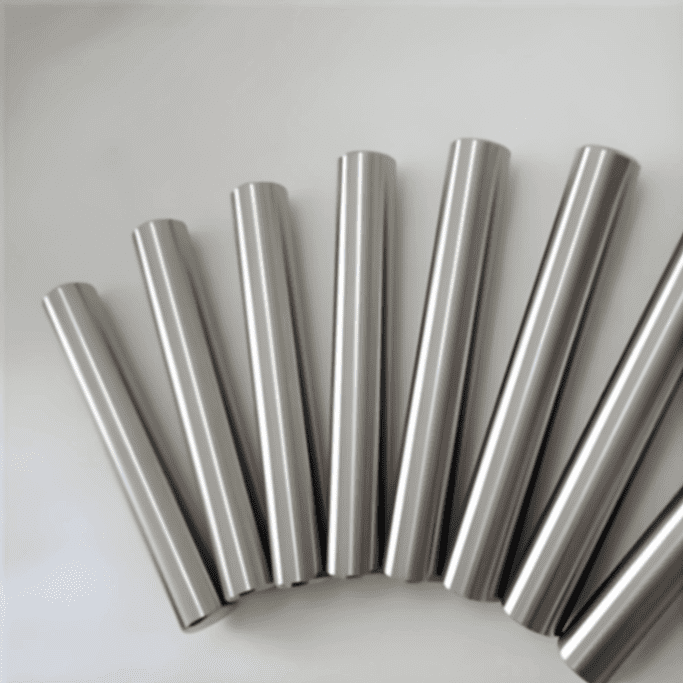
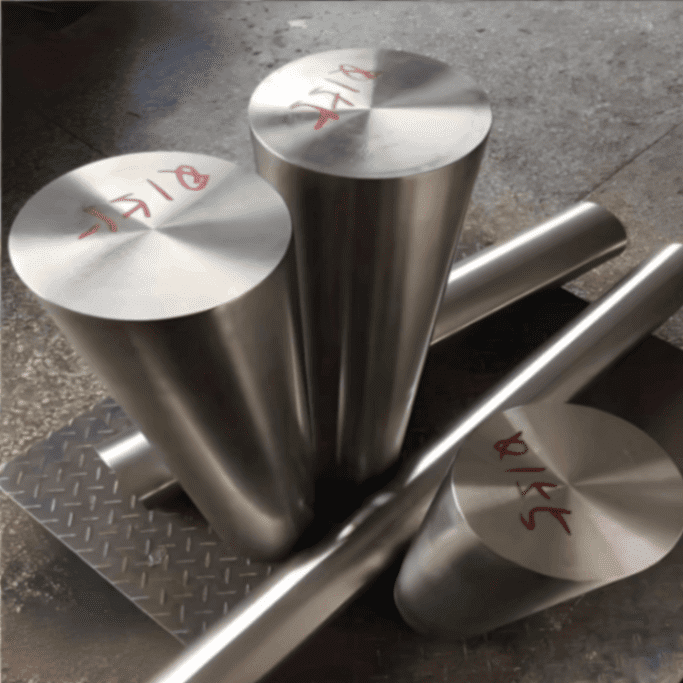
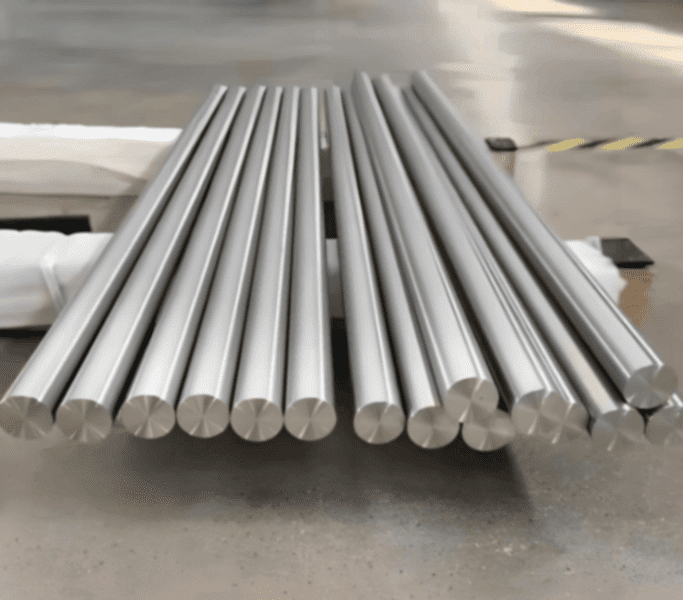
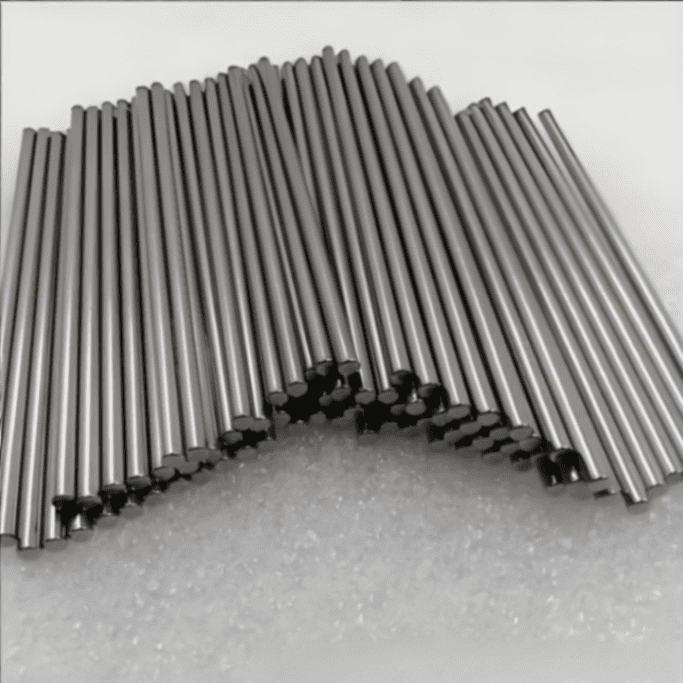
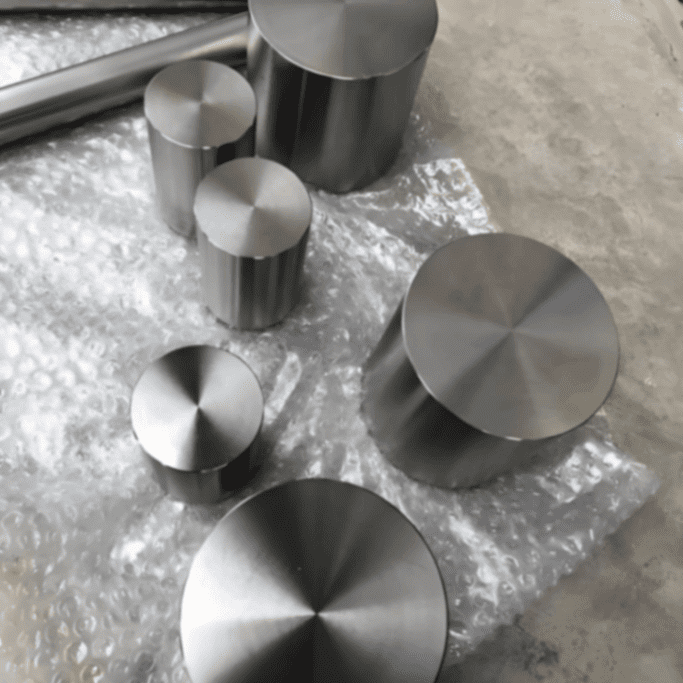
Hastelloy X is a nickel-chromium-iron-molybdenum alloy renowned for its exceptional high-temperature strength, oxidation resistance, and fabricability. When considering Hastelloy X round bar price, it is essential to first understand what this material is, its unique properties, and the factors that influence its market value. This high-performance superalloy is widely used in aerospace, industrial furnace, and chemical processing applications where components are exposed to extreme temperatures and corrosive combustion environments. The price per kilogram varies significantly based on factors such as bar diameter, quantity, surface finish, and current raw material market conditions, particularly the costs of nickel, chromium, and molybdenum. This article provides a comprehensive overview of Hastelloy X material composition, properties, and the pricing factors that determine the cost of round bars.
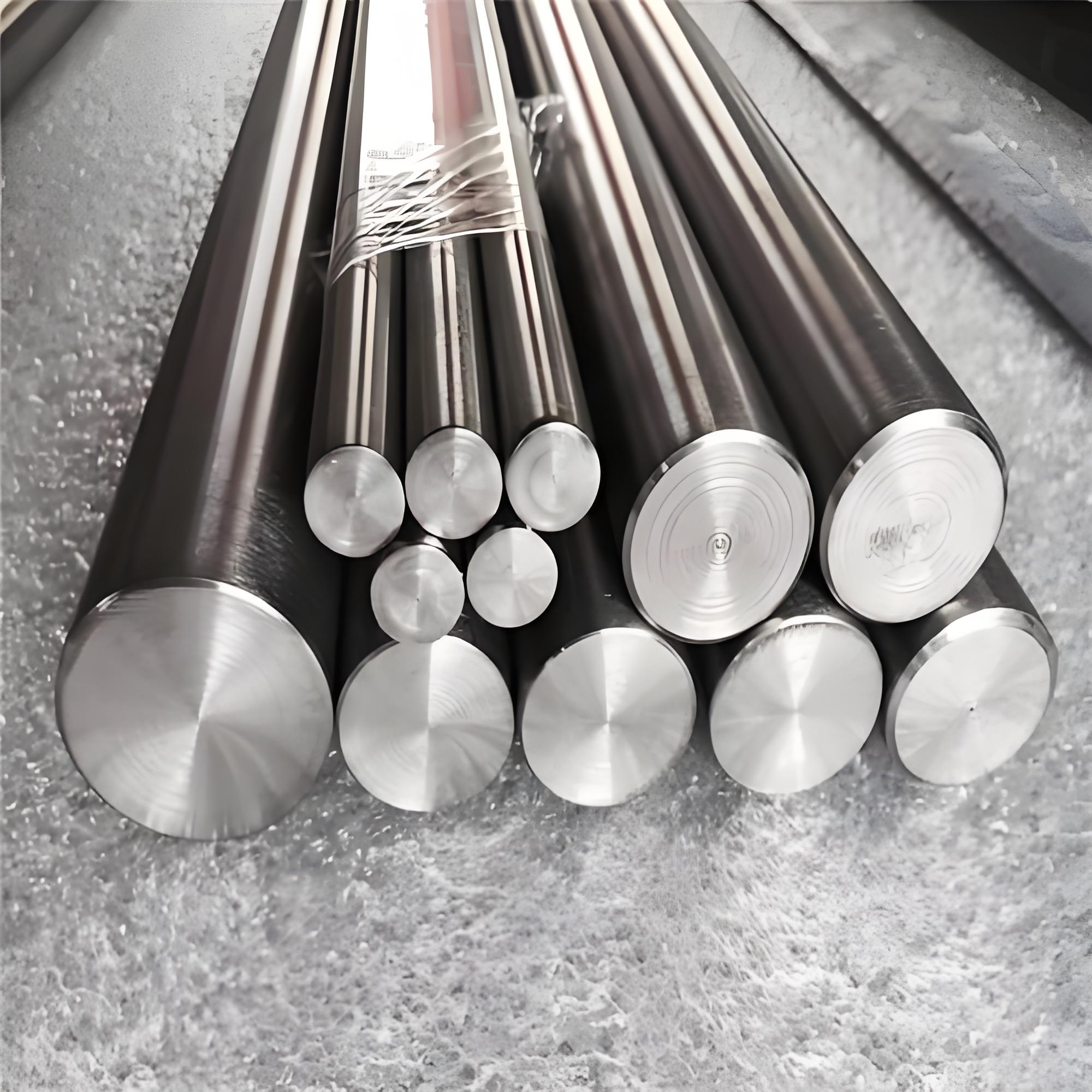
Hastelloy X (UNS N06002) is a solid-solution strengthened nickel-chromium-iron-molybdenum alloy that combines outstanding high-temperature strength with excellent oxidation resistance up to 1200°C (2200°F). Unlike many other high-temperature alloys that rely on precipitation hardening, Hastelloy X achieves its strength through solid solution strengthening, which provides excellent thermal stability and fabricability. The alloy is particularly valued for its resistance to oxidizing, reducing, and neutral atmospheres, making it suitable for a wide range of demanding applications. The table below summarizes the key characteristics of Hastelloy X material.
| Property / Characteristic | Description | Significance for Applications |
|---|---|---|
| Material Type | Nickel-Chromium-Iron-Molybdenum Superalloy | Solid-solution strengthened; no age hardening required |
| UNS Designation | N06002 | Standard identification for material specifications |
| DIN / EN Designation | 2.4665 | European standard designation |
| Primary Strengths | High-temperature strength, oxidation resistance, fabricability | Suitable for continuous service up to 1200°C (2200°F) |
| Key Alloying Elements | Nickel, Chromium, Iron, Molybdenum, Cobalt | Provide high-temperature strength and oxidation resistance |
| Fabrication Characteristics | Excellent weldability and formability | Can be fabricated into complex components using standard techniques |
| Common Applications | Combustion cans, transition ducts, turbine components, furnace hardware | Aerospace, industrial heating, chemical processing |
The unique properties of Hastelloy X derive from its carefully balanced chemical composition. Understanding the elemental makeup helps explain both the material’s performance characteristics and its cost structure. The table below provides the detailed composition range for Hastelloy X.
| Element | Composition Percentage (%) | Primary Function in the Alloy | Impact on Cost |
|---|---|---|---|
| Nickel (Ni) | Balance (approximately 47-53%) | Base element providing high-temperature strength and stability; forms the matrix of the alloy | Very High – Primary cost driver |
| Chromium (Cr) | 20.5 – 23.0% | Essential for oxidation resistance; forms protective chromium oxide layer at high temperatures | High – Significant contributor to raw material cost |
| Iron (Fe) | 17.0 – 20.0% | Provides structural integrity and reduces overall cost compared to higher-nickel alloys | Moderate – Iron is relatively inexpensive |
| Molybdenum (Mo) | 8.0 – 10.0% | Enhances high-temperature strength and provides solid-solution strengthening | Very High – Molybdenum is an expensive alloying element |
| Cobalt (Co) | 0.5 – 2.5% | Contributes to high-temperature strength and creep resistance | High – Cobalt adds to material cost |
| Tungsten (W) | 0.2 – 1.0% | Provides additional solid-solution strengthening at elevated temperatures | High – Tungsten is a costly addition |
| Carbon (C) | 0.05 – 0.15% | Controlled to provide carbides that contribute to high-temperature creep strength | Low – Processing control adds some cost |
| Manganese (Mn) | ≤ 1.0% | Deoxidizer and aids in hot workability | Low |
| Silicon (Si) | ≤ 1.0% | Improves oxidation resistance at elevated temperatures | Low |
| Phosphorus (P) | ≤ 0.03% | Impurity controlled to maintain ductility and fabricability | Low – Primarily processing cost |
| Sulfur (S) | ≤ 0.03% | Impurity controlled to maintain hot workability | Low – Primarily processing cost |
The unique combination of elements in Hastelloy X results in a set of properties that make it suitable for the most demanding high-temperature applications. Understanding these properties helps justify the material’s cost and guides proper selection.
| Property | Typical Value (Annealed Condition) | Relevant Standard | Significance |
|---|---|---|---|
| Tensile Strength (Room Temperature) | 110 – 130 ksi (760 – 895 MPa) | ASTM B435, ASME SB435 | Provides excellent structural strength for high-temperature components |
| Yield Strength (0.2% offset) | 45 – 65 ksi (310 – 450 MPa) | ASTM B435, ASME SB435 | Ensures dimensional stability under mechanical stress at operating temperatures |
| Elongation | 30 – 45% | ASTM B435, ASME SB435 | Indicates good ductility for forming and fabrication |
| Maximum Service Temperature (Continuous) | 1200°C (2200°F) | Industry Standard | Suitable for combustion and high-temperature processing equipment |
| Oxidation Resistance | Excellent up to 1200°C | ASTM G54 | Forms stable protective oxide layer; resists scaling |
| Creep Strength (980°C / 1800°F) | 100-hour rupture strength: 20 MPa (2.9 ksi) | Industry Standard | Maintains structural integrity under long-term high-temperature stress |
| Density | 8.22 g/cm³ (0.297 lb/in³) | — | Relatively low density for a nickel superalloy |
| Melting Range | 1260 – 1355°C (2300 – 2470°F) | — | High melting point ensures integrity at operating temperatures |
| Thermal Conductivity | 11.1 W/m·K at 20°C | — | Moderate thermal conductivity suitable for thermal cycling applications |
| Coefficient of Thermal Expansion | 13.3 µm/m·°C (20-100°C) | — | Predictable expansion behavior for design of assemblies |
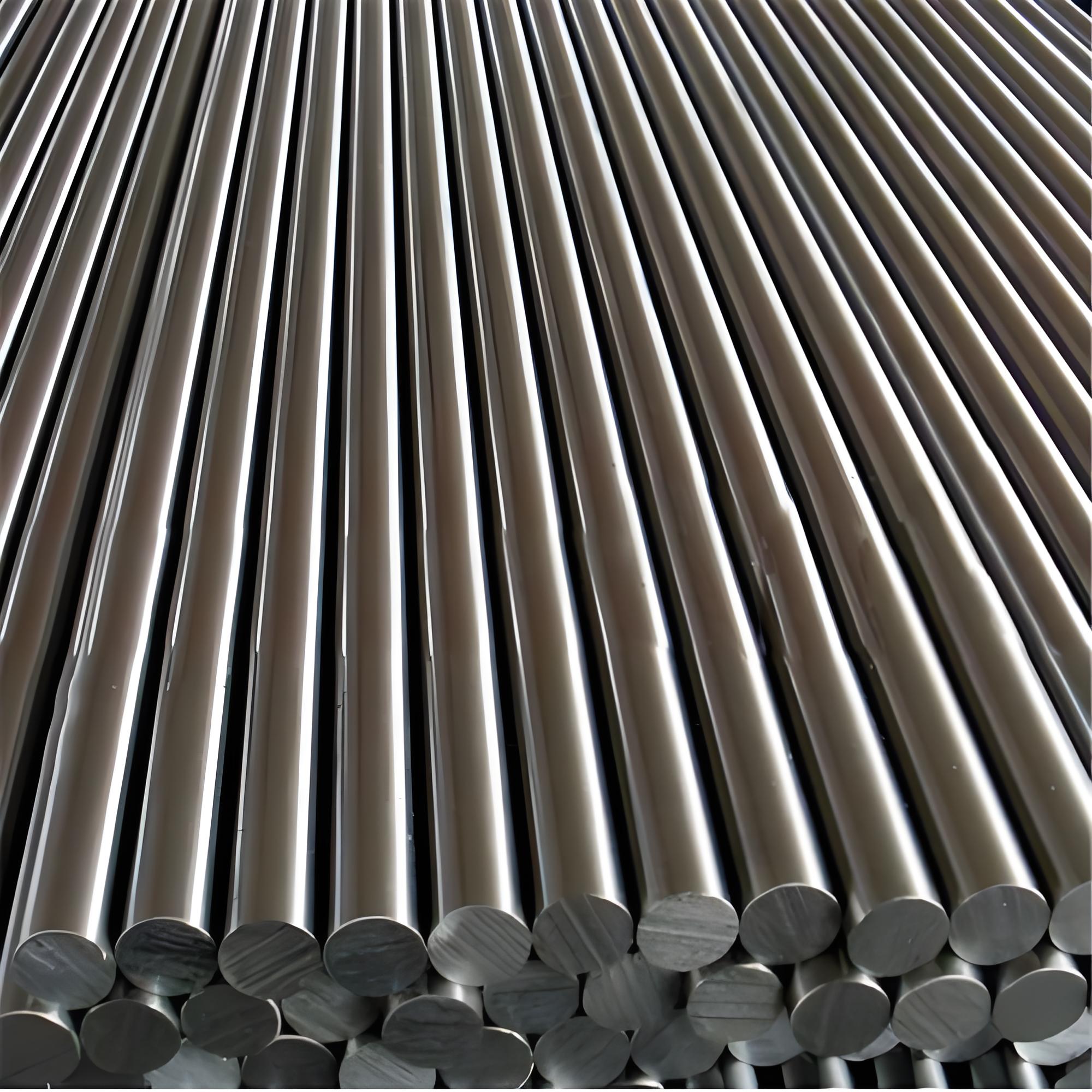
The price per kilogram of Hastelloy X round bars is influenced by multiple factors. Understanding these variables helps buyers evaluate quotes and optimize procurement strategies. The table below outlines the key price determinants.
| Factor | Description | Typical Price Impact | Considerations for Buyers |
|---|---|---|---|
| Raw Material Market Fluctuations | Prices of nickel, chromium, molybdenum, and cobalt on global commodity markets | ±20-35% over time | Monitor commodity prices; consider fixed-price contracts for budget stability |
| Bar Diameter / Size | Small diameters require more processing passes; very large sizes may need special forging | +15-40% for sizes under 10mm; +10-20% for sizes over 200mm | Balance size requirements with availability; standard sizes offer best value |
| Quantity Ordered | Volume discounts for larger orders; setup costs amortized over larger quantities | 5-25% reduction for tonnage orders | Consolidate requirements across projects; forecast needs for long-term contracts |
| Surface Finish | Precision ground or polished finishes require additional operations | +20-50% over hot rolled black finish | Specify only necessary surface requirements to control costs |
| Tolerance Requirements | Precision tolerances demand tighter process control and inspection | +10-30% for precision tolerances | Use standard tolerances (ASTM B435) where application permits |
| Heat Treatment | Solution annealing and quenching procedures with certification | +5-15% for certified heat treatment with documented charts | Ensure heat treatment meets application requirements without over-specifying |
| Testing and Certification | Mill test reports, third-party inspection, non-destructive testing | +5-25% depending on testing level | Specify only required testing for your application and regulatory environment |
| Lead Time | Expedited production and shipping | +10-30% for rush orders | Plan ahead to avoid expediting premiums |
| Mill Origin | Different producing countries have varying cost structures and quality levels | Varies by region and certification level | Consider total cost including quality assurance and logistics |
Based on market conditions and the factors outlined above, the following table provides reference price ranges for Hastelloy X round bars. Actual prices vary and should be confirmed with current market rates from qualified suppliers like Shanghai NC Metal Materials Co., Ltd.
| Bar Form / Condition | Diameter Range | Surface Condition | Reference Price Range (USD/kg) | Typical Lead Time |
|---|---|---|---|---|
| Hot Rolled Round Bars | 10mm – 200mm | Black, Pickled | $40 – $70 | Stock: 1-2 weeks Custom: 6-10 weeks |
| Cold Drawn Round Bars | 3mm – 100mm | Bright, Smooth | $50 – $85 | Stock: 1-2 weeks Custom: 6-8 weeks |
| Precision Ground Round Bars | 3mm – 200mm | Ground, Polished (Ra ≤ 0.8µm) | $65 – $110 | Custom: 4-8 weeks |
| Forged Round Bars / Billets | 100mm – 400mm | As-forged, Rough Machined | $38 – $65 | Custom: 8-12 weeks |
| Centerless Ground Bars | 6mm – 150mm | Ground, Tight Tolerances | $60 – $100 | Custom: 5-9 weeks |
To provide context for Hastelloy X pricing and material selection, the table below compares it with other commonly used high-temperature alloys.
| Alloy Grade | UNS Designation | Primary Characteristics | Typical Price Range (USD/kg) | Maximum Service Temperature | Primary Applications |
|---|---|---|---|---|---|
| Hastelloy X | N06002 | High-temperature strength, oxidation resistance, excellent fabricability | $40 – $110 | 1200°C (2200°F) | Aerospace combustors, furnace hardware, industrial heating |
| Inconel 625 | N06625 | High strength, excellent pitting resistance, good high-temperature properties | $45 – $95 | 980°C (1800°F) | Marine, chemical processing, aerospace |
| Inconel 718 | N07718 | Precipitation-hardened; excellent high-temperature strength up to 700°C | $40 – $85 | 700°C (1300°F) | Gas turbine discs, aerospace fasteners, high-strength components |
| Haynes 230 | N06230 | Superior oxidation resistance; excellent high-temperature strength | $55 – $120 | 1150°C (2100°F) | Aerospace, industrial furnace components, land-based turbines |
| 310 Stainless Steel | S31000 | Good oxidation resistance; lower cost alternative for moderate temperatures | $5 – $12 | 1000°C (1850°F) | Furnace parts, heat treatment fixtures, less demanding high-temperature service |
| Hastelloy C-276 | N10276 | Excellent corrosion resistance; moderate high-temperature strength | $50 – $95 | 1050°C (1925°F) | Chemical processing, pollution control, corrosion service |
The unique properties of Hastelloy X make it the material of choice for a variety of demanding high-temperature applications. Understanding these applications helps buyers identify appropriate specifications.
| Industry | Common Applications | Typical Bar Sizes Used | Critical Material Requirements |
|---|---|---|---|
| Aerospace | Combustion chamber components, transition ducts, turbine seals, afterburner parts | 10mm – 150mm round bars; precision ground bars | High-temperature strength, oxidation resistance, thermal fatigue resistance |
| Industrial Furnaces | Radiant tubes, muffles, retorts, furnace hardware, supports | 20mm – 200mm round bars; flat bars | Creep resistance, oxidation resistance at elevated temperatures |
| Power Generation | Gas turbine components, combustion liners, transition pieces | Various sizes; forged bars for larger components | High-temperature strength, thermal stability, fatigue resistance |
| Chemical Processing | High-temperature reactor components, pyrolysis equipment, catalyst supports | 15mm – 100mm round bars; precision ground bars | Corrosion resistance at elevated temperatures, thermal stability |
| Heat Treatment | Fixtures, baskets, trays, supports for high-temperature processing | Flat bars, square bars, round bars in various sizes | Oxidation resistance, dimensional stability at temperature |
| Petrochemical | Reformer tubes, pyrolysis coils, high-temperature piping components | 20mm – 200mm round bars; seamless bars for pressure applications | Creep strength, carburization resistance, high-temperature corrosion resistance |
When procuring Hastelloy X round bars, ensuring compliance with recognized standards is essential for quality and performance. The table below outlines the key specifications.
| Specification | Description | Applicable Products | Key Requirements |
|---|---|---|---|
| ASTM B435 | Standard Specification for Nickel-Chromium-Iron-Molybdenum Alloy Rod and Bar | All Hastelloy X round bars | Chemical composition, mechanical properties, dimensional tolerances |
| ASME SB435 | Boiler and Pressure Vessel Code version of B435 | Bars for pressure vessel and high-temperature applications | Additional requirements for pressure-containing components |
| AMS 5754 | Aerospace Material Specification for Hastelloy X | Bars for aerospace applications | Stricter requirements for aerospace quality, traceability |
| UNS N06002 | Unified Numbering System designation | All products | Standard composition range verification |
| DIN 2.4665 | European standard designation | Bars for European markets | European chemical and mechanical requirements |
What is Hastelloy X material and what makes it unique?
Hastelloy X is a nickel-chromium-iron-molybdenum superalloy that offers exceptional high-temperature strength and oxidation resistance up to 1200°C (2200°F). Its unique combination of nickel (47-53%), chromium (20.5-23%), and molybdenum (8-10%) provides solid-solution strengthening without the need for precipitation hardening, resulting in excellent thermal stability, fabricability, and weldability. This makes it particularly valuable for aerospace combustion components, industrial furnace hardware, and high-temperature chemical processing equipment where materials must maintain structural integrity in extreme environments.
How much does Hastelloy X round bar cost per kilogram?
The price of Hastelloy X round bars typically ranges from $40 to $110 per kilogram, depending on factors such as bar diameter, surface finish, quantity ordered, and current raw material market conditions. Hot rolled bars in standard sizes and larger quantities generally fall at the lower end of this range ($40-$70/kg), while precision ground bars, small diameters, and small quantities command premium pricing ($65-$110/kg). For the most accurate and current pricing, contact suppliers directly with your specific size, quantity, and specification requirements.
What factors influence the price of Hastelloy X round bars?
The price of Hastelloy X round bars is influenced by several key factors: raw material costs (particularly nickel, chromium, and molybdenum which fluctuate on global commodity markets), bar diameter (small diameters and very large sizes typically cost more per kilogram), quantity ordered (volume discounts for larger orders), surface finish (precision ground bars cost significantly more than hot rolled black bars), tolerance requirements, and testing and certification requirements. Current market conditions and mill origin also affect final pricing.
More from this category
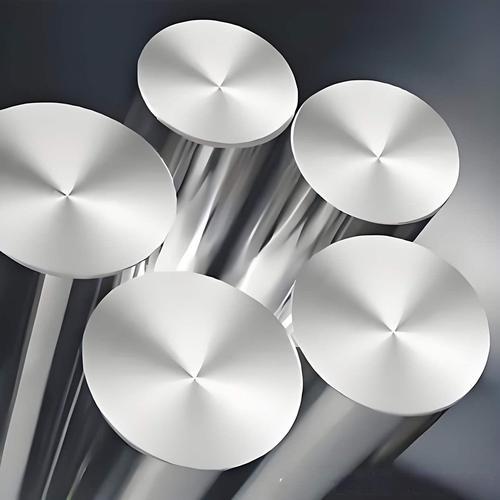
Inconel 617 alloy round bar price per kilogram is commonly about USD 45 to 90 per kg for standard industrial stock sizes. Large forged bars, small pre...
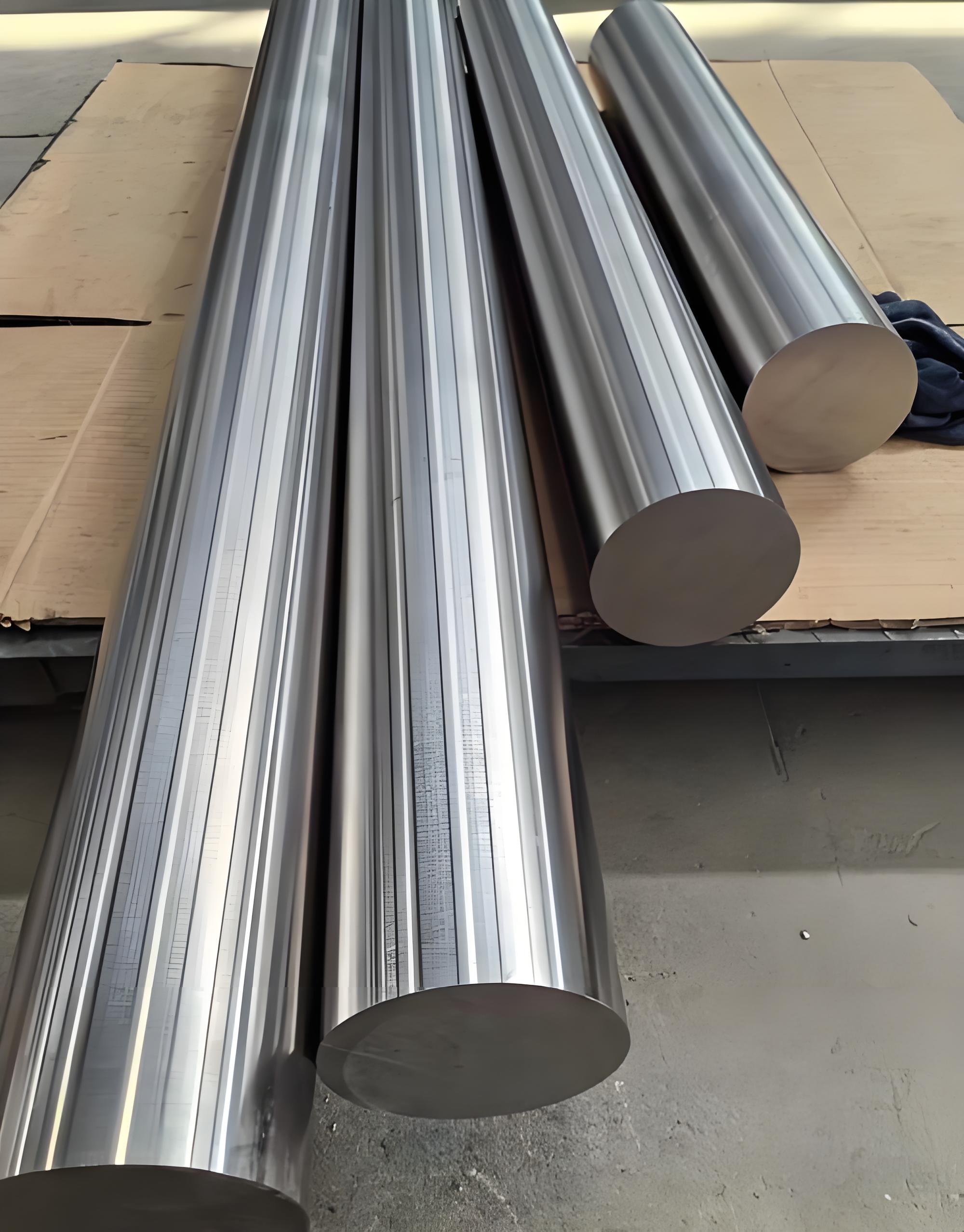
The latest Inconel 625 alloy bar price per kg depends on nickel, molybdenum, niobium, and chromium raw material costs, as well as bar diameter, manufa...
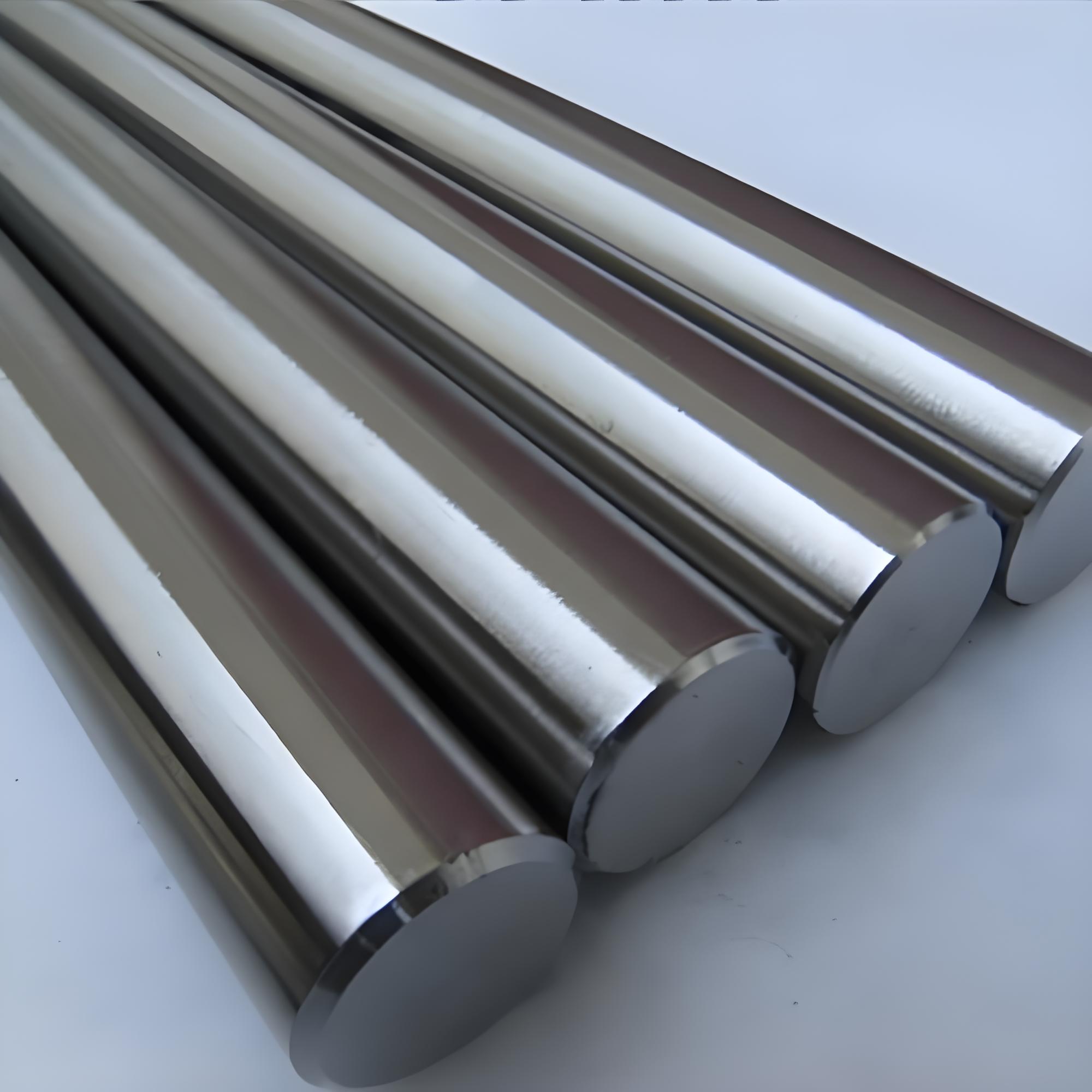
Inconel X-750 alloy bar price depends on nickel raw material cost, bar diameter, product condition, heat treatment, specification, surface finish, dim...
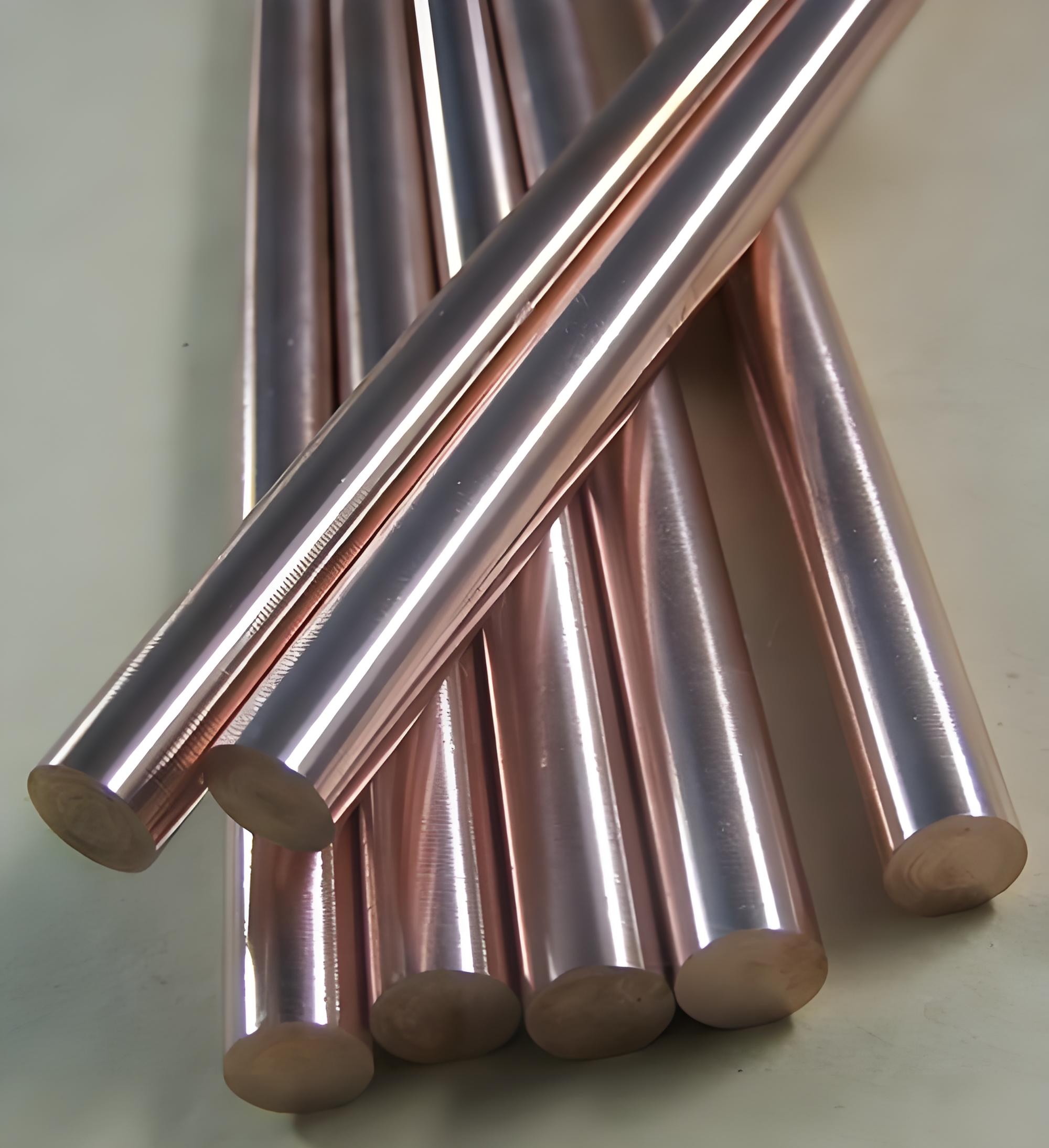
Inconel 602CA alloy bar price per kg is usually higher than common Inconel 600 and Inconel 601 bars because Alloy 602CA is a premium high-temperature ...
 English English
  Korean
 Arabic
 Spanish
 German
 Portuguese
 French
 Russian
 Italian
 Vietnamese