
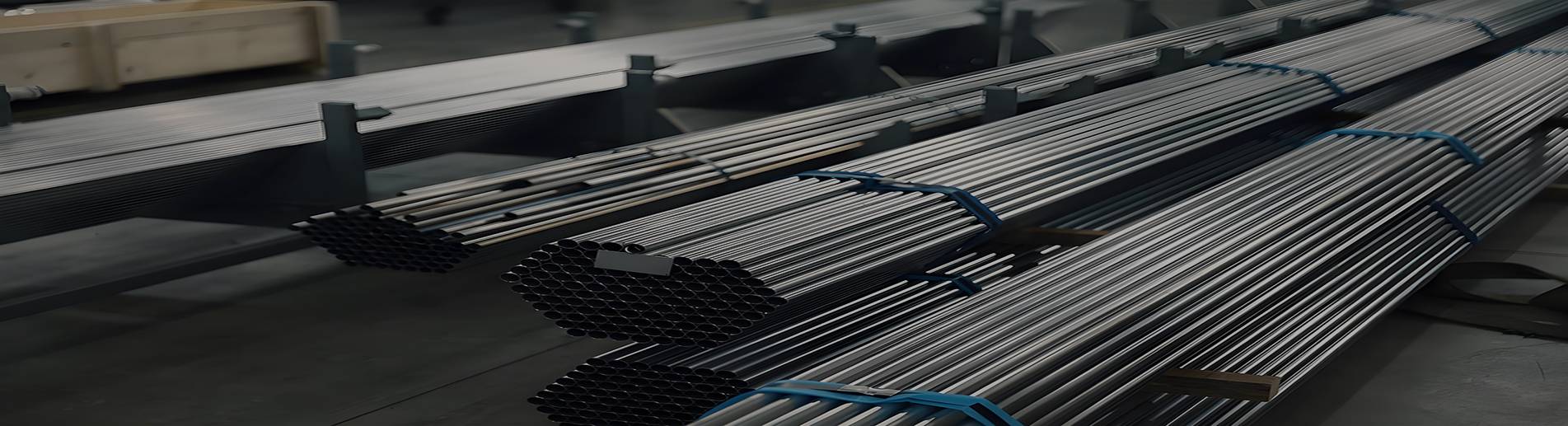
Inconel 617 alloy round bar price per kilogram
Inconel 617 alloy round bar price per kilogram is commonly about USD 45 to 90 per kg for standard industrial stock sizes. Large forged bars, small pre...
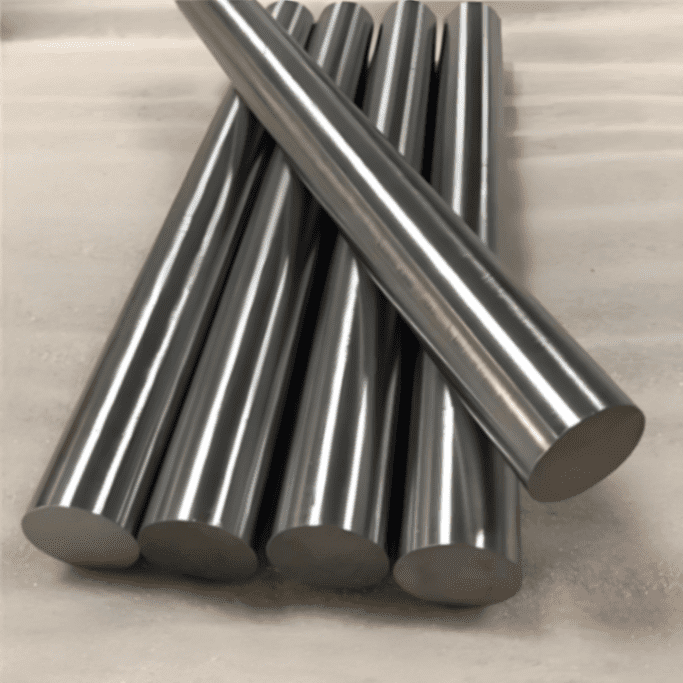
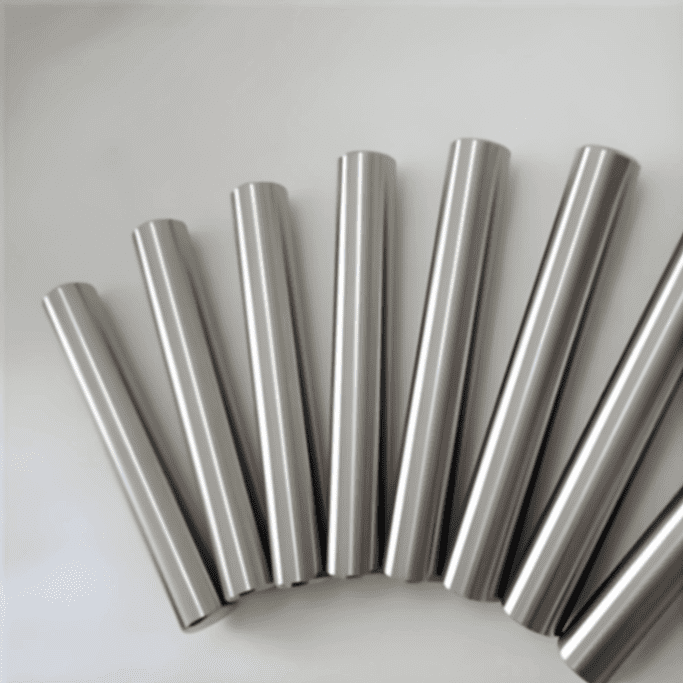
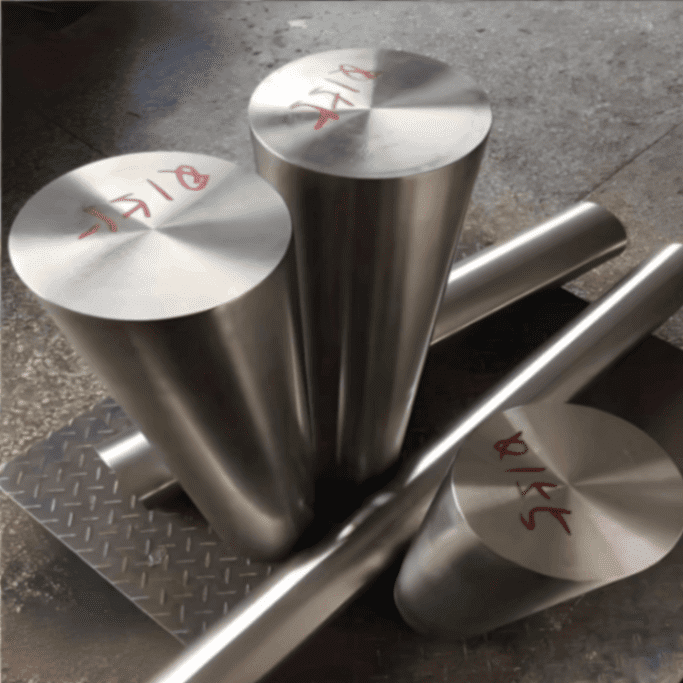
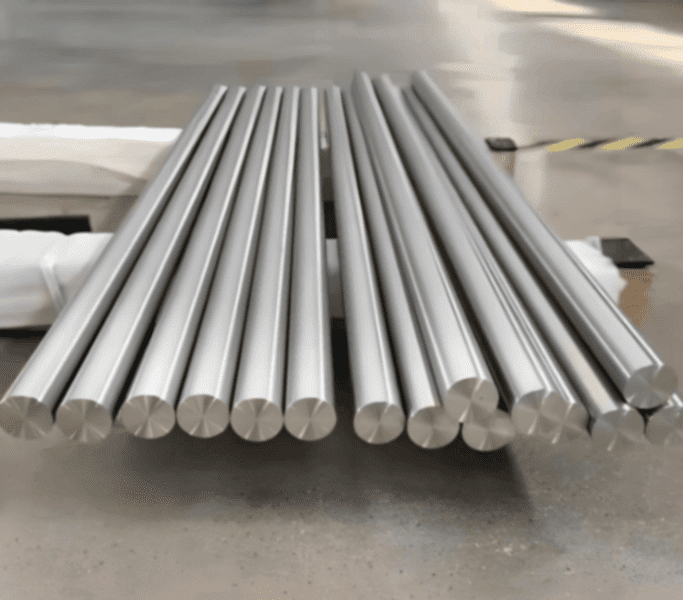
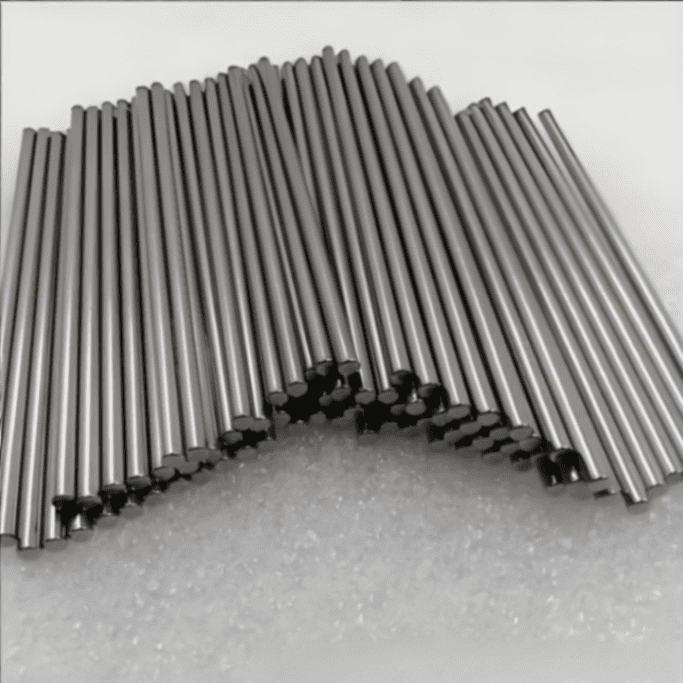
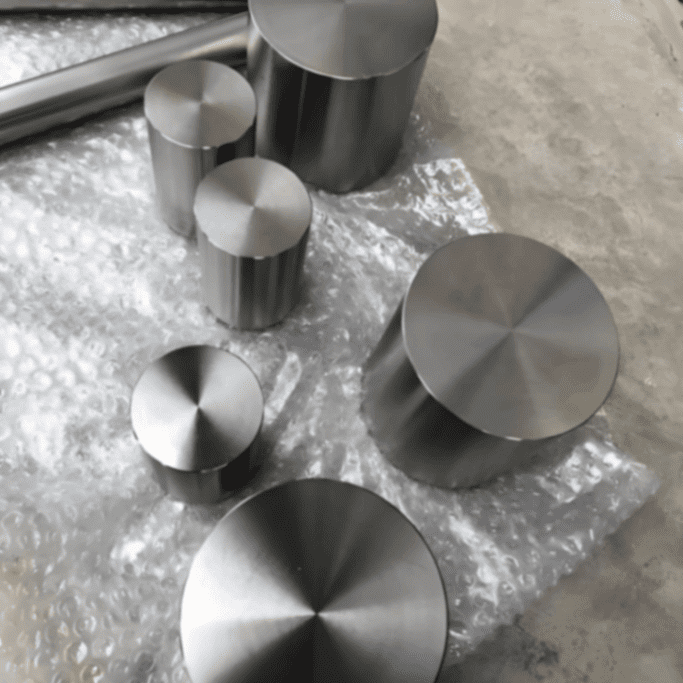
Hastelloy G-30 is a high-performance nickel-chromium-iron-molybdenum-copper alloy specifically developed to provide exceptional resistance to phosphoric acid and complex environments containing oxidizing and reducing acids. As a versatile superalloy, it combines the corrosion resistance of nickel-based alloys with the cost-effectiveness of iron-containing systems, making it particularly valuable in the fertilizer industry, chemical processing, and pollution control applications where other materials fail prematurely. Understanding the chemical composition of Hastelloy G-30 bars and their intended applications is essential for engineers and procurement professionals seeking reliable materials for aggressive service conditions. This article provides a comprehensive analysis of the alloy’s composition and explores the key applications that leverage its unique properties.
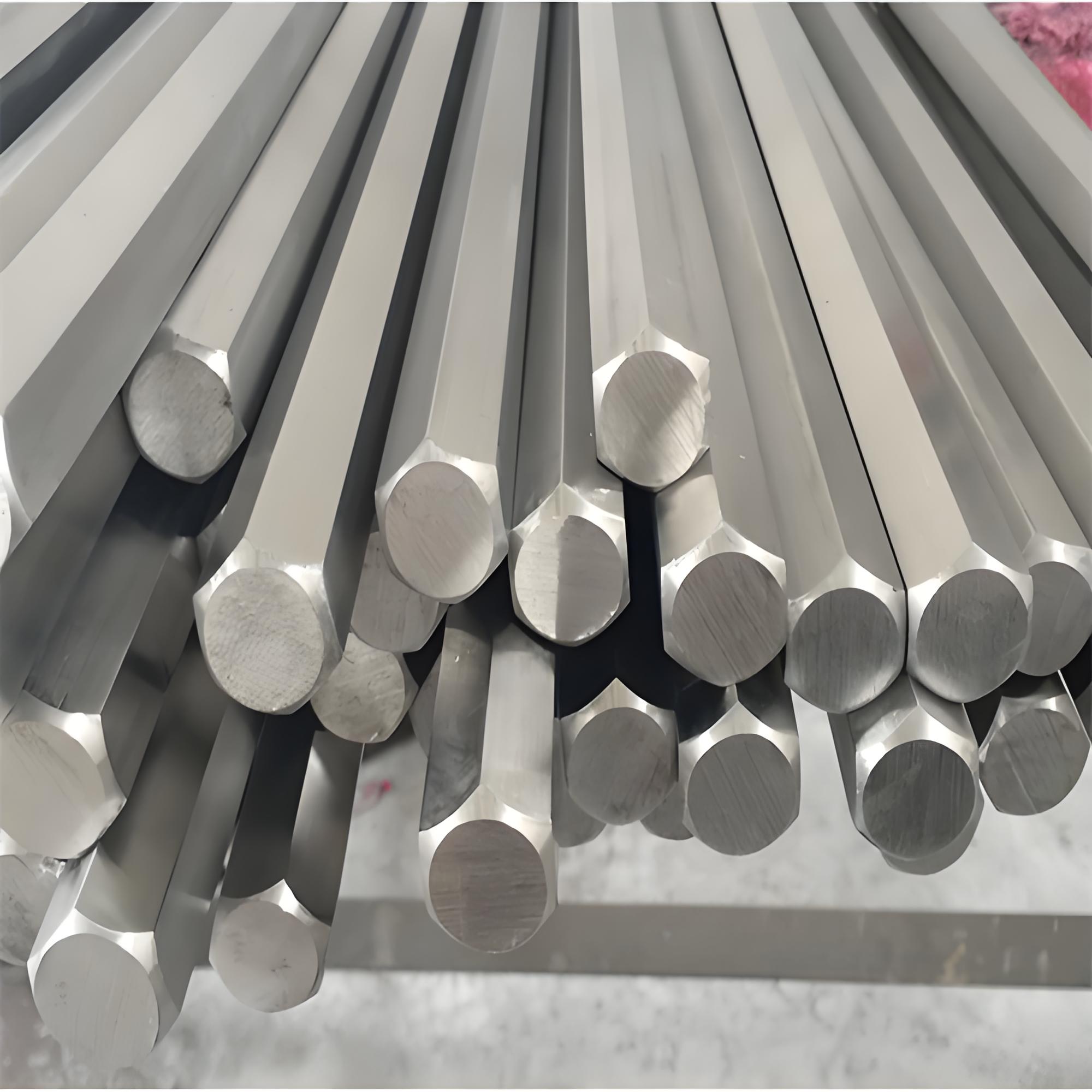
The outstanding performance of Hastelloy G-30 (UNS N06030) derives from its carefully balanced chemical formulation. The alloy features high levels of nickel and chromium, combined with significant additions of molybdenum, copper, and tungsten, creating a material capable of withstanding both oxidizing and reducing environments. The table below details the typical composition ranges for Hastelloy G-30 bars.
| Element | Composition Percentage (%) | Primary Function in the Alloy |
|---|---|---|
| Nickel (Ni) | Balance (approximately 43-50%) | Base element providing excellent resistance to reducing environments and chloride stress corrosion cracking; forms the austenitic matrix |
| Chromium (Cr) | 28.0 – 31.5% | Exceptionally high chromium content for superior resistance to oxidizing acids, particularly nitric and phosphoric acids |
| Iron (Fe) | 13.0 – 17.0% | Provides structural integrity and reduces overall alloy cost while maintaining good corrosion resistance |
| Molybdenum (Mo) | 4.0 – 6.0% | Enhances resistance to reducing acids, pitting, and crevice corrosion; complements chromium for broad-spectrum resistance |
| Copper (Cu) | 1.0 – 2.4% | Strategically added to improve resistance to phosphoric and sulfuric acids, particularly in wet process phosphoric acid |
| Tungsten (W) | 1.5 – 4.0% | Contributes to solid-solution strengthening and further enhances localized corrosion resistance |
| Cobalt (Co) | ≤ 5.0% | Controlled impurity; can contribute to high-temperature strength but kept within limits |
| Manganese (Mn) | ≤ 1.5% | Acts as a deoxidizer during melting and aids in hot workability |
| Silicon (Si) | ≤ 0.8% | Improves oxidation resistance and acts as a deoxidizer |
| Carbon (C) | ≤ 0.03% | Ultra-low carbon prevents carbide precipitation and maintains weldability |
| Phosphorus (P) | ≤ 0.04% | Impurity controlled to maintain corrosion performance |
| Sulfur (S) | ≤ 0.02% | Impurity kept to a minimum to preserve hot workability and corrosion resistance |
| Niobium (Nb) + Tantalum (Ta) | 0.30 – 1.50% | Stabilizing elements that prevent sensitization and maintain corrosion resistance in weld heat-affected zones |
The unique combination of elements in Hastelloy G-30 results in a set of properties that make it particularly effective in specific corrosive environments. Understanding these property-composition relationships helps explain the alloy’s application suitability.
| Property | Value / Characteristic | Composition Influence | Performance Benefit |
|---|---|---|---|
| Resistance to Wet Process Phosphoric Acid (WPA) | Excellent; superior to most other nickel alloys | High chromium (28-31.5%) combined with copper (1-2.4%) and molybdenum (4-6%) | Withstands the aggressive combination of phosphoric acid, fluorides, chlorides, and other impurities found in fertilizer production |
| Resistance to Oxidizing Acids | Excellent; among the best of nickel alloys | Very high chromium content (28-31.5%) | Superior performance in nitric acid, chromic acid, and other oxidizing chemical environments |
| Resistance to Reducing Acids | Good to excellent | Nickel base with molybdenum (4-6%) and tungsten (1.5-4%) | Handles sulfuric, hydrochloric, and other reducing acids effectively |
| Pitting and Crevice Corrosion Resistance | Excellent | High chromium, molybdenum, and tungsten combination | Resists localized attack in chloride-containing environments |
| Stress Corrosion Cracking Resistance | Excellent | High nickel content (43-50%) | Resists chloride-induced stress corrosion cracking in demanding service |
| Weldability | Excellent | Ultra-low carbon (≤0.03%) plus niobium stabilization | Can be welded without post-weld heat treatment; maintains corrosion resistance in heat-affected zones |
| Thermal Stability | Good | Solid-solution strengthened structure | Maintains properties over a wide temperature range |
Understanding the compositional differences between Hastelloy G-30 and other common Hastelloy grades helps explain its unique position in the alloy family and guides appropriate material selection.
| Element / Property | Hastelloy G-30 (UNS N06030) | Hastelloy C-276 (UNS N10276) | Hastelloy C-22 (UNS N06022) | Hastelloy B-3 (UNS N10675) |
|---|---|---|---|---|
| Nickel (Ni) | 43-50% | 54-60% | Balanced (approx. 56%) | 65-71% |
| Chromium (Cr) | 28.0 – 31.5% | 14.5 – 16.5% | 20.0 – 22.5% | 1.0 – 3.0% |
| Molybdenum (Mo) | 4.0 – 6.0% | 15.0 – 17.0% | 12.5 – 14.5% | 27.0 – 32.0% |
| Iron (Fe) | 13.0 – 17.0% | 4.0 – 7.0% | 2.0 – 6.0% | 1.0 – 3.0% |
| Copper (Cu) | 1.0 – 2.4% | — (none) | — (none) | ≤ 0.2% |
| Tungsten (W) | 1.5 – 4.0% | 3.0 – 4.5% | 2.5 – 3.5% | ≤ 3.0% |
| Primary Application Focus | Phosphoric acid, complex fertilizer environments, mixed acids | Versatile corrosion resistance; reducing and mixed acids | Oxidizing environments; broad corrosion resistance | Hydrochloric acid; pure reducing environments |
| Typical Price Range (USD/kg) | $45 – $85 | $50 – $95 | $55 – $105 | $55 – $90 |
The unique chemical composition of Hastelloy G-30 makes it the material of choice for several demanding industrial applications. The table below details the primary uses and the compositional features that enable superior performance.
| Industry | Application | Relevant Composition Feature | Performance Advantage |
|---|---|---|---|
| Fertilizer Production | Wet process phosphoric acid (WPA) equipment: evaporators, reactors, heat exchangers, piping systems | High chromium (28-31.5%) + copper (1-2.4%) + molybdenum (4-6%) | Superior resistance to phosphoric acid containing fluorides, chlorides, and other impurities; significantly outperforms 316L stainless steel and many other nickel alloys |
| Chemical Processing | Equipment handling mixed acids (nitric-hydrofluoric, sulfuric-phosphoric), pickle liquors, and other aggressive chemical streams | Nickel base + high chromium + molybdenum + copper combination | Handles both oxidizing and reducing components in mixed acid systems where other alloys fail |
| Pollution Control | Flue gas desulfurization (FGD) systems, scrubbers, ductwork, stack liners | High chromium and molybdenum content | Resists severe localized corrosion from chloride-containing acid condensates |
| Nuclear Fuel Processing | Components for nuclear fuel reprocessing and radioactive waste treatment | High corrosion resistance with controlled impurity levels | Maintains integrity in aggressive radioactive environments; low impurity content meets nuclear industry requirements |
| Petrochemical | Sour gas processing equipment, amine treating units, acid gas injection systems | High nickel content provides resistance to hydrogen sulfide and chlorides | Resists sulfide stress cracking and localized corrosion in sour service environments |
| Metal Processing | Pickling equipment for stainless steel and specialty alloys; acid recovery systems | Resistance to mixed nitric-hydrofluoric acid pickling solutions | Longer equipment life in severe pickling acid environments; reduces maintenance downtime |
| Pharmaceutical | High-purity reaction vessels and processing equipment handling corrosive pharmaceuticals | High purity composition with controlled impurities | Ensures product purity; excellent cleanability; resists contamination from corrosion products |
| Aerospace | Components exposed to aggressive fluids and high-temperature conditions | High-temperature stability combined with corrosion resistance | Maintains properties across wide temperature ranges; resists both corrosion and oxidation |
The chemical composition of Hastelloy G-30 also influences its mechanical characteristics, making it suitable for structural applications in corrosive environments.
| Property (Annealed Condition) | Typical Value | Relevant Standard | Composition Influence |
|---|---|---|---|
| Tensile Strength (min) | 95 ksi (655 MPa) | ASTM B581, ASME SB581 | Solid-solution strengthening from chromium, molybdenum, and tungsten |
| Yield Strength (0.2% offset, min) | 40 ksi (275 MPa) | ASTM B581, ASME SB581 | Nickel-chromium-iron matrix provides good yield strength without precipitation hardening |
| Elongation (min) | 45% | ASTM B581, ASME SB581 | High nickel content contributes to excellent ductility and formability |
| Hardness (typical) | 85-95 HRB | ASTM B581 | Solution annealed condition ensures workability |
| Density | 8.22 g/cm³ (0.297 lb/in³) | — | Consistent with nickel-chromium-iron alloy system |
| Melting Range | 1350 – 1400°C (2460 – 2550°F) | — | High melting point ensures integrity at elevated temperatures |
Shanghai NC Metal Materials Co., Ltd. supplies Hastelloy G-30 bars in a comprehensive range of forms and dimensions to meet diverse application requirements. The table below outlines typical availability and associated price considerations.
| Bar Form | Size Range | Manufacturing Process | Surface Condition | Reference Price Indicator (USD/kg) |
|---|---|---|---|---|
| Round Bars | 3mm – 300mm diameter | Hot Rolled, Cold Drawn | Black, Bright, Pickled | $45 – $80 |
| Precision Ground Bars | 3mm – 200mm diameter | Centerless Grinding | Ground, Polished | $60 – $100 |
| Flat Bars | Thickness: 3mm – 80mm Width: 10mm – 250mm |
Hot Rolled, Machined | Hot Rolled, Machined | $48 – $85 |
| Square / Hex Bars | 6mm – 100mm | Cold Drawn, Hot Rolled | Bright, Black | $50 – $90 |
| Billets / Forging Stock | 100mm – 300mm | Forged, Continuous Cast | As-forged, Rough Machined | $42 – $70 |
All Hastelloy G-30 bars supplied by Shanghai NC Metal Materials Co., Ltd. conform to internationally recognized specifications, ensuring material suitability for regulated industries and critical applications.
| Specification | Description | Applicable Products | Key Requirements |
|---|---|---|---|
| ASTM B581 | Standard Specification for Nickel-Chromium-Iron-Molybdenum-Copper Alloy Rod and Bar | All bar forms | Chemical composition, mechanical properties, dimensional tolerances |
| ASME SB581 | Boiler and Pressure Vessel Code version of B581 | All bar forms for pressure equipment | Additional requirements for pressure vessel applications |
| UNS N06030 | Unified Numbering System designation | All products | Standard composition range verification |
| DIN 2.4603 | European standard designation | Bars for European markets | European chemical and mechanical requirements |
| NACE MR0175 / ISO 15156 | Sour service requirements for oil and gas applications | Selected sizes with documented compliance | Sulfide stress cracking resistance verification |
What is the chemical composition of Hastelloy G-30 bars?
Hastelloy G-30 bars have a carefully balanced chemical composition consisting of nickel as the balance (approximately 43-50%), chromium at 28.0-31.5%, iron at 13.0-17.0%, molybdenum at 4.0-6.0%, copper at 1.0-2.4%, and tungsten at 1.5-4.0%. The alloy also contains stabilizing elements such as niobium plus tantalum (0.30-1.50%) and has ultra-low carbon (≤0.03%). This unique combination provides exceptional resistance to both oxidizing and reducing environments, particularly in phosphoric acid and mixed acid applications.
What is Hastelloy G-30 used for?
Hastelloy G-30 is primarily used in the fertilizer industry for wet process phosphoric acid equipment including evaporators, reactors, and heat exchangers. It is also widely employed in chemical processing for equipment handling mixed acids (particularly nitric-hydrofluoric and sulfuric-phosphoric), in pollution control systems such as flue gas desulfurization units, in nuclear fuel reprocessing, and in metal pickling operations. The alloy’s exceptional resistance to phosphoric acid containing fluorides and chlorides makes it the material of choice for these demanding applications.
How does Hastelloy G-30 compare to 316L stainless steel for phosphoric acid service?
Hastelloy G-30 significantly outperforms 316L stainless steel in wet process phosphoric acid environments. While 316L may corrode rapidly at rates exceeding 5 mm/year in many phosphoric acid conditions, Hastelloy G-30 typically exhibits corrosion rates below 0.1 mm/year. The high chromium content (28-31.5%) combined with copper (1-2.4%) and molybdenum (4-6%) provides superior resistance to the aggressive combination of phosphoric acid, fluorides, chlorides, and other impurities found in fertilizer production. For long-term reliability in phosphoric acid service, Hastelloy G-30 is the preferred material.
More from this category
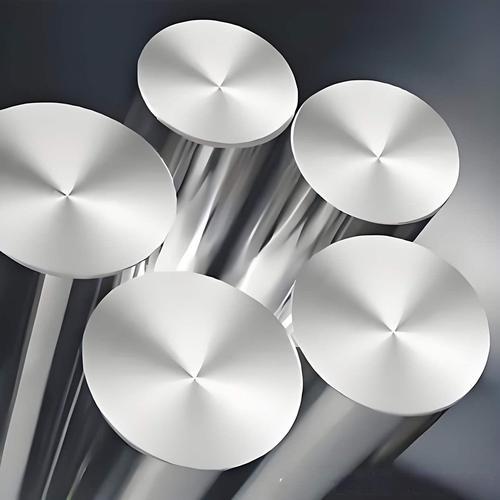
Inconel 617 alloy round bar price per kilogram is commonly about USD 45 to 90 per kg for standard industrial stock sizes. Large forged bars, small pre...
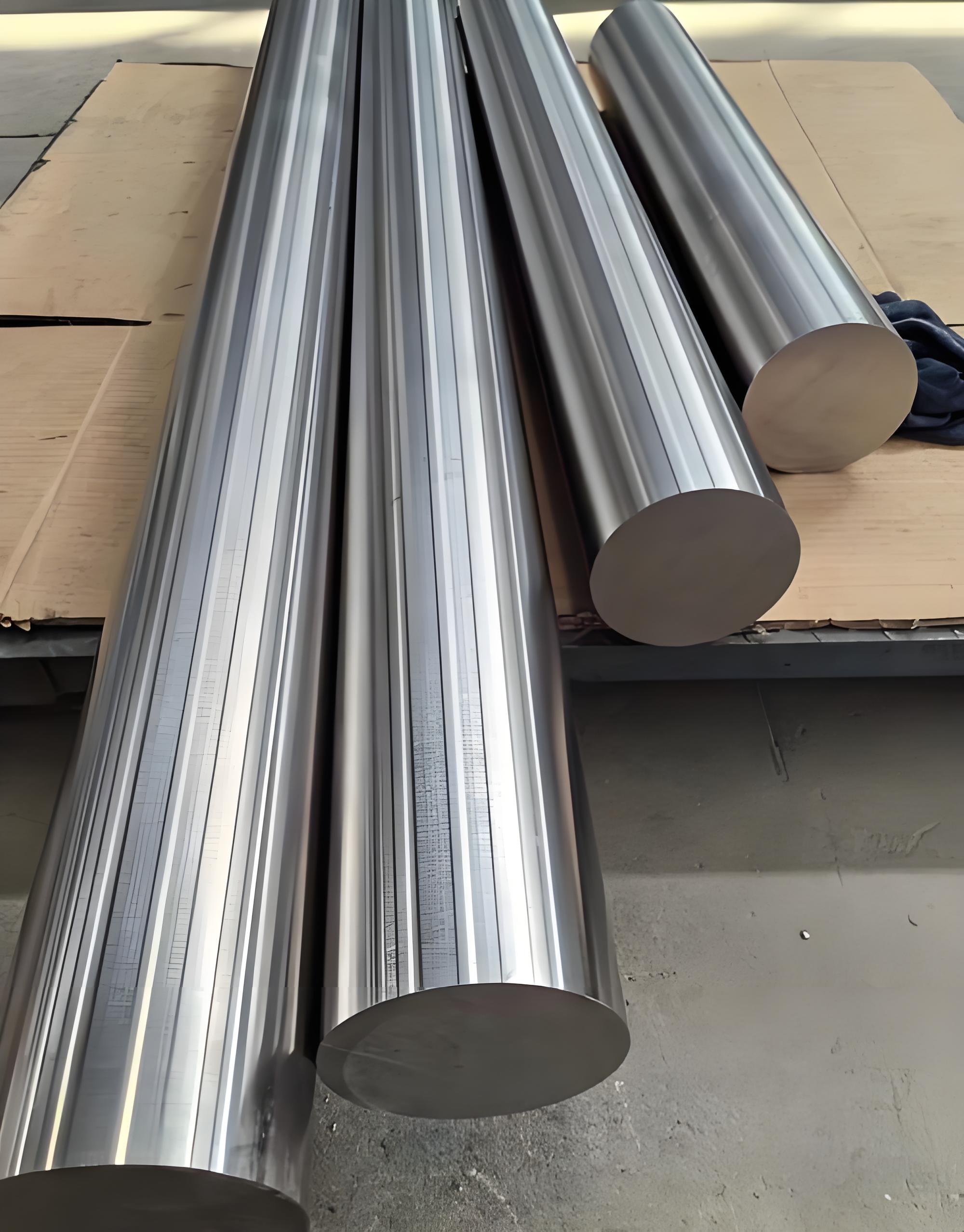
The latest Inconel 625 alloy bar price per kg depends on nickel, molybdenum, niobium, and chromium raw material costs, as well as bar diameter, manufa...
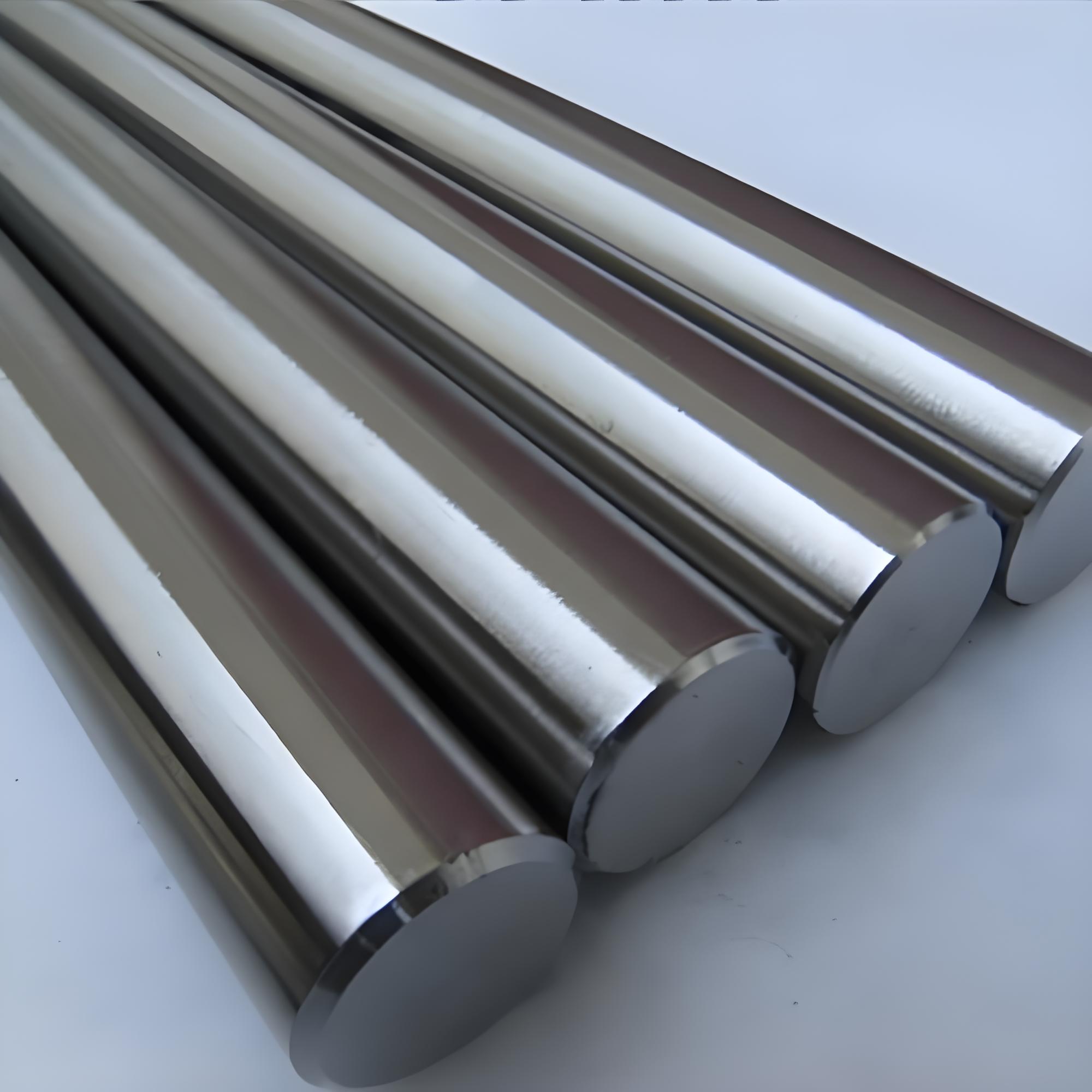
Inconel X-750 alloy bar price depends on nickel raw material cost, bar diameter, product condition, heat treatment, specification, surface finish, dim...
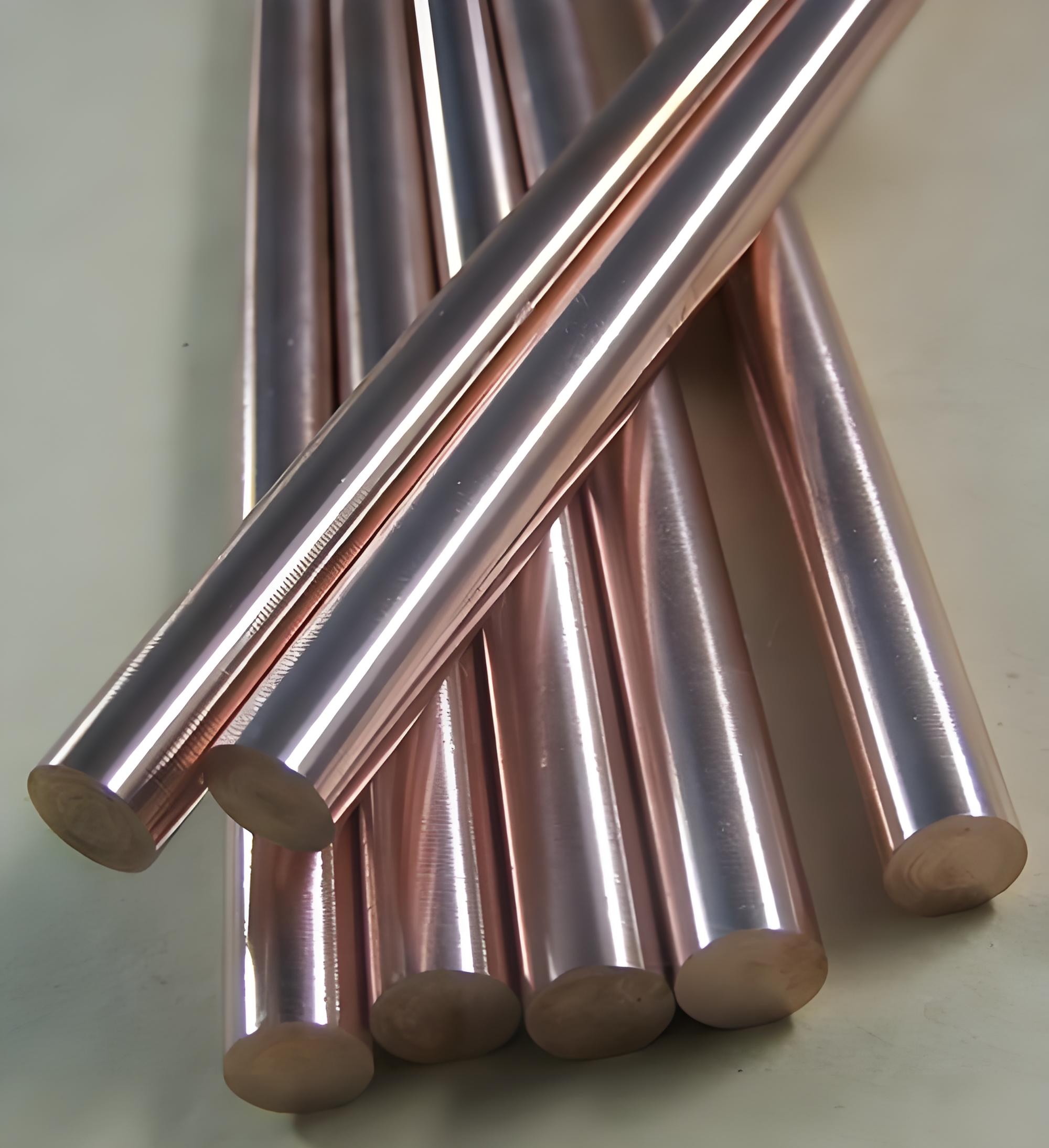
Inconel 602CA alloy bar price per kg is usually higher than common Inconel 600 and Inconel 601 bars because Alloy 602CA is a premium high-temperature ...
 English English
  Korean
 Arabic
 Spanish
 German
 Portuguese
 French
 Russian
 Italian
 Vietnamese