
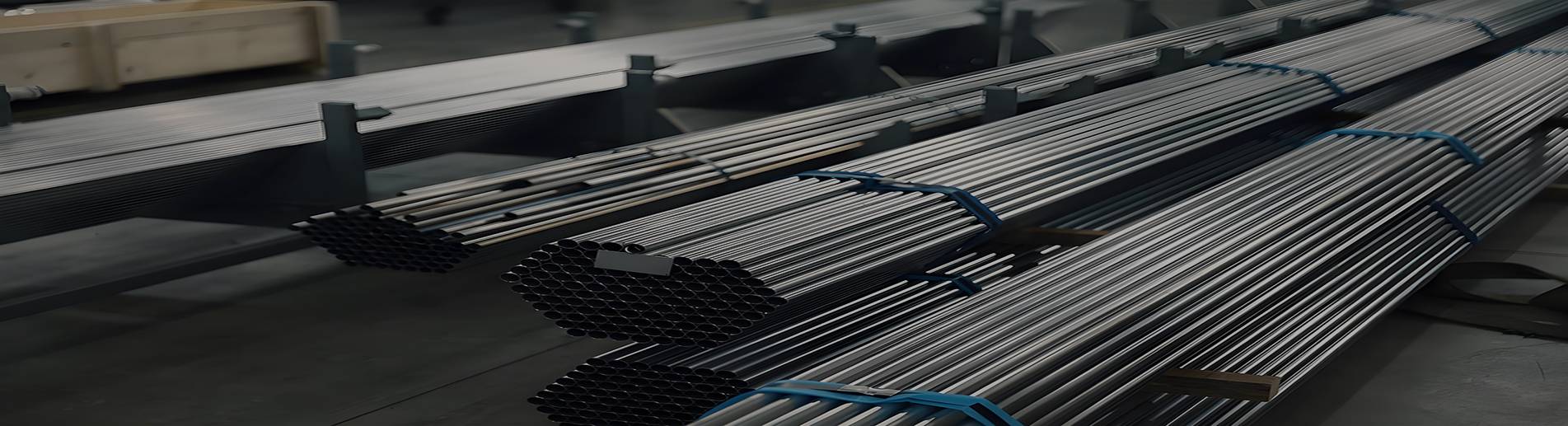
Inconel 617 alloy round bar price per kilogram
Inconel 617 alloy round bar price per kilogram is commonly about USD 45 to 90 per kg for standard industrial stock sizes. Large forged bars, small pre...
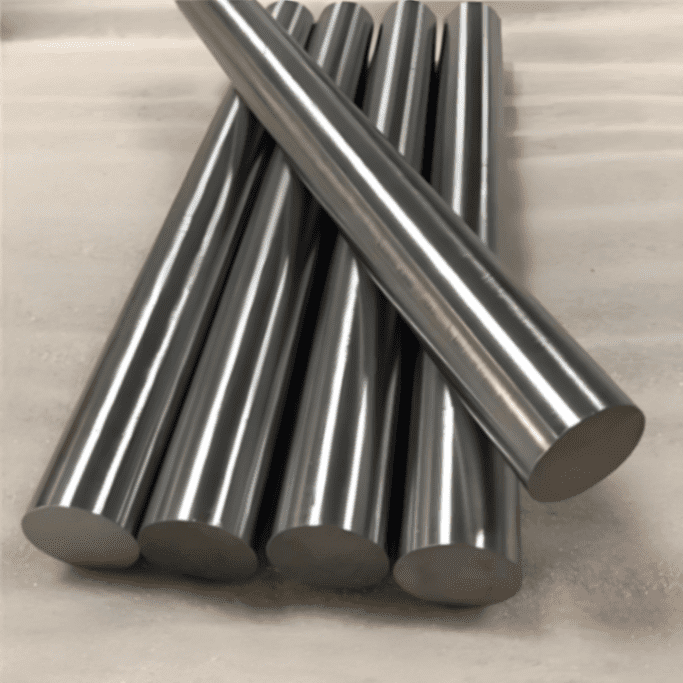
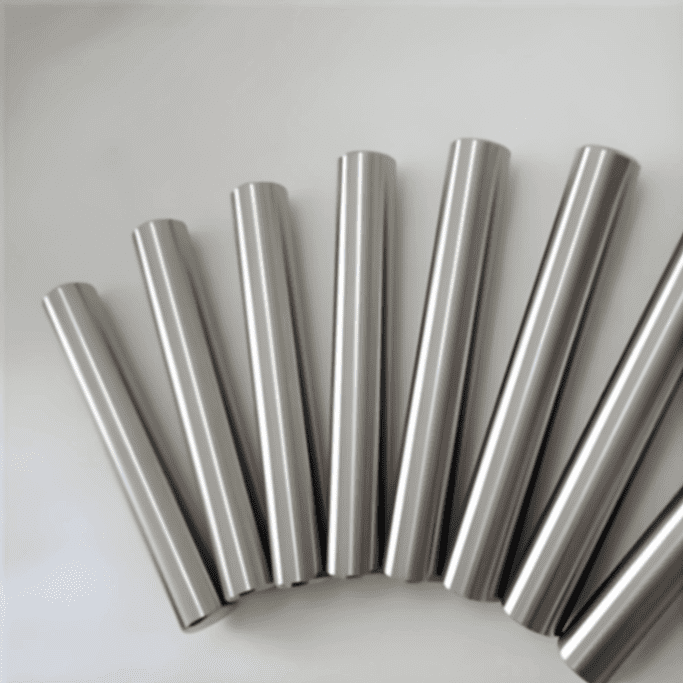
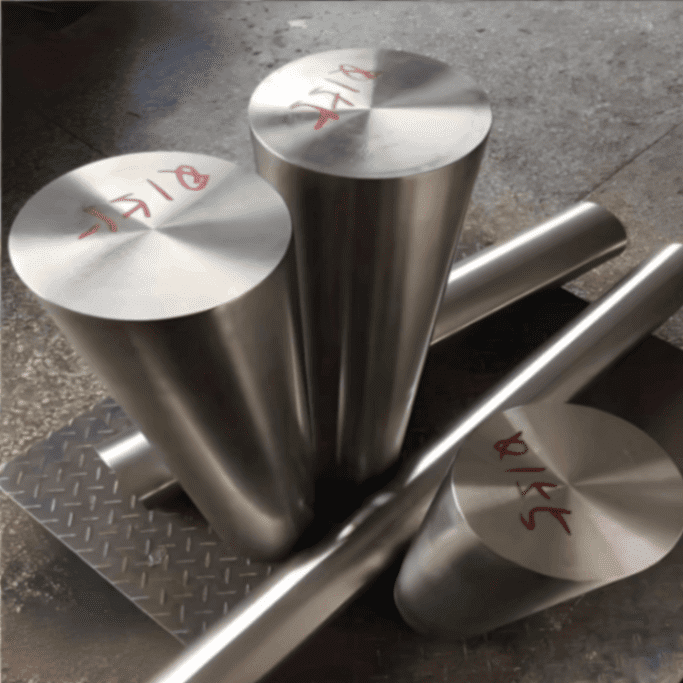
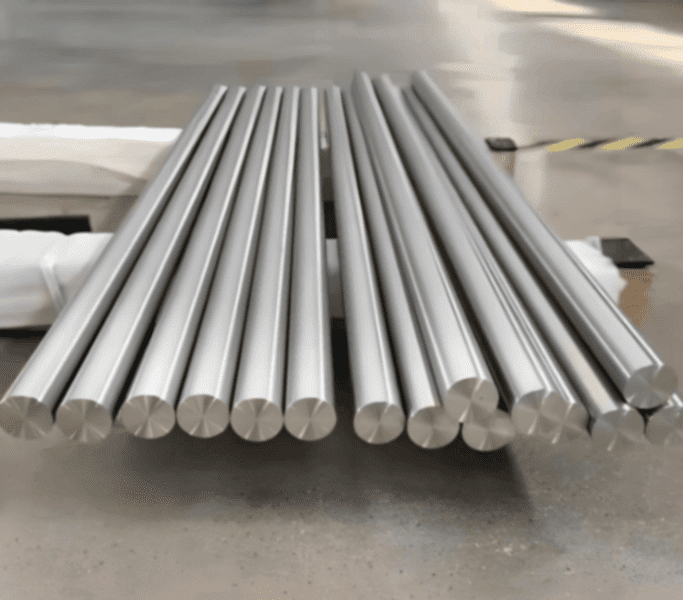
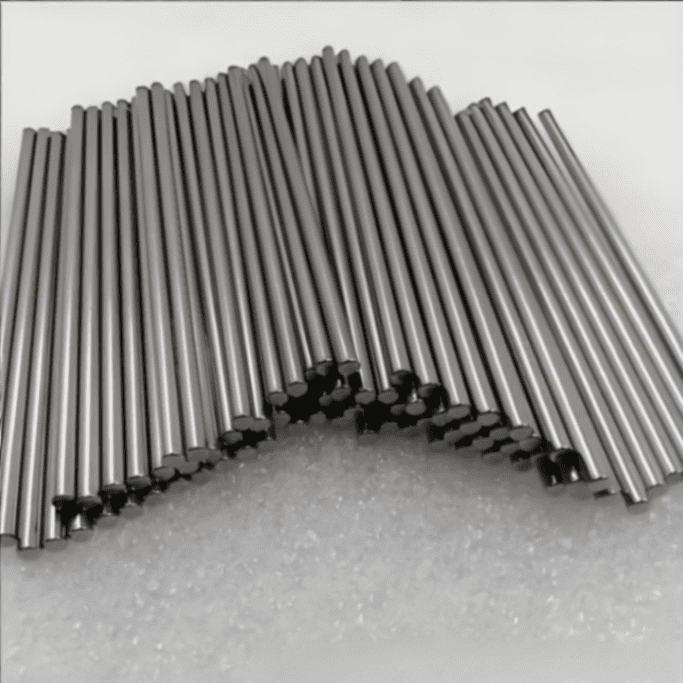
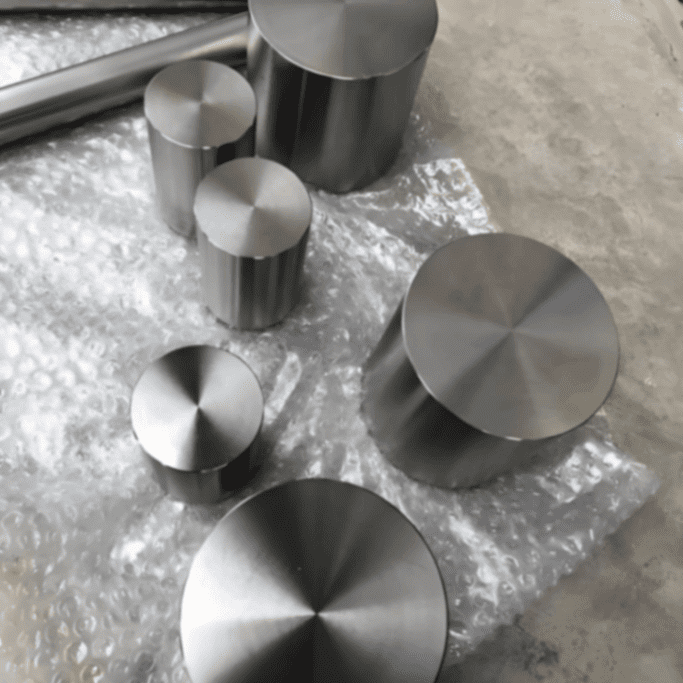
When sourcing high-performance alloys for industrial applications, understanding the cost dynamics of materials like Hastelloy C-276 is crucial for budgeting and procurement. Known for its exceptional resistance to pitting, stress-corrosion cracking, and oxidizing atmospheres, this nickel-molybdenum-chromium alloy is a staple in chemical processing, pollution control, and marine engineering. The price per kilogram of Hastelloy C-276 rod is not a fixed figure; it fluctuates based on a complex interplay of raw material costs (primarily nickel, molybdenum, and chromium), manufacturing processes, market demand, and specific product requirements. For procurement managers and engineers, having a detailed breakdown of how these factors influence the final price is essential for making informed purchasing decisions. This article provides a comprehensive analysis of the pricing structure for Hastelloy C-276 rods, focusing on how dimensions, tolerances, and order quantities affect the cost, with illustrative examples and references to a leading supplier, Shanghai NC Metal Materials Co., Ltd.
The foundation of Hastelloy C-276’s price lies in its chemical composition. The alloy typically consists of high percentages of nickel (remaining), molybdenum (15-17%), chromium (14.5-16.5%), and smaller amounts of iron, tungsten, and cobalt. The prices of these base metals, especially nickel, are volatile and traded on global commodity markets like the LME. Therefore, the base cost of the raw material can shift weekly. Suppliers like Shanghai NC Metal Materials Co., Ltd. base their rod quotations on the prevailing raw material index plus a processing margin. For instance, during periods of high nickel demand from the stainless steel or battery industries, the cost per kilogram of C-276 rods will inevitably rise. This volatility means that any quoted price should be understood as “reference price valid for the current market conditions.”
The manufacturing process for Hastelloy C-276 rods—which involves hot rolling, annealing, and pickling or cold drawing—adds significant value. The diameter of the rod is a primary cost driver. Smaller diameters often require more precise cold drawing and additional passes, which increases labor and energy costs per kilogram. Conversely, very large diameters may require special forging or heavy machining, also increasing the price. The table below illustrates how the reference price per kilogram can vary based on diameter and common industry standards.
| Diameter Range (mm) | Manufacturing Process | Typical Tolerance (h9) | Surface Finish | Reference Price (USD/kg)* |
|---|---|---|---|---|
| 3.0 mm – 10.0 mm | Cold Drawn | 0/-0.036 mm | Bright / Peeled | $45 – $55 |
| 10.1 mm – 50.0 mm | Centerless Ground / Hot Rolled & Pickled | 0/-0.043 mm to 0/-0.062 mm | Black / Bright | $38 – $48 |
| 50.1 mm – 100.0 mm | Hot Rolled & Machined | +/- 0.10 mm | Rough Turned | $42 – $52 |
| 100.1 mm – 200.0 mm | Forged & Machined | +2/-0 mm | As Forged / Machined | $50 – $65 |
Volume is one of the most significant levers in pricing. In the metals industry, economies of scale heavily influence the final cost per kilogram. A small order for a few meters of rod will incur higher per-unit costs due to cutting charges, packaging, and logistics overhead. Large-tonnage orders allow manufacturers like Shanghai NC Metal Materials Co., Ltd. to optimize production runs, reducing the per-kilogram cost. Additionally, standard lengths (e.g., 3m or 6m) are generally cheaper than custom-cut lengths, as custom cutting requires additional handling and generates scrap.
| Order Quantity (Kilograms) | Length Requirement | Typical Price Adjustment Factor | Estimated Price Range (USD/kg) for Ø25mm Rod |
|---|---|---|---|
| 1 kg – 50 kg (Sample/Prototype) | Random / Custom | Base Price + 20-30% | $55 – $65 |
| 50 kg – 500 kg (Small Batch) | Fixed (e.g., 3m or 6m) | Base Price + 5-10% | $45 – $52 |
| 500 kg – 2,000 kg (Truck Load) | Mill Standard (e.g., 6m) | Base Price (Market Rate) | $38 – $44 |
| > 2,000 kg (Full Container/Project) | Negotiated / Customer Specific | Base Price – Discount (5-15%) | $32 – $40 |
Beyond the basic dimensions and quantity, specific technical requirements can further influence the price per kilogram. If the rods require specific heat treatments beyond the standard annealed condition (such as solution annealing with a rapid quench for specific corrosion properties), this adds to the cost. Non-destructive testing (NDT), such as ultrasonic testing or dye penetrant inspection, ensures internal soundness but increases the price due to the specialized labor and equipment involved. Mechanical testing (tensile, yield, hardness) for certification purposes also adds a layer of cost, especially for small batches where the testing cost is spread over fewer kilograms. Suppliers like Shanghai NC Metal Materials Co., Ltd. can provide these value-added services, but they will be reflected in the final quotation.
The required certification level is another critical pricing variable. Rods sold with a simple “mill test certificate” (EN 10204 2.2) are less expensive than those requiring a full 3.1 certification, which mandates specific product testing and traceability back to the cast. Furthermore, rods destined for critical applications in the nuclear, pharmaceutical, or aerospace sectors may need to meet additional industry-specific standards (e.g., ASME SB-574, ASTM B574), which can involve stricter controls on chemistry and mechanical properties. This adherence to stringent standards guarantees quality but also commands a premium price per kilogram.
To directly answer the core question, “How much is the price per kilogram of Hastelloy C-276 rod?”: Based on current market analysis and typical quotations from suppliers like Shanghai NC Metal Materials Co., Ltd., the price generally ranges from $32 to $65 USD per kilogram. The lower end of this spectrum ($32 – $40) is achievable for large-volume orders (multiple tons) of common diameters with standard lengths and basic certification. The higher end ($45 – $65) applies to small-quantity purchases, precision diameters, tight tolerances, or when additional services like custom cutting, specialized heat treatment, and full 3.1 material certification are required. It is always recommended to contact a supplier directly with your specific size and quantity requirements to get the most accurate and current pricing.
Is Hastelloy C-276 more expensive than standard stainless steel?
Yes, significantly. Hastelloy C-276 is a nickel-based superalloy containing high levels of costly elements like molybdenum and chromium. Its price per kilogram is typically 5 to 10 times higher than that of standard 304 or 316 stainless steel. The price difference reflects its vastly superior corrosion resistance in harsh chemical environments where stainless steel would fail rapidly.
Why does the price of Hastelloy C-276 rods change so frequently?
The primary reason is the volatility of the London Metal Exchange (LME) nickel price. Nickel constitutes the largest percentage of the alloy’s composition. Fluctuations in the global nickel market, driven by mining disruptions, geopolitical events, or changes in demand from the electric vehicle battery sector, directly impact the raw material cost for manufacturers like Shanghai NC Metal Materials Co., Ltd. Consequently, suppliers often adjust their quotations to reflect these raw material cost changes.
Does buying a larger diameter Hastelloy C-276 rod always cost more per kilogram?
Not necessarily. While a 150mm diameter rod will have a higher absolute price per meter than a 10mm rod, the price per kilogram can sometimes be lower for mid-range diameters (like 20-50mm) due to more efficient manufacturing. However, very small diameters (under 10mm) often cost more per kilogram due to the precision cold drawing process required. Very large diameters (over 100mm) also tend to be more expensive per kilogram because they often require specialized forging and machining processes to achieve the final dimensions and properties.
More from this category
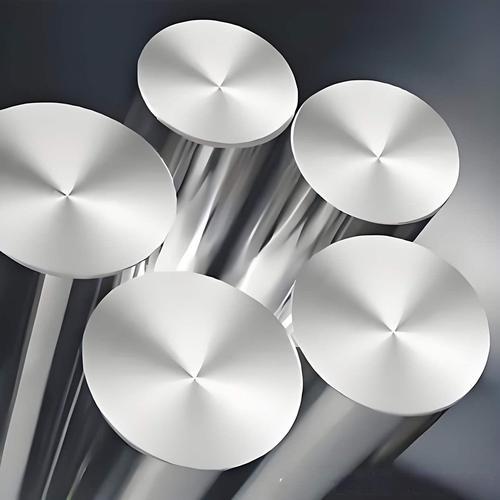
Inconel 617 alloy round bar price per kilogram is commonly about USD 45 to 90 per kg for standard industrial stock sizes. Large forged bars, small pre...
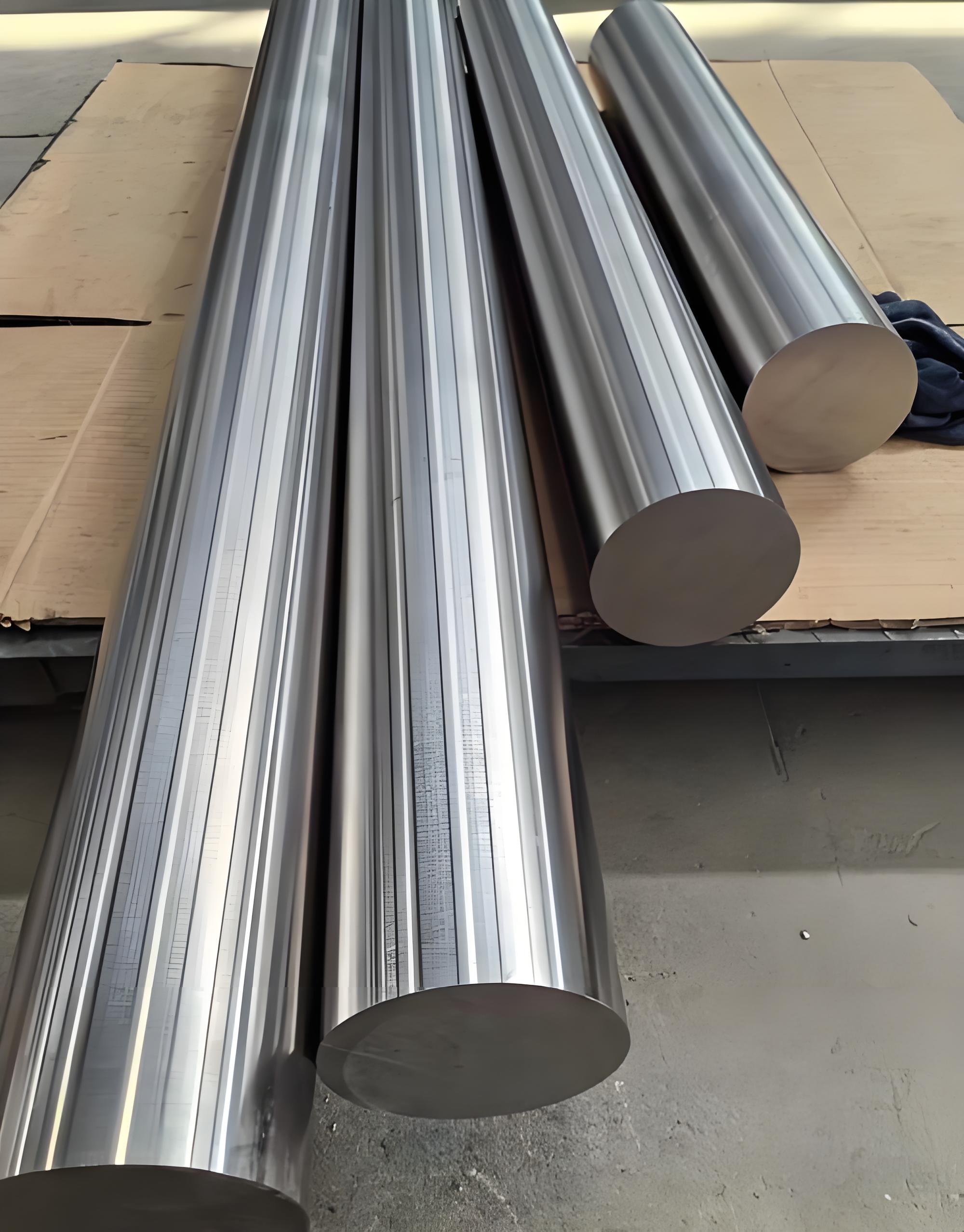
The latest Inconel 625 alloy bar price per kg depends on nickel, molybdenum, niobium, and chromium raw material costs, as well as bar diameter, manufa...
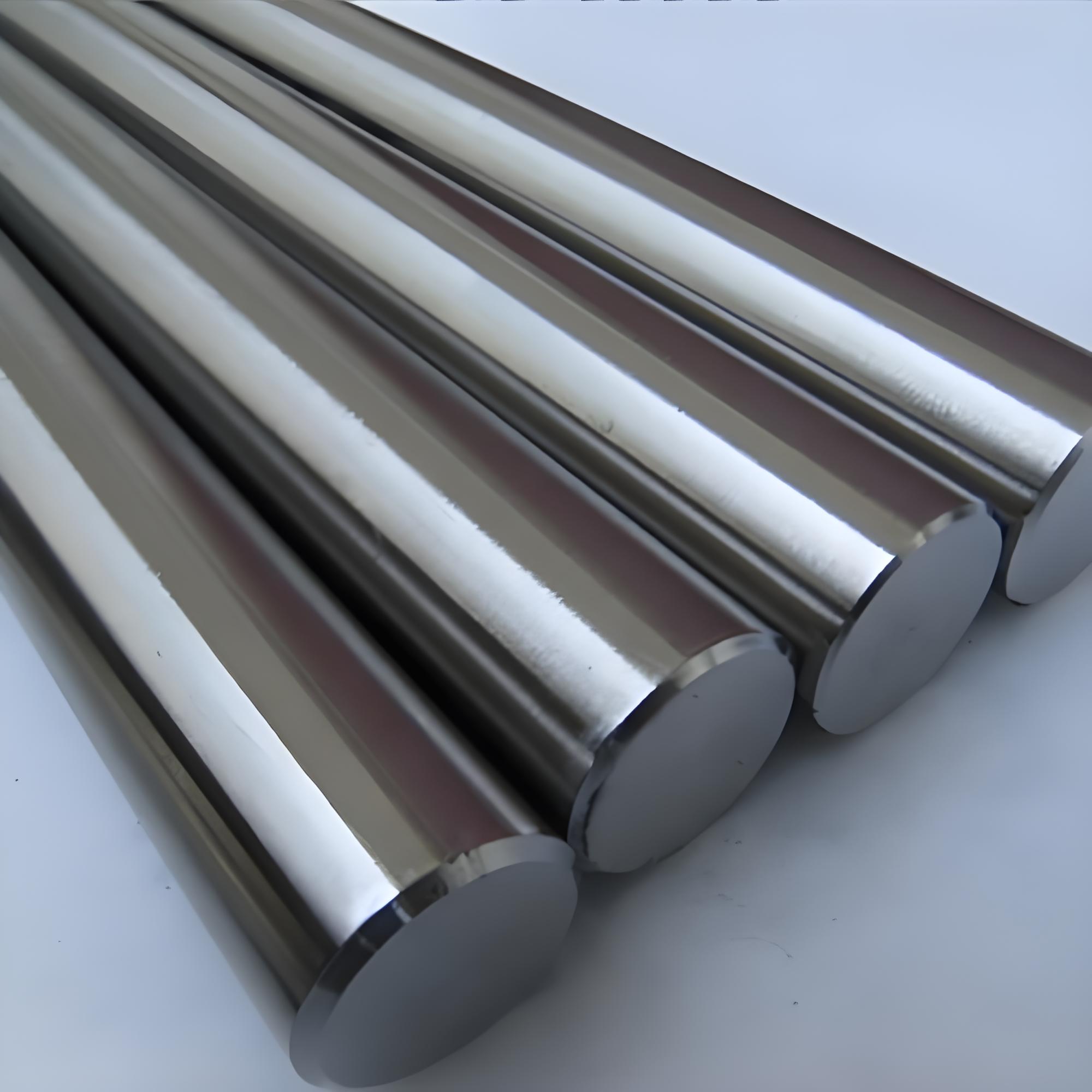
Inconel X-750 alloy bar price depends on nickel raw material cost, bar diameter, product condition, heat treatment, specification, surface finish, dim...
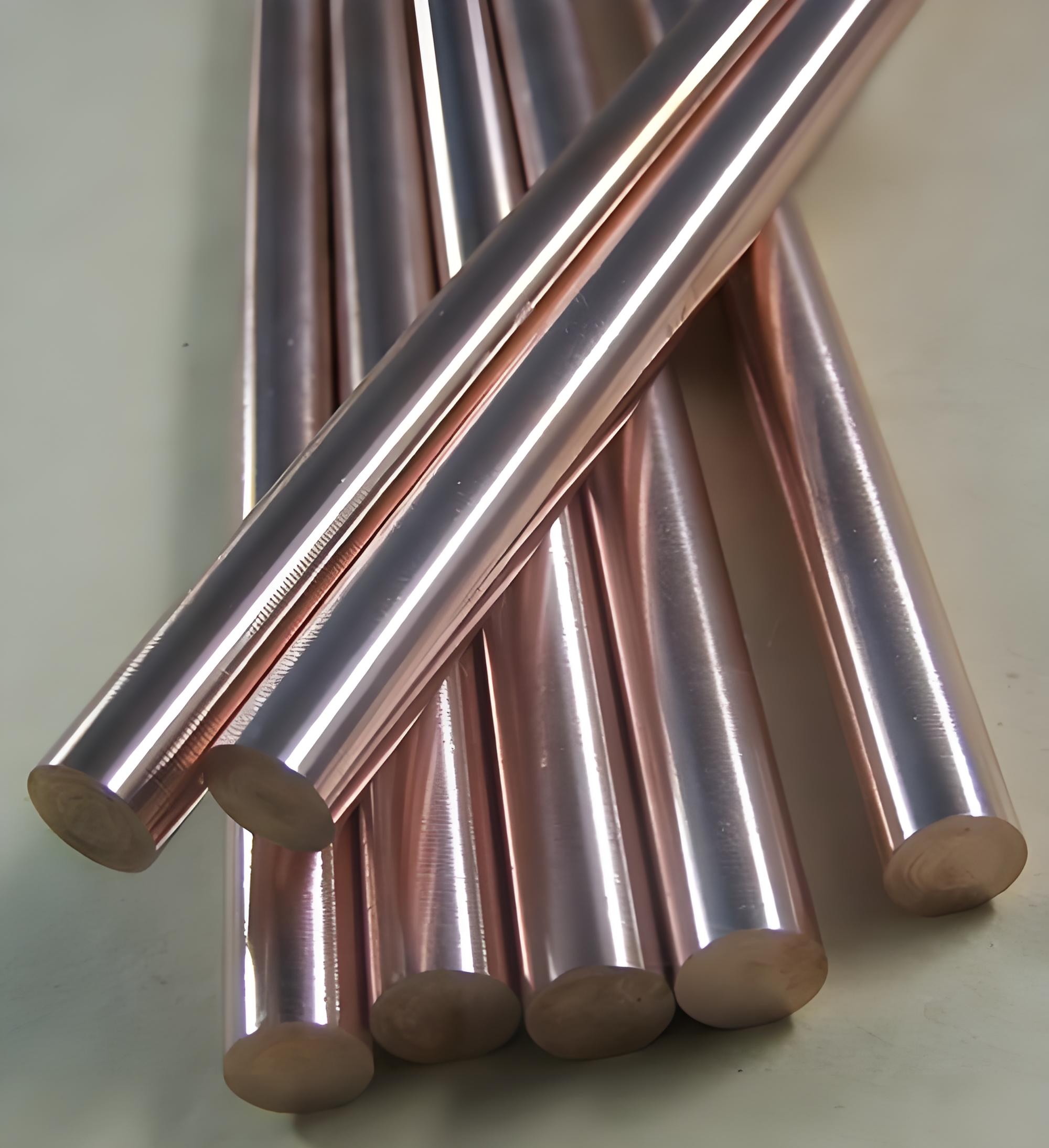
Inconel 602CA alloy bar price per kg is usually higher than common Inconel 600 and Inconel 601 bars because Alloy 602CA is a premium high-temperature ...
 English English
  Korean
 Arabic
 Spanish
 German
 Portuguese
 French
 Russian
 Italian
 Vietnamese