
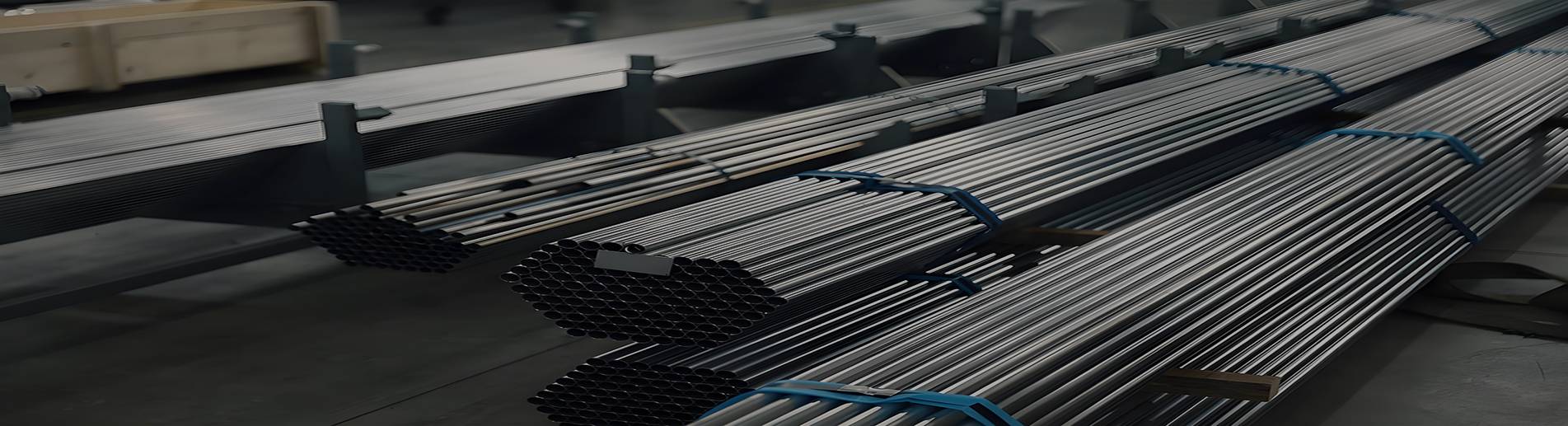
Inconel 617 alloy round bar price per kilogram
Inconel 617 alloy round bar price per kilogram is commonly about USD 45 to 90 per kg for standard industrial stock sizes. Large forged bars, small pre...
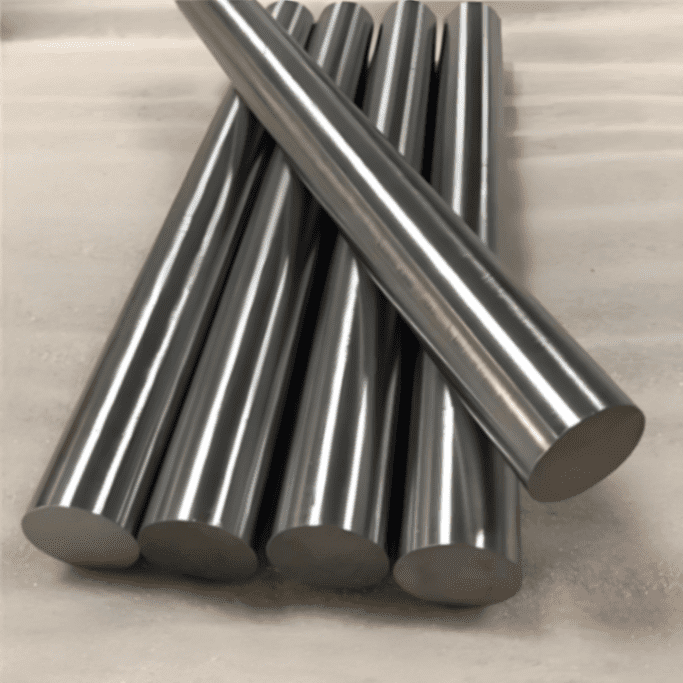
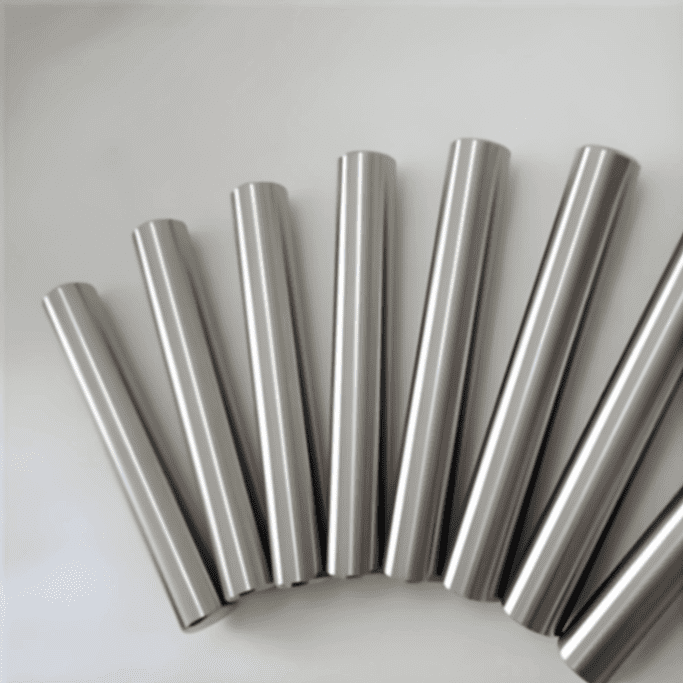
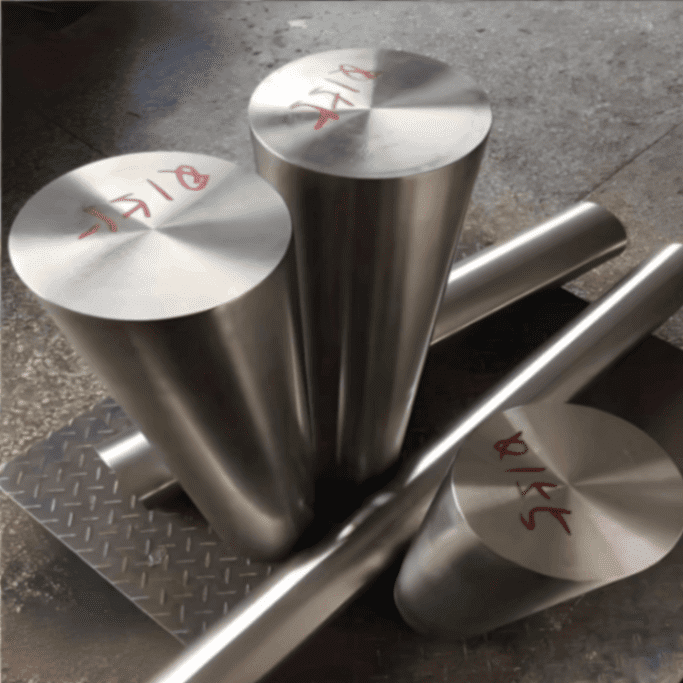
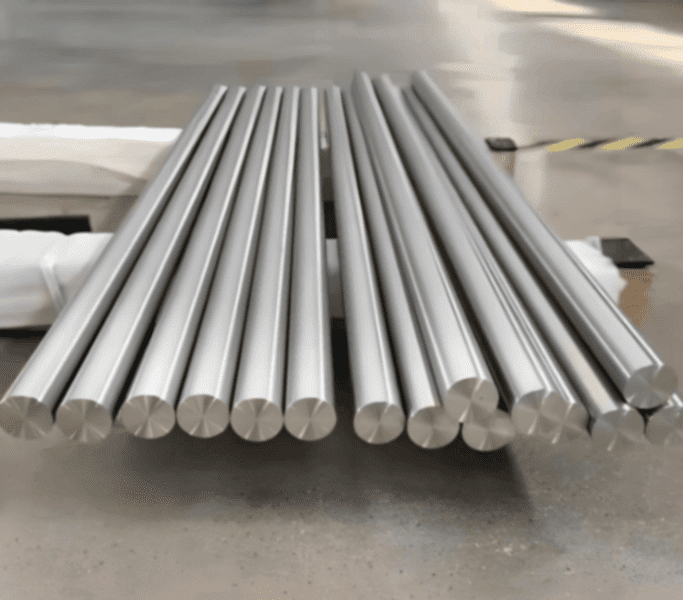
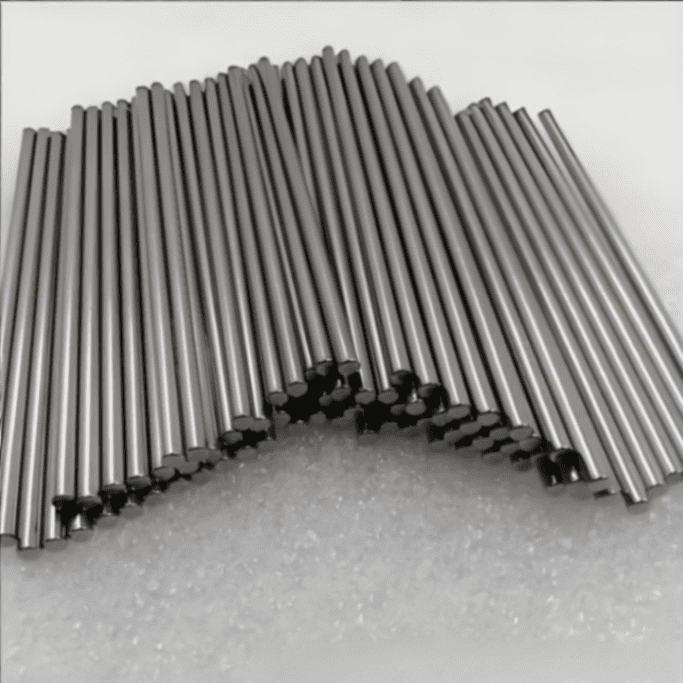
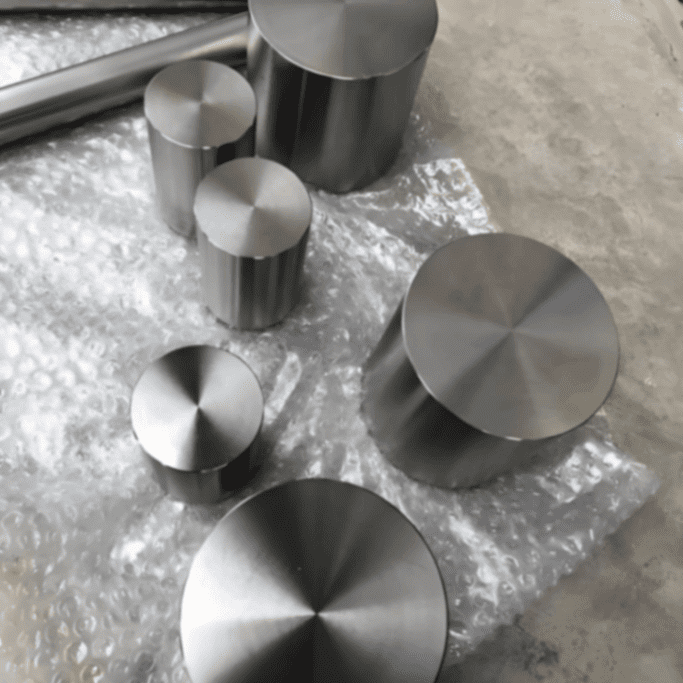
Selecting the appropriate material for marine applications is critical due to the highly corrosive nature of seawater. Monel 400 and Nickel 200 are two commercially pure and alloyed nickel materials frequently considered for marine environments. While both offer excellent corrosion resistance, their chemical compositions, mechanical properties, and performance in specific marine conditions differ significantly. This article provides a detailed comparison of Monel 400 and Nickel 200 to guide engineers and procurement specialists in choosing the right material for marine applications such as seawater piping, pumps, valves, and fasteners.
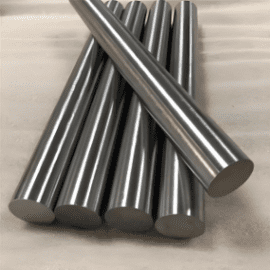
The fundamental difference between Monel 400 and Nickel 200 lies in their alloying elements. Nickel 200 is commercially pure nickel, while Monel 400 is a nickel-copper alloy with substantial copper content that enhances its performance in reducing and oxidizing marine environments.
| Element | Monel 400 (UNS N04400) Typical % | Nickel 200 (UNS N02200) Typical % | Impact on Marine Performance |
|---|---|---|---|
| Nickel (plus Cobalt) | 63.0 – 70.0 | 99.0 min | Higher purity in Nickel 200 provides excellent resistance to caustic environments but lower resistance to seawater velocity effects |
| Copper | 28.0 – 34.0 | 0.25 max | Copper in Monel 400 significantly improves resistance to flowing seawater and biofouling |
| Iron | 2.5 max | 0.40 max | Both have low iron, minimizing galvanic corrosion concerns |
| Manganese | 2.0 max | 0.35 max | Similar deoxidizing effects in both alloys |
| Carbon | 0.3 max | 0.15 max | Nickel 200 has lower carbon, affecting high-temperature applications more than marine service |
| Sulfur | 0.024 max | 0.01 max | Both maintain low sulfur for weldability |
Marine environments present multiple corrosion challenges including uniform corrosion, pitting, crevice corrosion, and galvanic effects. Monel 400 and Nickel 200 respond differently to these threats based on their metallurgical composition.
| Corrosion Type | Monel 400 Performance | Nickel 200 Performance |
|---|---|---|
| General Seawater Corrosion | Excellent; corrosion rate typically < 0.03 mm/year in quiet and flowing seawater | Good; corrosion rate typically 0.05-0.13 mm/year in quiet seawater |
| High-Velocity Seawater | Superior; resistant to impingement attack up to 4.5 m/s | Moderate; susceptible to erosion-corrosion at velocities above 2 m/s |
| Pitting and Crevice Corrosion | Very good resistance; minimal attack in long-term exposures | Good but can show pitting in stagnant seawater conditions |
| Stress Corrosion Cracking | Excellent resistance in marine atmospheres | Good resistance; susceptible in specific caustic environments |
| Galvanic Corrosion | Noble behavior; can cathodically protect less noble materials | Similar nobility; careful pairing required with active metals |
| Biofouling Resistance | Good; copper content provides antifouling properties | Moderate; susceptible to marine growth attachment |
The mechanical strength and fabricability of these materials determine their suitability for various marine components such as shafts, fasteners, and pressure-containing parts.
| Property (Annealed Condition) | Monel 400 | Nickel 200 | Implications for Marine Use |
|---|---|---|---|
| Tensile Strength (ksi) | 70 – 85 | 55 – 65 | Monel 400 provides higher strength for pressure-containing components |
| Yield Strength (0.2% offset, ksi) | 25 – 40 | 15 – 25 | Monel 400 allows thinner sections for equivalent pressure ratings |
| Elongation (%) | 35 – 50 | 40 – 50 | Both offer excellent ductility for forming and bending |
| Hardness (Rockwell B) | 60 – 80 | 45 – 60 | Monel 400 offers better wear resistance for moving parts |
| Modulus of Elasticity (GPa) | 179 | 207 | Nickel 200 is slightly stiffer, beneficial for certain shaft designs |
Thermal and electrical properties influence performance in specific marine applications such as heat exchangers, electrical components, and cryogenic systems.
| Physical Property | Monel 400 | Nickel 200 | Marine Application Relevance |
|---|---|---|---|
| Density (g/cm³) | 8.80 | 8.89 | Similar; weight considerations comparable for both |
| Melting Range (°C) | 1300 – 1350 | 1435 – 1445 | Nickel 200 higher melting point advantageous for fire-safe applications |
| Thermal Conductivity (W/m·K at 23°C) | 21.8 | 70.0 | Nickel 200 superior for heat exchanger tubing and cooling applications |
| Electrical Resistivity (µΩ·m) | 0.547 | 0.095 | Nickel 200 better conductor for electrical marine components |
| Magnetic Properties | Non-magnetic to weakly magnetic | Magnetic up to 360°C | Monel 400 preferred for non-magnetic marine applications like instrument housings |
Shanghai NC Metal Materials Co., Ltd. supplies both Monel 400 and Nickel 200 in various forms suitable for marine construction, maintenance, and repair operations.
| Product Form | Monel 400 Available Sizes | Nickel 200 Available Sizes | Typical Marine Applications | Reference Price Indicator |
|---|---|---|---|---|
| Round Bar / Rod | 1/8″ to 8″ diameter | 1/8″ to 6″ diameter | Shafting, fasteners, valve stems | Monel 400 generally 20-30% higher than Nickel 200 |
| Plate / Sheet | Thickness 0.025″ to 2″ | Thickness 0.025″ to 2″ | Cladding, baffles, storage tanks | Comparable pricing per pound |
| Pipe / Tube | Schedule 40, 80, custom | Schedule 40, 80, custom | Seawater piping, heat exchangers | Monel 400 premium for seawater piping |
| Wire | 0.010″ to 0.250″ diameter | 0.010″ to 0.250″ diameter | Mesh, screens, welding filler | Similar pricing for fine wire |
| Fittings | All standard configurations | Limited availability | Piping systems, instrumentation | Monel 400 fittings readily available |
The ability to fabricate and weld these materials affects installation costs and repair options in marine environments, particularly for shipboard and offshore applications.
| Fabrication Aspect | Monel 400 | Nickel 200 |
|---|---|---|
| Weldability | Excellent using standard processes; matching filler recommended | Excellent but requires cleanliness to avoid embrittlement |
| Hot Working | 650°C to 1150°C range; good formability | 650°C to 1200°C range; similar hot working characteristics |
| Cold Working | Excellent; work hardens rapidly requiring intermediate annealing | Excellent; similar work hardening behavior |
| Machinability | Fair to good; tends to gum during machining | Fair; similar machining characteristics |
| Heat Treatment | Annealed at 870°C – 980°C | Annealed at 730°C – 870°C |
Based on the comparative properties, certain marine applications favor one material over the other. This table provides guidance for common marine components and systems.
| Marine Application | Preferred Material | Reason for Selection |
|---|---|---|
| High-speed propeller shafts | Monel 400 | Superior resistance to velocity effects and erosion-corrosion |
| Seawater piping systems | Monel 400 | Excellent resistance to flowing seawater and biofouling |
| Heat exchanger tubing | Nickel 200 | Superior thermal conductivity for efficient heat transfer |
| Fasteners and bolting | Monel 400 (K-500 for higher strength) | Higher strength and galvanic compatibility with other marine alloys |
| Electrical components | Nickel 200 | Lower electrical resistivity for better conductivity |
| Non-magnetic instrument housings | Monel 400 | Non-magnetic characteristics preserve instrument accuracy |
| Pump impellers and casings | Monel 400 | Higher strength and wear resistance combined with corrosion protection |
| Caustic handling systems on ships | Nickel 200 | Superior resistance to caustic environments |
Shanghai NC Metal Materials Co., Ltd. supplies both Monel 400 and Nickel 200 in all common product forms for marine applications. They maintain marine-grade certifications and can provide materials suitable for classification society requirements including ABS, DNV, and Lloyd’s Register when specified. Their inventory includes standard sizes and they can arrange custom processing to meet specific project needs.
Which material provides better resistance to high-velocity seawater, Monel 400 or Nickel 200?
Monel 400 provides superior resistance to high-velocity seawater compared to Nickel 200. The copper content in Monel 400 significantly improves its resistance to impingement attack and erosion-corrosion in flowing seawater. Monel 400 can withstand seawater velocities up to 4.5 m/s with minimal corrosion, while Nickel 200 becomes susceptible to erosion-corrosion at velocities above 2 m/s. For this reason, Monel 400 is the preferred choice for high-speed marine applications such as propeller shafts, pump impellers, and high-flow seawater piping systems.
What are the cost differences between Monel 400 and Nickel 200 for marine components?
Monel 400 typically commands a price premium of approximately 20-30% over Nickel 200 for most product forms. This price difference reflects the higher alloy content and more complex production requirements for Monel 400. However, the total cost of ownership must consider performance factors. In applications requiring high-velocity seawater resistance or where Monel’s higher strength allows thinner sections, the initial price premium may be offset by longer service life and reduced maintenance. Shanghai NC Metal Materials Co., Ltd. can provide specific pricing based on product form, quantity, and certification requirements for marine projects.
How do magnetic properties differ between Monel 400 and Nickel 200, and why does this matter for marine applications?
Monel 400 is essentially non-magnetic, while Nickel 200 is magnetic up to approximately 360°C. This difference is critical for certain marine applications such as navigational instrument housings, compass proximity components, and degaussing system parts where magnetic interference must be avoided. Monel 400’s non-magnetic characteristic makes it the preferred choice for components near sensitive magnetic instruments. Additionally, in applications involving magnetic particle inspection during maintenance, the non-magnetic nature of Monel 400 simplifies testing procedures. Nickel 200’s magnetic properties, however, are advantageous for certain applications like magnetic flow meters and electromagnetic shielding in marine electrical systems.
More from this category
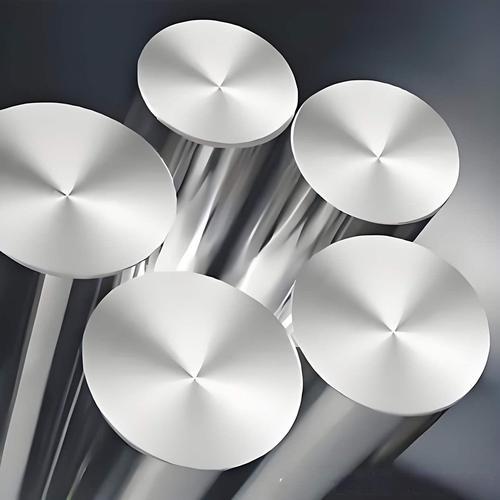
Inconel 617 alloy round bar price per kilogram is commonly about USD 45 to 90 per kg for standard industrial stock sizes. Large forged bars, small pre...
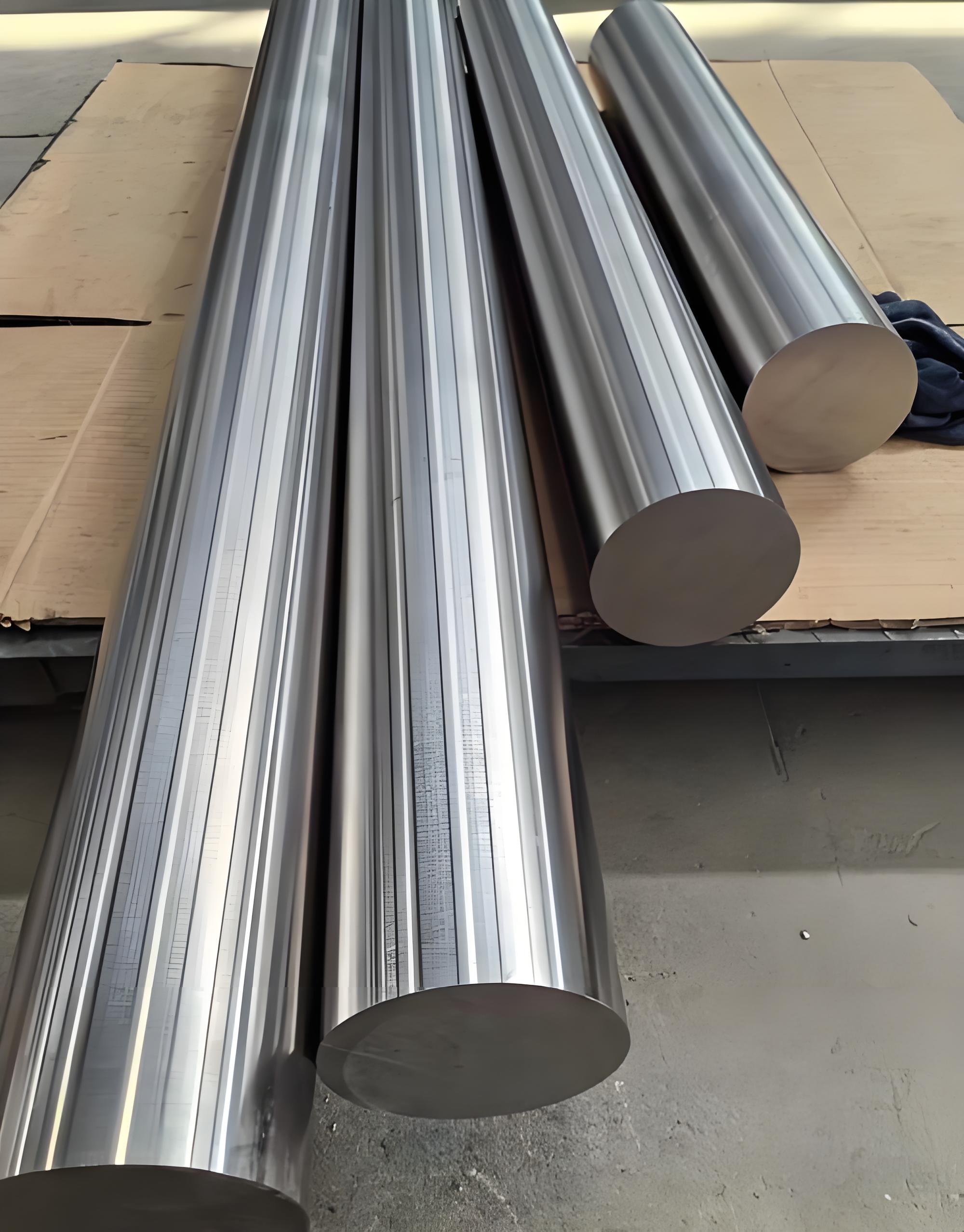
The latest Inconel 625 alloy bar price per kg depends on nickel, molybdenum, niobium, and chromium raw material costs, as well as bar diameter, manufa...
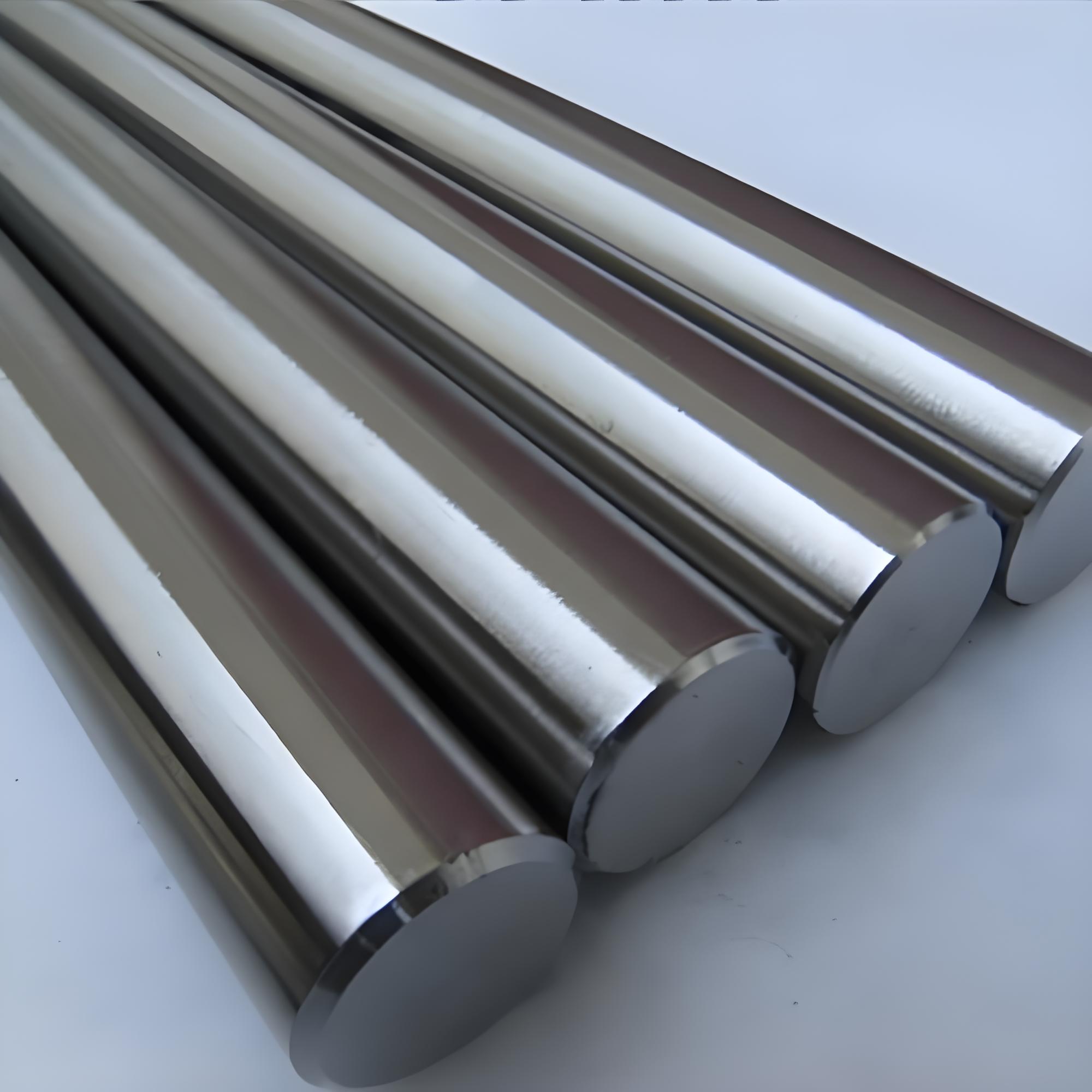
Inconel X-750 alloy bar price depends on nickel raw material cost, bar diameter, product condition, heat treatment, specification, surface finish, dim...
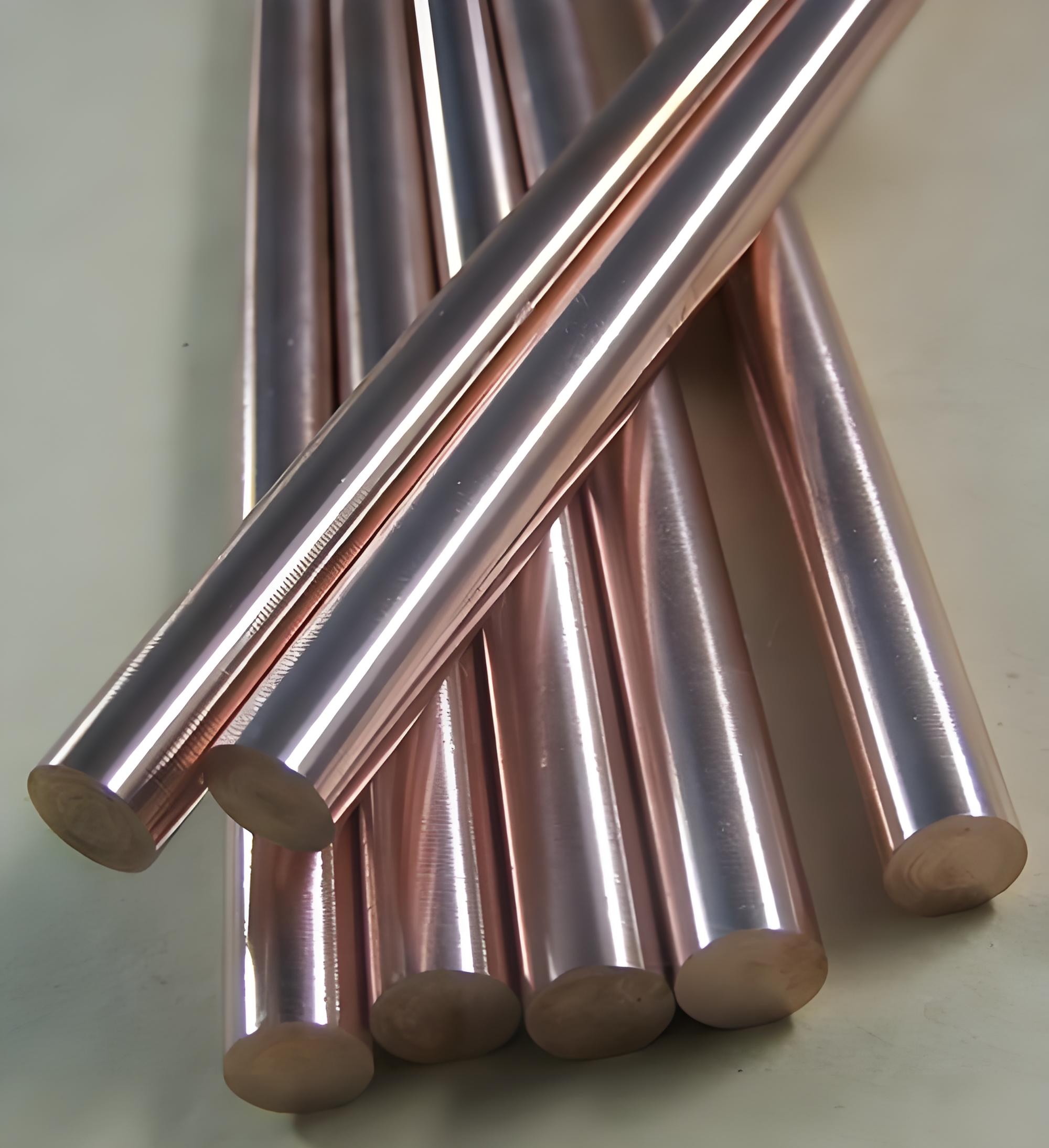
Inconel 602CA alloy bar price per kg is usually higher than common Inconel 600 and Inconel 601 bars because Alloy 602CA is a premium high-temperature ...
 English English
  Korean
 Arabic
 Spanish
 German
 Portuguese
 French
 Russian
 Italian
 Vietnamese