
Latest Inconel 602CA Alloy Bar Price List per Kg
Inconel 602CA alloy bar price per kg is usually higher than common Inconel 600 and Inconel 601 bars because Alloy 602CA is a premium high-temperature ...
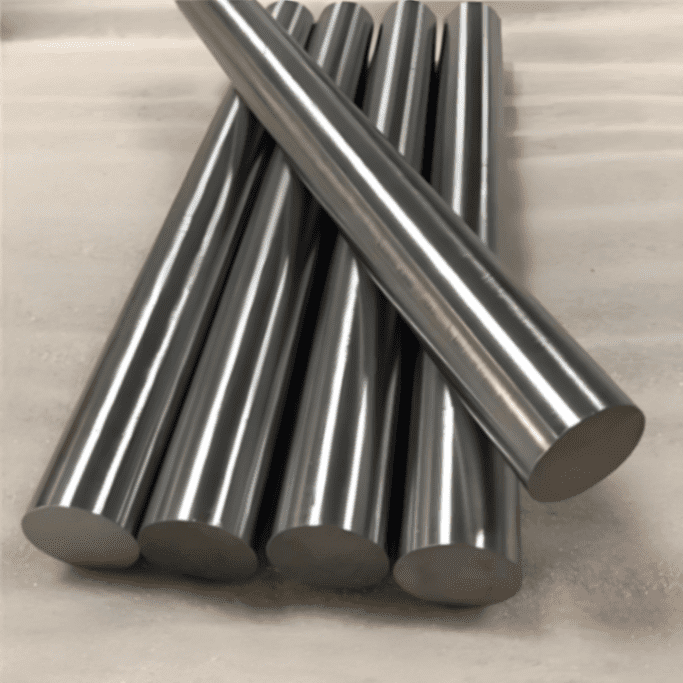
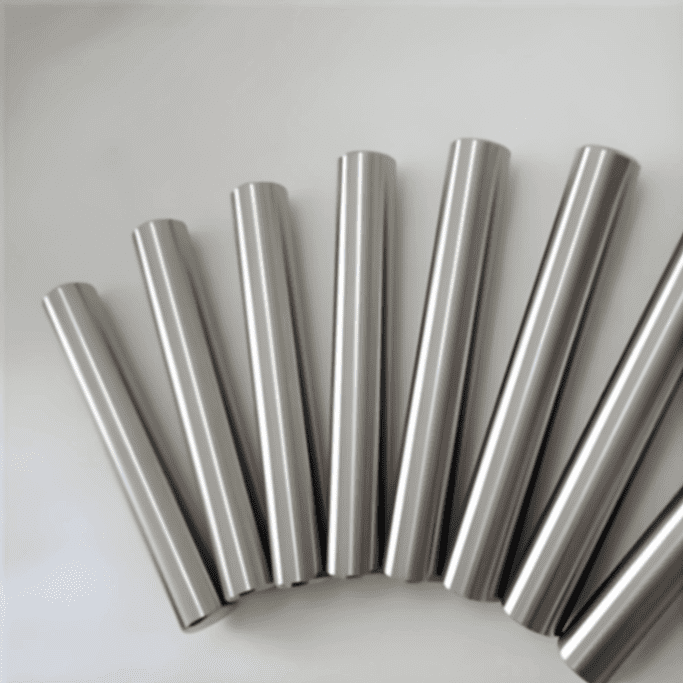
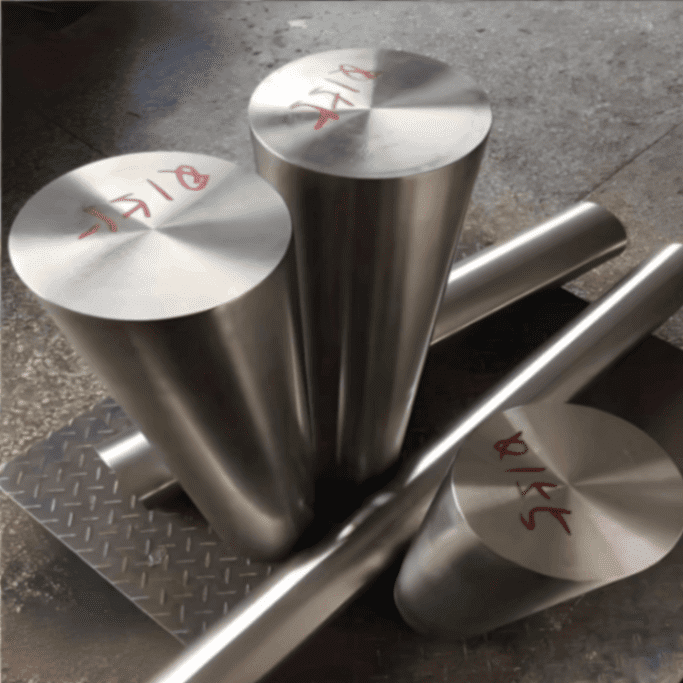
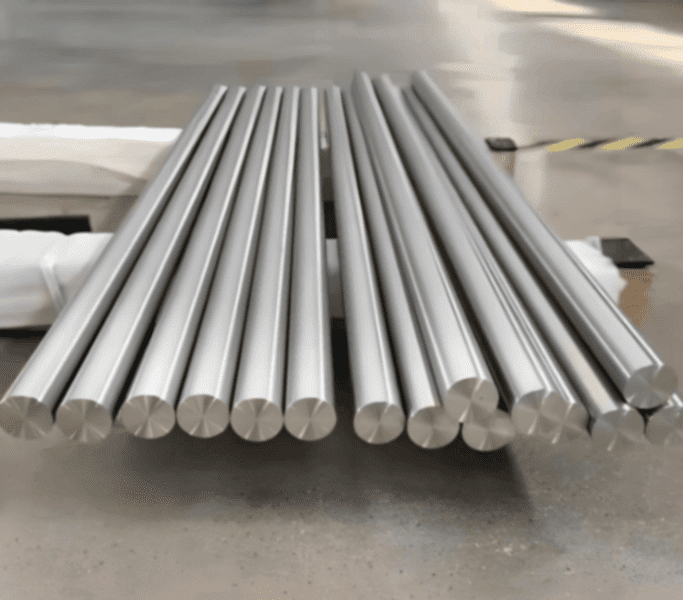
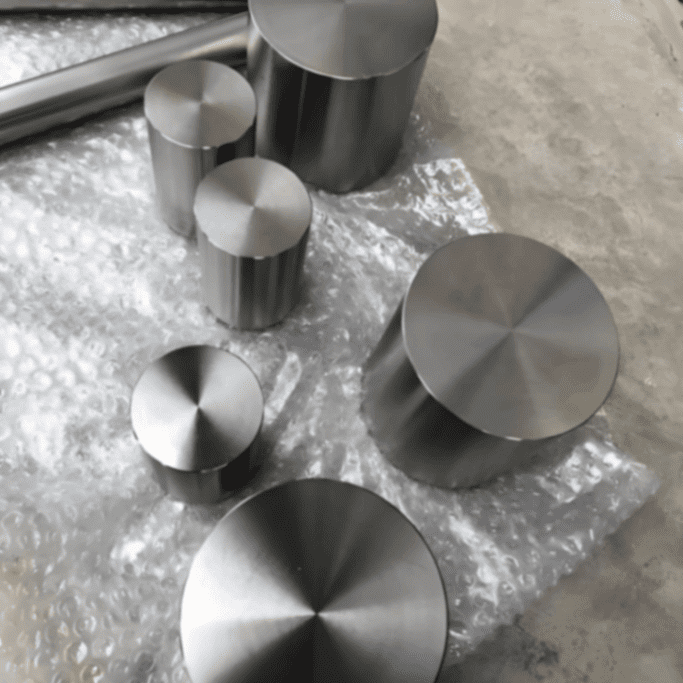
Inconel 625 bar yield strength decreases as temperature increases, but the alloy keeps useful strength over a wide temperature range because of its nickel-chromium-molybdenum-niobium composition. At room temperature, solution annealed or annealed Inconel 625 bar commonly has yield strength around 330 MPa to 460 MPa depending on product form, standard, heat treatment, and cold work. At elevated temperatures, typical short-time yield strength may be around 290 MPa at 100°C, around 260 MPa at 300°C, around 265 MPa at 500°C, around 245 MPa at 650°C, and lower at higher temperatures. For engineering use, Inconel 625 bar yield strength vs temperature should always be checked according to the exact bar condition, diameter, standard, heat treatment, and MTC, because hot rolled bar, forged bar, cold drawn bar, annealed bar, and solution annealed bar can show different strength levels.
Inconel 625 bar is widely used in applications where corrosion resistance and mechanical strength must remain reliable under temperature, pressure, seawater, acid, chloride, exhaust gas, or chemical process conditions. Unlike precipitation-hardened alloys such as Inconel 718 or Inconel X-750, Inconel 625 obtains much of its strength from solid solution strengthening, mainly from molybdenum and niobium in a nickel-chromium matrix.
The relationship between yield strength and temperature is important because yield strength tells engineers when a bar begins to deform permanently under load. At room temperature, Inconel 625 bar can provide strong load-bearing capacity. As service temperature increases, yield strength gradually decreases. However, compared with many stainless steels and non-strengthened nickel alloys, Inconel 625 maintains useful strength at elevated temperature and also offers excellent corrosion resistance.
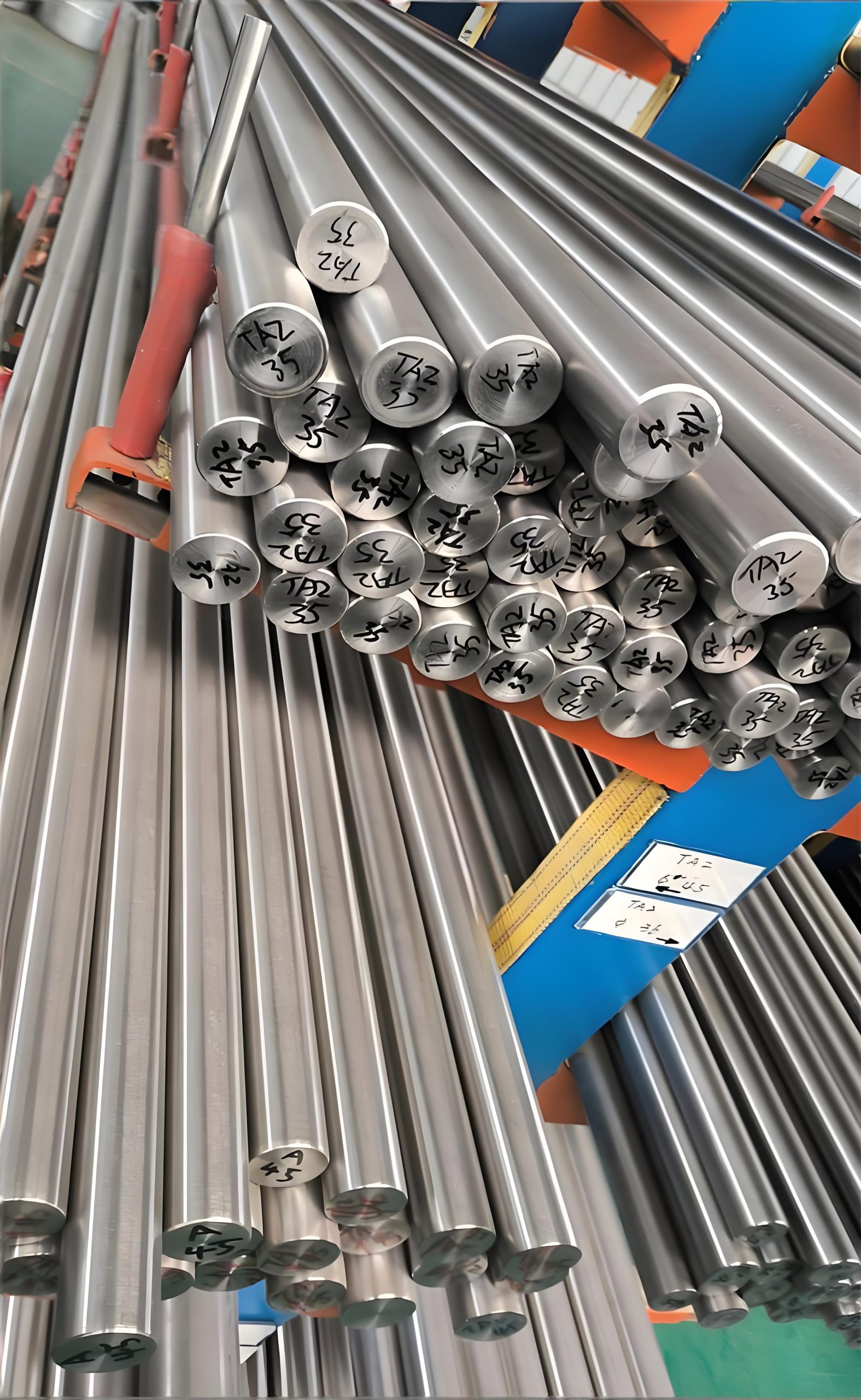
| Buyer Concern | Why It Matters for Inconel 625 Bar |
|---|---|
| High-temperature load | Yield strength determines whether shafts, rods, fasteners, and supports can resist permanent deformation. |
| Design safety factor | Engineers need temperature-based strength data, not only room-temperature values. |
| Heat treatment condition | Annealed, solution annealed, forged, and cold worked bars may show different values. |
| Standard compliance | ASTM, ASME, AMS, VdTÜV, and customer specifications may define different acceptance values. |
| Application selection | Inconel 625 may be suitable for hot corrosive service, but temperature and stress must be checked together. |
Inconel 625 yield strength generally decreases as temperature rises. A typical reference for Alloy 625 shows yield strength around 330 MPa at 20°C, around 290 MPa at 100°C, around 260 MPa at 300°C, around 265 MPa at 500°C, around 245 MPa at 650°C, around 215 MPa at 800°C, and around 100 MPa at 1000°C. These values are useful for technical comparison, but they should not replace the actual standard or MTC for a specific bar order.
The decrease is not perfectly linear. Around some intermediate temperatures, tensile behavior may be influenced by work hardening, strain aging effects, test method, and metallurgical condition. In practical purchasing, the important point is simple: do not use room-temperature yield strength for high-temperature design. If the bar will work at 500°C, 650°C, 700°C, or above, the elevated-temperature strength data must be reviewed.
| Temperature | Typical Yield Strength Reference | Engineering Meaning |
|---|---|---|
| 20°C | About 330 MPa | Room-temperature reference for annealed or solution annealed material in typical data tables. |
| 100°C | About 290 MPa | Strength begins to decrease, but remains useful for warm service. |
| 300°C | About 260 MPa | Still suitable for many hot chemical and marine applications. |
| 500°C | About 265 MPa | High-temperature design should consider stress level and exposure time. |
| 650°C | About 245 MPa | Common elevated-temperature comparison point for Alloy 625. |
| 800°C | About 215 MPa | Creep and long-term stability become more important. |
| 1000°C | About 100 MPa | Short-time strength is much lower; long-term use requires careful design review. |
Inconel 625 bar is commonly identified as UNS N06625 and W.Nr. 2.4856. It may also be called Alloy 625, Nickel Alloy 625, Inconel Alloy 625, or NiCr22Mo9Nb depending on region and supplier. Correct grade identification is important because Inconel 625 is often compared with Inconel 600, Inconel 718, Hastelloy C276, Alloy 825, and stainless steels, but these materials have different strength and temperature behavior.
| Identification Item | Inconel 625 Bar |
|---|---|
| Common Name | Inconel 625 / Alloy 625 / Nickel Alloy 625 |
| UNS Number | UNS N06625 |
| W.Nr. | 2.4856 |
| Alloy Type | Nickel-chromium-molybdenum-niobium alloy |
| Main Strengthening Method | Solid solution strengthening by molybdenum and niobium |
| Common Bar Specifications | ASTM B446, ASME SB446, ASTM B564 for forgings, AMS 5666, ISO 9723, EN and customer specifications |
When purchasing Inconel 625 bar, the quotation, MTC, product label, and packing list should clearly show UNS N06625. If a supplier quotes only “Inconel bar” or “nickel alloy bar,” the grade is not clear enough. For yield strength vs temperature analysis, the exact grade and condition are essential.
Room-temperature yield strength of Inconel 625 bar depends on product form and delivery condition. For annealed or solution annealed material, a common reference value may be around 330 MPa to 460 MPa. Some standards and product forms may require higher minimum values. Cold drawn or cold worked bars can show higher yield strength because deformation increases strength.
| Bar Condition | Typical Yield Strength Direction | Practical Meaning |
|---|---|---|
| Annealed Bar | Moderate yield strength with good ductility | Good for fabrication, machining, and corrosion-resistant service. |
| Solution Annealed Bar | Stable structure, often used for high-temperature service | Better for elevated-temperature applications requiring creep consideration. |
| Cold Drawn Bar | Higher yield strength | Useful for small rods, precision parts, and higher-strength components. |
| Forged Bar | Depends on forging size and heat treatment | Used for large shafts, heavy machined parts, and pressure components. |
A room-temperature yield strength value is useful for initial material comparison, but it is not enough for parts working at elevated temperature. A bar that meets room-temperature mechanical requirements may still need elevated-temperature strength, creep, stress rupture, or ASME allowable stress review before it is accepted for hot service.
The following table gives a practical reference for Inconel 625 bar yield strength vs temperature. These values are useful for technical content, preliminary design comparison, and buyer education. Final engineering design should use the required standard, customer specification, design code, and actual MTC.
| Temperature | Temperature | Yield Strength Rp 0.2 | Yield Strength Rp 0.2 | Tensile Strength Reference | Application Note |
|---|---|---|---|---|---|
| 20°C | 68°F | 330 MPa | 47.9 ksi | 730 MPa | Room-temperature baseline for annealed or solution annealed reference condition. |
| 100°C | 212°F | 290 MPa | 42.1 ksi | 600 MPa | Useful for warm service and low-temperature process equipment. |
| 200°C | 392°F | 265 MPa | 38.4 ksi | 580 MPa | Still strong for many chemical and marine applications. |
| 300°C | 572°F | 260 MPa | 37.7 ksi | 560 MPa | Common elevated-temperature reference point. |
| 400°C | 752°F | 260 MPa | 37.7 ksi | 540 MPa | Suitable for many hot chemical components if corrosion and stress are acceptable. |
| 500°C | 932°F | 265 MPa | 38.4 ksi | 650 MPa | Strength remains useful, but long-term exposure should be reviewed. |
| 600°C | 1112°F | 255 MPa | 37.0 ksi | 640 MPa | Material condition becomes important; solution annealed condition is often considered. |
| 650°C | 1202°F | 245 MPa | 35.5 ksi | 625 MPa | High-temperature applications should also evaluate creep and design allowable stress. |
| 700°C | 1292°F | 240 MPa | 34.8 ksi | 610 MPa | Used as a high-temperature comparison point, but long-term stress must be checked. |
| 800°C | 1472°F | 215 MPa | 31.2 ksi | 450 MPa | Short-time strength is lower; creep and oxidation are more important. |
| 900°C | 1652°F | 190 MPa | 27.6 ksi | 250 MPa | Use only after careful design review and appropriate material condition selection. |
| 1000°C | 1832°F | 100 MPa | 14.5 ksi | 120 MPa | Very high-temperature use requires strict engineering evaluation. |
The table shows that Inconel 625 does not lose strength suddenly at moderate temperatures. From 100°C to 650°C, the yield strength remains within a useful range for many industrial applications. However, at 800°C and above, short-time strength decreases more clearly, and time-dependent creep behavior becomes a major design factor.
For many buyers, the most important temperatures are not every 100°C interval, but specific service points such as 100°C, 300°C, 500°C, and 650°C. These temperatures often correspond to chemical processing, heat exchanger, marine exhaust, refinery, offshore, flue gas, and high-temperature corrosion service.
At 100°C, Inconel 625 bar may show yield strength around 290 MPa in typical reference data. This is still strong enough for many warm chemical and seawater applications. In most cases, corrosion resistance may be more important than strength at this temperature.
At 300°C, yield strength may be around 260 MPa. This temperature range is common in hot process equipment, heat exchangers, and some marine or exhaust-related parts. Inconel 625 remains useful because it combines strength with oxidation and chloride resistance.
At 500°C, typical yield strength may be around 265 MPa. The strength remains stable enough for many applications, but engineers should begin paying more attention to long-term thermal exposure, microstructure, and stress level.
At 650°C, typical yield strength may be around 245 MPa. This is a key temperature point because many high-temperature design discussions occur around 600°C to 700°C. For long-term service in this range, creep data and solution annealed condition may be more important than simple short-time yield strength.
Above 700°C, Inconel 625 still has useful short-time strength, but the design approach changes. Yield strength alone is no longer enough. Creep rupture strength, time-dependent deformation, oxidation, carburization, thermal fatigue, and exposure time become critical.
| Temperature Point | Typical Yield Strength | Design Focus |
|---|---|---|
| 100°C | About 290 MPa | Corrosion resistance and general mechanical strength. |
| 300°C | About 260 MPa | Process temperature strength and corrosion resistance. |
| 500°C | About 265 MPa | High-temperature strength and material condition. |
| 650°C | About 245 MPa | Creep, stress level, solution annealed condition, and design code review. |
| 800°C and above | Lower short-time yield strength | Creep rupture, oxidation, thermal fatigue, and exposure time. |
Inconel 625 maintains strength at elevated temperature because its nickel-chromium matrix is strengthened by molybdenum and niobium. This solid solution strengthening mechanism makes dislocation movement more difficult and helps the alloy retain mechanical strength at temperatures where many stainless steels and ordinary alloys weaken more quickly.
Another important point is that Inconel 625 does not need precipitation-hardening heat treatment to develop its normal strength. This gives it stable performance and excellent fabricability. It also reduces the risk of strength loss caused by incorrect aging treatment, which can be an issue in age-hardened alloys.
| Strength Contributor | Effect on Inconel 625 Bar |
|---|---|
| Nickel Matrix | Provides stable high-temperature base structure and ductility. |
| Chromium | Improves oxidation resistance and supports corrosion resistance. |
| Molybdenum | Strong solid solution strengthening and pitting resistance. |
| Niobium plus Tantalum | Additional solid solution strengthening and improved high-temperature strength. |
| Controlled Carbon | Helps maintain weldability and reduces harmful precipitation risk when properly controlled. |
The elevated-temperature strength of Inconel 625 bar depends on the combined effect of nickel, chromium, molybdenum, and niobium. Each element has a specific function. The alloy is not simply “high nickel.” It is a carefully balanced Ni-Cr-Mo-Nb alloy designed for strength and corrosion resistance.
Nickel provides the base matrix. It gives the alloy good ductility, thermal stability, and resistance to chloride stress corrosion cracking. Nickel also allows the alloy to maintain useful mechanical properties at elevated temperature.
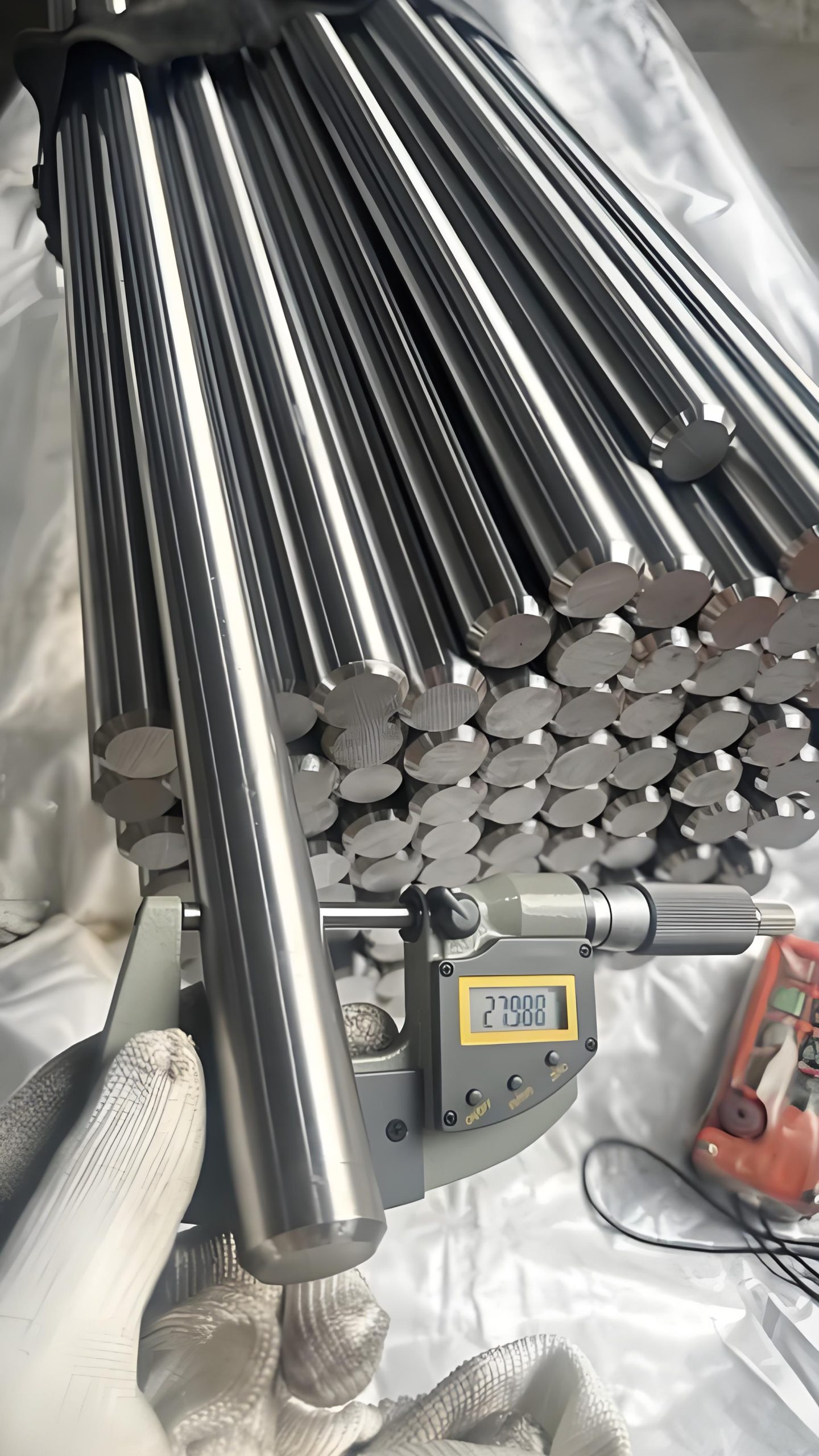
Chromium improves oxidation resistance and helps protect the alloy surface in hot gas or oxidizing environments. It also contributes to resistance against many corrosive media.
Molybdenum is one of the most important strengthening elements in Inconel 625. It strengthens the nickel matrix and improves resistance to pitting and crevice corrosion, especially in chloride-containing environments.
Niobium, often listed together with tantalum, contributes to matrix stiffening and high-temperature strength. In Inconel 625, niobium is part of the reason the alloy can maintain strength without conventional precipitation hardening.
| Element | Typical Composition Range | High-Temperature Strength Effect |
|---|---|---|
| Nickel | 58.0% min | Stable base matrix for strength and ductility. |
| Chromium | 20.0% – 23.0% | Oxidation resistance and corrosion resistance. |
| Molybdenum | 8.0% – 10.0% | Solid solution strengthening and pitting resistance. |
| Niobium plus Tantalum | 3.15% – 4.15% | Matrix strengthening and elevated-temperature strength support. |
| Iron | 5.0% max | Controlled element in alloy balance. |
Annealed and solution annealed Inconel 625 bar can show different yield strength and high-temperature performance. This distinction matters because Alloy 625 is supplied in different grades or conditions depending on application temperature and service requirement.
Annealed Inconel 625 bar is often used for corrosion-resistant applications below about 600°C. It provides good ductility, corrosion resistance, and machinability. Room-temperature yield strength may be higher or lower depending on product form and standard, but the key advantage is balanced corrosion resistance and fabrication behavior.
Solution annealed Inconel 625 bar is often selected for higher-temperature applications above about 600°C because the solution annealed condition can provide better creep strength and thermal stability. Solution annealing is usually performed at a higher temperature than soft annealing and is followed by rapid cooling.
| Condition | Typical Use Direction | Yield Strength Meaning |
|---|---|---|
| Annealed / Soft Annealed | Corrosion service, chemical processing, marine, oil and gas | Good balance of strength, ductility, and corrosion resistance. |
| Solution Annealed | High-temperature service, exhaust, hot gas, ASME-related applications | Better for elevated-temperature stability and creep considerations. |
| Cold Worked | Higher-strength rods, precision bar, special mechanical applications | Higher room-temperature yield strength, but elevated-temperature behavior must be checked. |
Inconel 625 bar strength depends not only on alloy grade and temperature, but also on production route. Hot rolled bar, forged bar, and cold drawn bar may have different yield strength, tensile strength, hardness, grain structure, surface condition, and dimensional tolerance.
Hot rolled bar is commonly used for general machining blanks. It usually provides good ductility and balanced strength. It may require machining allowance because the surface is not as smooth as peeled or ground bar.
Forged bar is commonly used for larger diameters and heavy components. Forging may improve structure and internal soundness when properly processed. Large forged bars may require UT testing and more detailed inspection.
Cold drawn bar usually has higher yield strength than annealed hot rolled material because cold work increases strength. It also offers better tolerance and surface finish. However, for high-temperature service, cold work effects may change during thermal exposure, so the final condition should be reviewed carefully.
| Bar Type | Strength Character | Typical Use |
|---|---|---|
| Hot Rolled Bar | Balanced strength and ductility | General machining, chemical parts, shafts, fittings. |
| Forged Bar | Suitable for large sections and heavy-duty parts | Large shafts, forged components, pressure parts. |
| Cold Drawn Bar | Higher yield strength and better tolerance | Precision rods, fasteners, small machined parts. |
| Precision Ground Bar | Strength depends on previous condition; tolerance is improved | Valve stems, precision shafts, close-tolerance components. |
Yield strength and tensile strength are different mechanical properties. Yield strength indicates the stress at which permanent deformation begins. Tensile strength indicates the maximum stress before fracture. Inconel 625 bar may retain relatively high tensile strength at elevated temperature, even while yield strength decreases.
| Temperature | Yield Strength Rp 0.2 | Tensile Strength Rm | What the Difference Means |
|---|---|---|---|
| 20°C | 330 MPa | 730 MPa | High ductility and work hardening capacity. |
| 100°C | 290 MPa | 600 MPa | Strength decreases but remains useful. |
| 300°C | 260 MPa | 560 MPa | Good elevated-temperature strength for many process environments. |
| 500°C | 265 MPa | 650 MPa | Tensile strength remains strong; test behavior may vary by condition. |
| 650°C | 245 MPa | 625 MPa | Useful strength remains, but creep must be evaluated for long-term service. |
| 800°C | 215 MPa | 450 MPa | Short-time strength declines; time-dependent properties are critical. |
| 1000°C | 100 MPa | 120 MPa | Very high-temperature use requires careful design limits. |
For preventing permanent deformation, yield strength is usually the key value. For ultimate failure comparison, tensile strength is useful. For long-term high-temperature service, creep strength and stress rupture data may be more important than both yield and tensile strength. In high-temperature pressure equipment, allowable stress from the applicable code should be used.
Inconel 625 is often compared with Inconel 600, Inconel 718, and stainless steel because these materials are used in overlapping industrial environments. The right choice depends on strength, temperature, corrosion, weldability, cost, and whether precipitation hardening is acceptable.
Inconel 600 is a nickel-chromium-iron alloy with good oxidation and corrosion resistance, but it does not contain the same high molybdenum and niobium strengthening system as Inconel 625. Inconel 625 usually provides higher strength and better resistance to pitting and crevice corrosion in chloride environments.
Inconel 718 is a precipitation-hardened nickel alloy with much higher strength than Inconel 625 in many temperature ranges. However, Inconel 625 usually offers easier fabrication and excellent corrosion resistance without precipitation hardening. If maximum strength is required, Inconel 718 may be preferred. If corrosion resistance and weldability are more important, Inconel 625 may be more suitable.
Compared with 304 or 316 stainless steel, Inconel 625 has much better resistance to chloride stress corrosion cracking, pitting, crevice corrosion, and many hot corrosive environments. Stainless steel is cheaper, but it may not provide enough strength and corrosion resistance at elevated temperatures.
| Material | High-Temperature Strength | Corrosion Resistance | Practical Selection Note |
|---|---|---|---|
| Inconel 625 | Strong solid solution strengthened alloy | Excellent in chloride, seawater, acid, and mixed environments | Good balance of strength, corrosion resistance, weldability, and hot service performance. |
| Inconel 600 | Moderate compared with Alloy 625 | Good oxidation and general corrosion resistance | Useful where Mo-Nb strengthening is not required. |
| Inconel 718 | Very high after precipitation hardening | Good, but not always better than 625 in severe corrosion | Best when high strength is the main requirement. |
| 316 Stainless Steel | Lower at elevated temperature | Good in mild service but limited in severe chloride environments | Lower cost, but may fail in aggressive hot corrosion service. |
Inconel 625 can be used from cryogenic temperatures to very high temperatures, but the practical application limit depends on condition, stress, corrosion environment, exposure time, and design code. Some data sheets describe service temperatures up to about 982°C for the alloy, but this does not mean every Inconel 625 bar can carry high stress at that temperature.
Below about 600°C, Inconel 625 is widely used for chemical processing, marine engineering, oil and gas, sour service, fasteners, shafts, valve parts, and corrosion-resistant equipment. Annealed or soft annealed condition is commonly used for many corrosion service applications.
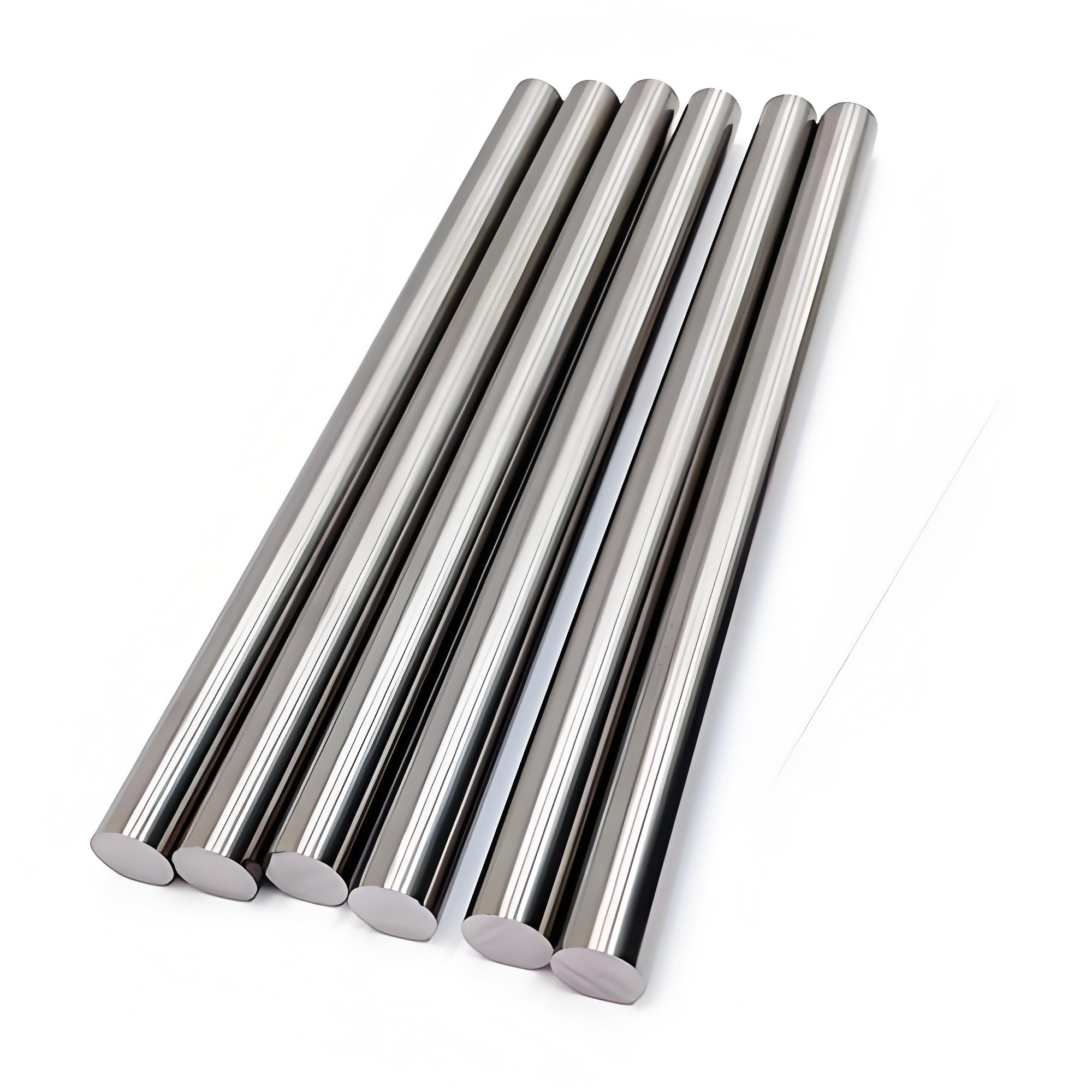
For applications above about 600°C, solution annealed Alloy 625 is often considered because it provides better high-temperature stability and creep strength. At these temperatures, long-term stress, creep rupture, oxidation, carburization, and thermal fatigue should be evaluated.
At 800°C to 1000°C, yield strength decreases significantly. Inconel 625 may still be used in selected hot gas, exhaust, furnace, or thermal equipment applications, but design must consider time, load, oxidation, and creep. For very high-strength hot-section components, other alloys such as Inconel 718, Inconel X-750, Nimonic grades, or Alloy 617 may be considered depending on conditions.
| Temperature Range | Inconel 625 Bar Use Direction | Main Design Concern |
|---|---|---|
| Cryogenic to 300°C | Excellent strength and corrosion resistance | Corrosion, toughness, and standard mechanical properties. |
| 300°C to 600°C | Useful for many hot process and marine environments | Yield strength, corrosion resistance, and thermal stability. |
| 600°C to 750°C | Possible with correct condition and design review | Creep, solution annealed condition, design allowable stress. |
| 750°C to 1000°C | Selected applications only | Creep rupture, oxidation, carburization, and exposure time. |
To check Inconel 625 bar yield strength correctly, buyers should review the MTC, applicable standard, bar condition, product size, and whether elevated-temperature testing is required. Many MTCs show room-temperature tensile strength, yield strength, elongation, hardness, chemical composition, heat number, and standard. Elevated-temperature values may not be listed unless they are required by the purchase order or project specification.
| MTC Item | What to Confirm | Why It Matters |
|---|---|---|
| Grade | Inconel 625 / Alloy 625 / UNS N06625 | Confirms the correct alloy. |
| Standard | ASTM B446, ASME SB446, AMS 5666, ISO 9723, or customer specification | Defines chemical and mechanical acceptance rules. |
| Heat Number | Same on MTC, bar label, and material marking | Provides traceability. |
| Chemical Composition | Ni, Cr, Mo, Nb+Ta, Fe, C, Si, S and other elements | Confirms alloy balance and strengthening system. |
| Mechanical Properties | Yield strength, tensile strength, elongation, hardness if required | Confirms actual bar performance. |
| Condition | Annealed, solution annealed, hot rolled, forged, cold drawn, ground | Affects yield strength and temperature behavior. |
| Elevated-Temperature Test | Test temperature and result if required | Needed when design depends on strength at a specific temperature. |
A clear inquiry can be written as: Inconel 625 round bar, UNS N06625, ASTM B446, diameter 40 mm, length 3000 mm, solution annealed condition, quantity 500 kg, with MTC showing chemical composition and room-temperature mechanical properties. If elevated-temperature yield strength is required, the buyer should state the test temperature, such as 650°C yield strength test required according to project specification.
What is the yield strength of Inconel 625 at 650°C?
The typical yield strength of Inconel 625 at 650°C is about 245 MPa in common elevated-temperature reference data. Actual values can vary according to bar condition, heat treatment, product form, diameter, standard, and test method. For design or project acceptance, buyers should check the required standard and MTC instead of using only a general data table.
Does Inconel 625 lose strength at high temperature?
Yes, Inconel 625 loses yield strength as temperature increases, but it retains useful strength better than many stainless steels and ordinary alloys. Its high-temperature strength comes mainly from molybdenum and niobium solid solution strengthening in a nickel-chromium matrix. At very high temperatures, creep, stress rupture, oxidation, and exposure time become more important than short-time yield strength alone.
Is Inconel 625 stronger than Inconel 718 at high temperature?
Inconel 625 is usually not stronger than Inconel 718 when maximum mechanical strength is the main comparison, because Inconel 718 is precipitation hardened and can reach much higher strength levels. However, Inconel 625 offers excellent corrosion resistance, weldability, and solid solution strengthened stability without age-hardening treatment. For severe corrosion and hot chemical service, Inconel 625 may be preferred; for high-strength aerospace or turbine components, Inconel 718 may be better.
More from this category
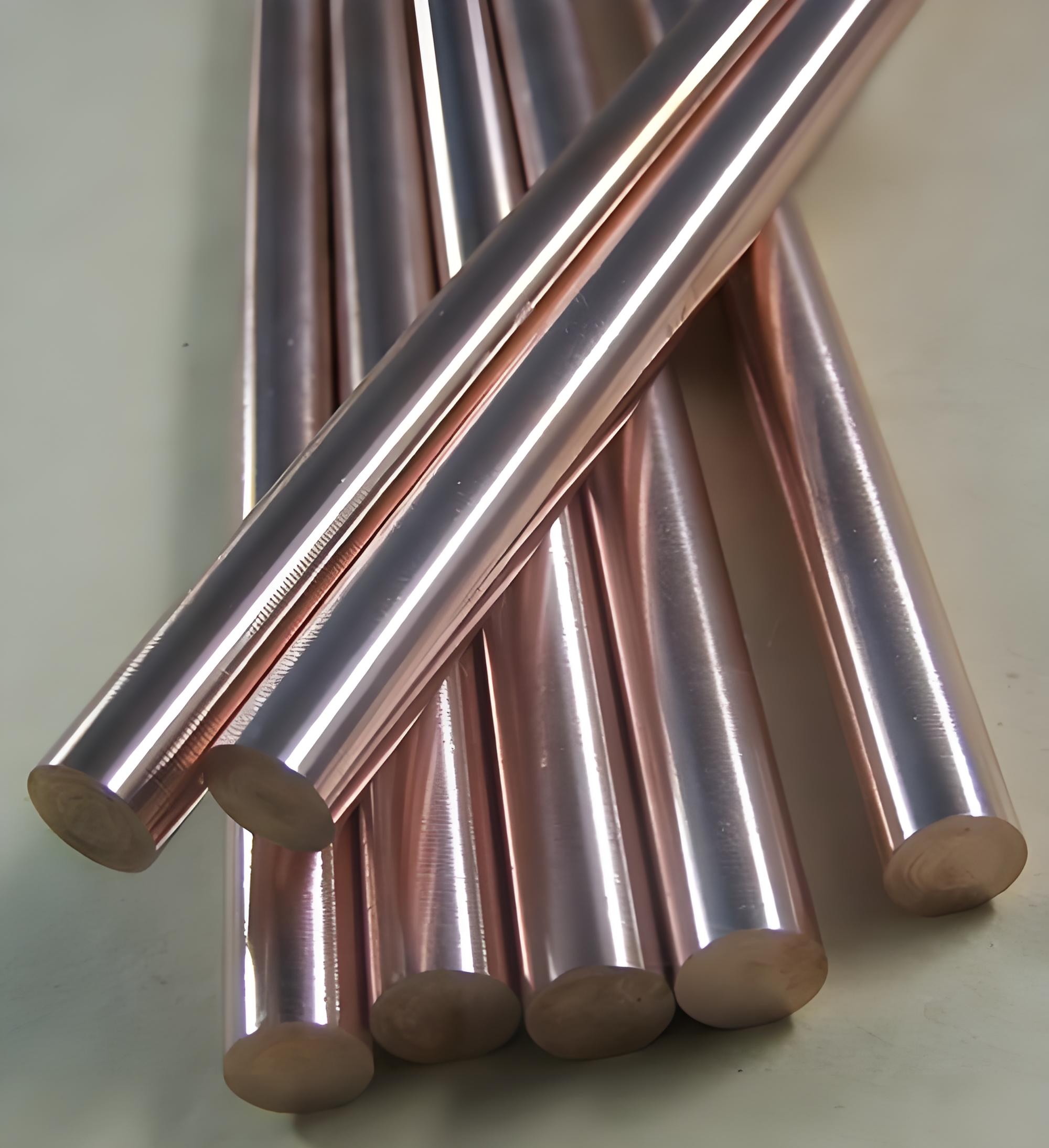
Inconel 602CA alloy bar price per kg is usually higher than common Inconel 600 and Inconel 601 bars because Alloy 602CA is a premium high-temperature ...
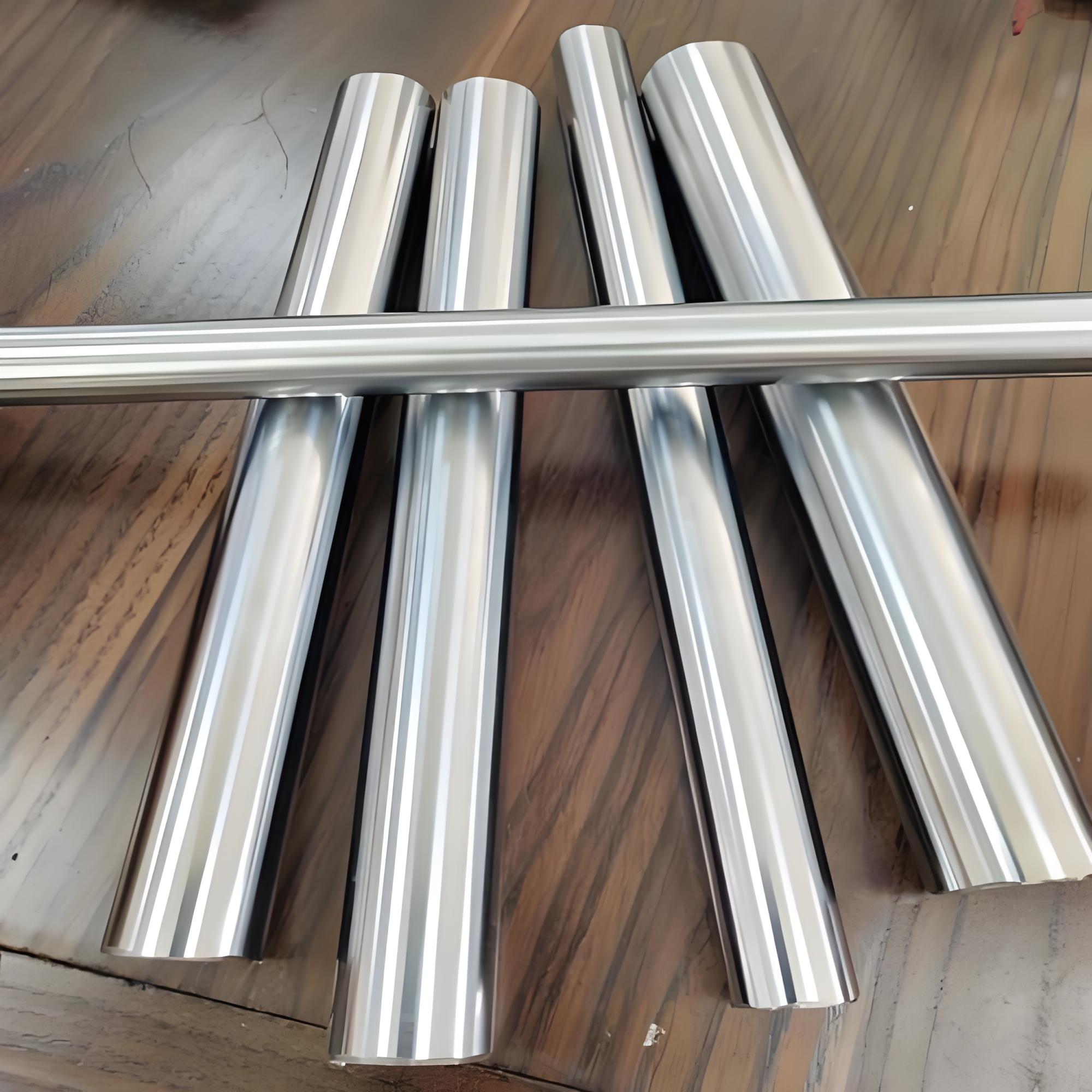
Nickel 200 bar price depends mainly on nickel raw material cost, bar shape, diameter, length, tolerance, surface finish, delivery condition, stock ava...
Nickel 200 bar manufacturers and suppliers provide commercially pure nickel bar stock for chemical processing, caustic alkali handling, food processin...
The price of Inconel 617 depends on product form, size, quantity, raw material cost, stock availability, heat treatment, surface finish, testing requi...
 English English
  Korean
 Arabic
 Spanish
 German
 Portuguese
 French
 Russian
 Italian
 Vietnamese