
Incoloy 825 Bar Price | UNS N08825 Supplier
Incoloy 825 bar price depends on the nickel-based alloy composition, bar dimensions, manufacturing route, heat-treatment condition, surface finish, in...
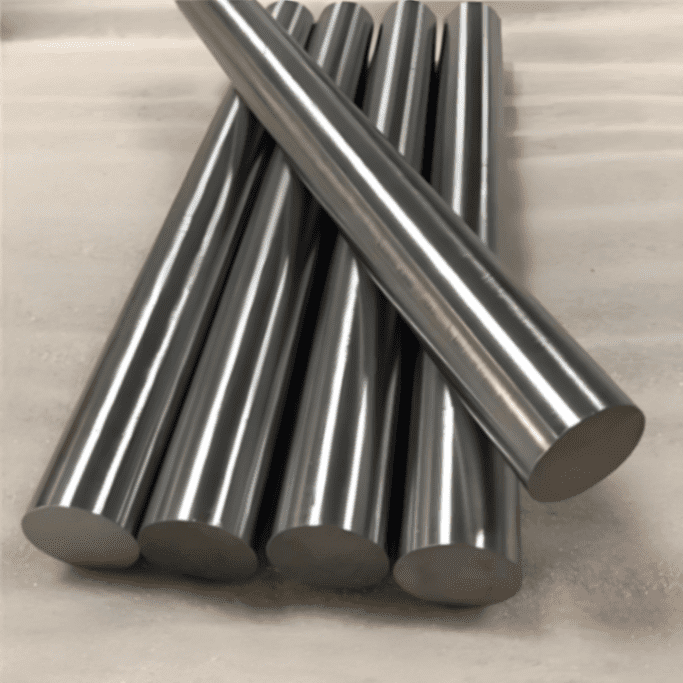
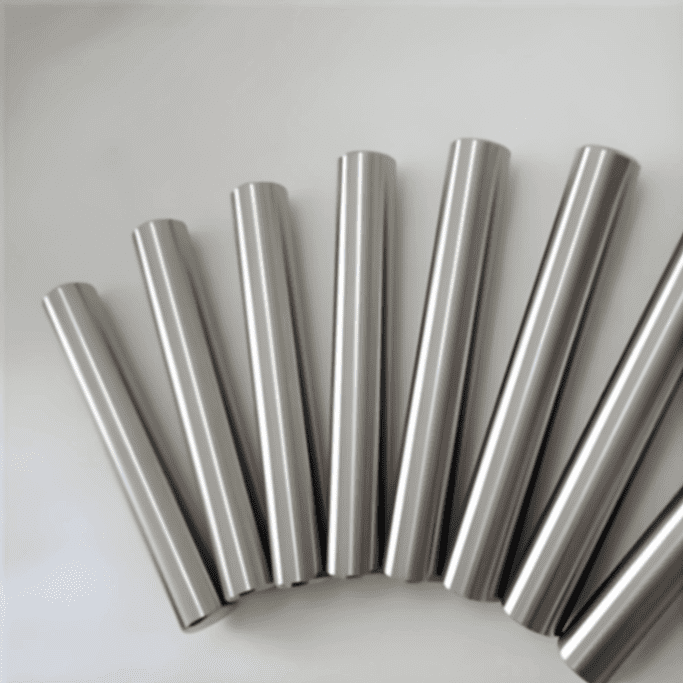
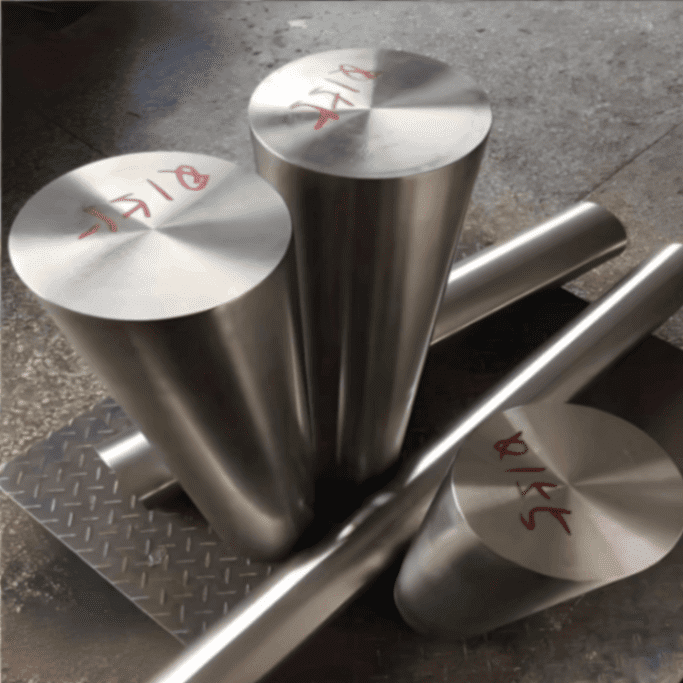
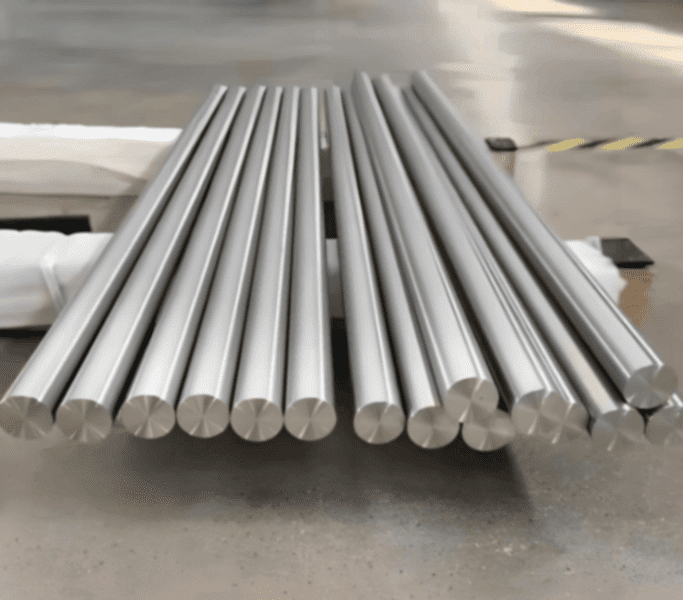
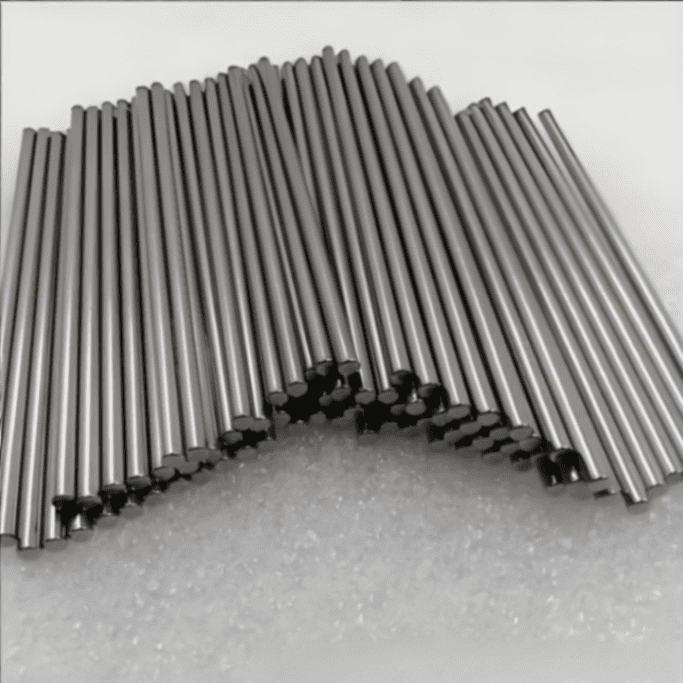
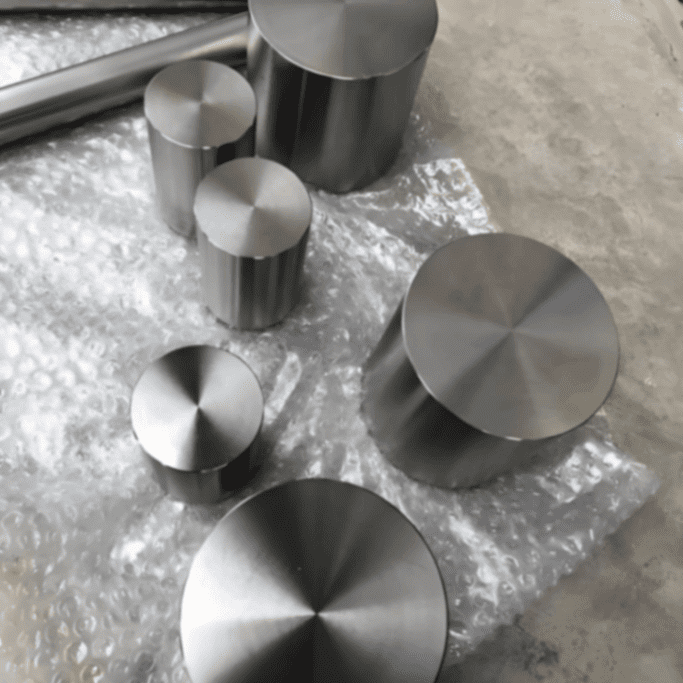
The latest Inconel 690 alloy bar price commonly ranges from approximately USD 28 to 58 per kg for standard commercial hot-rolled, annealed, or peeled round bar. Forged, cold-drawn, precision-ground, tightly toleranced, specially inspected, or small-quantity bars may cost approximately USD 40 to 105 per kg. Nuclear-grade Inconel 690 bar produced with restricted cobalt, tighter chemistry, qualified melting and processing routes, extensive ultrasonic examination, original mill documentation, and project-specific traceability may cost approximately USD 65 to 160 per kg or more. Inconel 690, also known as Alloy 690, UNS N06690, and W.Nr. 2.4642, is a high-chromium nickel alloy used for nuclear steam-generator components, high-temperature water systems, nitric-acid equipment, radioactive-waste processing equipment, furnace components, burners, recuperators, sulfur-containing gas equipment, and corrosion-resistant machined parts. The final price depends on diameter, length, quantity, standard, material condition, nuclear or commercial quality level, surface finish, tolerance, inspection scope, stock availability, and delivery terms.
Inconel 690 bar occupies a specialized position in the nickel alloy market. It contains substantially more chromium than Inconel 600 and is designed to provide excellent resistance to oxidizing chemicals, high-temperature oxidizing gases, chloride stress-corrosion cracking, sodium hydroxide solutions, and high-temperature water.
The alloy is particularly important in nuclear power generation. Its resistance to stress-corrosion cracking in high-temperature water has made it a preferred replacement for Alloy 600 in many steam-generator and reactor-related applications. Nuclear projects, however, normally require much more than standard UNS N06690 chemistry. They may specify lower cobalt, lower carbon, tighter chromium limits, qualified melting routes, controlled heat treatment, ultrasonic testing, source approval, and full traceability.
For this reason, the phrase “Inconel 690 price per kg” can refer to very different products. A commercial ASTM B166 hot-rolled bar with standard certification cannot be compared directly with a nuclear-qualified forged bar produced to a project-controlled manufacturing route.
| Inconel 690 Bar Product | Reference Price per Kg | Typical Purchasing Condition |
|---|---|---|
| Commercial hot-rolled round bar | USD 28–48/kg | Standard industrial machining blank with mill tolerance |
| Annealed and peeled round bar | USD 32–58/kg | Improved surface condition with reduced machining allowance |
| Forged Inconel 690 bar | USD 38–78/kg | Large diameter, heavy section, or custom forged blank |
| Cold-drawn bar | USD 42–85/kg | Small diameter with improved dimensional accuracy |
| Precision-ground bar | USD 50–105/kg | Tight-tolerance rods, shafts, pins, and precision components |
| Nuclear-grade or project-qualified bar | USD 65–160/kg or higher | Restricted chemistry, controlled route, expanded inspection, and full traceability |
These prices are budgetary material references rather than formal offers. International freight, insurance, import duties, taxes, anti-dumping duties, source inspection, third-party witnessing, and destination-country expenses are not automatically included.
The direct answer is that standard commercial Inconel 690 alloy bar currently costs approximately USD 28 to 58 per kg for many normal industrial orders. Medium-diameter stock bars in an annealed, hot-rolled, or peeled condition usually fall within this range.
Small cold-drawn rods, large forged bars, precision-ground material, unusual diameters, tight tolerances, fixed-length pieces, and specially tested material commonly cost approximately USD 40 to 105 per kg. Nuclear-grade material may cost USD 65 to 160 per kg or more because the purchase price includes much stricter manufacturing, inspection, documentation, and traceability requirements.
| Supply Description | Current Budgetary Price | Price Explanation |
|---|---|---|
| Standard stock round bar | USD 28–52/kg | Common diameter, normal length, standard commercial MTC |
| Stock bar cut to fixed lengths | USD 31–60/kg | Includes cutting, kerf loss, identification transfer, and repacking |
| Large forged round bar | USD 40–82/kg | Includes forging, annealing, rough turning, and possible UT |
| Precision-ground round bar | USD 50–105/kg | Includes peeling, straightening, grinding, and dimensional inspection |
| Commercial material with additional testing | USD 45–95/kg | PMI, UT, mechanical testing, or third-party inspection adds cost |
| Nuclear-qualified material | USD 65–160/kg or higher | Restricted chemistry, approved route, enhanced inspection, and nuclear documentation |
Some online listings show Inconel 690 at prices in the low USD 20 per kg range. Such prices may apply to a large minimum order, one specific size, basic commercial material, old inventory, mixed-origin stock, or material without nuclear-grade documentation. They may also exclude annealing, cutting, testing, export packing, and freight.
Before accepting a low quotation, buyers should verify the exact grade, heat number, standard, manufacturer, chemistry, condition, dimensions, inspection certificate, and stock status. A low price has little value if the supplied bar cannot pass the project’s incoming inspection.
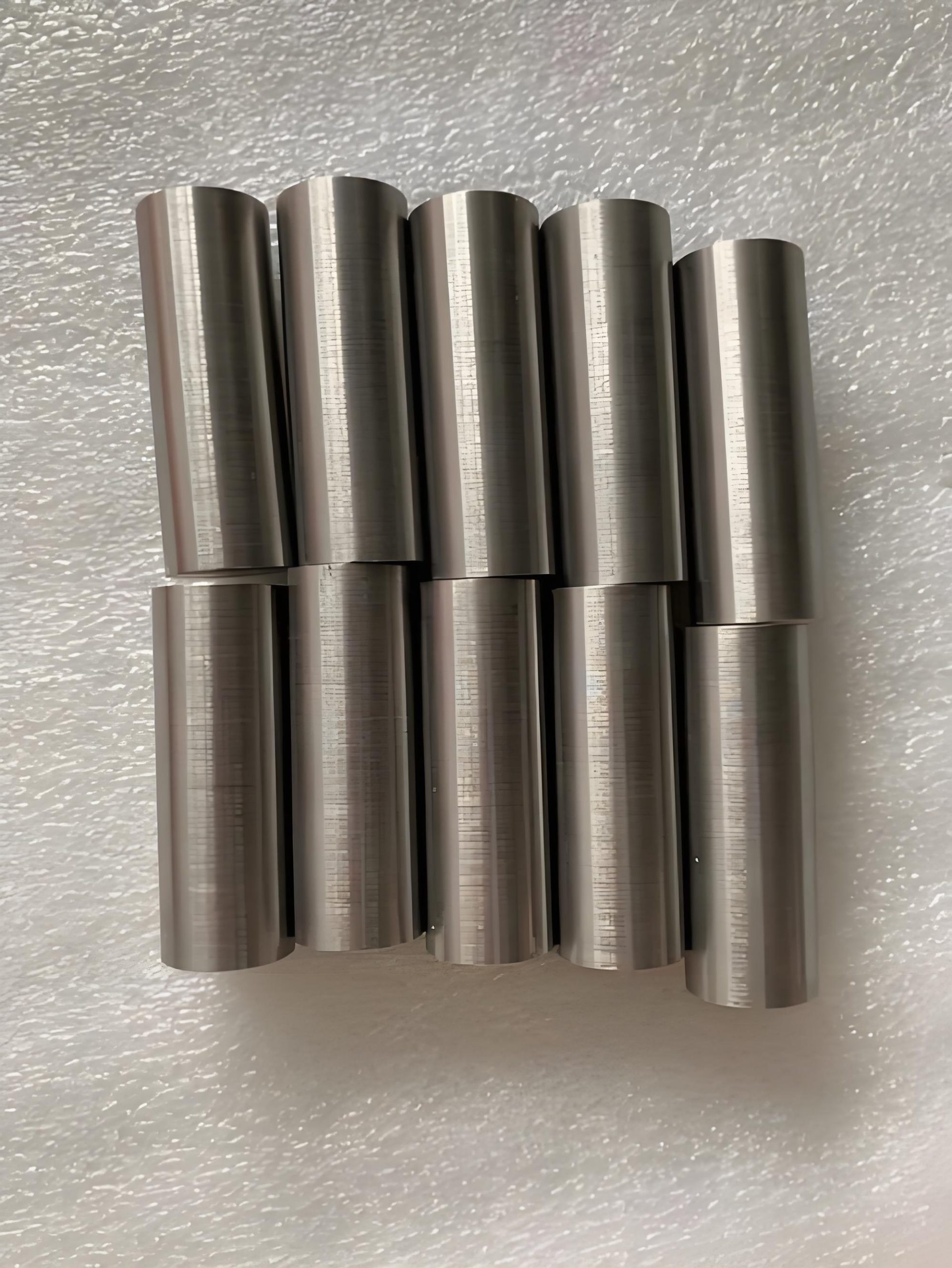
Inconel 690 is commonly identified as UNS N06690 and W.Nr. 2.4642. Other descriptions include Alloy 690, Nickel Alloy 690, NiCr29Fe, ISO NW6690, and Nicrofer 6030. UNS N06690 should appear on the purchase order, quotation, MTC, product marking, packing list, and inspection reports.
Correct grade identification is essential because Inconel 690 is sometimes confused with Inconel 600, Inconel 601, Inconel 625, or other nickel-chromium alloys. These materials have different chromium contents, corrosion behavior, nuclear service history, heat-treatment conditions, and prices.
| Designation | Meaning | Purchasing Note |
|---|---|---|
| Inconel 690 | Common trademark-style alloy name | Frequently used on drawings and RFQs |
| Alloy 690 | Generic commercial name | Commonly used by mills and stockholders |
| UNS N06690 | Unified Numbering System designation | Primary international grade identifier |
| W.Nr. 2.4642 | European material number | Common in European drawings and certificates |
| NiCr29Fe | Composition-based European designation | Highlights the high chromium nickel-iron composition |
| ISO NW6690 | ISO alloy designation | May appear in international procurement documents |
| Specification | General Product Coverage | Buyer Consideration |
|---|---|---|
| ASTM B166 | Nickel-chromium alloy rod, bar, and wire | Common commercial bar specification |
| ASME SB166 | ASME-adopted rod, bar, and wire specification | Used in pressure and code-related projects |
| ASTM B564 | Nickel alloy forgings and forging stock | Relevant to forged bars, flanges, and custom components |
| ASME SB564 | ASME-adopted forging specification | May be required for pressure-component forgings |
| ISO 9723 | Nickel and nickel alloy bars | International procurement reference |
| ASME Code Case N-525 | Nuclear-related material use provisions | Project engineering and code compliance must be reviewed |
| MIL-DTL-24801 | Military and naval material requirements | May include additional documentation and testing |
Inconel 690 is a high-chromium nickel-iron alloy. Nickel provides resistance to chloride stress-corrosion cracking and caustic environments. Chromium provides outstanding resistance to oxidizing chemicals, high-temperature oxidation, and many sulfur-containing atmospheres. Iron forms a controlled part of the alloy balance.
| Element | Standard Range or Limit | Main Function |
|---|---|---|
| Nickel | 58.0% minimum | Provides the principal matrix and stress-corrosion-cracking resistance |
| Chromium | 27.0–31.0% | Provides resistance to oxidizing chemicals and high-temperature oxidation |
| Iron | 7.0–11.0% | Controlled major constituent of the alloy balance |
| Carbon | 0.05% maximum | Affects carbide formation and grain-boundary structure |
| Silicon | 0.50% maximum | Controlled residual and processing-related element |
| Manganese | 0.50% maximum | Controlled minor element |
| Sulfur | 0.015% maximum | Kept low to support hot workability and weld quality |
| Copper | 0.50% maximum | Controlled residual element |
Nuclear-service requirements may be tighter than the general commercial composition. One published nuclear-application amendment specifies chromium at approximately 28.0% to 31.0%, carbon at 0.04% maximum, and cobalt at 0.10% maximum.
These limits should not be interpreted as a universal specification for every nuclear project. Reactor designers, steam-generator manufacturers, utilities, and regulatory documents may impose their own chemistry, melting, heat-treatment, cleanliness, and traceability requirements.
| Controlled Element | Example Nuclear Requirement | Reason for Additional Control |
|---|---|---|
| Chromium | 28.0–31.0% | Maintains high resistance to oxidizing and high-temperature water environments |
| Carbon | 0.04% maximum | Controls carbide precipitation and grain-boundary behavior |
| Cobalt | 0.10% maximum | Reduces cobalt activation and radiation-field concerns in nuclear systems |
The MTC should show the actual chemical analysis of the supplied heat. A generic material description or handheld PMI result is not enough to confirm low carbon or low cobalt requirements. Laboratory heat analysis and original mill documentation are especially important for nuclear applications.
The main raw material cost of Inconel 690 comes from nickel and chromium. Nickel represents at least 58% of the composition, while chromium represents approximately 27% to 31%. Iron is less expensive but remains an important part of the alloy balance.
Nickel is the largest cost component by weight. Changes in the LME nickel price affect new mill production, alloy surcharges, and supplier replacement value. Finished Inconel 690 bar, however, costs substantially more than raw nickel because it includes melting, forging or rolling, annealing, testing, processing loss, financing, and stockholding.
Alloy 690 contains more chromium than Inconel 600 and Inconel 601. Chromium gives the alloy its strong resistance to oxidizing acids, high-temperature gases, sulfur-containing environments, and high-temperature water. The high chromium percentage adds both material value and melting-control requirements.
Iron represents approximately 7% to 11% of the alloy. It is less expensive than nickel and chromium, so it moderates the raw material cost to some extent. However, the alloy cannot be priced simply by averaging raw metal values because nickel alloy manufacturing requires specialized melting and processing.
Carbon and cobalt are present in much smaller quantities but can have a significant commercial effect in nuclear-grade material. Achieving low cobalt may require selected raw materials, dedicated charge control, laboratory verification, and segregation from standard production. This increases cost even though cobalt is not a major intentional alloying element in commercial Inconel 690.
| Element or Requirement | Typical Content | Relative Cost Influence | Technical Importance |
|---|---|---|---|
| Nickel | 58% minimum | Very high | Base matrix and stress-corrosion-cracking resistance |
| Chromium | 27–31% | High | Oxidizing corrosion and high-temperature oxidation resistance |
| Iron | 7–11% | Lower | Controlled major constituent of the alloy |
| Low carbon | Project-dependent | Medium processing premium | Controls carbide and grain-boundary behavior |
| Low cobalt | May be limited to 0.10% for nuclear use | High qualification premium | Reduces activation-related concerns |
Medium-diameter Inconel 690 bars usually have the most stable commercial price because they can be produced and stocked by conventional hot rolling or forging. Small rods require more finishing per kilogram, while large bars may need custom forging and extensive inspection.
| Diameter Range | Commercial-Grade Reference Price | Typical Supply Route |
|---|---|---|
| 3–10 mm | USD 48–98/kg | Cold drawn, straightened, polished, or precision ground |
| 12–20 mm | USD 40–82/kg | Cold drawn, peeled, or small hot-finished bar |
| 22–80 mm | USD 28–58/kg | Common hot-rolled, forged, or peeled stock bar |
| 85–150 mm | USD 34–68/kg | Hot-rolled or forged annealed bar |
| 160–250 mm | USD 42–85/kg | Custom-forged, rough-turned, annealed, and frequently UT-tested |
| Above 250 mm | Custom quotation | Project-specific forging, heat treatment, machining, and inspection |
Nuclear-grade pricing may be substantially higher than the commercial ranges in this table. Diameter is only one factor; low-cobalt chemistry, approved source, inspection class, manufacturing route, and certification often have a greater influence.
| Diameter | Approximate Weight per Meter | Purchasing Meaning |
|---|---|---|
| 20 mm | About 2.57 kg/m | Low total weight, but small-diameter processing can raise price per kg |
| 50 mm | About 16.1 kg/m | Common machining size with more stable commercial availability |
| 100 mm | About 64.3 kg/m | Higher total value and heavier cutting requirements |
| 200 mm | About 257 kg/m | Usually forged and may require UT and special handling |
The weights are approximate and calculated using a nominal density of about 8.19 g/cm³. Actual invoice weight should be based on measured dimensions or scale weight.
Small-diameter bar has a lower total weight but may have a higher price per kilogram. Producing a precision rod requires more drawing, annealing, straightening, grinding, and inspection for every kilogram of saleable material.
| Small-Bar Requirement | Effect on Cost |
|---|---|
| Multiple cold-drawing passes | Add tooling, lubrication, equipment time, and process control |
| Intermediate annealing | Add furnace cycles and handling between reductions |
| Precision straightening | Requires controlled correction and dimensional inspection |
| Centerless grinding | Adds finishing cost and reduces finished-material yield |
| Small order quantity | Spreads setup, testing, and certification costs over fewer kilograms |
Large Inconel 690 bar is normally produced by forging. A large billet or ingot may require multiple reheats, substantial forging reduction, controlled annealing, slow handling, rough turning, and ultrasonic examination.
| Large-Bar Requirement | Effect on Cost |
|---|---|
| Large billet or ingot | Raises material commitment and production MOQ |
| Multiple forging heats | Add press time, furnace energy, labor, and process risk |
| Section-through annealing | Requires longer furnace occupancy and temperature control |
| Rough turning | Removes scale and surface defects but reduces finished yield |
| Ultrasonic examination | Adds inspection cost and possible rejection risk |
The production route has a direct effect on Inconel 690 bar price. Hot-rolled bar is normally the lowest-cost option for general machining, while precision-ground bar carries the highest finishing cost.
Hot-rolled bar is suitable for general machining blanks, supports, shafts, furnace parts, and components that will undergo substantial material removal. It normally has standard mill tolerance and a rougher surface than peeled or ground material.
Forged bar is used for large diameters, heavy components, tube-sheet parts, nuclear hardware, flanges, and custom machining blanks. Its cost depends on billet size, forging reduction, annealing, rough machining, UT requirements, and mechanical testing.
Cold-drawn bar provides improved diameter tolerance, surface condition, and strength. Alloy 690 work-hardens during cold processing, and somewhat greater forming forces may be required than for Alloy 600. Intermediate annealing may therefore be necessary.
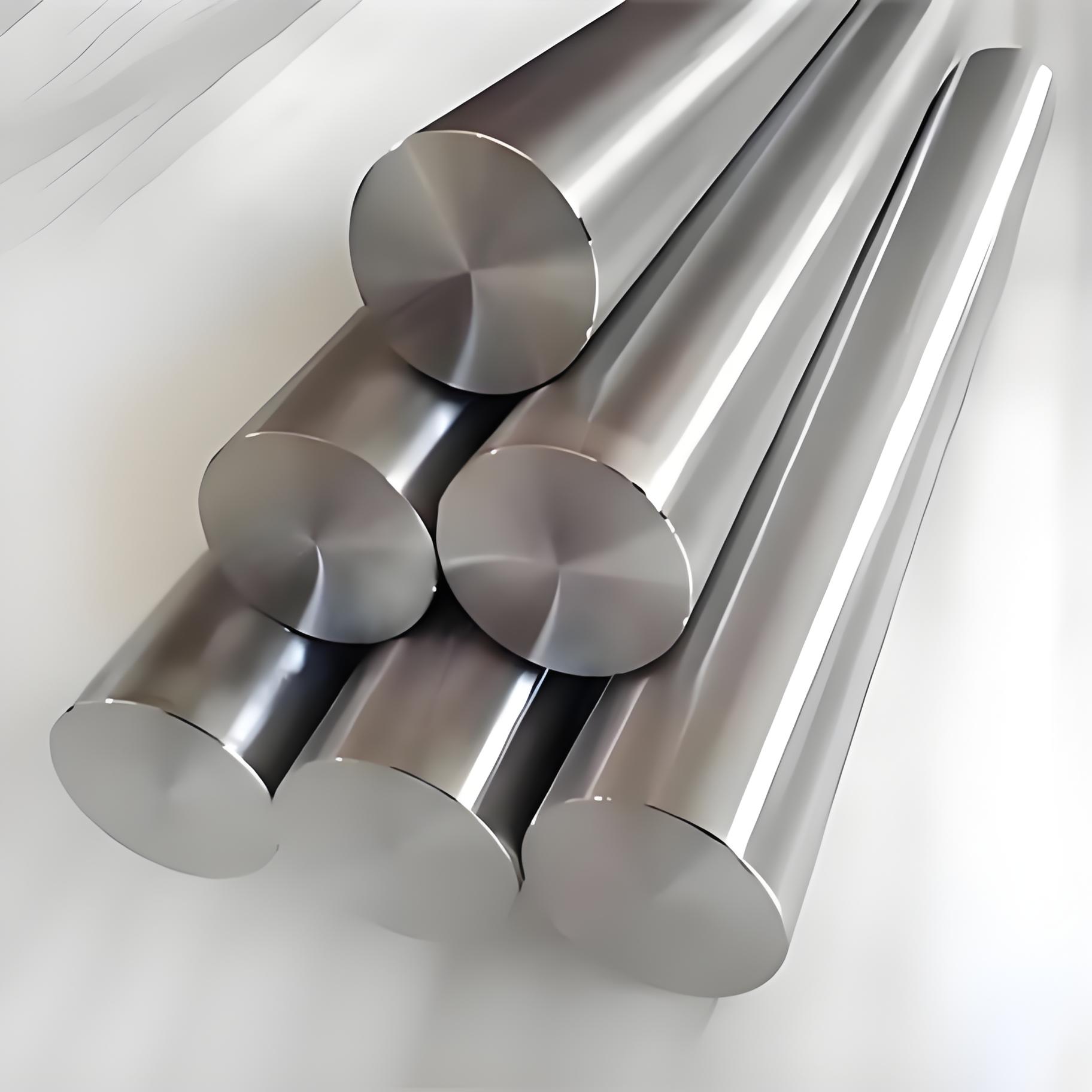
Precision-ground bar is used for shafts, pins, valve stems, instrument components, fastener blanks, and other parts requiring close diameter tolerance, straightness, roundness, and smooth surface finish.
| Bar Condition | Reference Price | Main Advantage | Main Cost Addition |
|---|---|---|---|
| Hot rolled | USD 28–48/kg | Economical general machining blank | Limited finishing and standard tolerance |
| Forged | USD 38–78/kg | Large-diameter and heavy-section capability | Forging, reheating, annealing, rough turning, and UT |
| Cold drawn | USD 42–85/kg | Improved tolerance and surface condition | Drawing, annealing, straightening, and inspection |
| Peeled or turned | USD 32–58/kg | Cleaner surface and reduced machining allowance | Surface removal and dimensional control |
| Precision ground | USD 50–105/kg | Tight tolerance and smooth surface | Grinding, straightening, inspection, and protective packing |
Inconel 690 is an austenitic, solid-solution alloy. It is not precipitation hardenable and does not develop strength through an aging treatment in the same way as Inconel 718 or Inconel X-750. It is normally used in an annealed condition.
A usual annealing temperature for Alloy 690 is approximately 1900°F, or 1040°C. The exact annealing cycle, holding time, cooling method, and acceptance criteria depend on product size, manufacturing route, applicable standard, and final service.
For standard commercial bar, annealing may already be included in the mill production price. Re-annealing after cold working, forging, welding, or machining adds furnace, handling, testing, and dimensional-control costs.
Some suppliers and project documents use the term “solution annealed” for the high-temperature annealed condition of Alloy 690. Because the alloy is solid-solution strengthened rather than precipitation hardened, the term should not be confused with a subsequent aging treatment.
Some nuclear Alloy 690 products, especially steam-generator tubing, are supplied in specially thermally treated conditions designed to control grain-boundary carbide distribution and improve resistance in high-temperature primary water. Such treatment is not automatically required for every Inconel 690 bar.
When a project requires a specific thermal treatment for bar or forged hardware, the purchase order should define the cycle, qualification procedure, furnace records, cooling requirements, microstructure acceptance, and testing. A generic instruction such as “nuclear heat treatment” is not sufficiently precise.
| Material Condition | Purpose | Typical Cost Effect |
|---|---|---|
| Standard mill annealed | Provides normal commercial structure and fabricability | Usually included in compliant mill production |
| Re-annealed after processing | Restores ductility or structure after cold work or fabrication | Adds furnace, handling, and inspection cost |
| Project-specific thermal treatment | Produces specified grain-boundary or corrosion behavior | Medium to high depending on qualification and testing |
| Nuclear-qualified thermal route | Meets approved manufacturing and metallurgical requirements | High because of process control, records, and source approval |
A treatment developed for thin steam-generator tubing cannot automatically be applied to a large forged bar. Section size affects heating time, cooling rate, carbide precipitation, residual stress, and microstructure. The heat-treatment procedure must be qualified for the actual product form and dimensions.
Stock-size Inconel 690 bar is usually more economical than custom production. However, Alloy 690 inventory is less extensive than that of Inconel 600, 625, or 718 in many markets. Common diameters may be available, while nuclear-grade, low-cobalt, large forged, or precision-ground material often requires planned production.
Ready stock can reduce MOQ, lead time, setup cost, and exposure to future nickel price changes. Buyers may save money by selecting a slightly larger stock diameter and machining it to the required size.
Custom production may involve charge selection, melting, remelting, billet preparation, forging, rolling, annealing, rough turning, UT, laboratory testing, and special certification. Production quantity must account for end discard, scale, machining allowance, samples, and test material.
| Comparison Item | Stock Size Bar | Custom Size Bar |
|---|---|---|
| Price per kg | Usually lower | Usually higher |
| MOQ | May allow one bar or cut pieces | May require a complete mill or forging batch |
| Lead time | Shorter after certificate approval | Longer because of production and inspection |
| Dimension flexibility | Limited to inventory | Can be produced closer to the required machining size |
| Chemistry flexibility | Limited to the existing heat analysis | Can be planned for low carbon or low cobalt requirements |
| Specification flexibility | Limited to original certification | Can be produced under an approved project route |
A commercial ASTM B166 stock bar cannot automatically become nuclear-grade material by adding PMI, UT, or a new certificate. Nuclear qualification may depend on the original raw materials, melting route, chemistry, manufacturing history, heat treatment, sampling plan, and source approval.
Nuclear-grade and commercial-grade Alloy 690 may share the same UNS N06690 designation, but their purchasing requirements can be very different. Nuclear-grade pricing reflects the complete quality system, not only a slightly different chemistry.
Commercial-grade bar is suitable for chemical processing, nitric-acid equipment, furnace hardware, sulfur-containing gas systems, burners, recuperators, incinerators, and general corrosion-resistant machined parts. It may be supplied according to ASTM B166 or another industrial specification with standard EN 10204 3.1 certification.
Nuclear-grade material may require low cobalt, tighter carbon and chromium limits, selected raw material, qualified melting and remelting, approved forging and heat-treatment routes, cleanliness control, UT, laboratory testing, original mill documentation, source inspection, and permanent record retention.
Some projects also require ASME nuclear code documentation, authorized inspection, material organization qualification, audited subcontractors, controlled repair procedures, and full traceability from melting through final cutting and packing.
| Quality Item | Commercial-Grade Alloy 690 | Nuclear-Grade Alloy 690 |
|---|---|---|
| Budgetary price | Approximately USD 28–58/kg | Approximately USD 65–160/kg or higher |
| Typical standard | ASTM B166 or ASME SB166 | Project specification, ASME nuclear requirements, or approved material route |
| Chemistry | Standard UNS N06690 limits | May require tighter Cr, C, Co, impurity, or trace-element limits |
| Melting route | Standard compliant production | Qualified and fully documented route, sometimes with remelting |
| Ultrasonic testing | Optional or application-dependent | Often mandatory with defined coverage and acceptance level |
| Traceability | Heat-number traceability | Full heat, lot, process, cut-piece, and document traceability |
| Inspection | Standard mill and supplier inspection | May include customer, authorized, regulatory, or third-party witnessing |
| Documentation | Standard MTC and dimensional report | Expanded records, procedures, furnace charts, test reports, and audit documents |
The cost premium comes from selected raw materials, smaller qualified batches, extensive testing, lower production flexibility, higher rejection risk, source control, auditing, document retention, and long project approval cycles. The metal itself may represent only part of the final nuclear-grade price.
Value-added processing can represent a substantial portion of the final Inconel 690 price. Buyers should separate the base material price from cutting, grinding, machining, testing, and documentation charges.
Available conditions may include hot-rolled black, descaled, pickled, peeled, rough turned, polished, or centerless ground. Each additional operation removes material and adds machine time.
Standard mill tolerance is the lowest-cost option. Tight tolerances such as h9, h8, h7, or customer-specific ground limits require additional machining or grinding and more frequent dimensional inspection.
Long rods or shafts may require controlled straightness per meter. Precision bars may also require numerical limits for ovality, roundness, and surface roughness. These requirements should be stated clearly in the RFQ.
Saw cutting includes machine time, blade wear, kerf loss, length measurement, deburring, identification transfer, and repacking. Maintaining heat-number traceability on every nuclear-grade cut piece requires additional control.
Alloy 690 should be machined using sharp tools, positive rake angles, and steady cutting feeds to minimize work hardening. The alloy’s high nickel and chromium content increases tool wear and cutting heat compared with carbon steel.
Standard commercial supply normally includes an MTC. Additional requirements may include PMI, laboratory chemical verification, low-cobalt analysis, ultrasonic examination, tensile testing, hardness testing, grain-size examination, microstructure evaluation, intergranular corrosion testing, or third-party inspection.
| Requirement | Lower-Cost Option | Higher-Cost Option |
|---|---|---|
| Surface | Hot rolled or descaled | Peeled, polished, or precision ground |
| Diameter tolerance | Standard mill tolerance | Ground tolerance with complete dimensional report |
| Length | Random or full bar length | Multiple fixed lengths with tight tolerance |
| Ends | Standard saw cut | Faced, chamfered, deburred, or machined |
| Chemistry verification | Original MTC | Independent laboratory analysis including low cobalt |
| Internal quality | Visual and dimensional inspection | Full-volume UT to project-defined acceptance criteria |
| Documentation | Standard EN 10204 3.1 MTC | Nuclear document package, witnessing, and record retention |
Order quantity affects how processing, inspection, documentation, and packing costs are distributed. Small commercial orders may carry a higher price per kg, while nuclear-grade production can remain expensive even at larger quantities because qualification and inspection costs remain substantial.
Full bars and regular commercial batches usually receive better unit pricing than small cut pieces. However, a large order that exceeds available stock may require new production at current raw material and mill conversion costs.
A stockholder may supply one commercial cut piece. A producing mill may require a complete rolling or forging batch. Low-cobalt nuclear-grade production may require a dedicated heat or qualified minimum batch that is much larger than the buyer’s final net requirement.
Ready commercial stock can often be supplied quickly after document review. Custom nuclear-grade material may require charge planning, melting, forging, heat treatment, testing, source inspection, document approval, and regulatory review. Lead time can therefore be measured in months rather than weeks.
Nickel and chromium prices affect new production and replacement value. Suppliers may limit quotation validity during volatile markets. Stock purchased earlier may not follow the latest nickel price immediately, while new mill production will generally reflect current raw material costs.
| Commercial Factor | More Economical Situation | Higher-Cost Situation |
|---|---|---|
| Quantity | Full commercial bars or regular production batch | Samples, prototypes, or many short pieces |
| MOQ | Suitable certified stock is available | Dedicated low-cobalt or nuclear production is required |
| Lead time | Normal stock processing and sea freight | Priority mill production, inspection, and air shipment |
| Raw material market | Stable nickel and chromium prices | Rapidly rising or volatile prices |
| Documentation | Standard commercial MTC | Complete nuclear quality-assurance package |
Inconel 690 normally costs more than Inconel 600 and may cost more than Inconel 601 because of its higher chromium content, specialized market, and nuclear applications. Its commercial price can overlap with Inconel 625, although the two alloys are selected for different corrosion mechanisms.
| Alloy | Budgetary Commercial Bar Price | Main Cost Reason | Main Performance Direction |
|---|---|---|---|
| Inconel 600 | Approximately USD 25–48/kg | Lower chromium and simpler Ni-Cr-Fe composition | General heat, caustic, oxidation, and corrosion resistance |
| Inconel 601 | Approximately USD 28–55/kg | Nickel-chromium-iron alloy with controlled aluminum | High-temperature oxidation and furnace applications |
| Inconel 690 | Approximately USD 28–58/kg commercially | High chromium, specialized availability, and nuclear-grade demand | High-temperature water, oxidizing acids, SCC resistance, and nuclear use |
| Inconel 625 | Approximately USD 30–65/kg | High molybdenum and niobium contents | Seawater, chlorides, pitting, crevice corrosion, and chemical service |
Inconel 600 is generally less expensive and more widely available. It is suitable for many high-temperature, caustic, and general corrosion applications. Alloy 690 justifies its higher price when increased chromium and stronger resistance to high-temperature water stress-corrosion cracking or oxidizing environments are required.
Inconel 601 contains aluminum and is designed primarily for high-temperature oxidation resistance. It is often used for furnace components, heat-treatment equipment, and thermal-processing hardware. Alloy 690 is usually preferred when high-temperature aqueous corrosion, oxidizing chemical service, or nuclear steam-generator performance is the main concern.
Commercial prices for Alloy 690 and Alloy 625 may overlap. Inconel 625 contains molybdenum and niobium and is generally stronger in seawater, chloride pitting, crevice corrosion, offshore, and many reducing chemical environments.
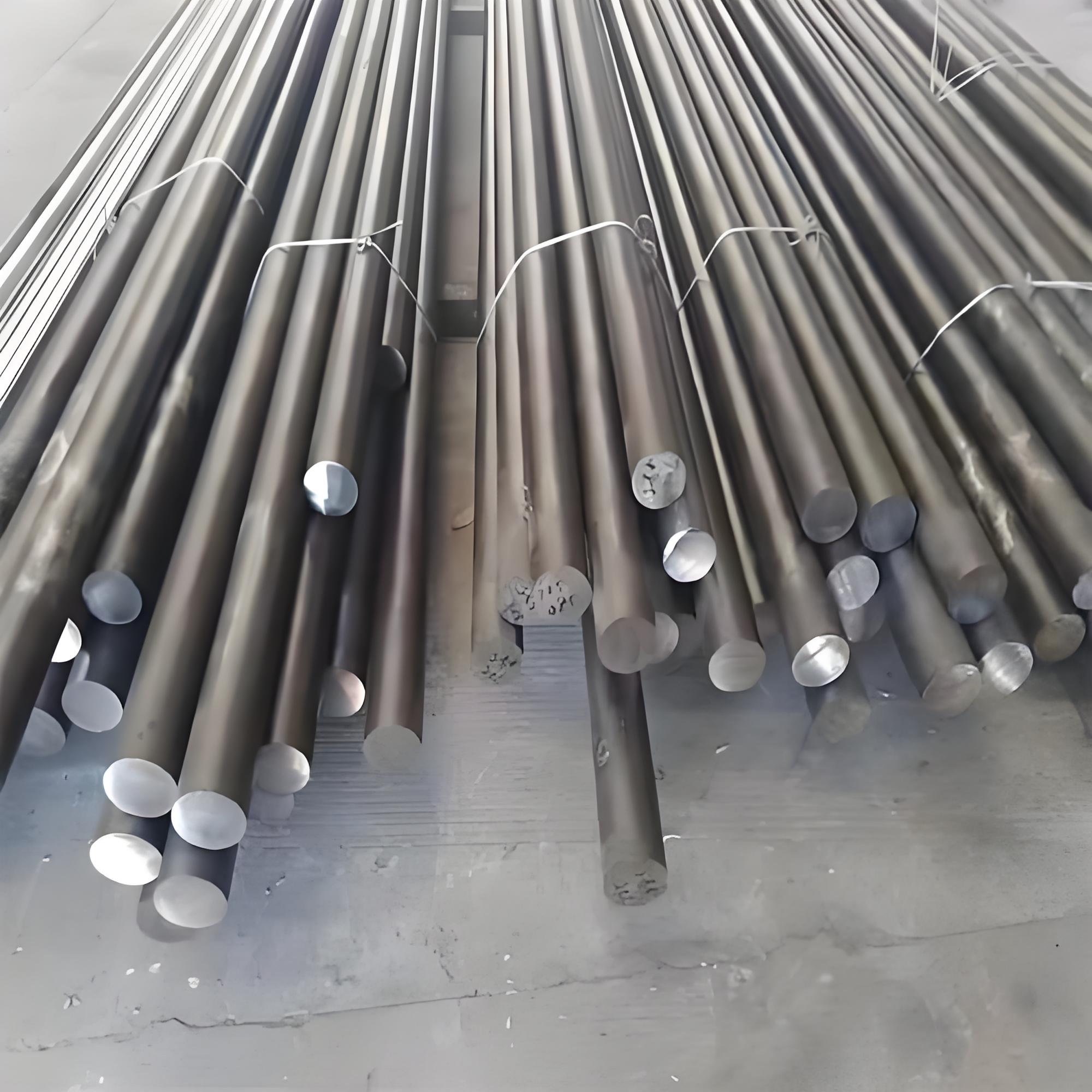
Inconel 690 has a much higher chromium content and is stronger in many oxidizing media and high-temperature water environments. Nuclear-grade Alloy 690 can cost considerably more than commercial Inconel 625 because of low-cobalt chemistry, qualified processing, and nuclear documentation.
Using Inconel 690 for a seawater shaft may not provide the most cost-effective resistance to pitting and crevice corrosion. Using Inconel 625 for a component specifically exposed to nuclear primary water may not satisfy the project’s stress-corrosion-cracking requirements. Material selection should consider the actual medium, temperature, stress, exposure time, fabrication route, and design code.
How much is Inconel 690 alloy bar per kg?
Standard commercial Inconel 690 bar commonly costs approximately USD 28 to 58 per kg. Forged, cold-drawn, precision-ground, tightly toleranced, specially tested, or small-quantity bars may cost approximately USD 40 to 105 per kg. Nuclear-grade bar with low-cobalt chemistry, qualified processing, extensive inspection, and full traceability may cost approximately USD 65 to 160 per kg or more.
Why is nuclear-grade Inconel 690 more expensive?
Nuclear-grade Alloy 690 may require tighter chromium and carbon limits, very low cobalt, selected raw materials, qualified melting and forging routes, controlled heat treatment, ultrasonic examination, laboratory testing, source inspection, audited quality systems, and permanent document traceability. These requirements increase production cost, inspection cost, rejection risk, lead time, and minimum order quantity.
Is Inconel 690 more expensive than Inconel 600 and 625?
Commercial Inconel 690 is normally more expensive than Inconel 600 because it contains more chromium and is produced in a more specialized market. Its price can overlap with Inconel 625. Standard commercial Alloy 625 may cost more or less depending on diameter and availability, while nuclear-grade Alloy 690 is often significantly more expensive because of low-cobalt chemistry, project qualification, testing, and documentation requirements.
More from this category
Incoloy 825 bar price depends on the nickel-based alloy composition, bar dimensions, manufacturing route, heat-treatment condition, surface finish, in...
Incoloy 800HT bar price is shaped by nickel, chromium, titanium, and aluminum raw-material costs, together with bar dimensions, heat-treatment conditi...
Incoloy 20 round bar price per kg depends on the alloy composition, bar size, manufacturing method, surface finish, tolerance, certificates, inspectio...
Hastelloy G-30 N06030 bar factory price is determined by the alloy’s high nickel, chromium, iron, molybdenum, copper, and tungsten content, together...
 English English
  Korean
 Arabic
 Spanish
 German
 Portuguese
 French
 Russian
 Italian
 Vietnamese