
Incoloy 825 Bar Price | UNS N08825 Supplier
Incoloy 825 bar price depends on the nickel-based alloy composition, bar dimensions, manufacturing route, heat-treatment condition, surface finish, in...
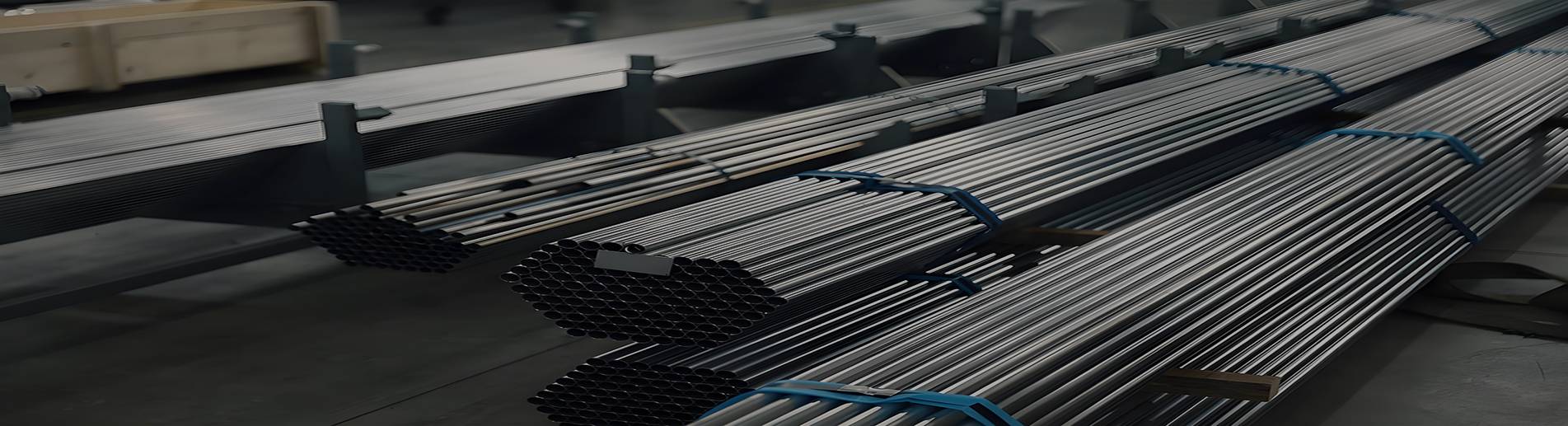
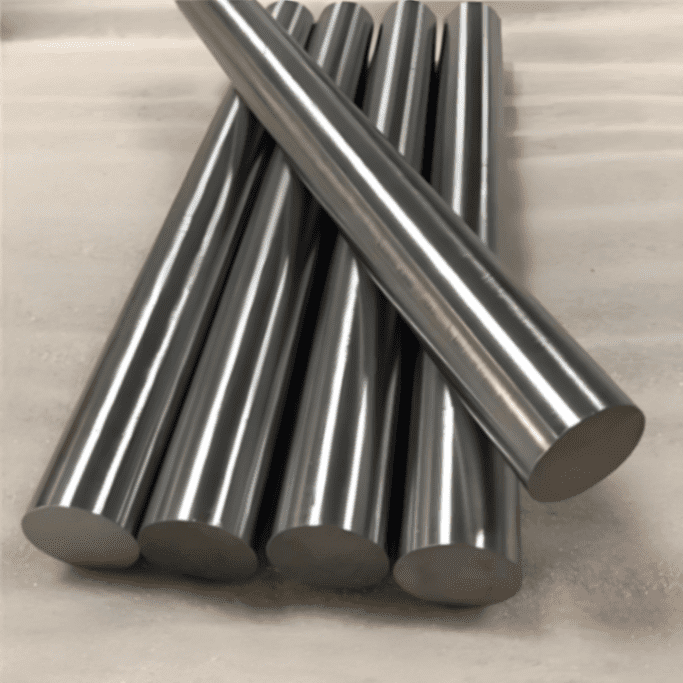
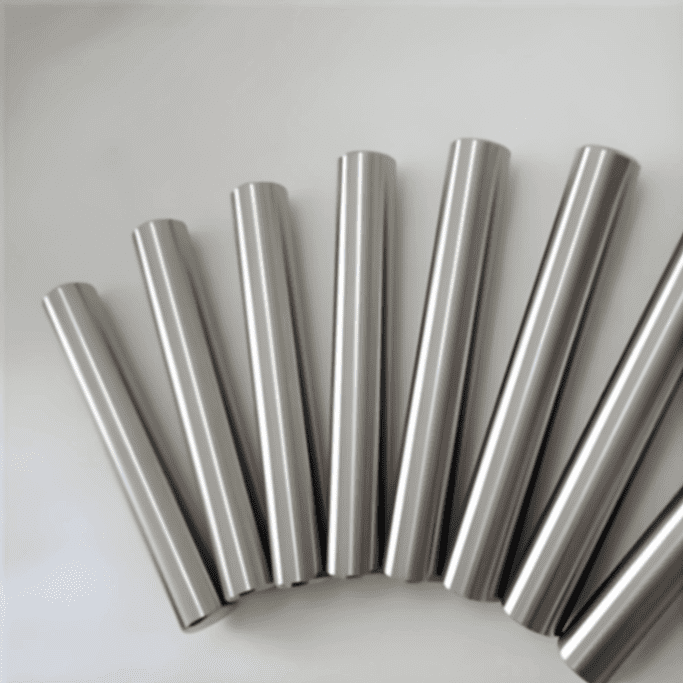
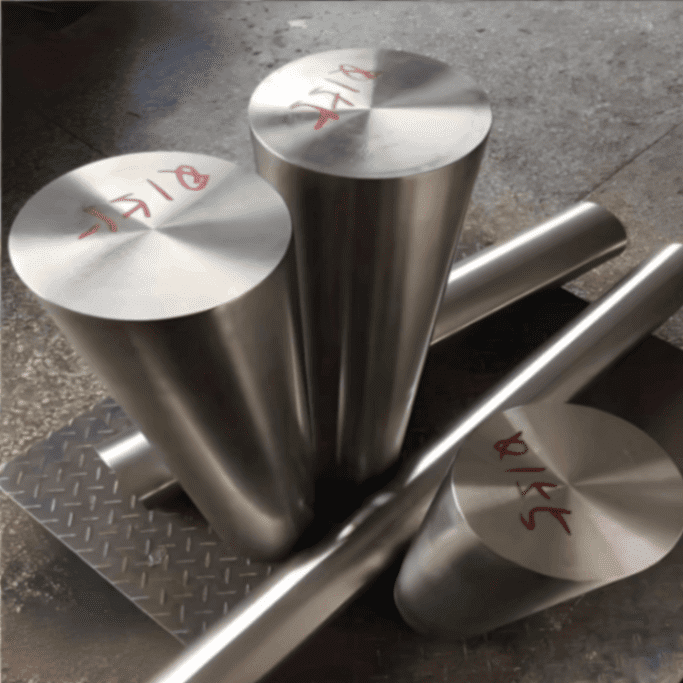
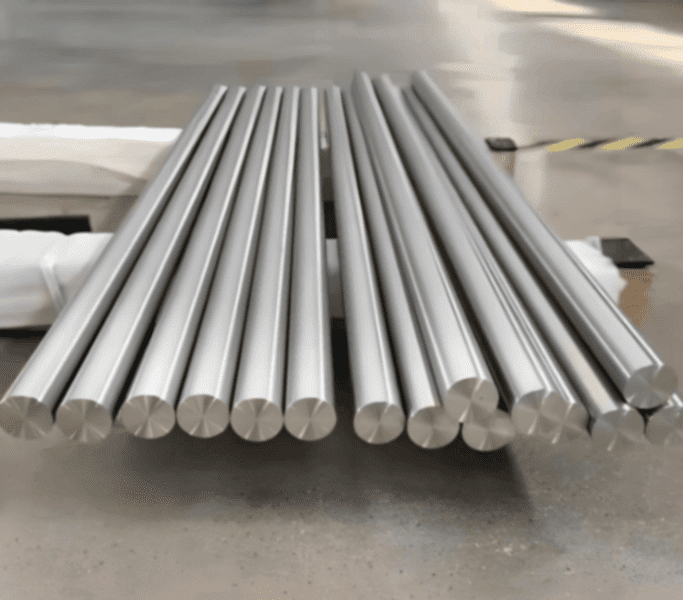
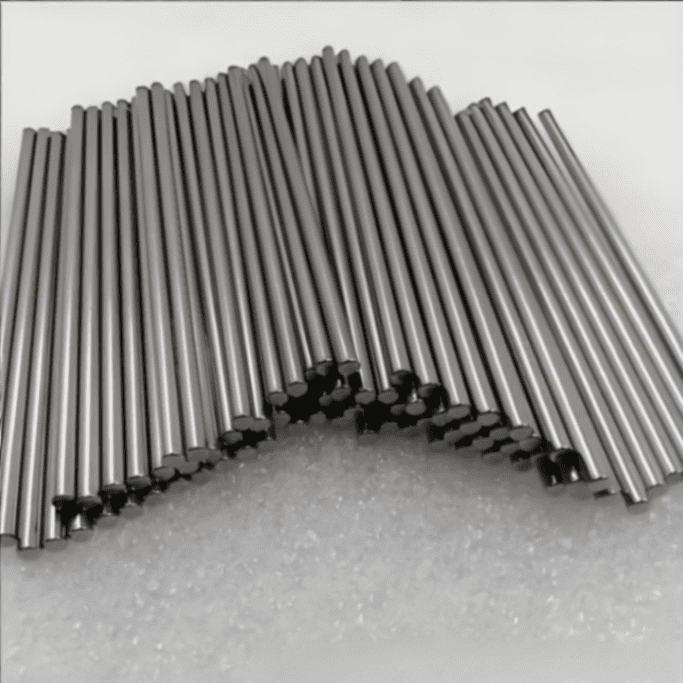
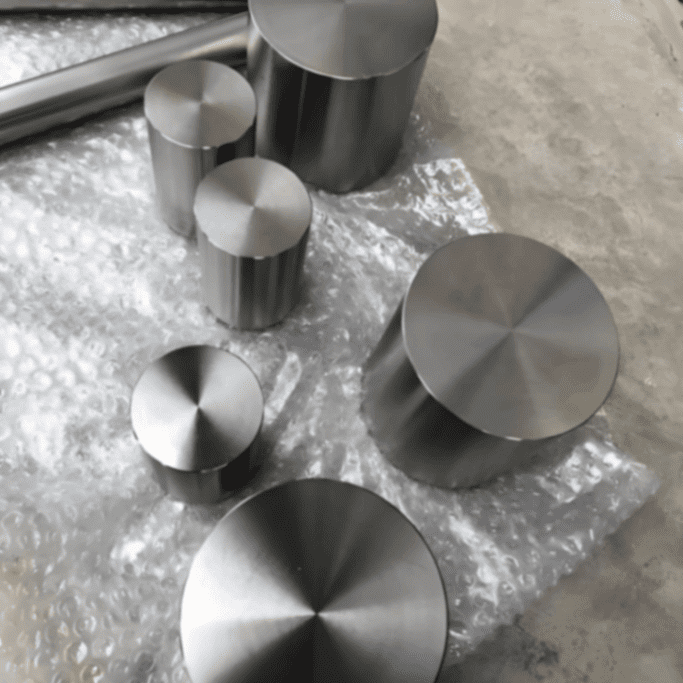
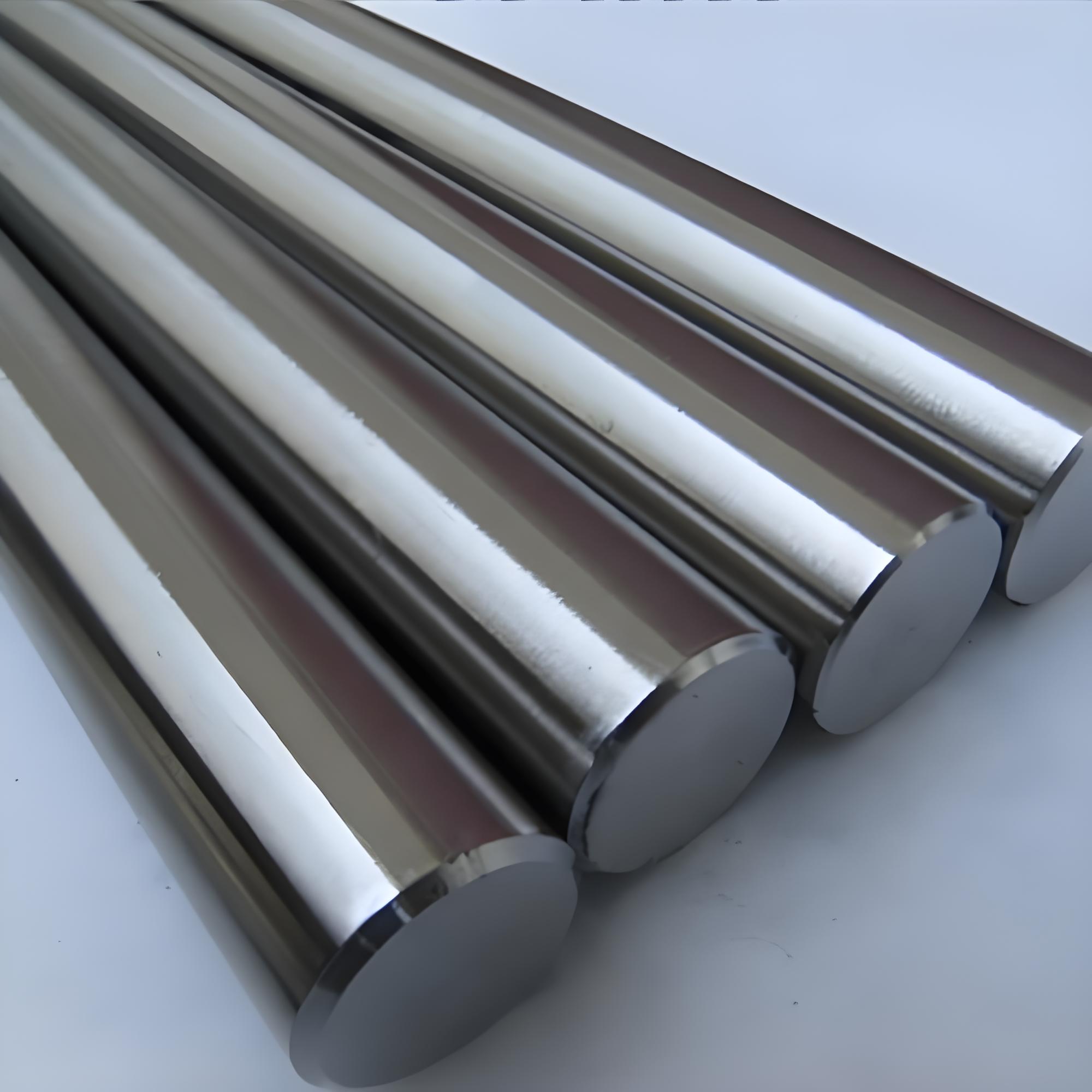
Invar 36 bar is a nickel-iron controlled expansion alloy bar known for its extremely low coefficient of thermal expansion and excellent dimensional stability over a wide temperature range. It is commonly identified as Alloy 36, UNS K93600, W.Nr. 1.3912, FeNi36, and Ni36. The key material property of Invar 36 bar is that it contains about 36% nickel, which gives the alloy its famous low thermal expansion behavior. This makes Invar 36 round bar, flat bar, square bar, and precision machined bar stock widely used for aerospace tooling, composite molds, measuring instruments, optical systems, LNG and cryogenic equipment, precision fixtures, shadow masks, scientific instruments, and parts that must keep accurate dimensions when temperature changes.
Invar 36 bar is not selected mainly for high strength, wear resistance, or corrosion resistance. Its most valuable property is dimensional stability. In many precision applications, even a small dimensional change caused by temperature variation can create assembly error, measurement drift, tool mismatch, or part distortion. Invar 36 solves this problem by offering a very low thermal expansion rate compared with carbon steel, stainless steel, aluminum alloy, and many nickel alloys.
The name “Invar” comes from “invariable,” referring to its low dimensional change with temperature. In bar form, Invar 36 can be machined into rods, shafts, pins, frames, spacers, measuring rods, mold inserts, fixtures, and precision structural components. For engineering buyers, the most important material properties to review are chemical composition, coefficient of thermal expansion, density, mechanical properties, hardness, heat treatment condition, machining behavior, welding performance, and dimensional stability after processing.
| Property Category | Invar 36 Bar Performance | Practical Meaning |
|---|---|---|
| Alloy Type | Nickel-iron controlled expansion alloy | Used where dimensional stability is more important than high strength |
| Nickel Content | About 36% | Main reason for low thermal expansion behavior |
| Main Property | Very low coefficient of thermal expansion | Reduces dimensional change during temperature variation |
| Density | About 8.05 g/cm³ | Used for bar weight, quotation, and machining blank calculation |
| Magnetic Behavior | Magnetic at room temperature | May matter for instruments and electromagnetic applications |
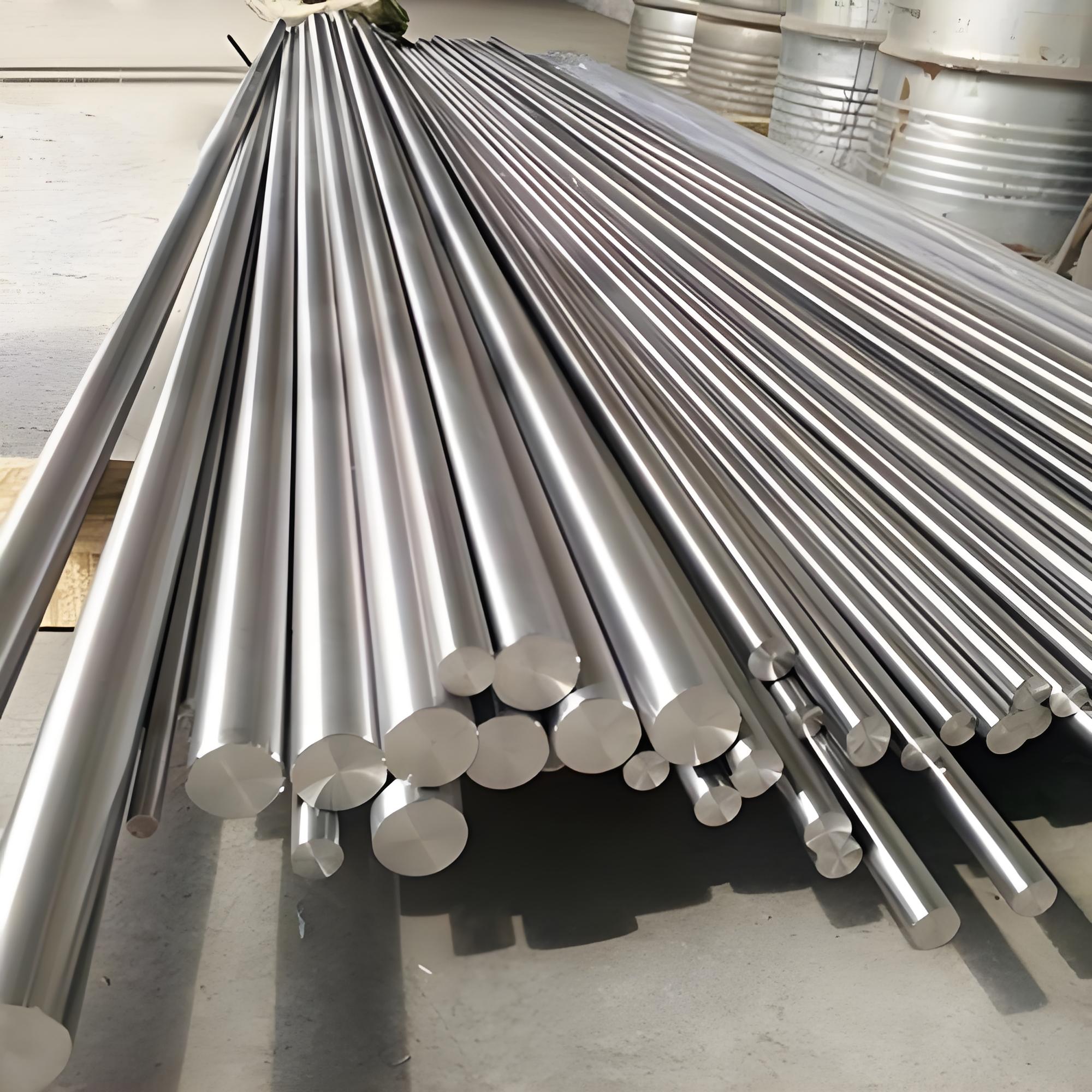
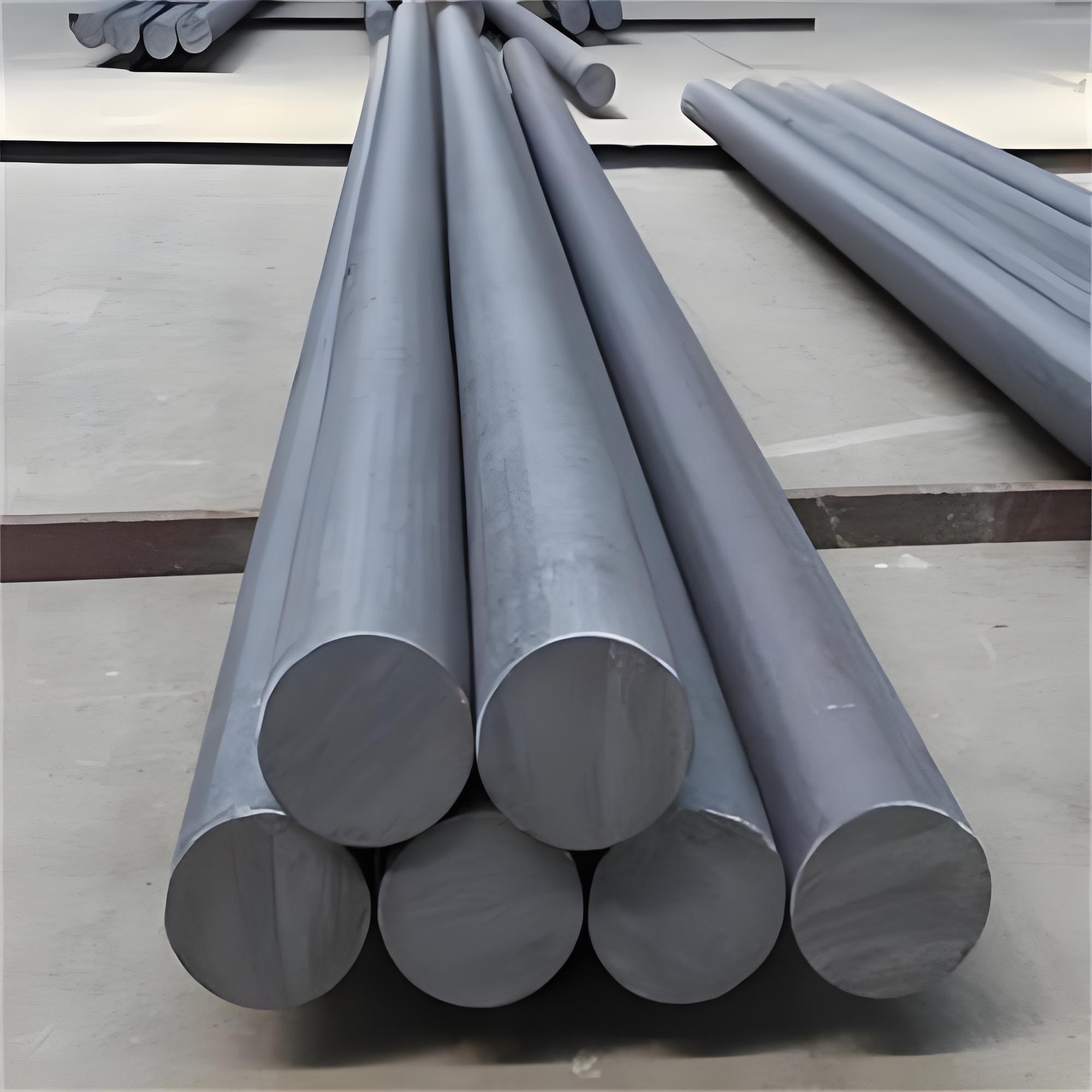
| Typical Bar Forms | Round bar, flat bar, square bar, forged bar, precision ground bar | Suitable for machining into precision components |
Invar 36 bar is commonly identified by several international names and material numbers. The most common designation is UNS K93600. In European material systems, W.Nr. 1.3912 is widely used. The alloy may also be called Alloy 36, FeNi36, Ni36, Pernifer 36, or Nilo 36 depending on supplier, region, and product standard.
Correct grade identification is important because Invar 36, Super Invar, Kovar, Alloy 42, and other controlled expansion alloys may look similar in bar form, but their expansion behavior and application fields are different. A buyer should not accept material only because it is called “low expansion alloy.” The MTC should clearly show the correct grade, chemical composition, heat number, and applicable standard.
| Designation | Meaning | Buying Note |
|---|---|---|
| Invar 36 | Common commercial name | Widely used in engineering and procurement |
| Alloy 36 | Generic material name | Often used by suppliers and distributors |
| UNS K93600 | Unified material designation | Useful for international grade confirmation |
| W.Nr. 1.3912 | European Werkstoff number | Common in European drawings and certificates |
| FeNi36 / Ni36 | Iron-nickel alloy designation | Indicates about 36% nickel content |
UNS K93600 helps avoid confusion during international purchasing. If a drawing specifies UNS K93600, the supplier should not quote Alloy 42, Kovar, or Super Invar unless the customer approves the substitution. For precision applications, a small difference in expansion coefficient may be enough to make the wrong material unacceptable.
The chemical composition of Invar 36 bar is simple but very important. It is mainly an iron-nickel alloy containing approximately 36% nickel, with iron as the balance and small controlled amounts of carbon, manganese, silicon, sulfur, phosphorus, chromium, cobalt, and other residual elements depending on the applicable standard.
The 36% nickel content is the core of the Invar effect. This nickel-iron composition produces a very low coefficient of thermal expansion near room temperature. If nickel content is too far away from the required range, the low expansion property may change. This is why chemical composition control is essential for Invar 36 bar.
| Element | Typical Range / Limit | Function or Control Reason |
|---|---|---|
| Nickel (Ni) | About 35.0% – 37.0% | Main element controlling low thermal expansion behavior |
| Iron (Fe) | Balance | Base element with nickel in Fe-Ni controlled expansion system |
| Carbon (C) | Controlled low level | Affects mechanical behavior and processing quality |
| Manganese (Mn) | Controlled minor element | Helps metallurgical control but must remain within specification |
| Silicon (Si) | Controlled minor element | Controlled for alloy quality and processing behavior |
| Sulfur (S) | Low limit | Kept low for hot workability and machining quality |
| Phosphorus (P) | Low limit | Controlled impurity affecting ductility and quality |
| Cobalt (Co) | Controlled residual or specified limit | May influence expansion behavior and magnetic properties |
For normal structural steel, small composition variation may not strongly affect dimensional stability. For Invar 36, composition is directly linked to thermal expansion. This is why buyers should check actual heat analysis in the MTC, especially nickel content, carbon, cobalt, and residual elements. Precision tooling and instrument applications should not rely only on product name.
The low thermal expansion property is the most important reason to choose Invar 36 bar. When temperature changes, most metals expand or contract noticeably. Invar 36 expands much less than carbon steel, stainless steel, aluminum, copper alloys, and many nickel alloys within its useful low-expansion temperature range.
This low expansion behavior allows Invar 36 components to maintain stable size and shape in precision environments. It is especially useful for long bars, frames, jigs, molds, measuring tools, optical supports, composite layup tools, and components where temperature variation can create dimensional error.
In a precision assembly, thermal expansion mismatch can cause stress, misalignment, distortion, or measurement error. For example, if a long measuring rod expands too much, the measurement becomes inaccurate. If a composite mold expands differently from the composite part, the final shape may not meet tolerance. Invar 36 reduces this risk by keeping dimensional change very small over normal working temperature ranges.
Invar 36 is often described as a low-expansion alloy, but it is not a zero-expansion material. Its coefficient of thermal expansion changes with temperature, heat treatment, cold work, composition, and thermal history. For high-precision engineering, actual expansion data should be matched with the working temperature range.
| Material | Thermal Expansion Behavior | Practical Meaning |
|---|---|---|
| Invar 36 | Very low expansion near room temperature | Best for dimensional stability |
| Carbon Steel | Much higher expansion than Invar 36 | Less suitable for precision temperature-sensitive parts |
| Stainless Steel | Higher expansion than Invar 36 | May create dimensional drift in precision tools |
| Aluminum Alloy | Very high expansion compared with Invar 36 | Lightweight but poor dimensional stability under temperature change |
The coefficient of thermal expansion of Invar 36 bar is low from cryogenic temperatures to moderate temperatures. However, the value is not constant at every temperature. As temperature rises, especially above the normal low-expansion range, the expansion rate increases. This is why the working temperature range must be considered before selecting Invar 36.
| Temperature Range | Typical Mean Coefficient of Thermal Expansion | Engineering Meaning |
|---|---|---|
| 20°C to 100°C | Very low, often around 1.2 – 1.6 × 10⁻⁶ /°C depending on condition | Excellent for room-temperature precision tools and instruments |
| 20°C to 150°C | Low, but higher than room-temperature range | Still useful for many precision applications |
| 20°C to 200°C | Low to moderate compared with steel | Useful but expansion must be calculated for tight tolerance design |
| Above about 200°C | Expansion rate increases | Invar effect becomes less dominant as temperature rises |
| Cryogenic range | Low expansion with good toughness | Useful for LNG and low-temperature equipment |
If the component works only between 20°C and 80°C, Invar 36 can provide excellent dimensional control. If the component works near 200°C or above, the designer should check the exact CTE data and allowable tolerance. If the application requires even lower expansion near room temperature, Super Invar may be considered, but it has a narrower practical temperature range and different mechanical behavior.
Invar 36 bar has a density of about 8.05 g/cm³. This is useful for calculating theoretical weight, material cost, machining blank weight, and freight. Since Invar 36 is commonly supplied as round bar, flat bar, square bar, and forged bar, density-based weight calculation is important for quotation and cutting plans.
| Physical Property | Typical Value / Behavior | Practical Meaning |
|---|---|---|
| Density | About 8.05 g/cm³ | Used for weight and price calculation |
| Melting Range | About 1425°C – 1450°C | Useful for thermal processing reference |
| Magnetic Behavior | Magnetic at room temperature | Important for instrument and magnetic-sensitive designs |
| Thermal Conductivity | Lower than many common steels and aluminum alloys | Temperature gradients should be considered in large parts |
| Electrical Resistivity | Higher than pure metals such as copper | Relevant for electrical or sensor applications |
For most buyers, density and CTE are the most important physical properties. For engineers designing optical systems, metrology frames, or cryogenic assemblies, magnetic behavior, thermal conductivity, and thermal expansion data may also matter. Invar 36 should be selected based on the full operating environment, not only by alloy name.
Invar 36 bar has moderate mechanical strength and good toughness. It is not a high-strength alloy like precipitation-hardened nickel alloys, nor is it a wear-resistant steel. Its mechanical properties are usually sufficient for precision supports, fixtures, measuring tools, molds, rods, and structural components where dimensional stability is the main requirement.
Mechanical properties depend on product form, cold work level, annealing condition, bar diameter, heat treatment, and applicable standard. Cold drawn bars may have higher strength and hardness than annealed bars, while annealed bars usually provide better ductility and more stable dimensional behavior.
| Mechanical Property | Typical Performance Direction | Practical Meaning |
|---|---|---|
| Tensile Strength | Moderate, depends on condition | Suitable for precision parts and low-to-medium load structures |
| Yield Strength | Moderate | Design should avoid excessive permanent deformation |
| Elongation | Good in annealed condition | Useful for fabrication and machining reliability |
| Hardness | Low to moderate depending on cold work and annealing | Affects machining, tool wear, and surface finish |
| Toughness | Good, including cryogenic service | Useful for low-temperature equipment and precision assemblies |
When designing with Invar 36 bar, engineers should not treat it like high-strength steel. If the part needs very high load-bearing capacity, another alloy may be required. Invar 36 is most valuable when the part must remain dimensionally stable. Strength should be checked, but dimensional stability is usually the main reason for selection.
Tensile strength, yield strength, elongation, and hardness are the most commonly requested mechanical properties for Invar 36 bar. These values can vary significantly depending on whether the material is hot rolled, cold drawn, annealed, stress relieved, forged, or precision ground.
| Property | Typical Reference Range | Notes for Buyers |
|---|---|---|
| Tensile Strength | About 450 – 600 MPa depending on condition | Cold worked material may be higher |
| Yield Strength | About 240 – 350 MPa depending on condition | Annealed material may be lower but more ductile |
| Elongation | About 25% – 40% depending on condition | Higher elongation is useful for forming and fabrication |
| Hardness | Often around 130 – 180 HB depending on condition | Cold drawing or work hardening can increase hardness |
General property tables are useful for early material selection, but actual acceptance should be based on the material test certificate. The MTC should show the actual heat number, grade, chemical composition, mechanical properties, product condition, and standard. For precision components, hardness, straightness, and dimensional tolerance may be just as important as tensile strength.
Dimensional stability is the main reason Invar 36 bar is used in precision applications. The alloy’s low thermal expansion helps maintain component size when temperature changes. This is valuable in measuring tools, optical instruments, aerospace tooling, semiconductor equipment, composite molds, and scientific instruments.
Invar 36 bar is commonly machined into precision frames, rails, fixtures, rods, and supports. These parts must maintain position and size across temperature changes. Ordinary steel or aluminum may expand too much, causing dimensional error.
In composite manufacturing, the mold and composite part should expand in a controlled way during curing. Invar 36 is often selected for composite tooling because its low expansion helps improve final part accuracy. This is important in aerospace composites, carbon fiber structures, and high-precision molded components.
Measuring rods, optical frames, calibration parts, and instrument supports require stable dimensions. Invar 36 bar can reduce temperature-related measurement error and improve repeatability.
| Precision Application | Why Invar 36 Bar Is Used |
|---|---|
| Measuring rods | Reduces length change during temperature variation |
| Optical frames | Helps maintain alignment and focal stability |
| Composite molds | Improves dimensional accuracy during thermal cycles |
| Precision fixtures | Maintains fixture geometry during machining or inspection |
| Scientific instruments | Reduces temperature-related drift |
Invar 36 bar retains good strength and toughness at cryogenic temperatures. This makes it useful for LNG equipment, low-temperature scientific instruments, cryogenic supports, storage systems, and components exposed to very cold service conditions.
Invar 36 has low thermal expansion from cryogenic temperatures to moderate temperatures. This is useful when parts are exposed to large temperature changes but must remain dimensionally stable. In cryogenic systems, contraction mismatch between materials can create stress or leakage. Invar 36 can help reduce such problems in suitable designs.
Some materials become brittle at very low temperatures. Invar 36 is valued because it retains useful toughness in cryogenic conditions. This helps in LNG and low-temperature equipment where thermal contraction and mechanical reliability must both be considered.
For cryogenic applications, buyers should confirm impact toughness requirements, material condition, standard, weldability, and thermal cycling behavior. The alloy’s low expansion is valuable, but final design should also consider stress, joining method, and compatibility with other materials.
| Cryogenic Factor | Invar 36 Bar Performance | Practical Meaning |
|---|---|---|
| Low-temperature expansion | Very low compared with many common alloys | Reduces contraction mismatch |
| Toughness | Good in cryogenic service | Useful for LNG and low-temperature equipment |
| Dimensional stability | Excellent | Important for cryogenic instruments and supports |
| Thermal cycling | Good when properly designed and processed | Useful for repeated cooling and warming cycles |
Heat treatment has a strong influence on Invar 36 bar material properties. Annealing and stress relieving can improve dimensional stability and reduce residual stresses caused by hot working, cold drawing, machining, or welding. For precision applications, stress control is very important because residual stress can cause distortion after machining.
Annealed Invar 36 bar usually provides better ductility and more stable machining behavior. It is often selected when the part requires precision machining, fabrication, or stress relief after processing. Annealing can help reduce internal stresses and improve dimensional stability.
For large or precise parts, rough machining may release internal stress and cause movement. A practical process may include rough machining, stress relief, then finish machining. This is especially important for long bars, frames, molds, and thin-wall components where small distortion can affect final tolerance.
The thermal expansion behavior of Invar 36 can be affected by thermal history and mechanical processing. For high-precision applications, the final condition should be agreed between buyer and supplier. If the part must meet a strict CTE requirement, additional testing may be needed.
| Condition / Process | Effect on Invar 36 Bar | Practical Use |
|---|---|---|
| Annealed | Improves ductility and reduces internal stress | Precision machining and fabrication |
| Cold Drawn | Improves strength and tolerance but increases residual stress | Precision rods and smaller diameter bars |
| Stress Relieved | Reduces machining distortion risk | Large tools, frames, and molds |
| Precision Ground | Improves diameter tolerance and surface finish | Measuring rods, pins, shafts, and close-tolerance parts |
Invar 36 bar can be machined, welded, and fabricated, but process control is important. The alloy is ductile and can be somewhat gummy during machining. It can also work harden if tools are dull or cutting conditions are poor. For precision parts, machining strategy and stress relief are often more important than cutting speed alone.
Invar 36 is machinable, but it requires sharp tools, rigid setup, good coolant, and proper feed. Because it can produce long chips and work-hardened surfaces, tool geometry and chip control matter. For precision machining, roughing and finishing should be planned carefully to avoid distortion.
Invar 36 can be welded using suitable welding procedures. However, welding introduces heat and residual stress, which may affect dimensional stability. For precision assemblies, post-weld stress relief and careful fixture design may be required. Weld filler selection should match the application and expansion requirement.
Invar 36 can be formed and fabricated, especially in annealed condition. However, when strict dimensional stability is required, forming, welding, machining, and heat treatment sequence should be designed together. Poor processing can reduce the advantage of the alloy by introducing stress and distortion.
| Processing Area | Performance of Invar 36 Bar | Practical Advice |
|---|---|---|
| Machining | Machinable but requires sharp tools and stable cutting | Avoid rubbing, use coolant, plan stress relief if needed |
| Welding | Weldable with proper procedures | Control heat input and residual stress |
| Forming | Good in annealed condition | Choose correct condition before forming |
| Grinding | Suitable for precision surface finishing | Avoid overheating and surface damage |
| Stress Relief | Often useful for precision parts | Recommended after heavy machining or welding |
Invar 36, Kovar, and Super Invar are all controlled expansion alloys, but they are used for different reasons. Invar 36 is mainly selected for low thermal expansion and dimensional stability. Kovar is selected for controlled expansion matching to glass and ceramics. Super Invar is selected when even lower expansion than Invar 36 is needed near room temperature, but it has a narrower useful temperature range.
Kovar is an iron-nickel-cobalt controlled expansion alloy designed to match the expansion of hard glass and ceramics. It is commonly used for glass-to-metal seals, electronic packages, vacuum tubes, sensors, and hermetic sealing parts. Invar 36 is usually better for general low-expansion structural and precision applications, while Kovar is better when the expansion must match glass or ceramic materials.
Super Invar has a lower coefficient of thermal expansion than Invar 36 near room temperature. However, it is more sensitive to temperature range and may not be suitable where temperature goes beyond its narrow low-expansion window. Invar 36 is more widely used because it offers a practical balance of low expansion, availability, processability, and stability.
| Material | Main Composition Direction | Main Property | Typical Applications |
|---|---|---|---|
| Invar 36 | Fe-Ni, about 36% Ni | Very low thermal expansion and dimensional stability | Precision tools, molds, instruments, cryogenic supports |
| Kovar | Fe-Ni-Co controlled expansion alloy | Expansion match with glass and ceramics | Hermetic seals, electronic packages, glass-to-metal seals |
| Super Invar | Fe-Ni-Co low expansion alloy | Extremely low expansion near room temperature | Ultra-precision instruments and special metrology parts |
Choose Invar 36 when the main requirement is stable dimensions across normal atmospheric or cryogenic temperature ranges. Choose Kovar when matching glass or ceramic expansion is required. Choose Super Invar only when extremely low expansion near room temperature is more important than temperature range, strength, and general availability.
Invar 36 bar is used wherever dimensional stability is critical. Its low thermal expansion, good cryogenic toughness, and machinability make it suitable for precision engineering, aerospace tooling, scientific equipment, optical systems, and low-temperature applications.
Invar 36 bar is used in aerospace composite tooling because the mold must maintain dimensional accuracy during heating and cooling cycles. Low expansion helps keep the final composite part closer to design dimensions.
Measuring rods, gauge blocks, calibration frames, and inspection fixtures can use Invar 36 because it reduces temperature-related measurement drift. This helps improve accuracy in workshops, laboratories, and metrology systems.
Optical benches, lens supports, telescope components, and scientific instruments may use Invar 36 bar to maintain alignment. In optical systems, small thermal movement can create significant performance changes.
Invar 36 is used in cryogenic and LNG-related applications because it combines low expansion with good toughness at low temperatures. This helps reduce thermal stress and contraction mismatch in cold systems.
Invar 36 bar can be used for supports, frames, spacers, and precision parts in electronic and instrument assemblies where thermal stability is needed. However, if glass or ceramic sealing is required, Kovar may be more appropriate.
| Application | Required Material Property | Why Invar 36 Bar Is Used |
|---|---|---|
| Aerospace molds | Low thermal expansion and dimensional stability | Maintains tool accuracy during cure cycles |
| Measuring rods | Very low length change | Reduces measurement error caused by temperature |
| Optical frames | Stable alignment | Helps keep lenses and instruments aligned |
| LNG and cryogenic parts | Low expansion and good low-temperature toughness | Reduces contraction stress in cold service |
| Precision fixtures | Stable geometry | Improves repeatability in machining and inspection |
| Scientific instruments | Low thermal drift | Improves accuracy and stability |
When choosing Invar 36 bar, buyers should confirm the working temperature range, required coefficient of thermal expansion, bar size, tolerance, surface condition, delivery condition, machining allowance, stress relief requirement, and MTC. For precision parts, it is also important to discuss whether the bar will be supplied annealed, cold drawn, peeled, or ground. The best Invar 36 bar for a precision mold may not be the same as the best bar for a small measuring rod.
What is Invar 36 used for?
Invar 36 is used for precision tools, aerospace composite molds, measuring rods, optical frames, scientific instruments, cryogenic equipment, LNG components, precision fixtures, and parts requiring very low thermal expansion. It is selected when dimensional stability under temperature change is more important than high strength or corrosion resistance.
What is the density of Invar 36?
The density of Invar 36 is about 8.05 g/cm³. This value is used to calculate round bar weight, flat bar weight, machining blank weight, material cost, and shipping weight. Since Invar 36 bar is often sold by weight, density is important for quotation and project planning.
Is Invar 36 the same as Kovar?
No, Invar 36 is not the same as Kovar. Invar 36 is mainly an iron-nickel alloy with about 36% nickel and is used for low thermal expansion and dimensional stability. Kovar is an iron-nickel-cobalt controlled expansion alloy designed mainly to match the thermal expansion of glass and ceramics for hermetic sealing applications. They should not be substituted without engineering approval.
More from this category
Incoloy 825 bar price depends on the nickel-based alloy composition, bar dimensions, manufacturing route, heat-treatment condition, surface finish, in...
Incoloy 800HT bar price is shaped by nickel, chromium, titanium, and aluminum raw-material costs, together with bar dimensions, heat-treatment conditi...
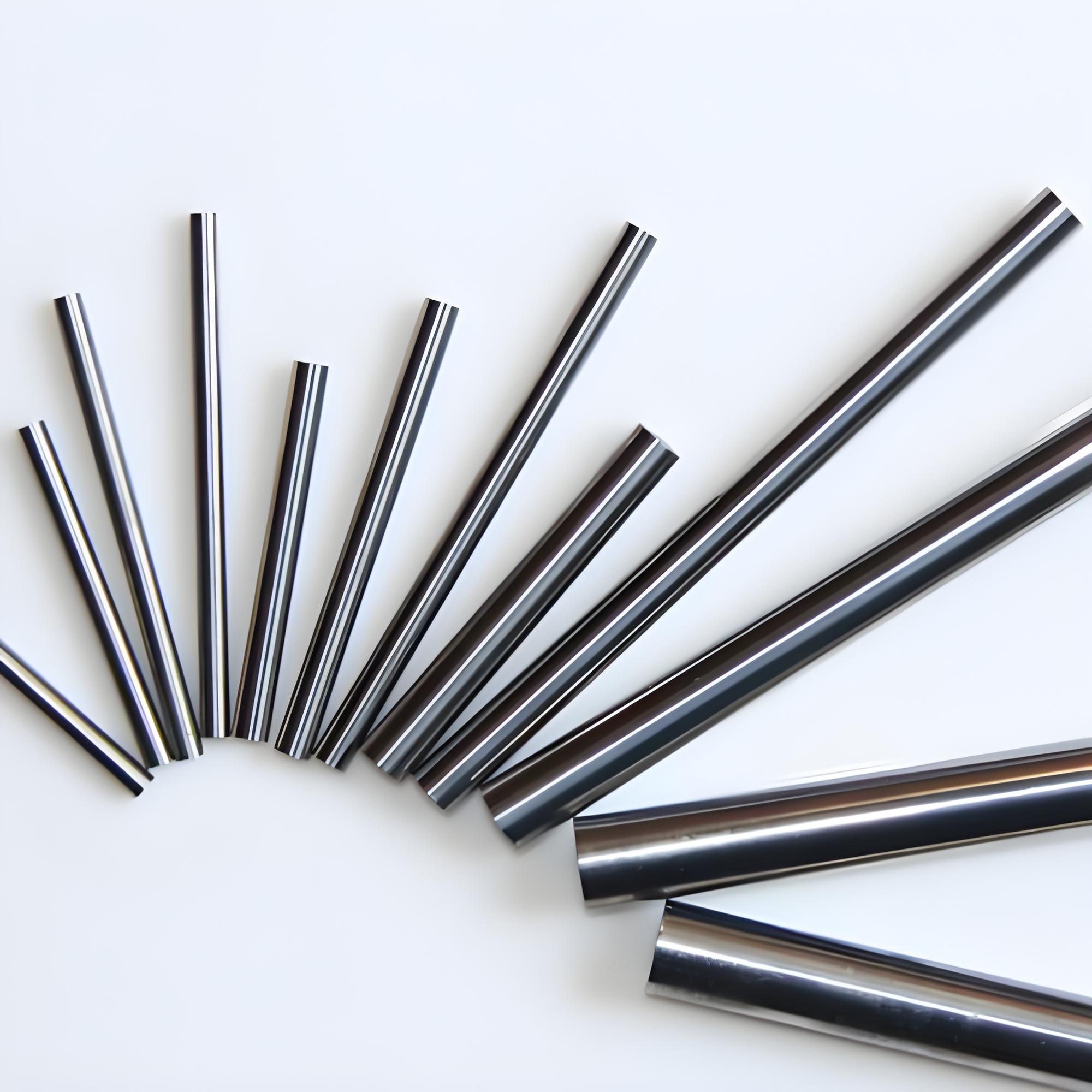
Incoloy 20 round bar price per kg depends on the alloy composition, bar size, manufacturing method, surface finish, tolerance, certificates, inspectio...
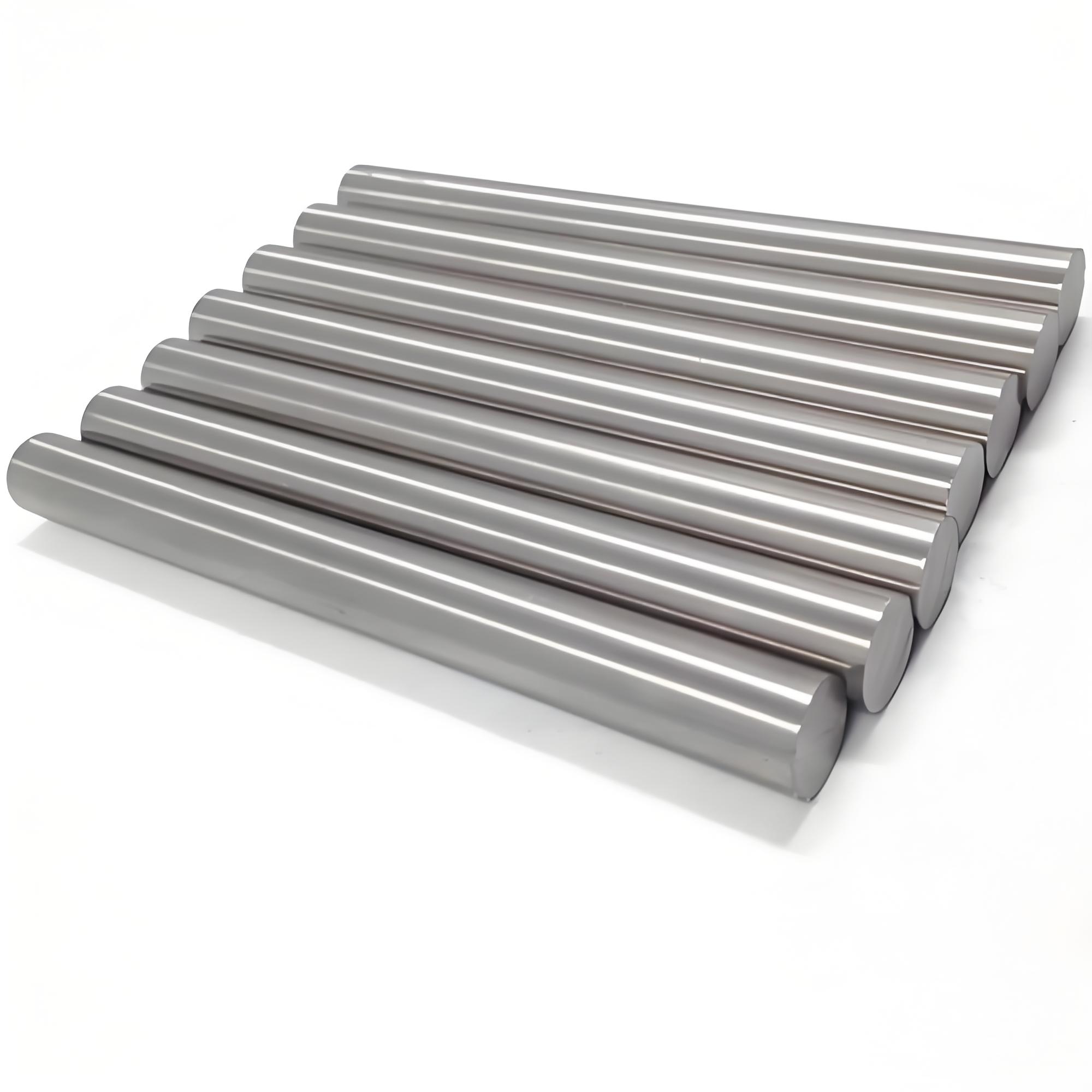
Hastelloy G-30 N06030 bar factory price is determined by the alloy’s high nickel, chromium, iron, molybdenum, copper, and tungsten content, together...
 English English
  Korean
 Arabic
 Spanish
 German
 Portuguese
 French
 Russian
 Italian
 Vietnamese