
Incoloy 825 Bar Price | UNS N08825 Supplier
Incoloy 825 bar price depends on the nickel-based alloy composition, bar dimensions, manufacturing route, heat-treatment condition, surface finish, in...
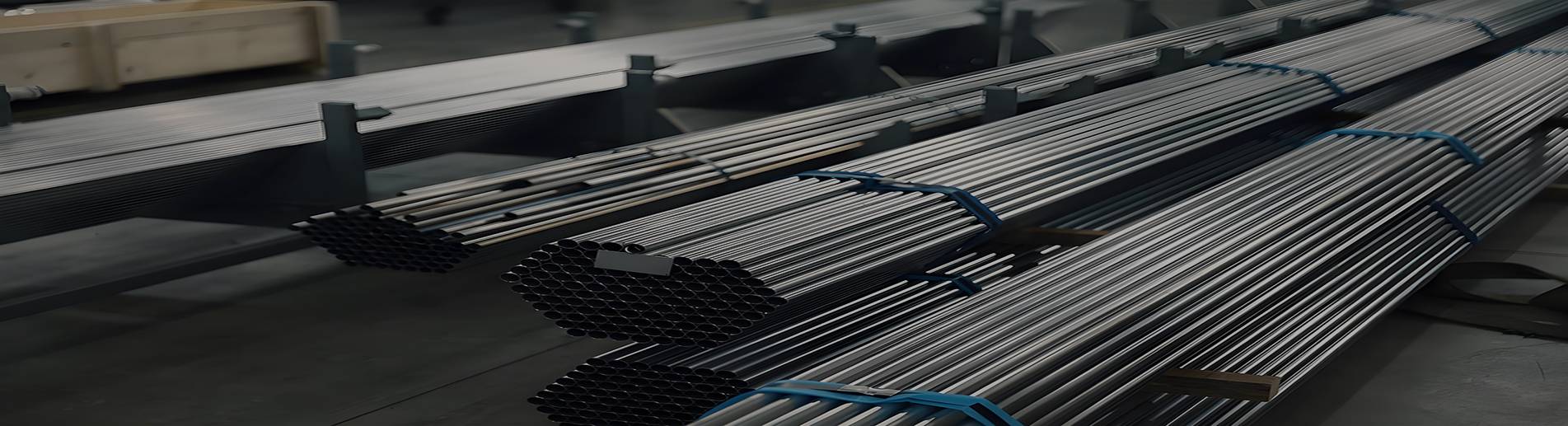
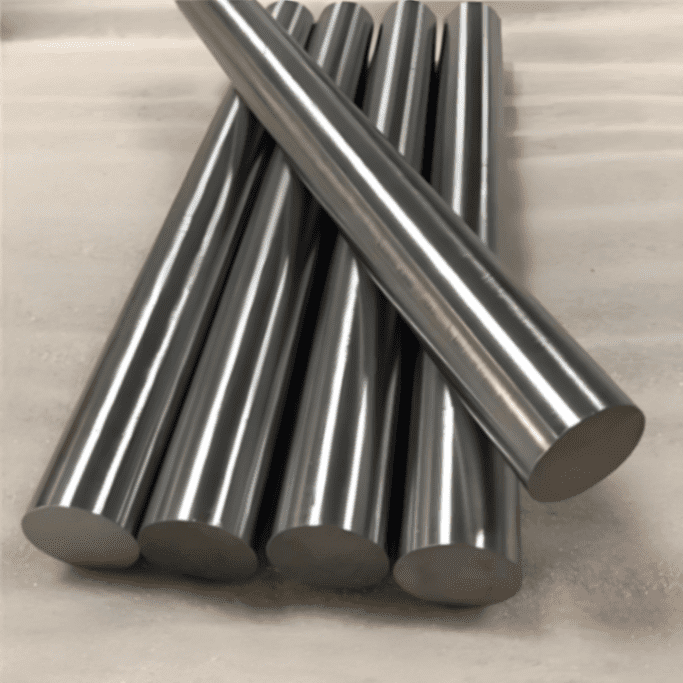
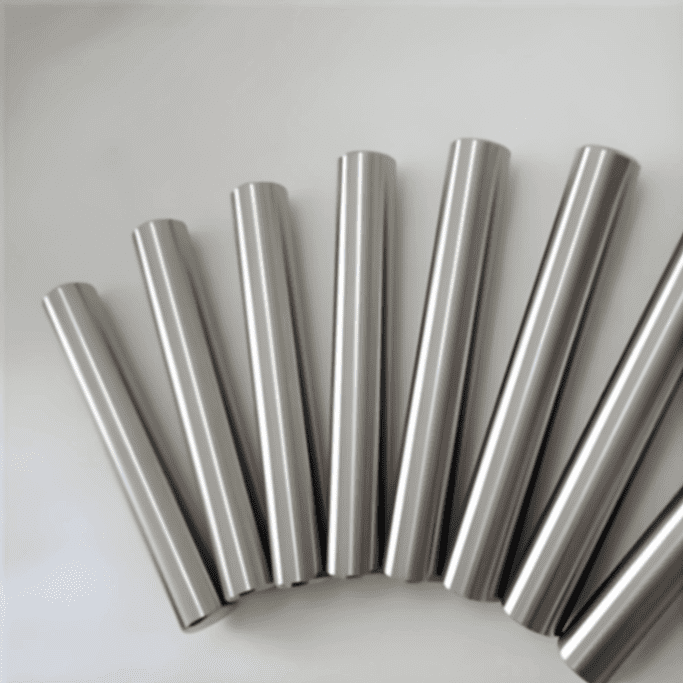
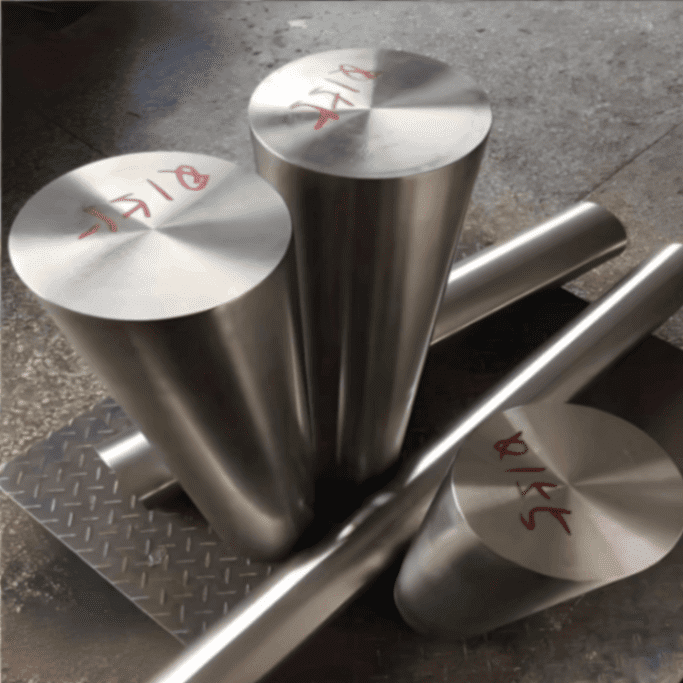
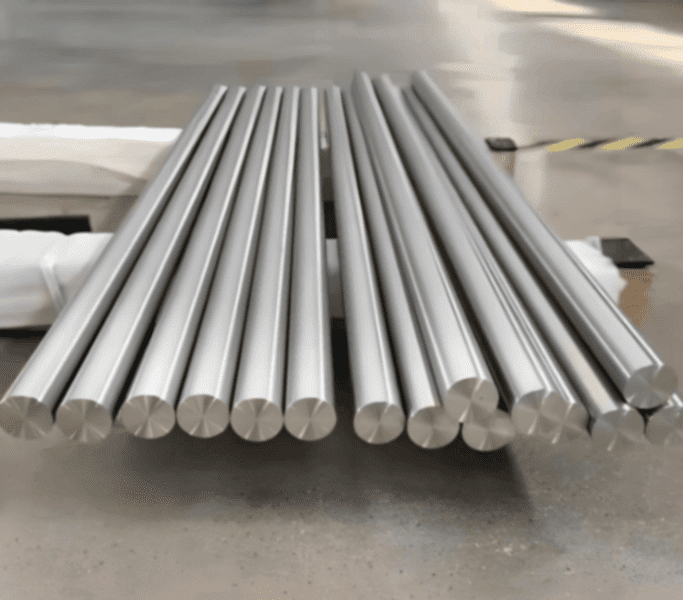
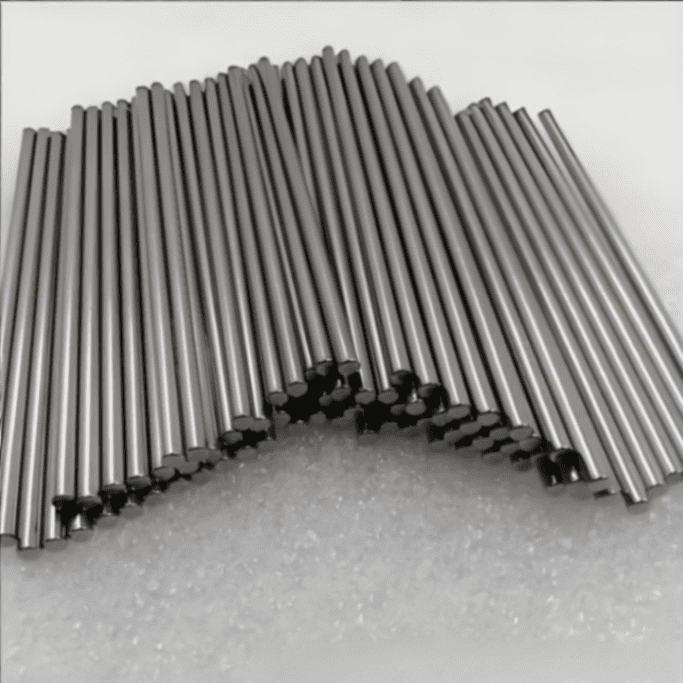
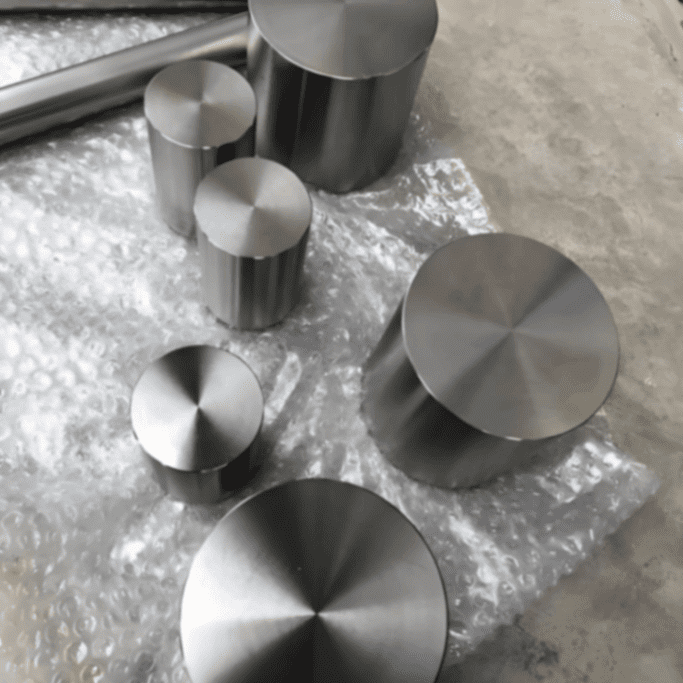
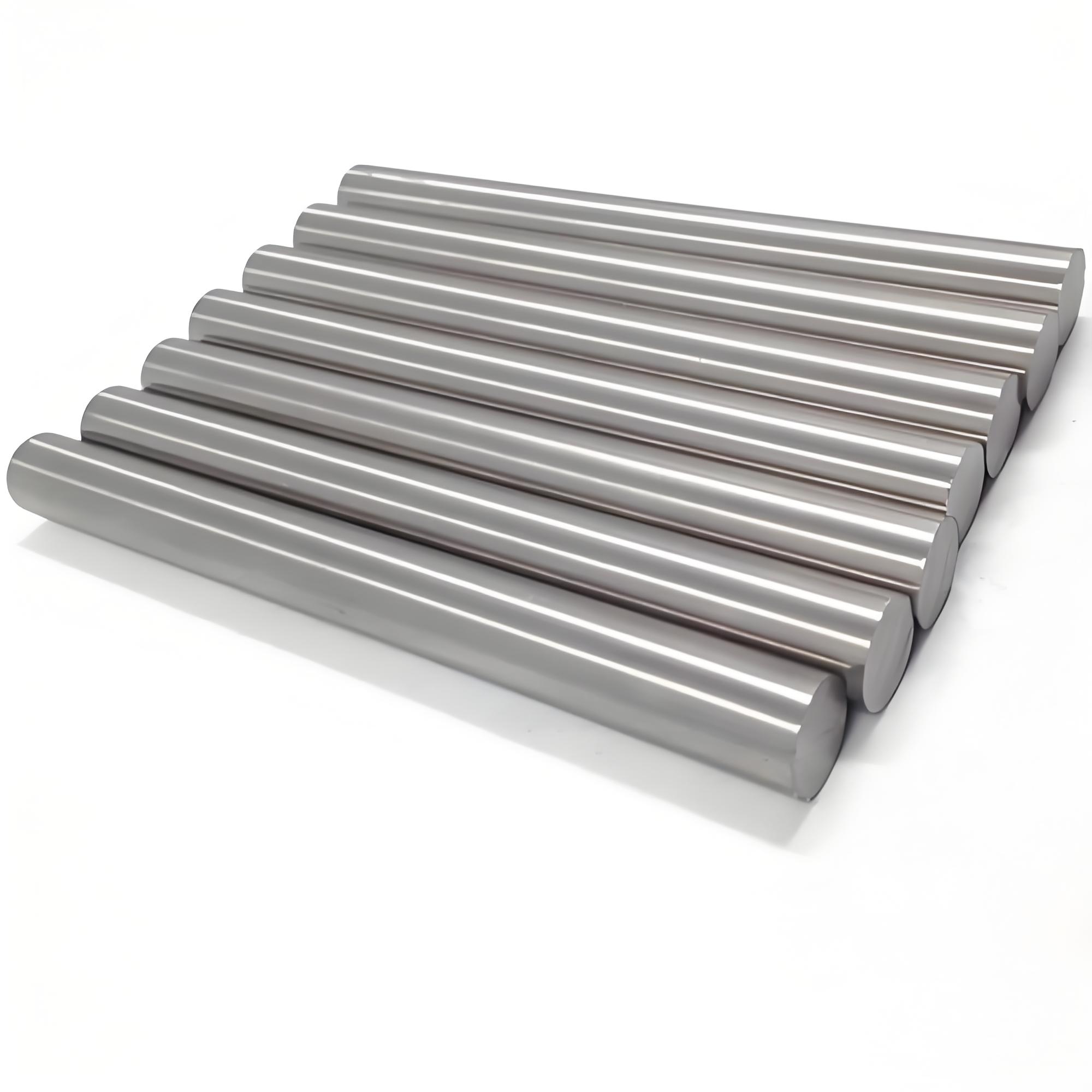
Invar 36 round bar is a nickel-iron controlled expansion alloy bar specified for applications requiring very low thermal expansion, excellent dimensional stability, and reliable performance under temperature changes. It is commonly identified as Alloy 36, UNS K93600, W.Nr. 1.3912, FeNi36, and Ni36. The most important specification feature of Invar 36 round bar is its approximately 36% nickel content, which gives the alloy its low coefficient of thermal expansion. For buyers, engineers, and machining users, an Invar 36 round bar specification should clearly define grade, chemical composition, nickel and iron content, density, coefficient of thermal expansion, mechanical properties, diameter, length, tolerance, surface finish, straightness, delivery condition, heat treatment, MTC, and inspection requirements.
Invar 36 round bar is not an ordinary nickel alloy bar. It is a controlled expansion alloy mainly used where dimensional stability is more important than high strength or corrosion resistance. When temperature changes, most metals expand or contract noticeably. Invar 36 round bar expands much less than carbon steel, stainless steel, aluminum alloy, and many other engineering metals within its useful low-expansion temperature range.
This makes Invar 36 round bar suitable for precision tools, aerospace composite molds, measuring rods, optical frames, scientific instruments, calibration parts, LNG equipment, cryogenic supports, electronic components, and mechanical parts that must maintain accurate dimensions. A proper specification helps the supplier understand not only the grade, but also the final use. For example, an Invar 36 round bar used for rough machining does not need the same surface finish and tolerance as a precision ground measuring rod.
| Specification Item | Common Requirement for Invar 36 Round Bar | Why It Matters |
|---|---|---|
| Grade | Invar 36 / Alloy 36 | Confirms the correct low-expansion alloy |
| UNS Number | UNS K93600 | Useful for international material identification |
| W.Nr. | 1.3912 | Common European material number |
| Main Composition | About 36% nickel, balance iron | Controls low thermal expansion behavior |
| Main Property | Very low coefficient of thermal expansion | Provides dimensional stability |
| Common Forms | Hot rolled, forged, cold drawn, peeled, ground round bar | Affects machining, tolerance, and cost |
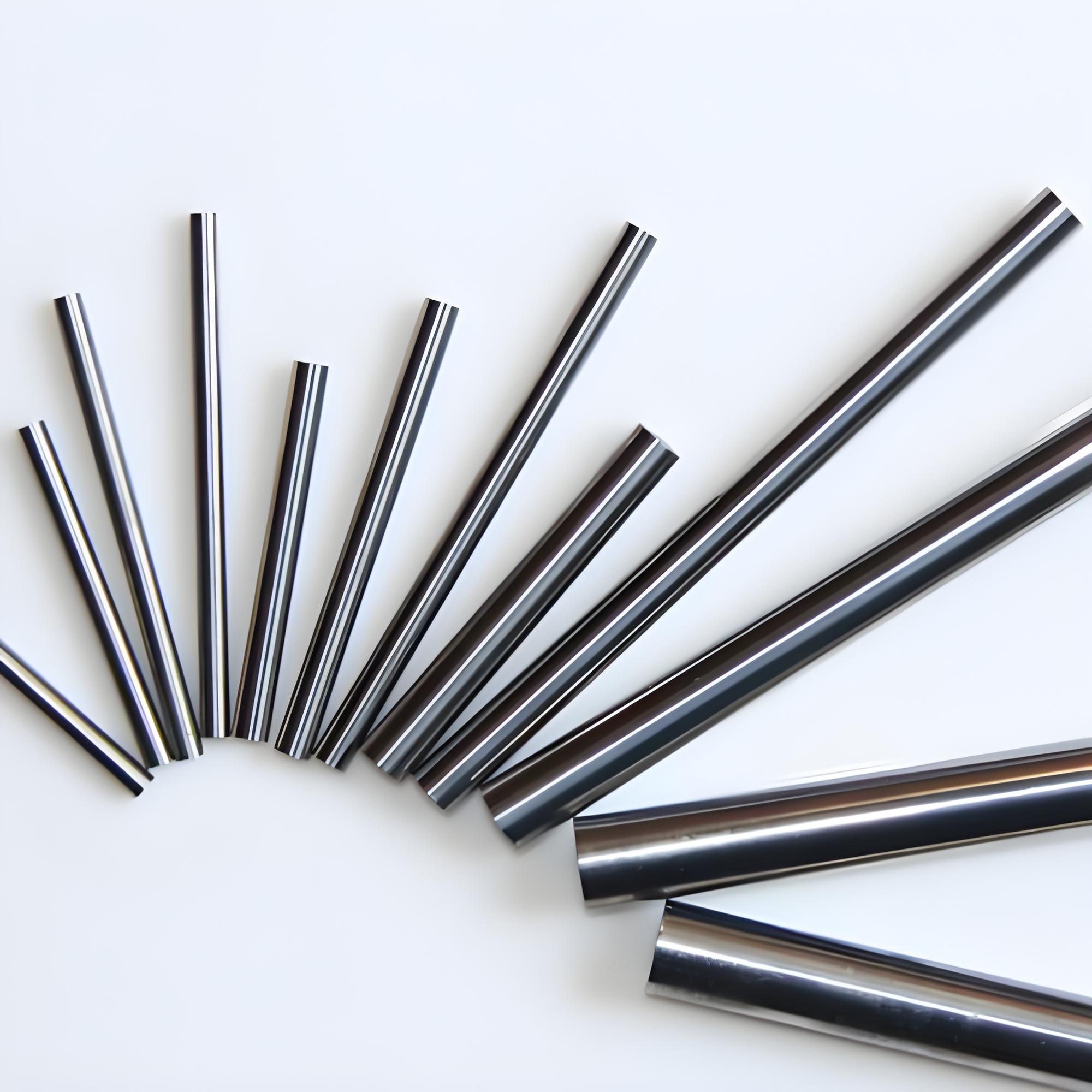
Invar 36 round bar is commonly identified by UNS K93600 and W.Nr. 1.3912. These designations help buyers avoid confusion with other controlled expansion alloys such as Kovar, Alloy 42, Super Invar, and low-expansion Fe-Ni-Co grades. Although these materials may look similar in bar form, their thermal expansion behavior and application range are different.
| Designation | Meaning | Buying Note |
|---|---|---|
| Invar 36 | Common commercial name | Widely used in drawings, catalogs, and purchase orders |
| Alloy 36 | Generic alloy name | Often used by suppliers and distributors |
| UNS K93600 | Unified material designation | Useful for international procurement and MTC review |
| W.Nr. 1.3912 | European Werkstoff number | Common in European specifications and certificates |
| FeNi36 / Ni36 | Iron-nickel alloy designation | Indicates the approximate 36% nickel alloy system |
Correct grade identification is critical because low-expansion alloys are not automatically interchangeable. If a drawing requires Invar 36 / UNS K93600, the supplier should not provide Kovar, Super Invar, Alloy 42, or another Fe-Ni alloy unless the customer approves the substitution. Even a small difference in thermal expansion coefficient may cause dimensional error in precision tools, molds, instruments, or optical assemblies.
The chemical composition specification of Invar 36 round bar is based mainly on nickel and iron. Nickel is usually controlled around 35% to 37%, while iron is the balance. Small amounts of carbon, manganese, silicon, sulfur, phosphorus, cobalt, chromium, and other residual elements may be limited depending on the standard or customer specification.
The chemical composition should always be checked in the MTC. For ordinary structural steel, a small composition difference may not affect dimensional stability significantly. For Invar 36, nickel content and residual elements can influence the coefficient of thermal expansion, magnetic behavior, machinability, and mechanical properties.
| Element | Typical Range / Limit | Function or Control Reason |
|---|---|---|
| Nickel (Ni) | 35.0% – 37.0% | Main element controlling low thermal expansion behavior |
| Iron (Fe) | Balance | Base element in Fe-Ni controlled expansion alloy |
| Carbon (C) | Controlled low level | Affects mechanical properties and processing behavior |
| Manganese (Mn) | Controlled minor element | Supports metallurgical quality but must remain limited |
| Silicon (Si) | Controlled minor element | Controlled for processing and alloy quality |
| Sulfur (S) | Low maximum limit | Kept low for hot workability and machining quality |
| Phosphorus (P) | Low maximum limit | Controlled impurity affecting ductility and quality |
| Cobalt (Co) | Controlled residual or specified limit | May influence expansion behavior and magnetic properties |
A clear purchase order should state the required grade and standard, such as Invar 36 round bar, UNS K93600, W.Nr. 1.3912, required diameter, length, quantity, surface condition, and MTC. If the application requires strict coefficient of thermal expansion control, the buyer should also state the required CTE range and test temperature range.
The nickel and iron content requirements are the core of Invar 36 round bar specification. Invar 36 is usually described as an iron-nickel alloy containing approximately 36% nickel. This nickel level is responsible for the famous Invar effect, where the alloy shows very low dimensional change near room temperature.
Nickel is usually specified around 35% to 37%. If the nickel content is too low or too high, the thermal expansion behavior may shift away from the expected Invar 36 range. This is why nickel content should be checked carefully on the MTC, especially for precision applications.
Iron is the balance element in Invar 36. The alloy is not a high-nickel corrosion alloy like Nickel 200, Monel 400, or Inconel 625. It is a controlled expansion Fe-Ni alloy. This is important because buyers should not expect Invar 36 to provide the same corrosion resistance as stainless steel or high-nickel corrosion alloys.
| Composition Factor | Specification Meaning | Practical Effect |
|---|---|---|
| Nickel around 36% | Main controlled expansion composition | Provides very low thermal expansion |
| Iron balance | Forms Fe-Ni alloy matrix | Supports controlled expansion behavior and machinability |
| Low residual impurities | Improves quality consistency | Supports stable processing and dimensional behavior |
Physical properties are important in Invar 36 round bar specification because the alloy is often used for precision and thermal design. The most commonly requested physical properties include density, melting range, magnetic behavior, thermal conductivity, electrical resistivity, and coefficient of thermal expansion.
| Physical Property | Typical Value / Behavior | Specification Meaning |
|---|---|---|
| Density | About 8.05 g/cm³ | Used for theoretical weight, quotation, and shipping calculation |
| Melting Range | About 1425°C – 1450°C | Useful for thermal processing reference |
| Magnetic Behavior | Magnetic at room temperature | May matter for instruments and magnetic-sensitive applications |
| Thermal Conductivity | Relatively low compared with many common steels and aluminum alloys | Important for temperature gradient and thermal design |
| Electrical Resistivity | Higher than highly conductive metals such as copper | Relevant for instrument and electronic applications |
Invar 36 round bar is often sold by weight. Density is therefore important for price calculation and freight planning. A larger diameter bar can become much heavier than expected because round bar weight increases with the square of diameter. Buyers should provide diameter, length, quantity, and cutting requirement when requesting a quotation.
The low thermal expansion specification is the most important part of Invar 36 round bar selection. Invar 36 is chosen because it expands much less than most engineering metals when temperature changes. This property is essential for precision molds, measuring systems, aerospace tooling, optical frames, and scientific instruments.
Low thermal expansion means the bar changes very little in length or diameter when heated or cooled within its useful temperature range. For a long measuring rod, a mold frame, or a precision fixture, this small change can be the difference between acceptable and rejected accuracy.
Invar 36 does not have the same coefficient of expansion at every temperature. The expansion rate is very low near room temperature and gradually increases as the temperature rises. If the application works above normal atmospheric temperature, the required temperature range should be clearly specified.
| Application Type | Why Low Expansion Specification Matters |
|---|---|
| Composite molds | Maintains tool geometry during heating and cooling cycles |
| Measuring rods | Reduces measurement error caused by temperature change |
| Optical frames | Helps maintain alignment and focal stability |
| Precision fixtures | Improves repeatability during machining or inspection |
| Cryogenic supports | Reduces contraction mismatch at low temperature |
The coefficient of thermal expansion range should be matched with the real working temperature. A common reference value for Invar 36 is around 1.2 to 1.6 × 10⁻⁶ /°C from about room temperature to 100°C, depending on material condition and test method. At higher temperatures, the expansion coefficient increases.
| Temperature Range | Typical Mean Coefficient of Thermal Expansion | Practical Meaning |
|---|---|---|
| 20°C to 100°C | About 1.2 – 1.6 × 10⁻⁶ /°C | Excellent dimensional stability near room temperature |
| 20°C to 150°C | Low, but higher than the 20°C to 100°C range | Suitable for many precision applications |
| 20°C to 200°C | Still low compared with carbon steel, but expansion increases | CTE should be calculated for tight-tolerance parts |
| Cryogenic to room temperature | Low thermal expansion behavior | Useful for LNG, cryogenic, and scientific equipment |
| Above about 200°C | Expansion rate increases more noticeably | Check detailed CTE data before selecting the alloy |
If coefficient of thermal expansion is critical, the purchase order should not only say “Invar 36 round bar.” It should state the required CTE range, test temperature interval, sample direction if relevant, delivery condition, and whether a CTE test report is required. This is especially important for aerospace tooling, precision optical systems, and metrology equipment.
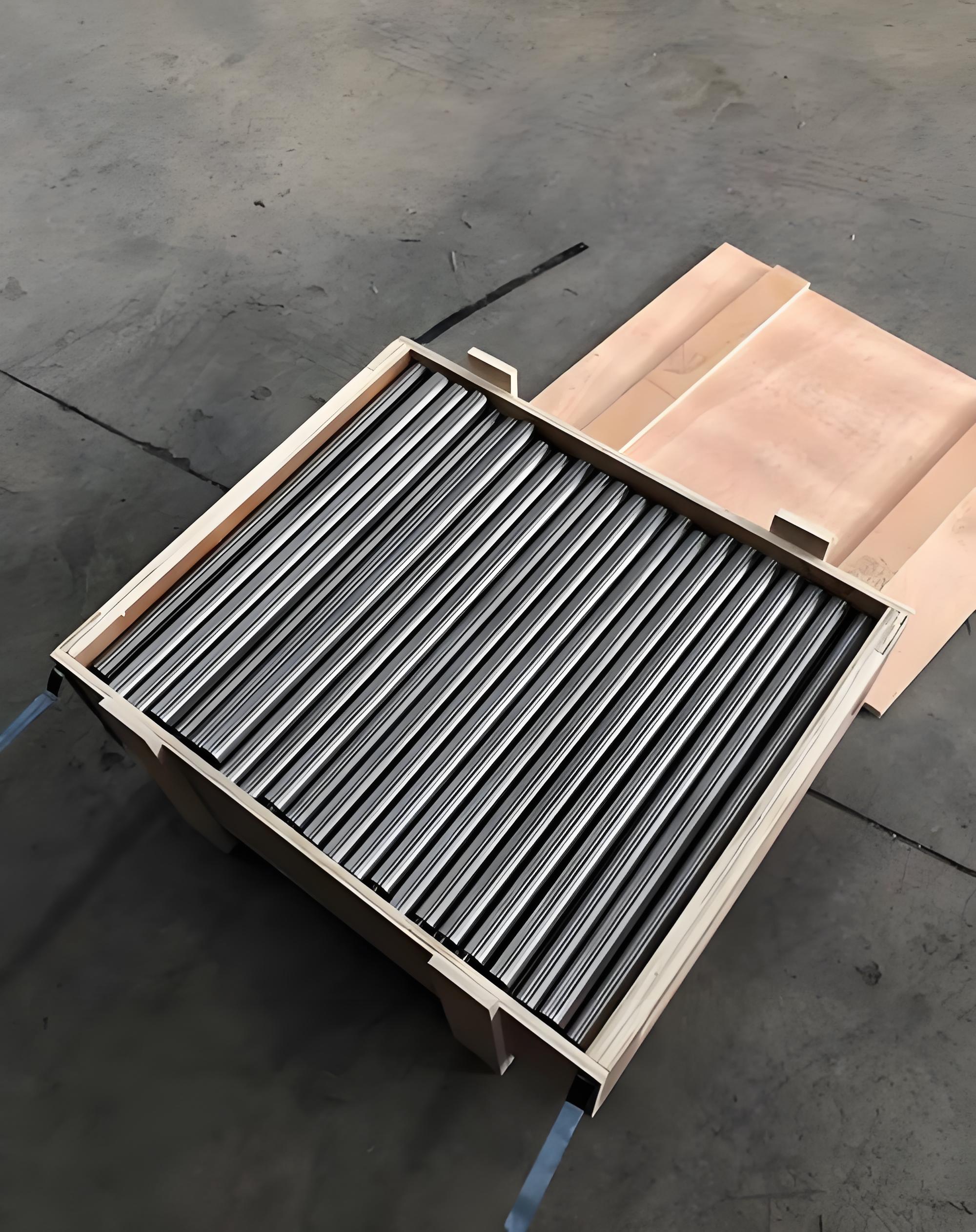
Invar 36 round bar has moderate mechanical strength and good toughness. It is not a high-strength alloy like Inconel 718 or Nimonic 90, and it is not selected mainly for wear resistance. Its strength is usually sufficient for precision supports, molds, rods, fixtures, and structural parts where dimensional stability is the main concern.
Mechanical properties depend on product condition. Hot rolled, forged, annealed, cold drawn, and precision ground bars can show different tensile strength, yield strength, elongation, and hardness. Cold drawn material may have higher strength and hardness, while annealed material generally provides better ductility and more stable dimensional behavior.
| Mechanical Property | Typical Performance Direction | Specification Note |
|---|---|---|
| Tensile Strength | Moderate, depends on condition | Should be checked by MTC if required |
| Yield Strength | Moderate | Important for load-bearing precision components |
| Elongation | Good in annealed condition | Useful for fabrication and machining reliability |
| Hardness | Low to moderate depending on cold work and annealing | Affects machining and surface finish |
| Toughness | Good, including low-temperature service | Useful for cryogenic and precision applications |
Tensile strength, yield strength, elongation, and hardness are commonly included in Invar 36 round bar specifications when the material will be machined into precision or structural components. General values can be used for early design, but actual MTC values should be used for acceptance.
| Property | Typical Reference Range | Notes for Buyers |
|---|---|---|
| Tensile Strength | About 450 – 600 MPa depending on condition | Cold worked material may be higher |
| Yield Strength | About 240 – 350 MPa depending on condition | Annealed material may be lower but more stable for precision use |
| Elongation | About 25% – 40% depending on condition | Higher elongation helps forming and fabrication |
| Hardness | Often around 130 – 180 HB depending on condition | Cold drawing and work hardening can increase hardness |
The same Invar 36 grade can show different mechanical values in annealed, cold drawn, forged, or stress-relieved condition. For precision machining, buyers often care more about internal stress, straightness, and dimensional stability than maximum strength. For loaded fixtures or structural parts, strength values become more important.
Invar 36 round bar can be supplied in many diameters and lengths depending on stock availability and production method. Common sizes may be used for precision rods, pins, shafts, mold components, fixture parts, and machined blanks. Large diameters may require forging, while small precision diameters may be supplied as cold drawn or ground bars.
| Size Category | Common Diameter Examples | Typical Use |
|---|---|---|
| Small Diameter | 3 mm – 20 mm | Pins, rods, measuring parts, small precision components |
| Medium Diameter | 22 mm – 80 mm | Shafts, fixtures, mold inserts, machined parts |
| Large Diameter | 90 mm – 200 mm | Large tooling components, heavy machined blanks |
| Forged Large Bar | Above 200 mm | Special molds, heavy precision structures, custom parts |
Invar 36 round bars may be supplied in random length, fixed length, or cut-to-size pieces. For precision machining, buyers often prefer cut blanks with enough machining allowance. If saw cutting is used, extra length may be needed for end facing.
Standard hot rolled tolerance is usually suitable for rough machining blanks. Cold drawn bars provide better dimensional control. Peeled and ground bars can provide tighter tolerance and better surface finish. If the final part is a measuring rod, guide pin, or precision shaft, tolerance should be stated clearly in the inquiry.
The delivery condition of Invar 36 round bar affects mechanical properties, surface quality, dimensional accuracy, internal stress, machining allowance, and price. Buyers should choose the condition according to final use rather than only comparing the price per kg.
Hot rolled Invar 36 round bar is often used for general machining blanks. It is usually more economical than precision ground material, but it may require more machining allowance and surface cleaning.
Cold drawn Invar 36 round bar usually has better tolerance, smoother surface, and higher strength than hot rolled bar. However, cold drawing may introduce residual stress, so stress relief may be required for precision components.
Forged Invar 36 round bar is used for larger diameters and heavy-duty machined parts. Forging can support large cross sections, but heat treatment and internal quality inspection may be required for critical applications.
Precision ground Invar 36 round bar is used when tight diameter tolerance, straightness, and smooth surface finish are required. It is suitable for measuring rods, precision shafts, pins, and close-tolerance instrument components.
| Condition | Main Feature | Typical Use |
|---|---|---|
| Hot Rolled | Cost-effective, suitable for general machining | Machined blanks, mold parts, fixture components |
| Cold Drawn | Better tolerance and higher strength | Small rods, pins, precision components |
| Forged | Suitable for large sizes and heavy sections | Large tools, structural precision parts, heavy molds |
| Peeled | Cleaner surface and reduced machining allowance | Shafts, rods, machined parts |
| Precision Ground | Tight tolerance and smooth surface | Measuring rods, guide pins, precision shafts |
Surface finish, straightness, and dimensional accuracy are important in Invar 36 round bar specification because many applications are precision-related. A bar used for a composite mold frame, measuring rod, optical support, or scientific instrument must not only have the correct composition, but also stable geometry and suitable surface quality.
Common surface finishes include black surface, turned surface, peeled surface, polished surface, and centerless ground surface. Black surface may be acceptable for rough machining. Peeled or ground surface is better for precision machining and reduced machining allowance.
Straightness is important for long bars, rods, and shafts. Poor straightness increases machining time and may cause finished part rejection. Buyers should state straightness requirements if the bar will be used for precision rods or long machined components.
Dimensional accuracy includes diameter tolerance, ovality, length tolerance, and sometimes roundness. For precision ground bars, tighter tolerance can reduce machining work. For rough machining blanks, standard tolerance may be enough.
| Quality Item | Specification Option | Why It Matters |
|---|---|---|
| Surface Finish | Black, peeled, polished, ground | Affects machining allowance and final surface quality |
| Straightness | Standard or precision straightness | Important for rods, shafts, and measuring parts |
| Diameter Tolerance | Mill tolerance, drawn tolerance, ground tolerance | Affects machining time and finished accuracy |
| Ovality | Standard or controlled | Important for precision turning and grinding |
| Length Tolerance | Random, fixed, or cut-to-size | Affects machining blank preparation |
Heat treatment and annealed condition requirements are important for Invar 36 round bar because residual stress can affect dimensional stability. In precision applications, a bar with the correct chemical composition but high internal stress may move during machining or after temperature cycling.
Annealed Invar 36 round bar generally offers better ductility and more stable behavior for precision machining. Annealing helps reduce internal stress and improve dimensional stability. If the final part requires high accuracy, annealed or stress-relieved material may be preferred.
Stress relief may be needed after cold drawing, heavy machining, welding, or forming. A common precision machining route is rough machining, stress relief, and then finish machining. This reduces the risk of distortion in final components.
Thermal history may affect expansion behavior. If the project requires strict coefficient of thermal expansion values, buyers should confirm whether the required condition is annealed, stress relieved, cold worked, or specially processed. For high-precision applications, CTE testing may be requested.
| Condition / Process | Effect on Invar 36 Round Bar | Typical Use |
|---|---|---|
| Annealed | Improves ductility and reduces internal stress | Precision machining, fixtures, molds |
| Cold Drawn | Improves strength and tolerance but may increase residual stress | Small rods and precision blanks |
| Stress Relieved | Reduces distortion risk after machining | Large frames, molds, optical supports |
| Rough Machined + Stress Relieved | Improves final dimensional stability | High-accuracy components |
Inspection and certification are essential parts of an Invar 36 round bar specification. Because the material is often used in precision and engineering applications, buyers should verify the material through MTC, heat number traceability, dimensional inspection, surface inspection, and additional testing if required.
The MTC should show the material grade, UNS number, chemical composition, mechanical properties if required, heat number, standard, bar size, delivery condition, and inspection results. For Invar 36, nickel content and grade identification should be checked carefully.
The heat number on the MTC should match the bar marking, product label, packing list, and supplied material. Heat number traceability is important because it connects the physical round bar to the chemical analysis and test results.
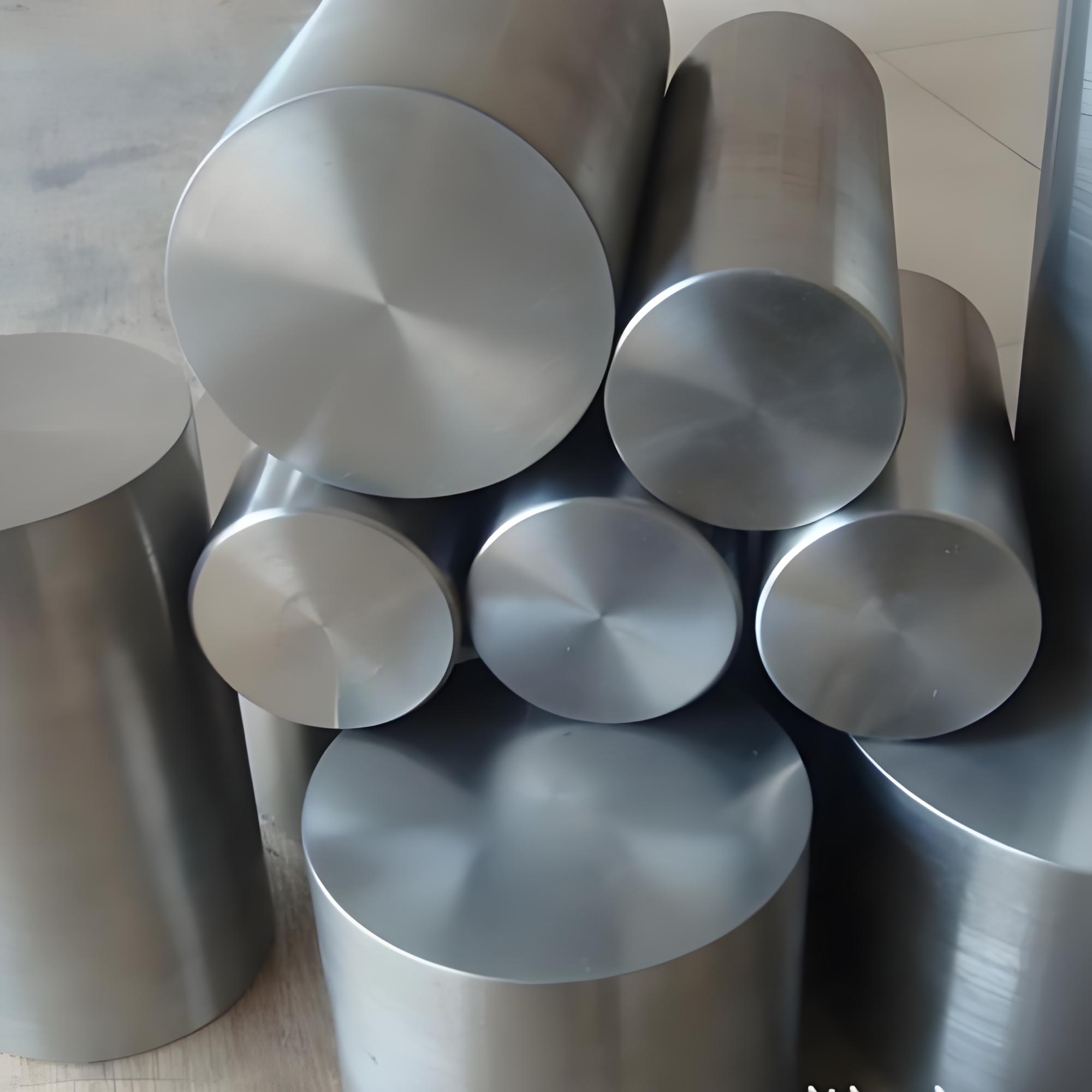
Diameter, length, tolerance, ovality, straightness, and surface condition should be checked according to the purchase order. For precision ground bars, dimensional inspection is especially important.
If the application is highly sensitive to thermal movement, buyers may request CTE testing. The test should specify the temperature range because CTE values change with temperature. Without a specified test range, CTE data may be unclear or unsuitable for the application.
PMI can help verify nickel and iron content and reduce material mix-up risk. However, PMI should not replace full MTC review when strict composition or low expansion performance is required. For critical applications, laboratory chemical analysis or CTE testing may be required.
| Inspection Item | What to Check | Why It Matters |
|---|---|---|
| Grade Identification | Invar 36 / Alloy 36 / UNS K93600 / W.Nr. 1.3912 | Prevents wrong material supply |
| Chemical Composition | Ni around 36%, Fe balance, controlled residuals | Confirms low-expansion alloy composition |
| Mechanical Properties | Tensile strength, yield strength, elongation, hardness if required | Confirms performance for load-bearing parts |
| CTE Test | Coefficient of thermal expansion over specified temperature range | Important for precision and thermal stability applications |
| Heat Number | Same on MTC, label, and bar marking | Provides traceability |
| Dimensional Inspection | Diameter, length, tolerance, straightness, ovality | Affects machining and final accuracy |
| Surface Inspection | Cracks, scratches, seams, surface defects, contamination | Affects machining and final part quality |
A clear inquiry can be written as: Invar 36 round bar, UNS K93600 / W.Nr. 1.3912, diameter 30 mm, length 3000 mm, annealed condition, peeled surface, standard tolerance, with MTC and heat number traceability. If the project requires strict dimensional stability, the inquiry should also state the required coefficient of thermal expansion test range and whether stress relief is required before shipment.
What is Invar 36 round bar?
Invar 36 round bar is a nickel-iron controlled expansion alloy bar containing approximately 36% nickel and balance iron. It is identified as UNS K93600 and W.Nr. 1.3912. Its main feature is very low thermal expansion, which makes it suitable for precision tools, aerospace molds, measuring rods, optical frames, cryogenic supports, and components requiring dimensional stability.
What is the density of Invar 36 round bar?
The density of Invar 36 round bar is about 8.05 g/cm³. This value is used for theoretical weight calculation, quotation, machining blank planning, and shipping weight estimation. Since round bar weight increases quickly as diameter increases, buyers should provide diameter, length, and quantity when requesting a price.
What is the coefficient of thermal expansion of Invar 36?
The coefficient of thermal expansion of Invar 36 is very low near room temperature, commonly around 1.2 to 1.6 × 10⁻⁶ /°C from about 20°C to 100°C depending on material condition and test method. The expansion coefficient increases as temperature rises, so precision applications should specify the exact CTE test temperature range before purchasing.
More from this category
Incoloy 825 bar price depends on the nickel-based alloy composition, bar dimensions, manufacturing route, heat-treatment condition, surface finish, in...
Incoloy 800HT bar price is shaped by nickel, chromium, titanium, and aluminum raw-material costs, together with bar dimensions, heat-treatment conditi...
Incoloy 20 round bar price per kg depends on the alloy composition, bar size, manufacturing method, surface finish, tolerance, certificates, inspectio...
Hastelloy G-30 N06030 bar factory price is determined by the alloy’s high nickel, chromium, iron, molybdenum, copper, and tungsten content, together...
 English English
  Korean
 Arabic
 Spanish
 German
 Portuguese
 French
 Russian
 Italian
 Vietnamese