
Inconel 617 alloy round bar price per kilogram
Inconel 617 alloy round bar price per kilogram is commonly about USD 45 to 90 per kg for standard industrial stock sizes. Large forged bars, small pre...
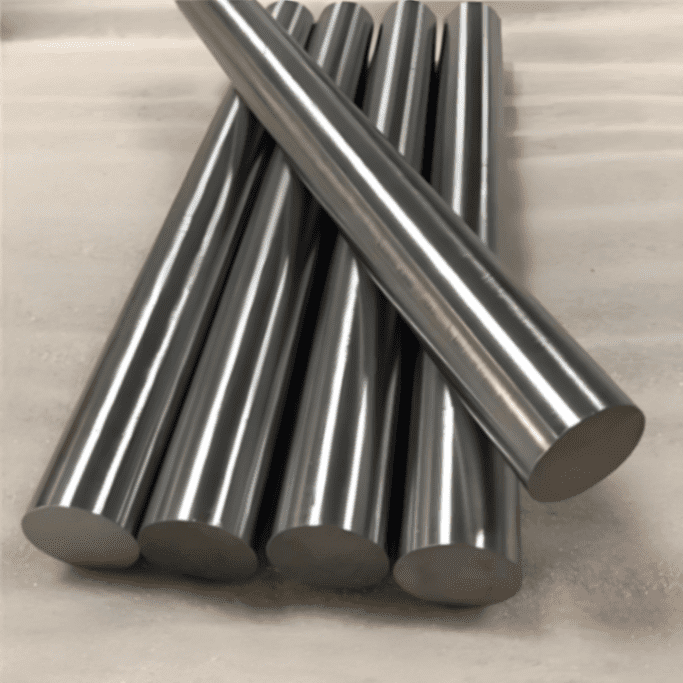
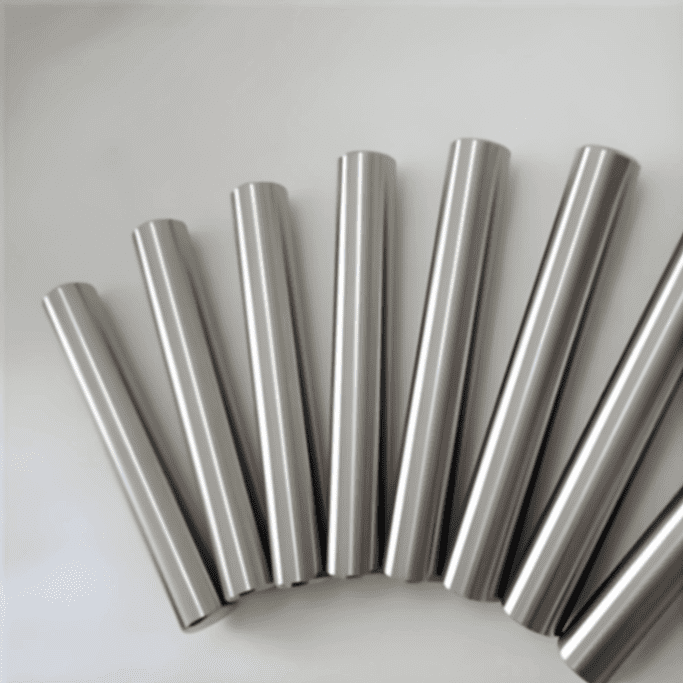
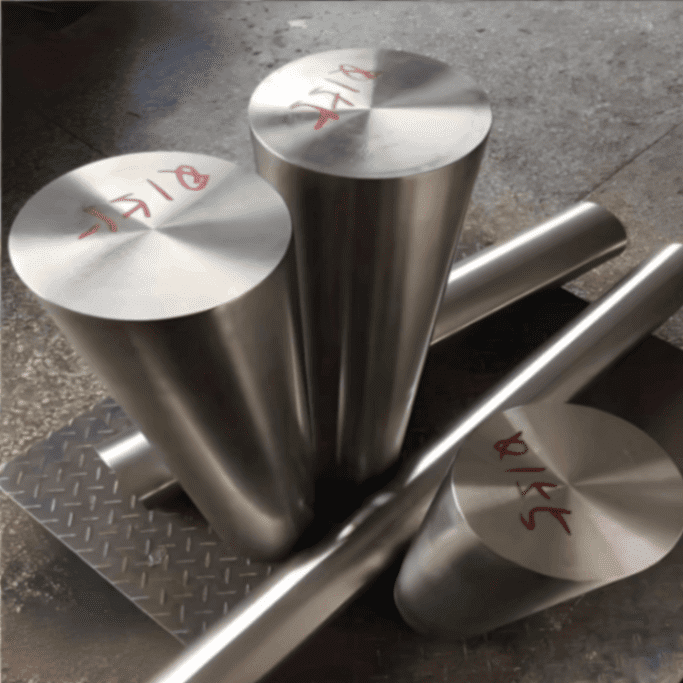
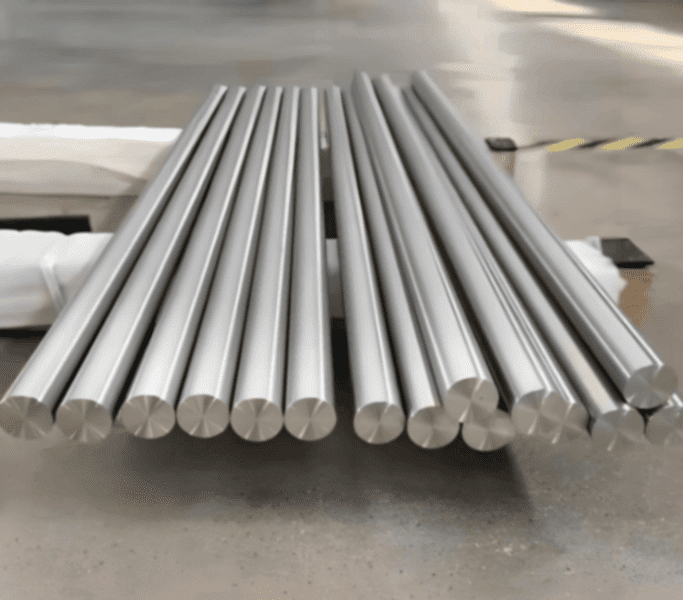
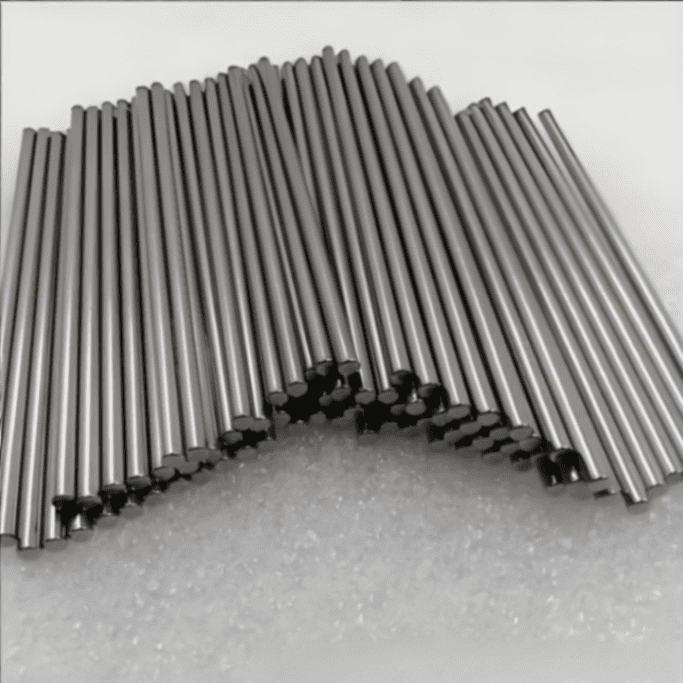
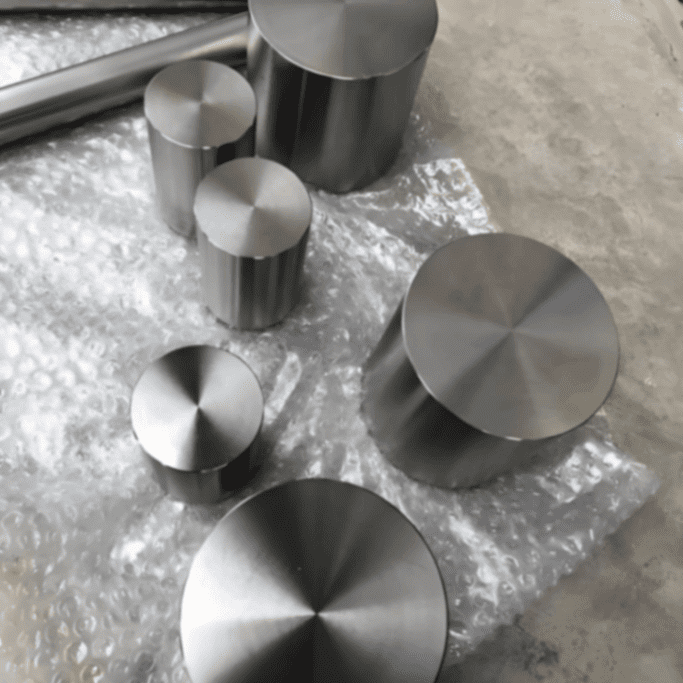
Monel alloys are widely recognized for their exceptional corrosion resistance, especially in harsh marine and chemical environments. Among them, Monel 400 and Monel 405 are two closely related nickel-copper alloys that often appear in industrial material selection. While they share similar base compositions and performance characteristics, their subtle differences—particularly in machinability and applications—can significantly impact engineering decisions. This guide provides a detailed comparison of Monel 405 vs 400, covering chemical composition, physical and mechanical properties, applications, pricing, and practical material selection insights for engineers and procurement professionals.
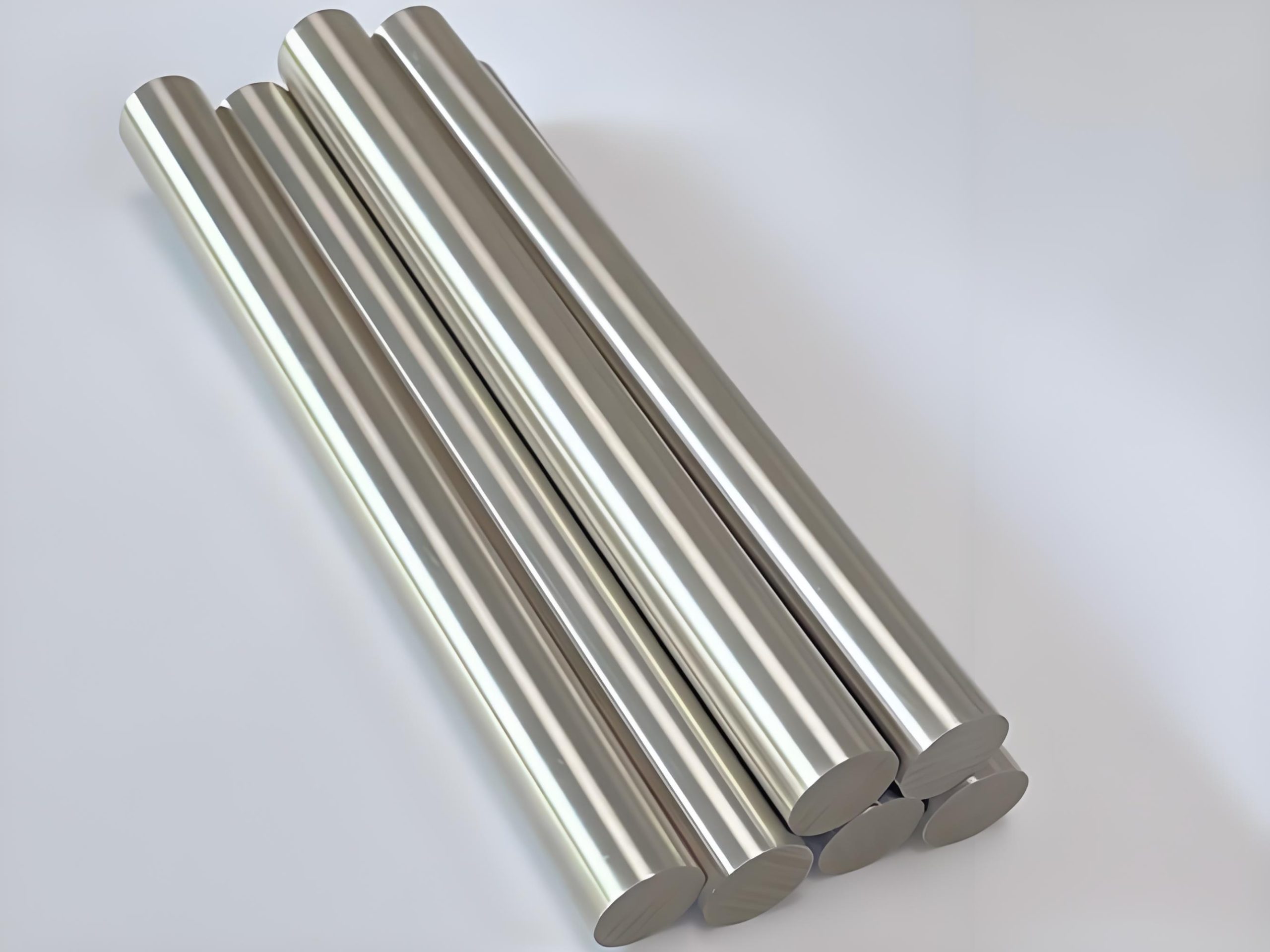
| Element | Monel 400 (%) | Monel 405 (%) |
| Nickel (Ni) | 63.0 min | 63.0 min |
| Copper (Cu) | 28.0 – 34.0 | 28.0 – 34.0 |
| Iron (Fe) | 2.5 max | 2.5 max |
| Manganese (Mn) | 2.0 max | 2.0 max |
| Carbon (C) | 0.3 max | 0.3 max |
| Silicon (Si) | 0.5 max | 0.5 max |
| Sulfur (S) | 0.024 max | 0.025 – 0.060 |
The primary difference lies in sulfur content. Monel 405 contains higher sulfur, intentionally added to improve machinability. This modification makes it more suitable for automatic screw machines, unlike Monel 400 which is better for general-purpose corrosion resistance applications.
| Property | Monel 400 | Monel 405 |
| Density | 8.80 g/cm³ | 8.80 g/cm³ |
| Melting Range | 1300 – 1350°C | 1300 – 1350°C |
| Thermal Conductivity | 21.8 W/m·K | 21.8 W/m·K |
| Electrical Resistivity | 0.49 µΩ·m | 0.50 µΩ·m |
| Specific Heat | 427 J/kg·K | 427 J/kg·K |
From a physical standpoint, Monel 400 and Monel 405 are nearly identical. Their density and thermal properties make them ideal for applications requiring stable performance under temperature fluctuations, particularly in marine and chemical processing environments.
| Property | Monel 400 | Monel 405 |
| Tensile Strength | 550 – 750 MPa | 480 – 620 MPa |
| Yield Strength | 240 – 345 MPa | 170 – 310 MPa |
| Elongation | 35% | 30% |
| Hardness (HB) | 110 – 150 | 100 – 140 |
Monel 400 generally offers slightly better mechanical properties compared to Monel 405. The addition of sulfur in Monel 405 improves machinability but slightly reduces ductility and strength. For high-stress environments, Monel 400 is typically preferred.
| Aspect | Monel 400 | Monel 405 |
| Machinability | Moderate | Excellent |
| Sulfur Content | Low | Higher (enhanced machining) |
| Strength | Higher | Slightly lower |
| Primary Use | Corrosion-resistant structures | Machined components |
| Surface Finish | Good | Better in machining |
The most important distinction is machinability. Monel 405 is specifically engineered for high-speed machining operations, making it cost-effective for producing precision parts in large volumes.
Monel 400 Applications:
– Marine engineering components such as seawater valves and pumps
– Chemical processing equipment
– Heat exchangers and condensers
– Oil and gas piping systems
Monel 405 Applications:
– Automatic screw machine parts
– Fasteners and fittings requiring precision machining
– Valve stems and pump shafts
– Electrical and electronic components
In practice, Monel 400 is chosen when corrosion resistance and mechanical strength are critical, while Monel 405 is selected when manufacturing efficiency and machining performance are priorities.
When selecting between these alloys, engineers and buyers should consider the following factors:
1. Machining Requirements
If the component requires extensive machining or high production efficiency, Monel 405 is the better option due to improved chip-breaking characteristics.
2. Mechanical Strength
For load-bearing applications, Monel 400 provides superior mechanical properties and longer service life.
3. Corrosion Environment
Both alloys perform similarly in corrosive environments such as seawater, acids, and alkalis. Therefore, corrosion resistance is not the deciding factor between the two.
4. Cost Efficiency
While raw material costs are similar, machining costs can differ significantly. Monel 405 often reduces overall production costs in high-volume manufacturing.
| Property | Monel 400 | Invar 36 |
| Density | 8.80 g/cm³ | 8.05 g/cm³ |
| Thermal Expansion | 13.9 µm/m·°C | 1.2 µm/m·°C |
| Corrosion Resistance | Excellent | Moderate |
| Main Advantage | Corrosion resistance | Low expansion |
| Applications | Marine, chemical | Precision instruments |
Compared to Invar 36, Monel alloys excel in corrosion resistance but lack the extremely low thermal expansion properties required for precision measurement equipment. This comparison highlights the importance of application-specific material selection.
| Standard | Monel 400 | Monel 405 |
| UNS Number | N04400 | N04405 |
| ASTM | B164, B127 | B164 |
| ASME | SB164 | SB164 |
| Form | Rod, plate, pipe | Rod, bar |
Both alloys are widely available through suppliers such as Shanghai NC Metal Materials Co., Ltd., offering a range of product forms suitable for different industrial applications.
| Material | Form | Reference Price (USD/kg) |
| Monel 400 | Plate | 28 – 38 |
| Monel 400 | Bar | 30 – 40 |
| Monel 405 | Bar | 32 – 42 |
Prices vary depending on market conditions, order volume, and processing requirements. Monel 405 may have a slightly higher price due to its specialized machinability, but it often reduces total manufacturing cost.
What is the main difference between Monel 400 and Monel 405?
The main difference is machinability. Monel 405 contains higher sulfur content, which improves machining performance, making it ideal for automatic screw machine parts, while Monel 400 offers better mechanical strength.
Is Monel 405 as corrosion-resistant as Monel 400?
Yes, both alloys have nearly identical corrosion resistance because their nickel-copper base composition is the same. The added sulfur in Monel 405 does not significantly impact corrosion performance.
Which alloy is better for high-volume manufacturing?
Monel 405 is generally better for high-volume production due to its superior machinability, which reduces tool wear and machining time, leading to lower overall production costs.
More from this category
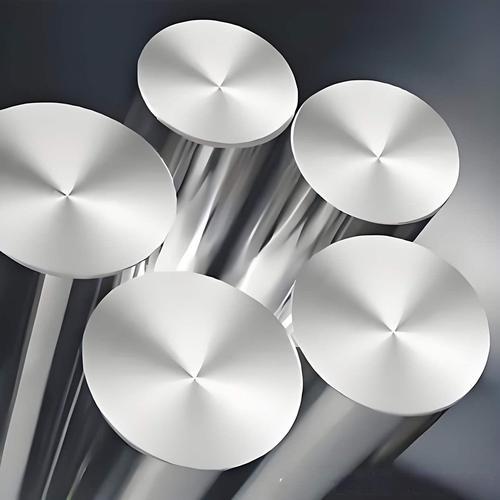
Inconel 617 alloy round bar price per kilogram is commonly about USD 45 to 90 per kg for standard industrial stock sizes. Large forged bars, small pre...
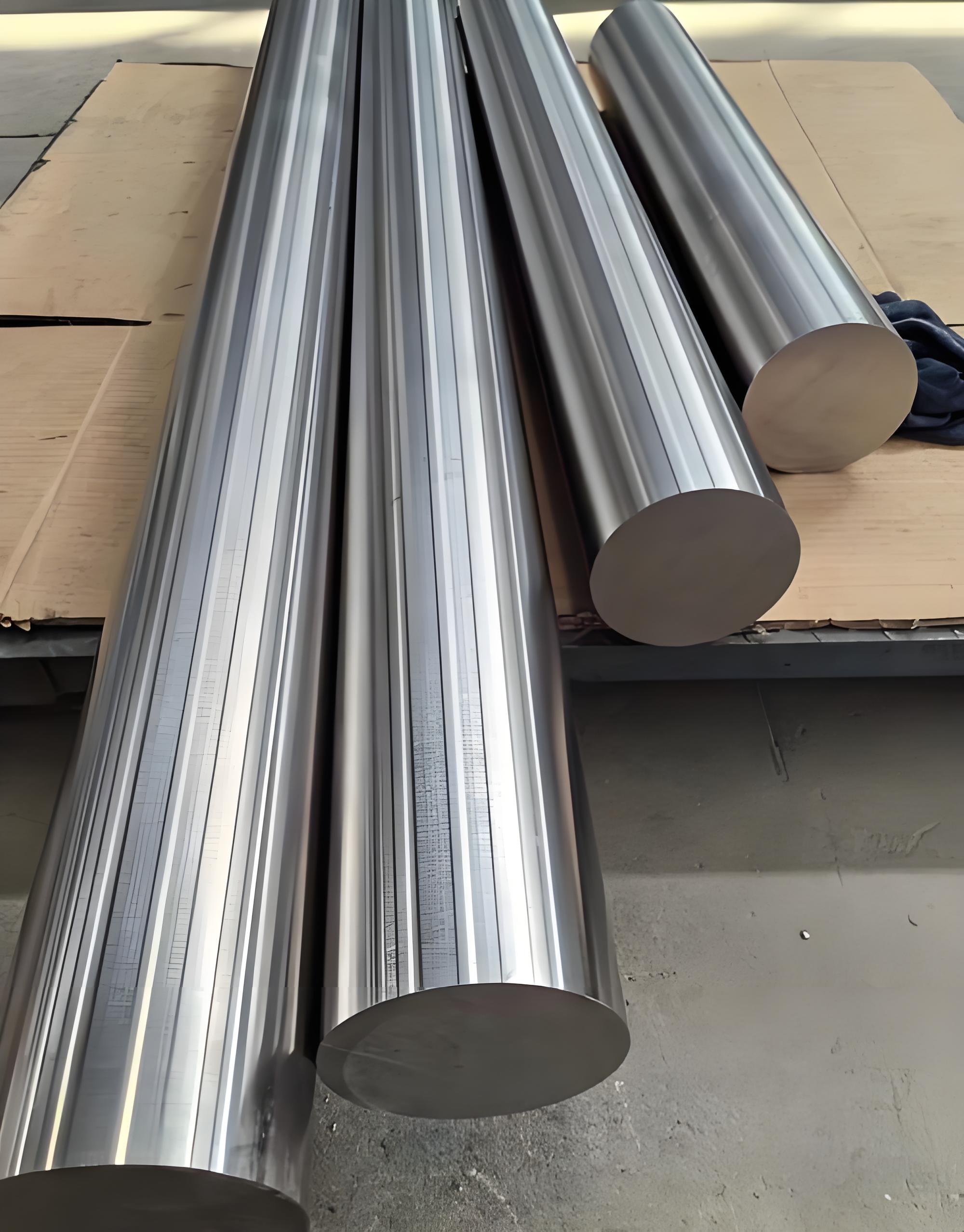
The latest Inconel 625 alloy bar price per kg depends on nickel, molybdenum, niobium, and chromium raw material costs, as well as bar diameter, manufa...
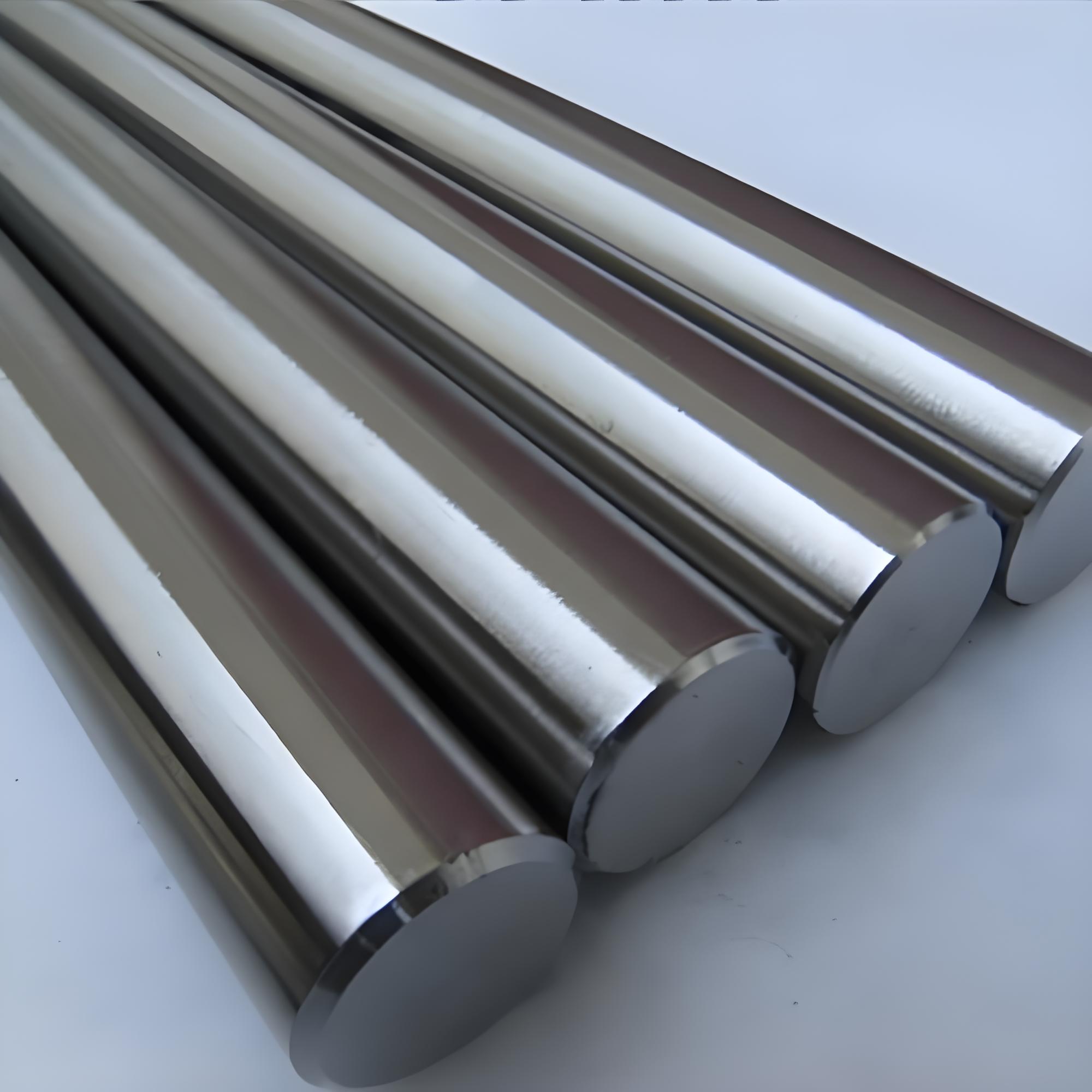
Inconel X-750 alloy bar price depends on nickel raw material cost, bar diameter, product condition, heat treatment, specification, surface finish, dim...
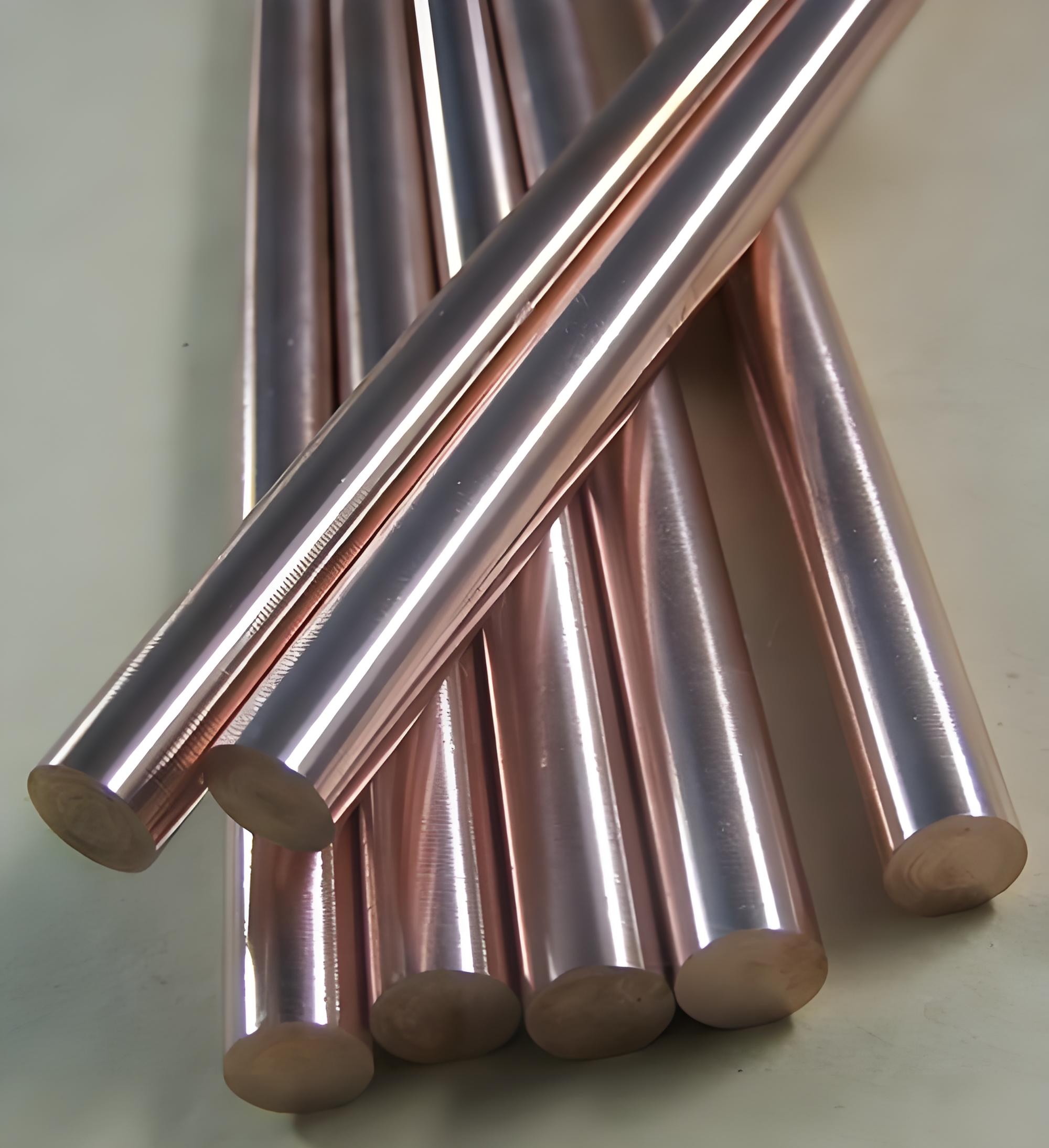
Inconel 602CA alloy bar price per kg is usually higher than common Inconel 600 and Inconel 601 bars because Alloy 602CA is a premium high-temperature ...
 English English
  Korean
 Arabic
 Spanish
 German
 Portuguese
 French
 Russian
 Italian
 Vietnamese