
Inconel 617 alloy round bar price per kilogram
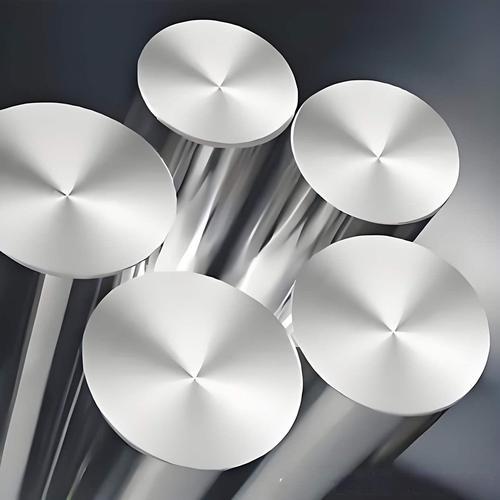
Inconel 617 alloy round bar price per kilogram is commonly about USD 45 to 90 per kg for standard industrial stock sizes. Large forged bars, small pre...
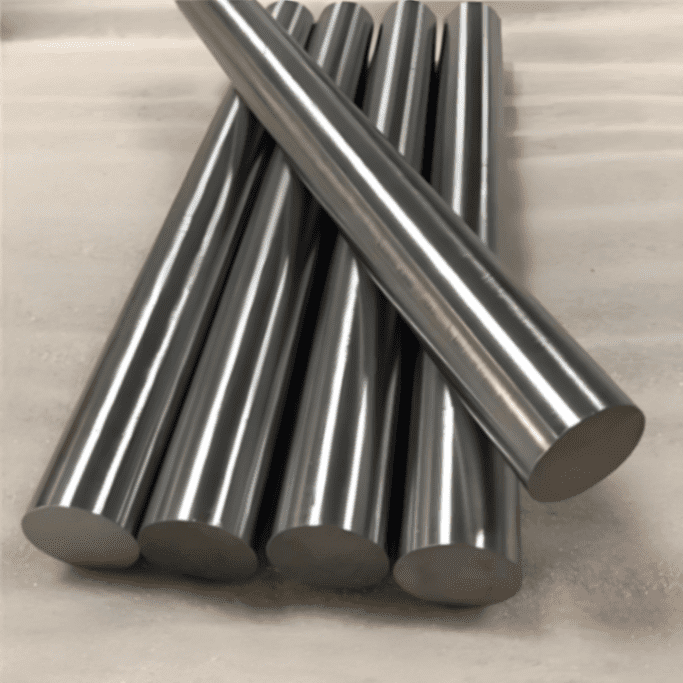
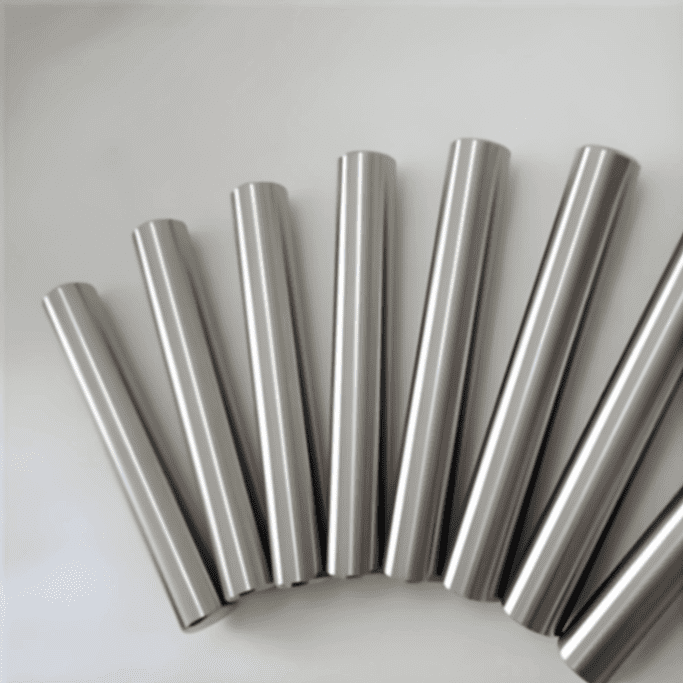
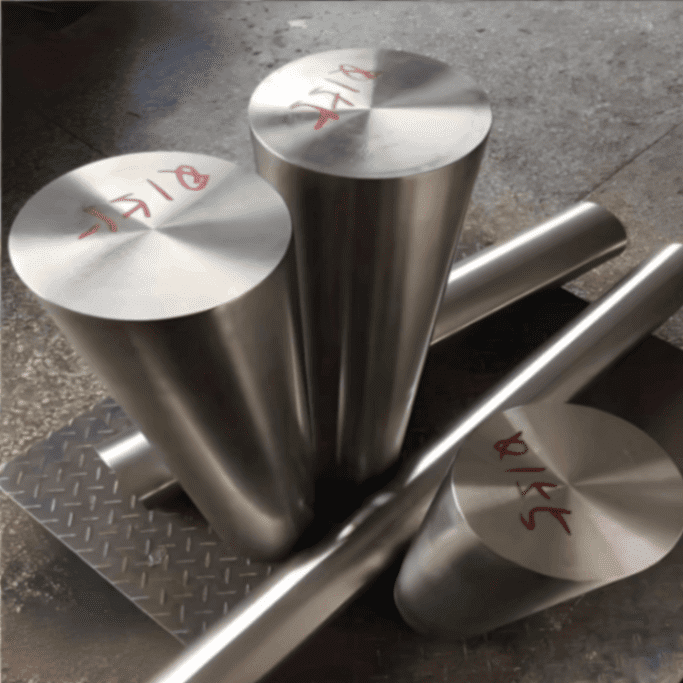
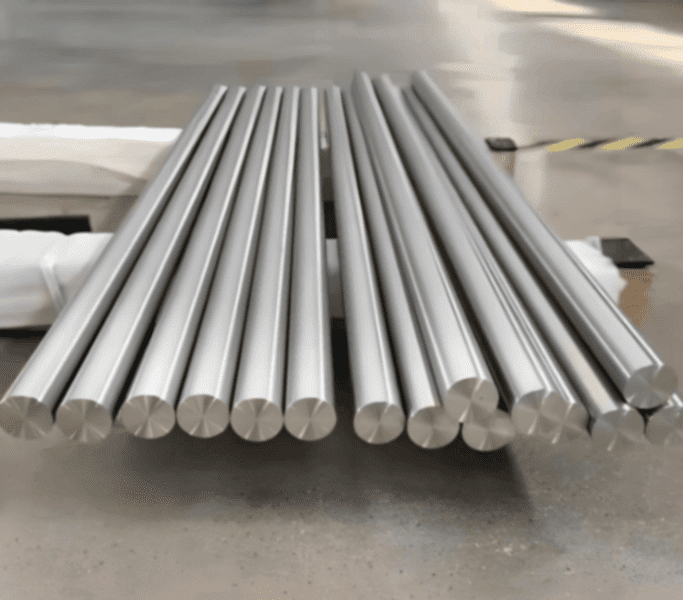
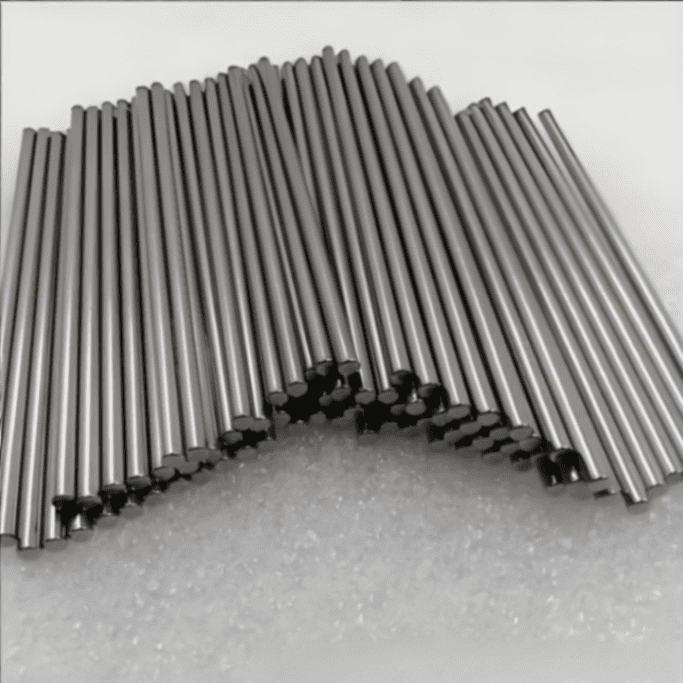
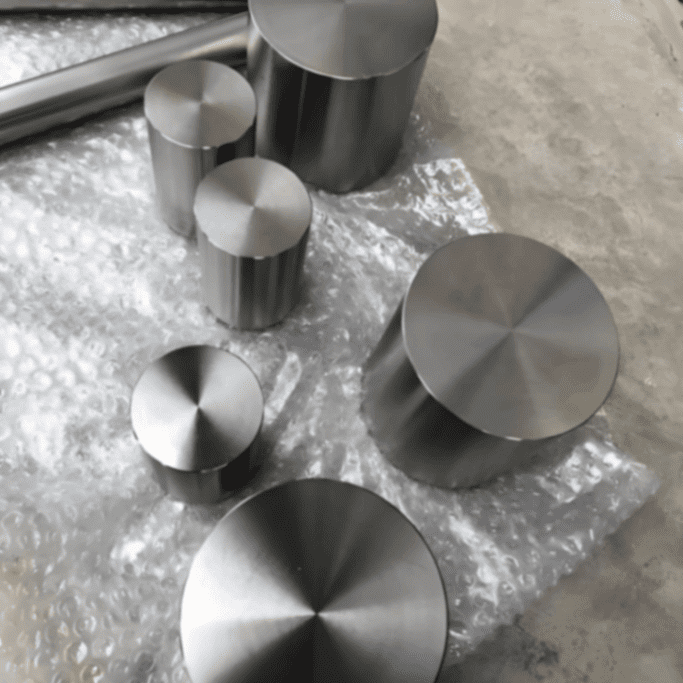
Monel 400 and Monel 405 are closely related nickel-copper alloys widely used in demanding industrial environments where corrosion resistance and durability are essential. While both materials share similar chemical foundations and physical characteristics such as density and thermal stability, their mechanical properties and machinability differ in ways that directly impact engineering performance and material selection. This guide focuses on the mechanical properties of Monel 405 vs 400 and provides practical insights to help engineers, designers, and buyers choose the right alloy for their specific applications.
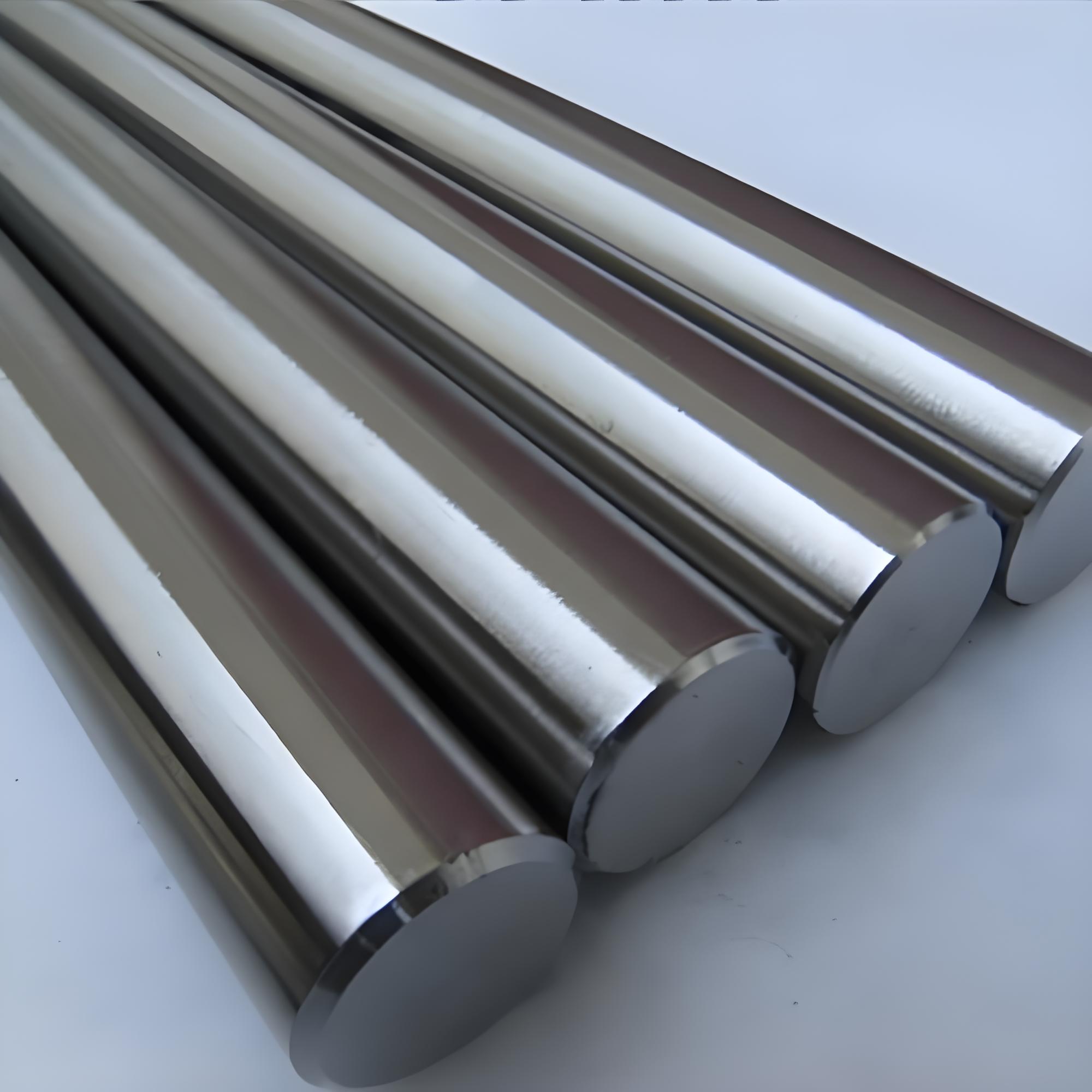
Monel 400 is a solid-solution alloy primarily composed of nickel and copper, known for its excellent corrosion resistance in marine, chemical, and oil & gas environments. Monel 405 is a free-machining variant of Monel 400, developed by increasing sulfur content to enhance machinability, particularly for automatic machining processes.
| Property | Monel 400 | Monel 405 |
| Tensile Strength | 550 – 750 MPa | 480 – 620 MPa |
| Yield Strength (0.2% Offset) | 240 – 345 MPa | 170 – 310 MPa |
| Elongation | 30 – 35% | 25 – 30% |
| Hardness (Brinell) | 110 – 150 HB | 100 – 140 HB |
| Modulus of Elasticity | 179 GPa | 179 GPa |
Monel 400 demonstrates superior tensile and yield strength compared to Monel 405. It also offers slightly better ductility, making it more suitable for applications involving deformation, pressure, or cyclic loading. Monel 405, while slightly lower in strength, still provides reliable mechanical performance for most moderate-load applications.
The key differentiator between Monel 405 and Monel 400 lies in sulfur content. Monel 405 contains higher sulfur levels, which improve machinability by promoting chip breaking during cutting operations. However, this also introduces minor reductions in mechanical properties such as ductility and strength.
From a practical standpoint:
– Higher sulfur = better machinability
– Slight trade-off = reduced elongation and strength
This balance is critical when selecting materials for precision components that require extensive machining but do not face extreme mechanical stress.
| Property | Monel 400 | Monel 405 |
| Density | 8.80 g/cm³ | 8.80 g/cm³ |
| Melting Range | 1300 – 1350°C | 1300 – 1350°C |
| Thermal Conductivity | 21.8 W/m·K | 21.8 W/m·K |
| Thermal Expansion | 13.9 µm/m·°C | 13.9 µm/m·°C |
The identical density and thermal properties indicate that both alloys behave similarly under temperature changes, which is important for applications involving thermal cycling or heat transfer.
| Factor | Monel 400 | Monel 405 |
| Machinability Rating | Low to Moderate | High |
| Tool Wear | Higher | Lower |
| Surface Finish | Good | Excellent |
| Production Efficiency | Moderate | High |
Monel 405 is specifically designed for improved machinability. In high-volume manufacturing environments, this translates into reduced tool wear, faster production cycles, and lower machining costs. For complex geometries or tight tolerances, Monel 405 is often the preferred choice.
Monel 400 Applications:
– Pressure vessels and heat exchangers
– Marine shafts and propeller components
– Chemical processing equipment
– Structural components exposed to corrosive environments
Monel 405 Applications:
– Precision machined parts
– Valve stems and fasteners
– Pump components requiring tight tolerances
– Electrical connectors and fittings
Applications for Monel 400 generally demand higher mechanical strength and durability, while Monel 405 is chosen where machining efficiency and dimensional accuracy are critical.
| Property | Monel 400 | Monel 405 | Invar 36 |
| Density | 8.80 g/cm³ | 8.80 g/cm³ | 8.05 g/cm³ |
| Tensile Strength | 550 – 750 MPa | 480 – 620 MPa | 450 – 650 MPa |
| Thermal Expansion | 13.9 µm/m·°C | 13.9 µm/m·°C | 1.2 µm/m·°C |
| Machinability | Moderate | Excellent | Moderate |
| Main Advantage | Strength + corrosion | Machinability | Dimensional stability |
This comparison highlights that while Monel alloys excel in corrosion resistance and balanced mechanical properties, alternative materials like Invar 36 may be better suited for applications requiring extremely low thermal expansion.
| Standard | Monel 400 | Monel 405 |
| UNS Number | N04400 | N04405 |
| ASTM | B127, B164 | B164 |
| ASME | SB127, SB164 | SB164 |
| Available Forms | Plate, sheet, pipe, bar | Bar, rod |
These alloys are commonly supplied by manufacturers such as Shanghai NC Metal Materials Co., Ltd., ensuring availability across multiple product forms to meet industrial requirements.
| Material | Form | Reference Price (USD/kg) |
| Monel 400 | Sheet/Plate | 28 – 38 |
| Monel 400 | Bar | 30 – 40 |
| Monel 405 | Bar/Rod | 32 – 42 |
Although Monel 405 may carry a slightly higher material price, its superior machinability can significantly reduce total production costs, especially in large-scale manufacturing.
Choose Monel 400 when:
– High mechanical strength is required
– Components are exposed to high stress or pressure
– Corrosion resistance is critical in harsh environments
Choose Monel 405 when:
– High-speed machining is required
– Complex shapes or precision components are needed
– Production efficiency and cost reduction are priorities
In many industrial scenarios, the decision between Monel 400 and Monel 405 comes down to balancing mechanical performance with manufacturing efficiency. Understanding these trade-offs is essential for optimal material selection.
Is Monel 405 weaker than Monel 400?
Yes, Monel 405 generally has slightly lower tensile and yield strength due to its higher sulfur content. However, it still provides adequate mechanical properties for most machining-based applications.
Why is Monel 405 easier to machine?
Monel 405 contains added sulfur, which improves chip formation and reduces tool wear during machining, making it ideal for automatic screw machines and high-volume production.
How do I choose between Monel 400 and 405?
If your application requires high strength and durability, choose Monel 400. If machining efficiency and precision are more important, Monel 405 is the better option.
More from this category
Inconel 617 alloy round bar price per kilogram is commonly about USD 45 to 90 per kg for standard industrial stock sizes. Large forged bars, small pre...
The latest Inconel 625 alloy bar price per kg depends on nickel, molybdenum, niobium, and chromium raw material costs, as well as bar diameter, manufa...
Inconel X-750 alloy bar price depends on nickel raw material cost, bar diameter, product condition, heat treatment, specification, surface finish, dim...
Inconel 602CA alloy bar price per kg is usually higher than common Inconel 600 and Inconel 601 bars because Alloy 602CA is a premium high-temperature ...
 English English
  Korean
 Arabic
 Spanish
 German
 Portuguese
 French
 Russian
 Italian
 Vietnamese