
Incoloy 825 Bar Price | UNS N08825 Supplier
Incoloy 825 bar price depends on the nickel-based alloy composition, bar dimensions, manufacturing route, heat-treatment condition, surface finish, in...
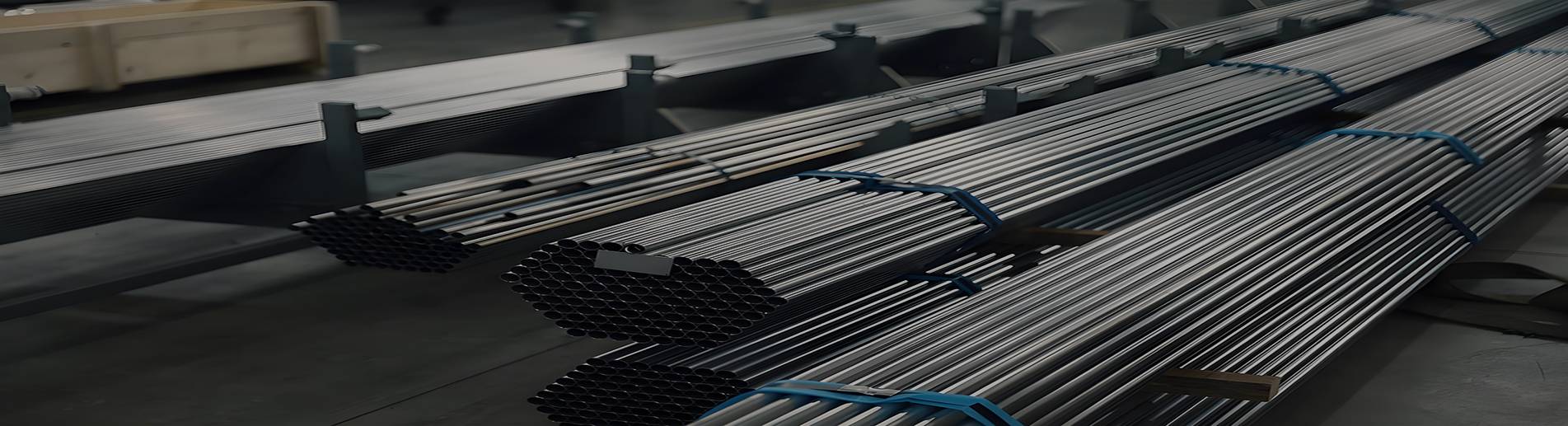
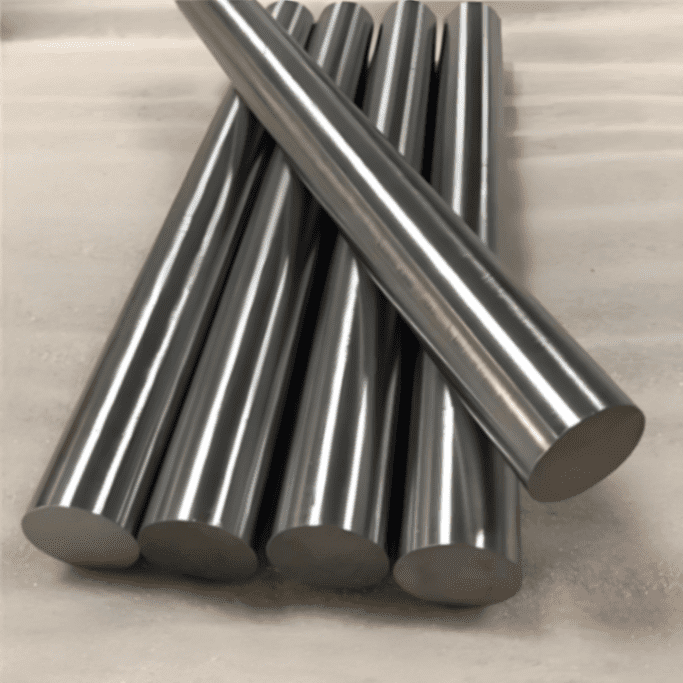
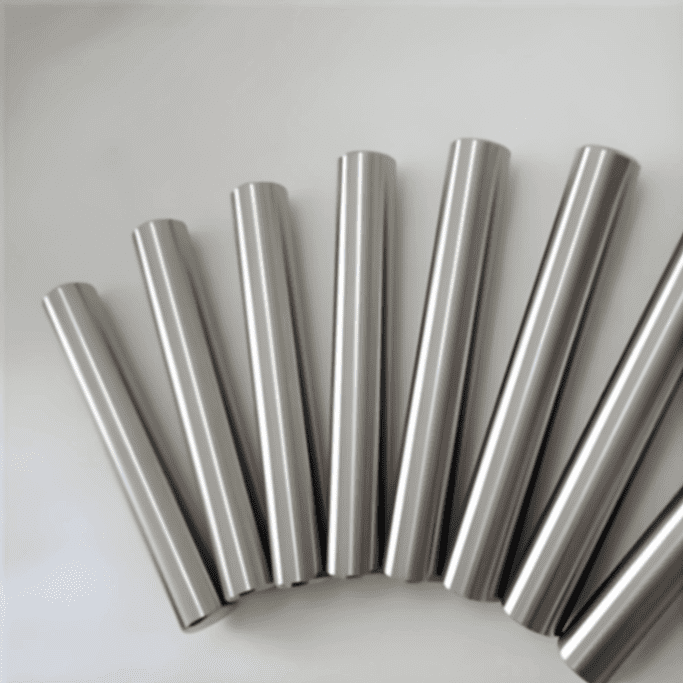
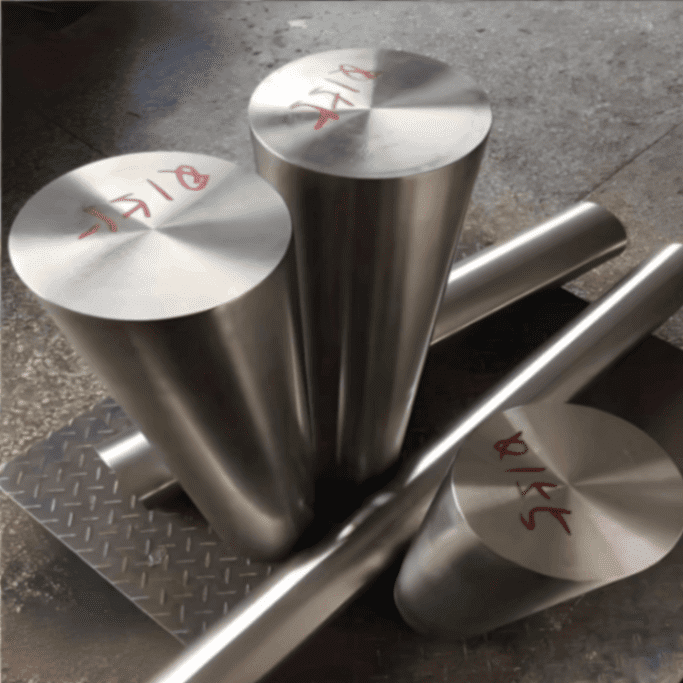
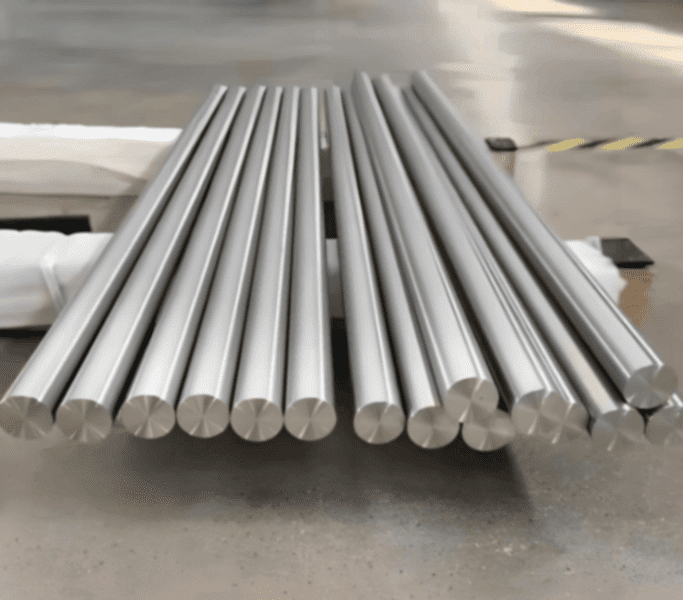
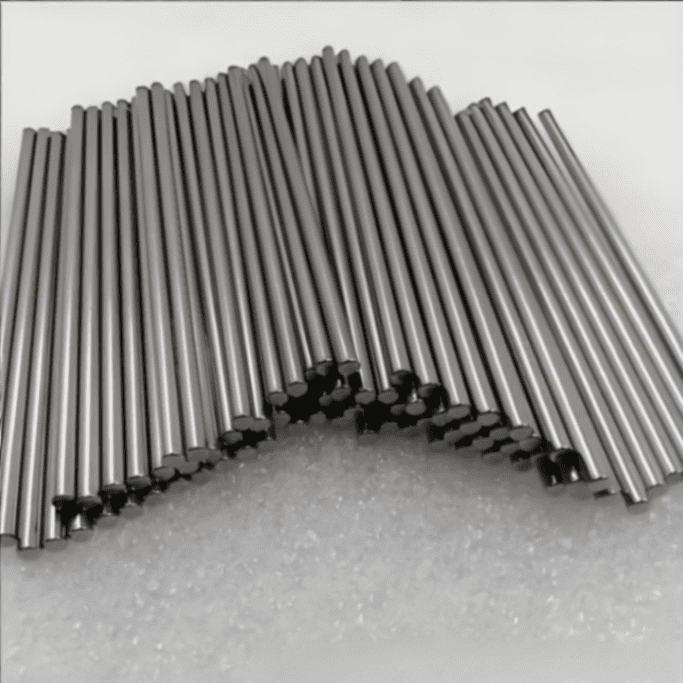
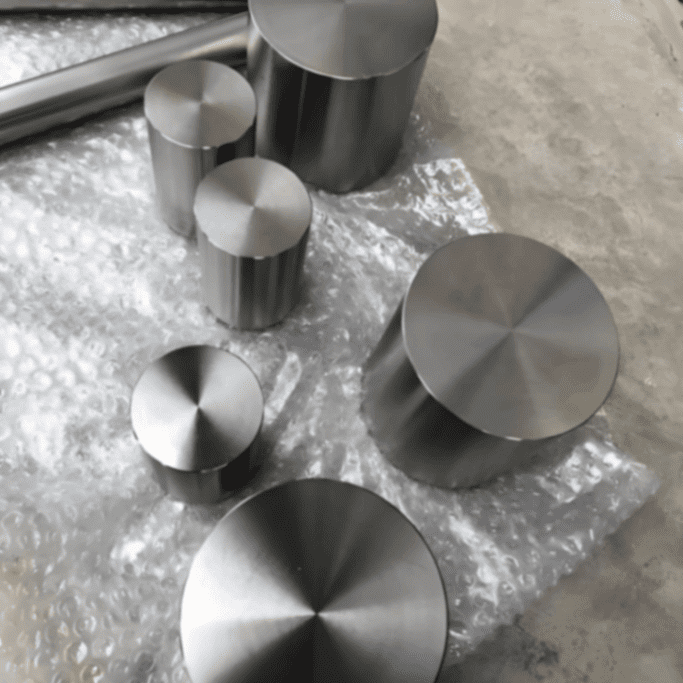
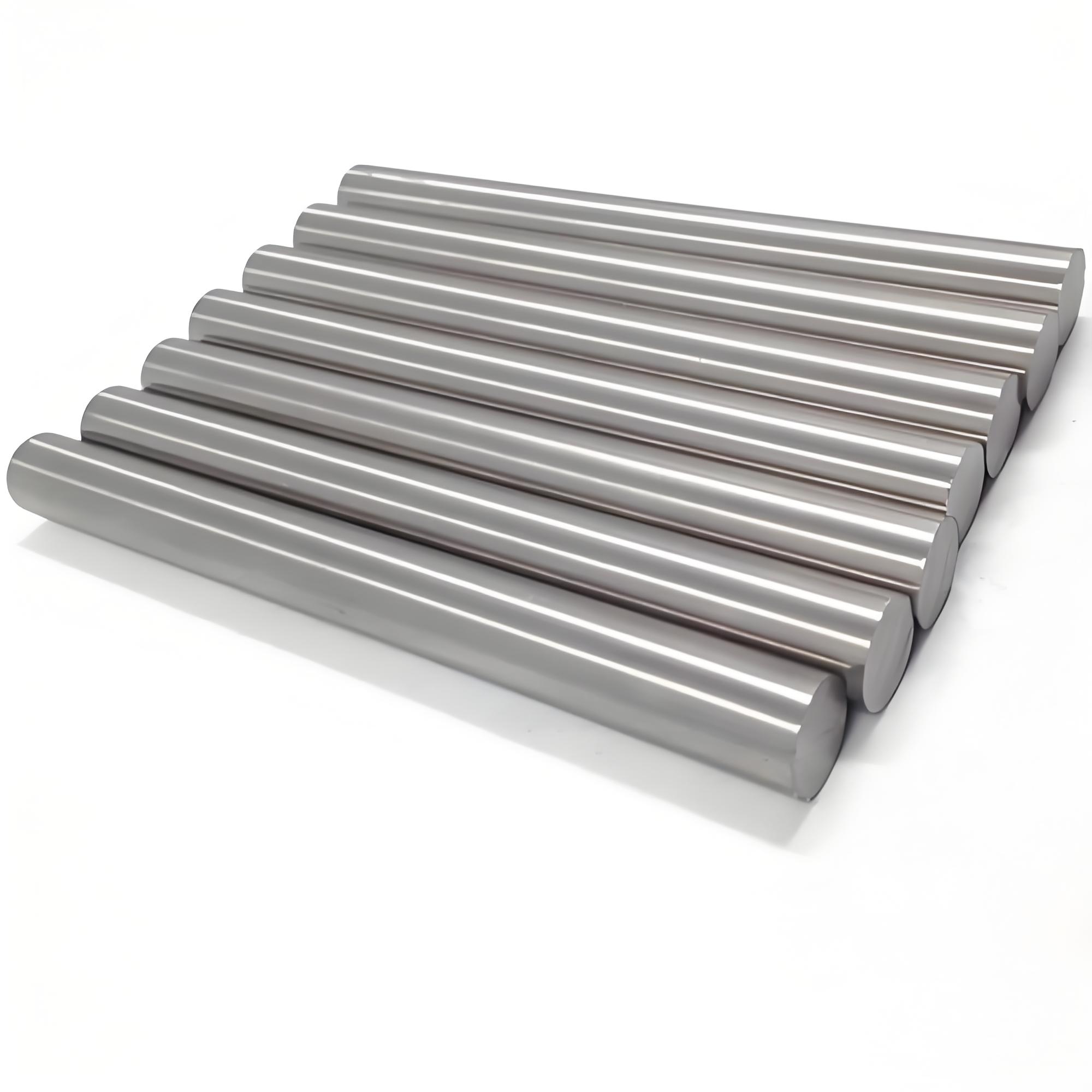
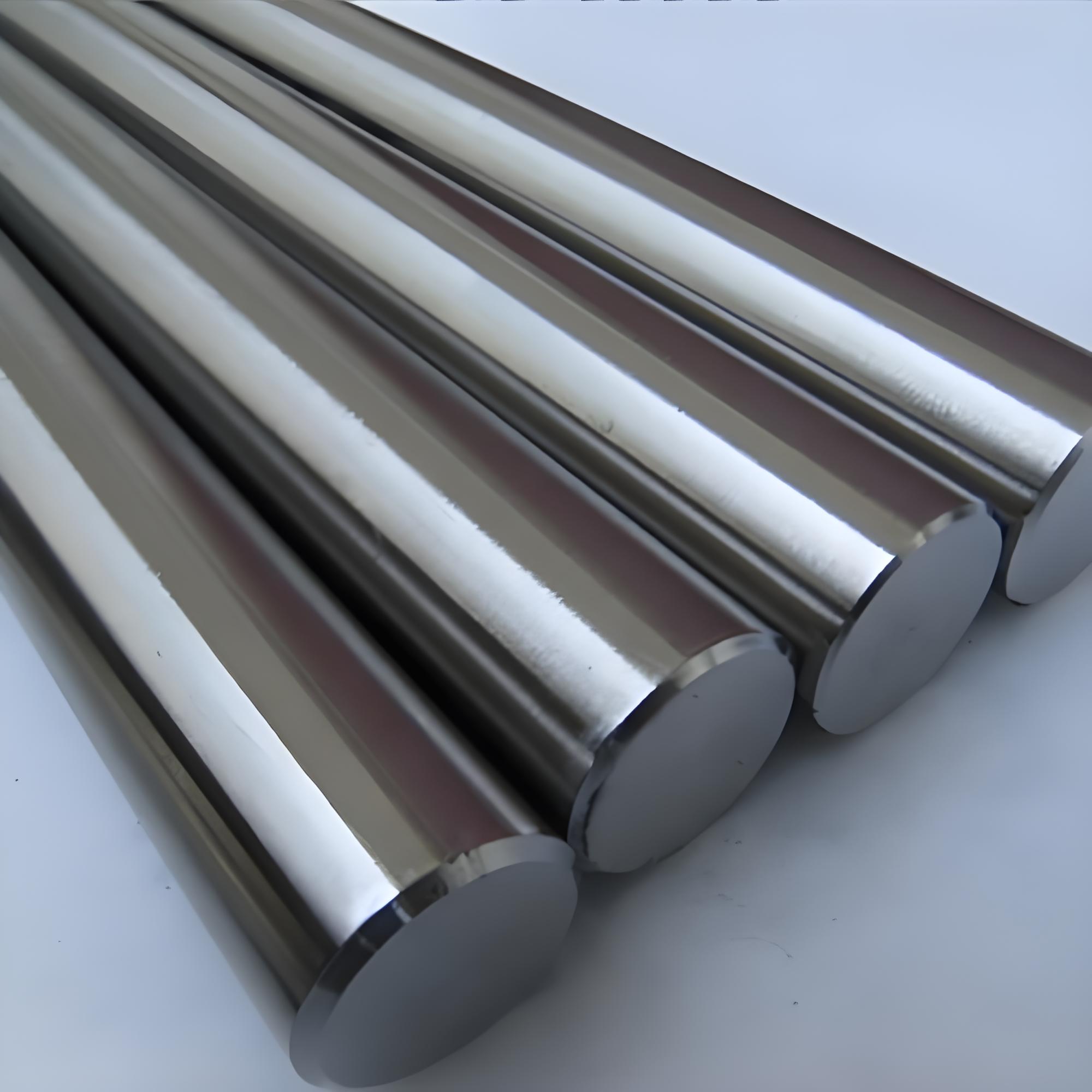
Nimonic 263 bar is a nickel-cobalt-chromium-molybdenum age-hardenable superalloy designed for high-temperature strength, oxidation resistance, creep resistance, good ductility, and excellent fabrication performance. Its chemical composition is the foundation of its performance: nickel provides the base structure, chromium improves oxidation resistance, cobalt supports high-temperature strength, molybdenum contributes solid solution strengthening, and titanium plus aluminum form strengthening phases after heat treatment. For buyers, engineers, and machining users, understanding Nimonic 263 bar chemical composition is important because the element balance directly affects bar quality, high-temperature service life, weldability, creep behavior, and final component reliability in gas turbines, aerospace structures, combustion systems, high-temperature fasteners, rings, shafts, and hot-section engineering parts.
Nimonic 263 bar, also known as Alloy 263, Nimonic C-263, UNS N07263, and W.Nr. 2.4650, is a precipitation-hardenable nickel-based superalloy. It was developed to provide a practical balance between high-temperature strength and good fabrication characteristics. Compared with some stronger but harder-to-fabricate superalloys, Nimonic 263 is often valued because it offers good weldability, good ductility in the annealed condition, and reliable aged strength after heat treatment.
The chemical composition of Nimonic 263 bar is not random. Every major element has a clear function. Nickel forms the matrix. Chromium improves oxidation and hot corrosion resistance. Cobalt helps maintain strength at elevated temperature. Molybdenum strengthens the nickel matrix. Titanium and aluminum provide precipitation hardening. Carbon, boron, sulfur, manganese, silicon, copper, and iron are carefully controlled because even small changes may affect hot workability, weldability, creep resistance, and final bar quality.
| Item | Nimonic 263 Bar Information |
|---|---|
| Common Name | Nimonic 263 / Alloy 263 / Nimonic C-263 |
| UNS Designation | UNS N07263 |
| W.Nr. | 2.4650 |
| Alloy Type | Nickel-cobalt-chromium-molybdenum age-hardenable superalloy |
| Main Strengthening Method | Solid solution strengthening plus precipitation hardening |
| Main Service Direction | High-temperature strength, oxidation resistance, creep resistance, weldability |
For high-temperature alloy bars, chemical composition is not only a certificate item. It determines whether the material can achieve the expected mechanical properties after solution treatment and aging. If titanium, aluminum, molybdenum, cobalt, chromium, carbon, or sulfur is outside the required range, the bar may still look normal, but its high-temperature performance, weldability, or creep strength may be affected. This is why Nimonic 263 bar should always be supplied with a clear MTC, heat number, standard reference, and chemical analysis.
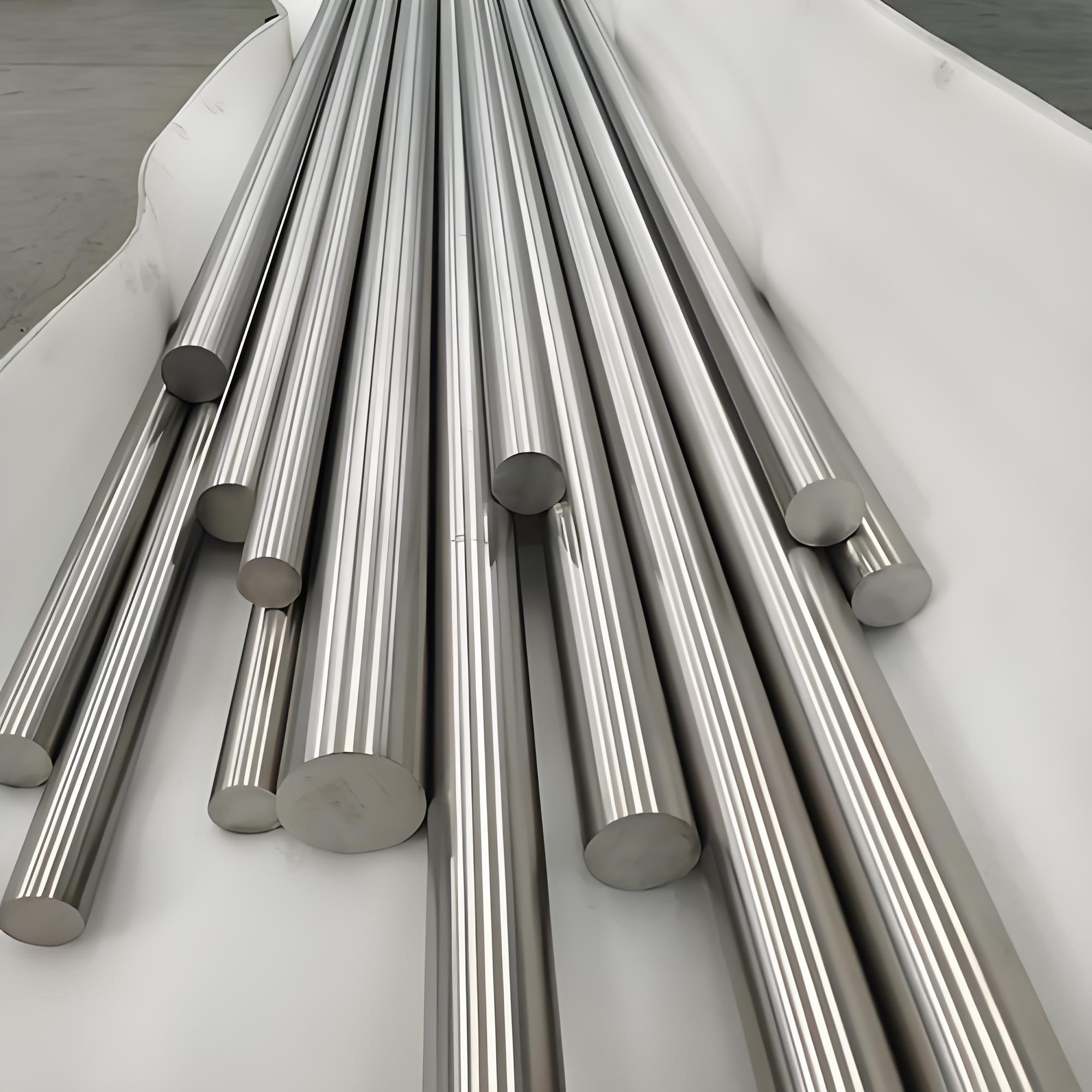
UNS N07263 is the unified designation for Nimonic 263. In international purchasing, UNS N07263 helps buyers avoid confusion between Nimonic 263, Nimonic 80A, Nimonic 90, Inconel 718, Waspaloy, Rene 41, and other nickel-based superalloys. Many high-temperature alloys may look similar in bar form, but their chemical compositions and service capabilities are very different.
When ordering Nimonic 263 bar, the purchase order, quotation, product label, MTC, packing list, and inspection documents should clearly identify the grade as Nimonic 263 / UNS N07263. If the material certificate only says “nickel alloy bar” or “high-temperature alloy bar,” it is not enough for serious engineering use.
| Designation | Material Name | Main Alloy System | Practical Meaning |
|---|---|---|---|
| UNS N07263 | Nimonic 263 / Alloy 263 | Ni-Co-Cr-Mo-Ti-Al | Confirms the alloy as an age-hardenable high-temperature nickel-based superalloy |
Nimonic 263 is often used in expensive and critical components. If the wrong grade is supplied, the final part may fail to meet strength, creep, oxidation, or welding requirements. UNS N07263 should be checked together with chemical composition, mechanical properties, heat treatment condition, and inspection results before machining or fabrication begins.
Nickel is the base element of Nimonic 263 bar. In the chemical composition table, nickel is usually listed as balance, meaning the remaining percentage after all other controlled elements are added. In practical terms, nickel is the matrix that carries the alloy system and supports high-temperature stability, corrosion resistance, ductility, and precipitation hardening response.
The nickel matrix gives Nimonic 263 good stability at elevated temperature. Nickel-based alloys are widely used in gas turbines, aerospace, heat treatment equipment, and combustion systems because nickel can maintain useful mechanical properties at temperatures where many steels lose strength quickly.
In Nimonic 263 bar, nickel works together with cobalt, chromium, molybdenum, titanium, and aluminum. The alloy is not simply “high nickel.” Its performance comes from the controlled balance of all elements within the nickel-based structure.
One reason Nimonic 263 is valued is its good ductility and fabrication behavior in the annealed condition. The nickel-rich matrix helps support this ductility, allowing the alloy to be formed, machined, welded, and then aged for strength. This balance is important for bars that will be machined into rings, shafts, fasteners, hot-section components, and welded assemblies.
Nickel also contributes to general corrosion resistance, especially in high-temperature and industrial environments. However, in Nimonic 263, oxidation resistance depends strongly on chromium, and high-temperature strength depends strongly on cobalt, molybdenum, titanium, and aluminum. Nickel provides the base, but the alloy’s full performance depends on the complete composition.
Chromium is one of the most important elements in Nimonic 263 bar. The chromium content is typically controlled around 19.0% to 21.0%. This high chromium level improves oxidation resistance and helps the alloy perform in hot gas, combustion, turbine, and thermal processing environments.
Chromium helps form a protective oxide scale on the surface of the alloy at elevated temperature. This protective layer slows down further oxidation and helps the material maintain surface integrity in hot service. Without sufficient chromium, a nickel alloy may not resist oxidation well enough for high-temperature structural applications.
In some high-temperature environments, oxidation is not the only risk. Sulfur compounds, salts, combustion products, and industrial contaminants may create hot corrosion conditions. Chromium helps improve resistance to these high-temperature surface attacks, although final suitability still depends on the exact environment.
If chromium is too low, oxidation resistance may decrease. If chromium is outside the designed balance, it may affect phase stability and alloy behavior. For this reason, chromium should be checked carefully in the MTC when purchasing Nimonic 263 bar for hot-section applications.
| Element | Typical Range | Main Function |
|---|---|---|
| Chromium | 19.0% – 21.0% | Improves oxidation resistance and hot corrosion resistance |
Cobalt is another major element in Nimonic 263 bar. The cobalt content is typically controlled around 19.0% to 21.0%. Cobalt helps improve high-temperature strength, phase stability, and thermal resistance. In a nickel-based superalloy, cobalt is not just an added cost; it plays an important metallurgical role.
Cobalt helps support strength at elevated temperature. It works with nickel to maintain a stable high-temperature matrix and helps the alloy resist softening under heat. This is important for gas turbine components, combustion chamber parts, hot fasteners, and high-temperature structural hardware.
Creep resistance is the ability of a material to resist slow deformation under stress at high temperature. Cobalt contributes to the overall high-temperature strength system of Nimonic 263, helping the alloy maintain better dimensional stability under long-term thermal and mechanical loading.
Cobalt is a valuable alloying element and can influence material price. Nimonic 263 bar price is therefore affected not only by nickel cost but also by cobalt, molybdenum, titanium, and overall production complexity. Buyers should understand that a low price without proper chemical verification may create risk for critical high-temperature applications.
| Element | Typical Range | Main Function |
|---|---|---|
| Cobalt | 19.0% – 21.0% | Supports high-temperature strength, phase stability, and creep resistance |
Molybdenum is a key strengthening element in Nimonic 263 bar. Its content is typically controlled around 5.60% to 6.10%. Molybdenum provides solid solution strengthening by strengthening the nickel-based matrix. This improves high-temperature strength and helps the alloy resist deformation under load.
Solid solution strengthening occurs when alloying elements dissolve into the base metal matrix and make dislocation movement more difficult. In simple terms, molybdenum makes the alloy matrix stronger. This is especially useful in high-temperature service where the material must resist mechanical stress and thermal exposure at the same time.
Molybdenum contributes to creep resistance by strengthening the matrix. In high-temperature components, creep can be more dangerous than short-term tensile failure because it develops slowly over time. A bar material used for hot-section parts must be able to maintain strength for long service periods.
Molybdenum can also support corrosion resistance in certain environments, especially where reducing or localized corrosion risks exist. However, Nimonic 263 is primarily selected for high-temperature strength and fabrication performance rather than severe chemical corrosion service. For aggressive chemical corrosion, other nickel alloys such as Hastelloy C-276 may be more appropriate.
| Element | Typical Range | Main Function |
|---|---|---|
| Molybdenum | 5.60% – 6.10% | Provides solid solution strengthening and supports creep resistance |
Titanium and aluminum are important precipitation-hardening elements in Nimonic 263 bar. Titanium is typically controlled around 1.90% to 2.40%, while aluminum is typically controlled around 0.30% to 0.60%. In many composition references, titanium plus aluminum is also controlled together because their combined effect influences precipitation hardening behavior.
Titanium is the more important precipitation-hardening element in Nimonic 263. During aging treatment, titanium contributes to the formation of strengthening precipitates. These precipitates improve high-temperature strength and help the alloy resist deformation under load.
Aluminum is present at a lower level than titanium, but it still contributes to precipitation behavior and oxidation resistance. Its content must be controlled carefully because too much or too little aluminum may affect aging response and alloy balance.
The combined titanium plus aluminum range is important because precipitation hardening depends on their combined effect. If the total amount is too low, the alloy may not achieve the expected aged strength. If the amount is too high or unbalanced, it may affect ductility, weldability, and phase stability.
| Element | Typical Range | Main Function |
|---|---|---|
| Titanium | 1.90% – 2.40% | Main precipitation-hardening element |
| Aluminum | 0.30% – 0.60% | Supports precipitation hardening and oxidation behavior |
| Titanium + Aluminum | 2.40% – 2.80% | Controls aging response and final high-temperature strength |
In Nimonic 263 bar, minor elements and impurity limits are very important. Carbon, manganese, silicon, sulfur, copper, iron, boron, phosphorus, lead, and bismuth may appear in small amounts, but they can influence hot workability, weldability, creep strength, grain boundary behavior, and overall material quality.
Carbon is typically controlled around 0.04% to 0.08%. Carbon can contribute to carbide formation and grain boundary strengthening, but it must be controlled. Too much carbon may affect weldability or ductility, while too little carbon may reduce certain strengthening effects. In high-temperature alloys, carbon is never ignored even when the percentage looks small.
Manganese and silicon are controlled residual or processing-related elements. Manganese is typically limited to 0.60% maximum, while silicon is typically limited to 0.40% maximum. These elements may assist metallurgical processing, but excessive amounts can affect alloy balance and performance.
Sulfur is kept very low, typically 0.007% maximum. Low sulfur is important for hot workability, surface quality, and welding reliability. Excess sulfur may increase hot cracking tendency and reduce production quality.
Copper is usually limited to 0.20% maximum, while iron is usually limited to 0.70% maximum. These are not the main alloying elements in Nimonic 263. They should remain within limits to preserve the designed alloy balance.
Boron may be present at a very small controlled level and can influence grain boundary behavior. Phosphorus, lead, and bismuth must be strictly controlled because excessive amounts can affect hot workability, ductility, or weldability. For critical aerospace or turbine-related applications, these trace elements should be carefully reviewed in the MTC or supplier quality documents.
| Element | Typical Limit | Why It Matters |
|---|---|---|
| Carbon | 0.04% – 0.08% | Affects carbide formation, grain boundary strength, and high-temperature behavior |
| Manganese | 0.60% max | Controlled for metallurgical balance |
| Silicon | 0.40% max | Controlled residual and deoxidation-related element |
| Sulfur | 0.007% max | Kept low for hot workability and welding quality |
| Copper | 0.20% max | Controlled residual element |
| Iron | 0.70% max | Controlled residual element |
| Boron | 0.005% max | May influence grain boundary behavior |
The following table gives a practical chemical composition reference for Nimonic 263 bar / UNS N07263. The exact acceptance should always follow the required standard, customer specification, and material test certificate.
| Element | Typical Composition Range | Main Function |
|---|---|---|
| Nickel (Ni) | Balance | Base matrix for high-temperature stability and ductility |
| Chromium (Cr) | 19.0% – 21.0% | Oxidation resistance and hot corrosion resistance |
| Cobalt (Co) | 19.0% – 21.0% | High-temperature strength and phase stability |
| Molybdenum (Mo) | 5.60% – 6.10% | Solid solution strengthening and creep resistance support |
| Titanium (Ti) | 1.90% – 2.40% | Precipitation hardening and aged strength |
| Aluminum (Al) | 0.30% – 0.60% | Supports precipitation hardening and oxidation behavior |
| Titanium + Aluminum | 2.40% – 2.80% | Controls age-hardening response |
| Carbon (C) | 0.04% – 0.08% | Carbide control and high-temperature grain boundary behavior |
| Iron (Fe) | 0.70% max | Controlled residual element |
| Manganese (Mn) | 0.60% max | Controlled minor element |
| Silicon (Si) | 0.40% max | Controlled residual element |
| Copper (Cu) | 0.20% max | Controlled residual element |
| Sulfur (S) | 0.007% max | Kept low for hot workability and welding quality |
| Boron (B) | 0.005% max | Trace element affecting grain boundary behavior |
| Phosphorus (P) | 0.015% max | Controlled impurity |
The most important points are nickel balance, chromium around 20%, cobalt around 20%, molybdenum around 6%, titanium around 2%, and controlled aluminum. This composition tells buyers that Nimonic 263 is not just a nickel-chromium alloy. It is a carefully balanced Ni-Co-Cr-Mo-Ti-Al superalloy designed for elevated-temperature structural service.
The high-temperature performance of Nimonic 263 bar is created by the combined effect of nickel, cobalt, chromium, molybdenum, titanium, aluminum, carbon, and trace elements. No single element alone explains the alloy’s behavior. The alloy works because these elements are balanced within a controlled range.
Nickel and cobalt provide the high-temperature matrix stability needed for hot service. They help the alloy maintain useful strength and ductility under thermal exposure. This is important for parts exposed to combustion heat, turbine environments, hot gases, and thermal cycling.
Chromium protects the alloy surface by supporting the formation of a protective oxide scale. For high-temperature bars used in hot gas or oxidizing environments, chromium is one of the most important elements for service life.
Molybdenum strengthens the matrix and improves resistance to deformation. This is important because high-temperature components may fail not by sudden fracture, but by gradual deformation over time.
Titanium and aluminum allow Nimonic 263 to develop aged strength after proper heat treatment. The bar may be supplied in an annealed condition for fabrication, and then aged to obtain the final strength level required by the application.
| Performance Need | Key Composition Contributors | Practical Result |
|---|---|---|
| High-temperature strength | Nickel, cobalt, molybdenum, titanium, aluminum | Better load-bearing ability at elevated temperature |
| Oxidation resistance | Chromium, nickel, aluminum | Improved surface stability in hot gas environments |
| Creep resistance | Cobalt, molybdenum, titanium, aluminum, carbon | Reduced long-term deformation under stress and heat |
| Weldability | Balanced Ti, Al, C, S, B, and impurity control | Better fabrication reliability than many stronger superalloys |
Creep resistance is one of the key reasons Nimonic 263 bar is used in high-temperature applications. Creep is slow deformation under stress at elevated temperature. In gas turbine, combustion, aerospace, and thermal processing components, creep resistance can be more important than room-temperature tensile strength.
Molybdenum strengthens the nickel-based matrix and helps resist deformation under load. Since Nimonic 263 contains a meaningful level of molybdenum, it can maintain better strength in hot service compared with alloys that rely only on nickel and chromium.
Titanium and aluminum form strengthening precipitates after aging. These precipitates help block deformation mechanisms at elevated temperature. The correct Ti + Al balance is important because it affects the amount and stability of strengthening phases.
Carbon can contribute to carbide formation, which may influence grain boundary strength. Boron may also affect grain boundary behavior in small amounts. These elements are controlled carefully because too much or too little may affect ductility, creep strength, and weldability.
Chemical composition alone is not enough. Nimonic 263 bar also needs proper solution treatment and aging to develop the desired properties. If the composition is correct but heat treatment is wrong, the bar may not reach expected strength or creep performance. Buyers should confirm both composition and heat treatment condition in the MTC.
Nimonic 263 is known for better weldability and fabrication characteristics than some other high-strength nickel superalloys. Its chemical composition was designed to provide a useful balance between aged strength and weldability. This is one reason Nimonic 263 is often used in sheet, plate, bar, and fabricated high-temperature assemblies.
Some nickel superalloys achieve very high strength but become difficult to weld because of cracking sensitivity, poor ductility, or complex precipitation behavior. Nimonic 263 has a more practical balance. Its titanium and aluminum levels are controlled so the alloy can be fabricated in the annealed condition and then aged after forming or welding when required.
Low sulfur and controlled impurities are important for weldability. Excess sulfur, phosphorus, lead, bismuth, or other harmful elements can increase cracking risk and reduce weld quality. For critical welded components, buyers should review impurity limits carefully and request proper welding procedure support.
Good weldability does not mean the alloy can be welded casually. Nimonic 263 still requires clean surfaces, correct filler metal selection, controlled heat input, proper shielding gas, and suitable post-weld heat treatment if required. Poor welding practice can damage corrosion resistance, ductility, and high-temperature performance.
| Composition Factor | Effect on Weldability |
|---|---|
| Controlled Ti and Al | Supports age hardening while maintaining better fabrication behavior |
| Low Sulfur | Reduces hot cracking and improves weld quality |
| Controlled Carbon | Helps balance carbide behavior and ductility |
| Controlled Trace Elements | Improves reliability in welded assemblies |
| Nickel-Cobalt Matrix | Provides ductility and high-temperature stability |
Nimonic 263 and Nimonic 80A are both nickel-based high-temperature alloys, but their chemical compositions are different. Nimonic 80A is a nickel-chromium alloy strengthened mainly by titanium and aluminum. Nimonic 263 contains significant cobalt and molybdenum in addition to chromium, titanium, and aluminum. This gives Nimonic 263 a different balance of strength, weldability, ductility, and high-temperature performance.
The biggest difference is that Nimonic 263 contains about 20% cobalt and about 6% molybdenum, while Nimonic 80A is more strongly based on nickel-chromium with titanium and aluminum hardening. This means Nimonic 263 has a more complex strengthening system and is often selected where better fabrication and weldability are important along with high-temperature strength.
| Comparison Item | Nimonic 263 Bar | Nimonic 80A Bar |
|---|---|---|
| UNS Designation | UNS N07263 | UNS N07080 |
| Main Alloy System | Ni-Co-Cr-Mo-Ti-Al | Ni-Cr-Ti-Al |
| Nickel | Balance | Balance |
| Chromium | About 19.0% – 21.0% | High chromium content |
| Cobalt | About 19.0% – 21.0% | Not a main alloying element in the same way |
| Molybdenum | About 5.60% – 6.10% | Not a major strengthening element |
| Titanium and Aluminum | Controlled for precipitation hardening | Controlled for precipitation hardening |
| General Character | Good high-temperature strength with excellent fabrication and weldability | Strong precipitation-hardened nickel-chromium alloy for high-temperature service |
Nimonic 80A is often used for high-temperature fasteners, turbine blades, exhaust valves, and hot-service components where its strength profile is suitable. Nimonic 263 is often selected when weldability, ductility, and fabrication behavior are especially important, while still requiring good aged strength and creep resistance. Final selection should depend on temperature, stress, fabrication method, welding requirement, standard, and service environment.
MTC means Material Test Certificate. For Nimonic 263 bar, the MTC is a critical document because it confirms the actual chemical composition, heat number, standard, heat treatment condition, and mechanical properties. Since Nimonic 263 is used in high-temperature and critical components, MTC review should be done carefully before machining or installation.
The MTC should clearly show Nimonic 263, Alloy 263, or UNS N07263. If the document shows another UNS number, the buyer should not assume it is equivalent. High-temperature alloys are not interchangeable only because they are nickel-based.
The major elements to check include nickel, chromium, cobalt, molybdenum, titanium, and aluminum. Chromium should typically be around 19.0% to 21.0%, cobalt around 19.0% to 21.0%, molybdenum around 5.60% to 6.10%, titanium around 1.90% to 2.40%, and aluminum around 0.30% to 0.60%. Nickel should appear as balance.
For Nimonic 263, the combined titanium plus aluminum value is important because it influences precipitation hardening behavior. If the MTC lists Ti + Al, buyers should confirm it falls within the required range. If it does not list the total, buyers can calculate it from the titanium and aluminum values.
Carbon, sulfur, phosphorus, copper, iron, manganese, silicon, boron, lead, and bismuth should be checked against the required standard. Low sulfur and controlled trace elements are especially important for hot workability and weldability.
The heat number on the MTC should match the marking on the bar, product label, and packing list. This proves that the certificate belongs to the supplied material. For aerospace, turbine, or critical engineering projects, heat number traceability is not optional.
Because Nimonic 263 is age-hardenable, the heat treatment condition should be checked together with composition. The MTC may show solution treatment, aging condition, tensile strength, yield strength, elongation, hardness, or other required test results. A correct composition without correct heat treatment may not produce the expected performance.
| MTC Check Item | What to Confirm | Why It Matters |
|---|---|---|
| Grade | Nimonic 263 / Alloy 263 | Confirms material identity |
| UNS Number | UNS N07263 | Prevents alloy mix-up |
| Major Elements | Ni, Cr, Co, Mo, Ti, Al | Confirms designed alloy balance |
| Ti + Al | Within required combined range | Affects precipitation hardening response |
| Carbon and Sulfur | Within specified limits | Affects creep behavior, weldability, and hot workability |
| Heat Number | Same on MTC, label, and bar marking | Provides traceability |
| Heat Treatment | Solution treated, aged, or specified condition | Determines final mechanical performance |
| Mechanical Properties | Tensile strength, yield strength, elongation, hardness if required | Confirms that the bar meets performance requirements |
PMI can help verify major elements such as nickel, chromium, cobalt, molybdenum, titanium, and aluminum, depending on the equipment capability. However, PMI may not accurately confirm very light or trace elements such as carbon, sulfur, boron, phosphorus, lead, or bismuth. For critical Nimonic 263 bar orders, MTC review and laboratory chemical analysis are more reliable for full composition verification.
What is the composition of Nimonic 263?
Nimonic 263 is a nickel-based superalloy with nickel as the balance element. Its typical chemical composition includes chromium 19.0% to 21.0%, cobalt 19.0% to 21.0%, molybdenum 5.60% to 6.10%, titanium 1.90% to 2.40%, aluminum 0.30% to 0.60%, carbon 0.04% to 0.08%, with controlled limits for iron, manganese, silicon, sulfur, copper, boron, phosphorus, and other trace elements. The exact values should be checked according to the required standard and the material test certificate.
Is Nimonic 263 a nickel alloy?
Yes, Nimonic 263 is a nickel-based superalloy. It belongs to the Ni-Co-Cr-Mo-Ti-Al alloy system and is identified by UNS N07263. It is designed for high-temperature strength, oxidation resistance, creep resistance, ductility, and weldability. It is commonly used for gas turbine components, aerospace parts, combustion systems, high-temperature fasteners, rings, and other hot-section engineering components.
Why does Nimonic 263 contain cobalt and molybdenum?
Nimonic 263 contains cobalt to support high-temperature strength, phase stability, and creep resistance. It contains molybdenum for solid solution strengthening of the nickel-based matrix. Together with chromium, titanium, aluminum, and controlled carbon, these elements help Nimonic 263 maintain strength and stability in elevated-temperature service while still offering better fabrication and weldability than some stronger but more difficult-to-process superalloys.
More from this category
Incoloy 825 bar price depends on the nickel-based alloy composition, bar dimensions, manufacturing route, heat-treatment condition, surface finish, in...
Incoloy 800HT bar price is shaped by nickel, chromium, titanium, and aluminum raw-material costs, together with bar dimensions, heat-treatment conditi...
Incoloy 20 round bar price per kg depends on the alloy composition, bar size, manufacturing method, surface finish, tolerance, certificates, inspectio...
Hastelloy G-30 N06030 bar factory price is determined by the alloy’s high nickel, chromium, iron, molybdenum, copper, and tungsten content, together...
 English English
  Korean
 Arabic
 Spanish
 German
 Portuguese
 French
 Russian
 Italian
 Vietnamese