
Incoloy 825 Bar Price | UNS N08825 Supplier
Incoloy 825 bar price depends on the nickel-based alloy composition, bar dimensions, manufacturing route, heat-treatment condition, surface finish, in...
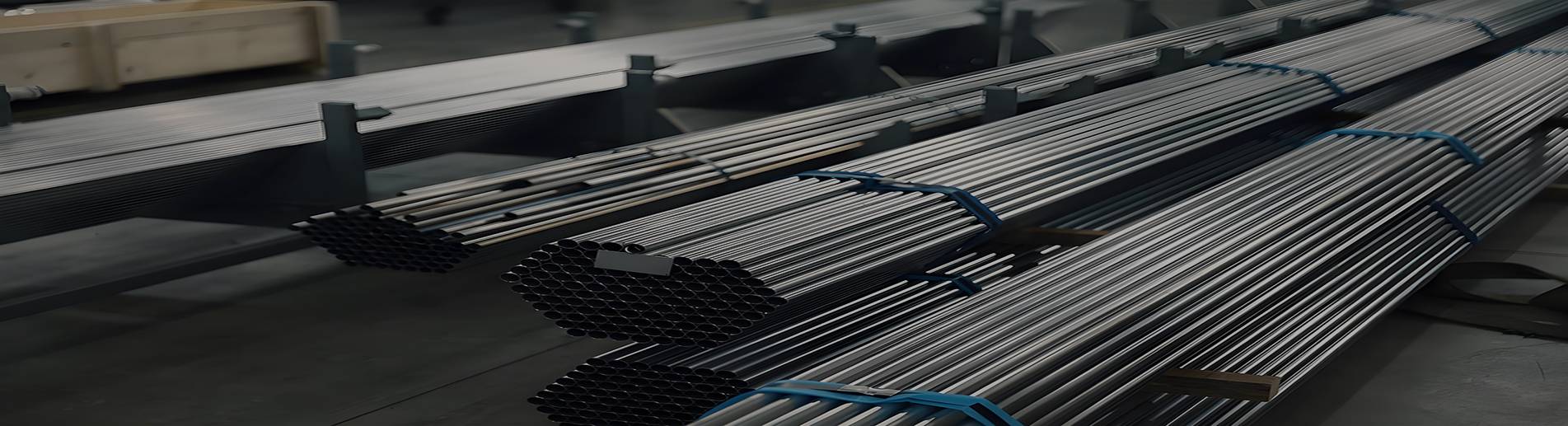
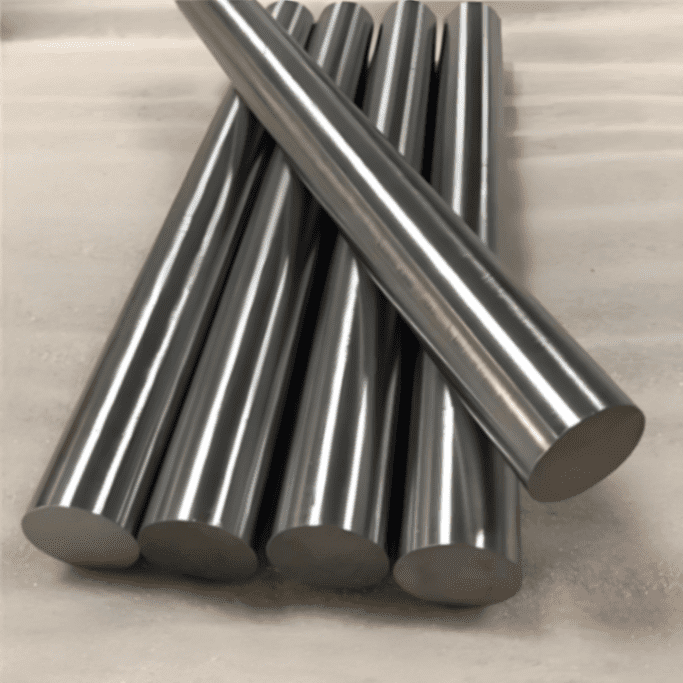
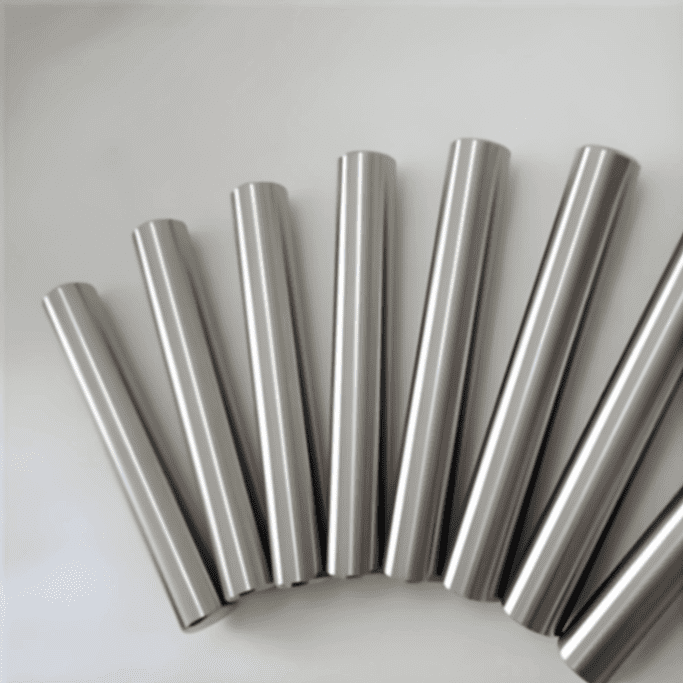
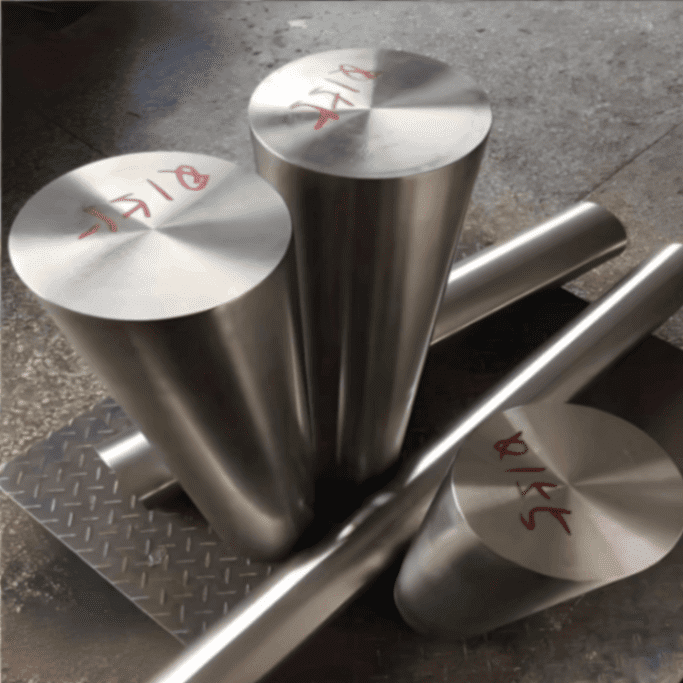
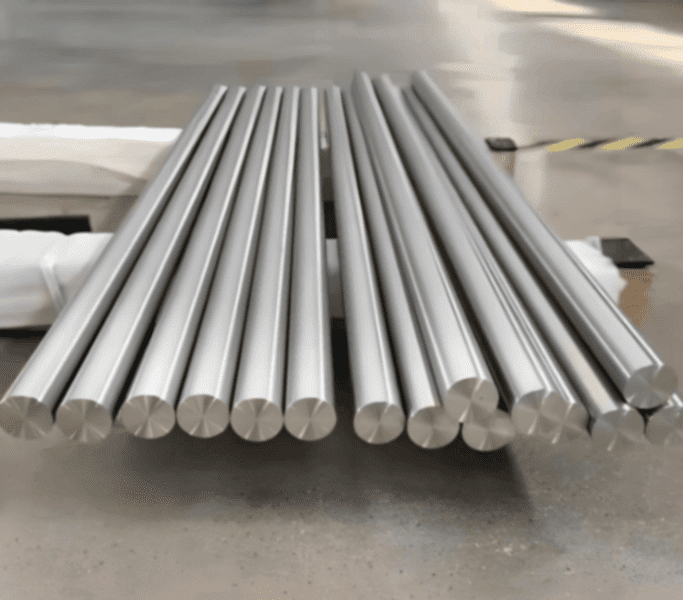
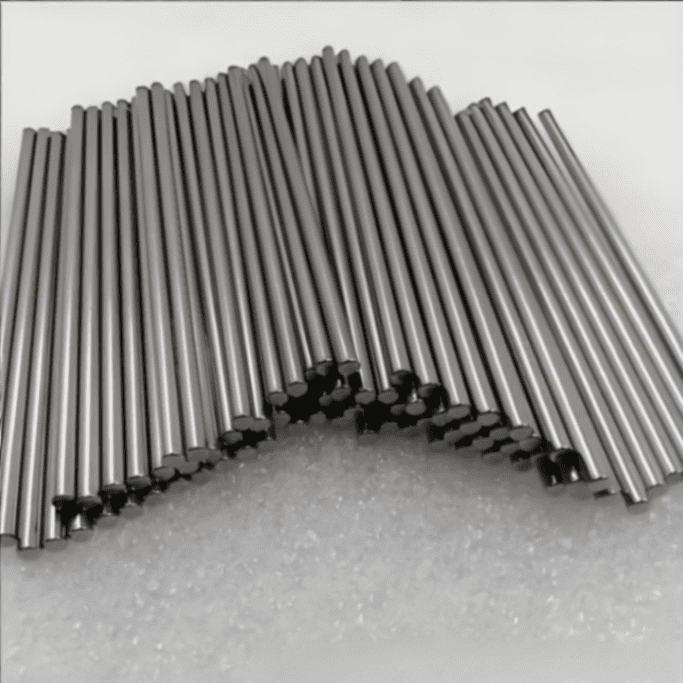
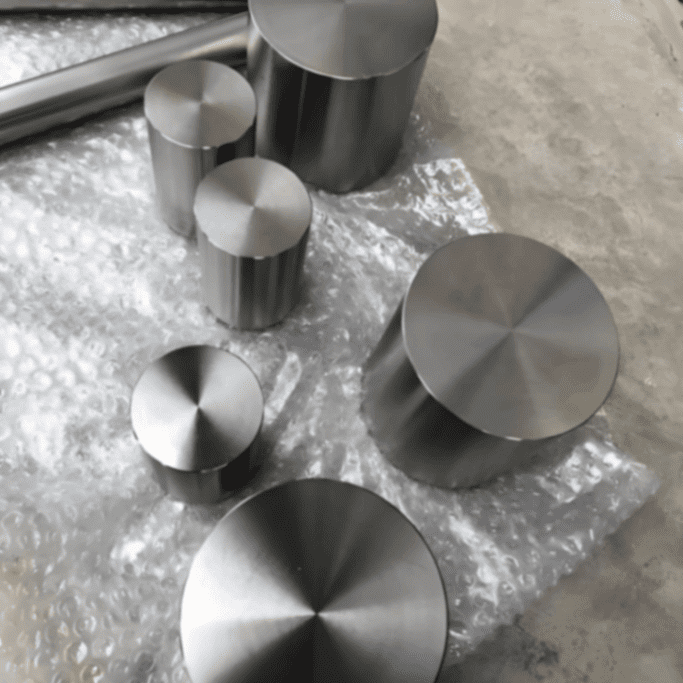
MSRR 7087 Nimonic 90 round bar is a nickel-chromium-cobalt precipitation-hardenable superalloy bar used for high-temperature aerospace, gas turbine, compressor, turbine, hot gas, spring, ring, shaft, and critical machined components. Nimonic 90, also known as UNS N07090 and W.Nr. 2.4632, is strengthened mainly by titanium and aluminum additions and is valued for high-temperature strength, creep resistance, oxidation resistance, and stress-rupture performance. When buyers search for MSRR 7087 Nimonic 90 round bar, they are usually not only looking for ordinary Nimonic 90 bar stock. They need material that can meet a specific aerospace or engine-related specification, with correct chemistry, heat treatment, mechanical properties, inspection records, MTC, heat number traceability, and controlled supply documents.
MSRR 7087 Nimonic 90 round bar refers to Nimonic 90 bar material supplied against the MSRR 7087 specification requirement. In practical procurement, this means the bar must not only match the general Nimonic 90 / UNS N07090 grade identity, but also meet the additional requirements stated in the MSRR 7087 document or customer purchase specification.
Nimonic 90 round bar is commonly used where stainless steel, ordinary nickel alloy, or lower-strength heat-resistant alloy cannot provide enough performance at elevated temperature. It is a precipitation-hardenable alloy, so its final strength depends strongly on correct chemical composition and proper heat treatment. This is especially important for aerospace and gas turbine parts, where high-temperature strength and long-term reliability are more important than simple material availability.
| Item | MSRR 7087 Nimonic 90 Round Bar Information |
|---|---|
| Material Name | Nimonic 90 / Alloy 90 |
| UNS Designation | UNS N07090 |
| W.Nr. | 2.4632 |
| Specification Reference | MSRR 7087, subject to customer drawing and purchase order requirement |
| Alloy Type | Nickel-chromium-cobalt precipitation-hardenable superalloy |
| Main Strengthening Elements | Titanium and aluminum |
| Main Service Direction | High-temperature strength, creep resistance, oxidation resistance, stress-rupture performance |
For normal industrial use, a buyer may only require Nimonic 90 round bar according to a general alloy standard. For aerospace, engine, or gas turbine use, the buyer may require MSRR 7087. This changes the purchasing focus. The supplier must confirm not only grade and size, but also specification compliance, heat treatment condition, inspection records, traceability, and document consistency.
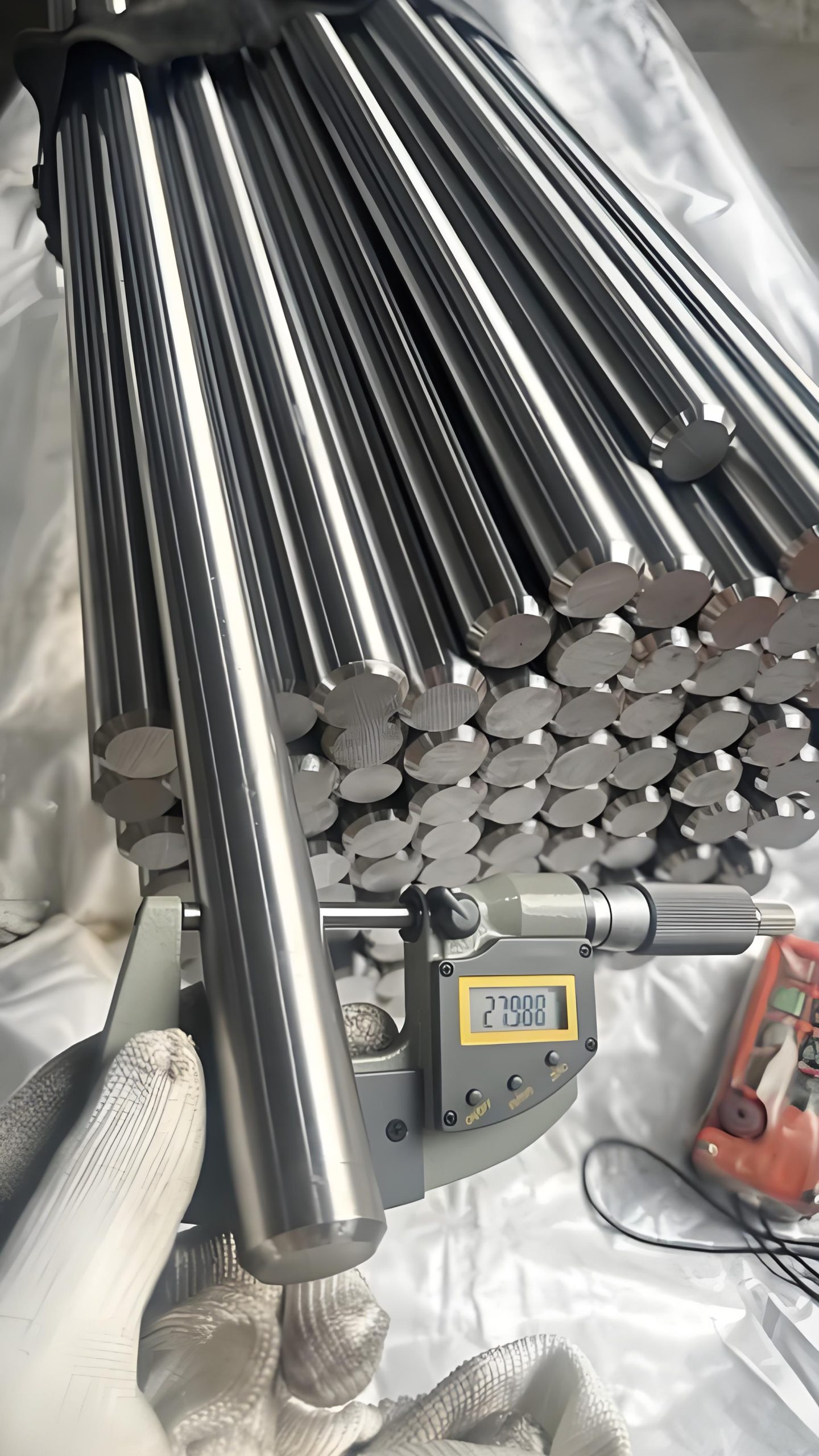
MSRR 7087 is treated as a controlled material specification in procurement. The exact requirements should be checked against the official MSRR 7087 document, because aerospace and engine specifications may include details beyond normal public alloy data sheets. These may include chemical composition limits, melting route, heat treatment condition, mechanical property requirements, inspection rules, marking, traceability, and certification format.
For buyers, it is risky to accept material only because the supplier says it is Nimonic 90. If the purchase order states MSRR 7087, then the supplied round bar should be checked against MSRR 7087 requirements. If the supplier only has standard Nimonic 90 bar without MSRR 7087 compliance documents, it may not be acceptable for the project.
| Requirement Area | What Buyers Should Confirm | Why It Matters |
|---|---|---|
| Material Grade | Nimonic 90 / UNS N07090 | Confirms correct alloy identity |
| Specification | MSRR 7087 stated on quotation, order, MTC, or compliance document | Confirms the material is supplied against the required specification |
| Chemical Composition | Ni, Cr, Co, Ti, Al, Fe, C, Mn, Si, S, Cu and trace elements | Controls alloy performance and compliance |
| Heat Treatment | Solution treatment and aging condition | Determines final mechanical properties and creep strength |
| Mechanical Properties | Tensile strength, yield strength, elongation, hardness, stress-rupture if required | Confirms the bar can meet service requirements |
| Traceability | Heat number, batch number, bar marking, MTC consistency | Required for aerospace and critical engineering acceptance |
| Inspection | UT, PMI, dimensional inspection, surface inspection, third-party inspection if required | Reduces risk of internal defects, mix-up, or nonconforming supply |
MSRR 7087 requirements should not be guessed from general Nimonic 90 data alone. General alloy data can help understand the material, but final acceptance should follow the official specification, customer drawing, purchase order, and approved MTC. If the buyer requires MSRR 7087 compliance, this should be written clearly before order confirmation.
Nimonic 90 round bar is commonly identified as UNS N07090. The UNS number is important because many nickel-based superalloys have similar names and similar appearance in bar form. Nimonic 80A, Nimonic 90, Nimonic 105, Nimonic 263, Inconel 718, Waspaloy, and Rene 41 may all be supplied as round bars, but their chemistry, heat treatment, strength level, and application range are different.
| Identification Item | Nimonic 90 Round Bar |
|---|---|
| Common Name | Nimonic 90 / Alloy 90 |
| UNS Number | UNS N07090 |
| Werkstoff Number | 2.4632 |
| General Alloy System | Nickel-Chromium-Cobalt-Titanium-Aluminum |
| Strengthening Method | Precipitation hardening by titanium and aluminum |
| Common Use Direction | Turbine components, hot springs, high-temperature fasteners, rings, discs, blades, shafts |
Grade confusion can create serious risk in high-temperature parts. The supplier should mark the material clearly and provide documents showing Nimonic 90 / UNS N07090. Buyers should check the MTC, heat number, bar marking, packing label, and purchase order description. If MSRR 7087 is required, the document should also reference the specification or include a compliance statement agreed before shipment.
The chemical composition of Nimonic 90 round bar is based on a nickel balance with controlled chromium, cobalt, titanium, aluminum, and minor elements. Chromium improves oxidation resistance. Cobalt supports high-temperature strength and stability. Titanium and aluminum form strengthening precipitates during heat treatment. Carbon, boron, zirconium, sulfur, iron, silicon, manganese, and copper are controlled because they may affect hot workability, weldability, creep behavior, and final bar quality.
For MSRR 7087 supply, the actual composition should be checked against the official specification. The following table is a practical Nimonic 90 composition reference for technical understanding, but project acceptance should follow the required specification and MTC.
| Element | Typical Range / Limit | Main Function |
|---|---|---|
| Nickel (Ni) | Balance | Base matrix for high-temperature strength and corrosion resistance |
| Chromium (Cr) | 18.0% – 21.0% | Oxidation resistance and hot gas corrosion resistance |
| Cobalt (Co) | 15.0% – 21.0% | Improves high-temperature strength and matrix stability |
| Titanium (Ti) | 2.0% – 3.0% | Main precipitation-hardening element |
| Aluminum (Al) | 1.0% – 2.0% | Supports precipitation hardening and oxidation behavior |
| Carbon (C) | 0.13% max | Affects carbide formation and high-temperature grain boundary behavior |
| Iron (Fe) | 1.5% max | Controlled residual element |
| Manganese (Mn) | 1.0% max | Controlled minor element |
| Silicon (Si) | 1.0% max | Controlled residual and processing-related element |
| Copper (Cu) | 0.2% max | Controlled residual element |
| Sulfur (S) | 0.015% max | Kept low to support hot workability and weld quality |
| Boron (B) | 0.02% max | May support grain boundary behavior in controlled amount |
| Zirconium (Zr) | 0.15% max | May influence grain boundary strength and high-temperature behavior |
| Lead (Pb) | 0.002% max | Strictly controlled harmful trace element |
When the order calls for MSRR 7087 Nimonic 90 round bar, the supplier should not only provide a general chemistry table. The actual heat analysis should be shown on the MTC, and every controlled element should fall within the required specification range. For aerospace or turbine applications, chemical composition is directly connected with heat treatment response, creep resistance, fatigue behavior, and long-term service reliability.
Nickel, chromium, and cobalt form the main alloy base of Nimonic 90 round bar. These three elements create the high-temperature alloy framework before titanium and aluminum provide precipitation strengthening.
Nickel is the balance element in Nimonic 90. It forms the main matrix and allows the alloy to maintain useful strength and stability at temperatures where many steels lose performance. Nickel also helps support corrosion resistance and ductility, which are important for hot-section components and machined parts.
Chromium content is usually controlled around 18.0% to 21.0%. This chromium level helps the alloy form a protective oxide scale at elevated temperature. For turbine, hot gas, exhaust, and combustion-related applications, oxidation resistance is essential because surface degradation can reduce component life.
Cobalt content is commonly controlled around 15.0% to 21.0%. Cobalt helps improve high-temperature strength and matrix stability. It also supports resistance to softening during long-term exposure to heat. This is one reason Nimonic 90 can be used in high-stress and high-temperature applications.
| Element | Role in Nimonic 90 Round Bar | Practical Benefit |
|---|---|---|
| Nickel | Base matrix | High-temperature stability and corrosion resistance |
| Chromium | Oxidation-resistant element | Better hot gas and surface oxidation resistance |
| Cobalt | High-temperature strengthening element | Improved strength and stability under heat |
Titanium and aluminum are the main precipitation-hardening elements in Nimonic 90 round bar. They allow the alloy to develop high strength after proper solution treatment and aging. Without correct titanium and aluminum content, Nimonic 90 would not reach the expected high-temperature strength level.
Titanium is usually controlled around 2.0% to 3.0%. It is one of the main elements responsible for precipitation strengthening. During aging, titanium contributes to the formation of strengthening phases that help the alloy resist deformation under stress and heat.
Aluminum is usually controlled around 1.0% to 2.0%. It works with titanium in the precipitation-hardening system and also supports oxidation behavior. The balance between titanium and aluminum is important because the final aged strength depends on the correct precipitation response.
If titanium or aluminum is too low, the alloy may not develop enough aged strength. If they are too high or poorly balanced, ductility, hot workability, or cracking resistance may be affected. For MSRR 7087 Nimonic 90 round bar, titanium and aluminum values should be checked carefully in the MTC before acceptance.
| Element | Typical Range | Performance Effect |
|---|---|---|
| Titanium | 2.0% – 3.0% | Main precipitation hardening and high-temperature strength contribution |
| Aluminum | 1.0% – 2.0% | Supports precipitation strengthening and oxidation behavior |
Heat treatment is one of the most important requirements for Nimonic 90 round bar. Because the alloy is precipitation hardenable, the final mechanical properties depend on correct solution treatment and aging. A bar with correct chemistry but wrong heat treatment may not meet the required strength, creep resistance, or stress-rupture performance.
A commonly referenced heat treatment for Nimonic 90 bar is solution treatment at about 1080°C for 8 hours followed by air cooling, then aging at about 700°C for 16 hours followed by air cooling. However, for MSRR 7087 orders, the exact heat treatment should follow the specification, customer drawing, or approved process route.
| Heat Treatment Step | Common Reference Condition | Purpose |
|---|---|---|
| Solution Treatment | 1080°C for 8 hours, air cool | Dissolves strengthening elements and prepares the structure for aging |
| Aging Treatment | 700°C for 16 hours, air cool | Develops precipitation hardening and final strength |
Large diameter round bars may need careful control during heat treatment because heating uniformity and cooling behavior can affect final properties. For critical aerospace and turbine parts, heat treatment records may be required. Buyers should confirm whether the bar is supplied solution treated, aged, annealed, or in another condition required by MSRR 7087.
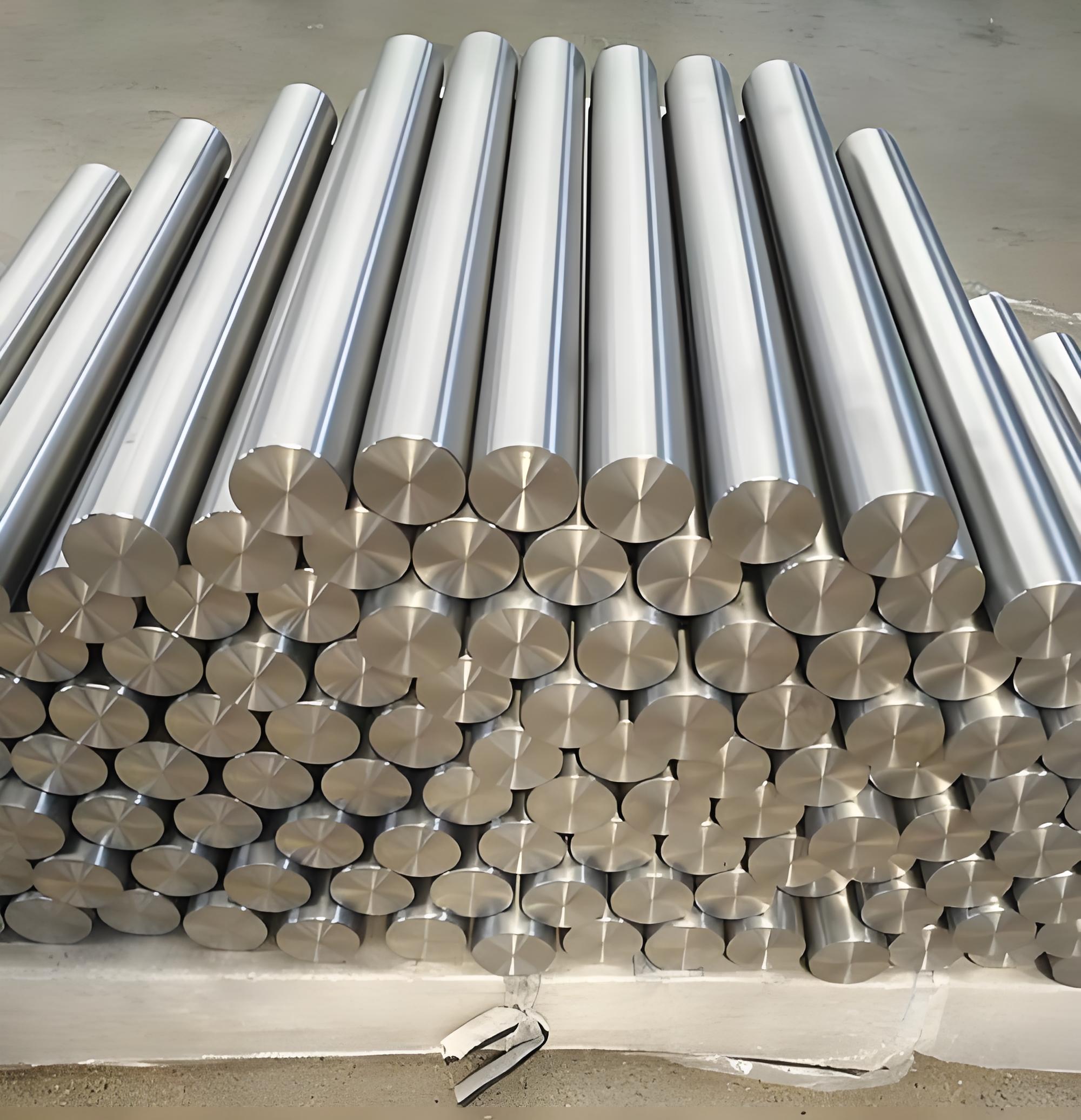
Nimonic 90 round bar has high strength after proper heat treatment. Mechanical properties may include tensile strength, yield strength, elongation, reduction of area, hardness, stress-rupture performance, and creep resistance. Actual values depend on product form, bar diameter, heat treatment, standard, and testing temperature.
At room temperature, Nimonic 90 round bar can provide high tensile strength and useful ductility. This is important for machining, assembly, fastener production, springs, shafts, and structural hot-section components. However, room-temperature properties alone are not enough for material selection, because Nimonic 90 is normally chosen for elevated-temperature service.
At elevated temperature, Nimonic 90 is valued for maintaining strength and resisting deformation. Mechanical testing may be required at room temperature and high temperature depending on the specification. For aerospace and gas turbine parts, stress-rupture and creep data may be more important than simple tensile strength.
| Mechanical Property | Why It Matters | Typical Procurement Check |
|---|---|---|
| Tensile Strength | Shows maximum load-bearing ability | Check MTC and required test temperature |
| Yield Strength | Indicates resistance to permanent deformation | Important for shafts, rings, fasteners, and loaded parts |
| Elongation | Shows ductility and forming tolerance | Important for machining and fabrication reliability |
| Hardness | Useful for strength and machining reference | Check if required by specification |
| Stress-Rupture | Shows performance under long-term stress at high temperature | Often important for turbine and aerospace parts |
| Creep Resistance | Shows resistance to slow deformation at temperature | Critical for long-term high-temperature service |
High-temperature strength and creep resistance are the main reasons Nimonic 90 round bar is used in gas turbine and aerospace applications. Creep is slow deformation under stress at elevated temperature. In hot-section components, creep damage can gradually reduce dimensional accuracy and eventually cause failure.
Nimonic 90 obtains high-temperature strength from its nickel-cobalt-chromium matrix and titanium-aluminum precipitation strengthening system. Cobalt helps improve matrix stability. Titanium and aluminum form strengthening precipitates during aging. Chromium supports oxidation resistance, helping protect the surface during hot service.
Many turbine and engine components do not fail by one-time overload. They fail after long exposure to heat, stress, vibration, and oxidation. A material used for turbine blades, discs, rings, springs, or hot fasteners must resist creep deformation over long service periods. This is why heat treatment and composition control are essential for Nimonic 90.
Nimonic 90 is commonly associated with high-temperature service up to around 920°C in suitable applications. The actual service limit depends on stress level, atmosphere, component design, heat treatment, creep requirement, and safety factor. Buyers should not select the alloy only by temperature number; actual load and service environment must also be considered.
| Performance Factor | Nimonic 90 Contribution |
|---|---|
| High-temperature load capacity | Supported by nickel-cobalt matrix and precipitation hardening |
| Creep resistance | Improved by aged strengthening structure and controlled chemistry |
| Stress-rupture performance | Important for long-term high-temperature components |
| Dimensional stability | Useful for turbine, spring, ring, and shaft applications |
Nimonic 90 round bar has good oxidation resistance and hot gas corrosion performance because of its chromium and nickel content. In turbine, exhaust, combustion, and hot gas environments, surface oxidation and corrosion can reduce component life. Nimonic 90 is designed to maintain strength while resisting high-temperature surface attack.
Chromium supports the formation of protective oxide scale at elevated temperature. This oxide scale helps slow down further oxidation. If oxidation resistance is poor, the surface may scale, crack, or lose material, which can affect fatigue life, dimensional accuracy, and mechanical reliability.
Hot gas corrosion may involve oxygen, sulfur compounds, combustion products, salts, and other contaminants. Nimonic 90 can perform well in many hot gas environments, but actual suitability depends on the exact atmosphere and temperature. If severe hot corrosion, molten salts, or aggressive chemical gases are present, engineering review is required.
Surface condition also affects oxidation behavior. Clean, properly machined, and contamination-free surfaces perform better than surfaces with embedded iron, cutting residue, heavy scale, or surface defects. For critical components, final cleaning and inspection should be controlled after machining.
| Environment | Nimonic 90 Performance Direction | Selection Note |
|---|---|---|
| Hot air | Good oxidation resistance | Chromium helps protect the surface |
| Combustion gas | Good in suitable conditions | Check sulfur, salts, and contaminants |
| Gas turbine environment | Common application area | Requires correct heat treatment and traceability |
| Severe hot corrosion | Needs engineering evaluation | Actual gas chemistry and deposits matter |
MSRR 7087 Nimonic 90 round bar may be ordered in different diameters, lengths, and surface conditions depending on final component design. Common requirements include hot rolled bar, forged bar, peeled bar, ground bar, centerless ground bar, or cut-to-length blanks.
Nimonic 90 round bar may be supplied in small diameters for fasteners and springs, medium diameters for shafts and rings, and larger forged diameters for turbine or heavy machined parts. Actual size availability depends on supplier stock, production route, and specification requirement.
Bars may be supplied in random length, fixed length, or cut pieces. For aerospace machining, cut-to-size blanks may help reduce waste and machining preparation. However, buyers should specify cutting tolerance and machining allowance because saw-cut ends usually require facing.
Hot rolled or forged black surface bars are usually used as machining blanks. Peeled bars provide cleaner surface and reduced machining allowance. Ground bars provide tighter diameter tolerance and better surface finish. For critical aerospace parts, surface condition, straightness, and defect control should be confirmed before order.
| Surface Condition | Main Feature | Typical Use |
|---|---|---|
| Hot Rolled | Economical for general machining blanks | Rods, fittings, rough machined parts |
| Forged | Suitable for larger diameter and heavy-duty parts | Large shafts, rings, turbine-related components |
| Peeled | Cleaner surface and reduced machining allowance | Shafts, fasteners, precision machining blanks |
| Ground | Tighter tolerance and smoother surface | Precision rods, springs, close-tolerance components |
| Cut-to-Length | Prepared blanks for machining | Aerospace and turbine machining shops |
Nimonic 90 round bar is widely associated with aerospace and gas turbine applications because it can maintain strength at elevated temperature and resist creep deformation. When supplied under MSRR 7087, it is usually intended for controlled engineering use where traceability and specification compliance are essential.
Nimonic 90 can be used for turbine blades, discs, rings, fasteners, springs, shafts, and hot-section components depending on the design and specification. These parts may operate under heat, stress, vibration, and oxidizing gas exposure.
In aerospace applications, Nimonic 90 round bar may be machined into high-temperature fasteners, retaining rings, pins, rods, springs, and structural hot-service parts. Material traceability is especially important because components may be subject to strict quality audits.
Nimonic 90 is often used where spring performance or fastening force must be maintained at elevated temperature. Titanium and aluminum precipitation strengthening helps the alloy retain strength better than many ordinary alloys in hot service.
| Application | Why Nimonic 90 Round Bar Is Used |
|---|---|
| Turbine blades and discs | High-temperature strength and creep resistance |
| Gas turbine rings | Dimensional stability under heat and stress |
| High-temperature springs | Strength retention at elevated temperature |
| Hot fasteners | Resistance to relaxation, oxidation, and thermal exposure |
| Compressor and turbine hardware | Good balance of strength, oxidation resistance, and service reliability |
The difference between MSRR 7087 Nimonic 90 round bar and standard Nimonic 90 bar is mainly the specification control level. Standard Nimonic 90 bar may meet a general alloy specification and be suitable for normal industrial high-temperature use. MSRR 7087 Nimonic 90 round bar must satisfy a specific controlled requirement, usually for aerospace, engine, or critical high-temperature applications.
Standard Nimonic 90 bar is usually ordered by grade, UNS number, size, and general standard. It may be acceptable for industrial applications where the buyer does not require MSRR 7087 compliance. The supplier may provide MTC, chemical composition, mechanical properties, and standard bar documents.
MSRR 7087 Nimonic 90 bar should be ordered when the drawing or customer specification requires MSRR 7087. In this case, ordinary Nimonic 90 stock may not be acceptable unless it can be verified against MSRR 7087 requirements. Buyers should confirm this before purchase, not after delivery.
| Comparison Item | Standard Nimonic 90 Bar | MSRR 7087 Nimonic 90 Round Bar |
|---|---|---|
| Grade | Nimonic 90 / UNS N07090 | Nimonic 90 / UNS N07090 under MSRR 7087 requirement |
| Specification Control | General alloy or customer standard | Specific MSRR 7087 requirement |
| Traceability | Usually required for industrial orders | Strictly required for controlled applications |
| Inspection | Depends on order | May require stricter inspection and document review |
| Application | Industrial high-temperature parts | Aerospace, gas turbine, engine, and critical hot-section parts |
| Substitution | May not meet MSRR 7087 | Should not be replaced without engineering approval |
When requesting a quote, buyers should ask: can the material be supplied according to MSRR 7087, and can the MTC or compliance document show this requirement? If the answer is unclear, the buyer should request document review before confirming the order.
Inspection, MTC, and traceability are critical for MSRR 7087 Nimonic 90 round bar. Since the material may be used in aerospace or gas turbine components, buyers should not accept material based only on visual appearance or verbal grade confirmation.
The MTC should show material name, UNS number, heat number, chemical composition, mechanical properties, heat treatment condition, bar size, delivery condition, and applicable specification. If MSRR 7087 compliance is required, this should be clearly reflected in the supply documents or supported by an agreed compliance statement.
The heat number on the MTC should match the bar label, product marking, packing list, and physical material. This traceability allows the buyer to connect every supplied bar with the original chemical analysis and test results.
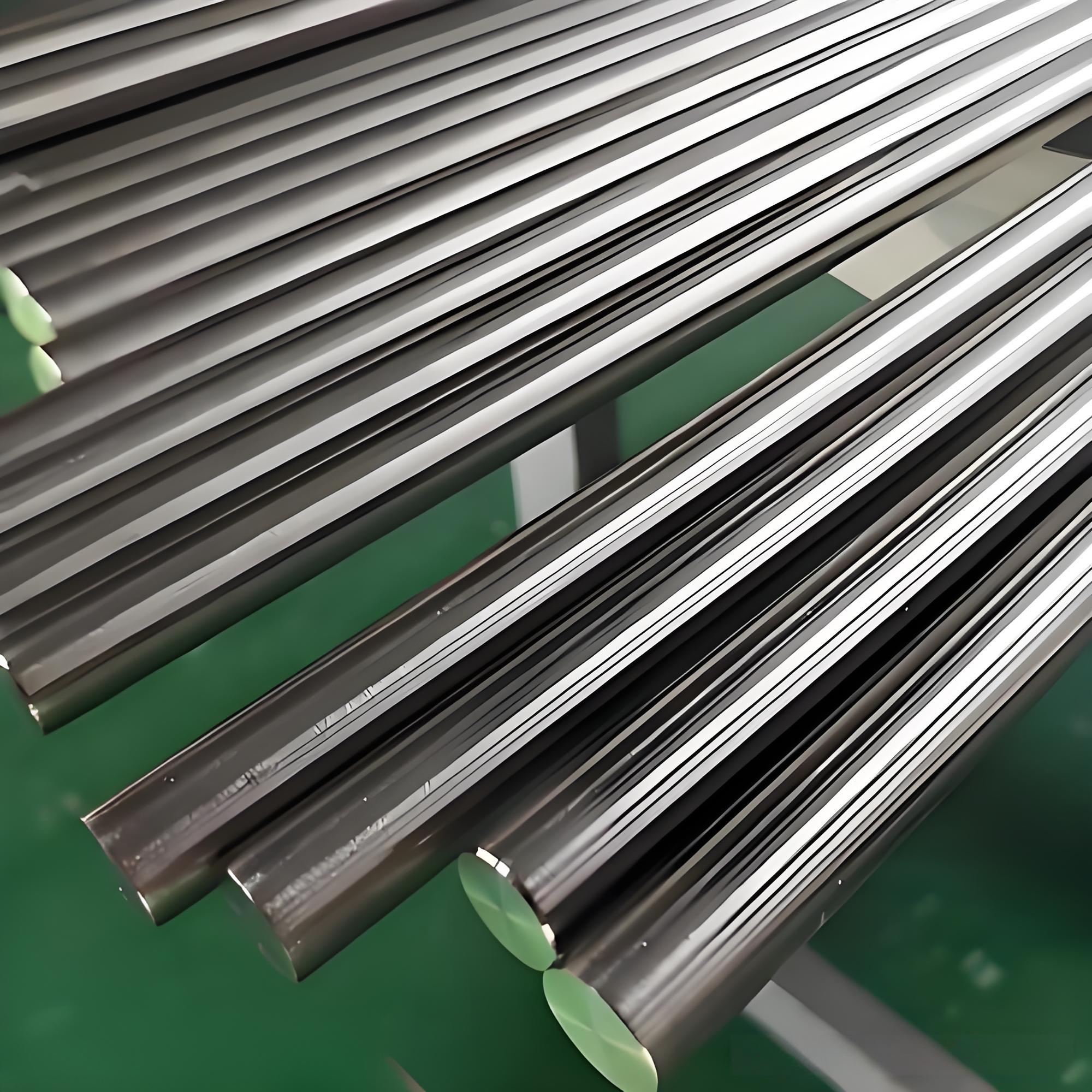
Buyers should check chromium, cobalt, titanium, aluminum, carbon, iron, manganese, silicon, copper, sulfur, boron, zirconium, and harmful trace elements against the required specification. For precipitation-hardenable alloys, titanium and aluminum are especially important because they affect aging response and final strength.
The MTC should show required mechanical properties according to the order. This may include tensile strength, yield strength, elongation, hardness, stress-rupture properties, or elevated-temperature test results if required by the specification.
PMI can help verify major alloying elements and prevent material mix-up. Ultrasonic testing may be required for larger diameter bars or critical components to check internal quality. Surface inspection helps identify cracks, laps, seams, heavy scale, or defects that may affect machining and final part reliability.
| Inspection Item | What to Check | Why It Matters |
|---|---|---|
| Grade Identification | Nimonic 90 / UNS N07090 | Prevents wrong alloy supply |
| Specification | MSRR 7087 if required by order | Confirms controlled specification compliance |
| Heat Number | Same on MTC, label, marking, and packing list | Ensures full traceability |
| Chemical Composition | Ni, Cr, Co, Ti, Al, C, Fe, Mn, Si, S, Cu and trace elements | Confirms alloy balance and standard compliance |
| Heat Treatment | Solution treated and aged condition if required | Controls final mechanical properties |
| Mechanical Properties | Tensile, yield, elongation, hardness, stress-rupture if required | Confirms performance suitability |
| Dimensional Inspection | Diameter, length, tolerance, straightness | Affects machining and final component quality |
| Surface Inspection | Cracks, laps, seams, scratches, heavy scale | Reduces machining and service failure risk |
| UT / NDT | Internal soundness if required | Important for large bars and critical parts |
A clear RFQ should include: MSRR 7087 Nimonic 90 round bar, UNS N07090, required diameter, length, quantity, heat treatment condition, surface condition, tolerance, MTC requirement, inspection requirement, cutting requirement, and destination. If the material is for aerospace or engine use, buyers should also provide the drawing revision, approved specification revision, and any customer-specific acceptance requirements.
What is MSRR 7087 Nimonic 90 round bar?
MSRR 7087 Nimonic 90 round bar is Nimonic 90 / UNS N07090 round bar supplied according to the MSRR 7087 specification requirement. It is a nickel-chromium-cobalt precipitation-hardenable superalloy bar strengthened by titanium and aluminum. It is used for high-temperature aerospace, gas turbine, hot-section, spring, fastener, ring, shaft, and critical machined components where high strength, creep resistance, oxidation resistance, and traceable material documents are required.
What is the composition of Nimonic 90?
Nimonic 90 is a nickel-base alloy with nickel as balance. Its typical composition includes chromium about 18.0% to 21.0%, cobalt about 15.0% to 21.0%, titanium about 2.0% to 3.0%, aluminum about 1.0% to 2.0%, with controlled limits for carbon, iron, manganese, silicon, copper, sulfur, boron, zirconium, lead, and other trace elements. For MSRR 7087 orders, the final composition must be checked against the official specification and the material test certificate.
How to verify MSRR 7087 Nimonic 90 bar?
To verify MSRR 7087 Nimonic 90 bar, buyers should check the MTC, heat number, UNS N07090 grade identification, chemical composition, heat treatment condition, mechanical properties, inspection results, bar marking, packing label, and specification compliance statement. PMI can help prevent material mix-up, but it should not replace full MTC review. For aerospace or gas turbine parts, material should not be accepted unless traceability and specification compliance are clear.
More from this category
Incoloy 825 bar price depends on the nickel-based alloy composition, bar dimensions, manufacturing route, heat-treatment condition, surface finish, in...
Incoloy 800HT bar price is shaped by nickel, chromium, titanium, and aluminum raw-material costs, together with bar dimensions, heat-treatment conditi...
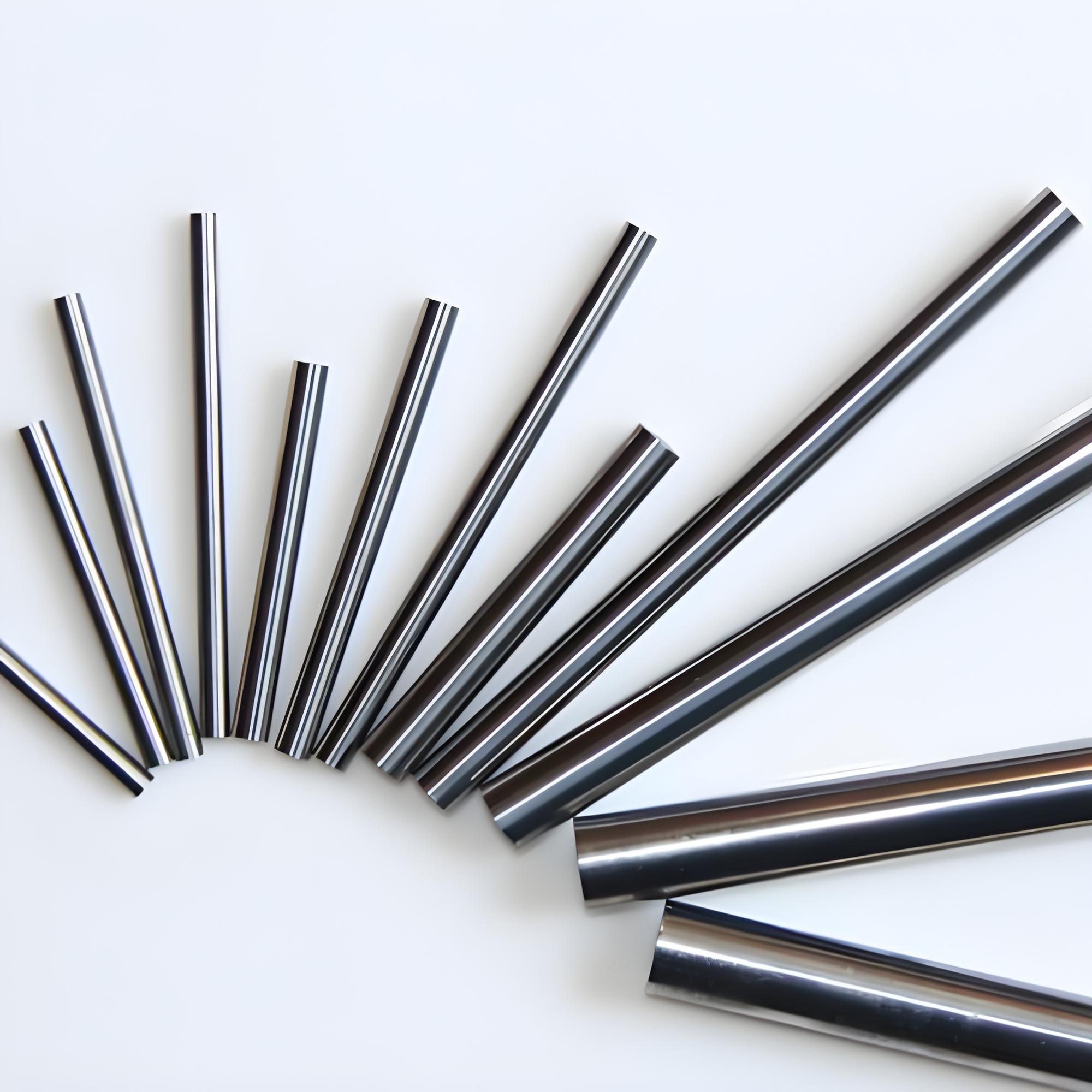
Incoloy 20 round bar price per kg depends on the alloy composition, bar size, manufacturing method, surface finish, tolerance, certificates, inspectio...
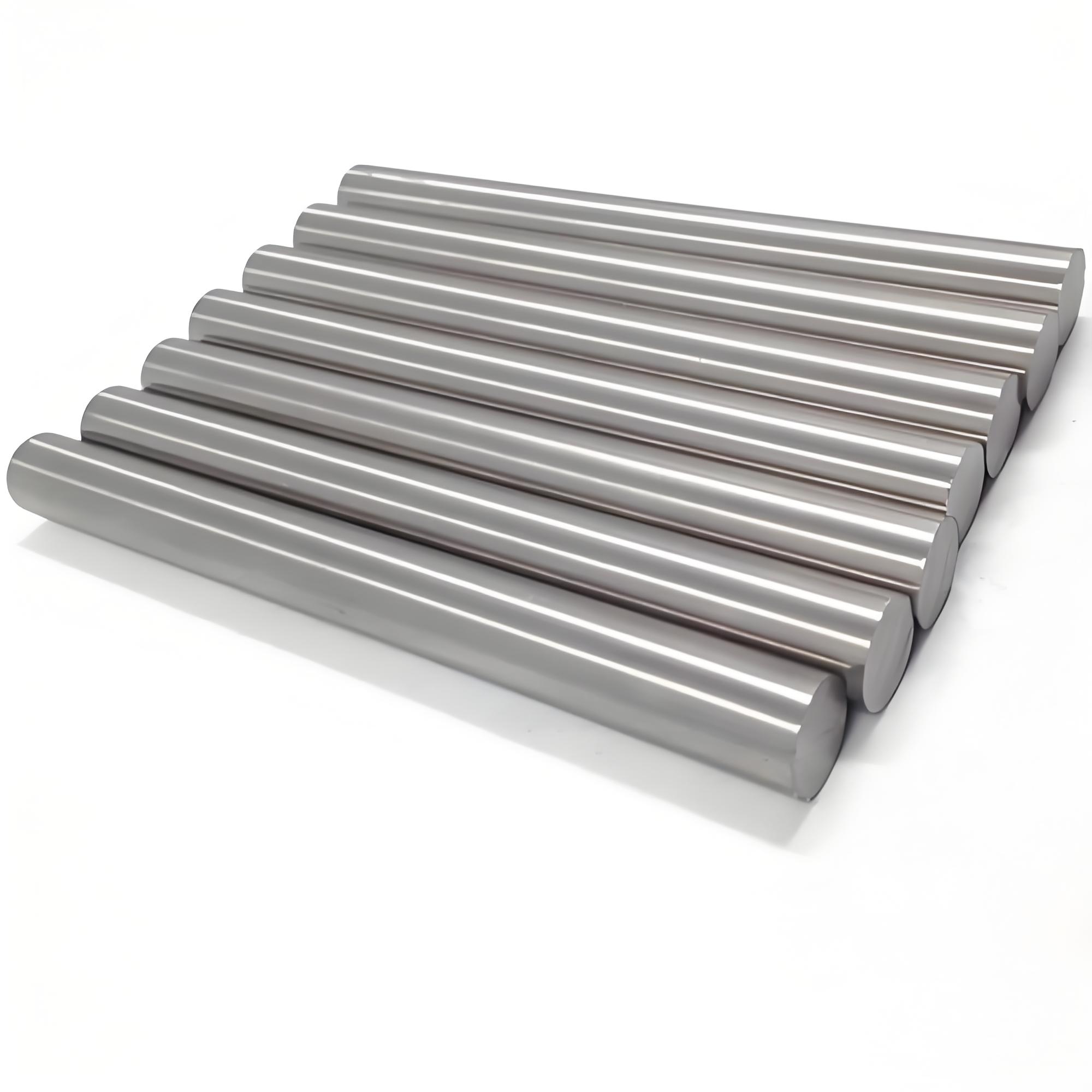
Hastelloy G-30 N06030 bar factory price is determined by the alloy’s high nickel, chromium, iron, molybdenum, copper, and tungsten content, together...
 English English
  Korean
 Arabic
 Spanish
 German
 Portuguese
 French
 Russian
 Italian
 Vietnamese